
Reviewed · SAKE TASTINGS
Tasting All Types of Sake with Sommelier
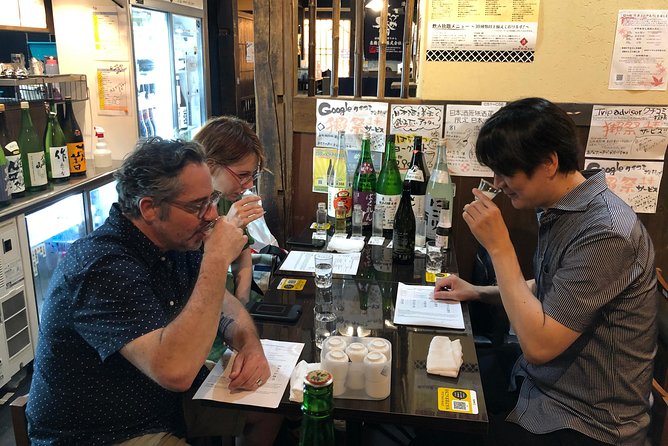
Sake can feel like a maze when you are staring at Japanese labels and trying to guess what is sweet, dry, or even served hot. This Shinjuku session turns that confusion into real ordering skills. I like that it teaches how to decode a sake label fast, not just how to drink.
The other reason this works is the tasting itself. You are guided through 6 to 7 types of sake, with an expert explaining what you are tasting and how to match each style with food. That kind of structure makes it easier to remember what you like.
One consideration: with multiple pours, go in with a plan. If you arrive on an empty stomach or try to sprint into late-night plans right after, the alcohol can catch you off guard.
Key things to love about this Shinjuku sake tasting
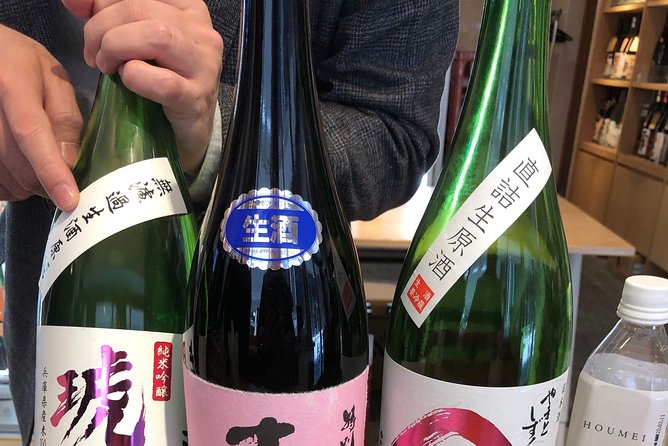
- Learn how to read a sake label so you can order confidently in shops and restaurants
- Taste 6 to 7 sake styles with clear explanations of flavor and serving style
- Ask questions during the session with sommelier Akira in a small setting
- Try styles you may not find easily overseas, including things that are tricky to ship
- Get Shinjuku night notes, with talk around Kabukicho and Golden Gai
Why 4:00 PM in Shinjuku is a smart time to learn sake
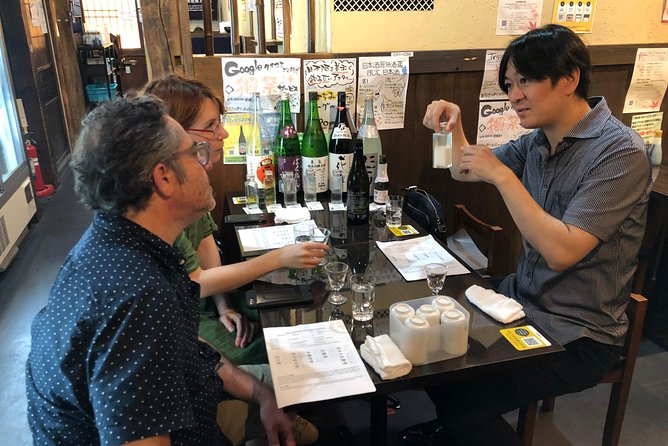
This is a practical early-evening activity. The start time is 4:00 pm, and it runs about 1 hour 30 minutes, roughly 1.5 to 2 hours in real life. That timing is ideal if you want a focused cultural stop before dinner or before you head deeper into Tokyo’s night zones.
Shinjuku is also a good classroom. You get to pair your new sake knowledge with the reality of what Tokyo feels like. You are not learning in a vacuum. Afterward, you will understand what to order when you see “junmai” or “ginjo” on a menu, and you will feel less lost when the staff starts talking in shorthand.
This experience is also small, with a maximum of 12 people. Smaller groups make a difference with tasting tours, because you can actually ask questions while everyone can still move through the bar comfortably.
If you like guided learning with a social vibe, this hits the sweet spot. If you hate group settings, you might still appreciate the structure, since it is not a long lecture. You drink, you listen, you ask, you repeat.
More Food & Drink in Tokyo
- Tokyo: Shinjuku Food Tour (13 Dishes at 4 Local Eateries)
★ 5.0 · 6,603 reviews - Tokyo Tsukiji Fish Market Food and Culture Walking Tour
★ 5.0 · 3,184 reviews - Tokyo: Shinjuku Food Tour (15 Dishes and 4 Eateries)
★ 4.9 · 2,033 reviews
Finding the bar near Louis Vuitton Shinjuku, plus quick local orientation
You meet in Shinjuku at Frente Shinjuku San-chōme, 3-chōme-4-8 (Shinjuku City, Tokyo 160-0022). The tour starts at 4:00 pm, and it ends back at the meeting point. You also get a mobile ticket, so you do not need to print anything.
The walking part is short. There are a couple of quick orientation stops, one around Shinjuku and another around Shinjuku 3 Chōme. It is not sightseeing for sightseeing’s sake. The point is to give you just enough context so the night around you makes sense.
Then you arrive at the sake bar right next to Louis Vuitton Shinjuku. That location matters because it anchors you in a recognizable landmark area. If you are nervous about navigating Shinjuku, this is a relief. You know where you are starting, and you can find your way back after.
You also get talk about Kabukicho and Golden Gai. You should treat this as helpful orientation, not a formal nightlife tour with a strict route. Still, it is a nice added value: you leave with ideas for what you might try next, especially if you want bars that feel distinct from the big-name streets.
How Akira helps you decode a sake label (so you can order anywhere)
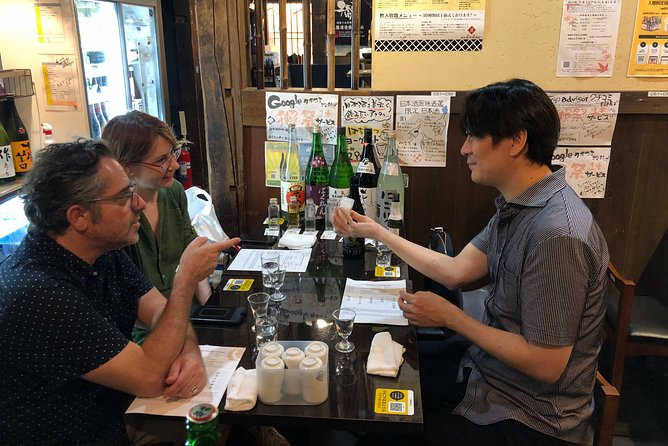
The best part of this tour is the label skill. Instead of memorizing terms you will forget, you get a practical method for reading what is on the bottle.
Akira (often referred to as Aki-san) goes beyond “this is sweet” or “this is dry.” He helps you understand what the label suggests about the sake’s character and how it should be served. That matters because sake is not one universal style. A menu can include hot pours, chilled pours, sparkling options, and different dryness levels that taste like they come from separate worlds.
You also get a written handout during the session. One review highlights a pamphlet that outlines aspects of sake making, plus tips on how to better understand what you see on bottles. Another notes a leaflet focused on the process. Even if you are not taking notes like a student, the paper gives you something to refer back to later when you are in a shop or scanning menus.
Here is how I would use this after your tour. When you are looking at a bottle or a drink list, start by asking yourself two questions:
- What style does this label point toward, sweet versus dry, and light versus rich?
- Is it intended to be served hot, warm, or chilled?
If you can answer those two, you avoid the most common beginner mistake, ordering something that is technically sake but not what your palate wants.
The tasting flight: 6 to 7 styles, from sparkling to unpasteurized
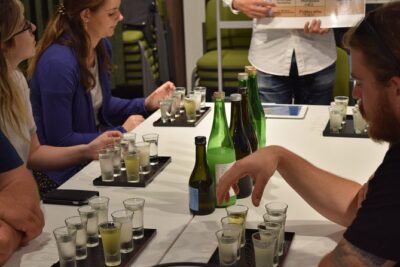
The heart of the experience is the sampling. You serve and taste all different types of sake in the bar, and you should expect somewhere around 6 to 7 varieties, sometimes with a welcome sake included. The exact mix can vary, but the goal stays the same: you taste a range so you can recognize patterns in flavor.
You will not just sip and move on. Akira explains what he feels from each sake, which turns tasting into learning. That format helps you build a mental checklist for yourself. You start to notice:
- brightness versus heaviness
- dryness versus sweetness
- clean rice-forward flavors versus deeper, rounder profiles
- how serving temperature changes the impression
One highlight from the experience is variety in style, including sparkling sake, and sake types that are pasteurized versus unpasteurized. The unpasteurized angle is especially useful because you may not be able to find those easily outside Japan due to shipping and handling. Trying them here gives you a benchmark for what “fresh” can taste like, not just what the word fresh sounds like.
You will also try sakes that fit different drinking styles, including ones that can be served hot. That is important in Tokyo, because many places will ask if you want something served warm, and now you can make that choice with intention instead of guessing.
If you are worried about being overwhelmed, do this simple strategy during the tasting: focus on one thing per glass. For example, in one pour, ask yourself if it finishes dry or sweet. In the next, notice the aroma and how it changes with temperature. By the time you reach the later sips, the differences start clicking.
More Sake Tastings in Tokyo
- Ramen and Sushi Cooking Class with Sake Pairing Set in Tokyo
★ 5.0 · 291 reviews - Sake Tasting Masterclass in Shinjuku (8+ Varieties with a Pro)
★ 5.0 · 271 reviews - Sake Omakase in Tokyo: Guided Tasting by Certified Sommeliers
★ 5.0 · 239 reviews - Wagyu & Sake Pairing in Shinjuku – Steak, Shabu-Shabu & More
★ 5.0 · 112 reviews
Food pairing advice that actually helps, not just theory
The tour includes pairing guidance, specifically the best foods to go with each type of sake. That is smart because sake is often sold like it is a standalone drink, but in real bars and restaurants it is food-first.
Akira’s explanations help you connect the drink to practical meals. You start to see why some sake pairs better with savory dishes, why certain styles work well with grilled foods, and why you might want a drier sake when a meal is rich.
Here is the value for you. After this experience, you will order more effectively in Japanese restaurants because you understand the match between flavor weight and food. You will also be less likely to default to the safest choice just because the menu is intimidating.
One practical tip to remember: if you tend to get overwhelmed ordering from menus, pick a sake style you learned on this tour and then ask what the staff recommends as a pairing. You can use your new label reading as your base, then let the restaurant handle the fine details.
This tour is not trying to make you a sommelier on day one. It is giving you the ability to ask better questions and choose with confidence.
Shinjuku night context: Kabukicho and Golden Gai after your sips
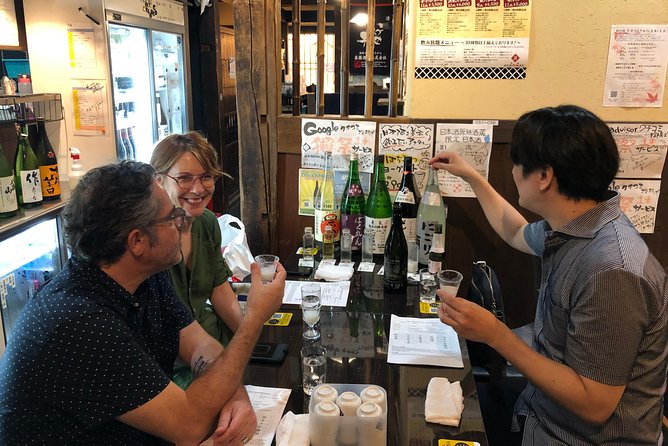
This tour includes short talk about Kabukicho and Golden Gai. It is not a long detour, but it helps you time your night and pick where you might enjoy a second stop.
Why it matters: Shinjuku can be chaotic, especially if you have never been there. When you have a sense of the vibe of the area, you waste less time wandering and second-guessing. You can also avoid the most frustrating situation for visitors, walking into a place that looks interesting but is not the right fit for what you want to do tonight.
Golden Gai, in particular, is the kind of area you typically want to approach with a little context. The tour’s quick guidance makes it feel less like an intimidating maze and more like a place where you can aim for the kind of bar atmosphere you enjoy.
Kabukicho conversation also gives you a reality check for planning. It sets expectations so you can make smart decisions about your pace. You are tasting alcohol in the earlier part of the afternoon. If you have big plans for the late-night crowds, you will be glad you started with something informative rather than something impulsive.
Price and value at $62.76, plus the small group advantage
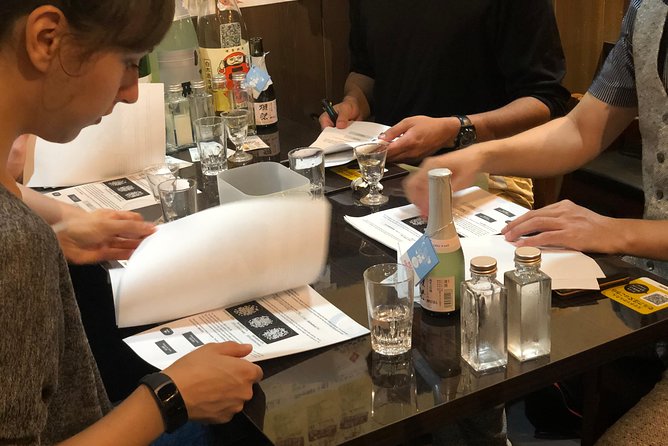
At $62.76 per person, this is not a bargain basement tasting. But it can be good value if you count what you are buying: guided learning, a structured range of sake styles, and the chance to ask questions to a real expert, Akira.
The small group limit, up to 12 travelers, is part of the pricing logic. In a larger group, tasting tours can feel like you are just being rushed from one pour to the next. Here, the format supports more back-and-forth, which improves the learning part and makes the experience more fun.
The fact that it is offered in a central Shinjuku area also helps value. You are paying for a curated stop, not for complicated transportation time or a remote experience. You also get a mobile ticket, and the tour meets near public transportation, so you are not spending your day solving logistics.
One more value point: the tour is rated 5 and has a 99% recommendation score in the overall summary data you provided. That does not guarantee your exact experience, but it is consistent with what you want from a learning-focused tasting, clear communication and a guide who can handle questions.
If you are in Tokyo and want your first sake impressions to be meaningful, this price can make sense fast.
Should you book this Shinjuku sake tasting tour?
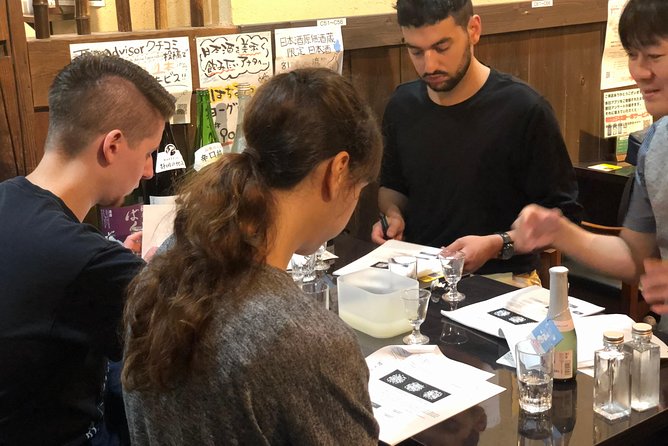
Yes, if you want a confident first step into Japan’s sake world. This is especially worth it if:
- you want to learn how to read a sake label so ordering becomes easier
- you enjoy tastings where you get explanations, not just sips
- you like the idea of tasting a range, including styles that can be hard to find outside Japan
- you are starting your Tokyo trip and want practical guidance for restaurants and shops
Skip it if you only want a quick drink with no interest in learning the terms. Also consider your schedule, because you will have multiple tastings and you should plan to eat first and pace yourself.
FAQ
How long is the sake tasting experience?
It runs for about 1 hour 30 minutes (approximately).
What time does the tour start in Tokyo?
The start time is 4:00 pm.
Where is the meeting point for this experience?
You meet at Frente Shinjuku San-chōme, 3-chōme-4-8, Shinjuku, Tokyo 160-0022, Japan.
How many types of sake will I try?
You will taste 6 to 7 types of sake, with explanations during the session.
Is this a group tour, and what is the maximum group size?
Yes, it is a group experience with a maximum of 12 travelers.
Do I need to bring a paper ticket?
No. The tour uses a mobile ticket.
Is the experience near public transportation?
Yes, the meeting point is near public transportation.
Can I cancel for a full refund?
Yes. You can cancel up to 24 hours in advance for a full refund.
Latest write-ups near Tokyo
- Tokyo Customized Private Tour: See Top Attractions in 1 Day★ 4.8 · 67 reviews
- From Tokyo: Top 5 Scenic Spots of Mount Fuji Full-Day Tour★ 4.5 · 67 reviews
- Traditional Japanese Music ZAKURO SHOW in Tokyo★ 5.0 · 67 reviews
- Tokyo: Shinjuku Izakaya and Golden Gai Bar Hopping Tour (2h)★ 4.9 · 67 reviews
- Tsukiji: Unlimited Sake Tasting Experience★ 4.9 · 67 reviews
- Private Harajuku Omotesando Architecture Walking Tour★ 5.0 · 67 reviews
- Tokyo: Not a show- a professional sumo practice with experts★ 4.9 · 67 reviews
- Samurai Ninja Museum Asakusa: Kid-Friendly Ninja Training★ 4.7 · 67 reviews
Sake Tastings, compared.
Kyoto Night Foodie Tour in Gion (9+ dishes + 6 Sake tastings)
Read our review →
1-Day Snow Monkeys, Zenko-ji Temple & Sake in Nagano
Read our review →
3-Hour Kyoto Insider Sake Brewery Tour with Tastings & Pairings
Read our review →
Arashiyama Bamboo, Temple, Monkeys, or Secret Sake Brewery
Read our review →

Insider Sake Brewery Tour with Sake and Food Pairing
Read our review →
1.5-Hour Kyoto Insider Sake Experience with 7 Tastings & Pairings
Read our review →Browse the lists this tour appears in