
Reviewed · SUMO EXPERIENCES
Sapporo Sumo Show Experience with Japanese Food and Photo
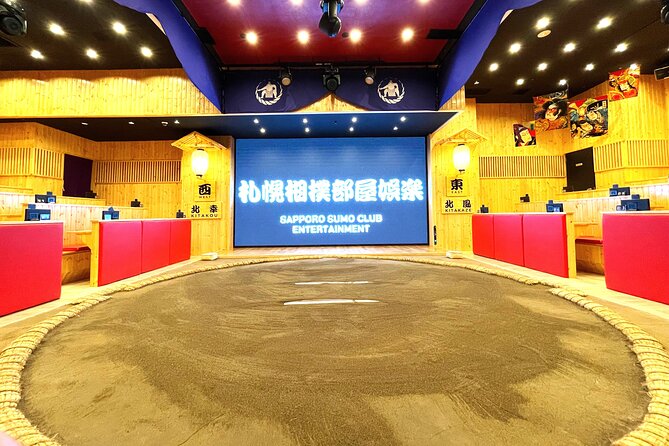
This Sapporo sumo show is interesting because retired rikishi run the whole experience, and you get a close look at the dohyo before you decide whether to step in yourself. It is part performance, part meal, and part cultural crash course in a small room.
I love two things most: the up-close ring view from your seat, and the way the staff explain what is happening while you eat. In particular, I kept hearing the name Kitadaichi pop up as part of the team bringing energy and clarity.
One consideration: the action inside the ring is limited, and if too many people want to challenge, challengers are picked by lottery.
Key highlights that make this Sapporo sumo show worth planning for
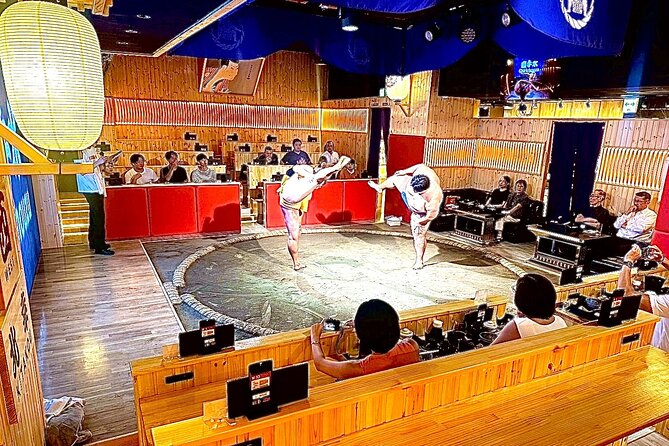
- Max 6 people per show keeps it more personal than a big theater setup
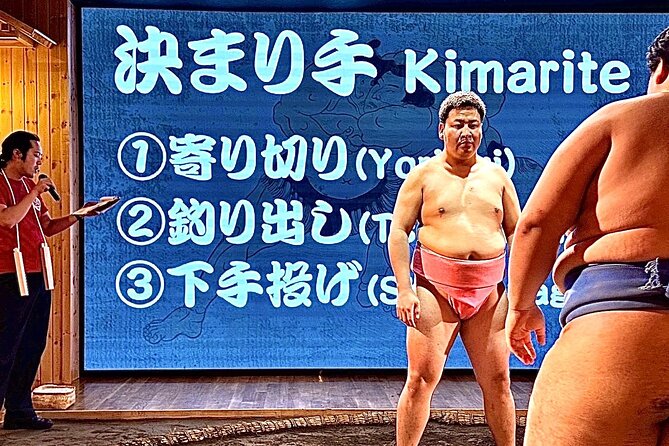
- Asa geiko and kimarite demos show you the rhythm and techniques, not just the final match
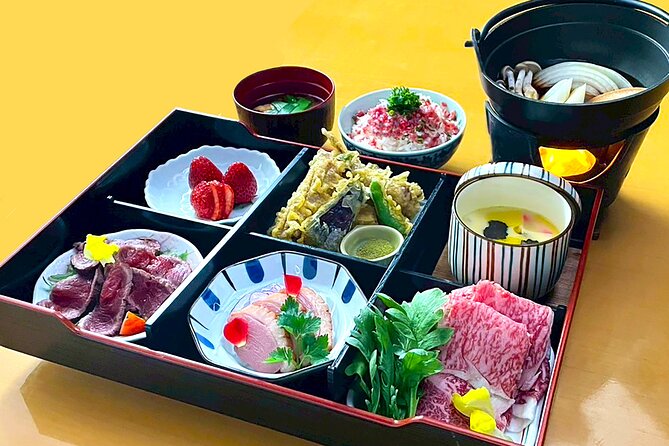
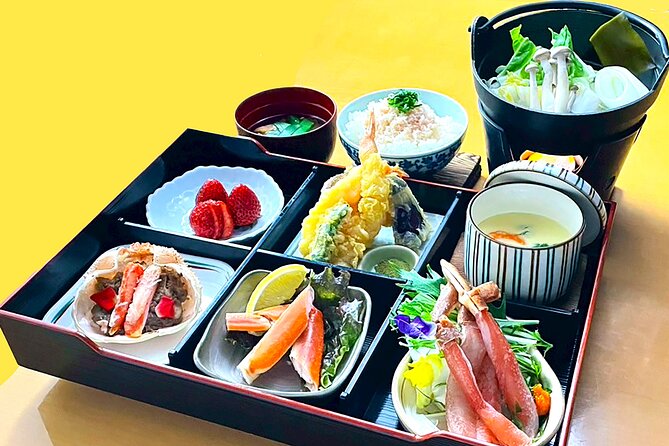
- Sumo meal included (if selected) often pairs chanko-nabe with Wagyu sukiyaki, tempura, and one drink
- Try a ring match (tachiai) is a real moment, but challengers may be chosen by lottery
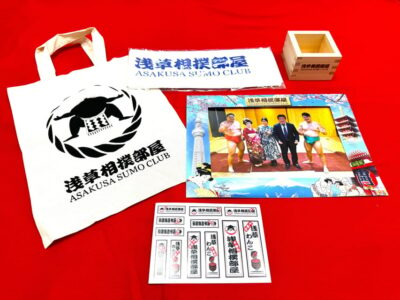
- Photo and souvenir gift bag means you leave with a framed keepsake and memorabilia
- Front row upgrade option can make the dohyo feel right under your eyes
Why sumo in Sapporo feels like more than a spectacle
Sapporo is known for winter fun, ramen, and lively streets, but this experience adds something different: a sumo show hosted in a restaurant setting run with retired wrestlers. That changes the vibe. It is not just people in costumes doing a script. You are watching former competitors explain the rules, show key movements, and then translate the experience into something you can actually participate in.
The best part is how close you are allowed to get. Even without upgrading, the setup aims for an intimate view of the wrestling ring. That matters because sumo is all about space, timing, and balance. From far away, it can feel like two people bumping. Up close, you start noticing grips, footwork, and the reason certain moves are called out as techniques.
Another thing I like is the tone. The event is clear that it is entertainment and staged for visitors. You should not expect real tournament stakes, bruising drama, or anything like that. What you will get is authentic instruction and demonstrations from people who know the sport inside and out.
And yes, you get the food side of sumo too. Sumo culture is inseparable from eating well, training, and routines, and the meal here is built into the flow rather than tacked on at the end.
More Sumo Experiences in Sapporo:
- Sapporo: Sumo Show Experience with Japanese food & Photo
★ 4.9 · 81 reviews - Tokyo: Sumo Show Experience with Chicken Hot Pot and a Photo
★ 4.8 · 6,678 reviews - Tokyo: Sumo Show and Dining Experience
★ 4.8 · 2,742 reviews
Your 2-hour rhythm: demonstrations, rules, meal, then tachiai
This experience runs about 2 hours. The pacing is designed so you are learning while you watch and eating while the show builds. That is smart, because it turns the event into a full hour of sensory context, not just a 30-minute performance with an awkward waiting gap.
Here is how it typically unfolds in the room:
1) Welcome, sumo basics, and the story behind the sport
You start with an introduction that frames sumo as an ancient practice, older than Japan itself, and explains how sumo has evolved over time. The goal is to give you enough context to understand what you are seeing before the action ramps up.
In plain terms, you learn the kinds of rules and expectations that shape matches. That matters because when you know why someone is doing something, the techniques stop being random and start being meaningful.
2) Asa geiko morning exercise demo, then kimarite techniques
Next come demonstrations linked to real sumo culture. You see morning exercises described as asa geiko, then techniques and key moves grouped as kimarite. The show also covers the do’s and don’ts of sumo wrestling, which helps you understand how traditional behavior and discipline are part of the sport.
This is where the event earns its keep. You are not only watching athletes do impressive things. You are being taught how the sport is organized and what each part is trying to accomplish.
More Food & Drink in Sapporo:
- Sapporo Bar Hopping Food Tour
★ 5.0 · 232 reviews - Tokyo: Shinjuku Food Tour (13 Dishes at 4 Local Eateries)
★ 5.0 · 6,603 reviews - Tokyo Tsukiji Fish Market Food and Culture Walking Tour
★ 5.0 · 3,184 reviews - Osaka: Shinsekai Food Tour with 13-15 Dishes at 5 Eateries
★ 4.8 · 2,204 reviews
3) A best-of-3 style competition between retired wrestlers
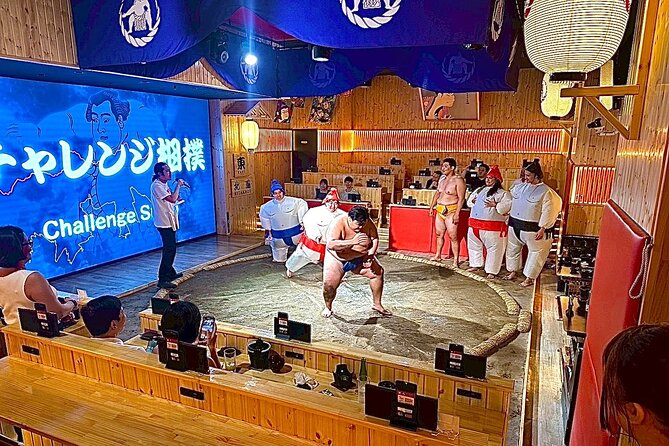
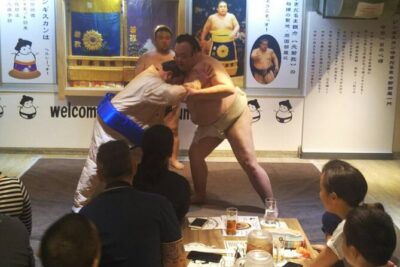
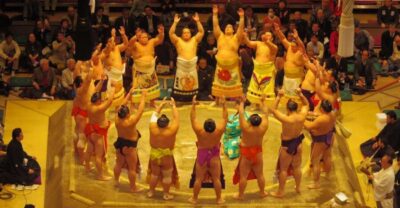
After the fundamentals, the show shifts into an actual best-of-3 match format between the retired wrestlers. This is the moment most people came for. Watching the real style play out back-to-back is the fastest way to feel sumo’s pace.
If you are a photo person, this is also when the room gets visually active. People tend to lift their phones during close moments, because the ring view is tight.
4) Your turn: the ring match challenge (tachiai)
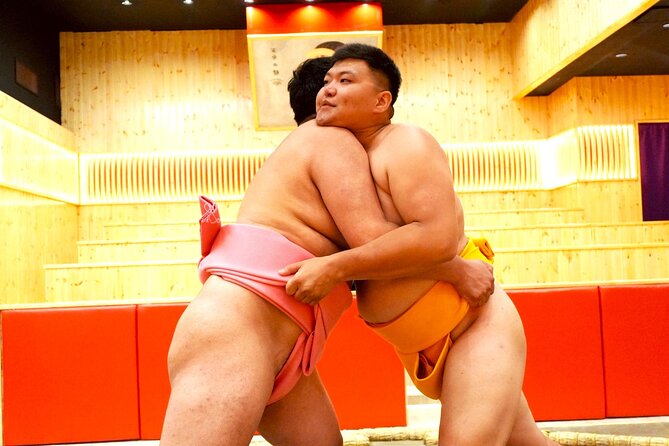
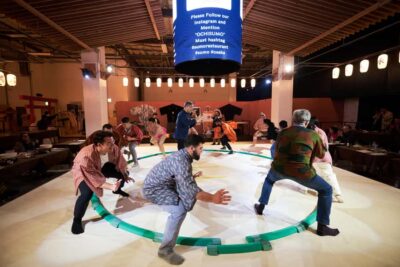
Then the interactive part begins. You challenge the wrestlers to a sumo match in the ring, in what the show calls tachiai, often described as involving a “charge” moment. This is the big hook.
Important reality check: it is limited by show size. If too many people sign up, challengers are chosen by lottery. That means you should go into this with enthusiasm, but also with the mindset that you might watch and enjoy even if you are not selected.
Also, the event says most people can participate. That suggests you are not required to be an athlete, but it is still smart to consider comfort with standing, following instructions, and working within a small space.
5) Food and a final cultural moment
While all this is happening, you are eating. If you selected a meal-inclusive plan, it is served as part of the show timing, so you experience food and performances together rather than separately.
Some versions of the show include a traditional dancer moment that comes through as geiko or geisha-style performance in the room. Even if that section varies slightly day to day, you are still getting a cultural program tied closely to the sumo theme.
6) The end payoff: framed photo and souvenirs
At the finish, you get a commemorative photo with the former rikishi. The experience also includes a framed photo of you and your group with the wrestlers, plus a gift bag of souvenirs. That is a nice closer because you are not leaving with only memories in your phone.
The meal is not an afterthought: chanko-nabe, Wagyu sukiyaki, tempura, and a drink
Food is a major reason this experience is worth the price. It is not just “snacks included.” The plan is built around sumo-style eating.
Here is what you should expect if you chose the meal-inclusive option:
- Chanko-nabe as a central element of the meal
- Wagyu beef sukiyaki and tempura as part of the set meal details
- One drink included
That combination matters. Chanko-nabe is famously hearty and comforting, while sukiyaki and tempura add variety and a bit of sparkle to balance out the richness. You get a proper meal that fits the overall theme, so you are not hungry while you are watching technique demonstrations.
Vegetarian needs
If you want a vegetarian meal, you need to request it in advance via message. Since you have to plan ahead for menu changes, do not wait until you arrive.
Why I think the meal choice is good value
At around $79 per person, the biggest question is whether food plus show plus photo adds up. For me, it does, because you are getting:
- a full meal component built into the event timing, and
- a souvenir photo and framed keepsake, and
- a room designed for close viewing and interaction
Even if you skip the challenge inside the ring due to lottery, the cultural program and the meal still justify the ticket.
From technique names to real understanding: asa geiko and kimarite
Most people know sumo as a final result, someone wins because they pushed the other out or forced them down. This experience helps you understand the steps that lead to that outcome.
You get to see:
- Asa geiko morning exercise style demonstrations, which explain that sumo training is routine and disciplined
- Kimarite technique demonstrations, which show how different maneuvers have names and purposes
- do’s and don’ts guidance, which connects behavior and respect to the sport
That helps you watch more intelligently when the retired wrestlers compete in a best-of-3 format. You start spotting transitions and understanding why certain grips and movements are favored.
If you like explanations that make a sport easier to follow, this is one of those setups. It turns a quick show into something you can actually appreciate with your brain, not only your eyes.
Stepping into the ring: tachiai, lottery, and how to be ready
The ring challenge is the part with the biggest emotional payoff. It is also the part that requires the right expectations.
The challenge is limited
The experience limits how many people can challenge during each show. If there are too many applicants, challengers are decided by lottery. That means two people in your group might have totally different outcomes, even if they both want it.
You do not need a sumo body to try
The info states most people can participate. In a practical sense, the show is set up for visitors, not only for trained fighters. You will follow instructions and do a staged match.
How to maximize your chance to enjoy it
Even if you end up watching rather than challenging, you still get value. You are close to the dohyo, you see the wrestlers up close, and you get explanations during the demonstrations. If you are selected, focus on listening first, then moving based on what they tell you, rather than trying to win.
And for photos, expect that the most energetic moments will be around ring action and the final group photo with the wrestlers.
Dohyo views and the front row upgrade you should consider
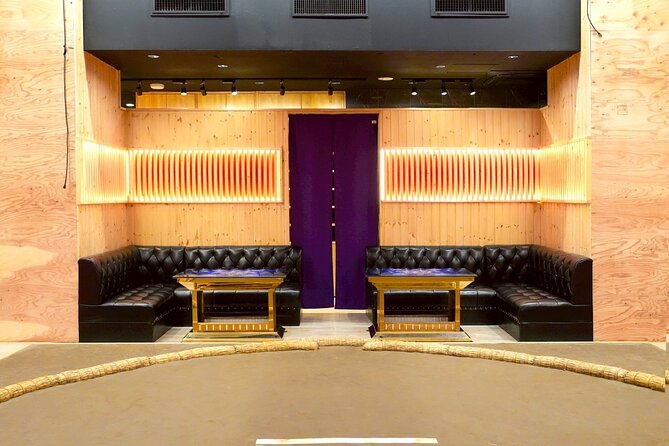
This event is designed around an intimate view of the dohyo from all seats. That is already a plus because you do not have to buy the best spot to see what is happening.
That said, the experience explicitly offers a front row upgrade if you really want to feel connected to the action. If you are photographing or you simply hate missing the tiny details, it is the upgrade that makes the most sense.
One practical tip: if you care about pictures, arrive with a plan for where you will stand or sit with your phone or camera. When the action moves, you will not want to be scrambling for angles.
Who this fits best (and who should maybe skip it)
This is a strong fit for:
- people who want a short, structured cultural activity in Sapporo that includes both food and a story
- anyone interested in sumo basics, from rules to techniques
- families and mixed-age groups, including people bringing teens who want interaction
- visitors who like photo souvenirs, especially the framed group keepsake
It may not be the best fit if:
- you hate staged entertainment and only want watching sports in a competitive setting
- you are traveling mainly for bargain street food and do not want a packaged show format
Remember, this is a show by retired wrestlers for entertainment. You are not going to confuse it with a formal tournament atmosphere. What you are buying is access, explanation, and a meal tied to the culture.
Price and logistics: what $79.07 really buys you
At $79.07 per person, you are paying for a lot bundled into a compact time window:
- close viewing of the dohyo
- a multi-part program covering history context, asa geiko, kimarite, and a best-of-3 match
- an interactive ring challenge attempt through tachiai (subject to lottery limits)
- meal inclusion if you pick the meal plan, with substantial Japanese dishes plus a drink
- a commemorative photo with former rikishi, plus a framed keepsake and souvenir bag
- small group sizing, with a max of 6 people per show
You also need to know what is not included: private transportation is not included. The meeting point is near public transportation, so plan around using local transit or walking from wherever you are staying.
In value terms, the photo and framed keepsake are part of why the price feels fair. If you love souvenirs you can touch and keep, this ticket is more than just the show.
Quick practical advice before you go
- Decide in advance whether you want the meal plan, and message about vegetarian needs if necessary.
- Bring a charged phone or camera. The ring portion and the group photo moment are the obvious targets.
- If you really care about the ring action, consider the front row upgrade.
- Keep your expectations flexible about the ring challenge, since challengers can be picked by lottery.
Should you book the Sapporo sumo show with Japanese food and photo?
Yes, if you want a compact, high-satisfaction evening that mixes Japanese food, hands-on participation, and a close view of sumo culture in a small room. The combination of retired wrestlers, a meal that actually fits the theme (chanko-nabe and more), and the framed photo keepsake makes this feel like a complete experience rather than a quick performance stop.
Skip it only if you are looking for a long, tournament-style sports day, or if participating in staged entertainment is a deal-breaker for you.
If you love food, explanation, and the chance to step into the ring even briefly, this one is easy to recommend.
FAQ
What does the ticket include?
It includes a commemorative photo with former rikishi. If you choose a meal-inclusive plan, the meal includes chanko-nabe and one drink, and the meal set details include Wagyu beef sukiyaki and tempura. You also get a framed photo with you and your group with the wrestlers, plus a souvenir gift bag.
How long is the show?
The experience lasts about 2 hours.
Is the meal vegetarian-friendly?
A vegetarian meal is available if you request it in advance via message.
Can I challenge the wrestlers in the ring?
Yes, you can challenge them in a sumo match in the ring. Participation is limited, and if there are too many applicants, challengers are decided by lottery.
What kind of sumo demonstrations do you see?
You’ll see demonstrations of asa geiko (morning exercises), kimarite (techniques), and guidance on do’s and don’ts, followed by a best-of-3 style competition between the retired wrestlers.
Are the seats close to the dohyo?
Yes. There is an intimate view of the dohyo from all seats. You can upgrade to front row seating if you want an even closer view.
Where does it start?
The meeting point is at 2-chōme-10-1 Minami 4 Jōnishi, Chuo Ward, Sapporo, Hokkaido 064-0804, Japan. The activity ends back at the meeting point.
Is transportation included?
No. Private transportation is not included. The meeting point is near public transportation.
Latest write-ups near Sapporo
- Private Japanese Cooking Class in Sapporo with Local Host Kanae★ 5.0 · 20 reviews
- Authentic Sapporo: Nijo Market Seafood Lunch & History Tour★ 4.8 · 20 reviews
- Hokkaido, Sappro, Otaru & Cape Kamui One-day Tour★ 4.4 · 21 reviews
- [Otaru & Yoichi] Let’s go to Otaru Canal, Sakaimachi Street, Music Box Hall, and Yoichi Nikka Whiskey by private car (arriving and departing from Sapporo)★ 5.0 · 21 reviews
- Sapporo: Custom Highlights and Hidden Gems Tour with a Local★ 4.9 · 21 reviews
- Full Day Indigenous Ainu of Hokkaido and Jozankei★ 5.0 · 25 reviews
- Sapporo: The Indigenous Ainu People & Jozankei walking tour★ 4.9 · 25 reviews
- Sapporo Winter : Asahiyama Zoo (Penguin Fun & Snowmobile)★ 5.0 · 28 reviews
Sumo Experiences, compared.
Sumo Show Experience with Chicken Hot Pot and a Photo
Read our review →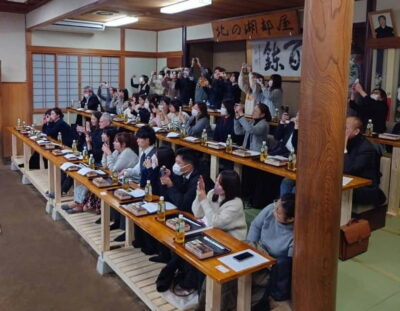
Tokyo Shinjuku Sumo Show & Experience with Photo
Read our review →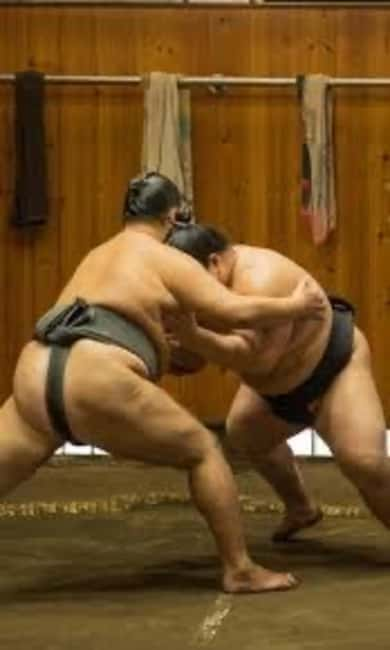
Sumo Show & Experience w/ Optional Kimono & Hot Pot
Read our review →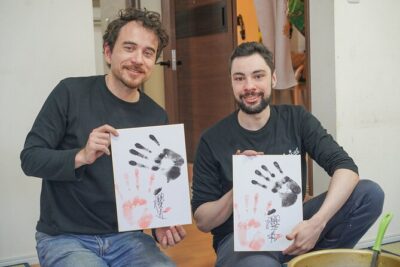
Authentic Sumo Experience in Tokyo: Enter the Sanctuary
Read our review →Browse the lists this tour appears in