
Reviewed · GO-KART EXPERIENCES
Official Japan Go-Kart Through Shibuya / Shinjuku
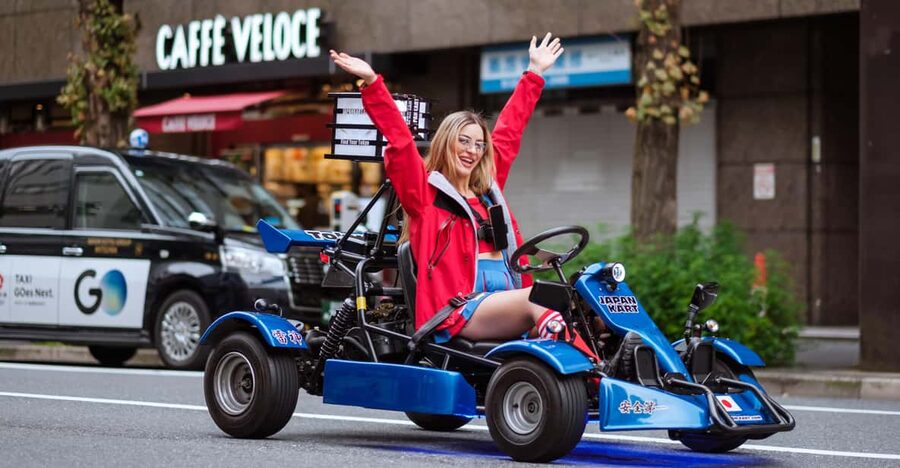
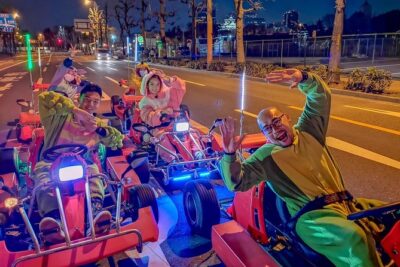
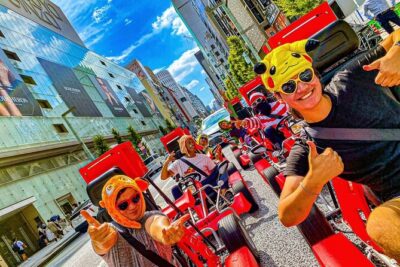
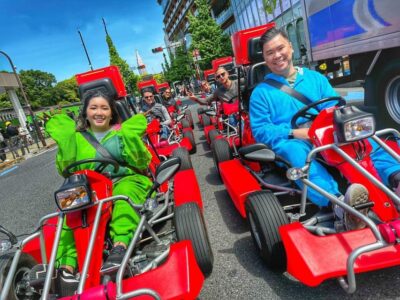
Tokyo by go-kart is fun on its own, but this experience feels special because the karts are built for road driving and you roll past famous places at real street level. I also like the way they prioritize clear English guidance, so you are not guessing what to do. The route includes the kind of sights most people only see from sidewalks.
One big consideration, though: Japan requires the right driving paperwork. If you show up without a valid passport, driver’s license, and an International Driving Permit (IDP) issued under the Geneva Convention 1949 in the correct hard-copy booklet form, you will not be able to drive, and there is no refund in that case.
Key things to know before you book
- Road-driving karts made for Tokyo streets, not just indoor tracks
- Shibuya Scramble Crossing plus major landmarks with photo stops
- Small-group feel with English instruction and support cars staying close
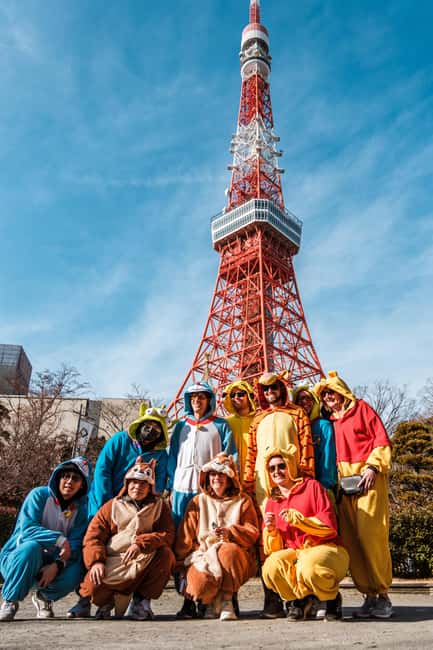
- Costumes and jackets included, so you are not hunting for the right outfit
- Safety-first setup, with staff positioned to help if you fall behind
- You need the right IDP format and convention, or you cannot participate
Road-Driving Karts, Real Tokyo Views, and Why This Feels Different
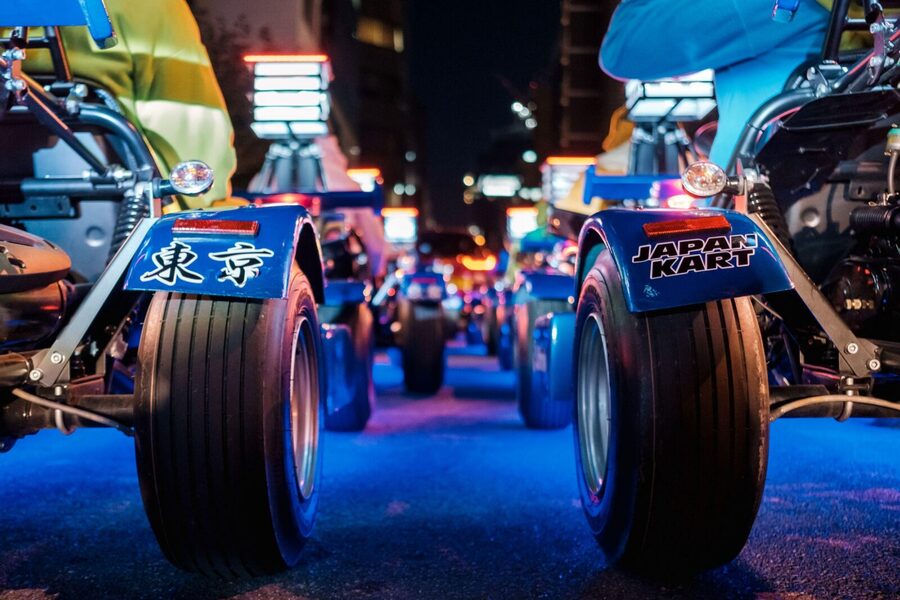
If you like the idea of Tokyo that is a little bit faster, louder, and more personal than standing on the curb, this is one of the best formats. Instead of watching the city from above, you feel the wind and move through traffic patterns with guides controlling the flow.
What makes it stand out is that these carts are described as originally designed for road driving. That matters, because you are not stuck on a closed circuit. You get to treat the city like a ride, including the landmark moments that usually feel out of reach.
This is also not a “sink or swim” experience. You get a full safety briefing, and then the ride is paced so you can focus on driving, staying calm, and enjoying the scenery. In the best kind of way, it turns first-timers into confident riders fast.
More Go-Kart Experiences in Tokyo:
- Flagship 2-Hours Official Street Go-Kart Tour – Tokyo Bay Shop
★ 5.0 · 4,974 reviews - Official Street Go-Kart in Shibuya
★ 5.0 · 3,435 reviews - Official Street Go-Kart Tour – Akihabara
★ 5.0 · 1,578 reviews
Your Route Choice: 90-Minute Loop vs 2-Hour Highlights
JapanKart offers two different ride lengths, and they do not cover the exact same set of sights.
A shorter option is described as about 90 minutes and includes stops and passes through West Tokyo highlights like Shibuya Scramble Crossing, Harajuku, Omotesando, and Shinjuku Kabukicho. If you are trying to fit this between other big plans, the shorter loop can be a smart pick.
The longer option is described as around 2 hours and includes iconic stops such as Tokyo Tower, Shibuya Scramble Crossing, Imperial Palace, and Tokyo Station. You also get a break time mid-tour at Tokyo Tower, which is a nice reset if you are tired of looking down at the road.
Either way, you are looking at a guided city ride built around landmark density. The tradeoff is that you are in real streets, so traffic lights and slow moments are part of the experience, not a glitch.
Starting at Kanda or Shinjuku: Pick the One That Matches Your Day
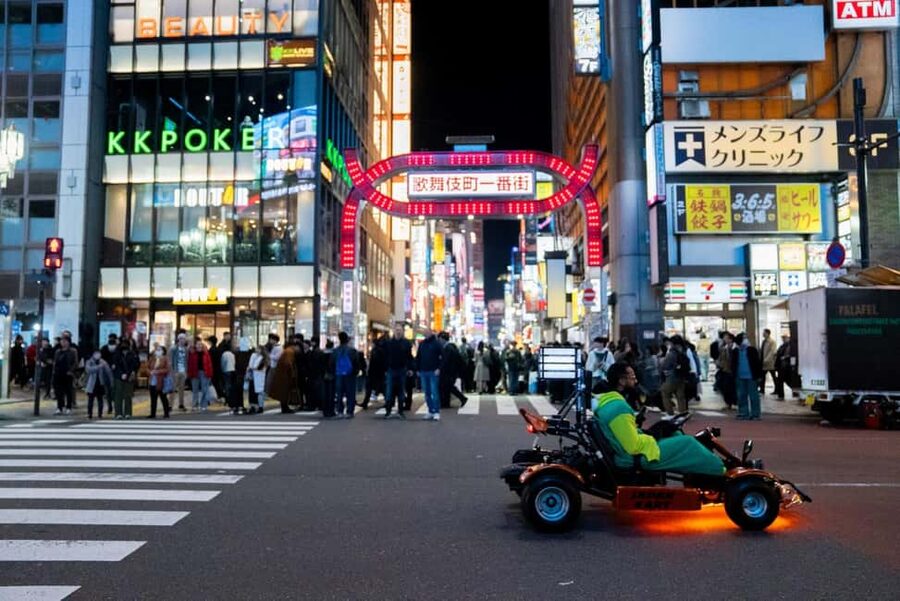
You start from one of two branches: JAPANKART Kanda Branch or JAPANKART Shinjuku Branch. Your meeting point can vary based on which option you booked, so plan to arrive early and avoid cutting it close.
I like having a choice, because it lets you align the ride with where you are spending the rest of your day. If your Tokyo base is on the east side, Kanda can feel convenient. If you are closer to Shinjuku, the Shinjuku starting point can reduce the need for extra transit.
From a practical standpoint, treat this as an activity with a start-time clock. You will need time for check-in, gear, and the safety briefing before you get on the road.
Imperial Palace Pass-By: A Calm Intro Before the Big Stops
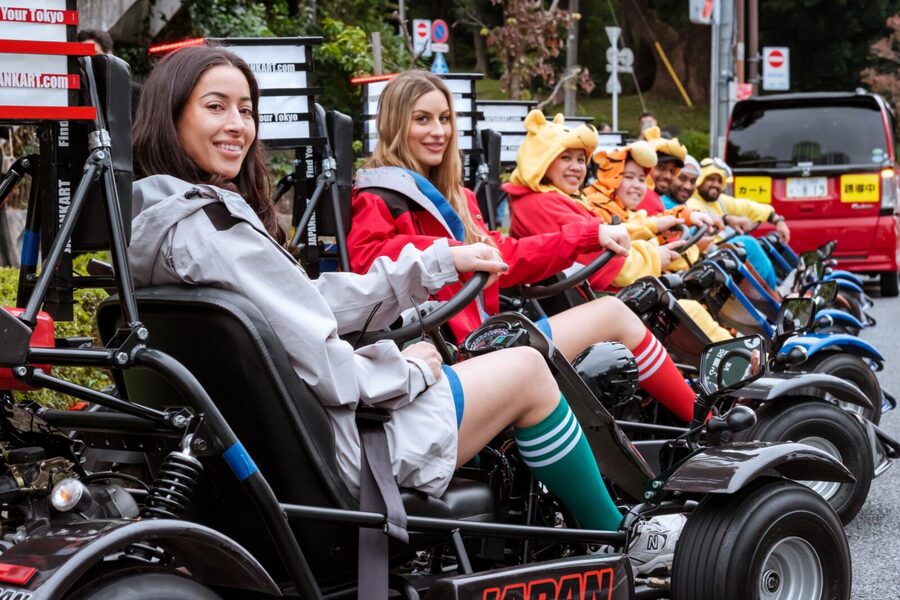
In the longer loop, the route includes a pass by the Tokyo Imperial Palace area. This is a useful early stop because it gives you a moment to settle into the cart, get your hands comfortable, and figure out your spacing.
It also helps you understand what the ride is really like: you are moving through Tokyo’s different zones, not doing one single dramatic segment and then calling it. Even when the palace moment is a pass-by rather than a parking-and-strolling stop, it still gives context and variety.
If you are nervous, this section can be your warm-up. The guides structure the ride so you are not thrown immediately into the most intense traffic area.
A change of pace from Tokyo:
- Mt Fuji and Hakone 1-Day Bus Tour Return by Bullet Train
★ 5.0 · 26,383 reviews - 1-Day Tokyo Bus Tour
★ 5.0 · 14,250 reviews - Tokyo: TOKYO SKYTREE® Admission ticket
★ 4.5 · 11,192 reviews - Tokyo: teamLab Planets TOKYO Digital Art Museum Entry Ticket
★ 4.6 · 9,779 reviews
Shibuya Scramble Crossing Photo Stop: The Most Fun Part at Street Level
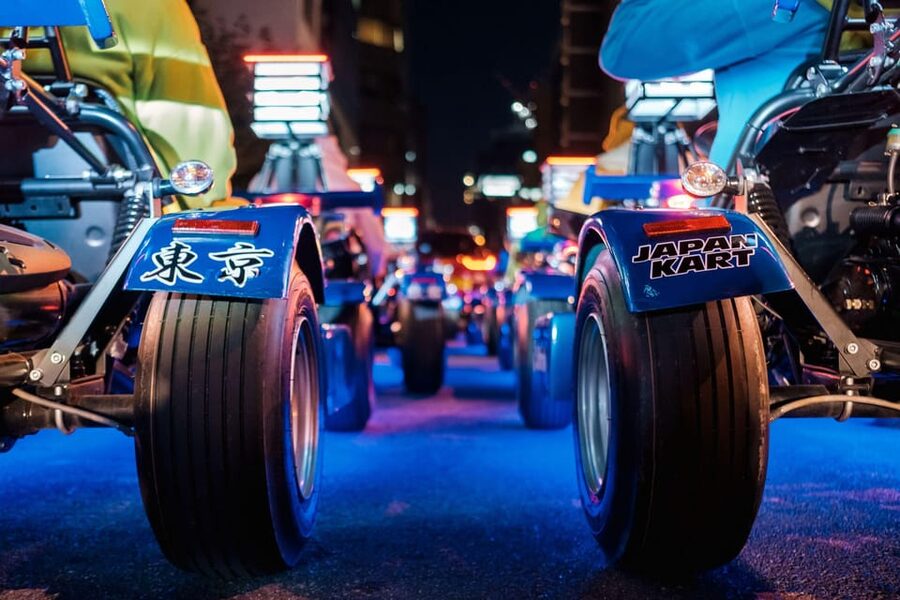
Shibuya Scramble is the headline. You get a photo stop there, and it is exactly the kind of location that feels bigger when you are at ground level.
The key thing to know is that this is not just a sightseeing stop. You are riding through the area, which means you experience the crossing’s energy as drivers, pedestrians, and cyclists share the space. That is why it feels more electric than watching videos.
If you are doing this during peak traffic times, you might spend more time at signals and slower movement. That can be frustrating in theory, but the staff support is there to keep everyone together, and you still get the landmark moment.
Roppongi Pass-By and Tokyo Tower Break: Getting a Mental Reset
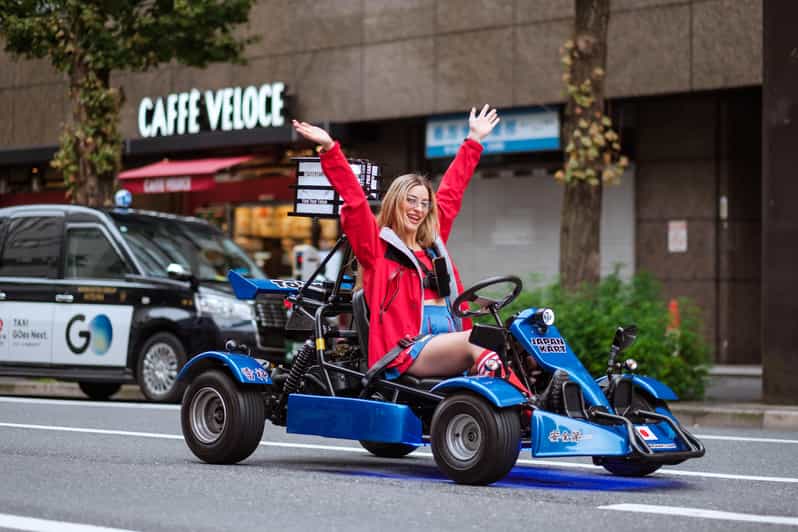
After Shibuya, the longer itinerary includes a pass by Roppongi and then a break time and photo stop at Tokyo Tower.
I like Tokyo Tower as a break point because it gives you a clear landmark to look for. When you are riding, it is helpful to have those mental anchors. Even if you only get a photo moment, the tower helps you mentally map the route.
Tokyo Tower is also where the experience naturally shifts gears. One rider noted traffic lights and slower driving can mean you do not “open it up” as much as you expected, but the break helps you recharge and keep the ride fun instead of tedious.
Tokyo Station Photo Stop: Closing With a Classic Landmark
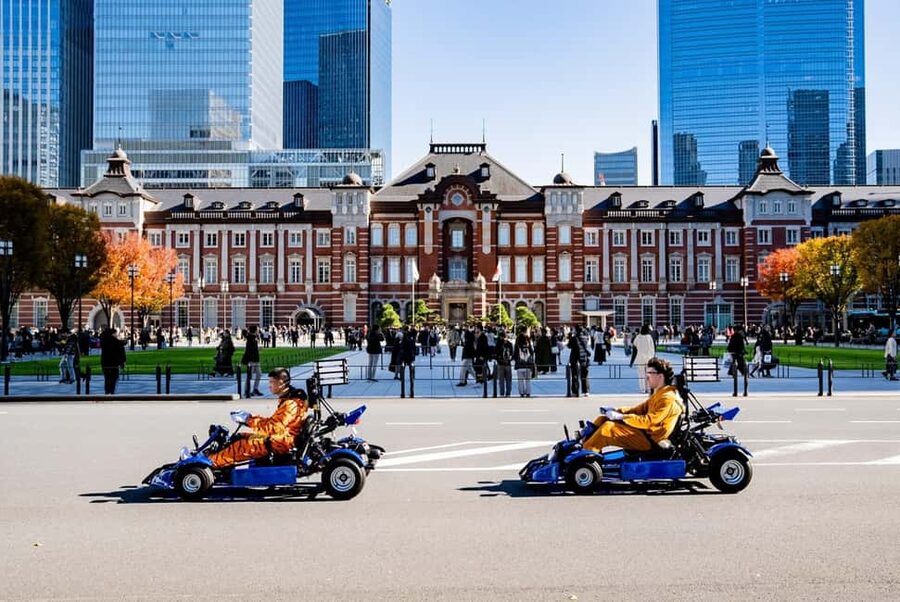
The longer route finishes with a photo stop at Tokyo Station and then drop-off back at either the Shinjuku or Kanda branch.
This is a smart ending location for a go-kart ride. Tokyo Station is recognizable even if you do not know the details, and it is easy to orient yourself afterward. You can step out, take a breath, and plan what you do next without feeling like you are lost across town.
It is also a good “you did it” moment. You started with landmark passes, hit the big city icon (Shibuya), got your mid-tour reset (Tokyo Tower), and then ended at a major hub.
Costumes and Jackets: Why the Outfit Part Makes the Whole Thing Better
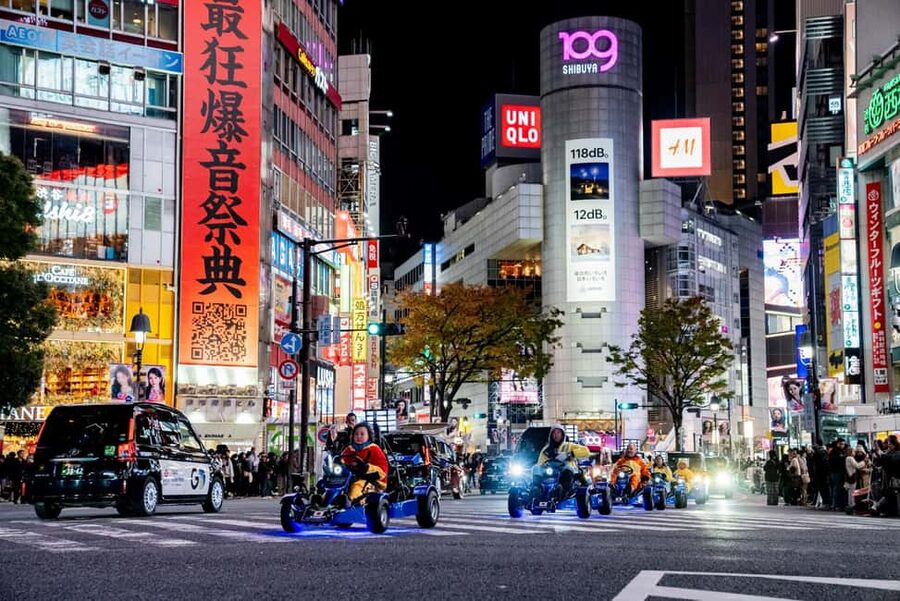
You get costumes included, and jackets during colder months. This might sound like a gimmick, but it actually improves the vibe.
First, it turns the ride into something closer to a street parade. You are not dressed like every commuter, so the city responds differently. More than one person mentioned that dressing up drew attention, with people smiling and waving as you passed.
Second, the costumes make it easier to take photos that look like an experience, not just an accident with a camera. The ride itself is already kinetic, so having costumes adds a playful layer that makes the photos feel like Tokyo, on purpose.
If you are sensitive to cold, pack for the season and remember you might spend time stopped at traffic lights. The included jackets are a plus in cooler weather.
Safety Support That Actually Helps: Lead Car and Rear Motorcycle
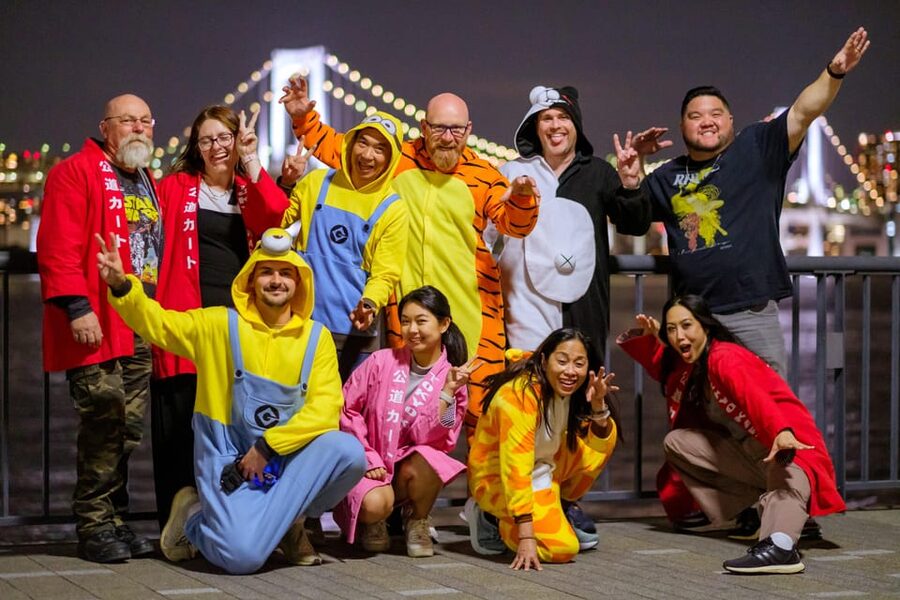
Safety is a repeated theme in the way people describe this ride. You get a full safety briefing, and the guides provide clear instructions about driving the carts.
One of the smartest parts is how they manage the group. Riders described a lead car in front and a motorcycle in the rear to keep things orderly. That setup matters because Tokyo streets are not a theme park. Even when you do not get lost, it reassures you that help is positioned if something goes wrong.
Some riders also noted that they might temporarily split from the main group due to street lights or vehicles cutting in, but staff around in support vehicles guide you back. That means the ride is not fragile, even if the road gets messy.
If you are the type who needs structure to relax, you will probably appreciate the way they guide you and keep attention on the group.
Photos and Action-Cam Mounts: Getting More Than Just Memories
Another reason this ride is popular is how much content you get. One rider described free, high-quality photos and also videos taken along the route, shared at the end with no extra cost.
There were also mentions that they provide mounts ready for phones or action cameras, so you can capture the street-level motion without improvising gear.
Even if you are not trying to make a cinematic edit, having photos already taken for you reduces the awkward moment of trying to film while driving. It also helps if you go with friends and you want group shots without passing phones around.
Price and Value: What $122 Really Buys You
At $122 per person and a duration around 2 to 3 hours, this is not the cheapest activity in Tokyo. But it does include several things that you would otherwise pay for separately.
You are getting:
- A full safety briefing
- Costumes
- Jackets in colder months
- Gas fee
- English instruction
- A guided, street-based route that hits major landmarks
When you factor in what makes it hard to replicate, the value becomes clearer. You are not just buying a ride, you are buying the legal and logistical structure to drive in Tokyo streets. That legal and operational part is the hard part for most visitors to arrange on their own.
I also think the price makes sense for groups. Small-group format means you usually get more attention than a large crowd activity, and the staff support reduces stress, which is its own kind of value.
Documentation Rules: The Detail That Can Ruin Your Day
This is the non-negotiable part. JapanKart is explicit that you must show the correct documents to drive in Japan.
You must bring:
- Your passport
- Your driver’s license from your country of origin
- An International Driving Permit issued under the Geneva Convention 1949
They also say the IDP must be in the correct hard-copy format, booklet-style, not a paper form. You cannot rely on a phone screenshot.
Important caution: they state that IDPs issued under the Vienna Convention 1968 are not accepted in Japan. Another specific rule is that the IDP must be issued from within your own country, not purchased from online companies.
They also provide extra instructions if your license is from certain countries like Switzerland, Germany, France, Taiwan, Belgium, Estonia, or Monaco. In those cases, you need an original driving license plus an official Japanese translation from an authorized organization (JAF is referenced), along with your passport.
One more warning that matters: you must have hard copies on the day. If you cannot show them, you will not be able to participate, and there is no refund if you forget your license or IDP and translation.
If you are unsure, it is worth double-checking before you arrive. This is not an area where you want to guess.
Traffic Reality Check: Why Your Speed Will Depend on the Time
Tokyo traffic is Tokyo traffic. Even when the ride is well run, signals and slower segments can change how “fast” the experience feels.
A rider described doing the ride at 4pm and spending more time stuck at lights. They still called it an amazing experience, but it highlights a real planning point: you are driving in a living city.
If you want more movement between stops, look for departures that avoid the worst congestion for your schedule. And mentally plan for the ride to be more about enjoying the streets and landmarks than blasting through at speed.
Even with slower periods, the lead car and rear motorcycle support helps keep the ride smooth and keeps everyone from falling into chaos.
Who This Tour Fits Best
This experience is a strong match if you want:
- A hands-on way to see Tokyo landmarks
- A street-level view of Shibuya Scramble
- A structured activity with clear guidance
- A small-group ride that feels fun instead of intimidating
It is also great if you like playful extras, since costumes are included and the ride tends to get people noticing you. That is part of the charm, especially if you like photos.
If you hate anything involving documentation rules, or you know you might struggle with getting an IDP in time, then skip this and find a different Tokyo activity. The cart ride is amazing when you are eligible to drive. When you are not, you lose the core point of the day.
Also note that the activity is not suitable for drivers under 18.
Should You Book JapanKart Through Shibuya and Shinjuku?
I think you should book it if you have your driving paperwork sorted and you want a memorable, street-based Tokyo experience that is easy to understand, even if you are a first-time driver.
You should reconsider if:
- You do not have a correct Geneva Convention 1949 IDP in booklet form
- You know you might forget hard copies and rely on digital backups
- You prefer slow, museum-style sightseeing and would rather not share traffic with real streets
The best-case scenario is simple: clear instructions, friendly support, proper safety structure, and a ride that turns iconic Tokyo into something you can feel. If that sounds like your kind of day, this is one of the most fun ways to spend a couple hours in the city.
FAQ
What documents do I need to drive in Japan for this go-kart tour?
You need your passport, a driver’s license from your country of origin, and an International Driving Permit (IDP) issued under the Geneva Convention 1949. The tour also emphasizes that you must have hard-copy documents on the day.
Are Vienna Convention IDPs accepted?
No. The tour data specifically says IDPs issued under the Vienna Convention 1968 are not accepted in Japan.
What if my driver’s license is from Switzerland, Germany, France, Taiwan, Belgium, Estonia, or Monaco?
If your license is from one of those countries, you need an original driving license and an official Japanese translation by the authorized organization (JAF is referenced), plus your passport.
Do you accept US military SOFA licenses?
Yes. The tour mentions a US military SOFA license as a combination of Active Military ID and the State Side Driver’s License.
What happens if I forget my driver’s license or IDP on the day?
If you forget your driving license or International Driving Permit (or translation, if required), you will be unable to participate. The data also states there are no refunds if you forget these documents.
How long is the tour?
The experience is listed as 2 to 3 hours, and the route is described as offering a 90-minute tour option and a 2-hour tour option depending on what you book.
What is included in the price?
Included items are a full safety briefing, costumes, jackets during colder months, and the gas fee.
Are hotel pickup and drop-off included?
No. Hotel pickup and drop-off are not included.
Where do I meet, and are there footwear and alcohol rules?
Meeting points may vary based on whether you book the Kanda or Shinjuku branch option. Sandals or flip flops are not allowed, and alcohol and drugs are not allowed. Alcoholic drinks are also not allowed in the vehicle.
Latest write-ups near Tokyo
- From Tokyo: Top 5 Scenic Spots of Mount Fuji Full-Day Tour★ 4.5 · 67 reviews
- Tokyo Customized Private Tour: See Top Attractions in 1 Day★ 4.8 · 67 reviews
- Traditional Japanese Music ZAKURO SHOW in Tokyo★ 5.0 · 67 reviews
- Tokyo: Shinjuku Izakaya and Golden Gai Bar Hopping Tour (2h)★ 4.9 · 67 reviews
- Tsukiji: Unlimited Sake Tasting Experience★ 4.9 · 67 reviews
- Tokyo: Not a show- a professional sumo practice with experts★ 4.9 · 67 reviews
- Samurai Ninja Museum Asakusa: Kid-Friendly Ninja Training★ 4.7 · 67 reviews
- Private Harajuku Omotesando Architecture Walking Tour★ 5.0 · 67 reviews
Go-Kart Experiences, compared.
Flagship 2-Hours Official Street Go-Kart Tour – Tokyo Bay Shop
Read our review →
Tokyo Go Kart: Asakusa, Skytree, and Akihabara **IDP MUST**
Read our review →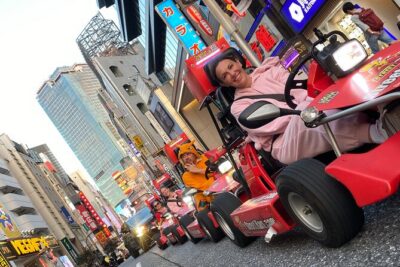
Shibuya Official Street Go-Kart in Shibuya Annex
Read our review →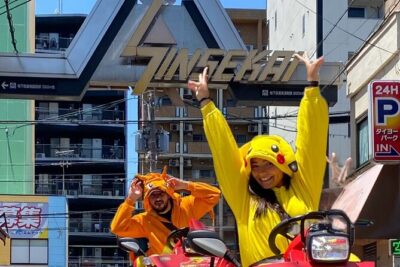
Browse the lists this tour appears in