
Reviewed · NAGASAKI TOURS
Nagasaki Full Day Tour with Licensed Guide and Vehicle
Nagasaki works like a story you can walk through. You start with big-city views, then you swing between foreign trading history, Chinese-founded temples, and Catholic sites that helped shape modern Japan. Done right, it feels less like a checklist and more like you’re understanding how the city became the place it is today, all in a private day with your own licensed English guide.
I really like two parts of this experience: first, you choose 3-4 attractions from the main options, so your day fits your interests instead of forcing you onto someone else’s plan. Second, the tour is built around a private vehicle and undivided guide attention, which matters in Nagasaki because the details are the whole point.
One thing to think through: the price is for the group, but entrance fees and lunch are not included, so the total cost will depend on which sites you pick. Also, if you want every major attraction, the 6-hour window can feel tight, so choose your priorities early.
Key points before you go
- Licensed guide, real explanations, and a pace that stays calm even when sites are close together
- Choose 3-4 stops, so you can balance viewpoints, churches, temples, and museums
- Private car comfort for a full day, with pickup offered and efficient routing
- Nagasaki Peace Park and the Atomic Bomb Museum handled with time to absorb, not rush
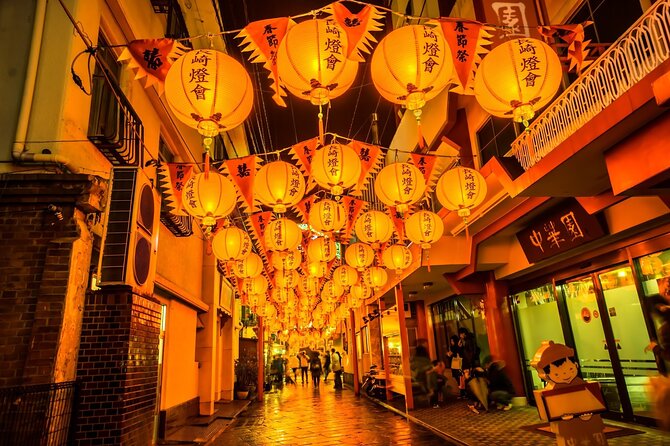
- Photo-friendly “wow” points like Mount Inasa and Meganebashi, plus quieter history stops
- Extra flexibility shown in practice, like guides helping with ticket ideas such as Battleship Island or adding something cute like Penguin Aquarium when timing allows
Why Nagasaki’s story fits perfectly into a 6-hour private tour
Nagasaki is one of Japan’s most “international port” cities, and you feel it immediately. The city carries layers, Portuguese and Dutch trading-era echoes, Chinese religious and cultural roots, and Catholic history that comes with heavy moments. Then, in 1945, the atomic bombing hit this port city in a way that shaped how Nagasaki remembers the world.
That’s why I like a private format here. You’ll move between very different kinds of places, and the guide can connect them. A good explanation turns “another temple” into something you can actually place in time, or it turns “a church building” into a living reminder of a community and its trials.
Also on the shortlist for Nagasaki:
- Nagasaki: Private Walking Tour with a Local
★ 4.7 · 79 reviews - Nagasaki Full-Day Private Tour with Government-Licensed Guide
★ 5.0 · 66 reviews - Nagasaki Half-Day Private Tour with Government-Licensed Guide
★ 5.0 · 53 reviews
Private vehicle and guide attention, the practical upgrade you feel right away
A lot of Nagasaki’s best sights are spread out and built on hills or around water. With a private car, you’re not playing the “wait for everyone” game, and you’re not stuck translating bus maps while everyone else is just trying to stay upright on narrow streets.
Your licensed guide is doing more than pointing. In past tours, guides like Rikako and Yoshi stood out for weaving history into the scenery in a way that felt personal and easy to follow. Others, including Hiromi, also made room for what the group wanted, like spending a bit longer at the Atomic Bomb Museum when that’s where the curiosity led.
This also helps if you’re on a tight schedule, like a port day. One cruise-day group basically treated this as their Nagasaki safety net, stepping off the ship and getting a full, well-timed city overview with a guide who handled the flow.
Choosing 3-4 Nagasaki stops: how to pick without regretting it later
The tour is designed so you choose 3-4 attractions from the main options. That’s a gift, but it can also be a trap if you try to “maximize” every theme.
Here’s the way I’d choose, based on how the sites work in a single day:
If you want atmosphere and context, lean toward:
- Mount Inasa for the city-wide orientation
- Glover Garden and the Dutch Slope area for the foreign trading vibe
- Nagasaki Museum of History and Culture to make the rest click
If you want faith and communities, build a sequence of:
- Sofukuji Temple, plus either Kofukuji Temple or the Confucian shrine area
- A pair of Catholic stops like Urakami Cathedral and Oura Church
- Then, add the Twenty-Six Christian Martyrs Monument if you want the story behind the memorials
If you want memory and reflection, reserve time for:
- Peace Park, plus the Atomic Bomb Museum
- Then pick one lighter contrast stop, like Meganebashi or Nagasaki’s art museum, so your brain gets a breather
A simple rule: pick one “big emotional” stop and one “big view” stop. The day stays balanced, and you won’t feel like you’re just walking from one heavy plaque to the next.
Mount Inasa Observation Deck: start with the views, then the city makes sense
A high start is smart. Mount Inasa sits close to Nagasaki’s center, and it gives you a clean overview of the port and the city’s layout. Even when you go during the day, it helps you understand why the later stops feel like they belong to a connected story, not random points on a map.
The ride to the top can be by ropeway, bus, or car, and in this tour you’ll typically reach it efficiently by vehicle. Admission is listed as free here, so you’re not burning time or money before you even begin.
What I’d do in your shoes: take a few minutes at the railing and let your guide point out where the port history and hill neighborhoods likely connect. That mental map helps later at places like Dejima and the river bridges downtown.
A change of pace from Nagasaki:
- Visit Gunkanjima Island (Battleship Island) in Nagasaki
★ 4.0 · 32 reviews - Taste Local Life: Nagasaki’s Historical Street Walking Tour
★ 5.0 · 27 reviews - Nagasaki Street Food Adventure: Private Walking Tour with a Local
★ 5.0 · 26 reviews - Nagasaki Private Tour with a Local – Highlights & Hidden Gems
★ 5.0 · 24 reviews
Glover Garden: Western resident mansions, set on a hill with real character
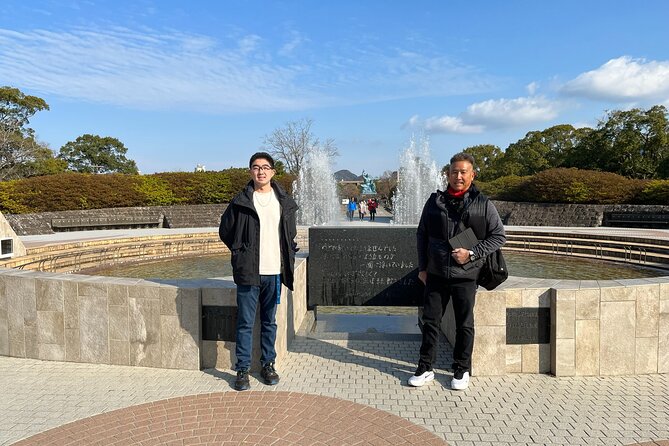
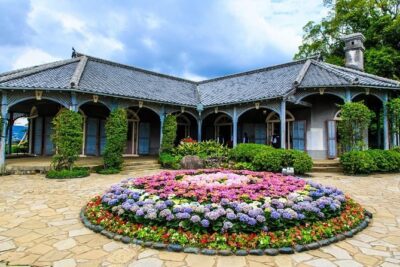
Glover Garden is an open-air museum built around mansions from Nagasaki’s former foreign residents. You get that “European on Japanese hills” feeling, but the value is in understanding how trading-era foreigners lived, not just how pretty the buildings look.
You’ll usually spend about an hour here, and that’s enough time to wander slowly and let your guide explain what you’re seeing: why this area became a hub, how the port’s opening changed who came to Nagasaki, and what role these homes played as part of the city’s international identity.
Admission is not included, so budget for it. Still, if you want a place where the city’s foreign trading era becomes tangible, this is a strong anchor stop.
Sofukuji Temple and the Obaku Zen thread: Chinese-influenced faith in Nagasaki
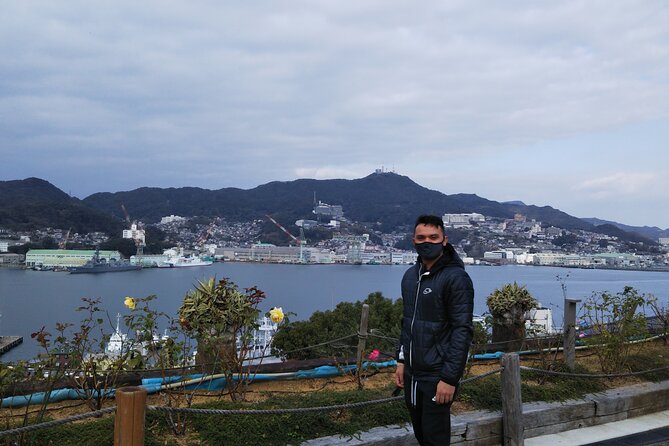
Sofukuji Temple is part of the Obaku school of Zen Buddhism. It was originally built in 1629 for Nagasaki’s Chinese residents, and the architecture carries that Chinese-influenced feel. Even if you’re not “a temple person,” the point here is how communities formed and practiced faith in the port city.
You’ll likely have about 20 minutes. That’s short, but your guide can help you focus on what matters: the style, the setting, and why this kind of temple belongs to Nagasaki’s Chinese-rooted neighborhood story.
If you’re choosing stops, pairing this with Kofukuji Temple in Teramachi works well. You go from one important site to another in the same broader “Chinese-founded temples” theme without the day feeling scattered.
Chinese Museum of Successive Generations and the Confucian Temple: where philosophy meets place
This part of town is about Confucius and the Chinese community’s cultural continuity. The Confucian shrine was built in 1893 by Nagasaki’s Chinese community, and it’s one of only a handful of Confucius shrines in Japan. That rarity alone makes it worth a slot if you’re building a “Nagasaki beyond the obvious” itinerary.
You’ll have around 15 minutes at this stop. It’s enough time for photos and a basic understanding, especially when your guide connects it to the other temple sites you saw earlier.
Admission is not included, so check what you might pay depending on your final selection.
Dejima: the man-made island that explains control, trade, and tension
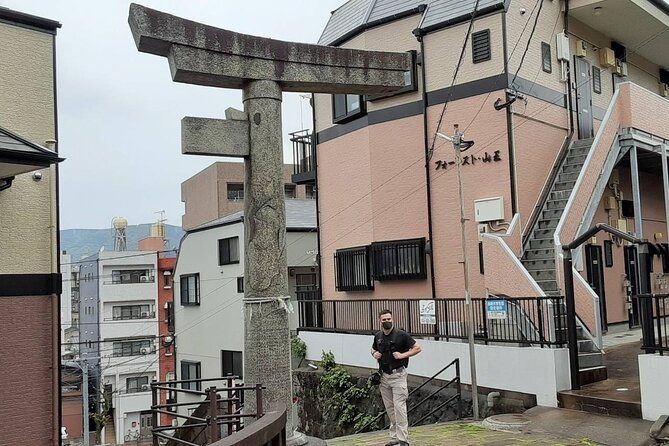
Dejima was a man-made island built in 1636 to segregate Portuguese residents from the Japanese population and manage missionary activity. That’s a heavy idea, but it’s also a crucial one for understanding why Nagasaki’s port history looks the way it does.
You’ll likely have about 50 minutes, which is great because it lets you slow down. The best use of time is to let your guide explain how Dejima functioned as a kind of controlled gateway, not a free-for-all international scene. You’ll get a better sense of why “foreign presence” in Nagasaki came with rules and shifting boundaries.
Admission is not included here. If you care about trading-era power dynamics, I’d treat this as a must-pick rather than something optional.
Urakami Cathedral and Oura Church: Catholic landmarks with lasting weight
Nagasaki’s Catholic sites deserve more than quick snapshots. Urakami Cathedral is a working church in a large red brick building, and it has a tragic history. Oura Church, built in 1864 by a French missionary for the community of foreign merchants, connects the city’s late-Edo era to Catholic growth.
Both are time-friendly stops at around 20 minutes each. That means you can fit them in without blowing up your schedule, but you’ll still have enough time to absorb what you’re seeing.
Admission is not included for either site. Plan for it, and also plan to keep your head in “listening mode” rather than “tourist mode.” These are places where the story matters.
Twenty-Six Christian Martyrs Monument: the sobering center of the Christian timeline
This stop is focused and emotional. The monument and adjacent museum commemorate the 26 Christians executed on February 5, 1597. The theme is clear, and it hits differently once you’ve already seen other religious landmarks that reflect the communities behind the story.
You’ll probably have around 20 minutes. That’s long enough for the basics, but not so long that the day turns into a museum marathon.
If you’re sensitive to heavy historical content, you’ll still be able to manage it because the private format lets your guide set the pace. Guides like Yoshi were praised for sharing personal context about atomic bomb history too, so a good guide can handle heavy topics with care.
Nagasaki Museum of History and Culture: your “decoder ring” for the rest of the day
This modern museum is built to help you understand Nagasaki as one of Japan’s major international trading ports. It’s one of those stops that pays off later, because once you get the big picture, the churches, temples, and trading sites stop feeling like separate attractions.
You’ll have about 20 minutes. Use that time actively. If your guide offers a short framing talk before you walk, take it. You’ll get more from the displays when you’re not just wandering and hoping things connect.
Admission is not included.
Peace Park and the Atomic Bomb Museum: time well spent, not just checked off
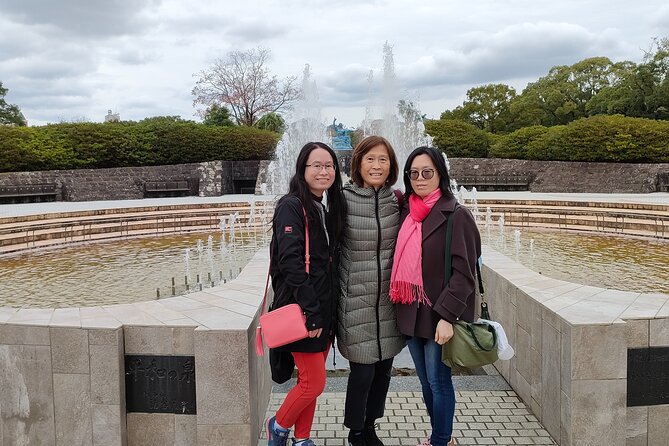
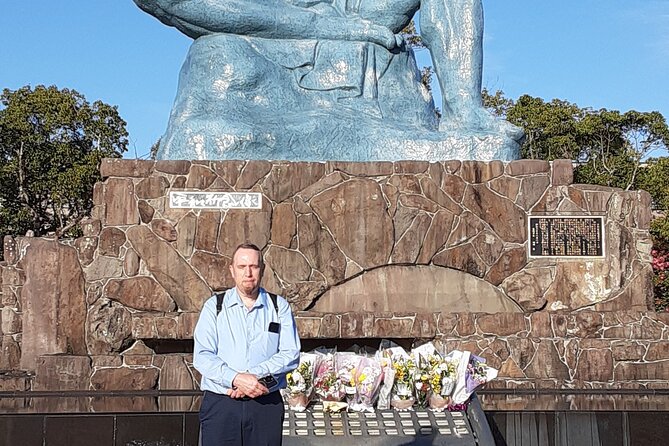
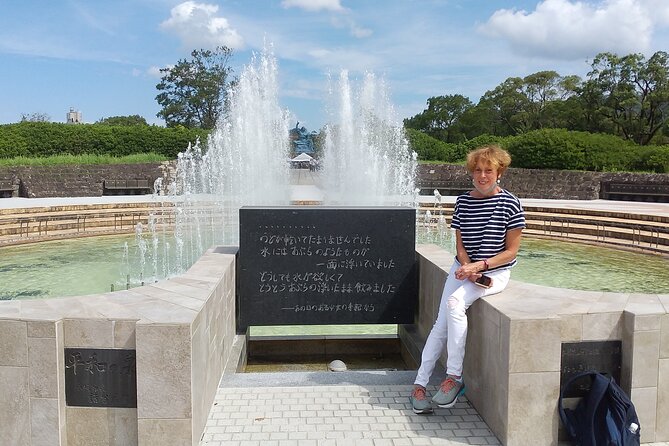
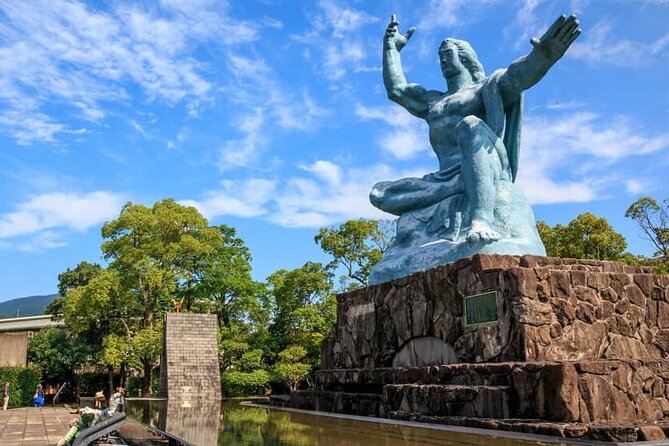
This is the part of the day that demands the most respect. Peace Park is built near the atomic bomb’s hypocenter, commemorates victims of the 1945 bombing, and promotes global peace. It also has a central Peace Statue that anchors the memorial space.
Right after that, the Atomic Bomb Museum documents the devastation caused by the atomic bomb and the city’s recovery. You’ll typically spend about 15 minutes at this stop. That sounds short, but it’s often enough for key exhibits if your guide helps you focus.
Admission is not included for the museum. In one tour experience, a guest even got extra time here because the group wanted to understand more. That’s a good sign for you as a reader: if this topic is central to your trip, the private format can let you linger a bit.
Spectacles Bridge (Meganebashi) and the downtown river stroll: a quick reset for your brain
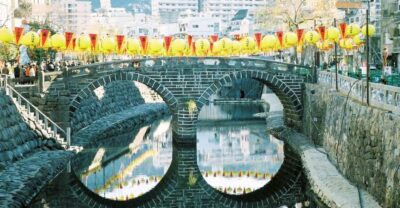
After peace and memorials, it’s smart to include something lighter and visually satisfying. Meganebashi is a stone bridge over the Nakashima River, named for its resemblance to spectacles. It’s short, scenic, and easy to enjoy without needing a ticket or a long attention span.
You’ll usually have about 15 minutes. Admission is free, so it’s an efficient payoff.
This is also a nice place to ask your guide about day-to-day Nagasaki life, because the mood can shift from heavy memory to present-day reality.
Dutch Slope and Nagasaki Prefectural Art Museum: foreign trader vibe and a modern cultural stop
Dutch Slope is a stone-paved street leading up a hillside, tied to foreign traders who lived there after the port opened to foreign trade in 1859. It’s the kind of place where the street shape helps you feel the city’s geography and how people moved between neighborhoods.
Then you might pair that with Nagasaki Prefectural Art Museum near the port. It’s a modern, spacious museum complex, and it’s designed by a famous architect (the exact name is not provided here). This stop is useful if you want a break from memorial and religious sites, while still staying connected to the city’s identity.
The art museum and most of these cultural stops do not include admission. It’s a flexible choice depending on your energy level that day.
Quick notes on timing, pickup, and what to budget for
The whole tour is about 6 hours. That’s a good length for Nagasaki because it gives time to move between hill viewpoints, port-era sites, temples, and the peace-focused locations without feeling like you’re being chased.
Pickup is offered, and there’s a mobile ticket. In practice, the private vehicle helps keep the schedule smooth, especially when you’re switching between areas that take time by public transport.
Your main budget items that are not included are:
- Entrance fees at stops where admission is not listed as free
- Lunch
- Other personal expenses
One more practical note: if you need a car seat or booster seat, they’re limited and rear-facing car seats are not available. If that applies to you, it’s worth contacting the provider directly so you’re not surprised on the day.
How much is $598.53 per group worth it?
$598.53 is per group, up to 2 people. That means if you’re a couple, you might think of it as splitting the cost so the per-person rate becomes much more reasonable for a licensed guide plus a private vehicle.
To judge value, look at what you’re getting beyond driving:
- You choose 3-4 sights, instead of paying for a fixed script
- You get a licensed local English guide with enough time to explain the why behind Nagasaki’s mixed influences
- You get a private car, which saves time and stress in a city where hills and water shape the routing
It is not the cheapest way to see Nagasaki. But it’s a strong value when you care about history, you’re short on time, or you want your guide to tailor the day. If you’re trying to cover 10 things quickly, a group tour might look cheaper. If you want meaning and comfort in the same day, this private format usually wins.
Should you book this Nagasaki full day tour?
If your top priorities are a smooth day, a guide who connects the dots, and a plan that you can shape around your interests, I’d book it. This is especially worth it if you care about the mix of foreign trading history, Chinese-influenced temples, and Catholic landmarks, and you also want time for Nagasaki Peace Park and the Atomic Bomb Museum without rushing.
I would think twice if you’re mainly seeking a low-cost checklist, because entrance fees and lunch are on you and the day is built around choosing a handful of stops, not doing everything. Also, if your family needs specific car-seat setups, confirm availability early.
If you do book, pick your 3-4 stops with intention, bring curiosity, and use the guide time. In Nagasaki, the city’s details only reveal themselves when someone helps you see them.
Latest write-ups near Nagasaki
- Nagasaki Private Tour with a Local – Highlights & Hidden Gems★ 5.0 · 24 reviews
- Nagasaki Street Food Adventure: Private Walking Tour with a Local★ 5.0 · 26 reviews
- Taste Local Life: Nagasaki’s Historical Street Walking Tour★ 5.0 · 27 reviews
- Visit Gunkanjima Island (Battleship Island) in Nagasaki★ 4.0 · 32 reviews
- Nagasaki Half-Day Private Tour with Government-Licensed Guide★ 5.0 · 53 reviews
- Nagasaki Full-Day Private Tour with Government-Licensed Guide★ 5.0 · 66 reviews
- Nagasaki: Private Walking Tour with a Local★ 4.7 · 79 reviews
- Nagasaki Private Historical Tour with Licensed Guide★ 5.0 · 13 reviews
Nagasaki Tours, compared.
Nagasaki Full-Day Private Tour with Government-Licensed Guide
Read our review →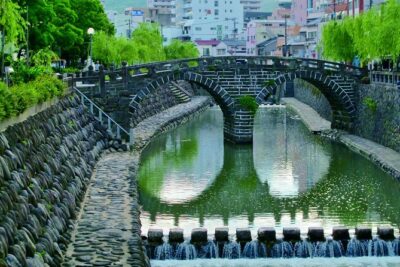
Nagasaki Half-Day Private Tour with Government-Licensed Guide
Read our review →
Visit Gunkanjima Island (Battleship Island) in Nagasaki
Read our review →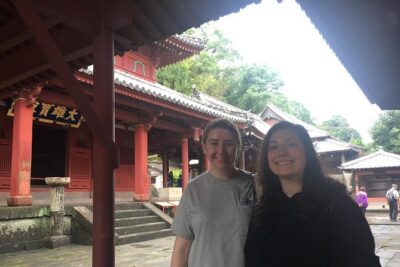
Taste Local Life: Nagasaki’s Historical Street Walking Tour
Read our review →
Nagasaki Street Food Adventure: Private Walking Tour with a Local
Read our review →
Nagasaki Private Tour with a Local – Highlights & Hidden Gems
Read our review →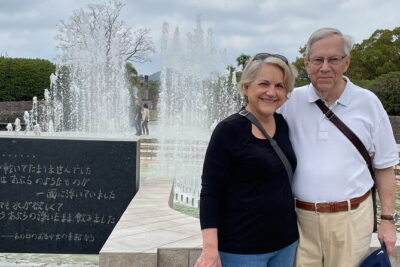
Nagasaki Private Historical Tour with Licensed Guide
Read our review →Browse the lists this tour appears in