
Reviewed · WALKING TOURS
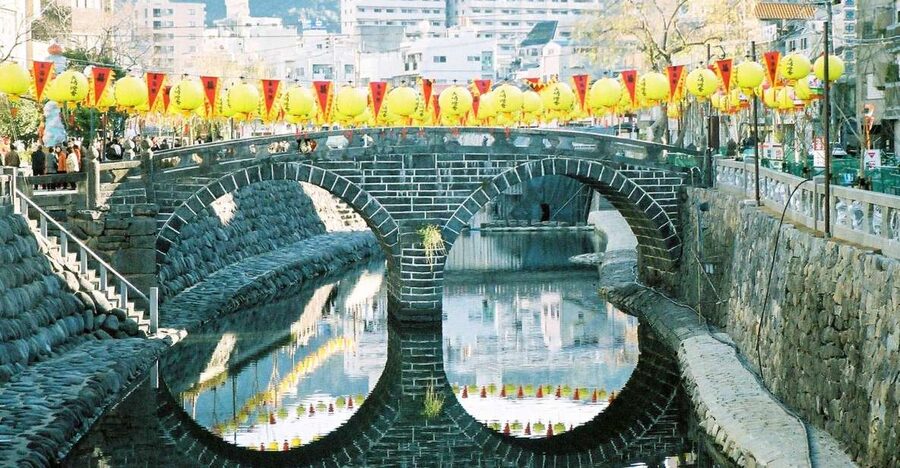
Nagasaki: Private Walking Tour with a Local
Nagasaki can feel heavy and hopeful at the same time, and this private walk is a smart way to understand why. You get a real conversation with a Lokafyer, and you can steer toward what you care about, like WWII sites with guides such as Suniff or Senyo, or everyday neighborhood life with guides like Yuki.
I especially like the 100% private format, because there is no fixed route and no group pace to fight. I also like that you get practical, on-the-ground tips while you walk, not just dates and timelines, including where to eat and what to shop for. One drawback to consider is that the tour is highly shaped around your inputs, so if you want a very scripted itinerary with lots of built-in background, you may need to ask for more structure.
Key things that make this Nagasaki walk worth your time
- Personalized route, no fixed track, shaped around your interests and questions
- Local pickup options in or near the city center, including iconic landmarks or your hotel
- WWII-focused stops are flexible, including options like the Atomic Bomb Museum and Peace Park
- Transportation-smart pacing, with walking plus tram or taxi when it helps your schedule
- Food and shopping guidance that goes beyond the obvious streets
- English-speaking Lokafy guide, with multiple guides in recent tours such as Masaaki, Jun, and Luis
Why Nagasaki works best with a private local walk
If you try to do Nagasaki on your own, you can end up bouncing between sights without really connecting the dots. This type of private walking tour helps you connect place to story in a way that feels natural, not forced. Your guide is there to listen first, then move the day in the direction that matches your energy.
The big value is that the walk is not a lecture. A Lokafyer brings context through conversation and personal perspective. Guides like Yuki, Masaaki, and Jun are repeatedly praised for adding more than basic facts you can read online, plus they explain things in a way that helps you make sense of what you are seeing on-site.
There is also a very practical benefit. A good local guide helps you stop wasting time on confusion, like which direction to walk for the best views, how to get around efficiently, and where to take a breather. This matters in Nagasaki because some areas feel compact but the hills and waterfront angles can make distances feel longer than they look on a map.
More Walking Tours in Nagasaki:
- Kyoto Geisha Walking Tour: Gion District & Hidden Gems
★ 4.7 · 3,273 reviews - Tokyo Tsukiji Fish Market Food and Culture Walking Tour
★ 5.0 · 3,184 reviews - Kyoto: Gion Magical Night Walking Tour with Geisha Trivia
★ 4.9 · 2,393 reviews
Your pickup in central Nagasaki, and the first hour vibe
You start with pickup, and that’s a big deal in a city you might not know yet. You can meet at a preferred location in or near the city center, such as your hotel or an iconic landmark. The tour also lists pickup choices like the Statue of Dr. Sun Yat-sen area and the Nagasaki Atomic Bomb Museum, which can be a great option if WWII sites are your main focus.
Your guide will meet you where it is easiest for you to begin, including in cruise contexts where convenience matters. One recent tour described a guide meeting someone at the cruise terminal, then adjusting the plan so the day still made sense. That kind of flexibility can be the difference between a smooth half-day and a frantic one.
After pickup, expect a walk built around you. The tour includes guided sightseeing plus photo stops and scenic stretches along the way. If you like looking at details, you will likely spend time slowing down. If you want momentum, you can ask to keep moving and save the longer stops for the places that matter most to you.
The flexible central Nagasaki walk: photo stops, viewpoints, and pacing
A private walking tour succeeds or fails on pacing, and Nagasaki pacing is real. This experience runs for about 3 to 6 hours, so you can shape it into a focused morning, an early afternoon plan, or a calmer longer session. The included walking plus sightseeing gives you room to slow down for street life and views without the pressure of a group schedule.
One of my favorite ways to use a private walk here is to treat it as orientation. You get a guided sense of where things sit relative to each other, which makes it much easier to explore later on your own. Guides in recent experiences also helped explain how to navigate the city and sites afterward, which is exactly what you want from the first day.
Expect a mix of elements during the main walk:
- Photo stops where the view or scene helps you understand the city’s layout
- Scenic viewpoints along the way that are easier to find with a local than alone
- Guided sightseeing that stays connected to the stories you care about
The small watch-out is simple: you are walking. If your day includes lots of hilly stretches or you have mobility limits, comfortable shoes are not optional. This tour is wheelchair accessible, but it still involves walking and walking surfaces, so plan accordingly and talk to your guide early about what feels manageable.
WWII stops you can center your day on, Atomic Bomb Museum and Peace Park
Nagasaki’s WWII story is not optional if you want to truly understand the city, and this tour can handle that in a thoughtful way. You can include the Atomic Bomb Museum and Peace Park as major anchors, and guides such as Masaaki and Senyo have been praised for making these sites easier to understand and navigate.
Here is what this usually means in a real-world sense. At places like the museum and memorial areas, it is easy to get lost in the details or feel overwhelmed. A guide can help you focus on what to notice first, how to interpret what you are reading, and how the surrounding spaces relate to the larger story. One tour highlighted that the guide explained things you might struggle with on your own.
Two practical points to keep in mind:
- Entrance fees are not included. If you want any ticketed attractions, plan for those costs separately.
- If you add an attraction, you may also need to cover admission for the guide as well. That is a specific rule for this experience, so confirm it through your booking message before your day.
If your comfort level is more reflective than action-heavy, this is where you can spend time. If you want balance, you can pair WWII stops with lighter city sections later, like neighborhoods, shopping streets, or waterfront views.
Dejima by tram, plus the Nagasaki Ropeway if you want a change of pace
Not every Nagasaki day should be all museums and memorials. If you want scenery and a different angle on the city, you can add options like Dejima and the Nagasaki Ropeway.
One recent experience specifically included the museum and Peace Park, then used the tram to Dejima, with added recommendations for how to spend the rest of the day. Another tour also mentioned the Nagasaki Ropeway during a short 3 hour plan. That tells you something important: your Lokafyer can mix WWII anchors with “see the city” moments.
Why this pairing works: Dejima and the ropeway type views help you remember that Nagasaki is more than one historical chapter. You get a chance to see the city’s geography, water, and angles, and that visual context can make the memorial areas feel more grounded rather than abstract.
Just remember that these add-ons depend on what you ask for and how your guide builds the route. If you have limited time, tell your guide your priorities early, so they can decide what to fit in without turning the day into marathon hopping.
Food and coffee, plus local shopping tips that save you time
A Nagasaki tour should include eating, even if it is just a quick stop. The experience is set up to include local tips about where to eat and what to shop, and one of the most mentioned wins in recent tours was lunch recommendations that actually delivered.
Guides have been described as taking people to places they would never find alone, including a memorable lunch stop. Another tour described finding cherry blossoms as part of the day, which shows that guides also pay attention to timing and seasonal mood, not just checklists.
Even the format supports this kind of experience. Because the route is private, you can stop for street snacks, coffee, or a small sit-down meal when it makes sense for your energy. If you want a quieter courtyard-style cafe experience, you can ask, and your Lokafyer can look for spots that feel local rather than purely tourist-forward.
What is not included is meals and drinks, so you will pay for your own food. Still, the value is in not wasting time or money on the wrong place. When a guide gives you a short list and explains why it works for you, it turns “hungry and wandering” into a plan.
How to use the 3 to 6 hour window without rushing or stalling
This tour gives you flexibility, but it also makes you the boss. The best way to make the time work is to pick one anchor and one bonus.
For example:
- Anchor: Atomic Bomb Museum and Peace Park
- Bonus: tram to Dejima, ropeway views, a shopping stroll, or a recommended lunch spot
If you do not have a plan, that is fine. Some people start the day with no clear goals, and their Lokafyer then builds the route around what they want in the moment. One cruise passenger example showed a guide quickly adjusting the location and plan to still create a meaningful half-day.
Still, you will get the best results if you come prepared with answers to simple questions like:
- Do you want history, food, views, or a mix?
- Are you okay with more walking, or should we use tram or taxi when it saves time?
- Is there anything you absolutely do not want to include?
Also, plan for comfort. This is a walking tour, so shoes matter, and you should pace yourself. If you tire, ask your guide to switch modes. Some tours balanced walking with public transportation and taxis, which is a smart way to keep the day pleasant.
Price and value: what $82 per person buys you
At $82 per person, you are not paying for transportation or tickets. You are paying for the private, customized attention of an English-speaking local guide for 3 to 6 hours.
That can be great value if you care about getting oriented and you want help turning Nagasaki into a personal story. For many visitors, the cost makes sense because it replaces multiple uncertainties: where to go first, how to connect areas, what to spend time on, and where to eat so you do not waste your day.
Here is what is included:
- A local guide (Lokafyer)
- A customized private walking tour
Here is what is not included:
- Entrance fees
- Local transportation around the city
- Meals and drinks
- Optional activity costs
There is also the attraction admission note for the guide, which matters if you add ticketed sites. If you already planned to enter the museum or memorial areas, the pricing can feel more reasonable, because you are combining guidance with the time you would already spend on those stops.
If you are traveling solo, as a couple, or with a small group, this format often feels especially fair. You do not have to bargain for attention or wait for others to finish photos.
Who should book this Nagasaki private walk
This tour is ideal for you if you like real conversations, not rehearsed commentary. It fits first-time visitors who need orientation fast, and it fits repeat visitors who want a new angle, like a neighborhood walk, specific local tastes, or a better understanding of what you are seeing at WWII sites.
It is also a strong choice if you want the freedom to keep the day fluid. You can come with questions, interests, or no plan at all, and your Lokafyer will shape the route around you.
Based on recent experiences with guides such as Yuki, Muhammad, Jun, and Luis, the people who enjoy it most tend to appreciate:
- thoughtful explanations, not just facts
- patience when people ask to slow down or adjust
- recommendations that feel practical, like where to eat and what to do after
One caution: when you want more structure than flexibility
Private tours are great, but they do not magically replace planning. If you arrive wanting a very pre-built route with lots of context offered up front, you might find you need to ask for it. One person felt the tour relied more on the guide’s personal knowledge than on a more prepared set of background, and they wished for more suggested itineraries rather than leaving the plan entirely in the visitor’s hands.
That does not mean the tour is bad. It just means your communication style matters. If you want structure, say so early. You can ask your guide to suggest a “must-see sequence,” then tweak from there.
My practical advice: send a message before your tour with your top 3 priorities. If WWII sites are first, say it. If you also want scenic views, say it. That way you get the best of both worlds: a private route plus enough structure that your day does not drift.
Should you book this Nagasaki private walking tour?
Book it if you want Nagasaki through a local’s eyes, with an English-speaking guide who can adapt on the fly. It is especially worth it if you care about making sense of the city’s WWII sites, because a good Lokafyer can help you navigate and understand what you are seeing. It is also a smart pick if you want help with food and shopping so your limited time turns into real enjoyment, not wandering.
Skip it or consider a more structured option if you know you want a fixed, museum-heavy schedule with lots of background poured in from the start. If your ideal day is strictly planned from minute one and you do not want to steer the route, private customization might feel like extra work.
If you do book, bring comfy shoes, be ready to ask questions, and pick your priorities early. That is how you turn a simple walk into a day that feels like it belongs to you.
FAQ
How long is the Nagasaki private walking tour?
The duration is 3 to 6 hours, depending on availability and what you plan to include.
Is this tour private, or do I join a group?
This is a private group experience, meaning you are not part of a group tour.
What language is the guide?
The live tour guide is available in English.
Where does pickup happen?
Pickup is included, and the Lokafyer meets you at your preferred location as long as it is in or near the city center. It can be your hotel, an iconic landmark, or a quiet café.
Are there example pickup points I can choose from?
Yes. Pickup options include the Statue of Dr. Sun Yat-sen, Umeya Shōkichi & Toku, and the Nagasaki Atomic Bomb Museum.
Is the tour accessible for wheelchair users?
Yes, the tour is listed as wheelchair accessible.
What is included in the price?
Included items are the local guide (Lokafyer) and the customized private walking tour.
Are entrance fees included for attractions?
No. Entrance fees are not included.
If I visit an attraction, do I pay anything extra for the guide?
If you would like to include a visit to an attraction, you will need to cover the cost of admission for the guide as well.
Is local transportation included during the tour?
No. Local transportation around the city is not included.
Are there child discounts?
Children below 3 years join for free. Children from 3 to 12 years receive a 50 percent discount.
Can I cancel for a full refund?
Yes. You can cancel up to 24 hours in advance for a full refund.
Latest write-ups near Nagasaki
- Nagasaki Half-Day Private Tour with Government-Licensed Guide★ 5.0 · 53 reviews
- Nagasaki Full-Day Private Tour with Government-Licensed Guide★ 5.0 · 66 reviews
- Nagasaki Private Historical Tour with Licensed Guide★ 5.0 · 13 reviews
Walking Tours, compared.
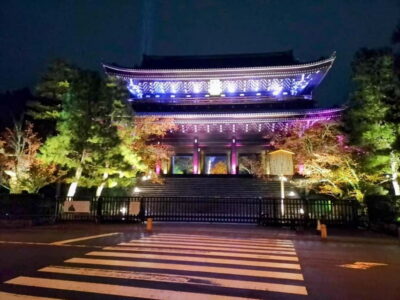
Kyoto Geisha Walking Tour: Gion District & Hidden Gems
Read our review →
Tokyo Tsukiji Fish Market Food and Culture Walking Tour
Read our review →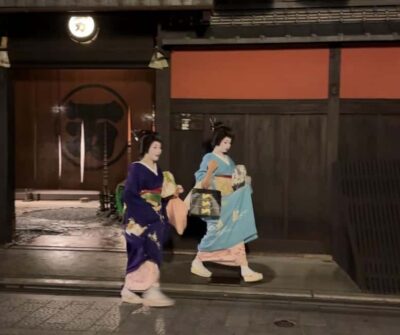
Gion Magical Night Walking Tour with Geisha Trivia
Read our review →
Imperial Palace and Shogun Historical Walking Tour
Read our review →
Gion Geisha District Walking Tour – Stories of Geisha
Read our review →
Shinjuku Local Bar and Izakaya Guided Walking Tour
Read our review →
Browse the lists this tour appears in