
Reviewed · SUMO EXPERIENCES
Tokyo Sumo Morning Practice Tour w/ Ring-Side Seat + Photo Shoot
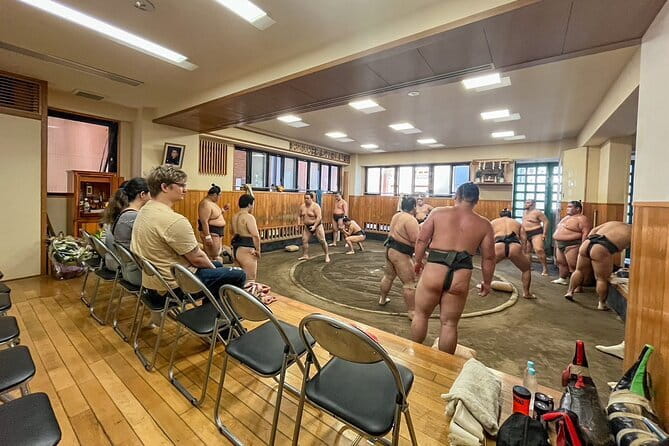
What makes this tour interesting is that you get to see sumo as training, not as a TV spectacle. You’ll sit close during a real morning practice in a Tokyo sumo stable, guided step by step so you know what you’re looking at.
I love the small group setup, capped at 10 people, which makes it easier to ask questions and get settled without chaos. I also like the guide-led commentary plus the included photo shoot, so you leave with both context and a concrete memory.
One thing to consider: this is a rule-heavy experience. You need to show up on time, kids under 12 are not allowed inside the stable, and photography can be limited depending on stable policy.
Key Highlights You’ll Care About
- 10-person max group size for a calmer, closer feel
- A guide accompanies you so you’re not guessing at what training means
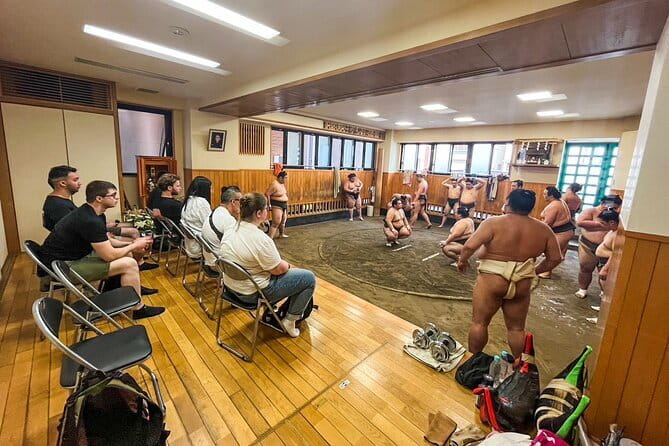
- Ring-side seating during practice for close observation
- Photo shoot included, with photography rules varying by stable
- Real heya practice with hands-on explanations about sumo etiquette and basics
- Kiyosumi Gardens stop to cool down after the morning intensity
A Real Sumo Morning Practice, Not a Performance
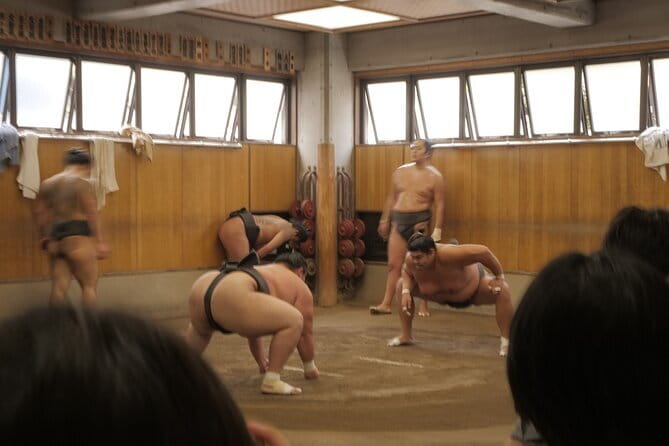
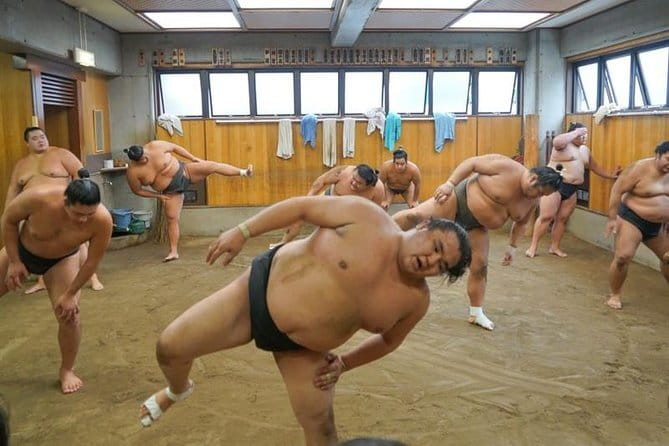
If your idea of sumo is mainly match day on TV, this tour helps you see the sport from the inside. Morning practice at a heya is focused, repetitive, and intensely physical. You’re there for training, including the drills and practice bouts that shape how wrestlers work.
The biggest value is that you get context. Sumo has rules that can look mysterious at first. Having a guide with you means the rituals and routines start to make sense instead of feeling like random tradition.
You also get that authentic atmosphere people chase. The wrestlers move with purpose, and the stable has its own rhythm. This is one of those experiences where it feels less like a tourist activity and more like a brief, respectful window into daily life.
More Photoshoots in Tokyo
- Tokyo Ryogoku Sumo Morning Practice + Photo Shoot with Wrestlers
★ 4.5 · 277 reviews - Tour with Pro Tokyo Photographer and take Edgy Unique Portraits
★ 5.0 · 80 reviews - Tokyo Asakusa: Miu Kimono Rental and Optional Photoshoot
★ 4.9 · 54 reviews
Meet at Kiyosumi Shirakawa: Start Time and Getting Oriented Fast
The tour meets at Kiyosumi Shirakawa Station, and you’ll head to the stable with a local guide. Start time is 8:30 am, and the tour leaves promptly. If you arrive late, you may not be able to join, and there’s no refund or rescheduling for missed tours.
Plan for a smooth arrival. Use your phone for the mobile ticket, and be ready to show it when you meet up. Also, do a quick restroom stop before the practice begins, because restroom access may not be available during the session.
This early start matters for two reasons. First, the practice is a morning routine, so there’s no waiting around. Second, Tokyo mornings can feel more manageable before the heat ramps up later in the day.
The Stable Visit: What 90 Minutes of Sumo Practice Feels Like
Your first main stop is at 3-chōme-6-2 Kiyosumi, where you watch training at the heya. The practice portion lasts about 1 hour 30 minutes, and there’s no separate admission fee for watching.
What you can expect is a mix of training styles. One of the most praised parts of this experience is seeing stretching and repetitive exercises, then practice bouts. You may also see interaction involving the stable’s key figures, which adds a lot to the sense that sumo is both sport and structure.
Seating is first-come, first-served inside the stable. That means if you want a tighter, more ring-side feel, arrive with time to spare once you’re at the stable. The tour is small, but the seating reality is still real.
Access rules are strict, and that’s important to know. You can only access tatami areas inside the stable, and other parts are off-limits. If you act disruptively or disrespect the stable’s regulations, the stable can refuse participation without a refund.
Photography Rules and the Included Photo Shoot
This tour includes a photo shoot with the sumo wrestlers, and it’s a major reason people book even when they are not in Tokyo for tournament action. It gives you a memory with the wrestlers that feels more official than random shots.
That said, photography during the actual practice can be limited. Each stable has its own policy, and on some days you might not be allowed to photograph the wrestlers during training, or you might have restrictions on photos with them. The safe approach is to treat the practice like a quiet viewing with clear boundaries.
If you’re hoping for the best photos, don’t fight the rules. The experience is about training and respect. Follow the guide’s cues, and let the scheduled photo shoot do the heavy lifting.
More Sumo Experiences in Tokyo:
- Tokyo: Sumo Show Experience with Chicken Hot Pot and a Photo
★ 4.8 · 6,678 reviews - Tokyo: Sumo Show and Dining Experience
★ 4.8 · 2,742 reviews - the SUMO show
★ 5.0 · 1,960 reviews - Tokyo Shinjuku Sumo Show & Experience with Photo
★ 5.0 · 1,750 reviews
A Walk Through Etiquette: How to Behave in a Sumo Stable
This isn’t the kind of activity where you can wing it. You’re stepping into a working space with traditions and rules that matter.
Here’s what you should keep in mind:
- Tatami areas only: other areas are off-limits.
- No disruptive behavior: you can be denied entry without a refund.
- No re-entry if you leave: if you step out before practice ends, you won’t be allowed to return.
This is also why a guide is so useful. When you know where to sit, what to pay attention to, and what not to do, the visit stays smooth for everyone. It also helps you watch with more understanding, like noticing how training builds stamina and technique through repetition.
And yes, sumo is serious business. Even when you’re smiling at the scale of the wrestlers, treat the stable like a workplace with rules.
Kiyosumi Gardens: The Calm Reset After Training
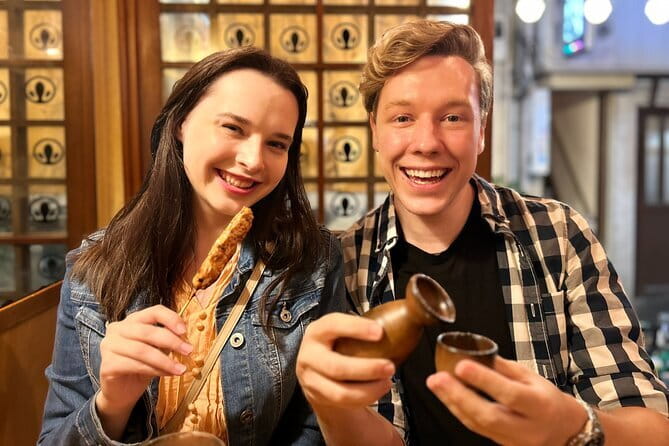
After the practice, you head to Kiyosumi Gardens. This stop is about 30 minutes, and it’s a cool-down moment built into the tour.
Why this matters: a morning practice can feel intense, physically and emotionally. The garden break gives you space to slow down, regroup, and process what you just saw. It’s also a nice way to transition from the strict rules of the stable to an open-air walk.
The tour ends back at the meeting point, with the activity finishing where you started.
Ring-Side Seating and Photo Shoot: Why This Combo Works
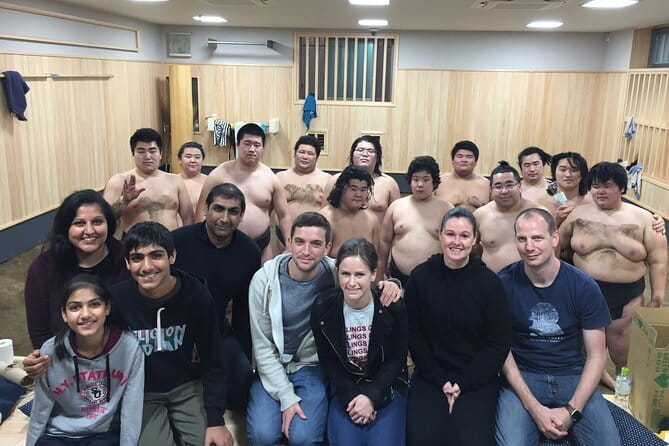
Getting close to the action is the point of ring-side-style viewing. From that vantage, you’re not just seeing big bodies. You’re picking up training details, like how wrestlers coordinate movement, how they use practice to refine timing, and how concentrated the work is.
The photo shoot inclusion is what turns the experience from observation into a keepsake. You leave with something tangible, not just memories of how intense everything looked. People especially appreciate this when they can’t attend formal tournament bouts while in Japan.
One practical thing to remember: your ring-side experience and photo options can be shaped by the stable’s policies on that day. So think of the photo shoot as the dependable part, and practice photography as something that depends on what the stable allows.
Small Group Energy (Max 10) and a Guide Who Explains
The tour caps at 10 travelers, which is a big deal for a visit like this. Smaller groups mean less crowding, fewer awkward bottlenecks at seating, and more time for your guide to answer real questions.
Another helpful factor is how groups can be handled. Depending on the number of participants, the group may be divided and assigned to different stables. Seating inside the stable is still first-come, first-served, but smaller group size helps keep things organized.
The guide component is a major highlight. Many people come in with questions about sumo rules, wrestling rituals, and what training is actually preparing. A strong guide makes the difference between watching and understanding.
One guide name that comes up in feedback is Marie, praised for being passionate and giving great explanations. If you’re with a guide like that, you’ll likely leave with a clearer picture of why sumo works the way it does.
Price and Value for a 2-Hour Morning Experience at $99.10
At $99.10 per person for about 2 hours, this is priced like a focused, guided cultural activity, not a DIY sightseeing stop. The value comes from the combination: access to a real morning practice, a guide to interpret it, ring-side viewing, and an included photo shoot.
What helps the math is that there’s no separate entrance fee for attending the practice. So you’re not paying extra once you arrive, and you’re getting a structured visit built around the heya’s schedule.
It’s also a smart pick if you are in Tokyo during a week without tournament matches. Practice lets you see the wrestlers at work anyway, with the stable setting the pace.
If you’re comparing it to other sumo experiences, this tends to win for people who want authenticity first. The best moments here come from seeing the training itself, with the guide helping you connect the dots.
Timing, Weather, and What to Wear
Tokyo weather can be extreme, with summer temperatures reaching up to 40°C (110°F) and winter lows dropping to -5°C (20°F). Dress for the weather, and plan for an early start when conditions can still shift.
Inside the stable, you’ll be on the move only for short periods, but you might be seated for the practice window. Wear something comfortable you can sit in for a while. Keep layers in mind, especially in seasons where mornings feel cooler than the afternoon.
Also, be ready for the fact that practice schedules can change at the last minute. The stable might adjust due to wrestlers’ condition or tournament commitments. If the stable cancels, a full refund is issued promptly.
That flexibility can sound like a downside, but it’s also a sign you’re dealing with a real operating stable, not a scripted show.
Who This Tour Suits Best
This is ideal for:
- Sumo fans who want the real training day view, especially if you cannot attend tournament matches
- First-timers who feel a bit lost with sumo rules and want a guided introduction
- People who appreciate a respectful, structured experience with clear etiquette
It’s less ideal if:
- You need strict flexibility on timing, because the tour starts promptly and late arrivals can miss the tour
- You’re bringing kids under 12, since they are not permitted inside the stable
- You want free-for-all photo taking, because photography depends on stable rules
Should You Book This Tokyo Sumo Morning Practice Tour?
I think you should book if your goal is authenticity and understanding. The experience is built around a real morning training session, close viewing, and guided explanations that help you make sense of what you’re watching. The included photo shoot is a strong bonus, especially for people who won’t be in town for tournament action.
Skip it only if you are not comfortable following strict rules in a working environment, or if timing is hard for you. This visit rewards people who show up prepared, listen closely, and treat the stable with respect.
If that sounds like your travel style, this is one of the better ways to experience sumo in Tokyo beyond the usual highlights.
FAQ
What time does the Tokyo Sumo Morning Practice Tour start?
It starts at 8:30 am.
How long is the tour?
The tour is about 2 hours total (with about 1 hour 30 minutes for practice, plus about 30 minutes at Kiyosumi Gardens).
Where do I meet for the tour?
You meet at Kiyosumi Shirakawa Station. The start address listed is 3-chōme-11-1 Kiyosumi, Koto City, Tokyo 135-0024, Japan.
Is there an entrance fee for the sumo practice?
There is no separate entrance fee for attending the sumo morning practice.
How big is the group?
The tour has a maximum of 10 travelers.
What age is allowed inside the sumo stable?
This tour is available to guests aged 12 and over. Guests under 12 are not permitted inside the sumo stable.
Can I take photos during the practice?
Photography during the practice is subject to the sumo stable’s policy, and you may have restrictions depending on the day.
What happens if I’m late to the tour?
The tour starts promptly. Late arrivals may not be able to join, and no refunds or rescheduling are provided for missed tours.
Is a guide included during the visit?
Yes. A local guide accompanies you, takes you to the stable, and provides commentary during the visit.
Latest write-ups near Tokyo
- From Tokyo: Top 5 Scenic Spots of Mount Fuji Full-Day Tour★ 4.5 · 67 reviews
- Tokyo Customized Private Tour: See Top Attractions in 1 Day★ 4.8 · 67 reviews
- Traditional Japanese Music ZAKURO SHOW in Tokyo★ 5.0 · 67 reviews
- Tokyo: Shinjuku Izakaya and Golden Gai Bar Hopping Tour (2h)★ 4.9 · 67 reviews
- Tsukiji: Unlimited Sake Tasting Experience★ 4.9 · 67 reviews
- Tokyo: Not a show- a professional sumo practice with experts★ 4.9 · 67 reviews
- Samurai Ninja Museum Asakusa: Kid-Friendly Ninja Training★ 4.7 · 67 reviews
- Private Harajuku Omotesando Architecture Walking Tour★ 5.0 · 67 reviews
Sumo Experiences, compared.

Sumo Show Experience with Chicken Hot Pot and a Photo
Read our review →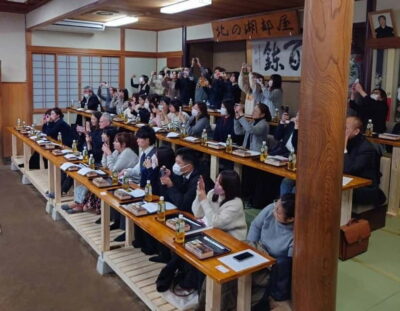
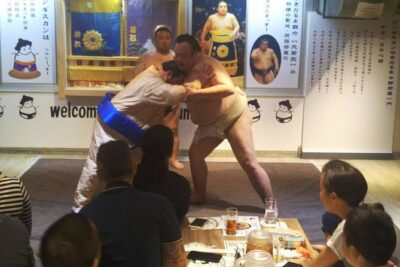
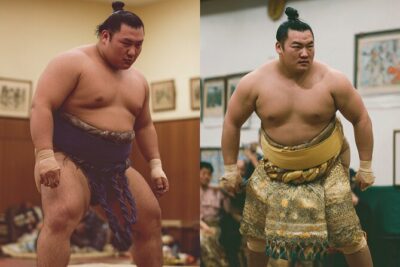
Tokyo Shinjuku Sumo Show & Experience with Photo
Read our review →
Sumo Show & Experience w/ Optional Kimono & Hot Pot
Read our review →
Authentic Sumo Experience in Tokyo: Enter the Sanctuary
Read our review →Browse the lists this tour appears in