
Tokyo can feel like nonstop motion, so this tour is interesting because it pulls you out of the city for real, framed views of Mt. Fuji plus the Fuji Shibazakura Festival in one long day. You also get a mix of nature and local culture, including a traditional village and multiple lake-and-shrine viewpoints.
I love how this trip gives you organized, stress-free transportation with an air-conditioned coach and a guide who helps you move smoothly between stops. I also like the practical pacing: some places are ticketed, others are free, and you still get multiple chances to photograph Mt. Fuji and the flowers even if conditions are changeable.
One drawback to consider is that the day is tightly packed, so several stops are brief. On top of the tour price, you may need to budget for festival and village tickets, and lunch is not included.
Key things to know before you go
- A full Fuji circuit in about 10 hours with round-trip transport from Tokyo
- Shibazakura at Motosuko Resort when the flowers are in bloom, timed for great photo angles
- Saiko Iyashi-no-Sato Nenba for rural Japan history and village atmosphere
- Lake Kawaguchiko plus Oishi Park viewpoints built for Fuji photography
- Arakura area shrine stops for spirituality and sweeping city-and-mountain views (with Golden Week changes)
- Smallish group size (max 45) and a guide on board, in English and Mandarin
How this One-Day Mt. Fuji route saves you from Tokyo logistics
If you’ve tried planning Mt. Fuji by yourself, you already know the pain points: timing trains or buses, figuring out which lake viewpoint is best that day, and then still needing to get back to Tokyo. This tour sidesteps most of that. You ride in an air-conditioned vehicle and the guide handles the flow so you can focus on what you actually came for: Mt. Fuji views and the surrounding area.
The route also makes sense because it mixes the “big hits” with something more local. You are not only circling scenic spots. You also step into a traditional village setting at Saiko Iyashi-no-Sato Nenba and visit shrine areas that connect the mountain to local spirituality.
One more thing I like about a guided day trip like this: the group stays together. When Mt. Fuji is hiding behind clouds, you do not want to be stuck deciding between half a dozen places while everyone else moves on. Here, you just go.
More Day Trips in Tokyo
- Mt Fuji and Hakone 1-Day Bus Tour Return by Bullet Train
★ 5.0 · 26,383 reviews - 1-Day Tokyo Bus Tour
★ 5.0 · 14,250 reviews - Mt Fuji & Hakone Cruise, Drum Show Bullet Train 1 Day from Tokyo
★ 4.0 · 7,413 reviews
Transportation, tickets, and the rhythm of a 10-hour day
This is an all-day outing, about 10 hours, with round-trip travel from Tokyo. You’re on a coach with your guide included, and you receive a mobile ticket. The tour also notes it is near public transportation, which is helpful if you need to plan your way to the pickup area.
The group is capped at 45 travelers, which is big enough to feel lively but small enough that moving between stops is usually manageable. You will want to dress for walking because even short stops can add up.
Language-wise, you can choose English or Mandarin. That matters because you will get explanations at the sites, not just directions. Guides named Kishida, Taiyo, and Agnes are specifically praised for being organized, clear, and helpful with practical details like meeting points and good viewing options.
Fuji Shibazakura Festival at Motosuko Resort, flowers plus the mountain
The day kicks off with the Fuji Shibazakura Festival at Motosuko Resort, held when the shibazakura plants are in bloom. This is the stop that turns your Mt. Fuji day into more than a standard sightseeing circuit, because you’re chasing a seasonal look: low, carpet-like pink blossoms with the mountain behind them.
You’ll have about 1 hour here. That sounds short, but it’s usually enough time to find a viewpoint, take photos from a couple angles, and walk the area without feeling rushed. Admission for this festival is not included, and the ticket price listed is ¥1,200 per person.
Practical tip: treat Mt. Fuji visibility as a luck variable. Even when forecasts look cloudy, the mountain can break through. Plan your photos so you can pivot fast. The ideal shot is not only about seeing Fuji, it’s about lining up the flowers with the mountain in the same frame.
Saiko Iyashi-no-Sato Nenba: rural life, and a village story you can feel
Next up is Saiko Iyashi-no-Sato Nenba, a traditional Japanese village in Fujikawaguchiko Town. This stop is about atmosphere and history more than a quick photo.
You’re there for about 50 minutes, and the listed ticket is ¥500 per person (not included). The village is known as the most beautiful village in Japan, and it carries a strong backstory: it was destroyed by a typhoon in 1966, then rebuilt. That gives the whole place a quieter emotional weight than a standard “pretty scenery” stop.
Why this matters for your trip: Mt. Fuji days can become all visuals and no context. Here, you get to slow down, look at how a traditional village is laid out, and understand the region as more than a backdrop. If you enjoy cultural stops even on a one-day plan, this is the part that adds depth without making your schedule heavier.
More Mt Fuji days:
- Tokyo Mt Fuji 5th St & Hakone Cruise Bus Tour w/Bullet Train
★ 4.4 · 5,024 reviews - From Tokyo: Mount Fuji Full-Day Sightseeing Trip
★ 4.5 · 4,970 reviews - Tokyo: Mt. Fuji Tour, Hakone Ropeway, Owakudani, Lake Ashi
★ 4.7 · 4,002 reviews - Tokyo:Mt.Fuji,Kawaguchiko Oishi Park,Arakurayama Sengen Park
★ 4.4 · 2,682 reviews
Lake Kawaguchiko: your main Fuji viewpoint, with time to breathe
After the village, the tour heads to Lake Kawaguchiko, one of the Fuji Five Lakes and the most popular for panoramic views from the shore. The time here is about 20 minutes, and the stop is listed as free.
This is one of those quick moments that can make or break your day, because lake viewpoints are where you see the mountain reflected, softened by distance, and framed by shoreline angles. If you arrive on a calm, clear day, you’ll get the kind of wide Fuji view that looks almost too simple to be real. On misty days, the mountain may be hazy, but you can still get excellent “Fuji in the background” shots.
In practical terms, 20 minutes means you should already know where you want your photos. Once you get off the bus, you do not want to start researching viewpoints from scratch.
Oishi Park: a floral promenade designed for photos
From the lake, you move to Oishi Park, another standout for combining flowers, shoreline views, and Mt. Fuji in one sightline. You get about 30 minutes and this stop is free.
Oishi Park is popular because the lakeside promenade gives you multiple angles. Flowers bloom here according to the season, so even if you are not seeing the shibazakura anymore, you still get a “flower plus Fuji” vibe.
A good strategy for Oishi Park: walk a bit first, then commit your best angle to photography. If you plant yourself too early, you may miss a slightly better line where the Fuji looks cleaner behind the background.
Kawaguchiko Natural Living Center: the red torii with Fuji in the frame
Next is Kawaguchiko Natural Living Center for about 15 minutes. This stop is free and gives you a unique photo composition: the center’s second-floor perspective where you can capture a red torii blending with Mt. Fuji.
This is a short stop, but it’s one of the most “specific photo” moments on the itinerary. You are not just hunting for scenic views, you’re getting a named composition. If you like photography or you want at least one signature shot that looks clearly Fuji-region specific, this is worth prioritizing over casual wandering.
Chureito Pagoda and Arakura Fuji Sengen Shrine: classic views and a local spiritual thread
The last big sights revolve around the Arakurayama Sengen Park area. The tour includes:
- Chureito Pagoda for about 50 minutes (free)
- Arakura Fuji Sengen Shrine for about 15 minutes (free)
This is where your Mt. Fuji day leans more iconic. Chureito Pagoda is known for panoramic views that include the pagoda itself, Mt. Fuji, and the Fujiyoshida city area at the foot of the mountain. If the weather cooperates, this is the part of the day that feels like a postcard made in real life.
Then you visit Arakura Fuji Sengen Shrine, built in 705, serving as the guardian god of Arakura Village for over 1,300 years. People come seeking protection against bad luck and harmony within their communities. Even if you are not religious, the setting is still meaningful because it connects the mountain to local beliefs and long-term tradition.
Golden Week heads up
There is an important scheduling note: during Golden Week (May 1 to May 7), traffic around Mt. Fuji can be heavy. To keep the day from collapsing into delays, the tour cancels the Chureito Pagoda and Arakura Fuji Sengen Shrine visit in that period. The company says this helps allocate enough time to other attractions.
So if you are traveling right in early May, adjust expectations. You might still get major Fuji viewpoints, but the late-day iconic stops may not happen.
Timing, comfort, and why the short stops can still feel satisfying
This tour is efficient, and you’ll feel it. Many stops are 15 to 50 minutes. That can sound exhausting, but it actually works if you go in with the right mindset: you are not doing a slow, sit-down day. You are collecting key viewpoints and experiences.
Where short stops can become a downside is food and shopping. Lunch is not included. Also, some guided tours will suggest places to eat, but you should plan for meals to be quick rather than memorable. If you have a specific food preference, or you want a calmer break, bring your own snacks and water. You do not need a full picnic meal, but having something easy on hand can save your mood when timing gets tight.
Comfort-wise, the coach is air-conditioned, which helps on warmer or busier days. And because the guide is on the itinerary, you usually get help with practical details like where to meet and where to stand for better views.
Cost breakdown: what you really pay for a Fuji day
The tour price is $58.90 per person. Included in that:
- Air-conditioned vehicle
- Guide
Not included:
- Lunch
- Saiko Iyashi-no-Sato Nenba ticket: ¥500 per person
- Fuji Shibazakura Festival ticket: ¥1,200 per person
Several other stops are free, including:
- Lake Kawaguchiko
- Oishi Park
- Kawaguchiko Natural Living Center
- Chureito Pagoda
- Arakura Fuji Sengen Shrine
So the true cost ends up being the base price plus the two ticketed admissions, plus whatever you spend on food. When I look at value in a day trip, I think about two things: how much effort you save versus DIY, and how many major photo moments you cover. This itinerary hits multiple high-recognition spots plus a rural village stop, all with transportation handled. For most visitors, that makes it a solid buy, especially if you want reliability more than freedom.
If you’re the type who loves long meals and lingering in one place, you might feel the cost is “worth it for the views only.” If you’re okay with moving and maximizing daylight, it’s usually a good value.
Who should book this tour, and who might want a different plan
This tour is a great fit if:
- You want Mt. Fuji and Lake Kawaguchiko in one day without dealing with transit planning
- You care about seasonal flower displays at the shibazakura festival
- You like structured stops and a guide who can help you get the timing and photo points right
- You want a mix of scenic lookouts and cultural sites, including a traditional village and a shrine
It may be less ideal if:
- You’re hoping for a slow, flexible day with lots of downtime
- You hate short walking loops and prefer to stay in one viewpoint for a long time
- You have strict dietary needs and rely on meal planning rather than snacks
If you’re traveling with a stroller or large luggage, the tour asks you to indicate it when booking so the logistics can work for you.
Should you book? My practical verdict
If your goal is to see Mt. Fuji plus the best-known nearby viewpoints without the headache of DIY routing, I’d say book it. The structure is strong: transportation is handled, the schedule hits multiple places designed for Fuji framing, and you get at least one cultural stop that adds meaning beyond photos.
Just go in with two expectations set. First, visibility can change, so build your photos around quick wins and don’t assume clear skies. Second, this is a packed itinerary, so plan to snack, not feast.
If you’re there for the flowers and the classic Fuji sights, this is one of the more straightforward ways to do it from Tokyo in a single day.
Latest write-ups near Tokyo
- Tokyo Nights: Shibuya Photo Adventure★ 5.0 · 20 reviews
- Wagyu & Sake 8 Course Tasting Dinner in Shinjuku★ 4.9 · 20 reviews
- Making Japanese desserts Nerikiri & drinking matcha in Tokyo★ 5.0 · 20 reviews
- Mt. Fuji 5th Station, Owakudani Ropeway, Pirate Ship plus Outlet shopping!★ 4.5 · 20 reviews
- Japanese Whisky Hunting《HIGH-QUALITY-ONLY》Rare Tasting Class★ 5.0 · 20 reviews
- Kintsugi Experience with Arita Ware in Tokyo (English Guide)★ 4.8 · 20 reviews
- This is Asakusa! A Tour Includes the All Must-Sees!★ 5.0 · 20 reviews
- Tokyo: Karate Experience with Former All-Japan Champion★ 5.0 · 20 reviews
Mt Fuji Tours, compared.
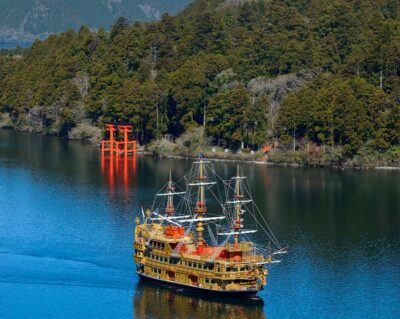
Mt Fuji and Hakone 1-Day Bus Tour Return by Bullet Train
Read our review →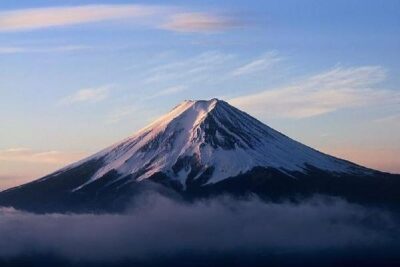
Mt Fuji & Hakone Cruise, Drum Show Bullet Train 1 Day from Tokyo
Read our review →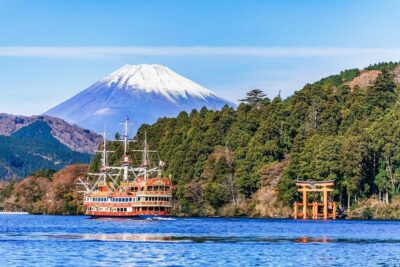
Tokyo Mt Fuji 5th St & Hakone Cruise Bus Tour w/Bullet Train
Read our review →
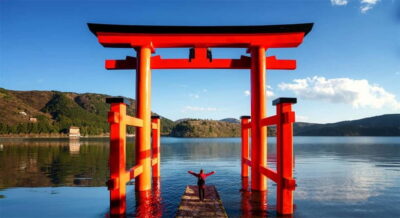
Mt. Fuji Tour, Hakone Ropeway, Owakudani, Lake Ashi
Read our review →
Mt.Fuji,Kawaguchiko Oishi Park,Arakurayama Sengen Park
Read our review →
Mt. Fuji 5th Station & Hakone Cruise 1-Day Bus Tour
Read our review →
Mt Fuji Top 5 Spots Day Tour: Arakurayama Park,Oshino Hakkai
Read our review →Browse the lists this tour appears in