
Reviewed · PHOTOSHOOTS & PORTRAIT TOURS
Explore Unique Tokyo Streets / Learn with a Pro Photographer
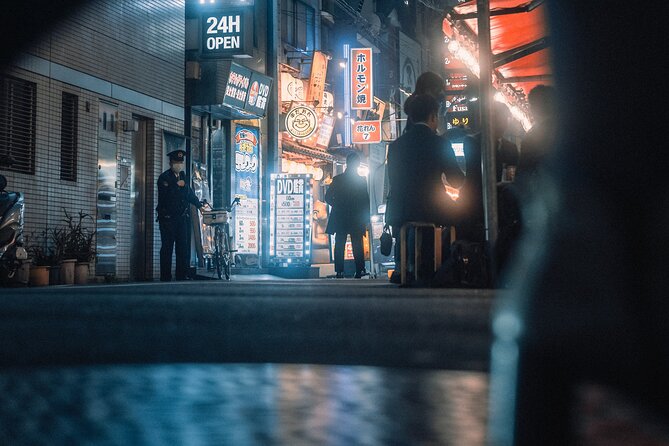
Tokyo at night has a special kind of mood, and this tour is interesting because it turns that mood into usable photo skills. You follow the glow of the streets in Shimbashi and Yurakucho, while Deniz Demir guides you on what to change in-camera, not just where to stand.
What I like most is the hands-on, personalized instruction (max 6 people) and the fact that you get both basics and more advanced street shooting thinking in a single 2-hour session. One thing to consider: this is not a passive sightseeing tour, so you need to be ready to walk with your gear and practice what you’re taught right away.
Key reasons this Tokyo evening photo walk is worth your time
- Max 6-person coaching means you get feedback that actually matches what your camera is doing
- Shimbashi and Yurakucho at dusk gives you plenty of night contrast without feeling like you are stuck in one spot
- Settings, lenses, and gear fundamentals are covered, including LED and prism type concepts
- Street-shooting philosophy, framing, and what to look for gets taught in real-world scenes
- Tripod support if you want it, helpful for steadier low-light results
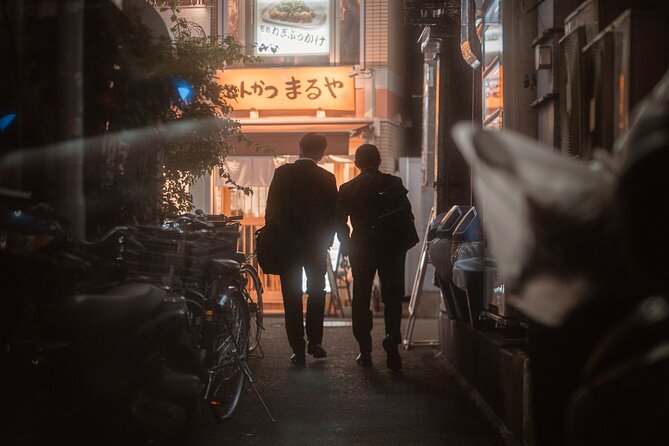
- Weekday options can include a look at salaryman culture up close through photography
Why Shimbashi and Yurakucho at night makes street photos easier
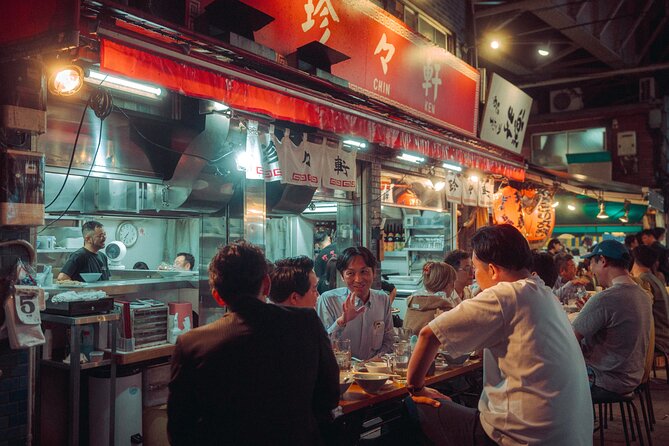
Shimbashi and Yurakucho are a great mix for evening shooting because they naturally give you layered scenes. You get lights from storefronts and streets, reflections and signage, and crowds moving at a pace that feels alive but still photographable.
More importantly, you are not just chasing scenery. The tour is built around learning to see. Deniz Demir’s approach is about helping you notice details you would normally skip, then turn them into images with intention: framing, timing, and basic camera decisions that affect sharpness and exposure.
When Tokyo is dark, the temptation is to keep the camera on auto and hope. Here, you get guided prompts like what to watch for in low light, how to balance brightness in night streets, and how to make your photos look deliberate instead of accidental. That is where the “evening” part matters. Night streets are unforgiving, so they force skill growth quickly.
More Photoshoots in Tokyo
- Tokyo Ryogoku Sumo Morning Practice + Photo Shoot with Wrestlers
★ 4.5 · 277 reviews - Tokyo Sumo Morning Practice Tour w/ Ring-Side Seat + Photo Shoot
★ 5.0 · 93 reviews - Tour with Pro Tokyo Photographer and take Edgy Unique Portraits
★ 5.0 · 80 reviews
Meeting at Shimbashi Station and the realistic 2-hour pace
You meet at Shimbashi Station (2 Chome-17, Shinbashi, Minato City), and the experience ends back at the meeting point. That makes it easy to plan the rest of your evening because you are not stuck crossing the city at the end in a rush.
The duration is about 2 hours, which is short enough to stay focused and long enough to practice. You should expect a rhythm of walking, then stopping to test an idea, then shooting again. If you only read camera tips later, you will miss the point. This works best when you treat it like a mini workshop you can apply immediately.
You also have the option to choose among several evening tour options. Since nothing is more annoying than booking the “wrong” time for your energy level, this kind of flexibility helps. If one evening starts later and you want more night glow, you can pick that. If you want something earlier to avoid late-fatigue, you can also choose accordingly.
Finally, the group cap is 6 people, so you are not blended into a crowd. You can ask questions, and the photographer guide can adjust coaching to what you are trying to capture.
Deniz Demir’s coaching style: from settings to real street results
This tour is explicitly photography-focused, and Deniz Demir’s background as a professional photographer who lives in Tokyo comes through in the way the instruction is framed. He talks about gear, yes, but he does not stop at gear. He connects gear choices to what you are seeing in front of you.
You can expect both basic and more advanced topics. The basic side covers things like settings and lenses, plus other gear topics that come up in night photography. The description also mentions LED and prisms, which signals that you are not only learning the obvious settings, but thinking about how light behaves and how tools can shape what you capture.
Then you move into the more advanced part: street shooting philosophies, what to look for, and framing. This matters because you can own a fancy camera and still get photos that feel flat. The philosophy and framing guidance is how you start turning ordinary scenes into images you are proud of.
The small group size changes the whole experience. With only six people, it is easier to give specific feedback. If your shots are coming out too bright, too dim, blurry, or consistently missing the “moment,” you can identify the cause faster when someone can watch what you are doing.
Walking the route: what you’ll do in Shimbashi vs. Yurakucho
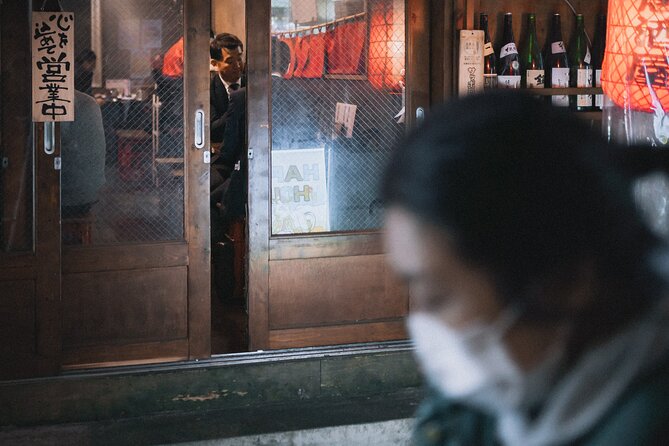
You will spend time in Shimbashi and Yurakucho, and the contrast between those areas is useful for learning. In Shimbashi, you tend to get more of a modern, rail and station-adjacent feel, which often means strong lines, layered signage, and light sources that create obvious photographic shapes.
Yurakucho tends to feel a little more street-level and scene-rich. That is where you can practice the “look for this” skills: how to frame people and storefront lighting, how to use the environment to create depth, and how to compose so your subject is clear even when the street is busy.
Because the tour ends where it starts, you are also less likely to feel stressed about navigation. You focus on shooting and learning, not on constantly checking maps.
A practical note: since this is walking plus instruction, you should wear shoes you trust. The tour is listed for moderate physical fitness, so expect some time on your feet.
A change of pace from Tokyo:
- Mt Fuji and Hakone 1-Day Bus Tour Return by Bullet Train
★ 5.0 · 26,383 reviews - 1-Day Tokyo Bus Tour
★ 5.0 · 14,250 reviews - Tokyo: TOKYO SKYTREE® Admission ticket
★ 4.5 · 11,192 reviews - Tokyo: teamLab Planets TOKYO Digital Art Museum Entry Ticket
★ 4.6 · 9,779 reviews
Tripod options and low-light habits that actually help
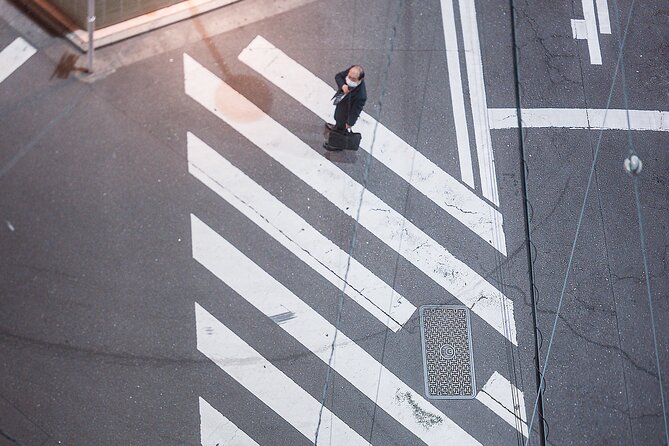
Night photography is where most cameras suddenly feel harder. Even if you know your exposure triangle in daylight, night streets can trick you: bright signs can blow out, dark shadows can swallow detail, and moving subjects can ruin sharpness.
The good news is that this tour explicitly offers the option for your photographer guide to bring a tripod if you want one. That means you can test tripod shooting decisions rather than guessing. For example, you can try longer exposure methods when the street calms enough, then compare with handheld shooting when motion matters more.
If you use a tripod, you will likely focus on steadiness, cleaner frame composition, and consistent exposure. If you shoot handheld, you will likely focus on faster shutter speeds, stabilization choices, and accepting that some motion can become part of the aesthetic.
Either way, the tripod option gives you more learning angles. You do not have to commit fully. You can compare methods right there on real streets.
One more thing: low light also rewards discipline. The instruction style here nudges you to think before you shoot repeatedly. Instead of firing a burst for everything, you learn how to choose a target and a framing plan, then refine.
Weekday evenings and salaryman culture through your camera
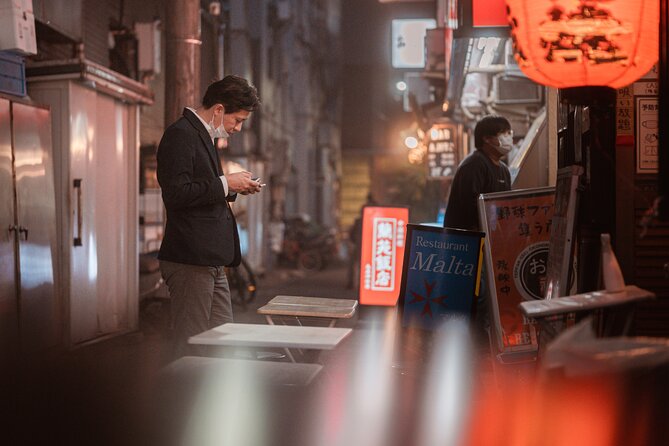
On weekday evening tours, you can learn about Japan’s salaryman culture up close as you take photos. That does not mean the focus becomes a sociological lecture. The practical value is that culture changes what you will see and how you can photograph it.
Salaryman scenes often include predictable patterns: commutes, after-work movement, and the way people carry themselves and interact with spaces. If you know what to look for, you can create more honest street portraits and candid stories rather than just generic city shots.
This also helps your photography choices. When people are moving in recognizable rhythms, you can time your frames better. You can choose to emphasize motion blur for energy, or slow down your technique for sharper details and cleaner composition.
If you are planning your trip around weekday vs. weekend, this is a meaningful difference. If you want more of that day-to-day city culture in your photos, pick a weekday option.
What you’ll come away with, beyond a few good pictures
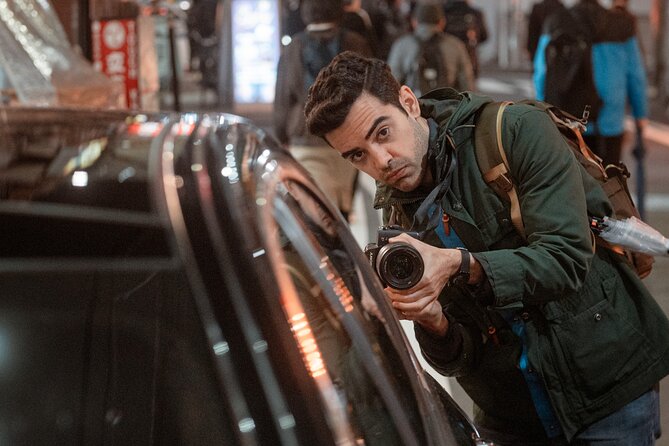
The best part of this kind of tour is not simply getting images on your memory card. It is the “why” behind them. Deniz Demir’s teaching covers gear decisions, but it also focuses on street shooting philosophy, what to look for, and how to frame.
From what you are taught, you should be able to repeat the process after the tour:
- Look for a photo subject that has shape, lighting, or a story element
- Decide on framing so your image reads quickly
- Adjust camera settings based on light level and subject motion
- Test an idea, then refine based on results
One review noted the experience helped them learn what they know and what they do not, and they also got good shots out of it. That is exactly the sweet spot you want. The goal is not to leave with a lecture, but with a clearer plan for shooting the next evening on your own.
You can also check Deniz Demir’s portfolio at denizdemir.photos if you want a sense of the style. Seeing the work beforehand helps you pick what you want to learn: street scenes, night lighting, or storytelling through frames.
Price and value: is $128.09 fair for 2 hours in Tokyo?
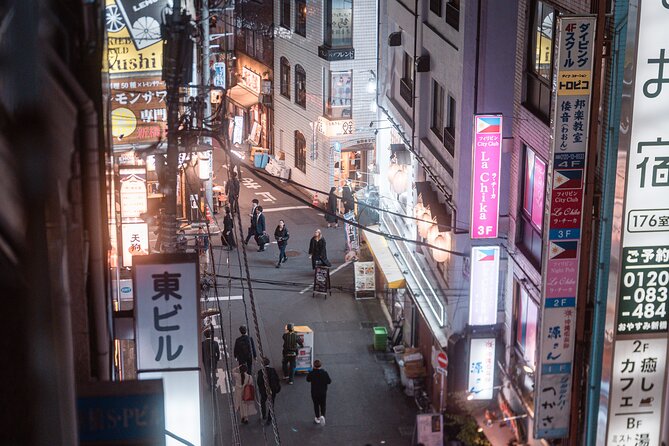
At $128.09 per person for about 2 hours, this is priced like a true coaching experience, not like a standard walking tour. The value comes from three things that directly affect results.
First, the instruction is personalized in a max 6 person format. In photography, feedback is everything. Without it, you repeat the same mistake. With it, you can correct faster.
Second, Deniz Demir provides both fundamentals and more advanced street-shooting guidance. A lot of tours are either gear talk or sightseeing. Here, you get technical thinking plus creative composition principles, which is what helps you improve, not just document.
Third, it happens at the right time of day. Evening streets are challenging, which means your learning has immediate payoff. You are not paying for daylight coaching that becomes theory later. You are practicing under the real lighting conditions you will face when you shoot Tokyo at night.
If you already shoot confidently at night and you just want to follow a route, you might feel this is a bit more “teacher-led” than you need. But if you want your photos to improve in a focused, practical way, this is a solid use of money.
Who should book this Tokyo evening photography tour
This tour fits best if you:
- Want to learn street photography for night with hands-on camera guidance
- Prefer a small group so you can ask questions and get feedback
- Want help beyond basics, including street shooting philosophies and framing
- Like exploring Tokyo neighborhoods by walking rather than jumping between far-flung sites
It may not be the best match if you:
- Only want general sightseeing with no intention to shoot or adjust camera settings
- Expect a slow paced, purely scenic evening
- Struggle with walking enough to keep up with a moderate fitness requirement
If you are traveling with a camera, even a mid-range setup, you can still benefit because the tour covers settings and lens basics. If you are on the fence about bringing a tripod, you get that option.
Should you book this night street photo workshop?
I think you should book it if you want Tokyo night photos that look intentional, not just captured. The combination of small group coaching, guided shooting in Shimbashi and Yurakucho, and the mix of basic plus advanced teaching is exactly what helps you improve faster in a single evening.
Book it sooner if you can. It is typically booked about 16 days in advance, and even though it is only a 2-hour commitment, it is the kind of tour that fills because the group size is small.
My call: if you like the idea of learning camera settings and street framing while actually practicing on lively evening streets, this is a strong bet for your Tokyo time.
FAQ
Where does the tour start?
The tour starts at Shimbashi Station (2 Chome-17, Shinbashi, Minato City, Tokyo 105-0004, Japan).
Where does the tour end?
It ends back at the meeting point.
How long is the experience?
It lasts about 2 hours.
How many people are in the group?
The tour has a maximum group size of 6 travelers.
Can the photographer guide bring a tripod?
Yes. Your photographer guide can bring a tripod if desired.
Does the tour include weekday salaryman culture?
Weekday evening tours include learning about Japan’s unique salaryman culture up close as you take photos.
What topics are covered during the photography coaching?
The guide discusses basic topics like settings, lenses, and other gear including LED’s and prisms, and also covers more advanced street shooting philosophies, framing, and what to look for.
Is the tour good for people who are still learning photography?
The tour includes basic camera topics, plus more advanced street shooting and framing guidance, so it is built to support learning.
What is the cancellation policy?
You can cancel for a full refund up to 24 hours before the experience start time.
Is a mobile ticket used?
Yes, the experience includes a mobile ticket. Confirmation is received at booking.
Latest write-ups near Tokyo
- Harajuku Private Tour: Kawaii Fashion & Animal Cafe Included★ 5.0 · 69 reviews
- Mt Fuji Customizable Private Tour English Speaking Driver Pick-up★ 5.0 · 69 reviews
- Tokyo Night Cooking Class: 5 Home-Cooked Japanese Dishes★ 5.0 · 70 reviews
- Tokyo: Sumida Aquarium Entry Ticket★ 4.6 · 70 reviews
- Private Customizable Walking Tour of Tokyo★ 5.0 · 70 reviews
- Official Japan Go-Kart Through Tokyo Bay / Ginza (IDP Required)★ 4.5 · 71 reviews
- Wagyu Beef and Sake Pairing Foodie Tour in Tokyo★ 5.0 · 71 reviews
- Japanese Traditional Music Show in Tokyo★ 5.0 · 72 reviews
Photoshoots & Portrait Tours, compared.
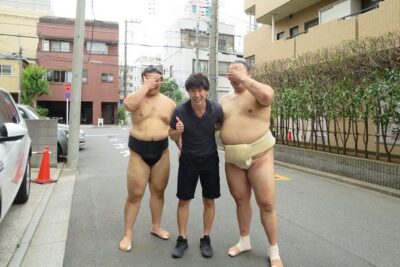
Tokyo Ryogoku Sumo Morning Practice + Photo Shoot with Wrestlers
Read our review →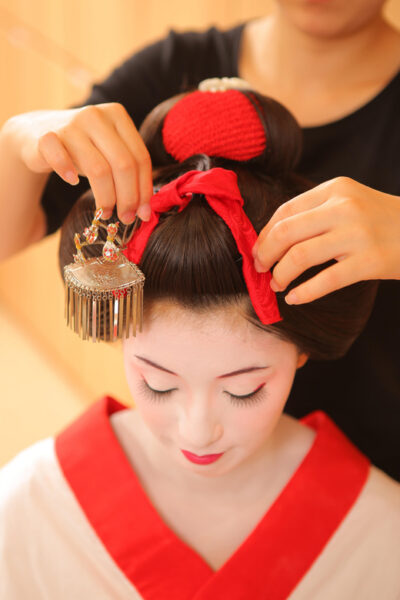
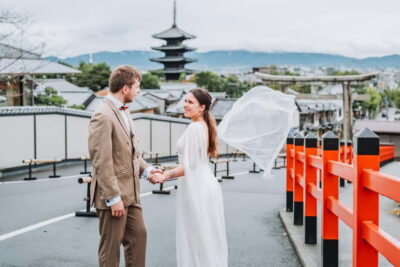
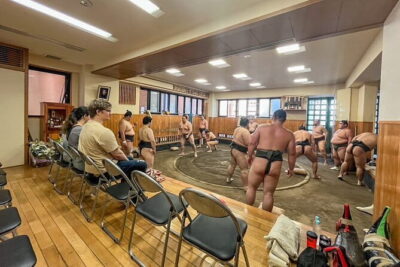
Tokyo Sumo Morning Practice Tour w/ Ring-Side Seat + Photo Shoot
Read our review →
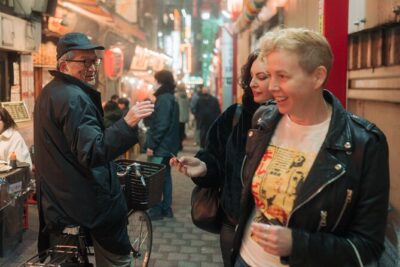
Tour with Pro Tokyo Photographer and take Edgy Unique Portraits
Read our review →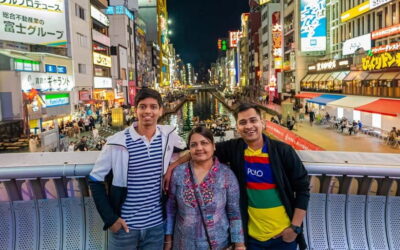
Private lively Nighttime Photoshoot (Dotonbori)
Read our review →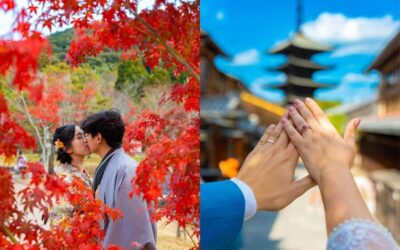
Private Gion District Photoshoot Experience
Read our review →Browse the lists this tour appears in