
Reviewed · CYCLING TOURS
3h Tokyo E-Bike Tour: Hidden Gems, and Local Life with guide
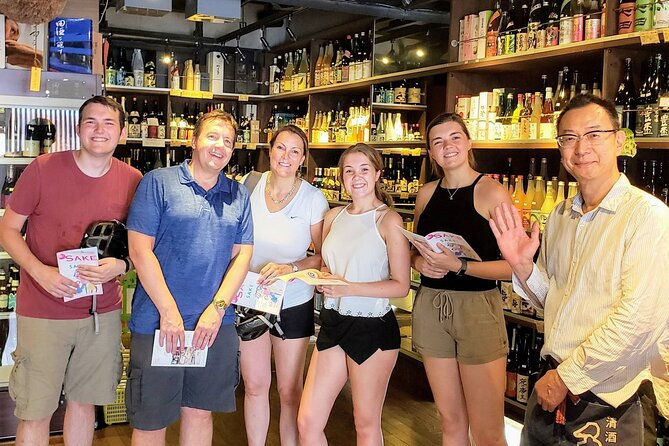
A guided Tokyo e-bike tour is interesting because it mixes classic sights with the kind of street life you usually only catch after you’ve done a few subway rides. I love how you can float between places like Tokyo Station Marunouchi and the Imperial Palace area without turning the whole day into a long walk. I also love that the guide keeps things moving at a comfortable rhythm, so first-timers can enjoy the city while guides like Yo and Jenny handle the details.
The main thing to consider is that you need to feel comfortable riding in traffic-adjacent streets, and the tour is weather-dependent. If rain or summer heat stress is too high, the ride can be canceled, shortened, or adjusted for safety.
Key things that make this Tokyo e-bike tour work
- Small group cap (max 6) means you are not stuck with a huge herd at every stop
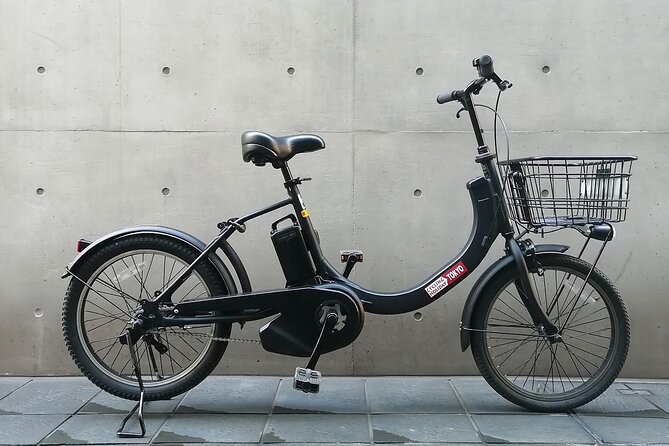
- Rental e-assist bike plus helmet and insurance lowers the stress of figuring out equipment
- Two route options by time of day (AM vs PM) lets you pick a version that matches your must-dos
- Stops that blend landmarks with local lanes, including Ginza side streets and neighborhood food streets
- Seasonal comfort extras like cooling products in summer, and simple gloves in winter
Starting near Kanda Station, with an easy meeting setup
The tour meets at Cycling Holiday Tokyo, right by Kanda Station. It’s about a 1-minute walk from the west exit of JR Kanda Station, which matters because Tokyo stations can be a maze when you are jet-lagged. You can also use the restroom and store luggage (except valuables) before you roll out, which is a quiet relief if you have bags.
This is a real plus if you plan to explore after the tour. You start close to public transport, and the route immediately gets you into areas that feel like working Tokyo, not just postcard Tokyo.
Also, you get a mobile ticket, so you are not hunting for paper.
More Cycling Tours in Tokyo
- Tokyo Guided Small-Group Biking Tour
★ 5.0 · 1,250 reviews - Tokyo Great Cycling Tour
★ 5.0 · 811 reviews - Tokyo Top Highlights 3h Guided E-bike Tour
★ 5.0 · 714 reviews
E-bike comfort, safety gear, and what you should bring
The included e-bike rental is the core of the value here. You get rental helmet and insurance, and the guide leads you at a pace that fits a group of mixed experience levels. Most people can join, but there is a firm rule: if you cannot ride a bicycle, you cannot join the tour.
Tokyo street riding is still street riding. Expect traffic-adjacent moments and stop-and-go cycling, so being comfortable on two wheels matters more than fitness. Reviews repeatedly call out how easy the e-bike is to operate, and guides like Take and Ted were praised for keeping people together and focused on safety.
What you should bring depends on the season:
- Summer: towels and sunscreen are recommended, and it helps to carry what you need to stay hydrated.
- Winter: warm clothes and gloves are recommended, and there are simple gloves provided for winter.
There is also simple rain gear included, but in real life it can be nicer to bring extra layers if you get caught in a shower.
AM vs PM routes: pick your Tokyo highlights
The route changes based on whether you choose an AM or PM departure. That means you can do this early to get oriented, or you can come later and layer it with temples, tech streets, or sumo-area vibes.
AM highlights lean toward Imperial Palace, Tsukiji, and central Tokyo. You’ll cover Kanda, head toward Tokyo Station Marunouchi, then see key views around the Imperial Palace area. After that, the ride shifts toward Tsukiji Outer Market and surrounding local food streets. The AM route also includes a pass by areas where luxury storefronts cluster, often on back streets where cycling makes it easier to move through.
PM highlights lean toward subculture and older neighborhoods. You start with Akihabara energy, then move toward Kappabashi Tool Street if you like kitchenware and knives. After that, you roll into Asakusa, which is the classic “you made it to Tokyo” temple stop. Depending on the course, you may also reach Ryogoku, the sumo wrestler area.
Your best move is to match your route to your personal itinerary. If your days are packed with museums and you want one ride that anchors everything, AM is a great start. If you want subculture plus temples in one smooth cycle, go PM.
Kanda: workday downtown, small bars, and real Tokyo rhythm
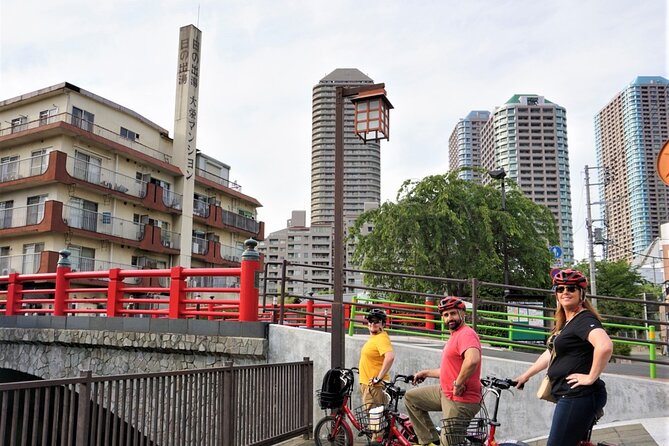
Kanda is small-town-ish within the huge city. It’s a downtown zone where Japanese business life shows up fast, with plenty of narrow streets and tiny-style bar settings tucked in along the way. This stop is short, but it gives you a feel for what Tokyo looks like when it is not performing for tourists.
The e-bike helps here because you are not limited to the few wide sidewalks where everyone funnels. You can move through streets where cars do not dominate, and you still get photo moments without stopping every 30 seconds.
If you are the type who likes to understand how neighborhoods actually work, Kanda is a smart opener.
A change of pace from Tokyo:
- Mt Fuji and Hakone 1-Day Bus Tour Return by Bullet Train
★ 5.0 · 26,383 reviews - 1-Day Tokyo Bus Tour
★ 5.0 · 14,250 reviews - Tokyo: TOKYO SKYTREE® Admission ticket
★ 4.5 · 11,192 reviews - Tokyo: teamLab Planets TOKYO Digital Art Museum Entry Ticket
★ 4.6 · 9,779 reviews
Tokyo Station Marunouchi: the classic landmark from the right angle
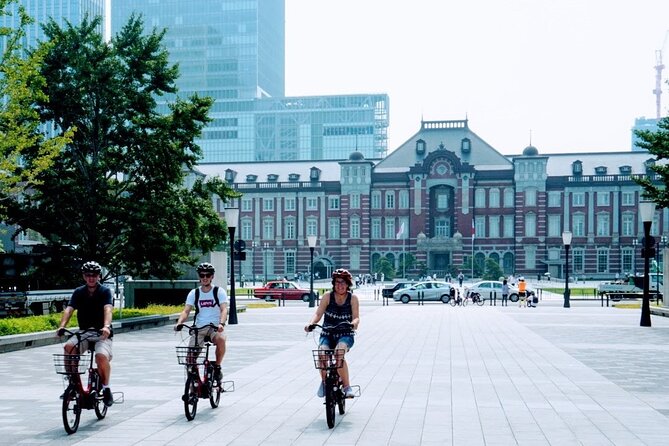
From the Tokyo Station Marunouchi area, you get a view of the Marunouchi building from nearby streets like Gyoko-dori Street, and your guide explains the station’s history. This is not just a photo stop, it’s a short orientation moment.
Why it matters: Tokyo Station can be overwhelming on foot. Seeing it from a cycling perspective helps you understand the geography, and then later when you walk or take trains, you have mental landmarks.
This is also where the guide’s pacing becomes important. If the group is handling traffic well, you move quickly, but the stop still feels informative rather than rushed.
Imperial Palace area: Otemon, views over the moat, and gate passing
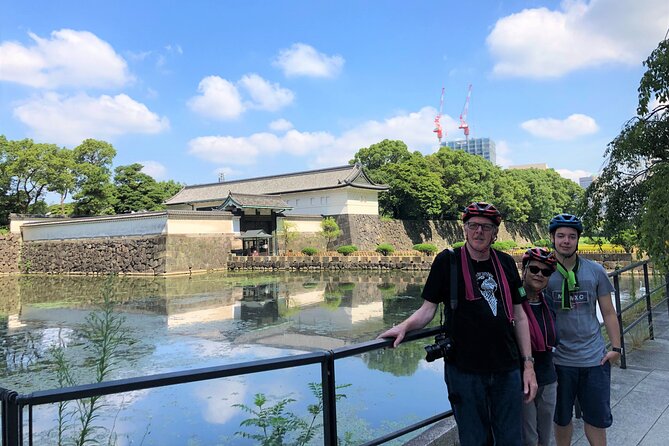
The Imperial Palace stretch is one of the most visually rewarding parts of the route. You cycle past Kokyo Otemon Gate, looking across the moat and toward the Fujimi yagura tower. Even when you are not going inside (you are typically just viewing from public areas), the setting gives you that “big capital” feeling without needing tickets for everything.
You’ll also see the area near the palace with a large park-like space of about 200,000 square meters, where you can catch seasonal flowers. That means in spring and fall the scenery can change a lot, and in other seasons you still get open, calm Tokyo views next to major streets.
Then you pass through Sakuradamon, another traditional gate moment. The guide usually frames it with context that helps you understand what you’re looking at.
One practical tip: wear clothes that are comfortable for sun or shade changes. The ride is short, but Tokyo weather can shift fast.
Ginza side streets: luxury storefronts, but through calmer lanes
Ginza is often all about wide avenues and shopping crowds. Here, you get to experience Ginza’s energy, but you also have the chance to cycle through back streets where the luxury stores sit just off the main flow.
Why this is valuable: cycling lets you get close to iconic areas without spending all your time stuck in pedestrian congestion. It’s easier to stop for a photo, easier to reposition, and easier to keep the group together.
The trade-off is that you are in a central area with busy streets nearby, so you should be ready for tighter moments. If you prefer wide car-free paths only, this may not be your favorite part, but it’s still managed in a group-led way.
Tsukiji Outer Market: old-school food streets, small shops, quick bites
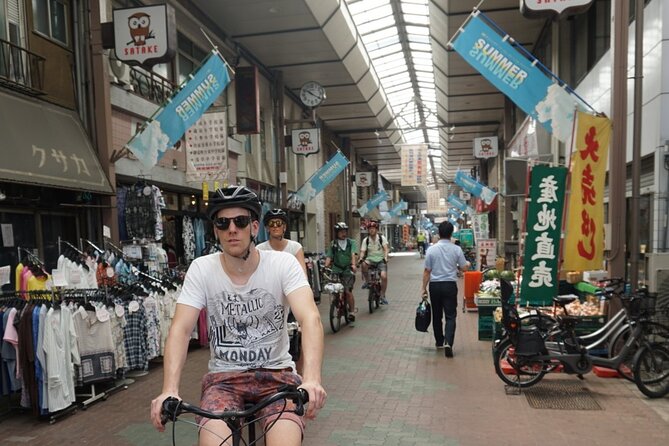
Tsukiji Outer Market is a great choice because you get the “old Tokyo food street” vibe without needing to plan a long restaurant crawl in advance. The tour includes a stop at the outer market area, where small, old-fashioned food shops line the streets.
This is a good place to snack or browse, and it’s also one of those spots where the e-bike start time matters. You can see what’s happening early, then later choose what you want to return to on foot.
Included admission for the market-related stop is listed as free, and your time here is short, around 10 minutes. That works best if you use it like a scouting mission: pick one or two things you want to try, and then revisit later if you have the schedule.
Akihabara: geek culture and youth subculture in motion
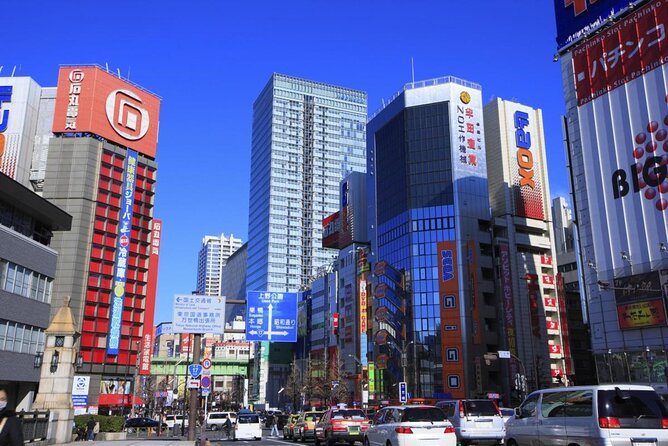
If you choose the PM route, Akihabara shows up as a strong contrast to the more traditional parts of Tokyo. This is the subculture zone, with youth and geek culture energy you can feel the moment you start riding through.
The tour stop is brief, but it’s enough to orient you. It’s also the kind of place where you might want longer browsing after the ride, since you can see signage, electronics, and themed spots quickly before deciding what to do later.
One note for your expectations: this is more about getting oriented than doing a deep shopping tour. The time is built to keep you moving through several neighborhoods in 3 hours.
Kappabashi Tool Street: kitchen gear heaven for practical souvenir hunters
Kappabashi Street (Kappabashi Dogugai) is where Tokyo turns into something you can take home. You’ll see shops selling kitchen utensils, professional cooking tools, and authentic Japanese knives. If you like cooking, this stop makes sense because you’ll see the real retail focus, not just a themed display.
The tour schedules about 10 minutes here, with time to look around if you want to shop. Since knives and tools can be tricky for luggage, think ahead about what you’re willing to carry, and remember that luggage storage is only available during the tour for non-valuables.
This stop is also a nice “change of pace” reset after tech streets. It’s a different kind of Tokyo obsession, and it’s usually more fun if you are shopping with a clear target.
Asakusa and temple customs: seeing the old Tokyo feel up close
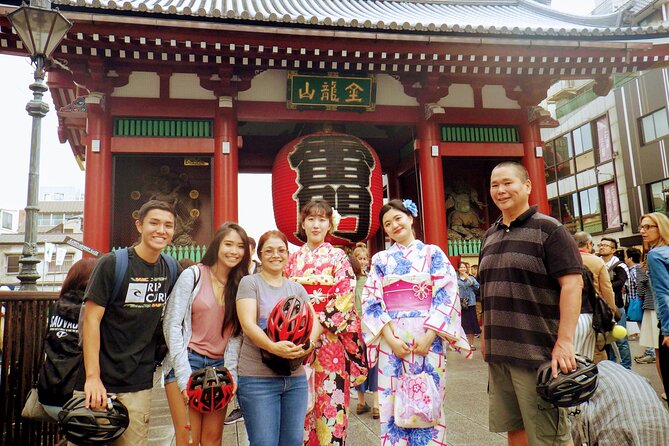
Asakusa is a classic Tokyo anchor, and this tour includes a stop that highlights the oldest temple in Tokyo. It’s one of those places where being there for a quick guided look makes a difference, because you understand what you are seeing and why certain customs matter.
Some guides are specifically praised for explaining temple customs and rituals. That kind of context is valuable, because it helps you move respectfully and notice details you would otherwise skip.
The Asakusa stop is about 10 minutes. That’s enough for orientation and photos, but not enough for a long “wander until you find snacks” afternoon. If Asakusa is a top priority, plan to extend your exploration after the e-bike ride.
Ryogoku sumo area and Nihonbashi: sports and the measurement center of Japan
Depending on your route, you may end up around Ryogoku, the sumo wrestler area. The tour description notes that you might meet real sumo wrestlers if you are lucky. Even if you do not, Ryogoku still offers a very specific Tokyo identity.
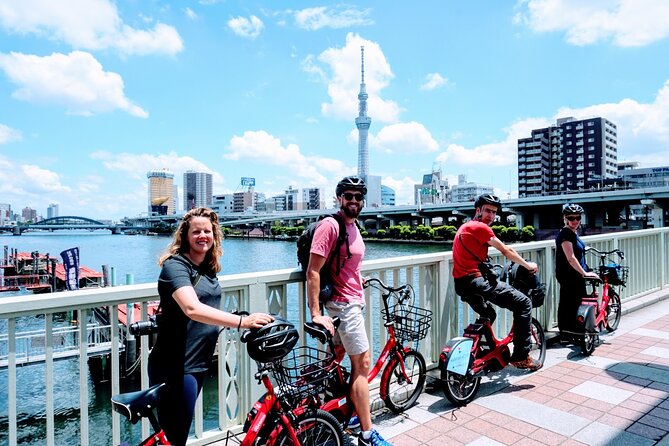
Then you get Nihonbashi Bridge, described as once again the center, and it’s where the road distance measurement starts. This is a quick, factual stop, but it gives you something practical: a sense of Tokyo’s historic planning and how the city connects outward.
If you like trivia that actually helps you navigate later, Nihonbashi is a great moment. After you’ve seen it from the bridge area, distances and routes feel less abstract.
Guides and group management: why names keep coming up
This tour’s biggest strength is the guide. Across many guides, the pattern is the same: friendly, patient, safety-oriented leadership plus real context at each stop.
You’ll see guide names like Yo, Ted, Ninja, Take, Kazu, Jenny, Yoppi, and Yoshiko showing up in reviews, and they get praised for things that matter on a bike: managing traffic flow, keeping the group together, and handling questions without making people feel rushed.
One practical example from feedback: in rain, people appreciated ponchos, and they suggested extra prep like glasses and possibly gloves. In summer heat, guides were praised for caring for families, and some guests recommend bringing electrolyte drinks.
If you want a tour where the guide makes you feel like you are in good hands, this is one of the better setups in Tokyo.
Price and value: why $63 for 3 hours can make sense
At $63.01 per person for about 3 hours, the value depends on what you would otherwise spend your time doing. If you were going to hop trains and then walk across multiple neighborhoods, you’d burn time and energy. Here, the e-bike rental does the heavy lifting and lets you cover a lot of geography without exhausting yourself.
You also get practical inclusions that add up:
- E-assist bike and helmet
- English guide
- Insurance
- Simple rain gear
- Seasonal add-ons like cooling products in summer or simple gloves in winter
- Luggage storage during the tour for non-valuables
For many first-timers, the real value is orientation. You come away with mental maps, a short list of places you want to revisit, and the confidence to explore the next day on foot or by transit.
Who should book, and who should skip
This tour is a good fit if you want:
- A 3-hour overview that touches multiple neighborhoods
- More “local streets” than “only big monuments”
- A guide-led plan that helps you not get lost
It’s also family-friendly, with reviews citing success for teens and adults who appreciated safety and patience. It can work well as a first morning or first afternoon activity because it gives you structure.
Skip it if you:
- Cannot ride a bicycle
- Don’t handle traffic-side riding well
- Have a very tight schedule that cannot flex if weather causes cancellation or adjustments
In summer, pay attention to the heat rules. The operator uses the WBGT heat stress index, and they may cancel or stop the tour if conditions are dangerous, with a refund in that scenario.
Should you book this Tokyo e-bike tour?
I think you should book it if you want an efficient, guided way to stitch together Tokyo’s big icons with everyday neighborhood life. The combination of e-bike ease, short but meaningful stops, and guide support makes the ride feel like a practical Tokyo intro, not just a novelty activity.
I’d pass only if you are nervous on a bike in busy areas or you know you will be frustrated by weather-based changes. Otherwise, it’s a strong value for a first-time Tokyo trip, and it also works for return visitors because the route choices by AM vs PM can shift what you focus on.
FAQ
Where does the tour start?
The meeting point is Cycling Holiday Tokyo at 3-chōme-8-6 Uchikanda, Chiyoda City, Tokyo. The shop is about a 1-minute walk from the west exit of JR Kanda Station.
How long is the e-bike tour?
The tour lasts about 3 hours.
What is included in the price?
Included are the rental e-assist bike, rental helmet, English guide, insurance, simple rain gear, and simple gloves for winter or cooling products for summer. You can also leave luggage (except valuables) with the shop during the tour.
What does the route look like, and does it change?
You choose either a morning or afternoon departure, and the route differs by time of day. The stops can include Kanda, Tokyo Station Marunouchi, the Imperial Palace area, Sakuradamon, Ginza back streets, Tsukiji Outer Market, Akihabara, Kappabashi Street, Asakusa, Ryogoku, and Nihonbashi Bridge, depending on the course.
Are there age or height requirements?
Yes. The minimum age is 12 years, and the minimum height is 147 cm (4.8 ft).
Do I need to know how to ride a bicycle?
Yes. If you cannot ride a bicycle, you cannot join this tour.
What happens if it rains or it is extremely hot?
The operator checks the weather forecast the day before. If rain is expected, the tour is canceled. If it rains during a sunny forecast, the guide decides whether to continue or stop. In summer (July to August), heat stress is assessed using WBGT, and the tour may be canceled or stopped and return to the start point with a refund if conditions are dangerous.
Latest write-ups near Tokyo
- From Tokyo: Top 5 Scenic Spots of Mount Fuji Full-Day Tour★ 4.5 · 67 reviews
- Tokyo Customized Private Tour: See Top Attractions in 1 Day★ 4.8 · 67 reviews
- Traditional Japanese Music ZAKURO SHOW in Tokyo★ 5.0 · 67 reviews
- Tokyo: Shinjuku Izakaya and Golden Gai Bar Hopping Tour (2h)★ 4.9 · 67 reviews
- Tsukiji: Unlimited Sake Tasting Experience★ 4.9 · 67 reviews
- Samurai Ninja Museum Asakusa: Kid-Friendly Ninja Training★ 4.7 · 67 reviews
- Tokyo: Not a show- a professional sumo practice with experts★ 4.9 · 67 reviews
- Private Harajuku Omotesando Architecture Walking Tour★ 5.0 · 67 reviews
Cycling Tours, compared.
Arashiyama Bamboo Forest & Hidden Gems Bike Tour (Early Bird)
Read our review →
Hiroshima in a Nutshell: Morning Bike Adventure
Read our review →
5 Top Highlights of Kyoto Full Day Bike Tour (E-bike option)
Read our review →Browse the lists this tour appears in