
Reviewed · CYCLING TOURS
Hiroshima: Peace Cycling Tour with Local Guide
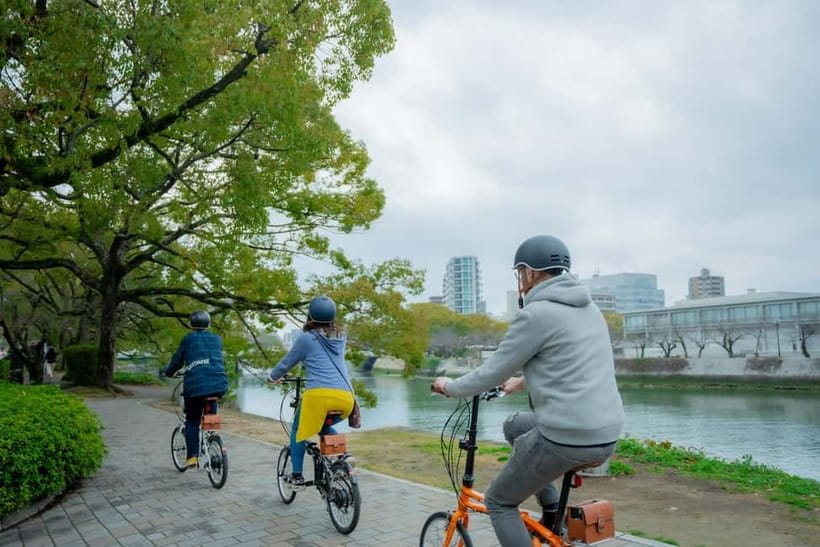
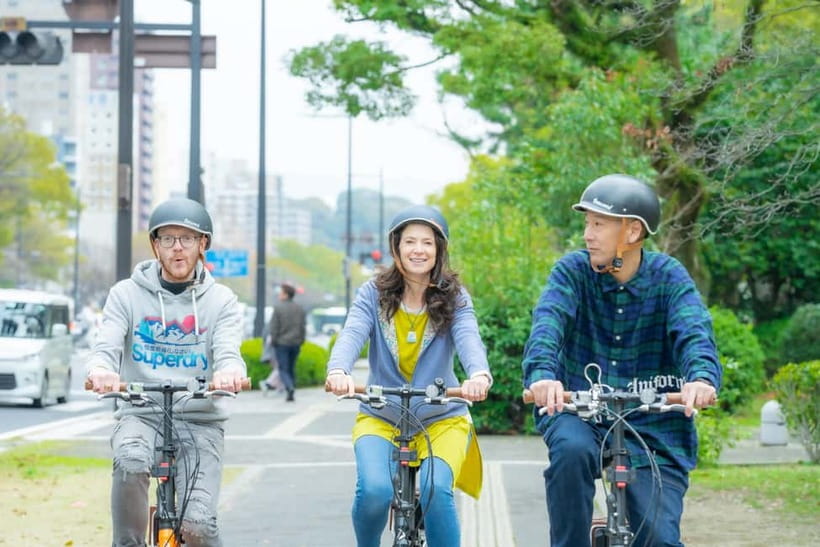
What makes this tour so interesting is the way it turns a heavy subject into something you can move through with your own eyes, on an electric bicycle. I love that you get local storytelling, not just dates and plaques, because guides like Shin and Kana often connect the bombing to what they still live with today. I also like that the ride keeps you active and steady for a 2 to 3 hour experience, so you are not stuck doing slow, crowded standing around.
One drawback to think about up front: this is emotional. Even with the upbeat bike pace, the topic is intense, and you should be ready for moments that feel raw and personal.
Key takeaways before you pedal
- E-bike comfort keeps the ride easy, even if your fitness is not great
- Local guide voices often include personal, family-connected stories from Hiroshima
- Two route options let you choose a tight 2 hour loop or a fuller 3 hour arc
- You ride beyond the main sights to see A-bomb heritage sites in the city’s everyday neighborhoods
- You get photos afterward from pictures taken during the tour
- Small shared groups (up to 10) mean the guide can adjust pace if someone is less used to cycling
How this Hiroshima ride tells the Peace Park story in motion
This tour is built around a simple idea: facts matter, but context matters more. Hiroshima’s Peace Memorial Park is the obvious starting point, yet it is only one chapter of what happened on August 6, 1945 and what followed. By cycling, you physically connect locations that sit close together on a map, but feel far apart when you understand the scale of destruction.
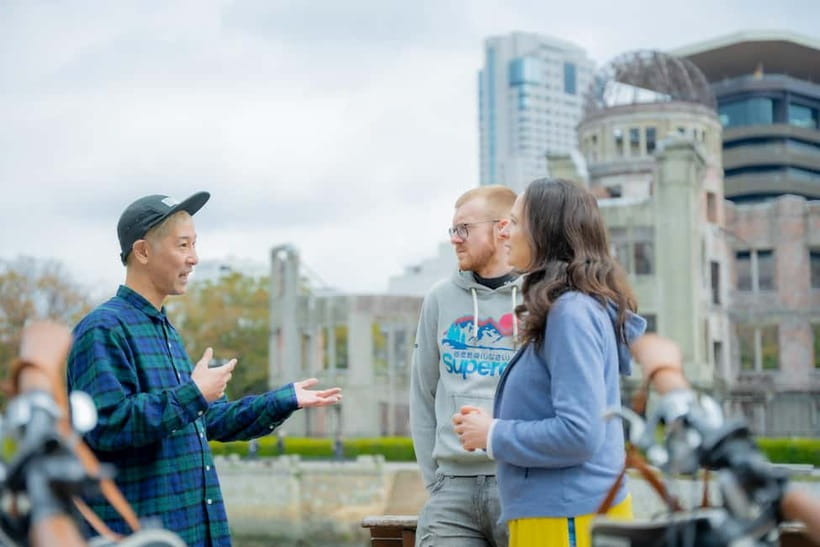
A big anchor point is the fact that the area within about a 2.5 km radius of the hypocenter was devastated. You feel that emphasis as your guide points to places where the city’s layout and memory overlap. The guide work is what really changes the experience. I love how many guides from this tour lineup bring personal family ties and careful English explanations, which makes the monuments and bridges land with weight instead of just looking sad.
The goal is not to make you numb. The goal is to make you pay attention, then leave with something steadier in your head. Hope is part of the message, even when the history is brutal.
More Cycling Tours in Hiroshima:
- Hiroshima in a Nutshell: Morning Bike Adventure
★ 5.0 · 524 reviews - Hiroshima 2hr Peace Cycling Tour with Local Guide
★ 5.0 · 321 reviews - Hiroshima and Miyajima by Bike and Boat
★ 5.0 · 172 reviews
Price and value: $52 for an English guide plus an e-bike
$52 per person for a 2 to 3 hour guided cycling experience is a fair price, mainly because you are not paying extra for the ride setup. This includes rental bicycles, an English-speaking guide, and insurance for bicycle accidents. It also means you are saving energy for your actual sightseeing day.
What is not included is food and drinks, so plan to bring water or buy some during breaks. You will feel that wise. After all, you are outdoors and cycling, and the subject matter keeps your brain engaged, so it is easy to forget to hydrate.
If you are trying to see Peace Park plus several nearby A-bomb sites in one go, this format also helps with time. Walking the same coverage would be slower, and cycling gives you a smoother pace without feeling like a race.
Meeting point and what your first minutes should feel like
You meet at the Rest House of Hiroshima Peace Park. From Hiroshima Station, take the Hiroshima Electric Railway tram to Atomic Bomb Dome Station, about 20 minutes. Then it is a short walk, around 5 minutes, to the rest house.
This matters because the tour is timed. If you show up late without letting the team know, the tour can be canceled for the day. So I would treat the tram ride like part of the schedule, not a casual extra.
Once you meet, you get your e-bike and an orientation from your guide. The electric assist is the reason this tour works for many people, including those who are not sure about cycling for long distances.
Route choice: the 2 hour Peace Park loop vs the 3 hour city-wide arc
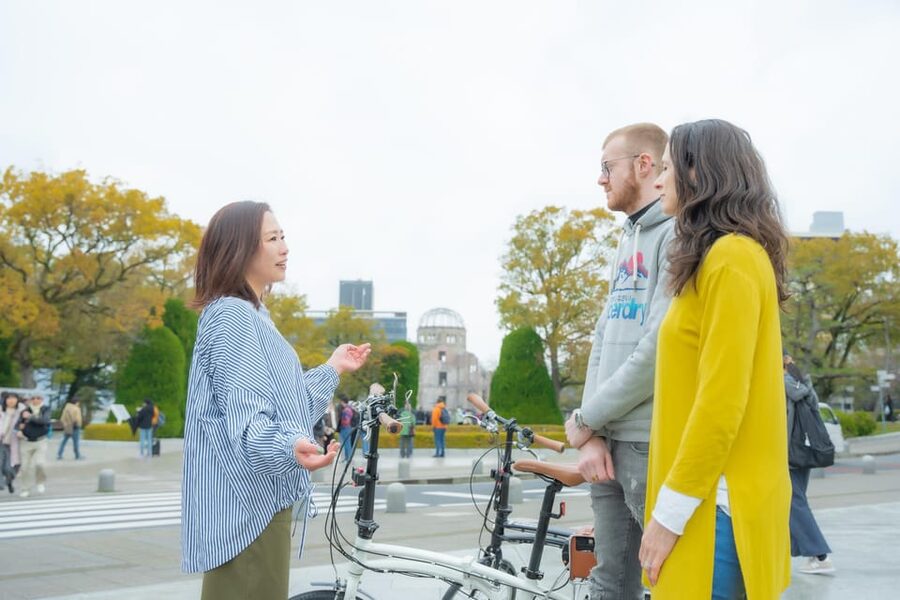
You choose between two courses.
A change of pace from Hiroshima:
- Peaceful Hiroshima & Miyajima UNESCO 1 Day Bus Tour
★ 5.0 · 5,309 reviews - Hiroshima: Hiroshima and Miyajima UNESCO Sites 1-Day Tour
★ 4.9 · 2,330 reviews - Hiroshima / Miyajima Full-day Private Tour with Government Licensed Guide
★ 5.0 · 1,298 reviews - Hiroshima Historical Walking Tour – Why A-Bomb was Dropped
★ 4.8 · 893 reviews
The 2 hour course
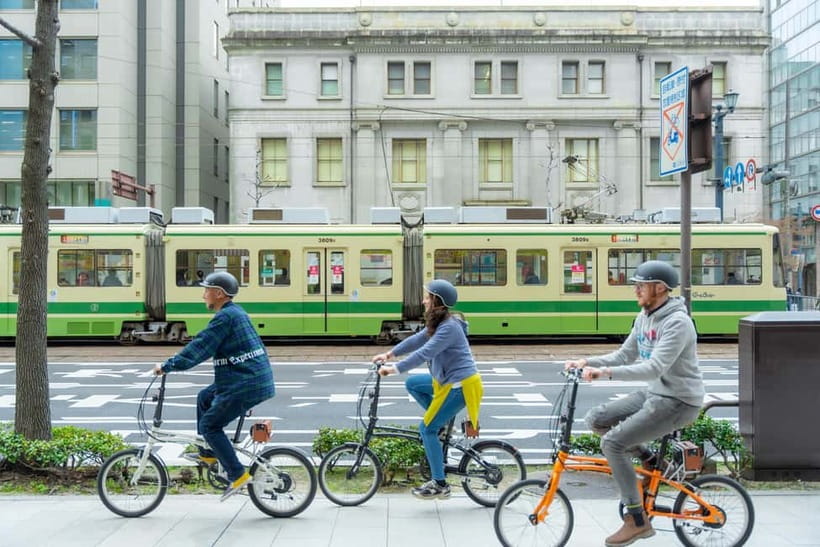
This is the tighter option. You start at Peace Memorial Park and then head toward surviving tram evidence tied to the bombing, often described as the A-bombed streetcars still running today. You finish back at the meeting point.
This option fits if you have limited time in Hiroshima, or if you want the heart of the message without covering as many outer stops.
The 3 hour course
This is the fuller, more varied ride. You begin with Hiroshima Castle, then move through a sequence of shrines, parks, and key bridges before reaching the most famous memorial landscape and the river areas. Later you continue past additional heritage-linked spots like the Red Cross Hospital area and the Peace Boulevard corridor.
This option fits if you want a sense of how the city actually sits and functions, not just how the memorial area looks. It also gives you more chances to ask questions while the guide can still keep the route moving.
Peace Memorial Park: what you should look for, not just what you should read
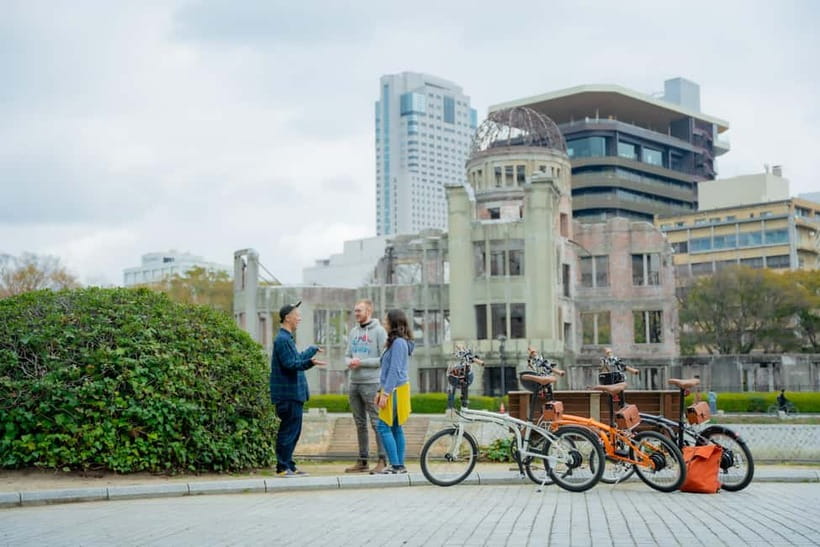
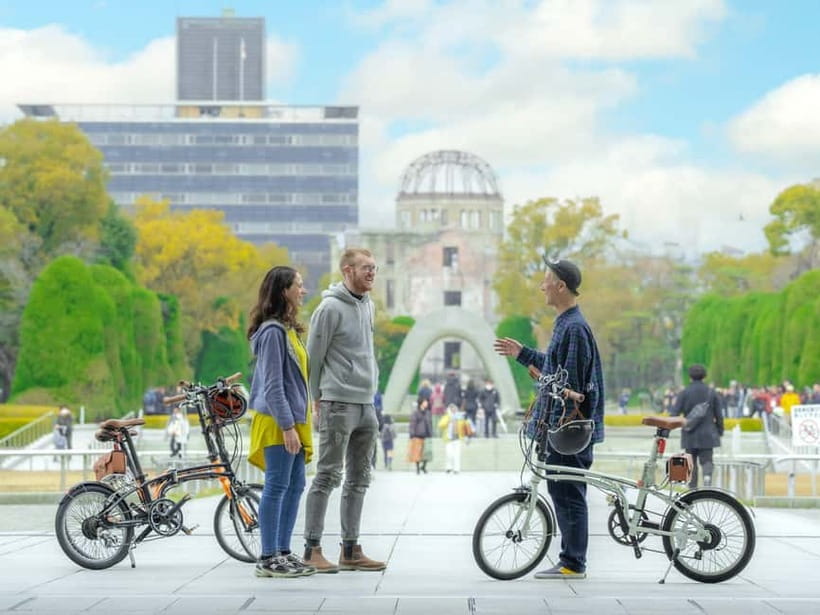
For the start, the guide takes you into Peace Memorial Park and sets up the story before you rush toward the landmarks. The park is packed with monuments that hold memory, and a guide helps you notice how those monuments relate to each other.
You will also spend time with the Atomic Bomb Dome area. Even if you have seen photos before, the guide’s narration changes the scale. The point is not to stare until you feel overwhelmed. The point is to connect each marker with what it represents, and then connect that to how Hiroshima has been rebuilt.
This is also where you may feel the most direct human impact, since many guides include personal family connections to the bombing. When that happens, listen closely to the way they talk about the long aftermath, not just the instant event. That is often what makes the experience stick.
Hiroshima by rail memory: the idea of surviving streetcars
One of the most striking parts of this tour is the visit or stop connected to the surviving A-bombed streetcars still in operation. This is not just trivia. It is a way to understand resilience through infrastructure, through everyday movement.
In Hiroshima, the tram lines and the city’s flow are part of daily life. So seeing or learning about survival linked to those lines gives a different emotional angle than only looking at memorial stones. It is the city continuing to move, even after it was broken.
If you are the type who likes a story with a specific object, this is your moment. The bridge of history to the present is tangible here.
The 3 hour route, stop by stop: where each place helps the story make sense
If you go on the longer course, here is what each major stop adds to your understanding.
Hiroshima Castle
Starting with Hiroshima Castle gives you a baseline for what the city looked like as a place of identity before you focus on the bombing. The guide helps you connect civic life and symbolism to why Hiroshima became such a visible symbol after the war.
A practical note: castle areas can be sunny or breezy, so wear comfortable clothes and shoes you trust. You are going to be outside for a while.
Hiroshima Gokoku Shrine and the Shrine Gate
This stop adds a cultural lens. Shrines and gates tell you where people place meaning in Japanese city life. The guide’s framing helps you understand how public memory can coexist with grief.
Hiroshima Central Park
Hiroshima Central Park helps you see how open space functions in the city’s everyday rhythm. This is useful because later you move back into memorial and heritage zones, and the contrast makes more sense when you have already seen green space in a normal setting.
Aioi Bridge
You reach Aioi Bridge as a key bridge moment in the story. Bridges matter in Hiroshima because they are crossing points in the geography of daily movement, and they tie directly to the idea of how the city was linked together.
Often, the guide will slow down here to make sure you understand what you are looking at. If you have questions, ask them. The route timing usually leaves room for those moments.
Atomic Bomb Dome
Next is the most famous visual anchor: Atomic Bomb Dome. You will not just see it. You will understand why that view has become a global shorthand for the impact of atomic bombing.
The goal at this stop is clarity. You should leave knowing what the Dome represents in the wider narrative, not just recognizing the building.
Motoyasu River and the Peace Bridge
Crossing into the river corridor changes the mood. The guide helps you connect waterways to how the city was shaped, and how destruction and recovery played out across different parts of Hiroshima. River areas also make cycling feel more open, which is helpful when the subject matter gets heavy.
Higashisenda Park
Higashisenda Park is where the idea of rebuilding becomes visible in a calmer way. You are moving from landmark intensity to lived space. The guide helps you see how greenery and public areas fit into the longer story.
Hiroshima Red Cross Hospital
Stopping at Hiroshima Red Cross Hospital brings you into the human response side of the history, the effort to treat and care. The guide’s job here is to explain why institutions like this became part of the legacy people carried forward.
This is also a good point to slow your thinking down. Give the information time to land instead of trying to push through it.
Hiroshima Railway
The Hiroshima Railway stop supports the theme of surviving systems. You are seeing how infrastructure and daily travel intersect with the bombing story. It makes the city feel less like a museum and more like a living place that learned and adapted.
Miyuki Bridge and Kobayashi River
Miyuki Bridge and the Kobayashi River area keeps the geography moving. Bridges and riverbanks give you repeated chances to understand how the city’s physical layout affected movement, survival, and later reconstruction.
If the ride feels long at this point, remember the e-bike is doing the work. Keep your posture relaxed and let the guide pace the stops.
Surviving Weeping Willow Tree
The Surviving Weeping Willow Tree is a poignant pause. A living remnant can carry more meaning than a description ever will. The guide frames why it matters and what it symbolizes to Hiroshima’s memory.
This is often where people get quiet. That is normal.
Peace Boulevard
Finally you end in the Peace Boulevard area, where the message shifts toward how Hiroshima teaches peace now. The guide’s storytelling helps you connect the memorial mission to the city’s daily public space.
If you finish with questions, this is a good moment to ask them. You have context, you have seen multiple angles, and you can make sense of the bigger goal.
The guides make the difference: stories you can actually use
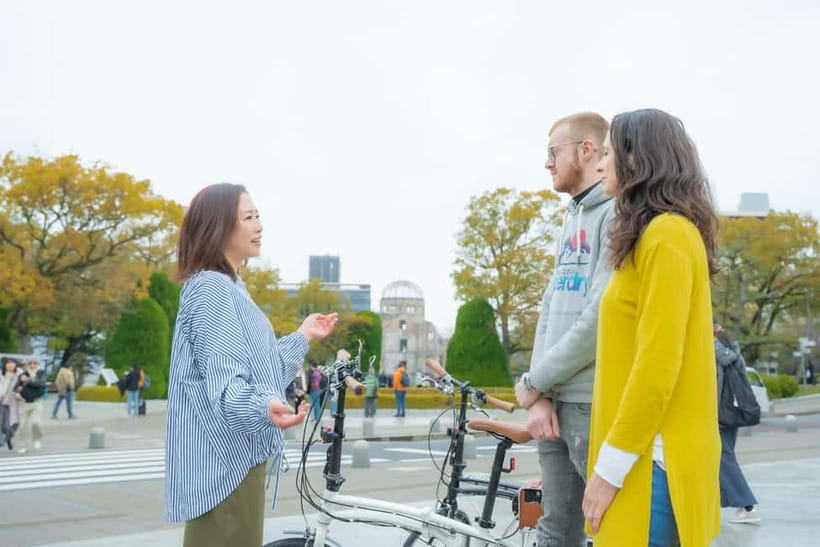
This tour earns its top ratings because of the guide work. Names that show up often include Shin, Kana, Moe, Mai, Bella, Hugo, Tomas, and Cotty. More important than the name is what they bring: careful pacing, clear English, and a willingness to share personal family connections when appropriate.
One recurring strength is balance. Guides generally handle the shock and the facts, then they also point to how Hiroshima learned to live with the legacy. That is not fluffy positivity. It is a grounded message, sometimes shared through family stories, sometimes through practical examples of how the city keeps going.
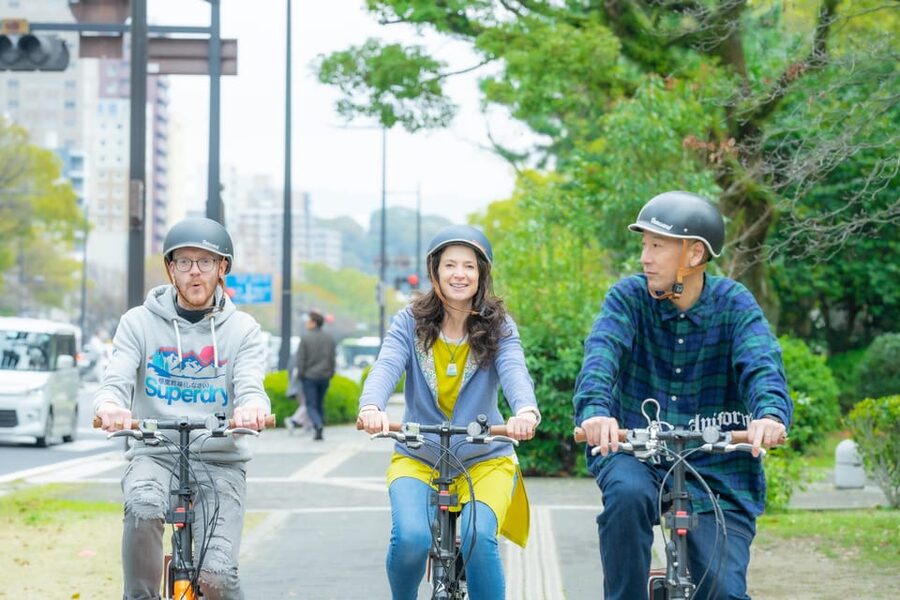
Also, the cycling itself is usually easy. People describe the e-bikes as simple to operate, and the group size helps. With small groups of up to 10, your guide can slow down for children or for anyone who is not used to cycling.
What to bring so the ride stays comfortable
Do not overpack, but do pack smart.
Bring:
- Comfortable shoes (you will be stopped and started)
- Towel
- Drinks
- Comfortable clothes
Avoid:
- High-heeled shoes
If you are sensitive to heat, use common sense and hydrate often. One reason guides are appreciated is that some have helped keep people comfortable with practical cooling items like cold towels or similar small extras on hot days.
Is this tour right for you?
I think this is a strong choice if you want to see Peace Memorial Park and other Hiroshima bombing heritage sites in a way that feels less rushed than a checklist. Cycling works especially well for people who learn better by moving between places rather than staying in one building for hours.
It is also a good fit for families who can ride. The tour is a mixed tour up to 10 people, and the pace can be adjusted if kids are not fully used to cycling. Just confirm fit first, since the adult bicycle (electric) requires a height of 145 cm or more.
If you are expecting a light sightseeing spin, you might find it emotionally heavy even with the easy e-bike pace. Go in with the right mindset, and it will be more meaningful.
Should you book this Hiroshima Peace Cycling Tour?
Yes, book it if you want the Peace Park story expanded into the real city around it, and if you like the idea of combining serious history with a comfortable ride. The $52 price makes sense because it includes the e-bike rental, an English guide, and accident insurance, so you are paying for both the transport and the context.
Do it if you are okay with emotion and you want to ask questions in person. Skip it only if cycling does not work for you, because this experience is built around seeing Hiroshima in motion. If you can ride, this is one of the better ways to understand Hiroshima beyond the postcard version.
Latest write-ups near Hiroshima
- An Amazing set of Cultural experience: Kimono, Tea Ceremony and Calligraphy★ 5.0 · 69 reviews
- Hiroshima: Private Walking Tour with a Local★ 4.6 · 70 reviews
- Hiroshima: Miyajima Island Half-Day Tour with Guide★ 4.9 · 71 reviews
- Kimono and Tea Ceremony in Miyajima★ 5.0 · 73 reviews
- Hiroshima and Miyajima Private Guided Tour★ 4.5 · 75 reviews
- HIROSHIMA ORIZURU TOWER Admission Ticket★ 4.6 · 75 reviews
- Hiroshima & Miyajima: UNESCO A-Bomb Dome & Itsukushima★ 5.0 · 76 reviews
- Hiroshima to Miyajima: Private Custom Tour with Ferry Ride★ 4.9 · 77 reviews
Cycling Tours, compared.
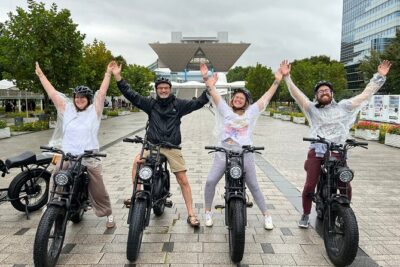

3h Tokyo E-Bike Tour: Hidden Gems, and Local Life with guide
Read our review →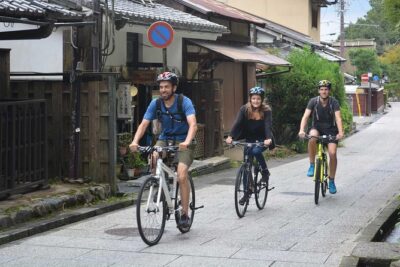
Arashiyama Bamboo Forest & Hidden Gems Bike Tour (Early Bird)
Read our review →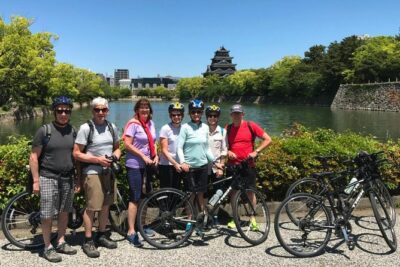
Hiroshima in a Nutshell: Morning Bike Adventure
Read our review →Browse the lists this tour appears in