
Reviewed · SAKE TASTINGS
Casual Japanese sake tasting and snack experience, Kabukicho
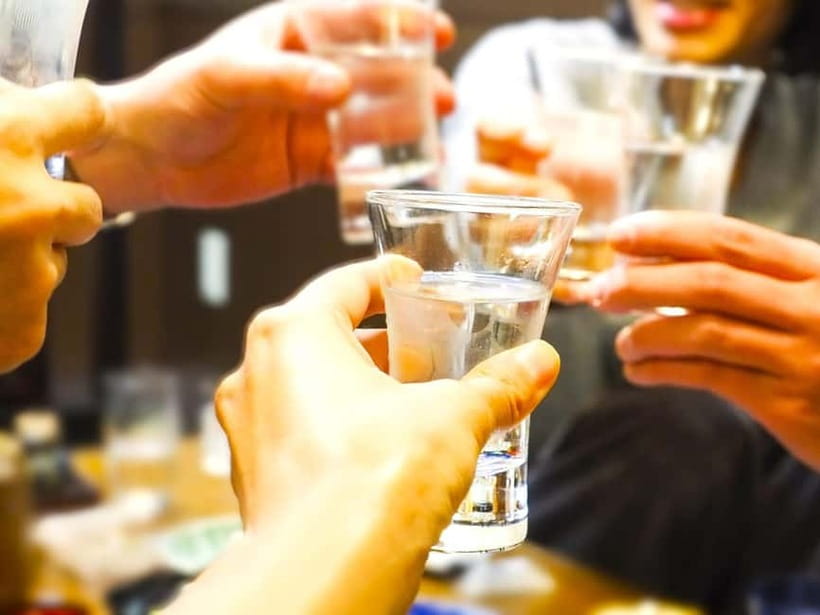
Kabukicho has a reputation. This experience gives you a calmer side of it, turning the area into a casual Japanese sake tasting where you compare multiple pours in one go. It is a simple format, but it teaches your palate quickly.
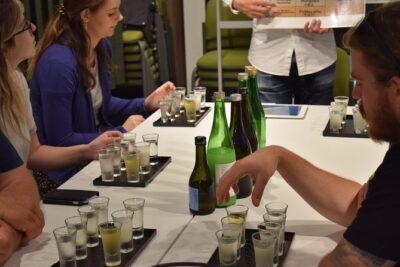
I like the 8-sake comparison most. You taste in a planned progression, starting with lower alcohol options and moving upward, so you notice what changes. I also like the pairing with traditional Japanese snacks, because the flavors make the sake easier to understand than drinking solo.
One thing to consider: the venue is on an upper level and it is not wheelchair accessible due to no elevator. Also, in busy Kabukicho streets, you will want to use the directions closely so you do not lose time walking around.
Key takeaways before you go
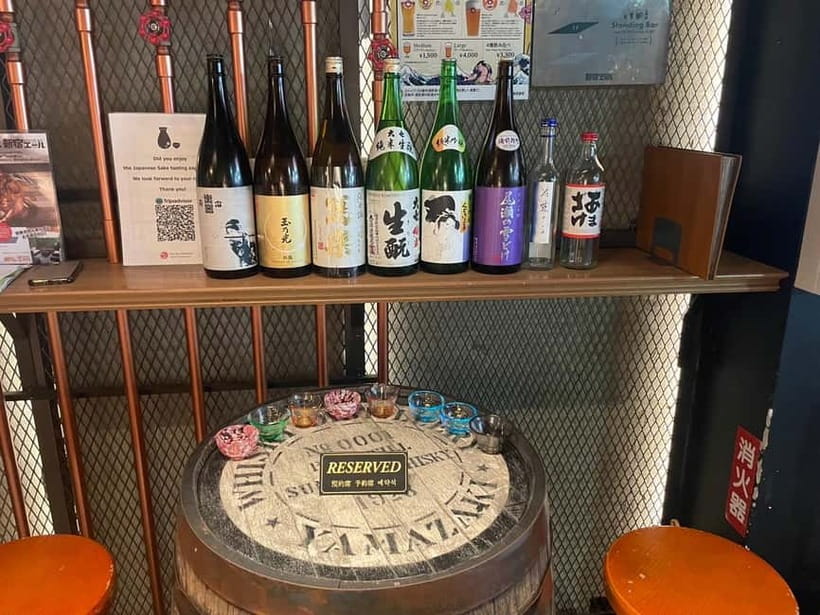
- 8 carefully selected sake varieties in one session so you can compare, not just sample
- Progressive tasting starting with lower alcohol content, then moving to stronger options
- Snack pairings included to help your palate learn faster
- Amazake dessert to finish sweet and fermented, rice-malt style
- Small group up to 6 people for more interaction with the instructor
Kabukicho Sake Tasting: why this format helps you taste better
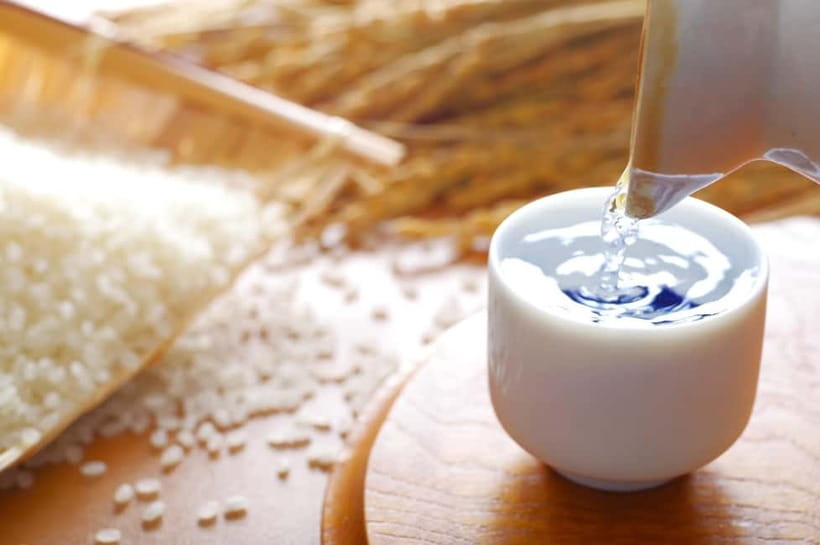
If you have only had one or two sakes before, it is easy to think you are either a sake person or you are not. This experience nudges you past that all-or-nothing idea. Instead of one pour, you get a planned flight of 8 types, and the order is part of the lesson.
The big win is that you are not left alone with a menu and a hope. You are guided through a straightforward progression. The tasting starts with lower alcohol content options. The typical range for sake is around 15 to 16% alcohol, with some bottles coming in lower and others higher. That matters, because alcohol level can change how sharp, warming, or drying the finish feels.
I also like the casual energy. This is not a formal ceremony where you must sit perfectly still and whisper. You are encouraged to enjoy and compare in a relaxed way, which keeps first-timers from feeling self-conscious.
More Food & Drink in Tokyo
- Tokyo: Shinjuku Food Tour (13 Dishes at 4 Local Eateries)
★ 5.0 · 6,603 reviews - Tokyo Tsukiji Fish Market Food and Culture Walking Tour
★ 5.0 · 3,184 reviews - Tokyo: Shinjuku Food Tour (15 Dishes and 4 Eateries)
★ 4.9 · 2,033 reviews
Getting to Shinjuku Ale without wasting time in Kabukicho
Your meeting point is easy on paper, but Kabukicho can feel like a maze in real life. Plan to arrive a little early and follow the route clearly.
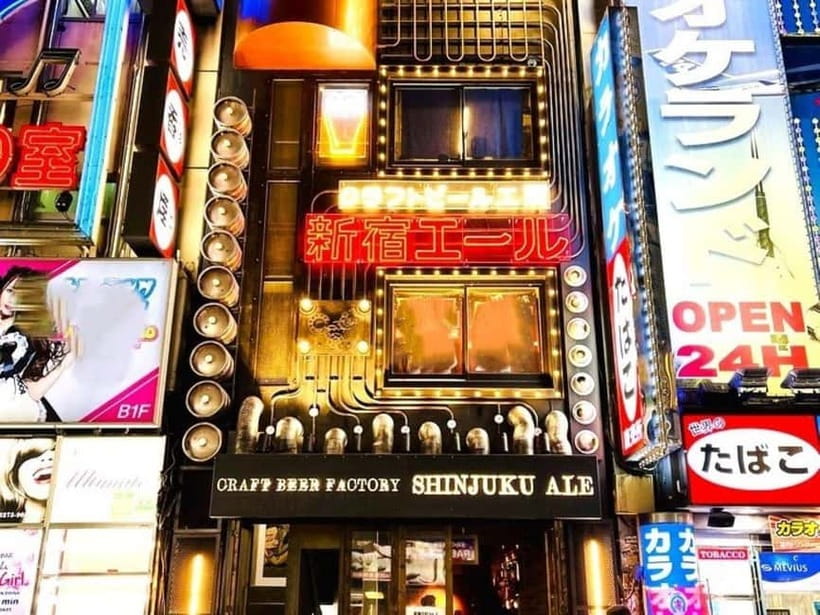
You meet about a 5-minute walk from Shinjuku Station on the JR Yamanote Line. Walk along Kabukicho Central Road toward TOHO Cinemas. When you reach it, look for Shinjuku Ale next to Karaoke 747 on your right. The location is listed with plus code MPV2+VR Shinjuku City, Tokyo, which is handy if your phone can drop you a pin.
One review note that matches reality: the venue is not always obvious at a glance, and the signage could be easier to spot. So I would not rely on vibes. Use the landmarks, then take a calm moment to confirm you are in the right building before you go up.
Inside, the tasting happens on the 2nd floor of the bar, so stairs are involved. The setup is friendly, but remember it is not wheelchair accessible since there is no elevator.
Your sake flight: how the 8 comparisons are staged
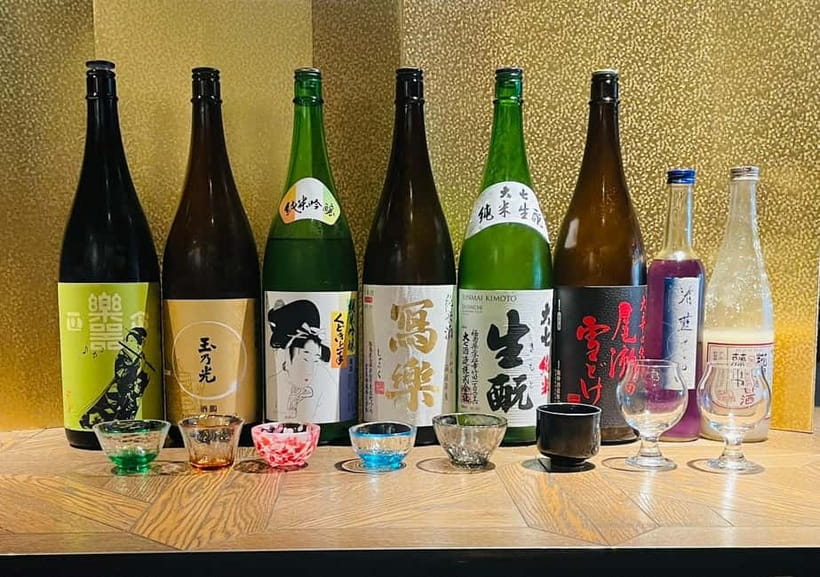
This is not a random sampling. The session is built to make comparison feel natural.
Step 1: Start with the lower alcohol sakes
You begin with sakes that have lower alcohol content. The guide keeps the experience progressive, so you are not jumping from super-strong to subtle in a single gulp. Even if your only prior experience was sweet versus dry, you will start noticing new differences.
Lower-alcohol sakes often feel:
- smoother on the nose
- less aggressive on the finish
- easier to pair with snacks without the drink overpowering the food
This is a smart entry point for anyone who is nervous about sake strength.
More Sake Tastings in Tokyo
- Ramen and Sushi Cooking Class with Sake Pairing Set in Tokyo
★ 5.0 · 291 reviews - Sake Tasting Masterclass in Shinjuku (8+ Varieties with a Pro)
★ 5.0 · 271 reviews - Sake Omakase in Tokyo: Guided Tasting by Certified Sommeliers
★ 5.0 · 239 reviews - Tasting All Types of Sake with Sommelier
★ 5.0 · 151 reviews
Step 2: Taste upward, noticing how body and finish change
After the early pours, you move toward higher alcohol options. This is where you can learn something practical fast. Higher alcohol often brings:
- more warmth in the mouth and throat
- a sharper or more drying ending
- more intensity in aroma
You do not have to memorize tasting notes to benefit. The value is in experiencing contrast in a short span, while your palate is still fresh.
Step 3: Expect variety in serving style
The session includes 8 varieties overall, and in practice that can mean different serving styles during the tasting. One person specifically mentioned tasting cold, hot, and a cocktail-style pour. You should not count on the exact same set-up every time, but you can reasonably expect some variety beyond one simple glass at a time.
That variety is useful because temperature changes flavor perception. Chilled sake can emphasize crispness and clarity. Warm sake often feels rounder and more comforting. The guide keeps it fun, but you still learn.
The snacks that actually teach you what to taste
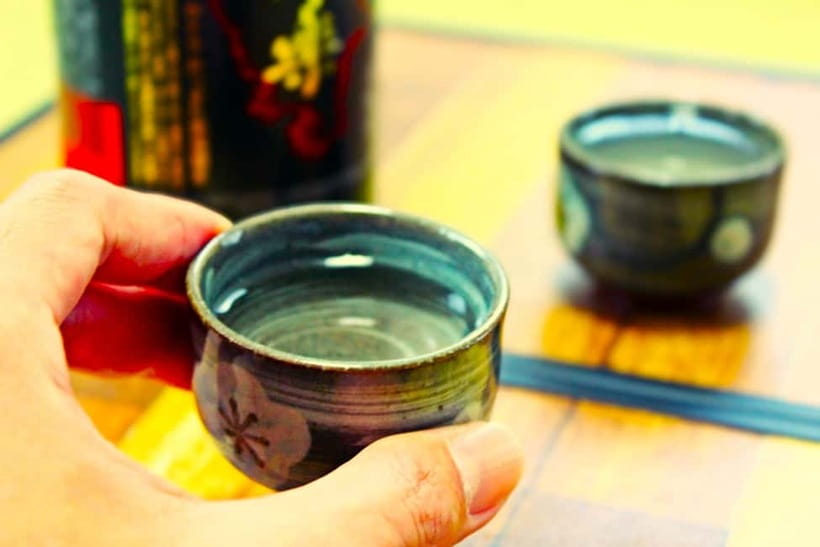
Sake is one of those drinks where people either drink it and move on, or they get curious about why it tastes the way it does. The included snack pairings are what push you into curiosity.
You get traditional Japanese snacks matched alongside the pours. You are not doing a food-science experiment, but the effect is real. Snacks give your mouth something else to process, which makes the sake’s flavor structure easier to notice.
What pairing helps you understand
As you go from one sake to another, the snacks help you separate:
- sweetness versus rice-driven softness
- aroma intensity
- how the finish changes when you eat something savory
If you have ever tried sake alone and thought it all tasted similar, this is the fix. You get a chance to compare while your palate is actively moving through flavors.
Practical advice while you eat
Take small bites and sip, rather than rushing. Pace yourself because you have 8 pours across the session. If you feel yourself getting lightheaded, slow down and lean on the snacks for a minute. It is casual, but it is still alcohol, and your goal is learning, not proving stamina.
Amazake dessert: the sweet finale that makes sense
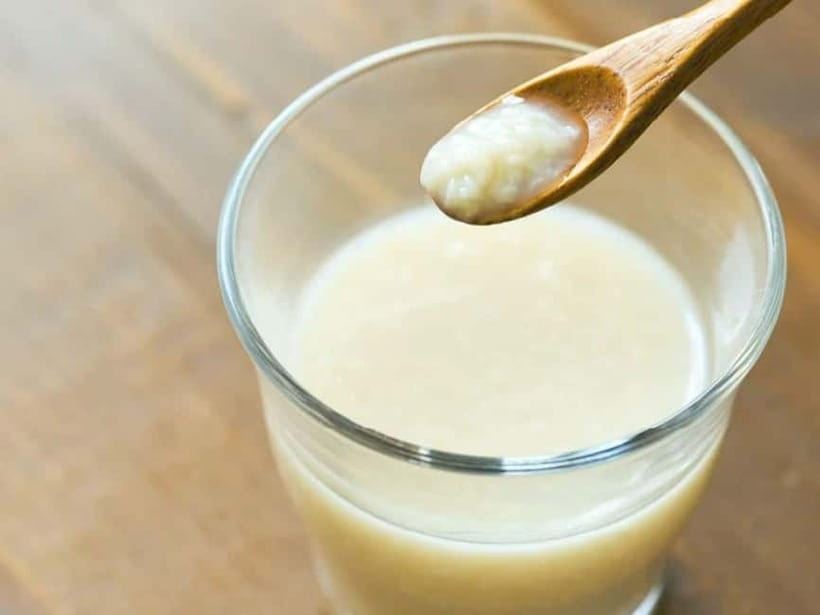
At the end, you get amazake as a dessert. Amazake is described as a sweet, fermented rice-malt drink made from rice malt. That is the kind of detail that helps you understand why it lands differently from sake.
Instead of ending on a more alcoholic note, amazake shifts the experience:
- sweeter and more dessert-like
- comforting rather than sharp
- a good reset after stronger tastes
If you are someone who finds sake too dry, amazake can be a gentle landing pad. Even if you end up preferring dry sakes in the middle, you might appreciate the contrast at the end. It also helps you remember the session as an experience, not only a drink lineup.
Price and value: is $38 fair for what you get
At $38 per person, this sits in the middle zone for Japan food-and-drink experiences. The key is what is included.
You get:
- tastings of 8 carefully selected sake varieties
- traditional Japanese snack pairings
- amazake at the end
- all fees and taxes
What you do not get:
- additional meals and drinks beyond what the session provides
- transportation to the meeting place
- hotel pick-up and drop-off
So the value depends on how you measure it. If you were thinking of doing a sake crawl on your own, you would likely spend similar money on a couple of drinks, then end up guessing. Here, you get structured comparison plus snacks, and you get language support via an instructor.
For many people, the real bargain is time and clarity. You leave with a better sense of what you like, not just how sake tastes in general.
The small-group vibe, and why names like Mai matter
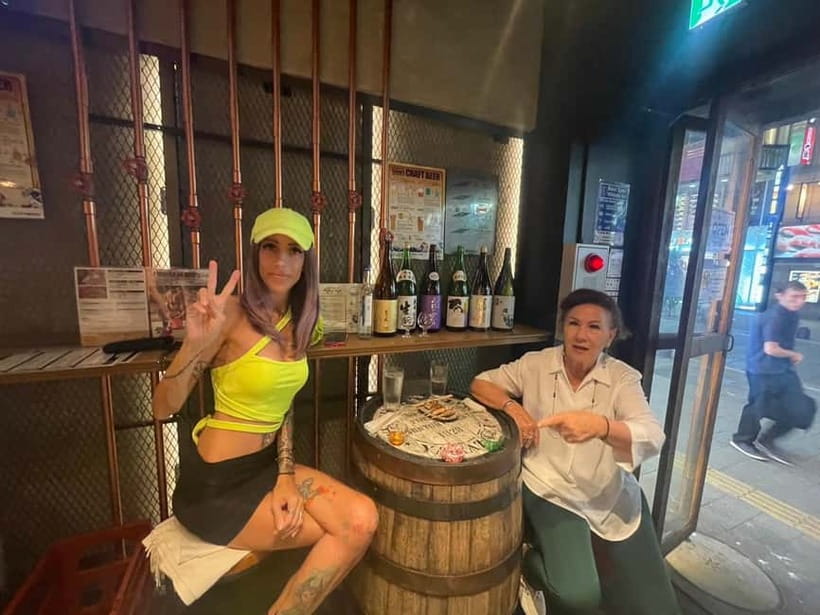
This is a small group limited to 6 participants. That matters more than it sounds. With fewer people, you get a smoother back-and-forth during the tasting, and questions do not get lost.
The instructor is listed as English and Japanese. One useful note from the experience details: some staff may not be strong in English, and they may use a translator machine. That is normal in Japan, and it usually works fine for simple questions like sweetness levels, alcohol feel, or how to pair a specific bottle with food.
In the reviews, the staff come across as genuinely welcoming, and one person specifically mentioned a guide named Mai as friendly and warm. That lines up with what you want from a beginner-friendly tasting. You want someone to keep it simple, explain progressively, and help you feel comfortable asking why one sake lands differently than another.
How to get the most out of your tasting
You can treat this as a fun night out, or you can treat it like an easy mini-course. Either way works. If you want the best results, use the guide’s explanations to make your own quick map of preferences.
When you are offered a new pour, ask yourself:
- Does it feel smooth or sharp?
- Does it leave your mouth feeling drier?
- Do the snacks make it taste better or do they fight it?
If you can ask a question, try something like:
- which one is best for beginners and why
- how alcohol level changes aroma or finish
- which sake style usually pairs well with savory foods
The whole point of the session is easy sake comparison, and you will feel the value once your brain starts grouping the sakes by what you liked.
Who should book this Kabukicho sake session, and who should skip
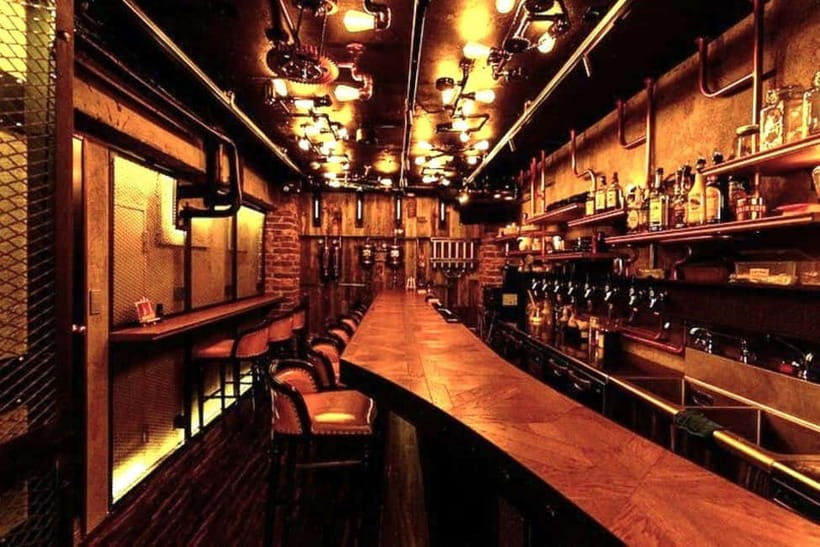
This experience is designed for people who want a fun, beginner-friendly way to learn Japanese sake. The description specifically says it works well even if it is your first time drinking sake.
It is a good match if:
- you want to compare multiple sakes without doing a DIY bar hop
- you like food pairings and want the snack logic
- you prefer small-group, guided interaction over a big crowd
It may not be a good match if:
- you need wheelchair access, since there is no elevator
- you are under 20 years old
- you are pregnant, since it is a tasting of alcoholic drinks
If you are traveling in a group and a few people are not sure about sake, this session can still work. The snacks and progression can help reduce intimidation, and you can use the variety to find a starting point for your future tastes.
Should you book this Kabukicho sake tasting?
If your goal is learning through comparison, this is a strong pick. The combination of 8 sake varieties, snack pairings, and a sweet amazake finish gives you a full tasting arc in one place. For $38 with taxes and fees included, it is not just cheap drinks. It is structured flavor time.
Book it if you will enjoy a small-group, guided experience and you are okay with stairs to an upper floor. Skip it if accessibility is a must or if you do not want alcohol at all.
If you want a practical souvenir of the night, you might even consider buying a glass or another small item during the session, as at least one person did and called it a memorable purchase.
FAQ
Where do I meet for the sake tasting?
The meeting point is about a 5-minute walk from Shinjuku Station on the JR Yamanote Line. Walk along Kabukicho Central Road toward TOHO Cinemas, and look for Shinjuku Ale next to Karaoke 747 on your right.
How many types of sake do I taste?
You taste 8 carefully selected varieties of sake during the experience.
Is this experience good for first-time sake drinkers?
Yes. It is described as enjoyable even if it is your first time drinking sake, with simple explanations and progressive tasting.
What is included in the price?
All fees and taxes are included. The session also includes sake tastings, snack pairings, and amazake as a dessert.
What is not included?
Additional meals and drinks, transportation expenses to the meeting place, and hotel pick-up and drop-off are not included.
How long is the experience?
It is listed as a 1-day experience. You should check availability for starting times.
Are the instructors English-speaking?
The instructor can speak English and Japanese. Some staff may not be good at English and a translator machine may be used.
Is the venue wheelchair accessible?
No. It is not wheelchair accessible because there is no elevator.
Who is the experience not suitable for?
It is not suitable for pregnant women and people under 20 years old.
Latest write-ups near Tokyo
- Tokyo Nights: Shibuya Photo Adventure★ 5.0 · 20 reviews
- Wagyu & Sake 8 Course Tasting Dinner in Shinjuku★ 4.9 · 20 reviews
- Making Japanese desserts Nerikiri & drinking matcha in Tokyo★ 5.0 · 20 reviews
- Mt. Fuji 5th Station, Owakudani Ropeway, Pirate Ship plus Outlet shopping!★ 4.5 · 20 reviews
- Japanese Whisky Hunting《HIGH-QUALITY-ONLY》Rare Tasting Class★ 5.0 · 20 reviews
- Kintsugi Experience with Arita Ware in Tokyo (English Guide)★ 4.8 · 20 reviews
- This is Asakusa! A Tour Includes the All Must-Sees!★ 5.0 · 20 reviews
- Tokyo: Karate Experience with Former All-Japan Champion★ 5.0 · 20 reviews
Sake Tastings, compared.
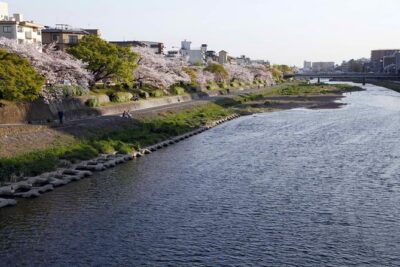
Kyoto Night Foodie Tour in Gion (9+ dishes + 6 Sake tastings)
Read our review →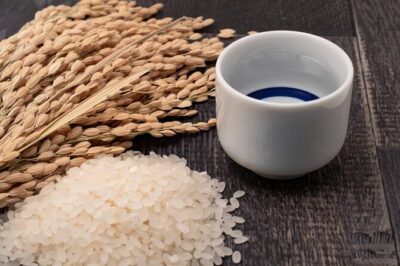
1-Day Snow Monkeys, Zenko-ji Temple & Sake in Nagano
Read our review →
3-Hour Kyoto Insider Sake Brewery Tour with Tastings & Pairings
Read our review →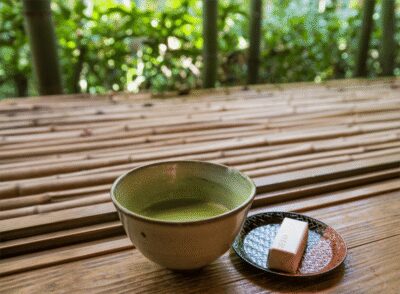
Arashiyama Bamboo, Temple, Monkeys, or Secret Sake Brewery
Read our review →

Insider Sake Brewery Tour with Sake and Food Pairing
Read our review →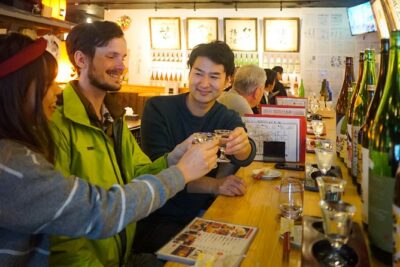
1.5-Hour Kyoto Insider Sake Experience with 7 Tastings & Pairings
Read our review →Browse the lists this tour appears in