
Reviewed · FOOD & DRINK IN OSAKA
Deep Dive: Osaka Food Markets from Local to Luxurious!
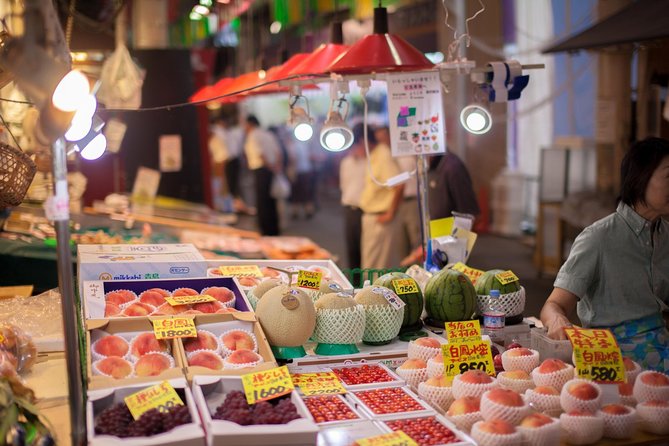
Osaka food markets are interesting because you learn how the city eats, buys, and talks about food, not just where to take photos. I especially like the mix of department-store depachika and local wet-market shopping, since it shows Osaka from polished to everyday. One possible drawback: food is not automatically included, so you may end up doing more shopping and ordering than passively eating.
This is also the kind of tour where your guide matters. You can get high-energy explanations from guides like Ferdinand, Kevin, Alejandro, Damian, Lito, Thomas, and Oshi, and you can usually ask what to order and how to ask for it. If you hate walking, note there is a moderate amount of it, plus time in covered arcades and crowded stalls.
Key highlights worth your attention
- Four market styles in one route: depachika, wet market, arcade shopping, and open markets
- Korea Town stop for food plus culture: you see how everyday shopping connects to taste
- Kuromon Market with a reality check: famous, but prices can run higher than you expect
- Doguyasuji kitchen street: knives, ceramics, and food-prep items you can actually use at home
- Private group format: your pace and interests can steer what you focus on
- Guide help with ordering: you leave feeling ready to buy and order on your own
Why Osaka markets feel like a shortcut to eating like a local
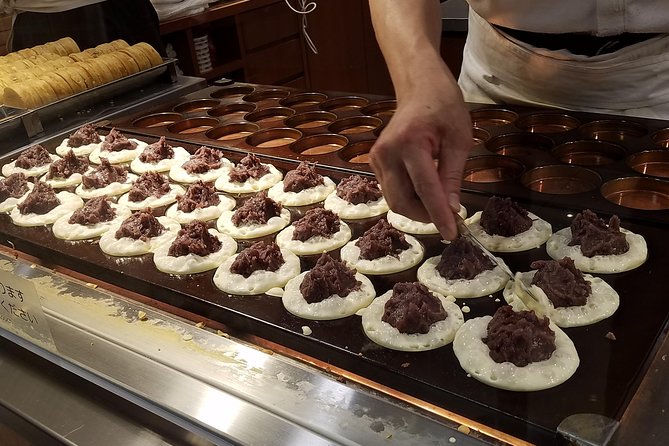
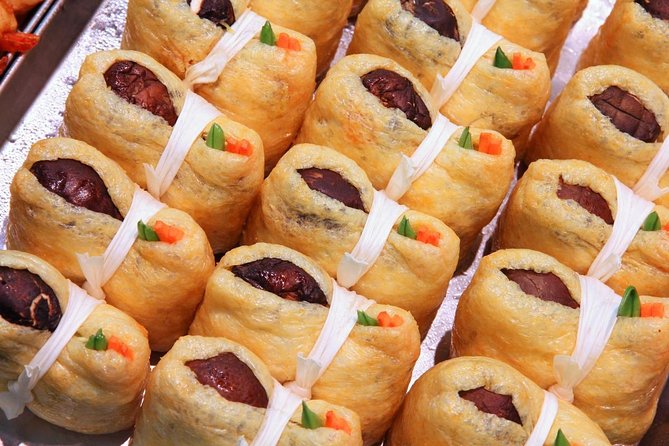
Osaka is the city where food habits are practical. People talk about ingredients, seasonality, and value. You also see that shopping and eating are closely linked, especially in places that sell everything from raw components to ready-to-serve snacks.
This tour is built to teach that mindset. You move through different buying environments, from sleek food halls to older market streets and specialty shopping corridors. Along the way, you get guidance that helps you read what you see and make decisions when you are standing in front of a menu in Japanese.
And yes, this is a walking tour. You should bring solid shoes and expect to stay active for around four hours, with longer stretches during market hours and covered shopping streets.
More Food & Drink in Osaka
- Osaka: Shinsekai Food Tour with 13-15 Dishes at 5 Eateries
★ 4.8 · 2,204 reviews - Osaka Food Tour: 13 Dishes at 5 Local Eateries
★ 5.0 · 2,149 reviews - Hungry Osaka Street Food Tour:15 Tastings & 3 Drinks with a Local
★ 5.0 · 1,727 reviews
Takashimaya Depachika: where Osaka shows off food like art
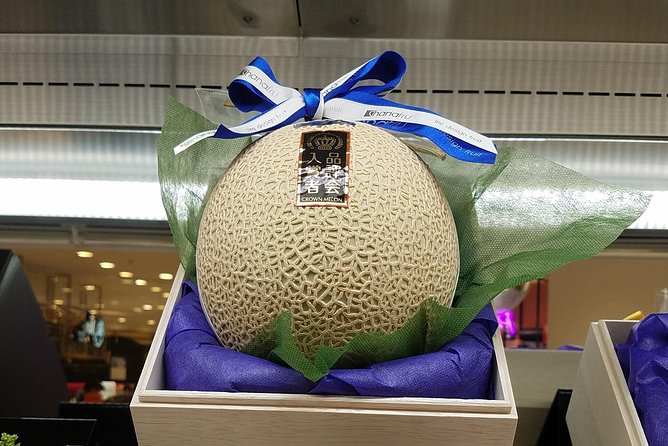
The first stop is inside Takashimaya Osaka Store, specifically the department-store underground food hall. Osaka calls these depachika, and they are a big deal. You get a clean, curated view of ingredients and prepared items, including both Japanese and Western-style offerings.
Why I like this start: it gives you a baseline. Before you hit the more chaotic markets, you learn what good looks like and how the “same ingredient” can be sold in different formats, like raw produce versus packaged bites.
What to watch for here:
- You’ll see lots of choices, so your guide’s input helps you decide what is worth buying or tasting.
- You can focus on snacks, sweets, or ingredient shopping depending on your budget and appetite.
Potential drawback: depachika can make you feel like you are in food heaven, then the later markets can feel messier by comparison. That is normal. Think of this as your orientation, not the whole meal.
Pulala Tenma wet market: the ingredient side of Osaka cooking
Next up is Pulala Tenma, a local wet market where you see seafood, meats, and vegetables up close. This is the “how it becomes dinner” part of the story. Instead of shopping for the final dish, you see the raw inputs that Japanese cuisine is built on.
The value here is perspective. When you understand what looks fresh and how sellers think, you stop relying on tourist-friendly menus. You start asking better questions.
What makes Pulala Tenma especially useful:
- You learn how vendors talk about quality and how they package it.
- Your guide can help you connect ingredient choices to dishes you have seen in restaurants.
Possible consideration: wet markets can be busy and sensory. If you’re sensitive to strong smells, or you dislike crowds, go with a calm mindset and let the guide pace you through the most intense areas.
Tenjinbashi-suji arcade and an Osaka supermarket stop
Tenjinbashi-suji shopping street is the longest covered arcade in Japan. That detail matters because it shapes how people shop and snack in everyday weather. You walk under a roof, so you get a steadier experience even when the outside heat or rain is intense.
This stop also includes time in an Osaka supermarket. That is one of the smartest choices on the route. Supermarkets show what locals actually buy at scale, including brands and formats you might never notice if you only chase famous markets.
Why this middle section is a win:
- The arcade gives you history and a sense of how older commerce works.
- The supermarket makes the whole tour practical. You’ll see products and packaging you can recognize later.
One caution: arcades are full of eye-catching goods, so you may want to keep your spending plan in mind. It is easy to overshop when everything looks like a good idea.
A change of pace from Osaka:
- Osaka Go Karting Tour with Funny Costume
★ 5.0 · 2,658 reviews - Osaka Castle: Museum and Tower Entry Ticket
★ 4.5 · 2,380 reviews - Osaka: teamLab Botanical Garden Entry Ticket
★ 4.5 · 1,710 reviews - Osaka: Tea Ceremony Experience
★ 4.9 · 1,426 reviews
Osaka Tsuruhashi Ichiba: Korea Town shopping with more than food
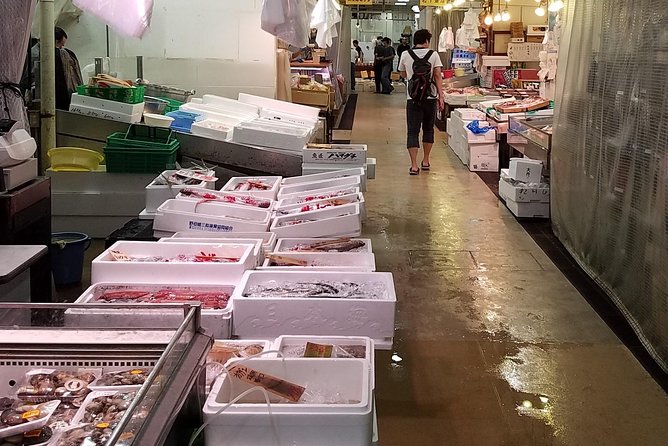
Then you shift to Osaka Tsuruhashi Ichiba, which sits in Korea Town. This stop is different from the other market scenes because it is not only food. You also spot clothing and other goods, showing how cultural neighborhoods shape buying habits.
Food here is still the star, but the surroundings explain why flavors from another country become everyday in Osaka. You see that the shopping area is not built around tourism. It is built around local customers.
How this helps you as a visitor:
- You get a wider view of Osaka’s food influences.
- You learn how to spot Korean-style ingredients and snacks without needing a translator in every store.
What to expect:
- Time is short, so use the guide’s suggestions to choose one or two things that match your taste.
- If you want to pick up edible souvenirs, this is a logical place to do it.
Kuromon Market: famous, good, and sometimes pricier
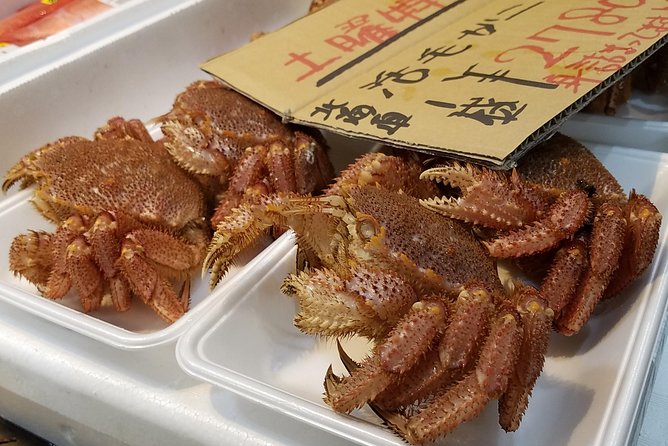
Kuromon Market is the one visitors often hear about, and it earns the attention. It is an open market with a lot of sight power, and the quality can be excellent.
Here is the reality check you should keep in mind: prices can be higher than in more local markets. That does not automatically mean you should skip it, but it does mean you should buy with intention.
How to handle Kuromon without feeling ripped off:
- Ask your guide what is best value versus what is best for wow factor.
- If you are buying cooked items, compare portion size and freshness before you commit.
- If you want to eat, prioritize what you can finish easily during the walk.
Why this stop works on a guided route: Kuromon is busy, and menus and stall signs can look like visual noise. Having someone with you helps you move fast and pick smarter.
Sennichimae Doguyasuji: knives, ceramics, and usable souvenirs
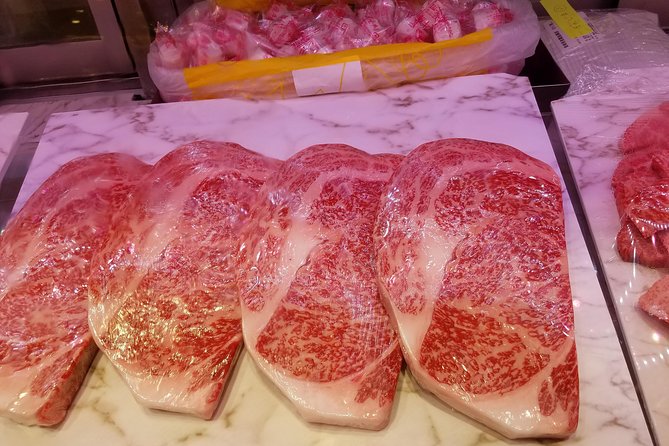
Sennichimae Doguyasuji is a shopping street focused on kitchenware. This is the part of the tour that surprises people who thought the day would be only food tasting.
You’ll see Japanese cooking knives, wax sushi models, Japanese ceramics, tea cups, and lacquer chopsticks. Even if you do not plan to bring home heavy gear, it is still one of the most fun places to window-shop with purpose.
Why it is worth your time:
- It shows Japan’s relationship with tools, not just dishes.
- It gives you a chance to buy something practical you can use at home, like chopsticks or a small ceramic piece.
Potential drawback: if your budget is tight, kitchen goods can add up quickly. Set a target item before you arrive, then let the guide point you to quality options.
Minami and Dotonbori finish: getting your bearings in Namba
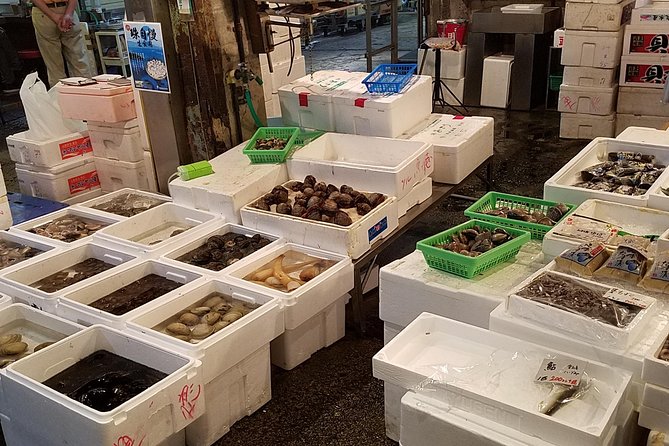
The tour ends with a look at the Namba and Dotonbori area, starting near Ebisu Bridge. This is a good way to connect your market education to the larger Osaka vibe.
You get a final orientation moment. After spending hours learning how people shop for ingredients and snacks, walking through Minami helps you understand where those goods and food trends land in real street life.
What I’d do in your shoes after the tour:
- Take a breath and let your eyes rest. Market days can exhaust your attention span.
- Decide what you want to repeat later, then map a restaurant using your new food instincts.
Price, value, and the big thing people miss
At $91 per person for about four hours, this tour sits in the mid-range for guided experiences in Osaka. You are paying for a private guide experience, a structured route across multiple market types, and help with language and ordering so you can shop confidently afterward.
But here is the key value detail: samples, food items, refreshments, and souvenirs are not included in the price. That means you should treat this as a guided market tour with opportunities to purchase what you want, not a meal that is fully provided.
So, the best way to judge value is simple:
- If you want to shop, order, and learn how markets work, the price makes sense.
- If you expected guaranteed tastings included in the cost, you may feel underfed.
The good news is that the guide approach helps either way. Many guides are strong at giving recommendations, helping you translate, and steering you toward what is worth buying in each area.
Who this tour suits best
This tour is a great match if you want more than surface-level sightseeing. It fits you if you like:
- learning how ingredients become dishes
- shopping with confidence in Japanese markets
- comparing local wet-market shopping with depachika-style retail
- finishing with a real feel for Namba and Dotonbori
It may not be ideal if you want a low-walking experience or if you specifically want a full food course served to you at each stop. You’ll still have chances to buy snacks, but the purchasing part is on you.
Practical tips so you enjoy every stop
A few small moves can make a big difference on a four-hour market walk.
1) Budget for food purchases.
Since food and snacks are your responsibility, decide in advance if you want one small bite per stop or a more serious buy in a couple locations.
2) Bring a short shopping list.
You’ll have more fun if you start with goals like Japanese knife, ceramics, a Korean snack, or one Kuromon bite. Then you can say yes quickly when you see the right option.
3) Wear shoes you can walk in.
Markets are standing-heavy. Even when streets are covered, you’ll still spend a lot of time moving.
4) Use your guide for ordering, not only explanations.
The real advantage is not just hearing stories. It’s using guidance to order what you actually want.
5) Plan for transport costs.
Transportation during the tour is an extra cost (listed as 330 yen per adult). Your total day budget should include it.
Quick logistics you should know
The meeting point is McDonald’s in front of Temma Station, and the tour ends at Ebisu Bridge in Dotonbori. You can choose a morning or afternoon time slot, and the booking typically happens about 48 days in advance on average.
Pickup is offered, and there are group discounts. It is also set up as a private tour, meaning only your group participates. You get a native or close-to speaker of your chosen language, so you can ask questions rather than just nod along.
Should you book this Osaka food market tour?
I think you should book it if you want to come away with real market know-how. This route teaches you how Osaka shopping works across very different settings, and the guides you get, like Ferdinand, Kevin, Alejandro, Damian, Lito, Thomas, and Oshi, are repeatedly praised for making explanations fun and for helping with recommendations and translation.
Skip or reconsider if you need the tour to function like an all-inclusive food tasting. The price does not include snacks or food items, and one expectation mismatch shows up when people want included sampling at each stop. If you go in ready to buy and try small things, you’ll likely love it.
If you want an easy decision rule, use this: if you enjoy markets and you plan to spend a little money on food as you go, this is a smart way to spend four hours in Osaka. If you want a guided meal with no shopping effort, you will probably feel you paid for instruction instead of eating.
FAQ
What is the duration of the Osaka food markets tour?
It runs for about 4 hours.
Is transportation included in the price?
No. Transportation is an extra cost, listed as 330 yen per adult.
Are food samples or tastings included?
Food items, refreshments, and samples are not included. You can purchase food along the way if you want to eat.
Is pickup available?
Pickup is offered.
Is this tour private?
Yes. It is a private tour, so only your group participates.
How much walking is involved?
There is a moderate amount of walking, so it is best for travelers who can handle active city walking.
Latest write-ups near Osaka
- Osaka Private Tour with Government-Licensed Guide★ 4.8 · 20 reviews
- Guided Photography Tour in Osaka: Capturing Memories★ 4.5 · 20 reviews
- Osaka: Food Tour at Night with Tastings★ 4.9 · 20 reviews
- Kansai/KIX Airport to or from Osaka/Kyoto Private Transfer★ 5.0 · 20 reviews
- Osaka: City Highlights Bike Tour★ 4.7 · 20 reviews
- From Osaka/Kyoto: Amanohashidate Day Tour【Including tickets】★ 3.7 · 20 reviews
- Osaka Okonomiyaki Cooking Class “Learn here and make it at home”★ 5.0 · 20 reviews
- Volleyball in Osaka & Kyoto with Locals!★ 5.0 · 21 reviews
Food & Drink in Osaka, compared.

Shinsekai Food Tour with 13-15 Dishes at 5 Eateries
Read our review →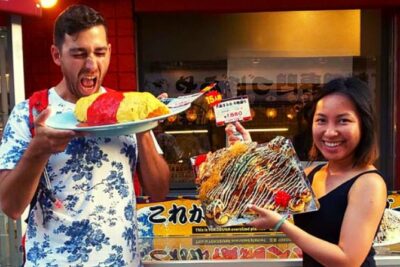
Osaka Food Tour: 13 Dishes at 5 Local Eateries
Read our review →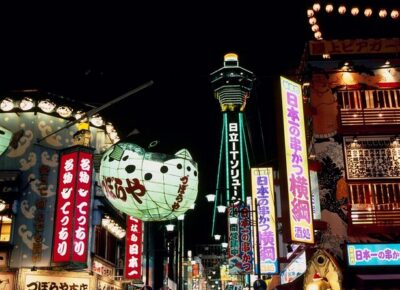
Hungry Osaka Street Food Tour:15 Tastings & 3 Drinks with a Local
Read our review →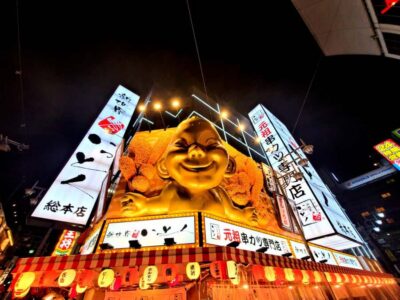
Hungry Osaka Street Food Tour: 15 Dishes & 3 Drinks
Read our review →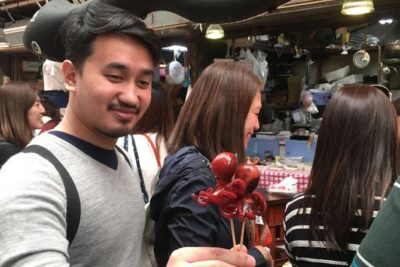
Kuromon Market Food Walking Tour in Osaka (6 stops, 6 tastes)
Read our review →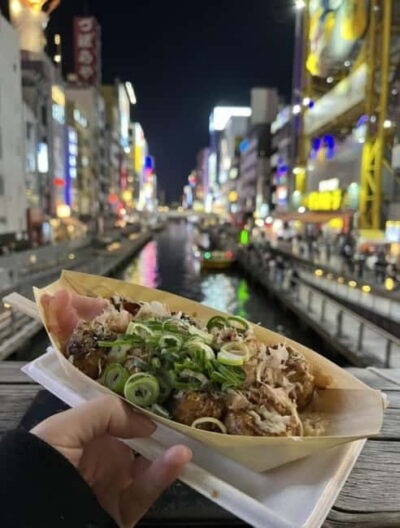
Guided Food Tour with 12 Dishes at 4 Local Eateries
Read our review →
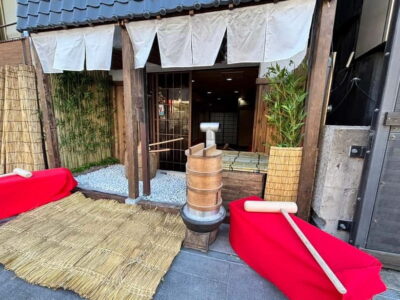
Traditional Mochi Pounding Experience with Tasting
Read our review →Browse the lists this tour appears in