
Reviewed · SHIRAKAWA-GO TOURS
From Kanazawa: Shirakawa-go, Gokayama and Wood Carving Art
A day trip that strings together three different mountain villages is a smart way to see what Japan’s craft culture looks like when you are not fighting city crowds. I love the way Inami focuses on working woodcarvers at street level, and I love the hands-on washi paper making you do in Gokayama. One possible drawback is that lunch is not included, and the day is paced by bus schedules, so you have to plan your time and food.
This is also a guide-driven day. When you get a strong storyteller, you start noticing details fast, like the carved animals at Zuisenji and even the cats tucked into Inami shopfronts. If you hate being on a bus all day, this might feel like too much transit, but the stops are chosen to make that ride worth it.
Key takeaways
- Inami wood-carver town: spot carvings on and above shop fronts, plus hidden cats
- Zuisenji Temple: giant walls and heavy carved ornamentation with animal themes
- Ai-no-kura washi workshop: you get hands-on with traditional paper making (and it gets messy)
- Gokayama and Shirakawa-go: two UNESCO areas with a calmer, more authentic rhythm than big-city sightseeing
- Classic-architecture matcha break at Shima: a small pause that fits the crafts-and-tradition theme
- Small-group feel on many departures: easier questions, less rushing, more breathing room
From Kanazawa’s Station to the Mountains, the Day Trip Flow
This outing starts at Kanazawa Station at 9:00 A.M. The schedule shifts on June 1, when the departure becomes 8:30 A.M. You meet your guide in front of the Information Center near the Shinkansen ticket gates, then you head to the bus terminal on the Kanazawa Port side.
Once you board, you ride about 1 hour through the Hokuriku region, first along highway stretches and then through mountain scenery and flatter plains. That early bus time matters. You do not just “get there,” you start settling into the mood of rural Japan, before you reach Inami and start seeing the craft details up close.
After the first stop, the transport segments keep the rhythm moving: roughly 35 minutes to Gokayama, about 40 minutes to Shirakawa-go, then around 80 minutes back. You typically return to Kanazawa between 6:00 and 6:30 P.M., depending on traffic.
One more logistics point that helps your planning: the tour can end either at Kanazawa Station or at Takayama Station. If Takayama is on your route, this can save you a separate day of travel.
More Shirakawa-go trips:
Inami Wood-Carving Town and Zuisenji’s Animal Carvings
Inami is the warm-up act, but it is not a short one. You get dropped in a small town area near the mountains, and the whole place is built around wood carving. In this region, you are not only looking at finished crafts. You are walking past the storefronts and seeing why this trade became local identity.
The main street leads toward Zuisenji Temple, and along the way you will see woodcarving examples on and above shops. It is also famous for cats. The town association says there are 32 cats, and the fun is that many shops and corners have their own cat creations hidden in plain sight.
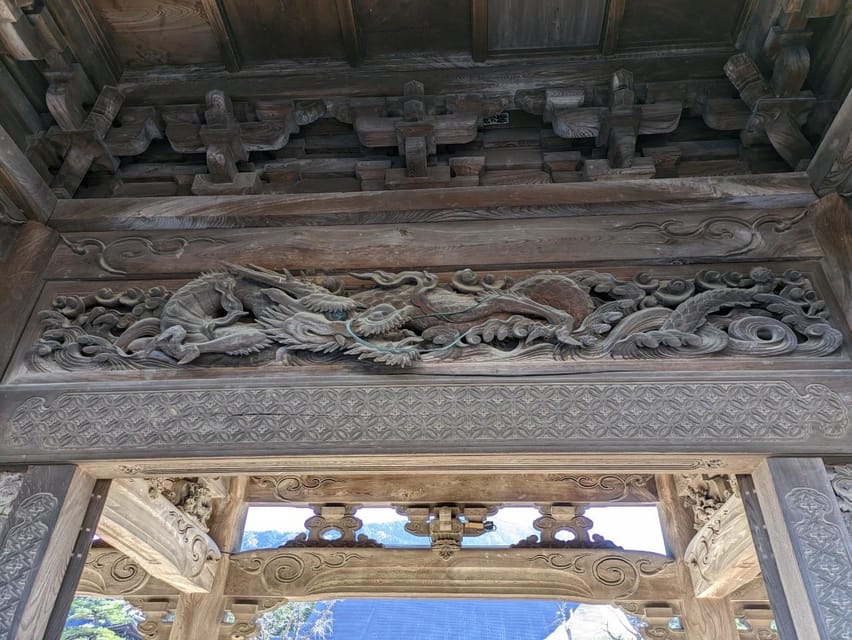
Then comes the temple, and it is a showpiece. Zuisenji has giant walls, and the approach can make you feel like you are walking toward a castle gate. The temple was originally built in the 1300s, burned in 1735, and was rebuilt with a famous wood carver from Kyoto. The carvings are not timid either. You can spot intricate animal imagery across the grounds, including dragons, lions, elephants, and other motifs that repeat throughout the design.
You get a guided visit here, and there is a simple reason it works. With a guide, you do not just see decoration. You understand what you are looking at, so the carvings start clicking as meaningful craftsmanship, not only pretty patterns.
Potential drawback to note: Inami can feel like “small town charm,” but not every shop may be open if you hit the day at a quiet hour. One person pointed out that some smaller carvings for tourists can be limited when certain places are not operating, so if you want gifts, arrive ready to shop right away when you have the chance.
Gokayama’s Ai-no-kura: Traditional Washi Paper Making Hands-On
Next is Gokayama, and the stop is Ai-no-kura, described as one of the best preserved villages in the region. The village is secluded, and that matters because it explains the craft focus. People built the local economy around agriculture, including rice products and sake, and the area also connected to practical industries like gunpowder and paper.
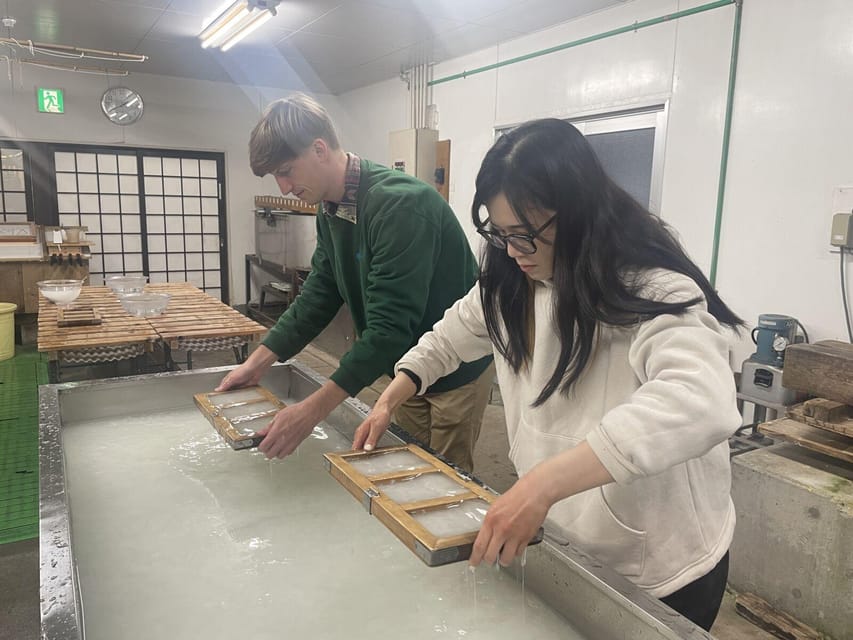
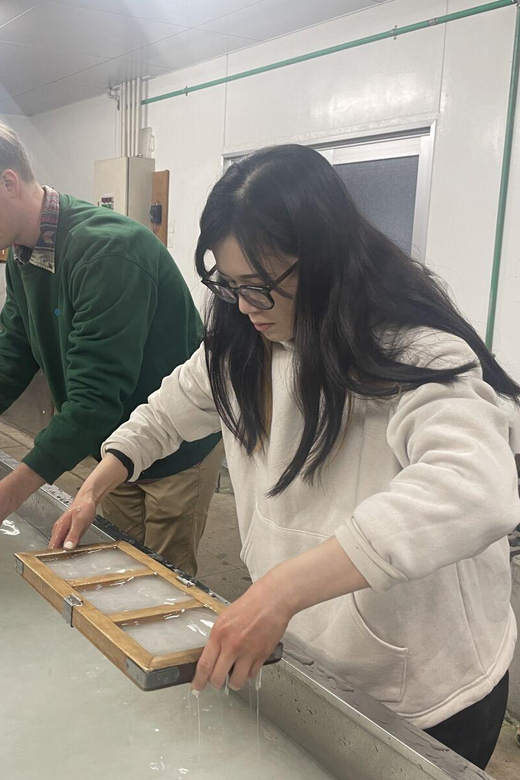
This is where the tour earns its keep for many people: you make paper using traditional Japanese methods. The workshop is about 75 minutes total, and it is very hands-on. Expect your hands to get wet, and expect the process to feel slightly chaotic in a good way. You are not just watching a demonstration. You are participating.
This experience is valuable even if you have made crafts before. It helps you understand why paper in Japan is not treated like generic stationery. It is tied to local material, time, and technique, and you end up with a souvenir that has your fingerprints on it.
Lunch is not included in the price. There is usually time for lunch in Ai-no-kura, but sometimes lunch happens in Inami instead, depending on the day’s circumstances. If you have preferences or food rules, plan ahead and consider bringing your own lunch or at least snacks. The easiest fix is to treat this as a day where you manage your energy, not a day where you wait for a perfect meal stop.
Season note: From December 27 to January 3, there is no papermaking experience. If you are traveling in that window, double-check what replaces it so you do not feel like the main activity is missing.
Shirakawa-go UNESCO: Gassho Farmhouses, Guided Walk, and 2 Hours to Roam
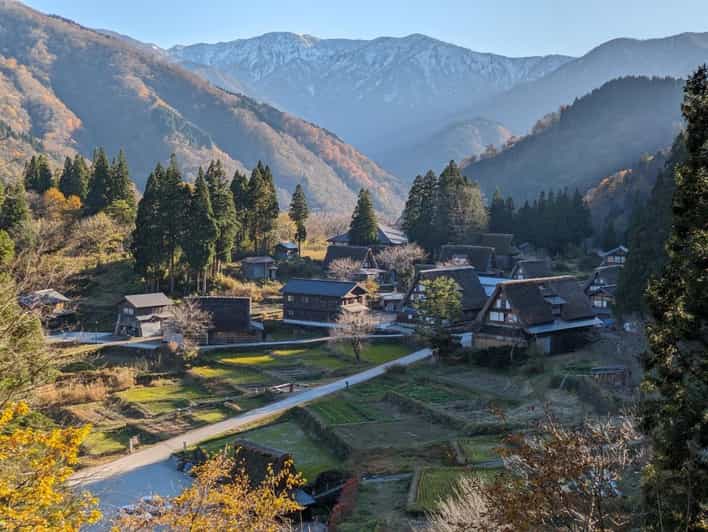
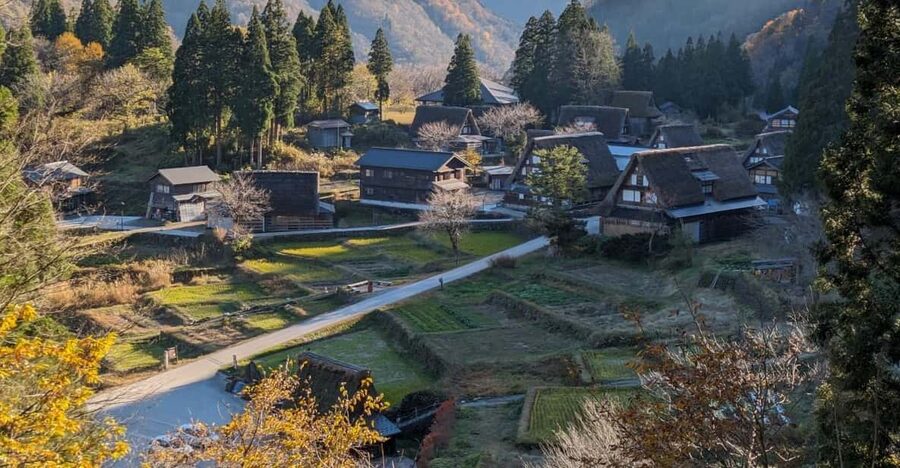
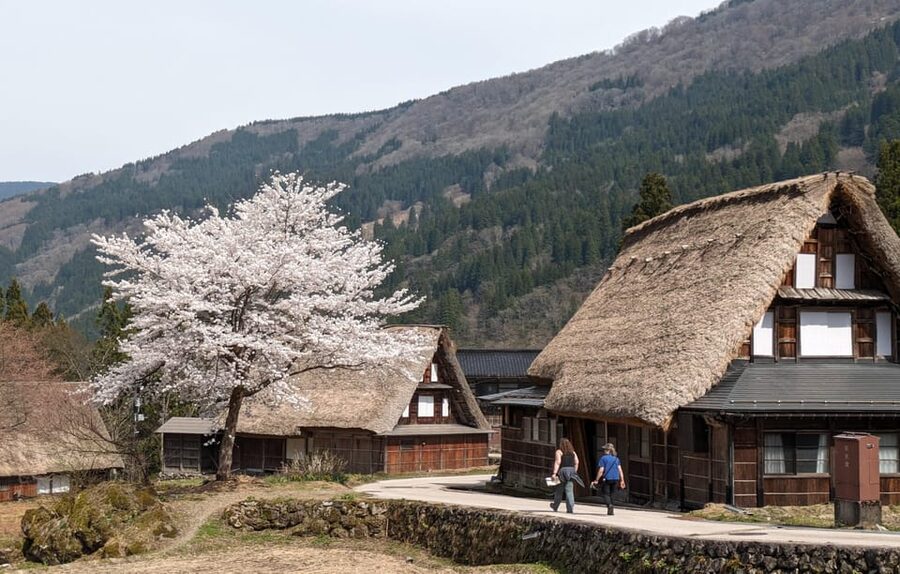
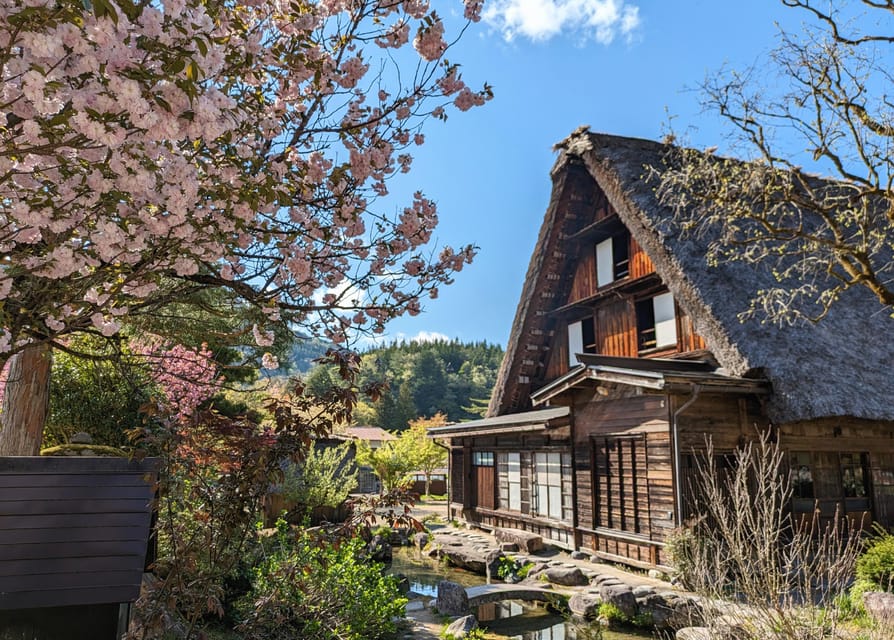
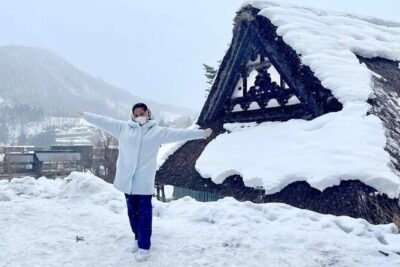
After Gokayama, you ride about 40 minutes to Shirakawa-go. This is the UNESCO village most people picture when they think of thatched roof architecture. Once you arrive, you start on the main street, then you get a guided town walk. You also go into one of the thatched-roof houses, which helps you connect the outside view to how people actually lived.
The architecture here is instantly recognizable because the gassho roof shape is built to handle heavy snow. Even with no deep lecture, you feel the practicality in the design. With a guide, it becomes clearer why that style took hold in mountain winter conditions and how the village evolved.
Then you get free time for about 2 hours. That free block is important. Shirakawa-go has plenty to do, but the real value is flexibility. You can take extra photos, shop at your pace, or simply slow down and wander the lanes when the main walk ends.
What to consider: Shirakawa-go can be busy, especially in peak seasons. If you want quieter photos, use part of your free time strategically, and do not assume the most crowded viewing spots will be the best ones. Some days your timing will be kind, and the village will feel serene instead of rushed.
Also, the tour packs in multiple UNESCO-style stops, which is great if you like comparing places. Just be realistic: if you only have a limited attention span for architecture, the free time might start to feel like “choose your own adventure” rather than “guided sightseeing.”
A change of pace from Kanazawa:
- Kanazawa: Kenrokuen Tea Ceremony Experience
★ 4.8 · 1,139 reviews - Kanazawa Half Day Tour (Private Guide)
★ 5.0 · 361 reviews - Kanazawa Full Day Tour (Private Guide)
★ 5.0 · 323 reviews - World Heritage Shirakawa-go Perfect Guided Tour from Kanazawa
★ 5.0 · 220 reviews
Shima Matcha, Classic Architecture, and Why This Small Pause Works
The highlight list includes a matcha experience at Shima, a heritage site with classic architecture. Even though it is not the biggest visual stop of the day, it fits the theme of the entire journey: craft, tradition, and slow attention.
A matcha break works because it resets you between big moments. You just spent time with carvings and paper production, then you head toward the most famous thatched-roof village. That short cultural pause helps your brain switch from “look and walk” to “taste and notice.”
If you are sensitive to timing, keep in mind that this is a bus-driven day. The matcha stop may feel quick if the day runs tightly, but it is still a nice way to connect culture through a simple ritual rather than another photo.
Price and Logistics: Is $180 Worth It for This Kind of Day?
The price is $180 per person for a 1-day tour. On paper, that can feel high for a day that ends in a bus and a couple of sites. In practice, the value comes from what is included and how far the day stretches.
You are not paying extra for each individual leg. The tour includes transportation to and from Shirakawa-go and all other destinations, an English-speaking guide, entry to Zuisenji Temple, guided time at the Inami wood craft area and at the Shirakawa-go UNESCO site, plus the Japanese paper-making experience fee.
That paper workshop alone changes the economics. A hands-on activity with a set fee means you are not just sightseeing, you are making something you can take home. Add in temple entry and guided time, and the cost starts to look less like “transportation markup” and more like a package that buys you structure.
Still, I would go in with eyes open. One concern that came up is that a departure can sometimes feel packed, which affects comfort. If you are tall, sensitive to close seating, or you just hate cramped vans, choose the departure that best matches your comfort level and bring a backup plan for your patience.
Also remember lunch is not included. That means your true day cost is the tour plus whatever you eat during lunch time and snacks. If you plan snacks and maybe a simple lunch, you keep the budget under control.
Timing Tips: Crowds, Weather, and Getting the Best Day
This route runs through mountain regions, so weather can swing fast. On colder or harsher days, the bus becomes part of the comfort strategy. People love this tour because it is not an all-day outdoor endurance test, but you still get enough walking time to feel the places.
Crowds are the main variable. Inami can feel calm, while Shirakawa-go can be more crowded at certain times. The tour gives you guided walking and then free time, so you can adapt in the moment. If Shirakawa-go feels busy, use the guided structure first, then spend your free time on smaller lanes and quieter corners rather than only the obvious viewpoint spots.
Time inside each place matters too. In Ai-no-kura, there is often enough time to enjoy the village and do lunch if scheduled there, but not so much time that you can treat it like a half-day destination. If Ai-no-kura is the reason you booked, plan to focus on the papermaking workshop and the immediate village walk.
And do not underestimate small surprises. The cat spotting in Inami is one of those details that turns a short town walk into an interactive scavenger game.
Who Should Book This Tour, and Who Might Skip It
I think this tour is a great match if you want culture with a hands-on component. If you like crafts and you enjoy rural Japan more than big-city attractions, you will probably feel like you got something real out of the day.
It is also ideal if you want to compare two UNESCO areas without needing to plan train and bus connections yourself. The guided structure helps you understand what you are looking at, especially at Zuisenji and inside a thatched house in Shirakawa-go.
You might want to skip or rethink if you:
- dislike long stretches of bus time
- want lots of independent wandering without a schedule
- are traveling in late December when papermaking is not offered, and you booked specifically for that workshop
Should You Book This Tour?
Book it if you want a full, well-paced day that combines working craft culture in Inami, a hands-on washi paper experience in Gokayama, and the famous gassho farmhouses at Shirakawa-go, all with an English-speaking guide and built-in transport.
Consider alternatives or plan carefully if you feel strongly about comfort during transit, or if lunch and food timing are hard for you to manage. If Shirakawa-go crowds worry you, remember you still get guided time plus a 2-hour free window, so you can steer your day once you arrive.
If the papermaking workshop is your top reason for booking, check your dates closely for the December 27 to January 3 closure, then decide based on what you care about most.
FAQ
What time does the tour start from Kanazawa Station?
The tour starts at 9:00 A.M. From June 1, it starts at 8:30 A.M.
Where do we meet at Kanazawa Station?
Your guide meets you in front of the Information Center near the Shinkansen Ticket Gates.
Is lunch included?
No. Lunch is not included, and there may be time for lunch in Ai-no-kura or sometimes in Inami depending on circumstances.
What experiences are included in the price?
You get Zuisenji Temple entry, guided time in Inami and at the Shirakawa-go UNESCO site, Japanese paper-making, and transportation to and from all destinations.
How long is the day trip, and when do we return?
The tour is 1 day and you should return to Kanazawa between 6:00 and 6:30 P.M. depending on traffic.
Is paper-making offered year-round?
No. From December 27 to January 3, there is no papermaking experience on these days.
Latest write-ups near Kanazawa
- Explore Kanazawa Half Day Private Tour with Local Guide★ 5.0 · 69 reviews
- Kanazawa: Private Tour with Local Guide★ 4.9 · 70 reviews
- Kanazawa Half Day E-bike Tour★ 5.0 · 81 reviews
- Kanazawa 4hr Private Tour with Government Licensed Guide★ 5.0 · 89 reviews
- From Kanazawa: Shirakawa-go, Gokayama and Wood Carving Village★ 5.0 · 90 reviews
- Private Tour Kanazawa, Shirakawago, Hida Furukawa,Takayama★ 5.0 · 108 reviews
- Kanazawa Private/Group Walking Tour: Local & Major Highlight★ 4.8 · 113 reviews
- [One-day bus tour departing from Kanazawa Station] Shirakawa-go/Takayama tour platinum route bus tour★ 4.5 · 127 reviews
Shirakawa-go Tours, compared.
World Heritage Shirakawa-go and Experience Tours from Kanazawa
Read our review →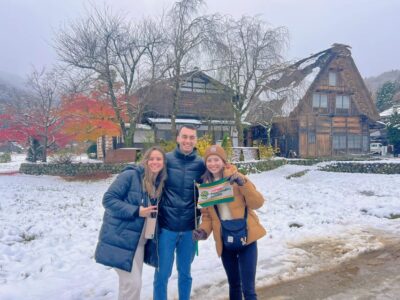
World Heritage Shirakawa-go Morning Guided Tour
Read our review →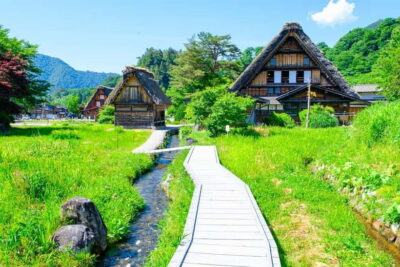
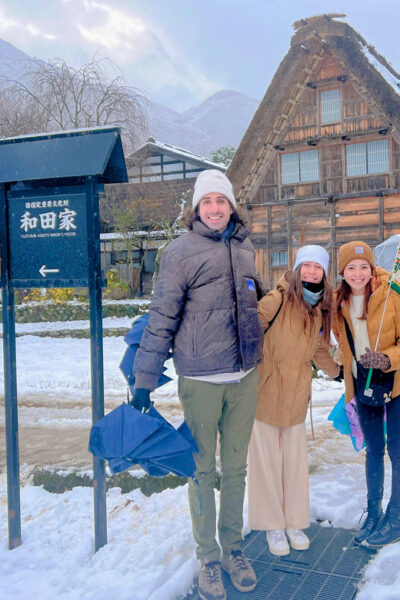
World Heritage Shirakawa-go & Two Local Experience
Read our review →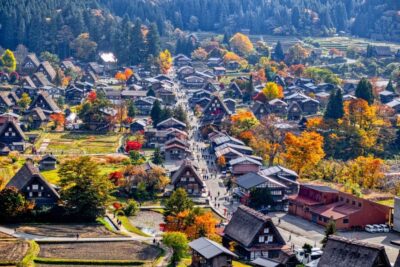
1 Day Private Charter Tour to Shirakawa-go & Takayama
Read our review →![[One-day bus tour departing from Kanazawa Station] Shirakawa-go and Gokayama – Two World Heritage Villages Enjoyable Bus Tour](https://f1.japantourreviews.com/wp-content/uploads/one-day-bus-tour-departing-from-kanazawa-station-shirakawa-go-and-gokayama-two-world-heritage-villages-enjoyable-bus-tour-400x267.jpg)
[One-day bus tour departing from Kanazawa Station] Shirakawa-go and Gokayama – Two World Heritage Villages Enjoyable Bus Tour
Read our review →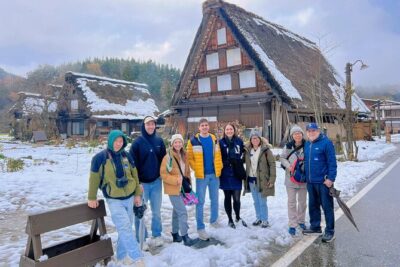
World Heritage Shirakawa-go Perfect Guided Tour from Kanazawa
Read our review →Browse the lists this tour appears in