
Reviewed · TEMPLE & SHRINE TOURS
From Nagoya: Ise’s Sacred Shrines and Captivating Coastlines
A day trip that pairs Japan’s most sacred shrine with dramatic coastline views is interesting on its own. You get to slow down at Ise-Jingu with a guide who can explain what you’re seeing, then shift gears to seaside scenery at Meoto Iwa.
Two things I like a lot: the way the tour makes Shinto feel understandable, not like a random collection of buildings, and the fact you’ll have real chances to eat and wander at Okage Yokocho. The only consideration is that it’s a full day with several hours outdoors and a long round-trip drive from Nagoya, so bring good shoes and plan for walking.
Guides like Kim, Camille, and Shoko show up often in the stories people share, and that matters. Their explanations, plus help translating when language gets tricky, is a big reason this tour earns such high marks.
Key highlights that matter in real life
- Ise-Jingu guided visit: you’re not just looking, you’re learning what the shrine space means
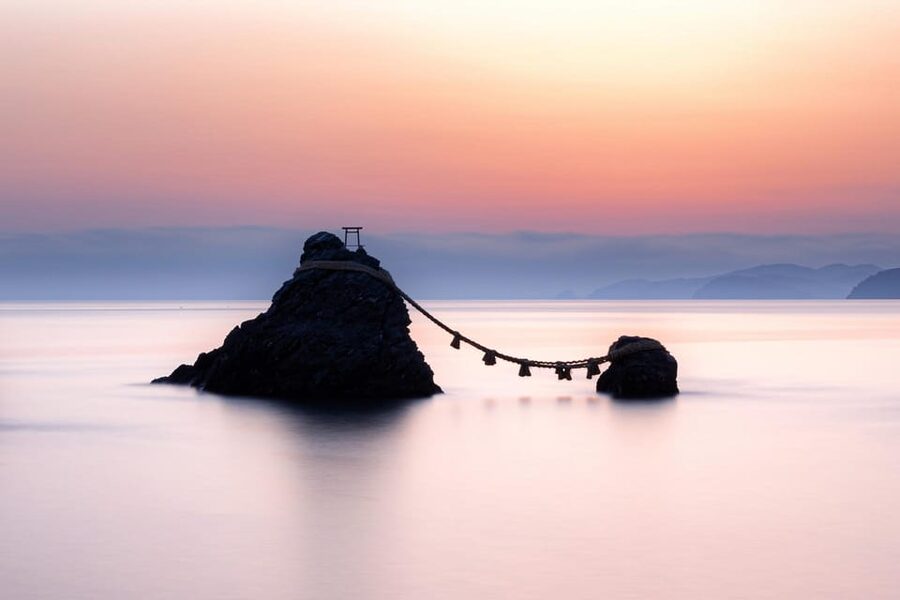
- Meoto Iwa coastal views: big scenery time, not just quick photo stops
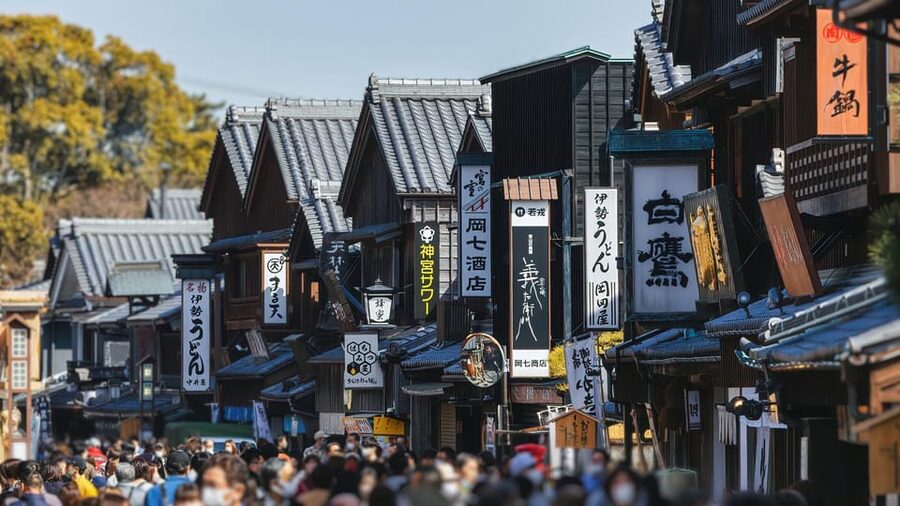
- Okage Yokocho free time: a practical break to buy souvenirs and try Ise foods at your own pace
- Isuzu River walking: you get outdoor beauty time with flowers and foliage in season
- Omikuji at Futami-Okitama Shrine: a small but fun ritual included in the price
- Small group cap of 14: easier questions, less rushing, more breathing room
Why Ise-Jingu and Meoto Iwa Feel Like Two Different Worlds
Ise is one of those places where Japan’s spiritual side and its natural drama sit next to each other. One moment you’re inside a shrine setting built for quiet focus, the next you’re staring out at rocks and sea views that look almost staged.
I love that the tour gives context first, especially at Ise-Jingu. Even if you don’t speak Japanese, your guide can help you notice the details that normally blur together, like how the shrine grounds are arranged and what you should pay attention to as you walk.
Then you get the coastline shift at Meoto Iwa. The scenery isn’t just pretty, it changes the tone of the day. For many people, that contrast is what makes the trip feel like more than a checklist.
The other practical win: you’re not stuck trying to plan every transit piece. The day is built around round-trip transportation from Nagoya, so you can focus on seeing.
More Temple & Shrine Tours in Nagoya:
- Kyoto: Fushimi Inari, Kinkakuji, Bamboo Grove 1 Day Bus Tour
★ 4.8 · 4,316 reviews - Kyoto: Tea Ceremony Ju-An at Jotokuji Temple
★ 4.9 · 3,207 reviews - Tokyo: Meiji Shrine, Asakusa, Skytree Bus Tour and Cruise
★ 4.7 · 1,986 reviews
Getting From Nagoya Station to Ise Without the Headache
This is a point-to-point day trip. You start at Nagoya Station at the base of the SILVER clock tower outside the Shinkansen gates, meeting your guide holding a SNOW MONKEY RESORTS tour sign.
If you arrive by Shinkansen, you should spot the silver clock directly in front of you when you exit the gate. If you arrive on a JR line, follow signs toward the Taiko-Dori Gate, since the silver clock sits inside near the Taiko-Dori exit. If you come from outside the station, you’ll likely enter through the Sakura-Dori gate (gold clock side), then walk toward Taiko-Dori, where the silver clock is inside right before the exit.
Why I think this matters: station navigation in Japan can be quick, but it can also be stressful if you arrive late or the station is packed. Doing the meeting point correctly lets you start calm, which is half the battle on a full-day tour.
From there, you ride a bus for about 2 hours to reach Ise. The travel time is long enough that you’ll appreciate having a comfortable van and not having to manage connections yourself.
Ise Grand Shrine: What a Guided Walk Changes
Ise-Jingu is the big spiritual target of the day, and you’re not rushed through it. You’ll have a guided visit of about 1.5 hours, which is long enough to slow down and understand the rhythm of the place.
A key value of going with a guide is noticing what your eyes might skip. Shrine visits can feel like you’re taking in architecture and ornaments, but without context it’s easy to miss the meaning behind layouts, paths, and how visitors move through the sacred space.
This is where guides like Kim and Camille often shine. People describe their explanations as history- and Shinto-focused, with a pace that keeps things understandable, not academic. One review even highlighted translation help when language got complicated, which tells me the guide is paying attention to comprehension, not just presenting facts.
Practical tip: wear comfortable shoes. Shrine grounds are walkable, but you’ll be on your feet, and you’ll want to move steadily without worrying about fatigue.
Okage Yokocho: Street-Food Energy With Enough Breathing Room
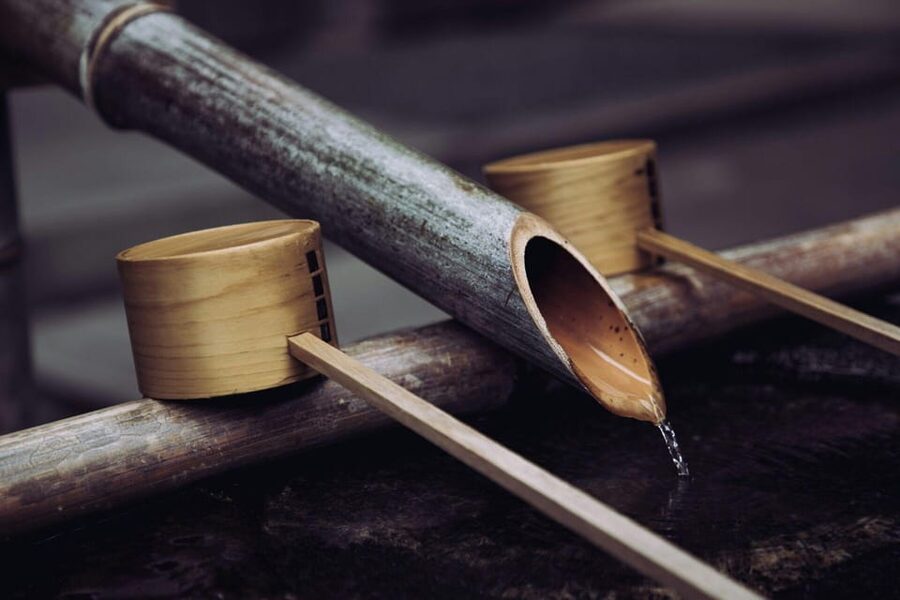
After the shrine, you shift to a lively break zone at Okage Yokocho. Plan on roughly 2 hours here, split between guided elements and your own time.
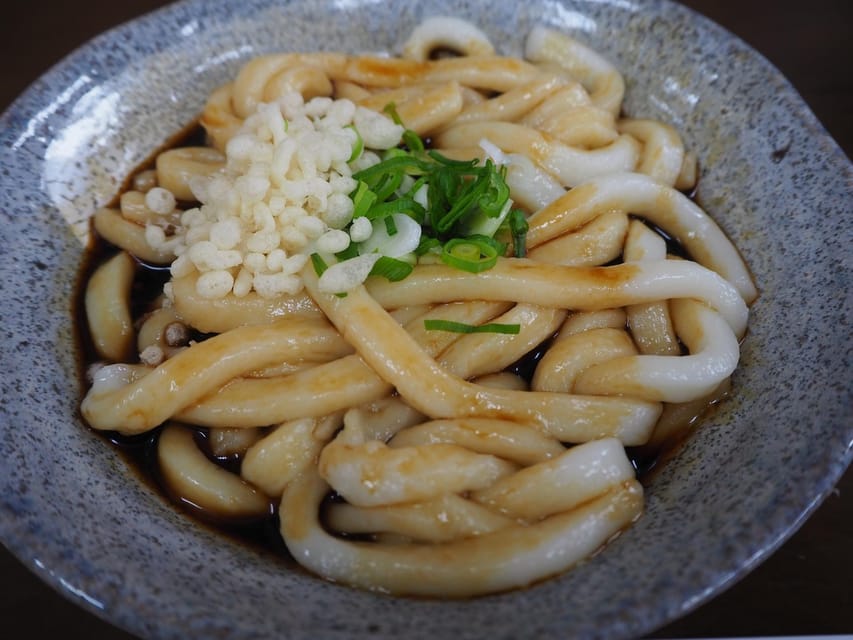
This is where the day gets more human and fun. Okage Yokocho is known for snack-style eating and strolling, and the tour explicitly gives you time to buy souvenirs and shop. It’s also the most logical place to taste local specialties like spiny lobster, fried oysters, and Ise udon.
One caution I’d give you: lunch is not included, so you’ll need to decide what you want to eat with your own budget. The good news is that the timing works. You’re not stuck hungry for hours with no chance to refuel.
Also, don’t treat the guided portion as a lecture. From the way the tour is described, the guide breaks information into manageable pieces and then gives you time to look around. That style matters on an outdoor day, when your attention span depends on whether you’re still comfortable.
If you want photos, this is usually a good time to ask. One review mentioned guides helping with picture taking, and that’s the kind of small service that turns a trip from fine to memorable.
A change of pace from Nagoya:
- From Nagoya: Gujo, Hida Takayama, and Shirakawa-go Day Tour
★ 4.4 · 398 reviews - Ghibli Park 1-Day Bus Tour from Nagoya
★ 4.5 · 277 reviews - From Nagoya: Hida Takayama & Shirakawa-go Tour w/Opt. Lunch
★ 4.5 · 256 reviews - Hiking the Historic Nakasendo Trail [1 Day Tour from Nagoya]
★ 5.0 · 104 reviews
Meoto Iwa and the Futami Coast: Rocks, Sea Views, and an Included Omikuji
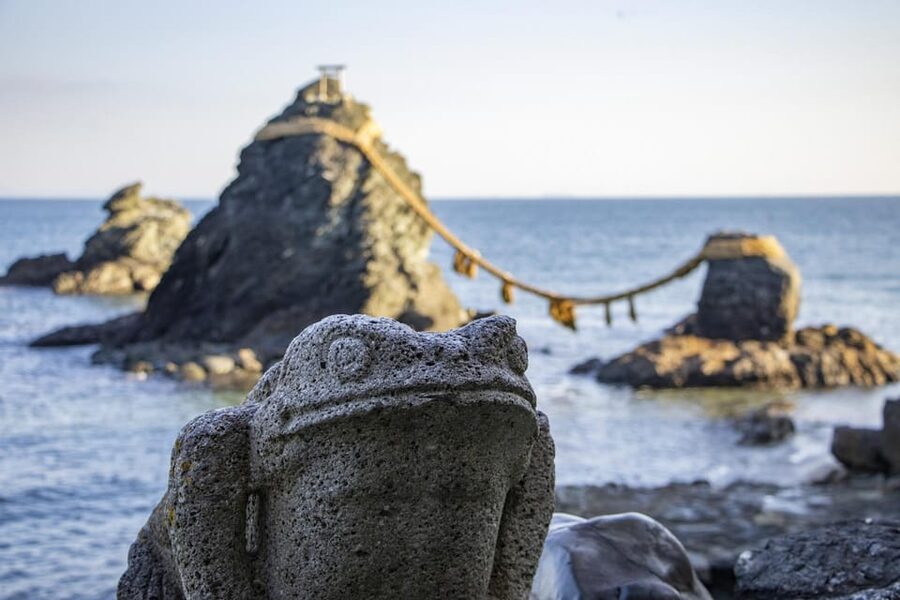
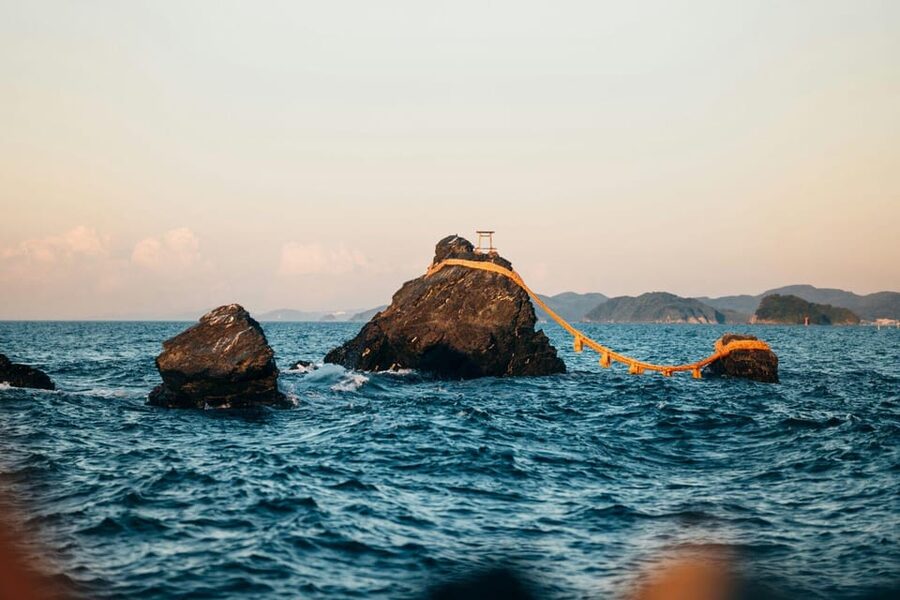
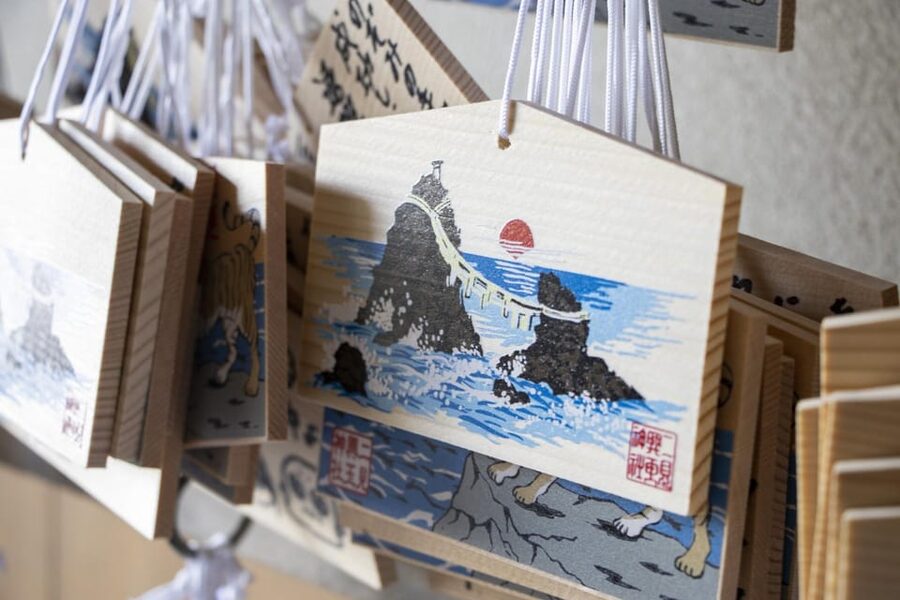
Next comes the short transfer, about 15 minutes, bringing you to Meoto Iwa (Wedded Rocks) with a guided time of around 45 minutes. If you’ve never seen this kind of coastal icon in person, it helps to think of it as scenery with a story. The tour’s focus is on natural beauty and the feeling of arriving at a meaningful spot by the sea.
You’ll also get the omikuji ritual at Futami-Okitama Shrine, included in the tour price. For many people, omikuji is a small way to participate instead of just observing. Even if you don’t know what the paper says, the act itself feels like part of local tradition.
The coastline stop is where you’ll probably linger the most, because the view gives you that natural reason to slow down. You can take photos, step back from crowds if you want a calmer viewpoint, and just enjoy the sea air.
Practical tip: check the weather. Coastline wind can be real, and you’ll be outside for long stretches. Bring an umbrella or raincoat if rain is in the forecast.
Walking the Isuzu River: Flowers and Foliage Time That’s Easy to Miss
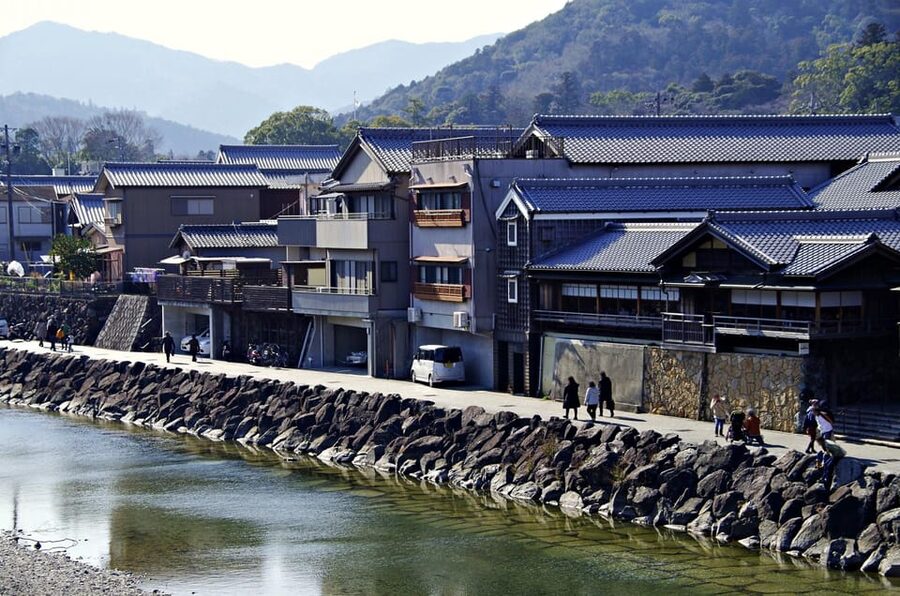
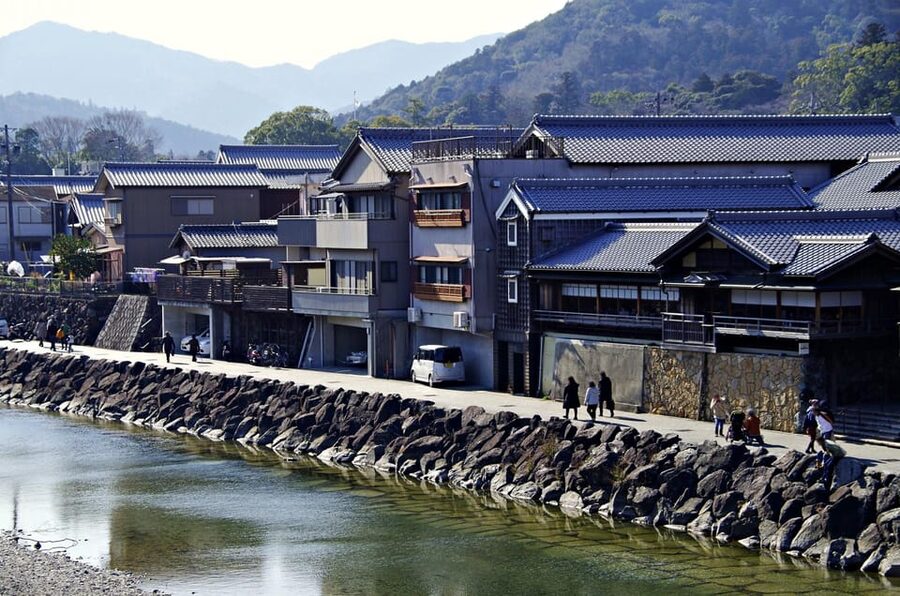
One of the highlights is a walk along the Isuzu River, with time to enjoy the flowers and foliage. That matters because shrine tourism can sometimes feel like “one building after another.” This adds a softer, natural pace to the day.
The river walk is also a smart break between major destinations. After Ise-Jingu, you get a chance to reset your eyes and legs with scenery that changes gradually as you move.
When flowers and foliage are in season, this kind of walk can be the most relaxing part of the tour. Even in off-season, the river setting gives you a sense of place. It’s one thing to read about Ise, and another to see how the town and the shrine area work with the natural setting.
Price and Logistics: Does $189 Feel Like Good Value?
The price is listed as $189 per person for a 9-hour day, with comfortable round-trip transportation from Nagoya included. When I assess value for a day trip like this, I look at three things: what you’re paying to avoid, what you’re paying for, and what you still have to pay separately.
What you’re paying to avoid: planning transit, figuring out meeting points, and piecing together a smooth day of multiple stops. The tour handles the bus time and the pacing, which is a big deal when you’re starting in Nagoya and trying to see several sites in one shot.
What you’re paying for: guided entry to the main locations, entry fees at all tour locations, and even the omikuji at Futami-Okitama Shrine. You’re not just getting a map and advice. You’re paying for the guide time that makes the stops make sense.
What you still need to plan for: lunch is not included, and that’s it. You’ll use free time at Okage Yokocho to buy snacks or a meal. If you’re the kind of traveler who wants a sit-down lunch, you’ll have to decide how you want to spend that time.
Small group size helps the value too. Limited to 14 participants, it stays easy to ask questions and not get swept along. Reviews repeatedly point to the guides’ attention and clear explanations, and that’s exactly what small-group format supports.
Timing, Weather, and What to Wear for a Full Outdoor Day
This tour involves several hours outdoors. That means clothing and shoes are not a “nice to have,” they’re part of the experience.
In summer, temperatures around Nagoya and Ise can hit 35°C (95°F) or higher, with extreme humidity. Plan for sunburn and heat stress. Light and airy clothes help, and a parasol is highly encouraged.
In winter, expect 0°C to 10°C (32°F to 50°F) on average. Bring warm layers and footwear that won’t freeze your feet.
My practical advice: choose walking shoes you can wear for a long day without blisters. Bring a small umbrella or raincoat. And if you tend to get hot, carry water and take shade breaks whenever you can during the outdoor stretches.
Who This Tour Suits Best, and Who Might Prefer DIY
This tour is a great fit if you want a structured introduction to Ise without figuring out every logistics step yourself. It also suits you if Shinto context matters, because the guide focus is clearly on meaning, not just sightseeing.
It’s especially good for you if you:
- want a guided visit at Ise-Jingu instead of wandering silently
- enjoy coastal scenery and want it explained, not treated as just a photo backdrop
- like having a small group, so questions stay easy
- value food time but prefer the structure to get you there safely
Who might not love it: if you dislike full-day schedules or you want total freedom to linger at your own tempo, a 9-hour format and set stop durations can feel limiting. One thing mentioned as a drawback is the desire for more time within the shrine area, which tells me the tour aims for balance, not unlimited wandering.
Should You Book This Nagoya to Ise Day Trip?
If you’re short on time and want one high-quality day that combines Ise-Jingu, Okage Yokocho, and Meoto Iwa, I’d say this booking makes sense. The price is fair for what’s included: guided entry, transportation, entry fees, and the omikuji ritual.
I’d book it if you care about understanding Shinto and you want the day organized for you. The strongest signal from the experiences people describe is guide performance, including thoughtful pace, strong explanations, and helpful support like translation and photo help.
Skip or rethink it if you want a lunch-included, slower, deep-stay shrine day. This is designed to move with purpose, and it gives you free time for shopping and snacks, not a guaranteed extended linger at every sacred corner.
If you go in with good shoes, weather-ready gear, and an appetite for Ise foods, you should leave with both the spiritual meaning and the coastal views intact, not just photos.
FAQ
How long is the Ise from Nagoya day tour?
The tour duration is 9 hours.
What does the tour cost?
The price is $189 per person.
Where do I meet in Nagoya Station?
Meet at the base of the SILVER clock tower outside of the Shinkansen gates. If you enter from JR, look for signs directing you toward the Taiko-Dori Gate, and find the silver clock inside just before the Taiko-Dori exit.
What time does the tour start?
The tour begins at 9:00 A.M. at the meeting point.
What places are included in the tour?
You visit Ise Grand Shrine (Ise-Jingu), Okage Yokocho, Meoto Iwa (Wedded Rocks), and you also receive omikuji at Futami-Okitama Shrine. The day also includes a walk along the Isuzu River.
Are meals included?
No. Lunch is not included.
What language guides are available?
English, Chinese, French, and Spanish speaking guides are available.
Is transportation included?
Yes. Transportation during the tour is included, with round-trip transportation from Nagoya.
Is entry included for the destinations?
Yes. Entry fees at all tour locations are included.
Do I need to bring warm or waterproof clothing?
You should dress for the weather. The tour involves several hours outdoors, and you may want an umbrella or raincoat if rain is forecast.
Latest write-ups near Nagoya
- Magome-juku, Tsumago-juku & Ena-kyo 1d Bus Tour from Nagoya★ 4.6 · 75 reviews
- Nagoya: Japanese Traditional Sweets making and Tea Ceremony★ 4.9 · 76 reviews
- Nagoya Highlight Tour guided by a friendly local★ 5.0 · 86 reviews
- From Nagoya: Hida Takayama & Shirakawa-go Tour w/Opt. Lunch★ 4.5 · 256 reviews
- Hiking the Historic Nakasendo Trail [1 Day Tour from Nagoya]★ 5.0 · 104 reviews
- Ghibli Park 1-Day Bus Tour from Nagoya★ 4.5 · 277 reviews
- Nagoya Full-day Private Custom Tour with National Licensed Guide★ 5.0 · 61 reviews
- Nagoya Samurai & Toyota Tour guided by a friendly local★ 5.0 · 24 reviews
Temple & Shrine Tours, compared.
Fushimi Inari, Kinkakuji, Bamboo Grove 1 Day Bus Tour
Read our review →
Meiji Shrine, Asakusa, Skytree Bus Tour and Cruise
Read our review →
Osaka/Kyoto:Kinkakuji,Arashiyama,FushimiInariShrine,NaraPark
Read our review →
Asakusa Walking Tour with Sensoji Temple Visit
Read our review →
Nikko: Kegon Falls, Lake Chuzenji & Toshogu Temple
Read our review →
Kamakura & Enoshima Day Trip including Temple Tickets
Read our review →
Nikko Toshogu Shrine and Kegon Waterfall Tour
Read our review →Browse the lists this tour appears in