
Reviewed · MT FUJI TOURS
From Tokyo: Mount Fuji and Hakone Private Day Trip
Mount Fuji and Hakone in one day is interesting because you get two very different faces of Japan, one with big, mythic views and the other with volcanic steam, lakes, and art. This private format also means you can chase the best photo angles and not feel like you are stuck waiting in someone else’s schedule, especially with guides like Hadi or Ali in the driver’s seat.
I love two things most: the chance to stand at Mount Fuji’s 5th Station area for high-altitude crater views, and the Hakone mix of Lake Ashi scenery plus on-the-ground culture at stops like the Hakone Open Air Museum. The one drawback to consider is that Mt Fuji visibility depends on weather. Even when it is cloudy, the day can still be great, but you should expect some rerouting and manage your expectations for seeing Fuji in full clarity.
Key things to know before you go
- Private van, flexible stops: You can adjust your plan on the day when crowds or weather shift.
- 5th Station at 2,300m: High viewpoint plus a shrine stop for steadier, less obstructed views.
- Shrines and cedar-lined paths: Red torii drama at one Fuji shrine, then calm walking under ancient trees at another.
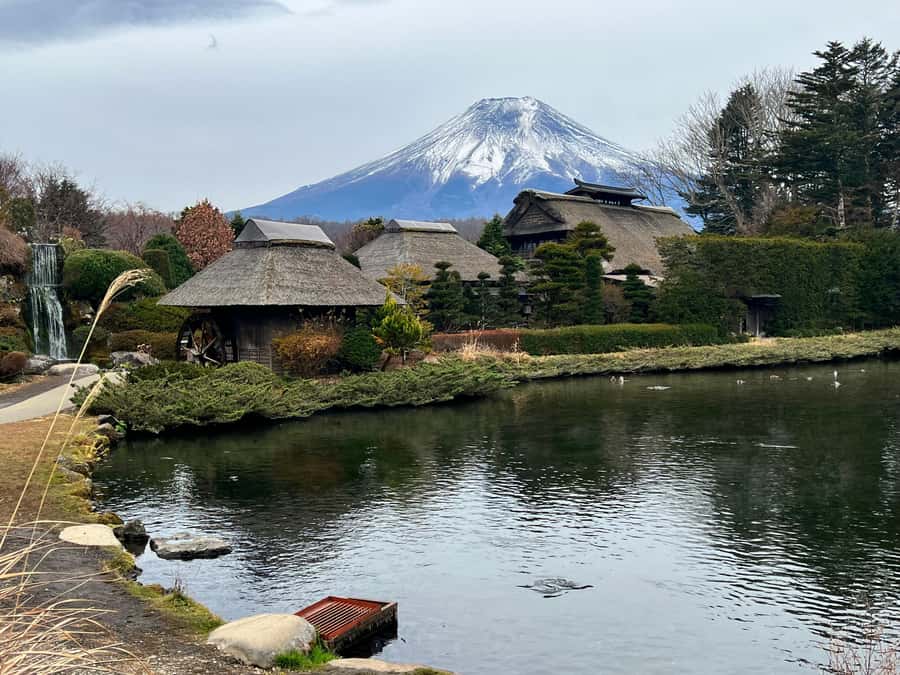
- Oshino Hakkai’s eight ponds: Snowmelt-fed ponds with a slow, village-style pace.
- Hakone scenes add variety: Volcanic Owakudani Valley views, Ropeway options, and Lake Ashi cruising options.
Private Van Comfort and Real Value From Tokyo
This is a full-day, private day trip built around one simple idea: save time on transport and use it for the places that matter. You start with hotel pickup and end with hotel drop-off, and you ride in an air-conditioned vehicle driven by an English-speaking guide who can talk through what you are seeing, not just move you along.
At $438 per group up to 5, you’re not paying “per person” pricing. If your group is small, this can feel close to the cost of larger shared tours, but you still get the benefits of fewer people in the car and easier stop-by-stop adjustments. Reviews also lean hard on a consistent theme: guides who feel calm and organized, with clean, well-kept vehicles and smooth driving. If you care about photo stops, you also want a guide who knows the best timing, and many of these guides do.
A practical note: this isn’t a “run everywhere no matter what” style of day. One important detail to keep in mind is that places are listed as reference only, because not everything fits into a day. In practice, that gives your guide room to prioritize, swap, and optimize.
More Day Trips in Tokyo
- Mt Fuji and Hakone 1-Day Bus Tour Return by Bullet Train
★ 5.0 · 26,383 reviews - 1-Day Tokyo Bus Tour
★ 5.0 · 14,250 reviews - Mt Fuji & Hakone Cruise, Drum Show Bullet Train 1 Day from Tokyo
★ 4.0 · 7,413 reviews
Mount Fuji Views at Subaru 5th Station, Plus Komitake Shrine
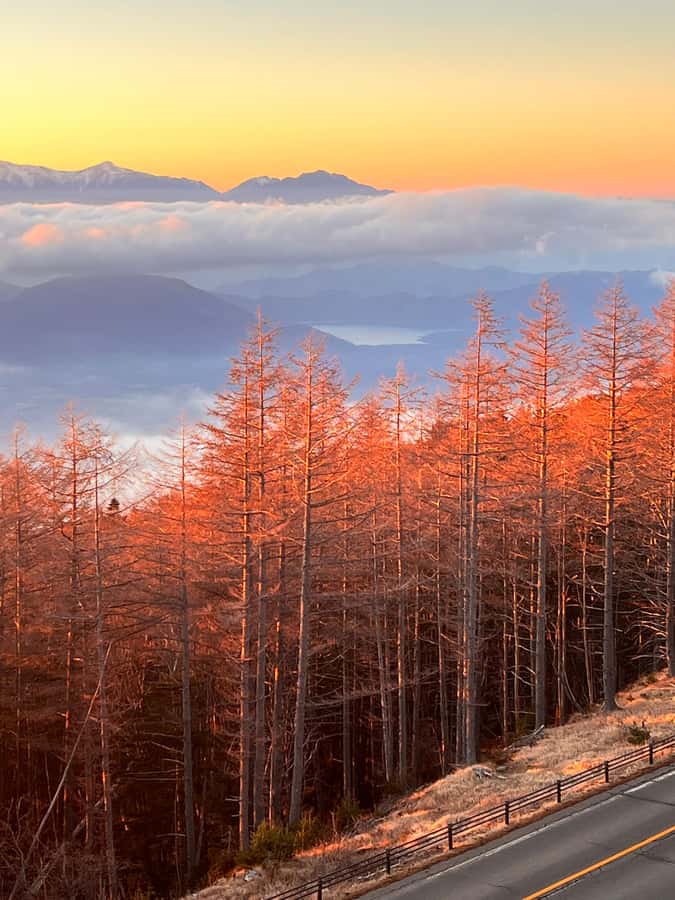
Your Mt Fuji day tends to center around Subaru 5th Station, about 2,300 meters above sea level. This is one of the most dramatic ways to experience Fuji without needing heavy hiking. From here, you can look out over the crater area and surrounding mountains, and you may also catch views toward the Fuji Five Lakes region.
What makes the stop better than just standing in a viewpoint line is the shrine component nearby: Tenjosan Komitake Shrine. It is described as a spot for more unobstructed scenery and includes a chance to pause in a calm setting while you take in the wider views.
Now, a heads-up for timing: visibility changes fast. You can arrive expecting clear views and end up with clouds. The good news, based on how guides handle the day, is that many will adjust where you stand and what order you do the lakes and shrine stops so you still get solid scenery even if Fuji is shy.
Summer hiking season rule that affects your plan
Between 1 July and 30 September, private vehicles are not allowed to enter Fuji Subaru line to reach the station. If you want to go to 5th Station during that time, you would need to use the shuttle bus instead, and the added cost is 2,500 yen per person. Plan for that in advance if you are traveling in those summer months.
Fujiyoshida’s Chureito Pagoda and Sengen Shrines
After the high-altitude stop, the day often shifts into Fujiyoshida and the Fuji shrine network. Two places tend to anchor this part of the route: Chureito Pagoda and Kitaguchi Hongu Fuji Sengen Shrine.
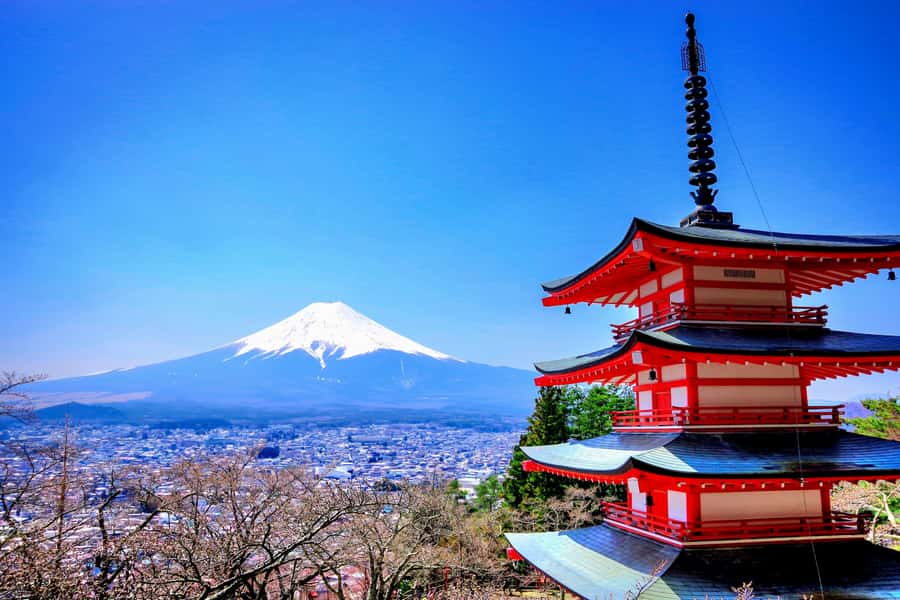
Chureito Pagoda is a striking, five-story pagoda inside Arakurayama Sengen Park. It is famous for Fuji views, especially when the mountain lines up behind it. Even when the weather does not cooperate perfectly, you still get a memorable photo spot and a pleasant walking area around the park.
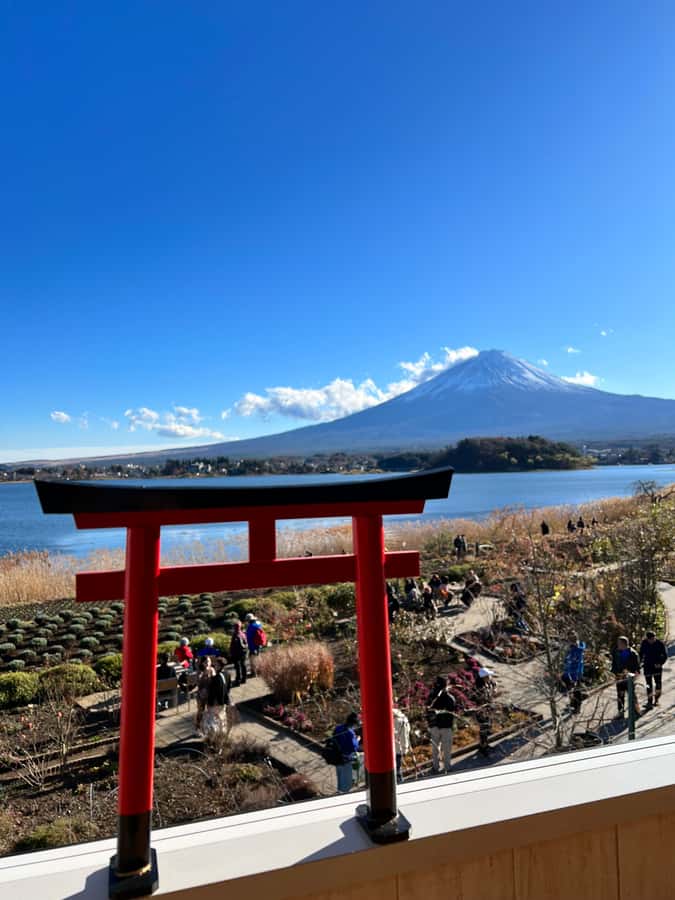
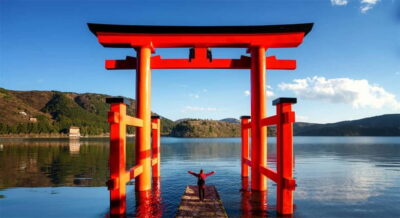
Kitaguchi Hongu Fuji Sengen Shrine adds something different: a peaceful stroll under towering cedar trees that are said to be more than 1,000 years old. The shrine is known for its red torii gates, and that combination of color plus old-growth shade makes it feel less like a quick photo stop and more like a place you can slow down for a few minutes.
A detail worth planning for is that these are popular spots. The private format helps because your guide can time your arrival to avoid the worst crowd surges. Many guides also help you with what to do and where to stand for the best shots, including photo help for families.
More Mt Fuji days:
- Tokyo Mt Fuji 5th St & Hakone Cruise Bus Tour w/Bullet Train
★ 4.4 · 5,024 reviews - From Tokyo: Mount Fuji Full-Day Sightseeing Trip
★ 4.5 · 4,970 reviews - Tokyo: Mt. Fuji Tour, Hakone Ropeway, Owakudani, Lake Ashi
★ 4.7 · 4,002 reviews - Tokyo:Mt.Fuji,Kawaguchiko Oishi Park,Arakurayama Sengen Park
★ 4.4 · 2,682 reviews
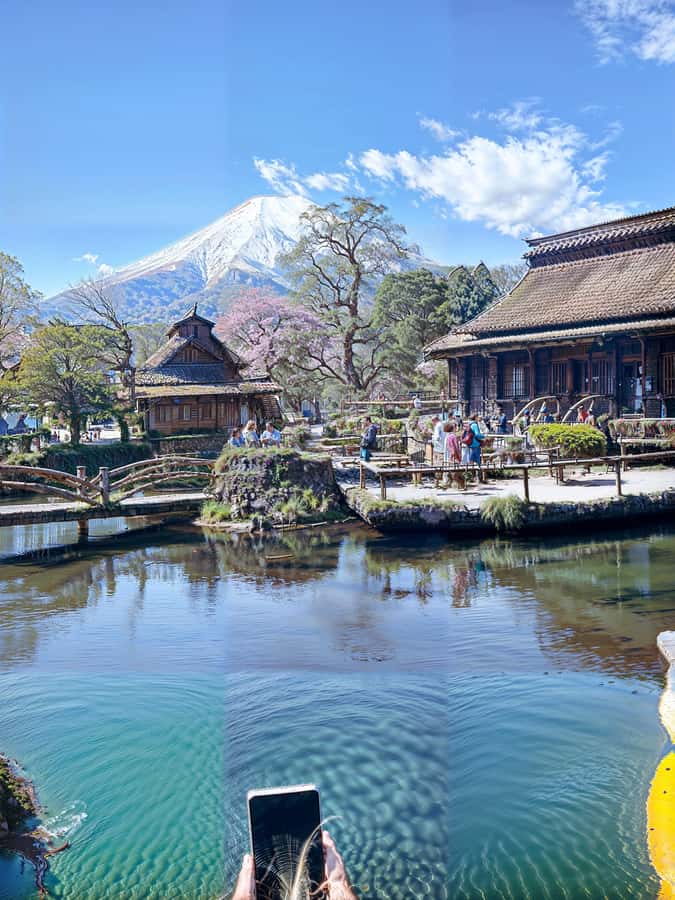
Oshino Hakkai Village: Eight Ponds From Snowmelt
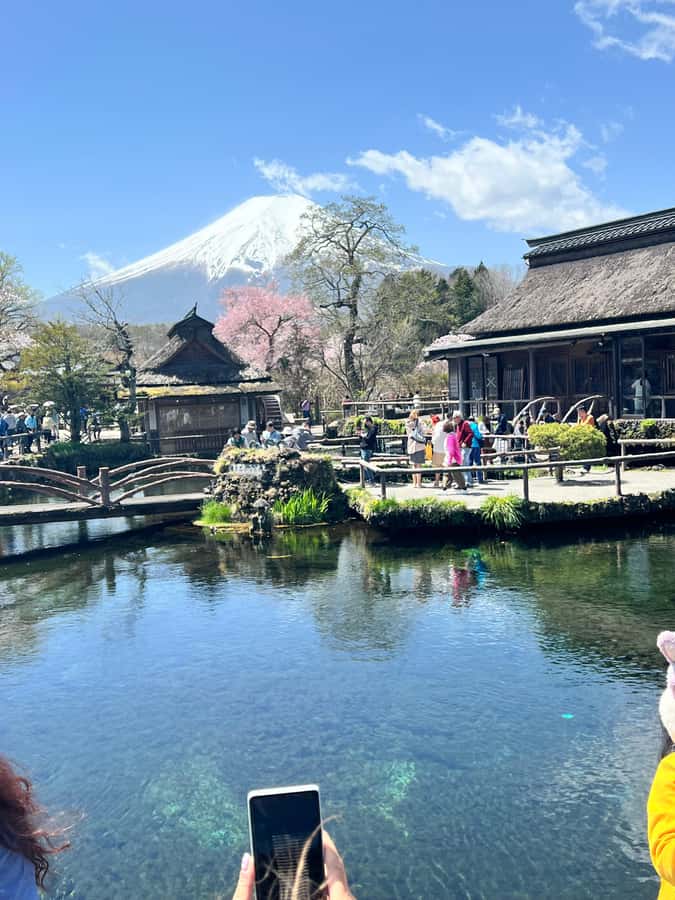
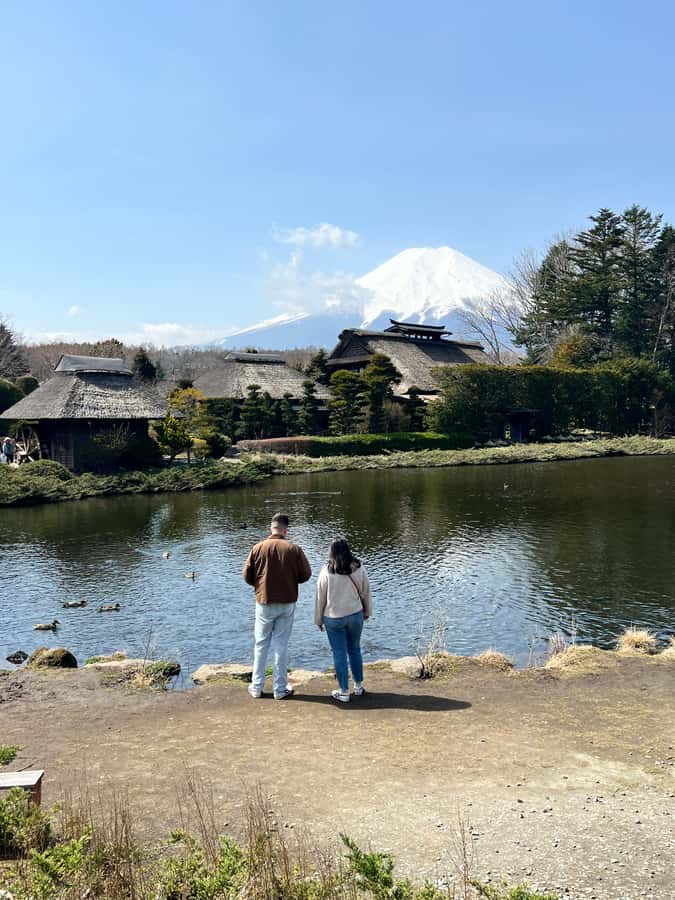
Oshino Hakkai is the kind of stop you want in a day like this because it breaks up the big-view intensity with something grounded and calm. The ponds here are formed by melting snow from Mount Fuji, and the village is arranged around eight ponds.
In your time here, you can stroll at an easy pace, admire traditional houses, and linger by the ponds to watch the water activity. If you are traveling with kids, this stop often works well because it is interesting without requiring long hikes. It is also a nice contrast after the shrine walks, because the vibe is village slow rather than formal ceremony.
One practical tip for this part of the day: bring cash. Some small shops and stalls may not take cards, and many people end up wanting snacks or little Fuji-themed treats while they wander.
Hakone National Park: Owakudani Volcanic Valley and Hot Spring Territory
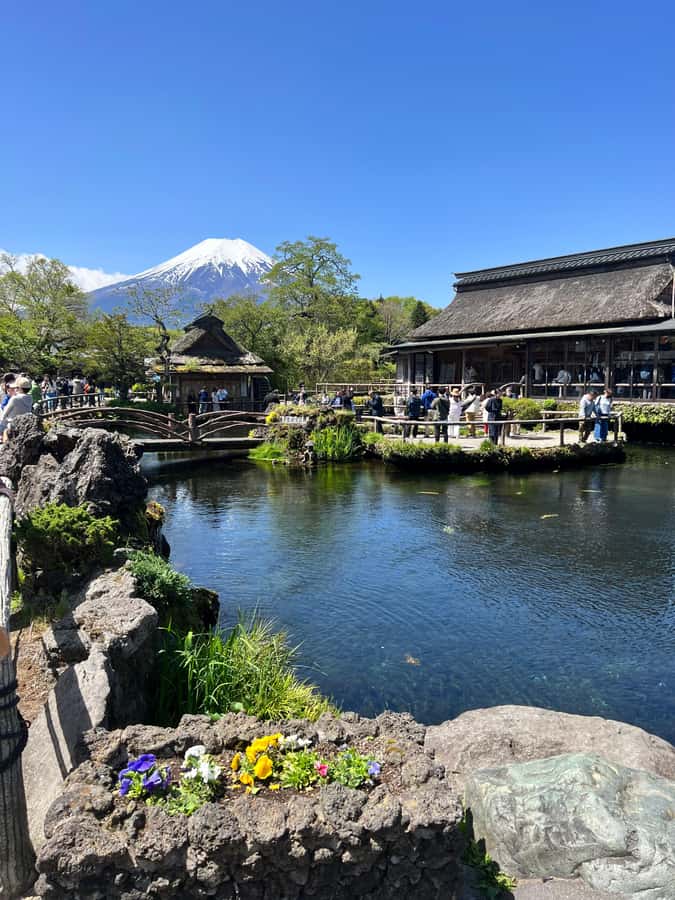
Once you shift to Hakone, the scenery changes from “Fuji views” to “volcanic and lake living.” Hakone National Park is known for hot springs, volcanic valleys, and scenic lakes. If you like variety, this is where the day earns its keep.
A key stop here is Owakudani Valley, known for sulfur activity and volcanic atmosphere. It is often paired with Hakone Ropeway options for panoramic views over the surrounding area and toward Lake Ashi. The Ropeway is optional on this tour, and the cable car entry is not included in the base price, so you should budget extra if you want that view from up high.
Food shows up naturally in this area too. People commonly mention trying the famous black eggs at the sulfur zone, which fits the theme of the volcanic setting. Even if you do not eat everything, it helps to know why the area looks the way it does, and good guides will explain the geography and how the volcanic activity shapes what you see.
Because this is still a 10-hour-style day, you may not have time for everything, but the Hakone side usually gives you at least one “wow” moment that feels totally different from the lakes and shrines around Fuji.
Hakone Open Air Museum and Strollable Art With Fuji in the Backdrop
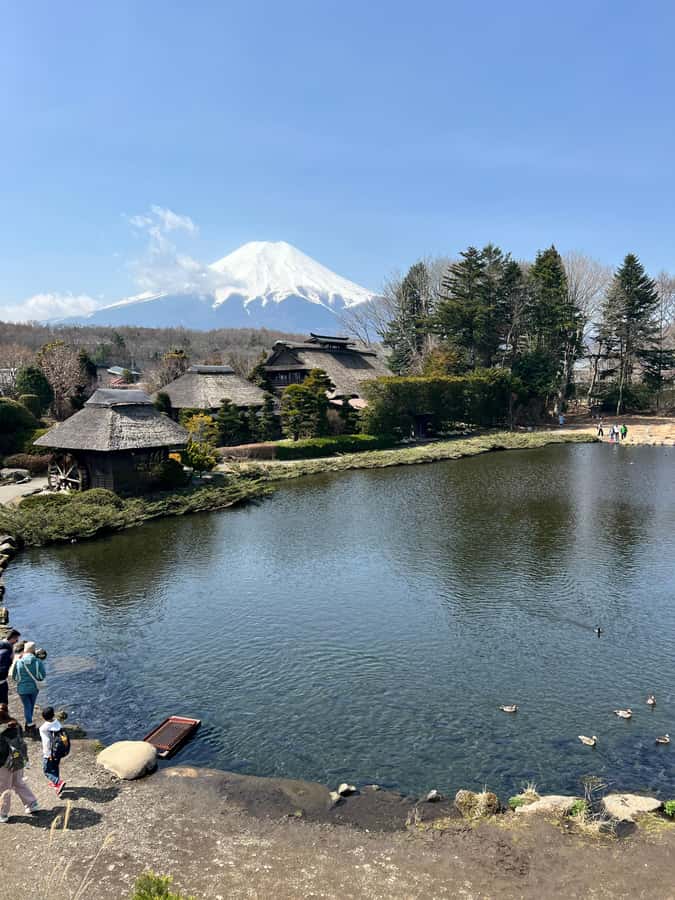
One of the most praised parts of this experience is the stop at the Hakone Open Air Museum. It is not just “something to see,” it is an easy way to reset your pace during a full day of viewpoints.
What you get here is art placed in outdoor settings, plus the chance to stroll through gentle hills. That matters because it is less exhausting than a high-energy walking day, but still feels like a proper cultural stop, not a rushed roadside photo stop.
The museum entry ticket is not included, so you will want cash or a card ready depending on what the museum accepts. Also, plan your timing. If you are trying to connect multiple optional activities, the museum is a good “middle” activity where you can slow down without losing the day’s momentum.
In the hands of a strong guide, you also get practical help like where to spend your time inside so you do not waste energy walking in circles.
Lake Ashi Pirate Cruise Optional, Plus Ropeway Optional Views
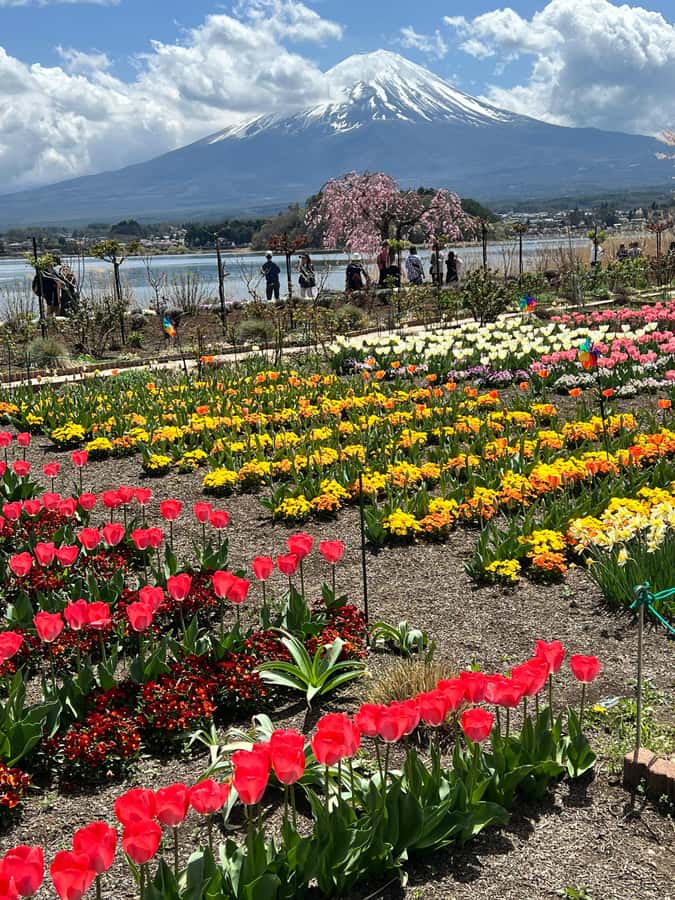
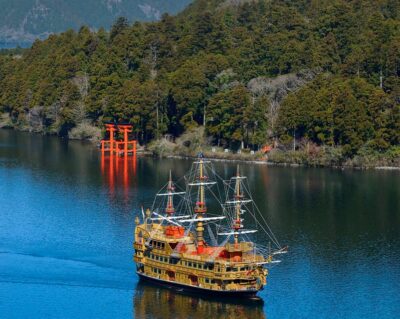
Lake Ashi is one of Hakone’s signature settings. It sits in a volcanic region, so the water and mountains together look dramatic in motion. If you choose the Lake Ashi Pirate Cruise, you get time on the water with views of Mount Fuji in the background when the weather aligns.
The cruise is optional here, and the boat ticket is not included. The key value is time on a lake with fewer “fast stop” moments. Even on days when Fuji is not fully visible, the lake scenery still feels distinct from the Fuji Five Lakes area.
Many days also pair this with Hakone Ropeway options to access higher views. Again, Ropeway and cable car tickets are optional and not included in the base price. If you want the classic “from above you can see the whole bowl of the lake” perspective, add this.
Your guide’s weather strategy makes a difference. Several guides are reported to adjust the order of stops based on how the clouds move, and that kind of flexibility often decides whether you get a clear Fuji moment at least once.
Price and Logistics: What You Pay in the Real World
Let’s talk money in a practical way, because the base price is only part of the picture.
- Base price: $438 per group up to 5, for hotel pickup and drop-off, air-conditioned vehicle, a driver/guide, parking fees, and a water bottle.
- Not included: lunch, Mount Fuji entrance fee, plus boat tour, cable car, and museum entry tickets.
- Mount Fuji entrance fee: listed as 2,100 yen per group.
- Pickup outside Tokyo’s 23 wards: an added 5,000 yen, paid in cash to the driver on the tour day. Inside Tokyo’s 23 wards, no extra pickup fee is charged.
- Bring cash: also mentioned as a must.
On top of that, remember the seasonal Fuji Subaru line rule during 1 July to 30 September. If you travel in that window and you want 5th Station, you will likely add 2,500 yen per person for the shuttle.
My advice: if you want a smooth day, arrive ready with a small wallet of yen for entrance fees, optional transport, and snack buys. You will save time and stress.
Guides Who Actually Improve Your Day, Not Just Drive It
The biggest consistent strength across the experience is the human factor. Guides like Hadi, Ali, Nomi, Sam, and David show up again and again in positive feedback, and the patterns are useful.
First, they handle the day with a mix of structure and flexibility. If clouds roll in early, some guides route you to better viewing areas later, rather than forcing you to stand and wait. That is exactly what you want with Fuji, because visibility is a moving target.
Second, they are good at personalization. Some people specifically request stops like Hakone Ropeway, Owakudani hot springs, and Lake Ashi boat riding, and the guides work to fit them in with enough time at each stop. That ability to adjust is part of the value of the private format.
Third, they help with practical details like timing to miss the worst queues and even taking photos for families and groups. If you care about getting clean shots without constantly asking strangers to hold your phone, a guide who offers that support is genuinely worth it.
If you travel with kids, the private van format can be a comfort win. People also note that guides keep the pace manageable while still hitting the main sights, which helps when you want a memorable day without turning it into a marathon.
Who Should Book This Fuji and Hakone Day Trip
This tour fits best if you want a guided day that covers both Mount Fuji viewpoints and Hakone’s volcanic-lake area without switching trains and buses on your own.
You will likely enjoy it if:
- You want to see Mt Fuji and Hakone in one day and you prefer not to manage multiple transfers.
- Your group size is up to 5, so the pricing makes sense.
- You value guides who can adjust for weather and crowd timing.
- You want a mix of viewpoints, shrines, and a calmer village stop at Oshino Hakkai.
You might want to think twice if:
- You are traveling with someone who might struggle with walking time. The day includes several strolls and viewpoint areas.
- You want absolutely everything every time. The day is not set up for a maximum checklist, and not every optional activity can be done, especially with weather and crowds.
Should You Book This Private Fuji and Hakone Day Trip?
If you want the best shot at a smooth, high-value day, I would book it, especially for groups of 3 to 5. The math works better when you split the group price, and the private format clearly supports flexible routing, strong guidance, and manageable pacing.
Do it if you are open to spending yen on optional add-ons like the museum ticket, ropeway, and Lake Ashi cruise. And if you travel in the 1 July to 30 September window, plan for the Fuji Subaru line shuttle rule so you do not get surprised.
If you are the type who wants Fuji views no matter what and cannot handle cloudy weather rerouting, you may still enjoy the day, but you should go in with a flexible mindset. This tour’s real strength is not forcing perfection, it is making sure the day stays rewarding even when the sky changes.
FAQ
What is included in the price?
The tour includes hotel pickup and drop-off, transportation by an air-conditioned vehicle, a driver/guide, parking fees, and a water bottle.
What is not included?
Lunch, Mt Fuji entrance fee, plus tickets for the boat tour, cable car, and museum entry are not included.
How much is the Mt Fuji entrance fee?
The Mt Fuji entrance fee is listed as 2,100 yen per group.
Is there an extra pickup fee?
Yes. If pickup is outside Tokyo’s 23 wards, there is an additional 5,000 yen fee paid in cash to the driver on the tour day. No extra fee is charged within Tokyo 23 Wards.
During summer, can the tour use private vehicles to reach Subaru 5th Station?
During 1 July to 30 September, private vehicles are not allowed to enter Fuji Subaru line to reach the 5th station. You can go via shuttle bus with an extra charge of 2,500 yen per person.
What languages do guides speak?
The tour notes languages as English, Hindi, and Japanese.
Do I need to bring cash?
Yes. Cash is specifically recommended, and it is also required for the Mt Fuji entrance fee and any optional activities, plus the pickup fee outside Tokyo 23 Wards if applicable.
Latest write-ups near Tokyo
- From Tokyo: Top 5 Scenic Spots of Mount Fuji Full-Day Tour★ 4.5 · 67 reviews
- Tokyo Customized Private Tour: See Top Attractions in 1 Day★ 4.8 · 67 reviews
- Traditional Japanese Music ZAKURO SHOW in Tokyo★ 5.0 · 67 reviews
- Tokyo: Shinjuku Izakaya and Golden Gai Bar Hopping Tour (2h)★ 4.9 · 67 reviews
- Tsukiji: Unlimited Sake Tasting Experience★ 4.9 · 67 reviews
- Tokyo: Not a show- a professional sumo practice with experts★ 4.9 · 67 reviews
- Samurai Ninja Museum Asakusa: Kid-Friendly Ninja Training★ 4.7 · 67 reviews
- Private Harajuku Omotesando Architecture Walking Tour★ 5.0 · 67 reviews
Mt Fuji Tours, compared.
Mt Fuji and Hakone 1-Day Bus Tour Return by Bullet Train
Read our review →
Mt Fuji & Hakone Cruise, Drum Show Bullet Train 1 Day from Tokyo
Read our review →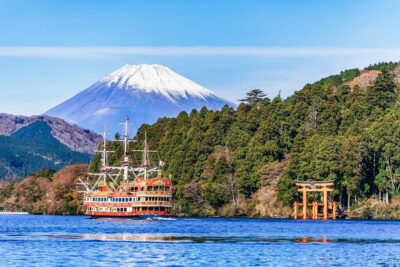
Tokyo Mt Fuji 5th St & Hakone Cruise Bus Tour w/Bullet Train
Read our review →
Mt. Fuji Tour, Hakone Ropeway, Owakudani, Lake Ashi
Read our review →
Mt.Fuji,Kawaguchiko Oishi Park,Arakurayama Sengen Park
Read our review →
Mt. Fuji 5th Station & Hakone Cruise 1-Day Bus Tour
Read our review →
Mt Fuji Top 5 Spots Day Tour: Arakurayama Park,Oshino Hakkai
Read our review →Browse the lists this tour appears in