
Reviewed · HISTORICAL TOURS
Karate History Tour in Okinawa
Karate in Okinawa is one of those topics where the details matter, because the story is carved into places, not just books. I like that this day moves past generic sightseeing and lines up karate monuments with real-world stops, then adds a Japanese lunch that keeps the day comfortable. My only caution is that it is a full chunk of time (about 5 to 7 hours), so if you want a fast hit or you hate shopping stops, you may feel it more than you would on a lighter outing.
You’ll also get face time with the people behind the tradition. Options you might see highlighted include English-speaking guides such as Yoshi, Kenny, and Carlo, and a museum visit centered on meeting Tetsuhiro Hokama, a Goju-ryu 10th dan master. If your pace goal is deep personal questions with a sensei, plan to ask a lot and listen even when you think you already know the basics.
Key Karate History Tour Takeaways in Naha
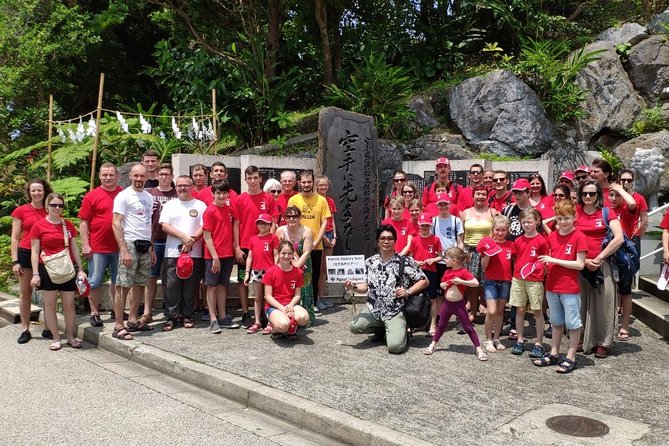
- Matsuyama Park monument time focuses on famous figures tied directly to Okinawan karate
- Okinawa Prefecture Karate Museum includes historical goods and a meeting with Tetsuhiro Hokama, Goju-ryu 10th dan
- Okino-gu Shrine adds a spiritual layer by pairing karate history with a well-known shrine setting
- Shureido shopping stop makes it easy to pick up karate souvenirs without hunting on your own
- Private group experience means only your group participates, not a crowd mix
- Entrance fees and lunch included remove a lot of day-of decision fatigue
Karate monuments in Okinawa: why this tour feels more “real” than a museum-only day
If you care about karate history, Okinawa is the obvious place to start. The trick is not just seeing artifacts, but seeing how the story got preserved in public spaces.
This tour is built for that. You’ll move through multiple stop types in one outing, monuments first, then a museum, then shrine and shops. I like the flow because it gives you context in layers, not all at once.
One more practical win: the tour includes entrance fees to all stops. That means you can focus on learning and walking, rather than stopping to add up what costs what.
More Historical Tours in Naha:
- World Heritage Shirakawa-go and Experience Tours from Kanazawa
★ 5.0 · 4,049 reviews - Tokyo: Imperial Palace and Shogun Historical Walking Tour
★ 5.0 · 2,251 reviews - World Heritage Kyoto & Nara Uji Authentic Matcha Experience
★ 5.0 · 1,573 reviews
Matsuyama Park: Kanryo Higaonna and Chojun Miyagi in stone (15 minutes, ticket included)
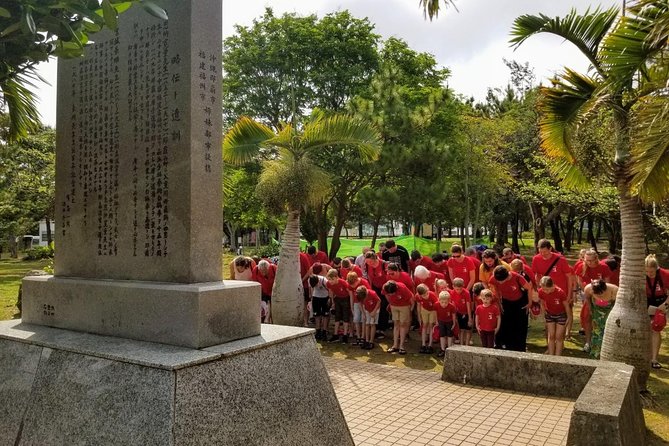
Your first stop is Matsuyama Park, with monuments connected to Kanryo Higaonna and Chojun Miyagi. Even with a short visit window (about 15 minutes), parks like this work well because you can slow down just enough to read, look, and take photos without feeling rushed across town.
Here’s what I’d do with your time. First, scan for the monument inscriptions, then step back and look at placement and surroundings. Monuments often tell you what a community decided was important enough to make permanent.
Because entrance is included, you do not waste time negotiating ticket counters. And because it is early in the day, you get your “who matters” baseline before the museum explains the wider story.
A small consideration: 15 minutes is not a long sit-down window. If you want maximum reading time, come prepared with a few names you care about so you are not trying to learn everything from scratch at the monument itself.
Okinawa Prefecture Karate Museum: meet Tetsuhiro Hokama, Goju-ryu 10th dan (about 45 minutes)
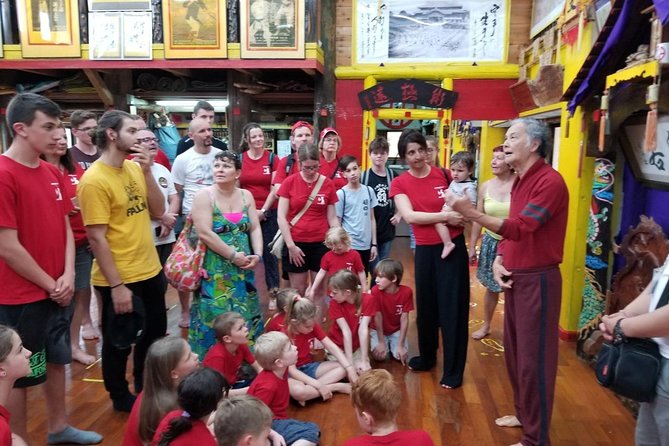
The museum is the centerpiece. It gives you more than a room of display cases, because you also meet a top-level karate master: Tetsuhiro Hokama, Goju-ryu 10th dan.
This is where you can connect names to people. You’ll have about 45 minutes here, and that is enough time to (1) look through karate historical goods, (2) get guided explanations, and (3) ask questions if your guide invites them.
I also like that the museum visit is presented as a story, not just an inventory. One highlight you may find emphasized is the interactive setup and video content that helps show karate origins more clearly. If you learn better by watching, this portion can lock the concepts in quickly.
What to do to get the most value from this segment:
- Spend the first few minutes deciding what you want to focus on (early Okinawan figures, specific lineages, or how the museum frames the origins).
- Keep your questions short and direct. If you ask one thing at a time, you tend to get better answers.
- If you are traveling with someone who is less into history, point them toward the visible goods and let your guide do the talking while you both rest your feet.
Okino-gu Shrine: Gichin Funakoshi’s monument and a respectful Okinawan setting (about 30 minutes)
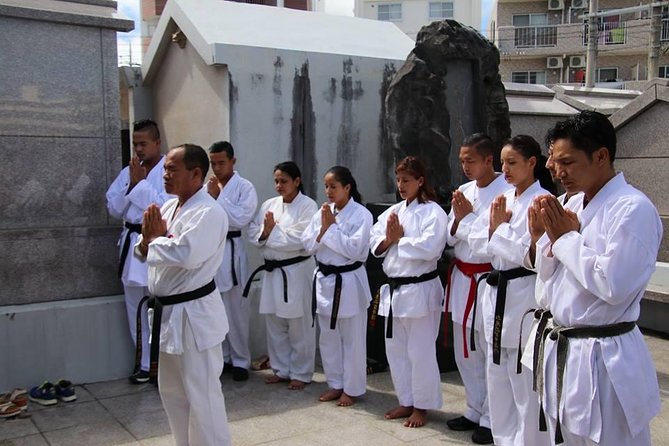
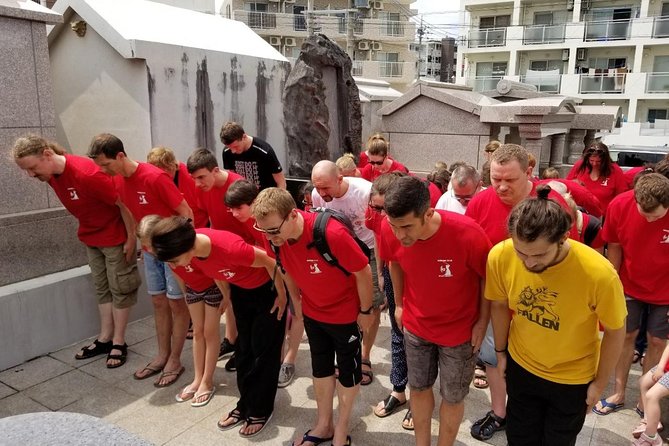
Next is Okino-gu Shrine. You’ll see a monument of Gichin Funakoshi, and you’ll spend about 30 minutes at the shrine grounds.
This stop matters because karate history is not only martial arts history. It’s also Okinawan cultural space, including the way communities honor important figures through places of worship and remembrance.
Here’s the practical way to handle it. Dress and behave in a way that fits a shrine setting, then let the guide explain any context that’s not obvious from signage alone. This is one of those moments where having a guide who can interpret what you’re looking at makes the difference between a quick photo and a real understanding.
Possible drawback: shrine visits can feel slower if your group is only interested in karate artifacts. If you know that about your travel style, lean in with one goal, like learning why Funakoshi is memorialized here, and then let the rest be atmosphere rather than a checklist.
A change of pace from Naha:
- Official Street Go-Kart Tour – Okinawa Shop
★ 5.0 · 699 reviews - Naha: North Okinawa Sightseeing Tour & Churaumi Aquarium
★ 4.4 · 472 reviews - Okinawa: From Naha: Kerama Islands 1-day snorkeling tour
★ 4.4 · 423 reviews - From Naha: Tokashiki Island Day Trip by Boat
★ 4.3 · 385 reviews
Shureido karate goods shopping: take home souvenirs without wasting half a day (about 30 minutes)
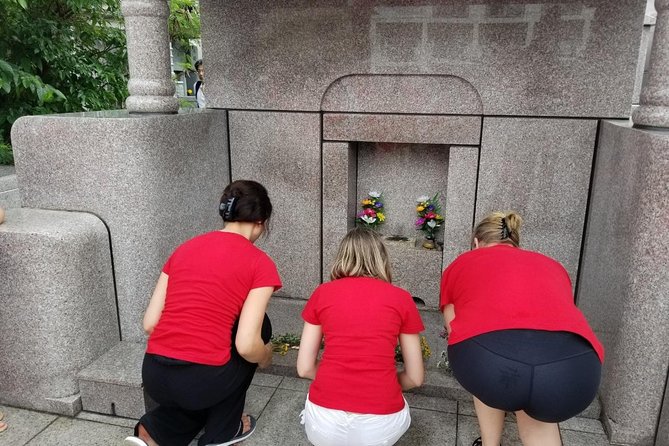
The tour ends with a shopping stop at Shureido, a karate goods shop. You’ll have about 30 minutes, which sounds brief, but it is designed for souvenir buying with guidance.
This is where the day’s theme becomes tangible. If you want a patch, book, or other karate-related item, the guide can point you to what makes sense for gifts versus personal keepsakes. You also avoid the common pain point of shopping in Okinawa, which is wandering around trying to compare prices and authenticity while your day is running out.
One small watch-out: shops always expand your options faster than your time. If you know what you want, set your budget and decide on the top one or two items you will buy before you step in. If you do not know yet, take the first 10 minutes to browse calmly, then ask questions once you see what’s actually available.
Also note that the tour includes admission to stops, and this includes the shop stop time. That helps keep the day’s money planning simple.
Lunch, pickup, and why the private-group pace works for this kind of history day
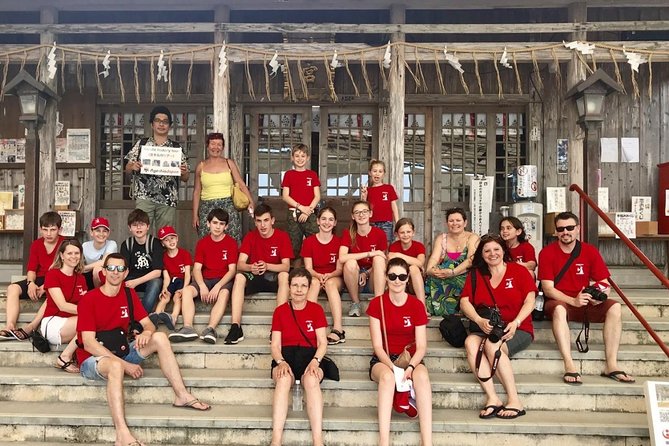
This tour includes a Japanese lunch organized by your guide. Based on what you might see in past experiences, it can include good local sushi-style options, and at minimum it should be a proper meal planned for your group, not a random grab-and-go near a bus stop.
I like that lunch is built into the plan, because karate history days can otherwise turn into a hunger chaos. When your guide handles lunch logistics, you get to keep your brain focused on the story.
Pickup is also offered, and that can be a big deal in Naha. Even if you are comfortable with public transportation, pickup tends to reduce the “where do we meet” stress that can eat into a time-sensitive day.
The duration is about 5 to 7 hours, which is long enough to feel like a real day, but short enough that you still have time for evening plans after. It is also a private tour, meaning only your group participates, not a mixed crowd tour where you spend half your time negotiating pacing with strangers.
A practical tip: bring water and wear comfortable shoes. You will be outdoors at monuments and shrine grounds, then inside at the museum and shop. The mix is the point, but your feet should be ready.
Price and value in Naha: what $125.50 buys you beyond a checklist
At $125.50 per person, this is not the cheapest thing you can do in Naha. But the value comes from how much is bundled into one guided experience.
You get:
- Entrance fees to all stops included
- A guide-organized Japanese lunch
- Multiple structured stops tied to karate history, not random sightseeing
- Pickup offered (when available)
- A private tour setup, so your time is not shared with a large group
That matters because entrance fees and lunch add up quickly on a self-guided day. More importantly, the guide turns stops into understanding. Without a guide, monuments and museum displays can become a “nice photo, next stop” routine. With a guide, you get the names, connections, and what to notice at each place.
So I’d think of this as paying for time, interpretation, and reduced friction. If you love karate history or you know you will want help understanding Okinawa-specific references, the cost starts to feel reasonable. If you only want casual browsing or you are traveling on a tight budget, you may decide to pick only a museum day on your own instead.
Weather and scheduling: keeping a 5 to 7 hour plan flexible in Okinawa
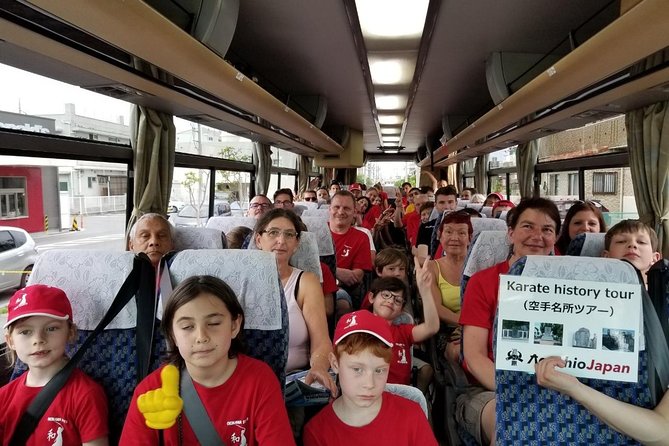
This experience requires good weather. If it is canceled due to poor weather, you should be offered a different date or a full refund.
That’s a normal Okinawa reality, and it’s worth planning your day around it. If your schedule is tight, you may want to book this earlier in your trip window so you have room to swap dates.
One more scheduling factor: the tour requires a minimum number of travelers. If that minimum is not met, you will be offered a different experience or full refund. This is common for smaller private tours, and it usually just means you should confirm early and keep an open evening plan in case you need to reshuffle.
Who should book this karate history tour in Naha?
You’ll probably love this tour if you:
- Are a karate fan who wants Okinawa-specific context
- Want a guided, story-driven museum visit plus real monuments and shrine stops
- Prefer a private group setting where you can ask questions without competing for time
- Enjoy buying souvenirs at the end of the day, guided toward karate goods
You might skip it if you:
- Want hands-on training instruction, because the focus here is history, sites, and museum learning
- Dislike structured shopping stops, even if the shop time is only about 30 minutes
- Are looking for a very short, low-walking outing
If you are traveling with mixed interests, the plan can still work. Karate-history stops pair well with anyone curious about Japanese culture, and the museum plus shrine setting give you enough variety to keep most people engaged.
Should you book the Karate History Tour in Okinawa?
Yes, you should book it if karate history is your main reason for being in Okinawa and you want a guided day that actually connects names to places. The strongest pull is the combination of monuments, the karate museum meeting with Tetsuhiro Hokama (Goju-ryu 10th dan), and the fact that entrance fees and lunch are included.
I’d book with confidence if you like structured itineraries that save you time and translation effort. It is also a good fit if you appreciate English-speaking guidance and a private-group pace.
But if your ideal Okinawa day is mostly beach time, slow neighborhood wandering, or pure museum browsing, you might pick a more flexible option and save this for a trip where you have room for a full 5 to 7 hour theme day.
FAQ
How long is the Karate History Tour in Okinawa?
The tour lasts about 5 to 7 hours.
What is included in the price?
Entrance fees to all stops are included, and the tour also includes a Japanese lunch organized by your guide.
Is pickup included?
Pickup is offered.
Do I need a ticket on my phone?
Yes, the tour uses a mobile ticket.
Is this a private tour?
Yes. It is a private tour or activity, and only your group will participate.
What is the cancellation policy?
You can cancel for free up to 24 hours in advance for a full refund.
Latest write-ups near Naha
- Okinawa: Naha: 1 day Kerama Islands diving‣ license required★ 3.9 · 20 reviews
- Gorilla Kart Tour-Plenty of Time Slots|Many Great Views★ 3.9 · 20 reviews
- E-Bike Nature Tour in Shuri★ 5.0 · 25 reviews
- Kintsugi Experience in Naha, Okinawa – Art from Broken Pieces!★ 5.0 · 28 reviews
- Naha: Full-Day Introductory diving & Snorkeling in the Kerama Islands, Okinawa★ 4.5 · 28 reviews
- Okinawa Hip-Hop Bus C Course Tour to Northern Island★ 4.0 · 29 reviews
- Zodiac Shrines and Naha Backstreets Cycling Tour★ 5.0 · 29 reviews
- Sushi Making Experience Class in Naha Makishi Public Market★ 5.0 · 35 reviews
Historical Tours, compared.

World Heritage Shirakawa-go and Experience Tours from Kanazawa
Read our review →
Imperial Palace and Shogun Historical Walking Tour
Read our review →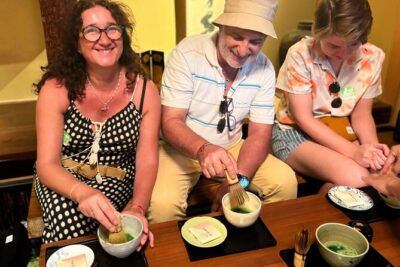
World Heritage Kyoto & Nara Uji Authentic Matcha Experience
Read our review →
Kyoto Gion: 2-Hour Geisha Culture & History Walking Tour
Read our review →
World Heritage Shirakawa-go Morning Guided Tour
Read our review →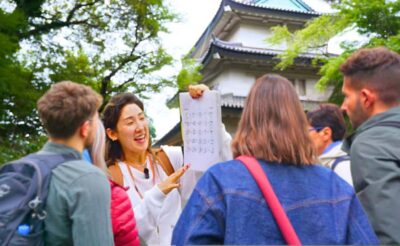
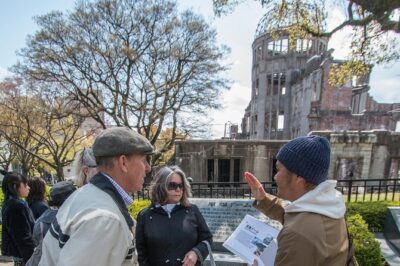
Hiroshima Peace (Heiwa) Walking Tour at World Heritage Sites
Read our review →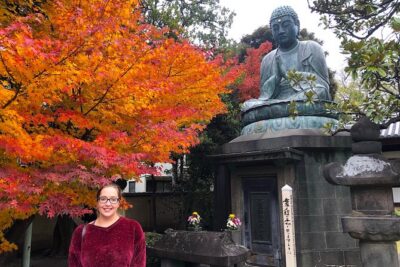
Yanaka Walking Tour: Historic and Traditional District of Tokyo
Read our review →Browse the lists this tour appears in