

Reviewed · HISTORICAL TOURS
Tokyo: Imperial Palace and Shogun Historical Walking Tour
Tokyo’s Imperial Palace grounds are interesting for one simple reason: it is a living place built on layers of power, from the shogun era to the imperial family. I like that this tour keeps the focus on what you are looking at in real time, like stone gates and the Edo Castle ruins. One drawback to plan for, the visit is a walking tour, so you need comfortable shoes and a little patience for crowds and some gentle slopes.
I also like the guide-led format, because you do not have to do homework to enjoy the East Gardens. The group stays small, up to 15 people, so you can ask questions instead of shouting over a big bus crowd. If you are very schedule-tight, build in extra time to arrive at the meeting point, because being late can cut into what you get to see.
Key Points I’d Prioritize
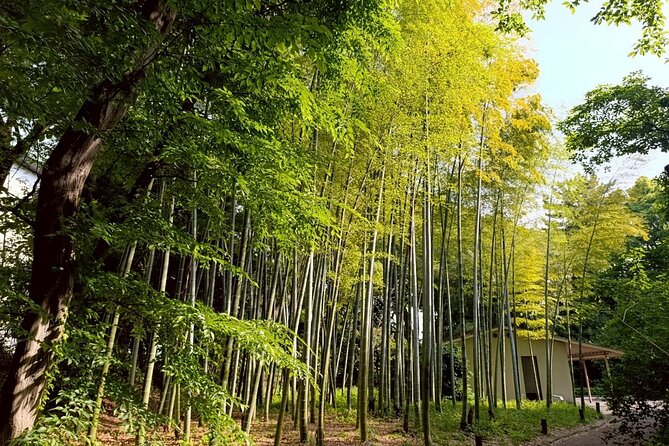
- Imperial Palace East Gardens with Edo Castle context, so you understand what you are standing on
- Stone gates and wall remnants, plus the chance to picture the old keep’s foundation
- Ninomaru Garden, known for quiet ponds and seasonal flower color
- Small group size (max 15), which makes questions and back-and-forth feel natural
- Guide commentary instead of solo wandering, especially helpful if you want the imperial and shogun story in plain language
- Meet at Starbucks near Kokyo Gaien, an easy landmark and a practical spot to start
Imperial Palace East Gardens: Stone Gates, Garden Calm, and Edo Castle Foundations
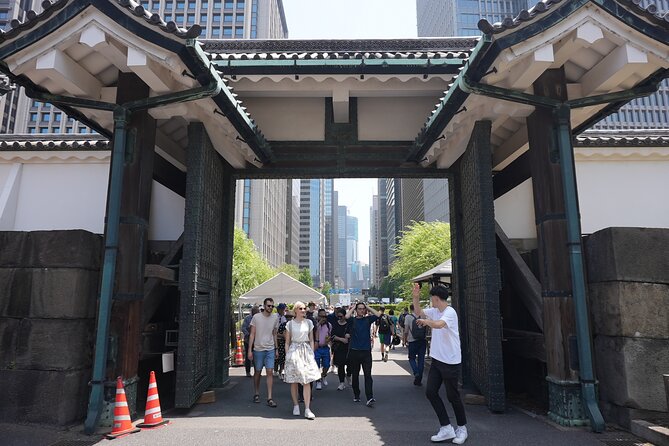
Your tour starts in the Kokyo Gaien area and moves into the Imperial Palace East Gardens, where the setting is part history lesson, part reset button. One moment you are walking past dramatic stone gates. The next, you are stepping into a greener, quieter world where details matter more than speed.
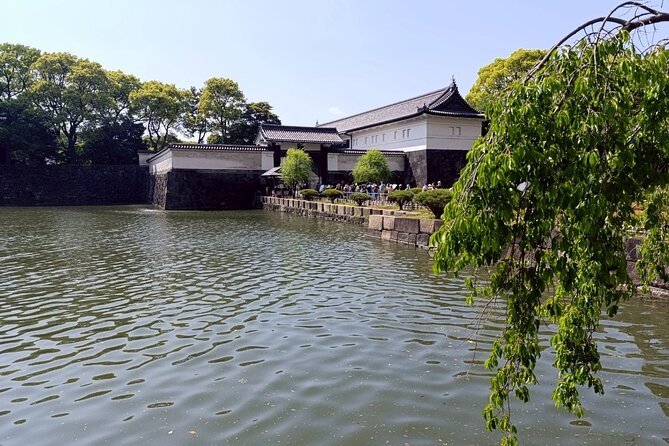
A highlight is the walk past remnants of towering castle walls from the Edo period. You get to see the physical leftovers, then the guide helps you connect those pieces to how the feudal era shaped the way power worked in Japan. There is something oddly satisfying about learning the story while your feet are still on the same kind of ground your guide is describing.
You will also get a chance to stand near the foundation of the once-mighty castle keep. This is the kind of stop that works best with a guide, because the ruins are meaningful, but they do not label themselves. With commentary, you can better imagine the scale and function of what was there.
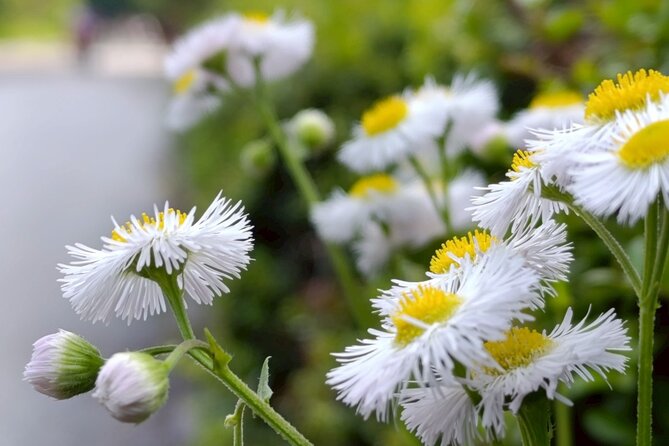
Then comes Ninomaru Garden, often described as a peaceful spot where seasonal flowers and tranquil ponds show off Edo-period design. If you care about visual details like water, symmetry, and how paths guide your sightlines, you will enjoy this part. Even if you do not know Japanese garden terms, the guide can point out what to notice.
One practical note: the grounds can be visited for free on your own, but the tour’s value is in the interpretation. When you leave, you should feel like the place finally made sense, not just that you walked through pretty scenery.
More Historical Tours in Tokyo
- Tokyo: Imperial Palace Japanese History Walking Tour
★ 4.9 · 987 reviews - Tokyo: Shinjuku Historical Walking Tour & Secret Backstreets
★ 5.0 · 530 reviews - Yanaka Walking Tour: Historic and Traditional District of Tokyo
★ 5.0 · 530 reviews
Reading the Samurai to Shogun Story in Edo Castle Ruins
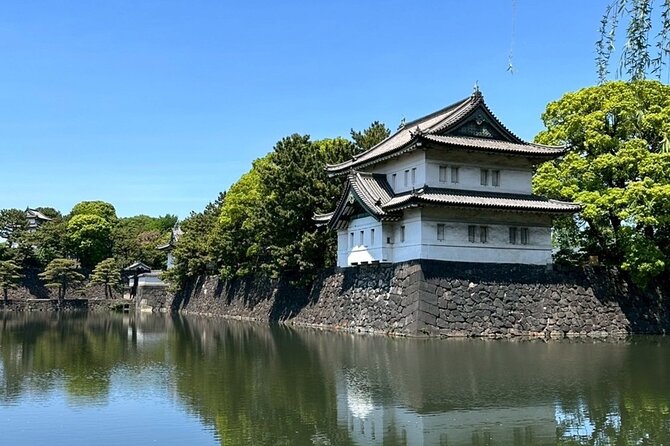
Tokyo’s royal history can sound abstract until you see it in place. This tour is built to translate the big ideas into something you can picture: the shoguns, the imperial family, and the former grounds of Edo Castle.
As you move through the East Gardens, the guide weaves the timeline together in a way that helps you understand why these grounds mattered. The Edo period was a long era shaped by feudal lords and a central power system, and those dynamics are part of what the guide talks about. You are not just getting dates. You are getting the logic behind how authority was displayed, protected, and maintained.
I like that the stop structure keeps the story anchored to visible features. You are not stuck listening to a lecture with the occasional glance at a gate. Instead, you learn while you are walking past walls, stones, and garden layouts that were designed to impress and to endure.
A lot of guides have been praised for adding human touches too. Names that show up in the guide feedback include Miguel, Tony, Jim, Blake, Aya, John, Izzy, Dylan, and Lasse. The common thread is how they connect the palace and Edo Castle ruins to both older eras and how modern Tokyo functions today. That can make your visit feel less like history you forgot and more like a story you actually follow.
Your Guide and Small Group Pace, Up to 15 People
This tour is designed around the idea that you learn better with a person leading the conversation. With a maximum of 15 travelers, the group stays intimate, and that changes the whole tone. You can ask a question without worrying someone will miss the next point. You can also get explanations adjusted to your level, whether you are starting from zero or you have already been reading guidebooks.
Guide interaction is also where the tour often shines. Multiple guide comments highlight strong engagement and clear storytelling, and specific praise mentions guides like Jim for making it fun while staying informative, and Miguel for being friendly and patient. People also mention guides like Blake and Tony for being engaging and full of context that makes the palace feel meaningful instead of distant.
Still, there are two fair cautions to keep in mind. First, the quality of the tour can depend on the guide assigned, because historical depth and pacing can vary. Second, if you personally prefer fast facts and shorter stops, you might find one guide’s pace a bit long. In one feedback example, a guest said the guide repeated points and over-explained. That does not mean your guide will do the same, but it is useful to know your preferences can matter.
My advice: if you feel like the tour is slowing down for you, ask a question early. A good guide will usually steer the explanation toward what you care about.
Where Buses Can’t Reach: The Walk Itself
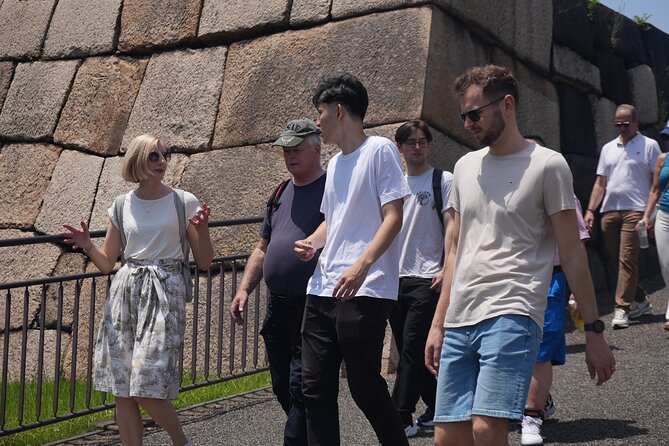
This is not a sit-and-scroll kind of experience. It is a walking route that aims to take you to parts of the Imperial Palace East Gardens that bus tours cannot easily manage. That has a direct benefit: you experience the grounds with more control over your pace and your viewing angles.
You should also plan for real walking time. The tour is listed at about 2 hours, and one main section is described as 1 hour 30 minutes for the East Gardens portion. Expect a steady, guided stroll rather than a quick photo stop marathon.
The good part is that walking helps you notice things you would miss if you only arrived, snapped photos, and left. You see how stone gates frame views, how garden paths pull your attention, and how the scale changes as you approach the ruins.
The practical part is footwear. One piece of feedback specifically warned about some slopes, so choose shoes you trust on uneven garden surfaces and day-to-day city sidewalks.
More Walking Tours in Tokyo
- Tokyo Tsukiji Fish Market Food and Culture Walking Tour
★ 5.0 · 3,184 reviews - Tokyo: Shinjuku Local Bar and Izakaya Guided Walking Tour
★ 4.9 · 1,794 reviews - Tokyo: Tsukiji Fish Market Food and Walking tour
★ 5.0 · 1,724 reviews - Tokyo: Asakusa Walking Tour with Sensoji Temple Visit
★ 4.8 · 1,583 reviews
Meeting Point at Starbucks Kokyo Gaien: Timing and Getting There
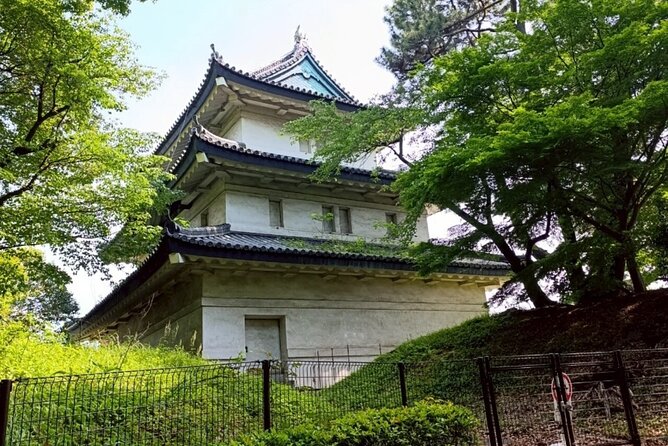
The meeting point is a real-world landmark: Starbucks Coffee – Kokyo Gaien Wadakura Fountain Park, at 3-1 Kōkyogaien, Chiyoda City, Tokyo 100-0002, Japan. The tour ends back at the meeting point.
This matters because the palace area can be easy to navigate wrong, especially if you are using transit plus walking. Arriving early is your best move. There was at least one unhappy report tied to missing the tour after arriving at the scheduled meeting time, then needing to relocate. In that kind of situation, the risk is not just inconvenience. It can shrink what you get to see if you are pushed later in the day.
So do this before you go:
- Put the exact meeting address on your phone map
- Give yourself extra buffer time from your subway or train exit
- If you are navigating with a group, check where everyone is before you commit to a direction
The tour is described as near public transportation, so you should be able to reach it without a taxi. Still, walking in Tokyo often adds minutes fast, so do not treat the schedule like a suggestion.
Tickets and Mobile Entry: What’s Included and What You Still Control
The tour includes an admission ticket, and you receive a mobile ticket. That takes one admin step off your plate, especially when you are already dealing with transit and finding the meeting spot.
Another small detail I appreciate: confirmation comes at booking time. You know you are in, and you do not have to scramble to figure out last-minute paper steps.
What you control is your experience style. If you like stopping to ask questions, this format supports that. If you like taking photos, you will get chances in the garden and at key ruin points. If you want quiet time, Ninomaru Garden is where you can slow down a bit, even while listening.
Just remember the tour is a guided loop, not an open-ended wander. If you want hours of solo exploring, you may still want to plan independent time around the tour.
Price and Value at $22 for a Guided Palace Walk
At $22 per person, the price is actually pretty reasonable for what you get: a guided walk through East Gardens plus an included admission ticket, delivered in a small group. The biggest value is not access. It is interpretation.
Since the palace gardens are often possible to visit on your own, you are paying mainly for:
- A guide translating the shogun and imperial story into what you can physically see
- A route that takes you through the most meaningful portions without you guessing
- The ability to ask questions instead of reading signs you may not understand quickly
If you are a first-time visitor, $22 can feel like a smart way to speed up your understanding of Tokyo’s power history. If you already have deep Japan knowledge and love self-guided museum-style learning, you might question paying for a guide. But for most people who want context without studying beforehand, the cost-to-benefit ratio tends to make sense.
Also, a small group keeps your per-person value higher. In a big crowd, even the best guide can feel distant. Here, you stand a better chance of getting your personal questions answered.
Potential Snags: Pace, Communication, and Expectations
I never like pretending travel is perfectly smooth, so here are the real watch-outs supported by the experience data you were given.
Communication and meeting time
One negative account involved the tour leaving without the guest, despite attempts to communicate, and then a last-minute change to a new meeting location. The guest said the palace closed before they could see all the sites. That is a reminder to show up on time, verify the meeting spot, and avoid last-second confusion.
Pacing and how much history you want
Some feedback praised guides for lots of history and fun facts. One feedback also said the guide repeated points and explained too much, with long stops that were easier to lose interest in. If you like shorter, punchier storytelling, you can still do well, just be ready to steer your questions.
Guide-to-guide variation
There are hints that different guides may bring different strengths. Some reviews call out deep context and engaging delivery. Others point out historical knowledge gaps for a specific guide. That is not something you can predict when booking, but it helps to go with the mindset that you will learn best if you ask questions and stay involved.
Who This Tour Suits Best (and Who Might Prefer Solo Time)
This tour fits you if you want:
- A guided walk through Imperial Palace East Gardens rather than just photos
- The shogun era and imperial family story explained in plain language
- A small group experience where you can ask questions
- A balance of history and calm garden space, especially if you like slowing down instead of sprinting between landmarks
You might want to skip it or add extra self-guided time if:
- You strongly dislike walking or slopes
- You only want a quick sightseeing pass and are comfortable reading background on your own
- You are already very confident about Edo-period and imperial history and you mostly want time to wander
Should You Book the Imperial Palace and Shogun Historical Walking Tour?
I think you should book this tour if you want the Imperial Palace grounds to feel understandable, not just scenic. The guide-led format plus the small group size is the real payoff, and the included admission ticket turns the $22 cost into a practical deal.
I would also book it if you are early in your Tokyo trip and you like building context. Several guides are praised for connecting the palace story to broader Tokyo, which can help your other sightseeing click faster.
Book it with one expectation set: you are going to walk for about two hours, there can be some slopes, and your best outcome starts with arriving at the meeting point on time.
FAQ
How long is the Imperial Palace and Shogun Historical Walking Tour?
It runs for about 2 hours (approximately).
What does the tour cost?
The price is $22.00 per person.
Is the admission ticket included?
Yes. An admission ticket is included for the East Gardens portion.
Where do I meet the tour?
You meet at Starbucks Coffee – Kokyo Gaien Wadakura Fountain Park, 3-1 Kōkyogaien, Chiyoda City, Tokyo 100-0002, Japan.
How large is the group?
The tour has a maximum of 15 travelers.
Is free cancellation available?
Yes. You can cancel up to 24 hours in advance for a full refund.
Latest write-ups near Tokyo
- From Tokyo: Top 5 Scenic Spots of Mount Fuji Full-Day Tour★ 4.5 · 67 reviews
- Tokyo Customized Private Tour: See Top Attractions in 1 Day★ 4.8 · 67 reviews
- Traditional Japanese Music ZAKURO SHOW in Tokyo★ 5.0 · 67 reviews
- Tokyo: Shinjuku Izakaya and Golden Gai Bar Hopping Tour (2h)★ 4.9 · 67 reviews
- Tsukiji: Unlimited Sake Tasting Experience★ 4.9 · 67 reviews
- Tokyo: Not a show- a professional sumo practice with experts★ 4.9 · 67 reviews
- Samurai Ninja Museum Asakusa: Kid-Friendly Ninja Training★ 4.7 · 67 reviews
- Private Harajuku Omotesando Architecture Walking Tour★ 5.0 · 67 reviews
Historical Tours, compared.
World Heritage Shirakawa-go and Experience Tours from Kanazawa
Read our review →
World Heritage Kyoto & Nara Uji Authentic Matcha Experience
Read our review →
Kyoto Gion: 2-Hour Geisha Culture & History Walking Tour
Read our review →
World Heritage Shirakawa-go Morning Guided Tour
Read our review →
Hiroshima Peace (Heiwa) Walking Tour at World Heritage Sites
Read our review →
Shinjuku Historical Walking Tour & Secret Backstreets
Read our review →
Yanaka Walking Tour: Historic and Traditional District of Tokyo
Read our review →Browse the lists this tour appears in