
Reviewed · HISTORICAL TOURS
Yanaka Walking Tour: Historic and Traditional District of Tokyo
Yanaka is one of the few places in Tokyo where you can still feel the city’s Edo-era rhythm without leaving the modern subway world. I love the way this tour moves from quiet temple grounds to a working local shopping street, so you get both reverence and regular daily life. I also like the small-group feel, with guides such as Keita and Charlotte who turn small details into clear, human stories. The one thing to consider is that it is a lot of walking, and the cemetery stop takes serious time.
I’ve found the strongest part here is the guidance on what you are looking at and how to act around it. Guides like Kiyo, Michiko, and Mana explain shrine versus temple, plus basic customs, so you are not just sightseeing objects. Some tours run in rain or heat, and the group keeps going, with pacing that often feels thoughtful rather than rushed.
Logistically, you start at Nippori Station (easy to reach), and you choose either a morning start or an afternoon start. Most of the core sights are free entry, but a couple of extras are optional, like a tea experience with an extra cost. Plan for that, and bring shoes you trust.
Key reasons this Yanaka walking tour works
- Small group pacing (maximum 8 travelers) with time for questions and photo stops
- Guides who explain the rules around shrines and temples, not just the facts
- A rare cemetery visit, with time to understand Yanaka’s role in Tokyo’s past
- Real neighborhood texture, including old-town streets and Yanaka Ginza snack browsing
- Optional culture add-ons in the afternoon, from an art-in-a-bathhouse setting to local museum stops
Why Yanaka Feels Like Tokyo’s Edo-Time Capsule
Yanaka is Tokyo’s old-town layer. Not the postcard version with one perfect building. This is the lived-in neighborhood side, where temples, small lanes, and shopfronts sit close together, and you can slow down enough to actually notice.
The tour is built around the area’s Edo period to Meiji-era feel, when Tokyo was shaped by a different pace of life. You get the quiet parts (temple gardens, shrine grounds) and the human parts (street shops, snack stops). That mix is what makes this more than just a sightseeing walk. It helps you understand why people kept returning to these spaces, year after year, long before skyscrapers decided to grow nearby.
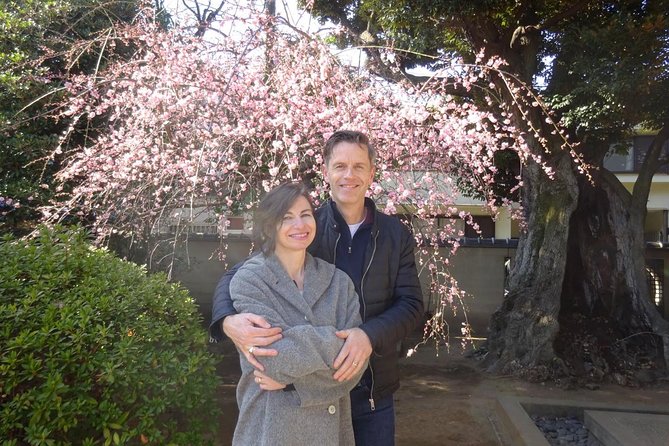
And yes, you also get nature cues that Tokyo people often remember by season, like springtime cherry blossoms mentioned in the district context, and azalea season ties for the shrine visit. If you go when those are blooming, Yanaka becomes even more photogenic, but the main win is still atmosphere and everyday continuity.
More Historical Tours in Tokyo
- Tokyo: Imperial Palace and Shogun Historical Walking Tour
★ 5.0 · 2,251 reviews - Tokyo: Imperial Palace Japanese History Walking Tour
★ 4.9 · 987 reviews - Tokyo: Shinjuku Historical Walking Tour & Secret Backstreets
★ 5.0 · 530 reviews
Meeting at Nippori Station, then settling into a 3.5-hour rhythm
You meet at Nippori Station (2 Chome-19 Nishinippori, Arakawa City). That is a practical choice, because you do not have to plan a complicated transfer just to start walking. The tour ends back at the meeting point, so you are not left hunting for your next train with a tired body and a full camera.
This is a 3 hours 30 minutes experience (approx.), and it includes a guide, all fees and taxes, and group photos. You should expect moderate walking, so wear comfortable shoes. One common theme in the experience is that the pace is friendly but consistent, meaning you will cover enough ground to feel like you actually left the rush of central Tokyo.
The start time choices matter too. You can go at 9:00 am for a calmer first half of your day, or 14:00 pm for a later slot with different optional additions. If you hate starting early, the afternoon tour can be a good fit, and if you want fewer crowds and better morning light, pick the morning.
One small planning detail: there is an option to extend the walk at 3,000 yen per group, per hour, paid in cash. That is useful if your guide is still rolling and you want to keep exploring rather than turning it off right on time.
Stop 1 in Yanaka District: streets first, history in the details
The walk begins in Yanaka District, where the goal is to give you orientation fast. You are not just looking at one landmark. You are building a mental map: where temples cluster, how lanes connect, and how the neighborhood layout supports daily life.
This is where you start learning the vocabulary of what you see. In Japanese religion and architecture, tiny differences help you understand what you are looking at. A good guide will point out these cues early so later stops make more sense. Guides you might have, such as Keita or Charlotte, often set a tone of clear explanations plus room for questions.
Another reason this first stretch matters: it helps you step out of the skyscraper mindset. Even if you already know Edo period basics, you still need a sense of how this part of Tokyo actually functions. Yanaka’s lanes teach that faster than reading a page on a history site.
Tennoji Temple (date 1274) and the garden-style way of seeing
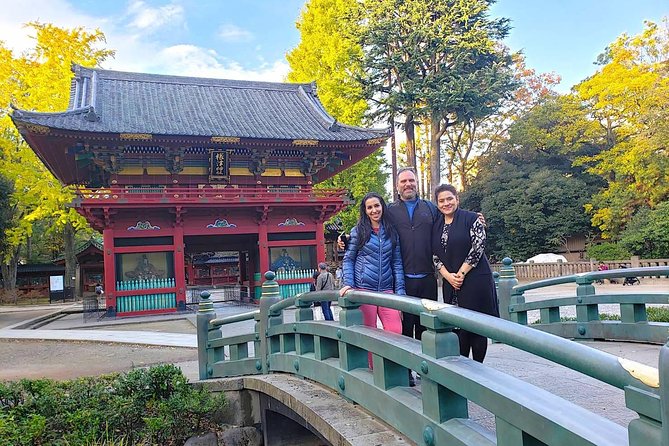
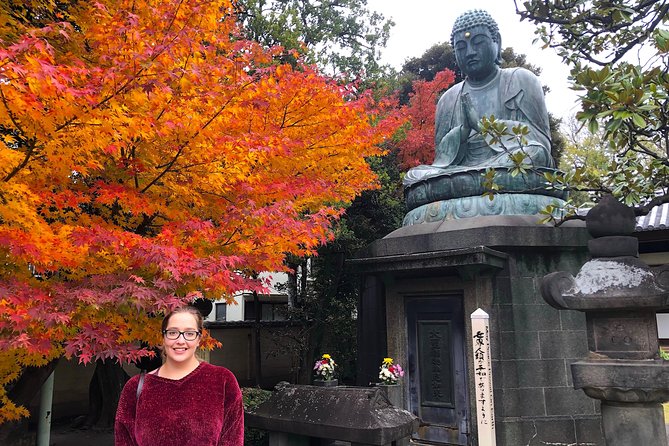
Next you visit Tennoji Temple, positioned on the edge of the Yanaka Cemetery. The big detail I like here is the age. The temple dates back to 1274, which gives you a strong anchor for the area’s long continuity.
The setting is a garden behind an old wooden gate. That means you are not just walking past, you are transitioning into a different mood. Inside the grounds you will see a bronze Buddhist statue that dates back further than most people expect from a Tokyo neighborhood that still feels modern.
What makes this stop valuable is how it bridges the living community with the cemetery next door. One space holds daily religious practice. The other reflects memory and the long-term relationship families have with the dead. When you connect these in one walk, Yanaka stops feeling like a list of places and starts feeling like one connected story.
More Walking Tours in Tokyo
- Tokyo Tsukiji Fish Market Food and Culture Walking Tour
★ 5.0 · 3,184 reviews - Tokyo: Shinjuku Local Bar and Izakaya Guided Walking Tour
★ 4.9 · 1,794 reviews - Tokyo: Tsukiji Fish Market Food and Walking tour
★ 5.0 · 1,724 reviews - Tokyo: Asakusa Walking Tour with Sensoji Temple Visit
★ 4.8 · 1,583 reviews
Yanaka Cemetery for 40 minutes: the stop people either love or plan for

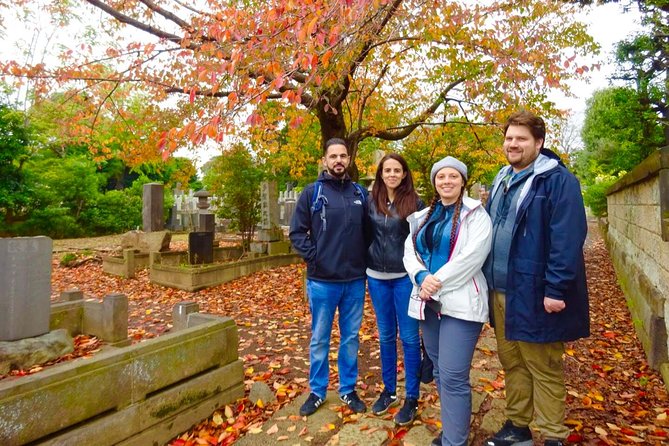
Then comes Yanaka Cemetery, and it is not a quick photo stop. You are scheduled for about 40 minutes here. The scale is huge: 100,000 square meters and over 7,000 graves.
This is one of the most defining parts of the tour because it is not a common path for first-time Tokyo sightseeing. Yet it is exactly what makes the experience more honest. Tokyo’s history is not only in palaces and museums. It also lives in the way people mark time, honor family lines, and keep ties across generations.
A practical note: because the cemetery takes real time, it can feel like a heavier start. One person felt the front end was a little long because of time spent here. So if you are the type who gets uncomfortable in solemn spaces, decide ahead of time how long you want to tolerate it. If you are open to it, this stop becomes the tour’s emotional center.
Also, keep your behavior simple. You are in a respectful space. Walk calmly. If your guide explains any photo etiquette, follow it. The payoff is seeing how the neighborhood treats memory as part of urban life, not something hidden away.
Optional Gallery Okubo tea ceremony on tatami mats
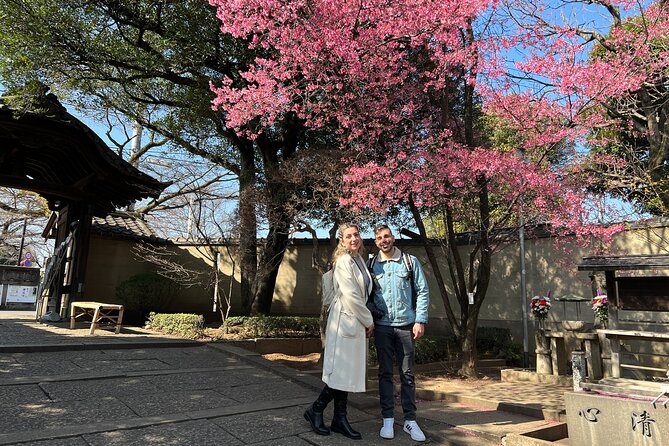
If you are on a tour that includes it, you can add a tea ceremony experience at Gallery Okubo. This one is optional and the tea itself costs 1,000 yen, not included in the tour price.
I like optional stops like this because they let you tailor the tone of the walk. If you want one structured cultural moment after temple and cemetery settings, tea on tatami mats can be a nice reset. It also gives you a chance to slow down when your legs start negotiating with your brain.
The drawback is simple: extra cost and an extra time commitment. If you prefer to keep things budget-tight or you are rushing to fit other plans, you can skip this and just keep walking.
Afternoon add-ons: SCAI The Bathhouse and Edokoro Alan West
Only on afternoon tours, the program can include a couple of extra stops that give Yanaka a modern twist without breaking the old-town mood.
One is SCAI The Bathhouse, a contemporary art gallery set inside a venerable public bath. That is a cool contrast: the outside world senses “old Tokyo,” then you step into a place where art and a former bathhouse setting share the same walls. The stop is short, around 15 minutes, and the entry here is listed as free.
Another possible afternoon stop is Edokoro Alan West. The description ties it to an older practical past, saying it was once an auto body garage and is now a studio. Even if you are not an art person, these kinds of stops are useful because they show how Tokyo reuses spaces instead of wiping the slate clean.
These additions can be great if you like texture. If your priority is strictly classical temple and shrine scenery, you might prefer to skip the optional add-ons on days when you want fewer stops.
Shitamachi Customs Museum: down-town life you can actually picture
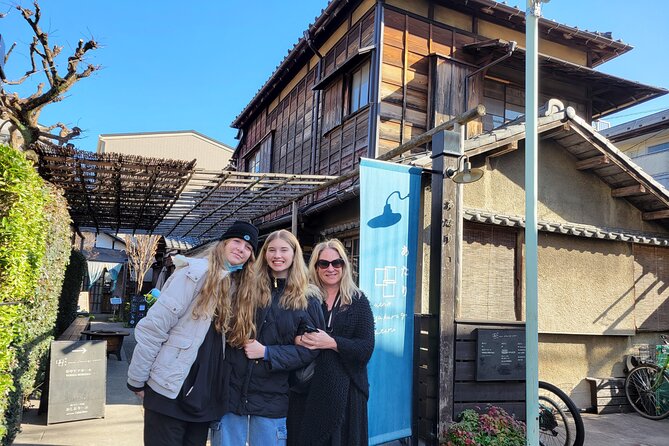
On some tours, there is an optional stop at the Shitamachi Customs Museum & Exhibit Hall. This museum focuses on the Shitamachi, meaning downtown style life.
The most practical thing to know is what you see. The museum was established to teach future generations, and many of the objects shown are things that were actually used in daily life. That makes it more than a display of generic artifacts. It helps you translate what you noticed on the street into something more concrete.
The museum stop is about 20 minutes and listed as free admission. Because it is optional, you can decide based on your energy level. If your feet are tired, you can keep the day lighter. If you enjoy hands-on context, this is one of the best add-ons.
A very old shrine visit: trees, azalea, ponds, and painted wooden structures
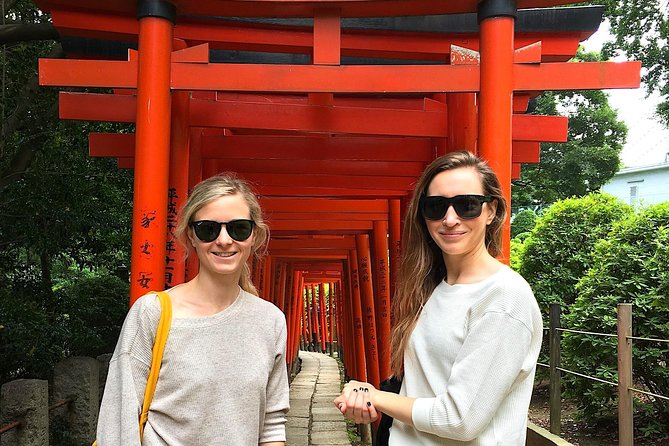
Later in the walk, you visit a very old shrine in the Yanaka area. The description emphasizes huge trees, flowering azalea (tsutsuji), ponds, pathways, and colorful wooden structures.
This is where the visual payoff often lands for people. Shrines like this do not just look pretty. They also show how Japanese sacred spaces balance nature and built form. When your guide explains the difference between shrine and temple, you start noticing details you would otherwise gloss over.
A shrine stop also works well after the cemetery. Together, they give you two sides of a life-long relationship, one aimed at worship and seasonal renewal, the other tied to memory and continuity.
Yanaka Ginza Shopping Street for snacks and local browsing
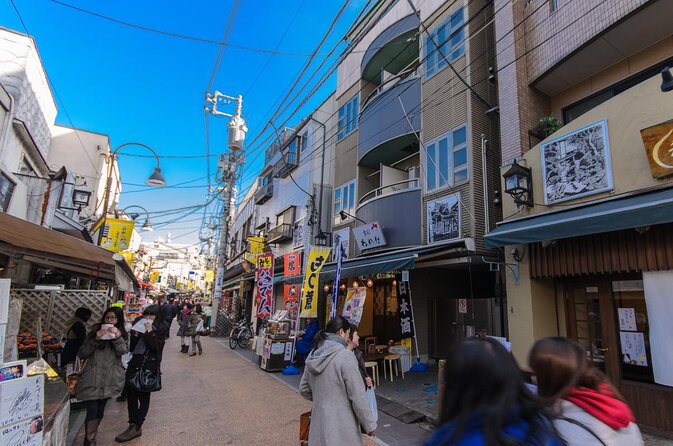
The tour ends (before the final return) with time on Yanaka Ginza Shopping Street. This is a well-preserved old-town shopping area with a strong Shitamachi feel. You get about 30 minutes to wander, browse, and eat local snacks.
I like this part because it feels like Tokyo after the sightseeing stage. Temples and cemetery give you context. The shopping street gives you flavor. If you are traveling with someone, this is also the easiest place to split briefly for a snack and then reunite without stress.
Admission is free, and you can pick up small treats instead of building an expensive lunch plan. If you care about trying one new thing, this is where it makes sense.
The guide is the real product: how names like Charlotte and Kiyo change the walk
This tour works because of the guiding. In the experiences I’ve seen from this kind of tour style, guides often do three things well: explain what matters, answer questions without rushing you, and help you look at small details like they are important.
You might walk with guides such as Keita, Charlotte, Kiyo, Michiko, Kaori, Mana, Ken, Miho, Masa, Sue, Satsuki, or Muchan. The pattern in the stories is consistent. Guides keep things friendly, adjust pace, and stay focused on safety and comfort, even when it rains or the heat is intense.
A few practical examples of why that matters:
- Guides help you understand shrine rules and temple customs, which means you do not accidentally act in a way that feels wrong in sacred spaces.
- Guides often answer a lot of questions, including cultural habits and how the history connects to what you see today.
- Some guides take photos of the group so you do not need to run your own camera marathon.
One more detail I think you will appreciate: the tours often feel personal, even though they are not private. That is a big reason small-group size matters here.
What to bring, especially in rain or hot humid Tokyo
Because Yanaka is a walking tour with multiple outdoor stops, your comfort gear matters.
Bring:
- Comfortable walking shoes (you will be moving for hours)
- A small umbrella if weather is unpredictable
- Water, especially if you are going on a warm day
- If you plan to walk in warmer months, consider bug spray and a cooling spray, since the heat and insects can be real
Also, think about your camera habits. Cemeteries and shrine areas often benefit from slow looking rather than constant shooting. Your guide will help you know when photos make sense.
Season can change the feel too. The tour context mentions springtime cherry blossoms, and the shrine description emphasizes azalea. If you time your trip for blooming seasons, you can add extra beauty without changing the basic route.
Price and value: what $72.96 buys you, and what it does not
The price is $72.96 per person for this 3.5-hour guided walk. For that money, you get an English-speaking guide, all fees and taxes, and photos of tour participants. Most entrance fees are free at key stops like the temple and cemetery.
That is the value logic. You are paying for interpretation, pacing, and access to how locals understand these places, not for pricey admission tickets. On top of that, the group is small enough that a guide can actually manage attention and questions.
What is not included is also important:
- Food and drinks (you will likely want snacks during Yanaka Ginza)
- Optional extras like the tea ceremony at Gallery Okubo, which costs 1,000 yen and is not included
- Hotel pickup and drop-off (you meet at Nippori Station)
If your goal is a calm, structured orientation to a non-central Tokyo neighborhood, the price feels fair. If you are expecting a mostly indoor museum-heavy program with minimal walking, you might feel differently.
Who should book this Yanaka walking tour
This tour fits you if:
- You want a calmer side of Tokyo, away from the busiest core areas
- You like learning how Japanese people understand shrines, temples, and community spaces
- You are curious about everyday old-town Tokyo, not just famous photo spots
- You want a guided foundation that will help you interpret other sites later
It may not be the best match if:
- You strongly dislike walking and long outdoor stops
- You do not want to spend time in a cemetery setting
- You only want highlights, because this route includes multiple meaningful stops and a longer cemetery visit
Should you book this tour?
I think you should, especially for a first or second trip to Tokyo when you want something quieter and more local-feeling than the usual lists. The combination of Yanaka District, Tennoji Temple, Yanaka Cemetery, and Yanaka Ginza Shopping Street creates a balanced picture, spiritual and everyday.
The biggest deciding factors are your comfort with walking and the cemetery timing. If you can handle that, you will likely love how the guide names and explains what you see, and you will come away with a much clearer sense of how Yanaka’s Edo-era roots still shape the neighborhood.
If you can, pick the time that matches your energy. Morning tours often feel calmer. Afternoon tours can add extra cultural stops like the bathhouse art setting.
FAQ
How long is the Yanaka Walking Tour?
It runs about 3 hours 30 minutes (approx.).
Where do I meet, and where does the tour end?
You meet at Nippori Station (2 Chome-19 Nishinippori, Arakawa City, Tokyo 116-0013, Japan). The tour ends back at the meeting point.
What time options are available?
Start times are 9:00 am or 14:00 pm, depending on what you book.
What is included in the tour price?
An English-speaking guide is included, along with all fees and taxes. Photos of tour participants are also included.
What is not included?
Hotel pickup and drop-off are not included (available for an additional fee). Food and drinks are not included. Optional add-ons like the tea ceremony cost extra.
Are there extra charges at the stops?
Most major stops have free admission listed, but the tea ceremony at Gallery Okubo costs 1,000 yen and is not included.
Can I cancel for a full refund?
Yes, you can cancel up to 24 hours in advance of the experience for a full refund. If you cancel less than 24 hours before the start time, the amount paid is not refunded.
Latest write-ups near Tokyo
- Tokyo Customized Private Tour: See Top Attractions in 1 Day★ 4.8 · 67 reviews
- From Tokyo: Top 5 Scenic Spots of Mount Fuji Full-Day Tour★ 4.5 · 67 reviews
- Traditional Japanese Music ZAKURO SHOW in Tokyo★ 5.0 · 67 reviews
- Tokyo: Shinjuku Izakaya and Golden Gai Bar Hopping Tour (2h)★ 4.9 · 67 reviews
- Tsukiji: Unlimited Sake Tasting Experience★ 4.9 · 67 reviews
- Private Harajuku Omotesando Architecture Walking Tour★ 5.0 · 67 reviews
- Samurai Ninja Museum Asakusa: Kid-Friendly Ninja Training★ 4.7 · 67 reviews
- Tokyo: Not a show- a professional sumo practice with experts★ 4.9 · 67 reviews
Historical Tours, compared.
World Heritage Shirakawa-go and Experience Tours from Kanazawa
Read our review →
Imperial Palace and Shogun Historical Walking Tour
Read our review →
World Heritage Kyoto & Nara Uji Authentic Matcha Experience
Read our review →
Kyoto Gion: 2-Hour Geisha Culture & History Walking Tour
Read our review →
World Heritage Shirakawa-go Morning Guided Tour
Read our review →
Hiroshima Peace (Heiwa) Walking Tour at World Heritage Sites
Read our review →
Shinjuku Historical Walking Tour & Secret Backstreets
Read our review →Browse the lists this tour appears in