
Reviewed · DAY TRIPS IN OSAKA
Kyoto 1 Day Tour from Osaka
Kyoto in one day is interesting because the stops are spread across the city, yet this tour stitches them together with public transport and a coach. I like that it hits Kyoto’s big-name sights in a tight loop, including multiple UNESCO World Heritage highlights. You also get a built-in rhythm, starting with Nijo Castle and ending with Kiyomizu-dera’s dramatic views, so first-timers can feel oriented fast.
I also like the practical planning: round-trip JR rapid service between Osaka and Kyoto takes the stress out of transportation, and the Golden Pavilion is a top visual payoff right in the morning. The main drawback is that it is a long, packed 11-hour day with a group that can be around 40, so you may occasionally struggle to hear the guide when the pace and crowding rise.
Key Things I’d Book This Tour For
- Six major Kyoto sights, in one logical order: Nijo Castle, Golden Pavilion, Imperial Palace (or alternate), Fushimi Inari Taisha, Sanjusangendo, and Kiyomizu-dera
- Easy Osaka to Kyoto flow: meet at Hotel Granvia Osaka, take JR rapid service (about 30 minutes each direction), then switch to an air-conditioned coach
- Admissions mostly handled: tickets included for several key stops, plus transportation costs are covered
- Backup plans if a site is closed: Nijo Castle can swap for Ryoan-ji Temple, and Kyoto Imperial Palace can swap for Kitano Tenmangu or Nishi Hongan-ji
- Lunch choice affects your day: Western-style set menu, Indian thali option for vegetarians, or no lunch with free time near Kyoto Station
- Photo-friendly seasonal scenery: the tour is designed around classic cherry blossom and autumn leaf backdrops when in season
Why This Kyoto Day Trip Works So Well From Osaka
If you only have one day in Kansai, Kyoto can look like a huge, confusing puzzle. This tour turns that puzzle into a clean route. You start in central Osaka, you ride a fast JR train to Kyoto, and then you spend the day hopping between the most famous landmarks without having to coordinate trains, buses, or transfers yourself.
What makes it feel efficient is the mix of sites. You’re not just seeing pretty temples. You’re moving from Tokugawa-era power and palace culture to Zen-era architecture, then to shrine gates, and finally to the Kannon statues at Sanjusangendo. Even if you are not a “temple person,” the variety helps the day feel worth it.
One practical bonus: the tour includes air-conditioned and heated coach time, which matters in Kyoto weather. When it is hot, cold, rainy, or crowded, comfort becomes part of the value.
More Day Trips in Osaka
- From Kyoto/Osaka: Kyoto Top Highlights 1-Day Guided Bus Tour
★ 4.5 · 714 reviews - Kyoto and Nara Day Trip from Osaka
★ 4.0 · 175 reviews - From Osaka or Kyoto: Kyoto and Nara 1-Day Bus Tour
★ 3.5 · 141 reviews
Meeting Point, Start Time, and the Reality of an 11-Hour Day
This tour starts at Hotel Granvia Osaka (3-chōme-1-1 Umeda, Kita Ward). The pickup is planned for a 7:15 am start, and the day ends around 6:30 pm at Osaka Station. There is no hotel drop-off, so plan to take your own connection back to where you’re staying.
At about 11 hours, this is not a slow travel day. It is ideal if you want “maximum Kyoto per hour,” not if you want long, unhurried wandering. The good news is that most stops are timed so you get entry, a guided walk-through, and some time to explore on your own.
Because it is long, bring the basics that save your mood: comfy shoes, a light layer, and water. You will do more walking than you expect, especially at Fushimi Inari where you walk from the parking area to the shrine.
JR Rail Out, Bus Around: How Transport Shapes Your Experience
The tour handles the hardest part for you: getting from Osaka to Kyoto and back. You take JR rapid service, roughly 30 minutes each direction, and that alone can save you time and mental energy. Seating is not reserved, so you might be standing at busy times, especially in peak season. This is one of those “check your expectations” items, not a deal-breaker.
Once you are in Kyoto, you switch to an air-conditioned coach for the cross-city legs. That is a big plus because Kyoto’s traffic and distances can make self-guided plans tiring. The coach also helps keep the day on track when crowds swell at major attractions.
One more logistics detail that matters: the tour uses public transportation with non-reserved seats, so if you are the type who likes to control where you sit and when you sit, this might feel a bit unpredictable. If you are flexible, it runs smoothly.
Nijo Castle First: Fortress Feel, Then Gold-Leaf Contrast

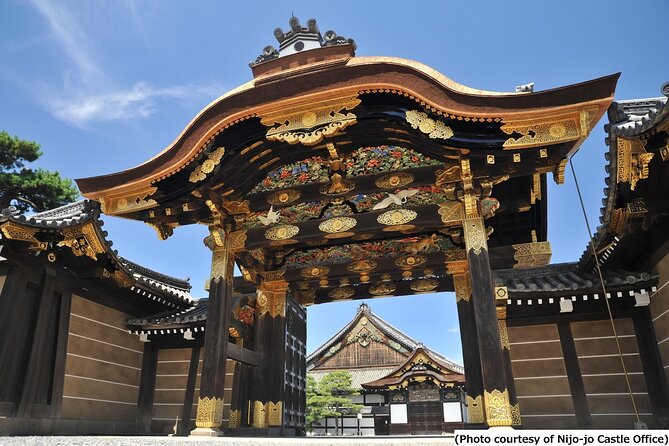
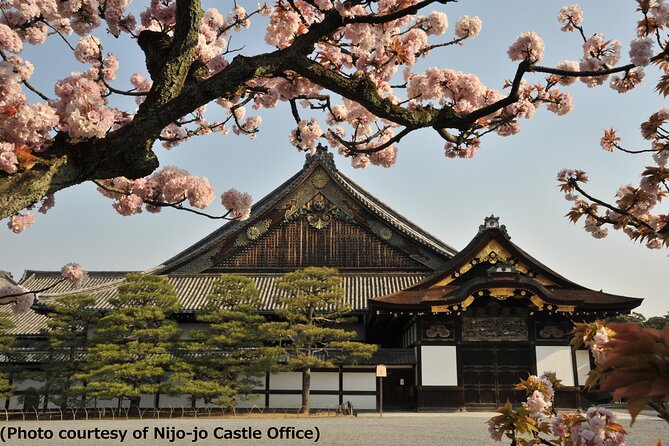
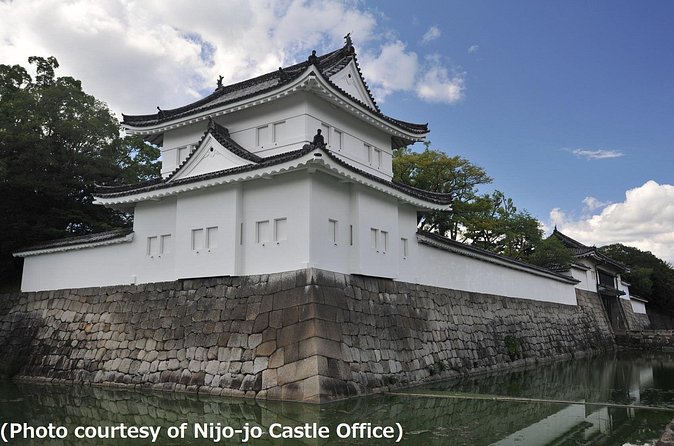
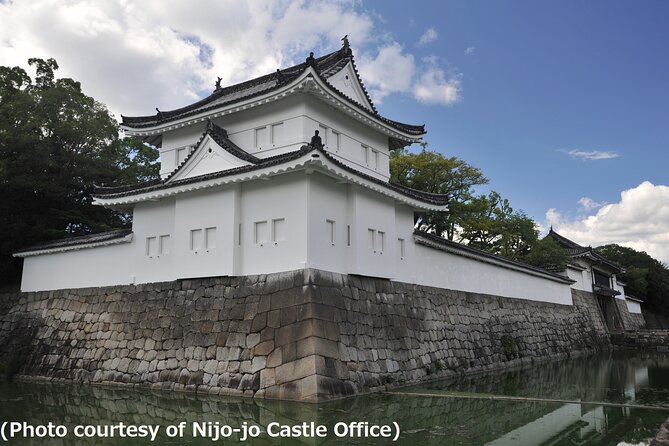
The morning starts at Nijo Castle. It is a UNESCO World Heritage site, completed in 1626, built to house the Tokugawa Shogun and act as a safeguard for Kyoto Imperial Palace.
You get about 50 minutes here, and you’ll feel the contrast right away. The exterior and defensive structures come off serious and fortress-like. Then you step inside and the mood flips to lavish interiors, including gold-leaf details. That push and pull makes this stop more than just “old walls.” It shows how power, protection, and artistry were mixed in the Tokugawa era.
If Nijo Castle is closed on your date (it has specific closure patterns, including Tuesdays in several months), the tour substitutes Ryoan-ji Temple instead. The tour does not issue refunds for these closure swaps, so it’s best to view alternatives as part of the plan.
A change of pace from Osaka:
- Osaka Go Karting Tour with Funny Costume
★ 5.0 · 2,658 reviews - Osaka Castle: Museum and Tower Entry Ticket
★ 4.5 · 2,380 reviews - Osaka: Shinsekai Food Tour with 13-15 Dishes at 5 Eateries
★ 4.8 · 2,204 reviews - Osaka Food Tour: 13 Dishes at 5 Local Eateries
★ 5.0 · 2,149 reviews
Golden Pavilion Time: Kinkakuji’s Morning Payoff
Next up is Kinkakuji Temple, the UNESCO Golden Pavilion. The building’s wooden architecture is covered in thin layers of pure gold, and it sits by a pond, which makes for a classic reflection-photo setup.
You get about 45 minutes. That is enough time to see the pavilion from key angles, take photos, and absorb the garden surroundings without feeling rushed off immediately. If you love iconic visuals, this is often the stop that makes people feel the day was worth it.
Weather and crowding matter here. On bright days, the gold effect can feel extra dramatic. On rainy or gray days, it can look more muted, but still special. Also, the earlier you arrive, the better your chances of calmer photo moments.
Kyoto Imperial Palace and the Smart Substitution Plan
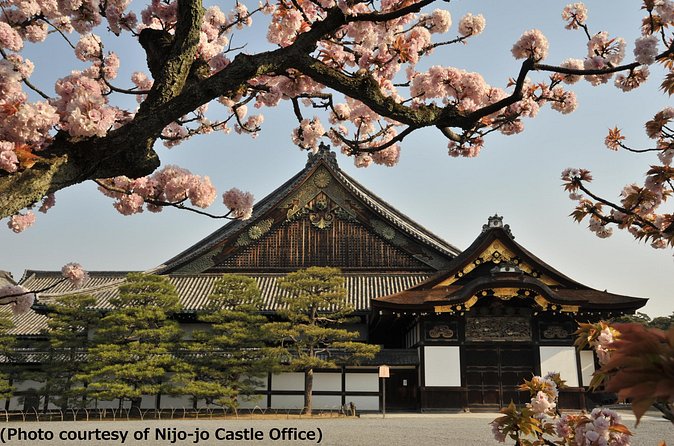
The tour includes Kyoto Imperial Palace for about 40 minutes. It was used as the emperor’s residence until about 150 years ago. The palace stop is more about opulence and ceremonial space than about hands-on activities, so listen closely and look for the details in how buildings and rooms are laid out.
Important note: Kyoto Imperial Palace is closed to visitors on Mondays (or the following day if Monday is a holiday), and on days when there is an Imperial Household Agency event. When that happens, the tour visits Kitano Tenmangu Shrine instead. If the closure falls on the 25th, the backup becomes Nishi Hongan-ji Temple.
This substitution system is a big deal for value. Many one-day tours lose entire chunks when sites are closed. Here, you still keep a palace or major shrine-type stop, so you are not left with only shopping and transit.
Fushimi Inari Taisha: Red Torii Gates and a Quick Walk In
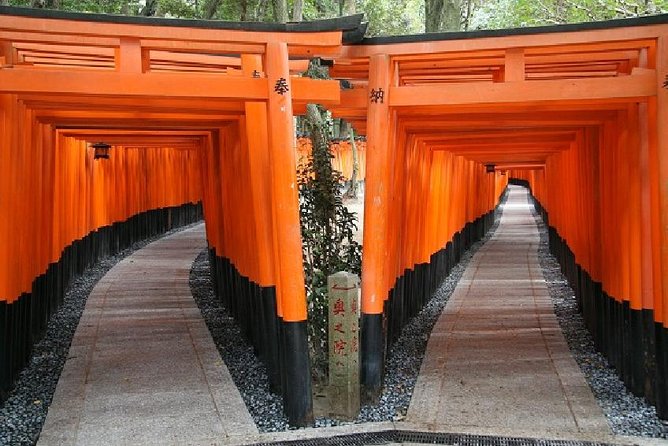
After lunch later in the day, Fushimi Inari Taisha is one of the key visual anchors. The shrine is famous for its vermilion torii gates, often lined up in long rows that feel like you are walking into another world.
You get about 30 minutes at this stop, plus a walking segment: participants walk from the parking lot to Fushimi Inari Taisha, about 15 minutes one-way. So in practice, plan for a chunk of time where you are moving, not sitting.
The shrine is also one of the places where crowd levels can spike. Even with a guide, you will likely encounter groups and lines. If you care about photos without too many heads in them, wear patience and look for angles that hide crowds, especially around gate entrances and side paths.
Sanjusangendo Hall: 1,001 Statues That Make Time Feel Slower
Then comes Sanjusangendo Temple. This is where the tour shifts from gates and gardens to interior sacred art. Sanjusangendo is the world’s longest wooden structure and houses 1,001 life-size statues of Buddhist Kannon deities dating back to the 13th century.
You get about 30 minutes. It might not sound like much, but seeing rows of statues in person creates a different effect than photos can capture. The hall’s structure encourages you to look straight and then sweep your gaze across the lineup. If you pay attention to the guide’s explanation, you’ll understand why these statues matter beyond the wow-factor.
This is also a good stop to slow down your pace. If the earlier sites feel like a sprint, Sanjusangendo can feel like a reset.
Kiyomizu-dera Views and the Shopping Lane That Feels Like Kyoto
The final temple stop is Kiyomizu-dera, with about 1 hour 10 minutes. Kiyomizu-dera is UNESCO-listed, and the views from the temple terraces over Kyoto can be excellent, especially when skies are clear.
You’ll also walk through the historic shopping lane that leads to the temple. That matters because it adds texture. Kyoto is not just temple photos. It is street life, snack smells, and small craft shops. This is one place where you can do quick souvenir browsing without turning your day into a shopping mission.
Photo-wise, Kiyomizu-dera is a strong closer, especially with cherry and maple trees around in season. The late-day timing can also help with softer light, depending on the season.
Lunch Options: Choose Your Set Menu Strategy
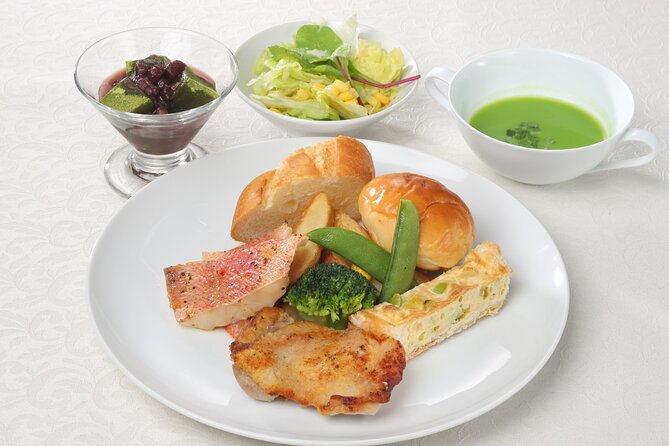
Lunch is included only if you select the With Lunch option. If you choose that, your lunch is a set menu, and the tour specifies a few important constraints.
For the Western-style set menu, there is no special arrangement meal beyond what’s built into the set. If you want vegetarian food, you must inform the team at reservation time. Halal, gluten-free, and other meal requests are not available.
For the Indian thali lunch option, it is suitable for vegetarians. The menu is listed as curry varieties (bean curry, vegetable curry, spinach and potato curry), vegetable pakora, plain yogurt, naan or roti, rice, salad, and one non-alcoholic drink. That lunch option is also served in a separate dining area from Western-style lunch.
If you do not select lunch at all, book the No Lunch option. Then you get free time to eat on your own around Kyoto Station.
My practical advice: if you have strict dietary needs, this tour may require extra planning because the data is clear that gluten-free and other requests are not available. If you can handle a set-menu lunch, it’s easy and convenient and saves time during the day.
Kyoto Handicraft Center and Shopping Without Losing the Day
The tour also includes time at the Kyoto Handicraft Center to browse for goods. This is a nice compromise for people who want souvenirs but do not want to turn the day into a retail detour.
You likely will not have hours to shop, so keep your mindset simple: go in, scan for what you like, and buy if it feels right. If you are picky about gifts, you may prefer shopping later in the evening when you have more energy.
Group Size, Guide Style, and Why Hearing Matters
This tour can run with up to 40 travelers. That’s a lot of people for six major stops, and it affects how the day feels.
From the experience data, the tour includes a licensed English guide interpreter fee, but there can also be an assistant who helps on the train segment to Kyoto and back, and helps with the transition points in Kyoto. That structure is helpful, especially for getting you to the next meeting spot on time.
Still, guide delivery can be the difference between a great day and a frustrating one. In larger groups, it is possible for the guide’s comments to be hard to hear, especially when everyone is walking and the group is packed close together. If you are sensitive to that, try to keep a little space so you can face forward and catch explanations.
On the positive side, there are strong notes about guides who are friendly and bring history to life with humor. When you can hear the stories, the stops turn from sightseeing into context.
When $183.93 Actually Feels Like a Good Deal
At $183.93 per person, this is not a budget half-day. It becomes good value because many of the biggest time costs are bundled.
The tour includes transportation costs and admission fees for the stops that list tickets as included, plus the guide interpreter fee, and an air-conditioned heated coach. It also includes a Japanese-style lunch only if you pick that option.
So where does the value show up? In a one-day trip, you pay for:
- not having to plan route logistics between distant Kyoto sights
- included entry fees where required
- time-saving coordination, including backup destination swaps when major sites are closed
If you were doing this on your own, you’d spend time buying tickets, figuring out transfers, and managing timing. This tour trades some flexibility for less friction.
If you hate group travel, or if you want to linger at temples for long, unstructured sessions, this price may feel steep. If you want the big sights in one day with guidance and less navigation stress, it’s easier to justify.
Should You Book This Kyoto 1 Day Tour From Osaka?
Book it if:
- you have limited time in Osaka and want a one-day hit list of Kyoto’s biggest landmarks
- you prefer guided context over self-navigation
- you like a plan with stops that include UNESCO sights, not just a couple of temples
Skip it or think twice if:
- you want a slow, savor-every-corner Kyoto day
- you get frustrated in larger groups, especially when you have to strain to hear commentary
- you need strict dietary accommodations beyond what’s explicitly available in the lunch options
If you book, do one smart thing: plan for comfort and stamina. Wear shoes you can walk in for several hours, and keep your expectations aligned with a full 11-hour itinerary. You’ll come away with a strong overview of Kyoto, and you’ll know exactly which neighborhoods you want to revisit later on your own.
FAQ
Where does this Kyoto tour start in Osaka?
It starts at Hotel Granvia Osaka in Umeda, Osaka, and the tour begins at 7:15 am.
What time does the tour end?
The tour ends at Osaka Station at around 6:30 pm, and there is no hotel drop-off.
How do you travel between Osaka and Kyoto?
You take JR rapid service for the round-trip between Osaka and Kyoto, about 30 minutes each direction.
Is lunch included?
Lunch is only included if you book the With Lunch option. The lunch is a Western-style set menu or an Indian thali set menu for the Indian option.
What if Kyoto Imperial Palace is closed?
When it is closed, the tour visits Kitano Tenmangu Shrine instead. If the closure day is the 25th, it visits Nishi Hongan-ji Temple.
What if Nijo Castle is closed?
If Nijo Castle is closed on your travel date, the tour visits Ryoan-ji Temple instead.
Do I need to walk at Fushimi Inari Taisha?
Yes. Participants walk from the parking lot to Fushimi Inari Taisha about 15 minutes one-way.
Are admissions included?
Admission fees are included for the stops listed as ticket included, such as Nijo Castle, Kinkaku-ji, Sanjusangendo, and Kiyomizu-dera. The Kyoto Imperial Palace and Fushimi Inari Taisha entries are listed as free.
Are train seats reserved?
No. The tour uses public transportation with non-reserved seats, so seating is not guaranteed.
Can I cancel for a full refund?
Yes. You can cancel up to 24 hours before the experience start time for a full refund.
Latest write-ups near Osaka
- Osaka Private Tour with Government-Licensed Guide★ 4.8 · 20 reviews
- Guided Photography Tour in Osaka: Capturing Memories★ 4.5 · 20 reviews
- Osaka: Food Tour at Night with Tastings★ 4.9 · 20 reviews
- Kansai/KIX Airport to or from Osaka/Kyoto Private Transfer★ 5.0 · 20 reviews
- Osaka: City Highlights Bike Tour★ 4.7 · 20 reviews
- From Osaka/Kyoto: Amanohashidate Day Tour【Including tickets】★ 3.7 · 20 reviews
- Osaka Okonomiyaki Cooking Class “Learn here and make it at home”★ 5.0 · 20 reviews
- Volleyball in Osaka & Kyoto with Locals!★ 5.0 · 21 reviews
Day Trips in Osaka, compared.
From Kyoto/Osaka: Kyoto Top Highlights 1-Day Guided Bus Tour
Read our review →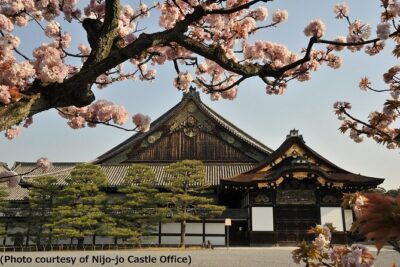
From Osaka or Kyoto: Kyoto and Nara 1-Day Bus Tour
Read our review →Hiroshima & Miyajima 1 Day Bus Tour with Bullet Train Tickets
Read our review →
Hiroshima and Miyajima Day Trip by Bullet Train
Read our review →
From Osaka/Kyoto: Kyoto & Nara Day Trip with Optional Lunch
Read our review →
Amanohashidate & Ine Funaya Sightseeing Full Day Trip from Kyoto
Read our review →
Osaka Private Tour with a Local Guide (Must See Places in 1 Day)
Read our review →Browse the lists this tour appears in