
Reviewed · FULL-DAY TOURS IN OSAKA
Kyoto and Nara UNESCO Highlights Full-day Tour From Osaka
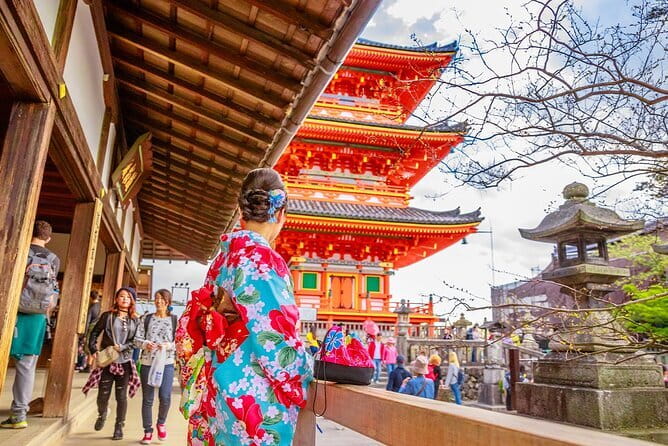
Kyoto and Nara in one day is interesting because you get two UNESCO-style headline moments plus street-level old Japan, without planning transfers yourself. I especially like the mix of major temples and photogenic neighborhoods, and I like that the day ends with the classic deer + Todaiji combo. One thing to consider: it is a long, walking-heavy day, and time at each stop is limited.
You’ll ride a bus with a multilingual guide (English included), plus you start with clear pick-up points around Osaka and Kyoto. The price is low for a full-day route, but the day still has key add-ons, like Kiyomizu-dera and Todaiji entrance fees, and you’ll want cash on hand.
Key Highlights to Care About
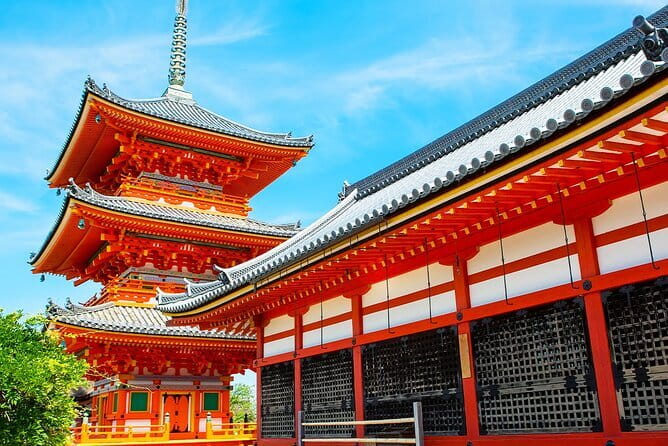
- Kiyomizu-dera Temple on a hillside with famous autumn views and a 2.5-hour chunk on-site
- Fushimi Inari’s Senbon Torii with free entry and about 70 minutes to explore at your own pace
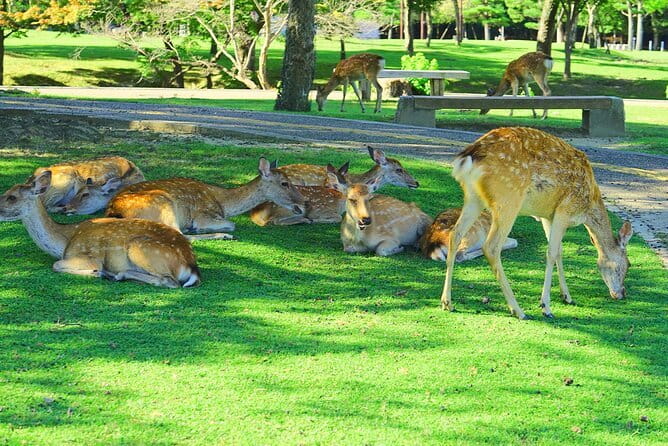
- Nara Park deer time plus Todaiji Temple (entry fee applies) in the same late-afternoon window
- Street scenes in Kyoto: Ninenzaka, Sannenzaka, Ishibe Alley, and Gion’s Hanamikoji area
- A shared small-group format (maximum 40) with a guide who helps you avoid subway puzzle-box stress
Why This Kyoto and Nara Day Works So Well
This tour is built for people who want the big-name Japan hits in one shot. You get an organized morning start, then a clear sequence of stops that match how most first-time visitors actually want to see Kansai: hillside temples, temple gates, then Nara deer and the giant Buddha.
The value is in the pacing. You do not just hop between distant points. You also get Kyoto’s old-street vibe around the Kiyomizu area, then later you return to a nature and temple moment in Nara. If your goal is, I want a full day that actually fills up, this format delivers.
The main tradeoff is that the day is tightly scheduled, so you’re not doing slow wandering for hours. The best mindset is: enjoy what you’re given, and use your free time well.
More Full-Day Tours in Osaka
- Osaka: Minoh, Katsuoji Temple, & Minoh Falls Full-day Tour
★ 4.9 · 172 reviews - Osaka’s Best and Brightest: Private Full-Day Tour by Vehicle
★ 5.0 · 147 reviews - Full Day Tour of Kyoto with Private Transportation
★ 5.0 · 130 reviews
Price and Value From Osaka: What $62.75 Really Means
The listed price is $62.75 per person, and it includes the essentials: pick-up and drop-off from designated areas, air-conditioned bus transportation, and a multilingual guide (English, Mandarin, Japanese).
What is not included is the money you will likely spend at the most famous temple gates:
- Kiyomizu-dera entrance: about $5 per person
- Todaiji Temple entrance: about $7 per person
Lunch is also not included.
So the real question is not just the base price. It’s whether you’d pay similar entrance fees plus transit if you planned this yourself. For most visitors starting in Osaka, the bus day plus guided help is a good deal, especially because navigating Kyoto and Nara alone can eat time fast.
Also, you might not expect this, but the day is priced like a budget-friendly “great hits” sampler. That’s exactly where value is: you’re buying convenience and structure, then using your own feet for the best parts.
Meeting Points, Timing, and the One Drop-Off Rule
This tour starts with set pick-up windows and a guide you can spot. The guide will hold a yellow flag with the Gogoday logo, so show up and get your bearings fast.
Key times and locations you should note:
- 8:40am pick-up at Nipponbashi, Exit 2
- 9:50am pick-up at Kyoto-Hachijoguchi Bus Loading Area
- Total duration: about 9 hours 20 minutes
Important logistics: there are two pick-up options (Osaka or Kyoto), but the drop-off is only back in Osaka. The end point is listed at 1-chōme-3-6 Nipponbashi, Chuo Ward, Osaka.
Plan around that. The tour provider even warns not to stack another activity right after the tour, since traffic, weather, or safety timing changes can happen. That’s not a threat. It’s just real life on roads.
You should also arrive early. The guide does not wait for late arrivals, and there are no refunds for no-shows or late joins.
Finally, bring some cash. Some spots may not accept credit cards, and you will likely want small bills ready for snacks, small purchases, or temple-adjacent costs.
Kiyomizu-dera Temple: The Hillside Views, the Climb, and the Ticket
Kiyomizu-dera is the morning anchor. You’ll arrive around 10:00am and have about 2 hours 30 minutes there. Admission is not included, so expect an extra $5 per person.
What makes this temple worth your time is the setting. It’s on a hillside, and the views are a big part of why people come, especially when the scenery turns seasonal. Even outside peak color, the temple-to-stairs-to-forest rhythm makes for great photos and a real sense of “old Kyoto.”
Now the practical bit: expect uphill walking and steps. You are in a temple district designed for pedestrians, not stroller wheels and not smooth walking. Wear shoes you trust for steep, uneven ground.
Also watch your timing. You have 2.5 hours total at the area, so if you spend the whole time chasing the perfect angle, you may rush the rest of the surrounding streets later.
A change of pace from Osaka:
- Osaka Go Karting Tour with Funny Costume
★ 5.0 · 2,658 reviews - Osaka Castle: Museum and Tower Entry Ticket
★ 4.5 · 2,380 reviews - Osaka: Shinsekai Food Tour with 13-15 Dishes at 5 Eateries
★ 4.8 · 2,204 reviews - Osaka Food Tour: 13 Dishes at 5 Local Eateries
★ 5.0 · 2,149 reviews
Ninenzaka, Sannenzaka, Ishibe Alley, and Gion’s Hanamikoji
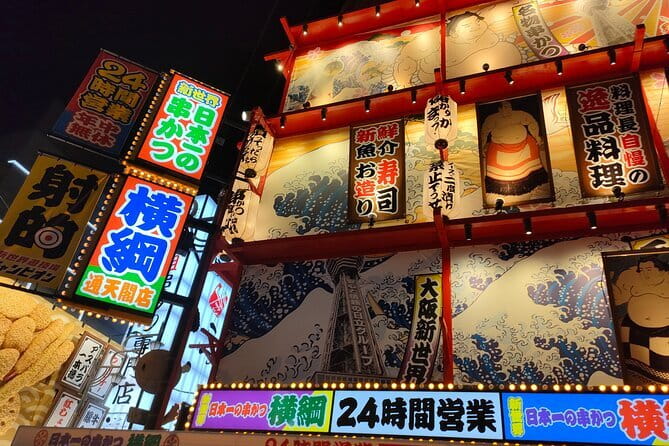
After Kiyomizu-dera, the day’s Kyoto flavor turns from temple views to street atmosphere. The route includes Ninenzaka and Sannenzaka, plus Ishibe Alley, with traditional wooden houses and that classic Kyoto lane energy.
This is the part where you should slow down slightly, because the streets are made for walking and looking up. You’ll get a feel for Kyoto that is not just a single postcard point. It’s layered. Small storefronts, old-fashioned architecture, and the sense that people actually live through these streets, not just tour them.
Then later you go into the Gion area, including Hanamikoji Street. This is where the Kyoto mood shifts again, more refined and lively depending on the time of day. If you want an easy win for photos, this is one of your better bets, because the street layout gives you natural lines for shots.
A tip that matters: because you’re on a group schedule, you’ll likely walk in clusters. If you want calmer photos, use your free time to step aside for a minute, then re-enter the main flow when it thins.
Fushimi Inari’s Senbon Torii Gates: How to Use 70 Minutes
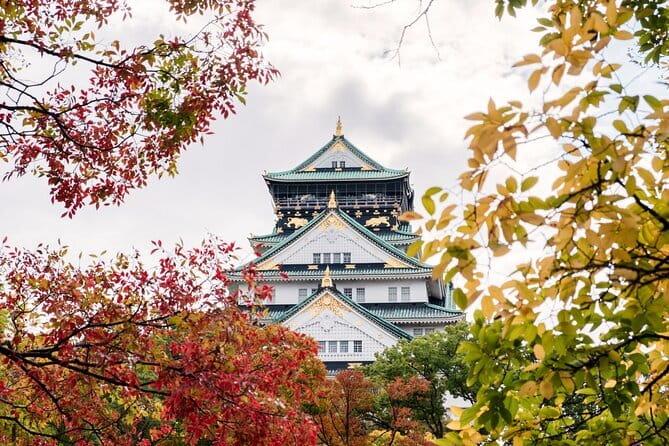
Fushimi Inari Taisha is scheduled for about 70 minutes, starting around 13:30, and entry is free. This is the most famous part of the day, the Senbon Torii, those thousands of gate arches that climb uphill in repeating patterns.
You do not need to force a full hike to enjoy it. In 70 minutes, I’d focus on getting deep enough into the gate pathway that it feels real, then turn back before your legs burn out. The gates look best when you’re somewhere in the middle of the tunnel effect, not just at the first photo stop.
Think of your visit as two stages:
- First, walk into the gates and let the pattern do the work for you.
- Second, pause for photos and keep moving, because the uphill section can change how crowded it feels depending on timing.
Wear comfortable shoes again. This is not a flat stroll. Also, bring water if the weather is warm. One of the common complaints from day tours like this is heat, and even with an air-conditioned bus, the walking parts are on you.
Nara Park and Todaiji Temple: Deer Time Plus the Giant Bronze Buddha
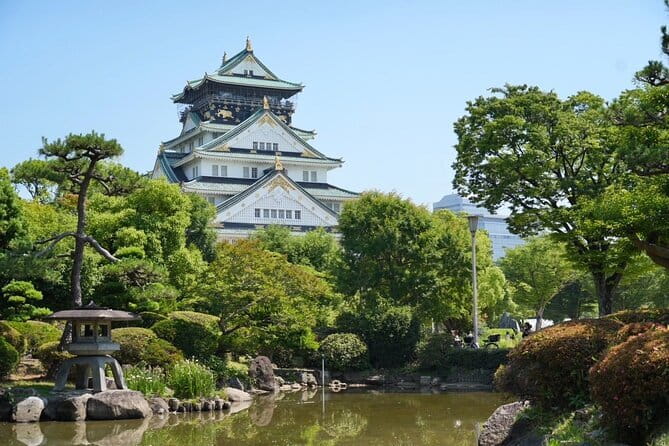
Nara Park is your late-afternoon stop, starting around 16:00, with about 1.5 hours of free time. The park itself is free to enter, but Todaiji Temple has an entrance fee (about $7 per person).
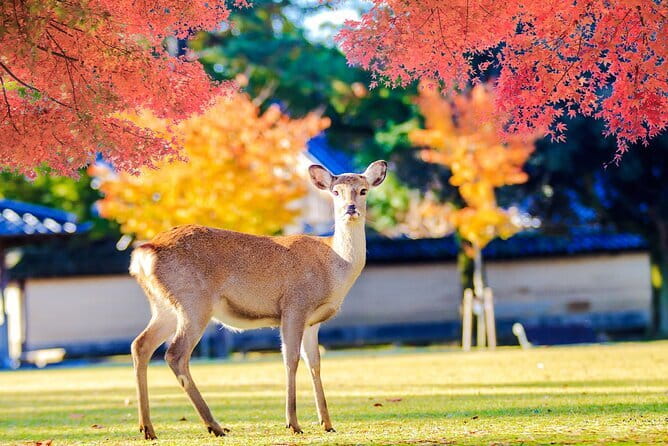
This is where the day turns emotional in a simple way: deer. They’re used to people, and seeing them in the park is part of the signature Nara experience. It can feel chaotic at first, but the trick is to keep your movements calm and respectful. You’ll get much better photos without being in the middle of frantic crowding.
Then you connect that park experience to the bigger temple moment: Todaiji. This is home to the world’s largest bronze Buddha, and it’s a sight you feel in your chest when you walk into the main space. Even if you’re not a temple architecture person, the scale does the convincing.
With only about 1.5 hours total at Nara Park, here’s how to use your time smart:
- Pick your priority first: deer moments or Todaiji interior time.
- Then build your walking plan around that priority.
- If you want photos plus the interior visit, move steadily and save long pauses for where you can still see key angles.
If you’re the type who wants extra time inside Todaiji, you might feel the schedule is tight. The upside is you still get the headline experience, and you are not wasting the whole day commuting again.
Bus Comfort, Heat Reality, and Group Size Facts
This tour caps at 40 travelers. That size is usually workable, because you can still hear your guide and get around without losing the whole group every five minutes.
You’re also told the bus is air-conditioned. In practice, I’d plan for mixed conditions. Some buses may not feel great at certain stops, especially if the bus is parked and waiting. The walking segments in Kyoto and Nara are where you’ll truly notice heat, so dress like you’re going to be outside for most of the day.
The guide helps reduce stress in two ways:
- During the bus ride, the guide explains what you’re seeing and how to handle each area.
- At each stop, you typically get guidance on what to do next and when the bus will return.
One smart move you can count on with this style of tour is a communications channel. Some guides have shared instructions through group messaging, even using WhatsApp, so you can ask quick questions and stay aligned.
Also, the bus parking lot is said to be a bit far from the scenic spots. That means you should expect a short walk to reach the main sightseeing area. Build that into your footwear choice and your water planning.
Who This Tour Fits Best (and Who Might Skip It)
This tour fits best if you want:
- A first-time-friendly highlights day
- Organized transportation out of Osaka
- A guided structure that saves you from Kyoto and Nara logistics headaches
- Enough time at major sites to feel like you actually did them, not just passed by them
You might want a different plan if:
- You hate uphill walking and tight time windows
- You need long, slow temple time to savor details
- You’re traveling in peak heat and want maximum comfort breaks with lots of flexibility
One thing I like about this itinerary style is that it mixes free time with guidance. You get the best of both worlds: someone points you to the important places, then you choose your pace once you’re on the ground.
Should You Book This Kyoto and Nara Highlights Tour?
I’d book it if your goal is simple: one full day, major sights, and a smooth run from Osaka with less decision fatigue. The price is competitive for a multi-stop day, and the lineup makes sense: Kiyomizu-dera in Kyoto, Fushimi Inari’s gates, then Nara Park deer and Todaiji’s giant bronze Buddha.
If you’re sensitive to walking, plan your energy carefully. Wear supportive shoes, bring water, and use your time at each stop intentionally. Also, budget for two key temple entrance fees and skip the idea that lunch will just happen for you.
If that sounds like your kind of day, this is a strong way to see the headliners without turning your trip into a transport problem.
FAQ
How long is the Kyoto and Nara UNESCO Highlights full-day tour from Osaka?
It runs for about 9 hours 20 minutes (approx.).
Where do pick-ups happen?
There are two pick-up options: 8:40am at Nipponbashi Exit 2, and 9:50am at Kyoto-Hachijoguchi Bus Loading Area.
Where do you get dropped off?
The only drop-off location for this trip is back in Osaka.
Is lunch included?
No, lunch is not included.
Are Kiyomizu-dera and Todaiji Temple entrance fees included?
No. Kiyomizu-dera is about $5 per person, and Todaiji Temple is about $7 per person. Fushimi Inari is free.
How long do you spend at Fushimi Inari-taisha?
You get about 70 minutes of time there, including free time.
Do I need cash?
Bring some cash, because some locations may not accept credit cards.
What is the group size limit?
The tour has a maximum of 40 travelers.
Latest write-ups near Osaka
- Osaka Private Tour with Government-Licensed Guide★ 4.8 · 20 reviews
- Guided Photography Tour in Osaka: Capturing Memories★ 4.5 · 20 reviews
- Osaka: Food Tour at Night with Tastings★ 4.9 · 20 reviews
- Kansai/KIX Airport to or from Osaka/Kyoto Private Transfer★ 5.0 · 20 reviews
- Osaka: City Highlights Bike Tour★ 4.7 · 20 reviews
- From Osaka/Kyoto: Amanohashidate Day Tour【Including tickets】★ 3.7 · 20 reviews
- Osaka Okonomiyaki Cooking Class “Learn here and make it at home”★ 5.0 · 20 reviews
- Volleyball in Osaka & Kyoto with Locals!★ 5.0 · 21 reviews
Full-Day Tours in Osaka, compared.
Minoh, Katsuoji Temple, & Minoh Falls Full-day Tour
Read our review →
Osaka’s Best and Brightest: Private Full-Day Tour by Vehicle
Read our review →
Full Day Tour of Kyoto with Private Transportation
Read our review →
Full Day Hiroshima and Miyajima Tour by Bullet Train from Osaka
Read our review →Full Day Kyoto Tour : Bamboo Forest, Golden Temple, Fushimi Inari
Read our review →
Amanohashidate & Ine Funaya Sightseeing Full Day Trip from Kyoto
Read our review →
Kyoto Full-Day Private Tour (Osaka departure) with Government-Licensed Guide
Read our review →
Browse the lists this tour appears in