
Reviewed · OSAKA TOURS
Kyoto & Nara Private customized tour with English speaking Guide
A Nara and Kyoto day by private van is interesting because you get the highlights without the commuter math. You can also steer the order and pacing, so the day fits your group instead of the other way around. Guides such as Hamzah, Ali, Nomi, and Sha are often praised for clear English and smooth handling.
I especially like the stress-free pickup and transfers from Osaka (and typically Kyoto or Nara) because you avoid trains, transfers, and timing anxiety. I also like the 8 to 10 hour private format that lets you cover big sights like Fushimi Inari and Arashiyama without feeling glued to a group’s tempo.
One drawback to plan for: the tour quality depends heavily on the individual guide. A small minority of experiences mention low commentary volume or unclear communication, so it helps to ask early what you want to focus on and to speak up if you want more history while you walk.
Key things to know before you go
- Private van with an English speaking guide, so you can ask questions instead of guessing
- Flexible day timing, usually 8 to 10 hours, with a route that can be shaped to your group
- Nara Park deer + Todai-ji, a classic combo that packs emotion and photos into one block
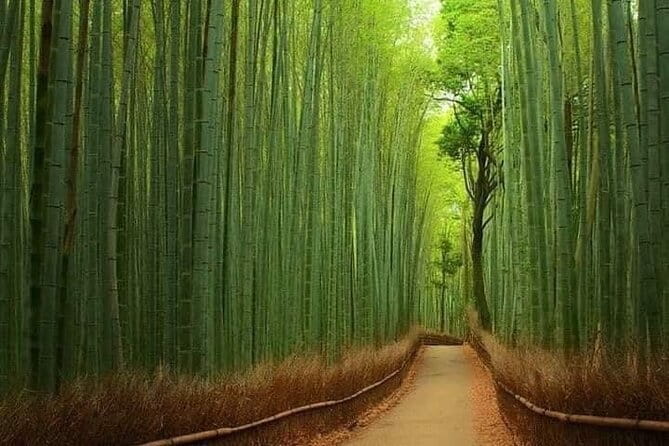
- Arashiyama and the Bamboo Grove, timed for a calmer flow than bus schedules
- UNESCO temple circuit, including Tenryu-ji and Kinkaku-ji (Golden Pavilion)
- Fushimi Inari’s torii walk, where your guide’s timing matters for crowd flow
Why this Osaka-based Kyoto and Nara day feels easier
This is a private tour built for people who want Kyoto and Nara, but do not want to fight public transport and crowds all day. From the start, the big win is that you ride in an air-conditioned vehicle and you do not have to map every transfer. That matters in this region because travel time can jump around depending on congestion and parking.
It also helps that the tour is designed around walkable, iconic stops. You get a mix of nature (Nara deer park and Arashiyama bamboo) plus temples that people usually remember for years, like Todai-ji, Tenryu-ji, and Kinkaku-ji. In plain terms, it’s a best-of day that still lets you make choices.
The private part is the real value. At up to 6 people per group, your cost per person drops compared with buying separate tickets for individual tours, and you gain something less measurable than a ride: control. If your family needs breaks, if you want more photo time, or if someone moves slower, you can adjust.
Also on the shortlist for Osaka:
- Osaka Go Karting Tour with Funny Costume
★ 5.0 · 2,658 reviews - Osaka Castle: Museum and Tower Entry Ticket
★ 4.5 · 2,380 reviews - Osaka: Shinsekai Food Tour with 13-15 Dishes at 5 Eateries
★ 4.8 · 2,204 reviews
Pickup, meeting point, and how your day starts smoothly
Your tour starts in Osaka at Osaka Station 3-chōme-1-1, Umeda, Kita Ward. The experience also notes pickup is offered, with pickup from Kyoto, Osaka, or Nara. That flexibility is useful if you are staying outside central Osaka, or if you are mixing days across Kansai.
Practically, I recommend you treat pickup as a “launch window,” not a precise second. One review had a late pickup issue, so it’s smart to confirm timing and be waiting a few minutes early where possible. If you have a tight schedule, ask your guide what time you should aim to be ready, and stick to that.
You’ll get a mobile ticket, and there’s WiFi on board. WiFi sounds small, but it’s a lifesaver for checking Google Maps while you’re out of rhythm, especially if you decide to add or remove a stop last minute. The vehicle is air-conditioned, which is a quiet comfort when the day turns hot or humid.
Nara Park deer and Todai-ji: the emotional core of the day
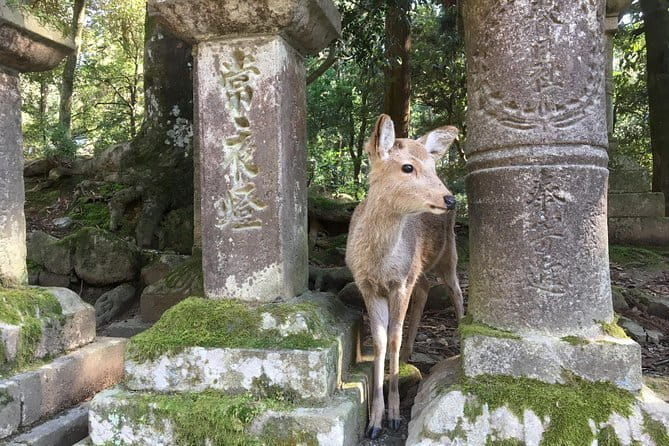
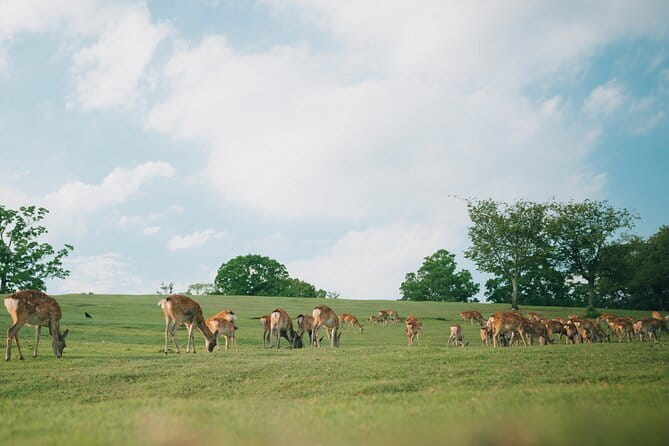
Nara Park is famous for the roughly 1,200 wild deer that roam in and around the park. This is one of those places where the photos are great, but the real moment is watching how close the deer get. For families, it’s also where you need to set simple rules fast.
I suggest you keep kids close and help them avoid sudden runs or loud shouting. A review notes the male deer can be aggressive, which is good to know before you think the deer are just cute photo props. Also, if you plan to feed deer, watch what your guide tells you. Without guidance, it’s easy to end up doing things you did not mean to do.
From Nara Park, your route typically includes Todai-ji Temple. Todai-ji is a Buddhist temple founded in the early 8th century and it’s a UNESCO World Heritage site. Expect big scale and long sightlines, and plan for a bit of walking inside once you’re past entry.
Timing note: Nara Park is about 1 hour, and Todai-ji is also about 1 hour, but Todai-ji entry is not included. So you’ll want a cashless mindset, but also the habit of double-checking tickets at the start of your visit. If you want fewer temple stairs and more deer and park time, tell your guide early so they can adjust.
What I like most here is that this stop often feels like a break from “shopping and crowds.” The deer create movement, and Todai-ji gives you that deep sense of place.
Arashiyama Bamboo Grove: photo time, but don’t rush it
Arashiyama is one of the most recognizable Kyoto areas, and the Bamboo Grove is the main reason people come. You get a dedicated stop here, about 1 hour, and entry for this specific stop is listed as free.
The key to enjoying it is not sprinting for the perfect shot. In real life, the bamboo lanes work best when you slow down and let the light and rhythm build. If you rush, you miss the calm.
Also, manage expectations. One review noted that even on a very tourist-heavy day, parking near the entrance helped the group navigate more easily. That’s one of the quiet advantages of private transport and a guide who knows how to park and where to enter.
What can be a drawback: 1 hour sounds short because Arashiyama has lots of “side roads,” tea shops, and small streets. If you want shopping time after the grove, tell the guide. If you prefer temples over snacks, you can keep Arashiyama more “walk and photographs,” and shift time toward Kyoto’s bigger temple trio.
A change of pace from Osaka:
- Osaka Food Tour: 13 Dishes at 5 Local Eateries
★ 5.0 · 2,149 reviews - Hungry Osaka Street Food Tour:15 Tastings & 3 Drinks with a Local
★ 5.0 · 1,727 reviews - Osaka: teamLab Botanical Garden Entry Ticket
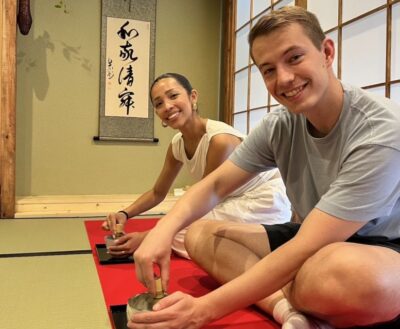
★ 4.5 · 1,710 reviews - Osaka: Tea Ceremony Experience
★ 4.9 · 1,426 reviews
The UNESCO temple run: Tenryu-ji, Golden Pavilion, and why timing matters
After Arashiyama, your day jumps into Kyoto temple territory.
Tenryu-ji Temple is typically 30 minutes, and entry is not included. Tenryu-ji is in Arashiyama and is a UNESCO World Heritage site. Even with a shorter time slot, it’s the kind of temple where you can get something meaningful quickly, especially if you focus on the layout and gardens rather than trying to see every corner.
Then comes Kinkaku-ji Temple, the Golden Pavilion. This stop is about 40 minutes, and here the ticket is listed as included. Kinkaku-ji is a UNESCO World Heritage site known for its golden exterior and serene gardens, and it’s one of the easiest places in Kyoto to understand why people travel across the world for one view.
The practical tip is pacing. Golden Pavilion is popular, and the lines and crowd flow can feel like a slow moving tide. With a private guide, you’re not stuck in a huge group line forever, but you still need patience as people filter in and out. I like having a fixed 40 minutes here because it’s just enough time to see it clearly, take photos without spiraling into line stress, and still keep energy for Fushimi Inari later.
If you’re temple fatigued, Tenryu-ji is the easiest stop to skim a bit since it’s shorter. If you’re temple hungry, ask your guide what extra angle to take at Kinkaku-ji. That’s where the guide’s decision-making helps.
Fushimi Inari-taisha: torii gates, crowd flow, and good walking shoes
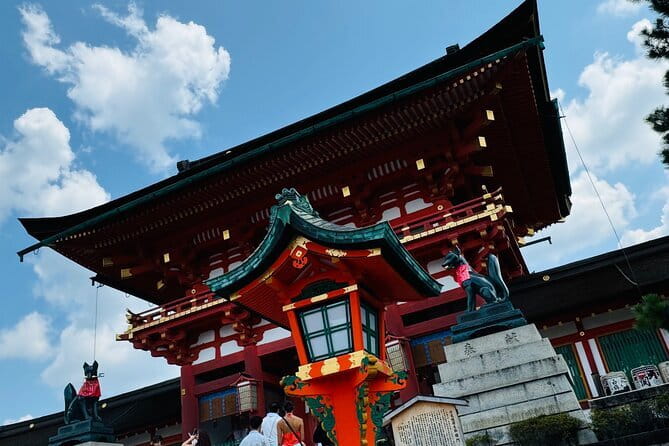
Fushimi Inari-taisha Shrine is about 1 hour in your typical route, and entry is listed as free. This is the iconic Shinto shrine with thousands of red torii gates that create a tunnel effect as you walk.
The torii walk can be deceptively tiring because it’s a long visual journey. Even if you do not climb to the far end, the repeated steps through gates add up. If you have knee issues or you do not like long walking, tell your guide at the start of the day what distance you want for Inari, and they can help you choose a turn-around point that still feels complete.
One of my favorite things about Fushimi Inari is that it mixes architecture with mood. You get small shrines, changing angles, and lots of people moving at different speeds. With a guide who plans timing well, you can move through the gates in a way that doesn’t feel like you’re always being swept along.
Also, don’t forget the basics: wear shoes you can trust. You’ll walk at multiple stops across the day, and Kyoto surfaces can vary from smooth paths to more uneven areas.
Price and value: $549 per group is about control, not just transport
The price is $549.00 per group for up to 6 people, for a day that’s typically 8 to 10 hours. You’ll also see that some entry fees are not included, while Kinkaku-ji is included, and others like Nara Park and Fushimi Inari are free as listed.
So is it worth it? For me, this kind of pricing is mostly about removing friction.
If you try to do Nara and Kyoto yourself, the hidden costs are the time you lose to transfers, waiting, and figuring out where to enter. Add taxis, parking stress, and the mental load of managing multiple spots, and suddenly “cheap” public transport stops feeling cheap.
With a private van and an English speaking guide, you pay for:
- single-day coordination
- faster, more practical movement between far-apart areas
- customization for pace and priorities
- language help so you can ask questions rather than just nod
Where value can drop: if your group only wants one or two of the big highlights, you might feel like you’re paying for extra stops you do not fully use. In that case, plan your custom day carefully. Ask for a route that matches your interests, not the template.
A final value note from real-world experiences: guides often help with meal choices. Some groups reported the guide suggested a local lunch spot, including accommodations for dietary needs. Since lunch is not included, that guidance can save you time and stress when you’re already moving.
How the guide changes the whole experience
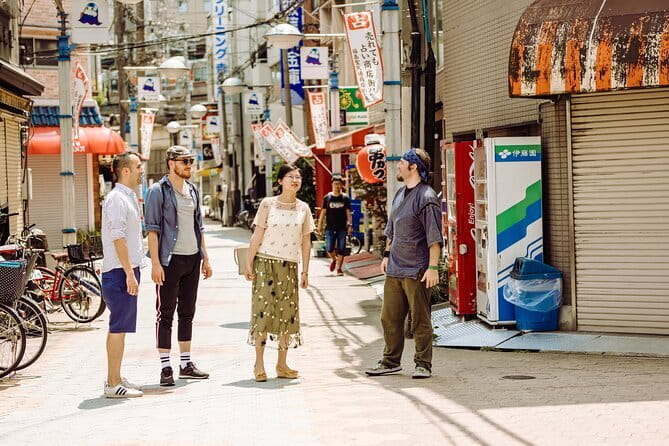
This tour lives or dies on the guide. Across the experiences shared, the standout praise is consistent: guides like Hamzah and Ali are described as friendly, safe drivers, and very helpful with day flow. Several people said their guide was able to navigate crowds with smart parking and timing.
I also like that many guides were described as giving enough communication to make instructions easy to follow, including good English. One positive note even mentions a guide expressing well and being easy to understand.
What to watch for: a small set of experiences complained about low commentary volume or unclear expectations. If you want more than logistics, be direct. Ask for short history at each temple, or ask what to see in a 30 minute stop so you do not feel rushed or lost.
A helpful mindset: treat your guide as your “day manager.” If you say, today we want deer photos first, then Todai-ji, then a calm bamboo walk, your guide can shape the order and pacing around what your group will actually enjoy.
What to bring for an 8 to 10 hour day in Kyoto and Nara
Your day is long enough that comfort matters more than you expect.
Bring:
- comfortable walking shoes
- water (especially for summer heat)
- a small bag for keepsakes, since temples and streets mean you’ll pick things up
- a phone charger, since WiFi on board exists but you might still use your own battery heavily
Also, if you’re sensitive to crowds, plan to be flexible. Even with private routing, Kyoto’s top sights can be busy. I’d rather spend 5 extra minutes moving calmly with your guide than force a rushed photo while people push past.
Who this private tour is best for
This fits best if you:
- want major Kyoto and Nara icons in one day without public transport stress
- have kids, seniors, or anyone who needs pacing flexibility
- prefer asking questions in English rather than translating on your own
- value a guide who can help with timing and meal suggestions
It might be less ideal if:
- you only want one temple and you do not care about the rest
- your group thrives on self-directed wandering and does not want a structured route
- you strongly require lots of narration at every stop, because guide styles can vary
Should you book Kyoto and Nara as a private customized day from Osaka?
I think this is a strong choice if your goal is a one-day hit list, but with control. The private format is what makes the day work: pickup logistics, air-conditioned comfort, and a guide who can adjust your pace when something takes longer than expected.
Book it if:
- you want Fushimi Inari, Arashiyama, and the UNESCO temples without the stress of planning between them
- you’re traveling with up to 6 people and want better value than separate tour options
- you want English support to handle questions and navigation
Hold off or ask more questions before booking if:
- your group needs a very specific walking level or exact time at each stop
- you prefer lots of narration and plan to request it clearly
- you’re mainly interested in just one area, because the day is designed to connect multiple highlights
If you go in with clear priorities, this tour style can turn a complicated region into a smooth, memorable day.
Latest write-ups near Osaka
- PRIVATE 6hr, Food tour from Osaka Castle, Kuromon, Dotonbori.★ 5.0 · 68 reviews
- 90 min Shared Handmade Udon Experience★ 5.0 · 70 reviews
- Ramen and Gyoza Cooking Class in Osaka Dotonbori★ 5.0 · 73 reviews
- Osaka: Sushi Making in Spacious Studio (SAME-DAY OK!)★ 5.0 · 75 reviews
- Osaka E-Bike Tour With A Local Guide★ 4.7 · 75 reviews
- 1.5〜2 Hours Traditional Kintsugi Work Shop in Namba Osaka★ 5.0 · 75 reviews
- Retro Osaka Street Food Tour: Shinsekai★ 4.5 · 77 reviews
- Osaka: Osaka Castle Guided Tour with Local Guide★ 4.7 · 78 reviews
Osaka Tours, compared.

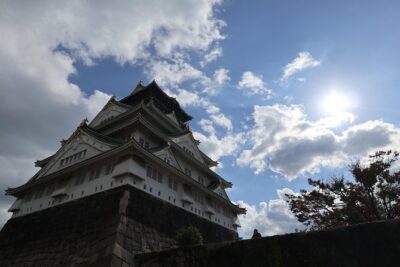

Shinsekai Food Tour with 13-15 Dishes at 5 Eateries
Read our review →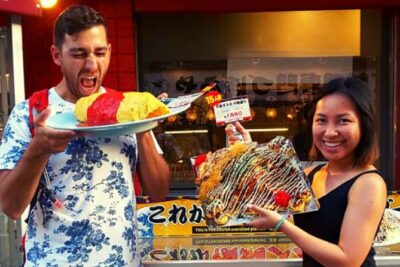
Osaka Food Tour: 13 Dishes at 5 Local Eateries
Read our review →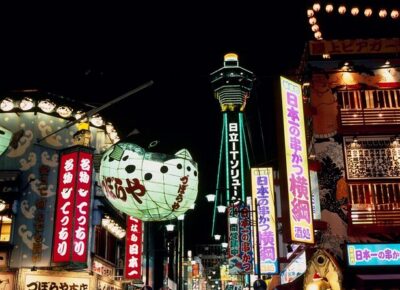
Hungry Osaka Street Food Tour:15 Tastings & 3 Drinks with a Local
Read our review →
Browse the lists this tour appears in