
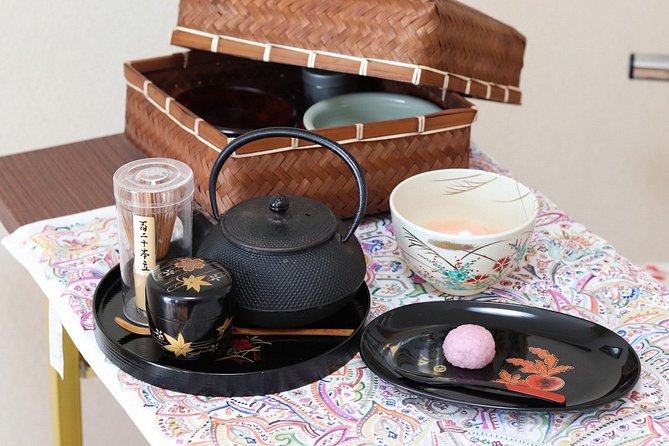
Reviewed · SUSHI MAKING CLASSES
Sushi or Traditional Japanese Cuisine in a Kyoto Home with Emika
A Kyoto home meal with Emika is interesting because it is not a show, it is dinner life. I love the traditional matcha green tea you start with, and I love how the Obanzai flavors focus on seasonal, locally sourced ingredients instead of just menu items. It is the kind of experience that turns Kyoto food from something you read about into something you actually taste and talk about at a real table.
One thing to consider: there is no hotel pickup, and the meal timing is tied to lunch or dinner slots. Also, the menu can shift with the season, so if you have strong preferences or restrictions, tell Emika ahead of time so the meal fits you.
Key things to know before you go
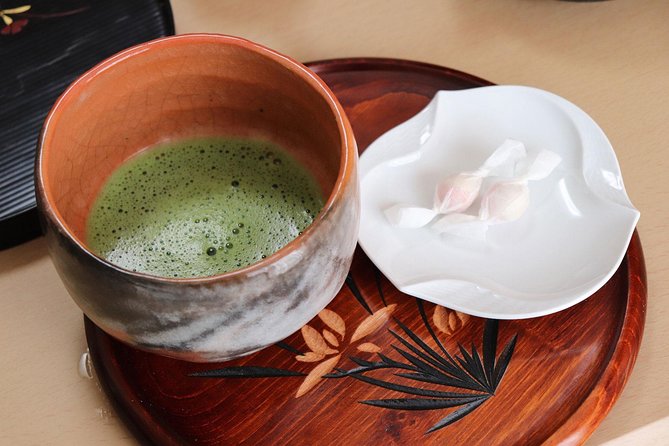
- Matcha starts it all with tea prepared in a traditional style, often with extra tea-culture moments after.
- Obanzai is the core lesson, meaning you learn how Kyoto-style home cooking leans on seasonal vegetables and seafood.
- You eat in a private home with only your group, so the pace feels personal, not rushed.
- Sushi and miso show up on the table, and you may learn the traditional approach behind both.
- Local alcohol is included, which can make the meal feel more like an evening with someone you just met.
- Menu varies by season, so dietary needs matter more here than in a restaurant.
Entering Emika’s Kyoto Home, Not a Restaurant
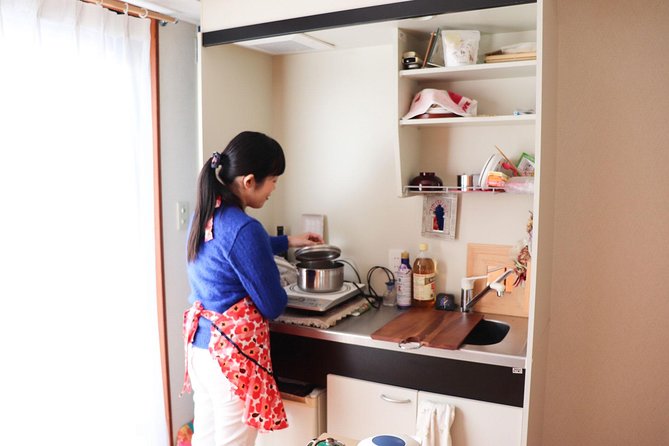
This experience is built around one simple idea, you sit down in a Kyoto resident’s home and eat like a local. That matters, because a home table rewards curiosity. You will ask questions you might never ask in a dining room full of strangers.
You meet Emika at her home address in Kyoto, in Nishikyo Ward, and you return there at the end. There is no hotel pickup, so plan your route like you would for any neighborhood plan, use public transportation and arrive a little early so you can settle in.
The tone is friendly and calm. The strongest impressions from past diners are about Emika’s warm hosting, plus the quiet, sweet, slightly witty vibe that makes the conversation feel easy. If you like learning through real talk, not lecture, this format fits.
More Sushi Making Classes in Kyoto
- Sushi Making in Kyoto! Same-day bookings welcome!
★ 5.0 · 713 reviews - The Original Small-Group Sushi Making Class in Kyoto
★ 5.0 · 436 reviews - Kyoto: Small-Group Authentic Sushi Making Workshop
★ 5.0 · 137 reviews
Matcha Green Tea First: A Traditional Start With Real Meaning
The meal typically begins with a cup of matcha green tea prepared in a traditional style. This is not just a drink you sip and forget. Tea here sets the tempo for everything else, it signals respect for process, and it nudges you to slow down.
In some experiences, Emika’s father plays a bigger role in the tea side. Past guests describe a small but charming tea ceremony element, which makes the evening feel extra Kyoto, not just extra food. Even if your tea time is more straightforward, you are still starting with the ritual, and that changes how you experience dinner.
If you are curious about how tea is handled, this is a rare chance to see it up close in a home setting. You will not be pushed through a script. You will get the chance to ask, listen, and taste while it is being made.
Obanzai at the Table: Seasonal Kyoto Home Cooking You Can Understand
Obanzai is Kyoto-style home cooking made from whatever the season provides. The dishes often center on seasonal vegetables and seafood, with flavors that feel comforting and practical rather than showy. That is exactly why this meal works. You get the chance to taste the logic of Kyoto cuisine, not just the end result.
You sit down around a dining table and share a traditional Obanzai meal with Emika. The food you receive may include miso soup, rice, multiple Obanzai-style dishes, and a sweet that pairs with matcha. Because this is seasonal, do not expect a rigid set of dishes. Instead, expect the meal to follow what is good right now.
The reviews emphasize how fresh everything feels, including produce that Emika and her household grow locally, with some ingredients described as coming from Emika’s own garden. That matters for value, because freshness is not a vague word here. It changes flavor, texture, and how light the meal feels.
Sushi and Miso Soup: Learn the Traditional Approach While You Eat
The experience also includes sushi and miso soup, and multiple diners note that Emika explains the traditional way behind these basics. That is a big deal if you only ever see sushi as a restaurant product. Here, sushi becomes something you can understand as a method, even if you do not go home with a new set of knife skills.
You should expect a meal that is paced, not stacked. You will have time to eat, talk, and take in what is happening at the table. If you learn best by watching and asking, the home setting gives you that opening.
Miso soup is one of those dishes people think they already know, until they taste it made with care and served as part of a full meal rhythm. In this kind of Kyoto home menu, it is not just soup, it is a warm anchor that makes the seasonal sides feel coherent.
A change of pace from Kyoto:
- PERFECT KYOTO 1-Day Bus Tour
★ 5.0 · 13,518 reviews - Kyoto: Fushimi Inari, Kinkakuji, Bamboo Grove 1 Day Bus Tour
★ 4.8 · 4,316 reviews - Kyoto: Tea Ceremony in a Traditional Tea House in Kiyomizu
★ 4.9 · 3,519 reviews - Kyoto Geisha Walking Tour: Gion District & Hidden Gems
★ 4.7 · 3,273 reviews
Local Alcohol Included: Make It an Evening, Not Just a Meal
Local alcohol is included with the meal. The listing does not promise a specific drink, so think of it as a helpful addition rather than a guarantee of a particular type. Either way, it usually makes conversation flow better, and it can make the dining experience feel closer to what a Japanese home meal might feel like.
That said, keep your own comfort first. If alcohol is not your thing, you can still enjoy the meal for the food, the tea, and the Obanzai learning. The biggest value here is the personal interaction and the cuisine itself, not the drink.
The Conversation Part: Why This Feels Cultural, Not Only Culinary
Food experiences often stop at eating. This one keeps going with conversation. Emika shares experiences and lifestyle in Japan, and the vibe is easy enough that you will likely find yourself asking questions naturally.
Past diners highlight how Emika is both polite and warm, and how she shares lifestyle details along with food knowledge. If you want Kyoto from a human angle, not just a sightseeing angle, this home table delivers.
Also, because it is a private, personalized experience, your group’s questions shape the tone. You are not competing with a crowd for attention. That matters if you travel with someone you want to talk with, not just take photos.
Lunch or Dinner: Pick the Slot That Matches Your Day
You can choose lunch or dinner time, which helps a lot in Kyoto. Lunch works if you want a calm midday plan that is food-focused. Dinner works if you want your evening to end with something warm, tea-based, and homey.
The duration is about 1 hour 30 minutes, so you are not committing a whole chunk of your day. That is a sweet spot. Long enough for multiple courses, short enough that you can still do other Kyoto plans afterward.
One practical idea: if you are hopping between temples and neighborhoods, choose the slot that keeps your travel time reasonable. Nishikyo Ward is not in the center of the most tourist-dense areas, so you will feel the route more than you would with a centrally located meal.
Price and Value: When $79 Actually Makes Sense
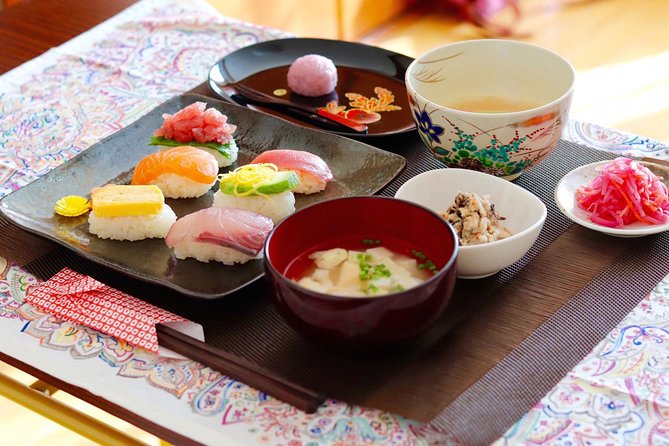
At $79 per person, this can feel steep if you compare it to supermarket sushi or a casual lunch. But this is not that. You are paying for a private meal in a local home, with traditional tea preparation, a multi-part Japanese meal, and conversation with your host.
The value gets clearer when you add up what is included: an authentic home-cooked Japanese meal, matcha tea, local alcohol, and seasonal Obanzai dishes that are not generic. Plus, the experience includes a cultural component, with tea preparation and sometimes a mini tea ceremony element.
Also, menus can vary, so you are not paying only for a fixed set of items. You are paying for that moment of Kyoto domestic life, where the ingredients, pacing, and explanations are the point.
This is often booked about 25 days in advance on average. If you have a specific date in mind, plan ahead so you are not stuck with fewer time slots.
What You Should Tell Emika Before You Sit Down
Your menu might vary depending on the season, so dietary details matter. Tell Emika about any specific dietary requirements in the booking process, so she can shape the meal to fit you.
If you have allergy concerns, do not treat this as a vague heads-up. Give clear information when booking. In a home meal, small changes can be the difference between a smooth experience and an uncomfortable one.
If you are a picky eater, Obanzai can be a plus or a challenge. It leans on seasonal vegetables and seafood, so you will likely eat things that are not labeled like typical restaurant dishes. The upside is that Emika can explain what you are eating and why it is part of the season.
How to Get the Most Out of a Home-Cooked Kyoto Meal
To make the most of the time, treat it like a conversation with dinner, not a performance. Ask about the tea process first, then move into Obanzai. Simple questions work best: what ingredients are in season, how the dishes fit together, and what the meal usually looks like at home.
Go in with a flexible mindset about what you might receive. The menu can vary, but that is part of the charm. Kyoto home cooking changes with the season for a reason, and you get to experience that logic instead of a standardized tourist plate.
Also, arrive calm. Because there is no pickup, you control your own stress level. If you show up a little early, you will settle in, and you will actually taste the tea and food instead of rushing through the first course.
Who This Experience Fits Best
This is a great match if you want Kyoto culture through food and conversation. I would book it if you love Japanese home cooking, if you want to understand Obanzai as a way of eating, or if you enjoy learning how staples like sushi and miso soup are approached traditionally.
It is also a smart choice for couples or small groups who want a private, personal meal. The experience is just your group, so the host can focus on you, your questions, and the pace you prefer.
If you only want big, famous sights and fast moving days, you might find this too slow and too neighborhood-based. But if you want one real Kyoto anchor that is not another temple stop, this home dinner is exactly that kind of anchor.
Should You Book This Kyoto Home Meal With Emika?
Yes, if you want a meal that feels personal, traditional, and ingredient-focused. The combination of matcha, seasonal Obanzai, and the chance to learn the traditional approach to sushi and miso soup makes this more than a basic food stop. It is also private, so the experience adapts to your group.
I would hesitate only if you hate the idea of traveling to a residential neighborhood without pickup, or if you have very complex dietary restrictions that require strict substitutions. In that case, the key is communication at booking, not skipping the experience automatically.
If your goal is to eat Kyoto the way locals actually do, in a calm home setting, this is an easy yes.
FAQ
How long is the Kyoto home-cooked meal experience?
It runs for about 1 hour 30 minutes.
What does the price include?
The price includes an authentic, home-cooked Japanese meal and local alcohol.
Is hotel pickup or drop-off included?
No. There is no hotel pickup or drop-off, and the experience ends back at the meeting point.
Can I choose lunch or dinner?
Yes. You can choose either lunch or dinner time to fit your schedule.
Is the menu the same every day?
No. The menu may vary depending on the season.
Can I bring dietary needs?
Yes. You should advise any specific dietary requirements in the Special Requirements box at the time of booking.
Is this a private experience?
Yes. It is private, personalized, and only your group participates.
Are service animals allowed?
Yes, service animals are allowed.
Latest write-ups near Kyoto
- Kyoto Private Tour Full Day with Local Guide&Nara Option(PerGroup★ 5.0 · 20 reviews
- Sacred Pathways: Discover the Philosopher’s Path of Kyoto★ 4.9 · 20 reviews
- Hammer Pattering Experience of Ring★ 5.0 · 20 reviews
- Kyoto UNESCO World Heritage Site Private Tour with a Premium Van★ 5.0 · 20 reviews
- KYOTO: Private Tea Ceremony in Hidden Townhouse (Kid-Friendly)★ 5.0 · 20 reviews
- The Kyoto VIP Experience!★ 5.0 · 20 reviews
- Kyoto Customized Private Tour: See Top Attractions in 1 Day★ 4.7 · 20 reviews
- TREASURES of Kyoto: Fushimi Inari, Kiyomizu Temple, and more!★ 5.0 · 20 reviews
Sushi Making Classes, compared.
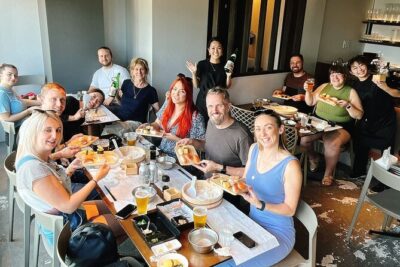
Sushi Making Tokyo Roll and Authentic Japanese Sushi Class
Read our review →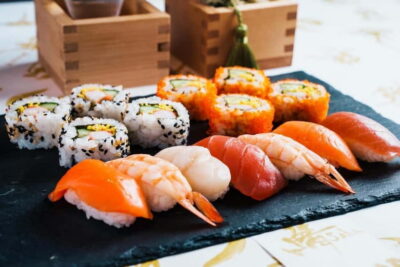
Roll and Authentic Sushi Making Class in Asakusa
Read our review →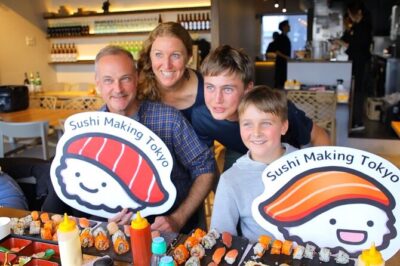
Make Sushi and Create Unforgettable Memories in Tokyo
Read our review →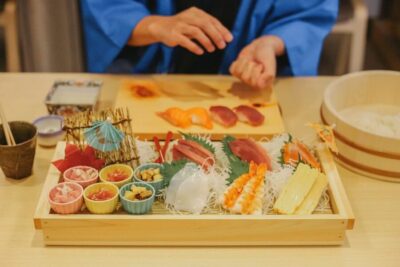
Sushi Making Class in a Happi Coat near a Famous Spot
Read our review →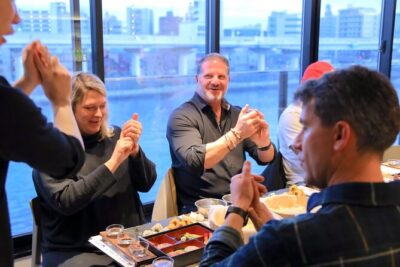
Sushi Making Osaka Roll and Authentic Japanese Sushi Class
Read our review →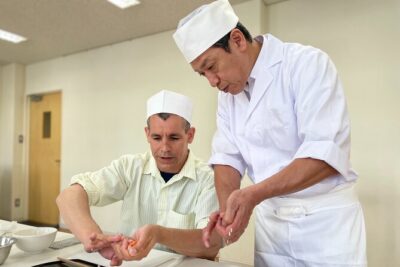
Tokyo Sushi Making Class in Tsukiji with Professional Chef
Read our review →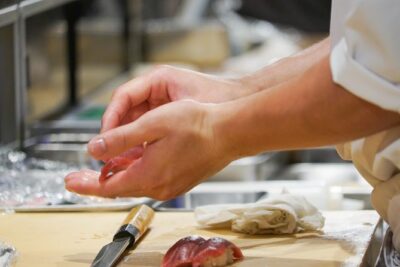
Tokyo Night Foodie Tour in Shinjuku – Seasonal Sushi, Wagyu Beef
Read our review →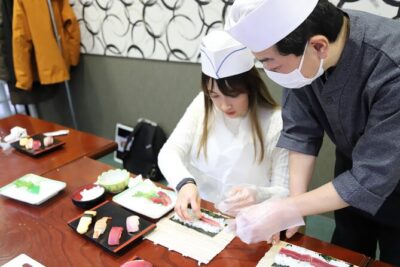
Tsukiji Fish Market Guided Tour and Sushi Making with Pro Chef
Read our review →Browse the lists this tour appears in