Reviewed · KYOTO TOURS
Sacred Pathways: Discover the Philosopher’s Path of Kyoto
Kyoto’s Philosopher’s Path is interesting because it feels like a slow exhale. You follow a tree-lined canal, hear the water at your side, and step through temple gardens where every stone and rake mark seems to mean something. I especially like the chill pace (no sprinting, lots of time to look) and the entrance fees included part, so your day stays simple. One thing to consider: it’s about 5 km of walking, so wear comfy shoes and don’t plan to stop every five minutes.
What makes this Sacred Pathways experience work is the way the story clicks into place. With guides like Kevin and Craig leading the way, you get the Zen context that turns what you’re seeing into something you can actually read. It’s also a small-group setup, typically up to eight people, which helps you enjoy the quiet without feeling stuck in a crowd.
Key things to know about Sacred Pathways (before you go)
- A calm 4-hour loop focused on the Philosopher’s Path and two major Zen stops
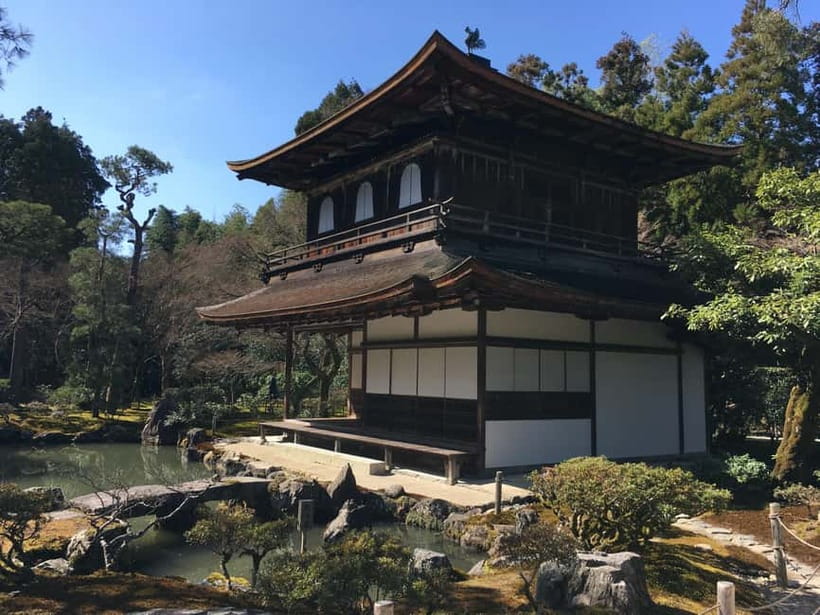
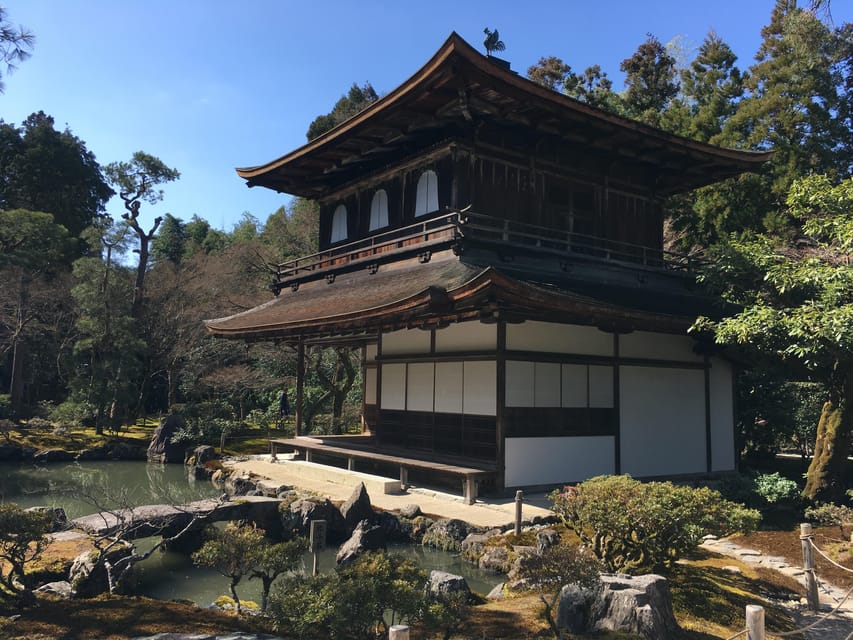
- Ginkakuji’s garden is the big visual payoff, with raked gravel and carefully placed stones
- Nanzenji’s aqueduct and temple architecture give you a more monumental counterpoint
- Small groups (max eight), with no flags, mics, or bus energy
- All entrance fees included, so you do not need to juggle cash
- About 5 km of walking, moderate fitness recommended
Philosopher’s Path walk: canal views, gentle sounds, and a realistic pace
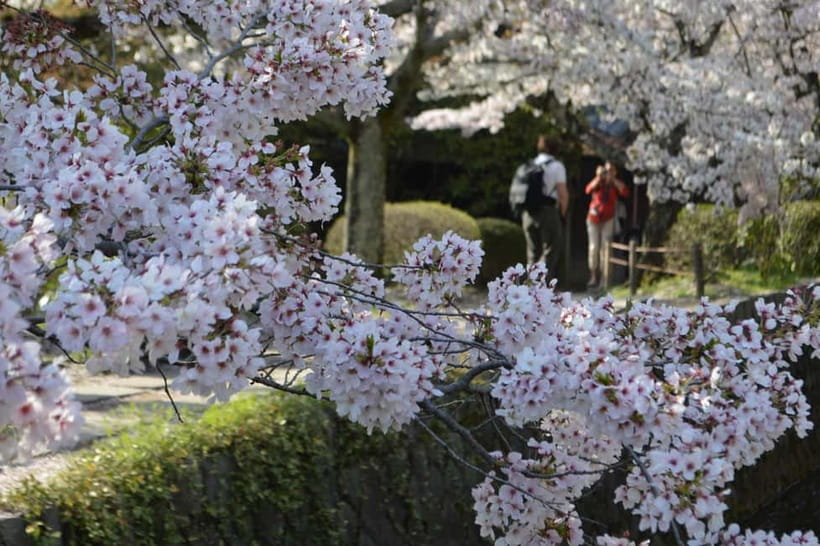
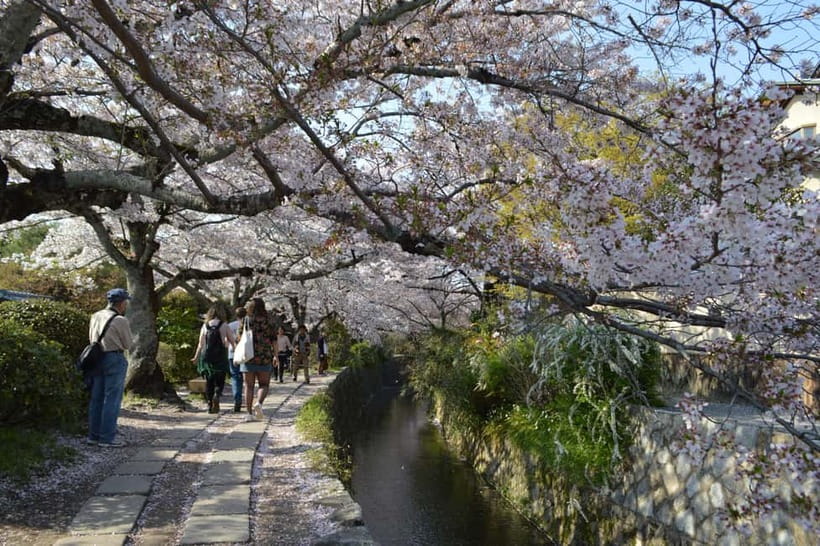
The heart of this tour is the Philosopher’s Path itself, the famous riverside stroll that runs along the foothills of Kyoto’s eastern mountains. What I like is how it doesn’t feel like a checklist. You’re moving at an easy speed, so you can actually notice details: the water channel, the tree shade, and the way morning light can change how the gardens look as you pass by.
This is also where the “sacred” part starts to make sense. Even if you are not a Zen scholar, the walkway teaches a rhythm. You hear the stream, you feel the cool air under the trees, and you get long enough between stops to let your brain slow down. The route hugs the foot of the mountains, which means you often get that sense of being close to nature while still being in the city.
If you want photos, the pace helps. One of the best-reviewed perks is that there’s time to stop and take pictures without pressure. And if the weather turns, the gardens and stonework can look different in a good way, like the atmosphere shifts instead of ruining the day.
The main practical consideration is distance. The tour is around 5 km walking in about 4 hours. That’s not marathon territory, but it does mean you should come prepared to walk consistently. If you think you might get sore after a couple kilometers, plan for that now and wear shoes that can take a temple route.
Also on the shortlist for Kyoto:
- PERFECT KYOTO 1-Day Bus Tour
★ 5.0 · 13,518 reviews - Kyoto: Fushimi Inari, Kinkakuji, Bamboo Grove 1 Day Bus Tour
★ 4.8 · 4,316 reviews - Kyoto: Tea Ceremony in a Traditional Tea House in Kiyomizu
★ 4.9 · 3,519 reviews
Ginkakuji Temple and the Silver Pavilion garden: how Zen design becomes visible
Ginkakuji Temple, often called the Silver Pavilion, is one of Kyoto’s “you have to see it in person” experiences. The standout here is the garden design. You’ll see immaculate Zen garden elements, including meticulously raked gravel and artfully placed stones. It’s the kind of scene where looking slowly pays off, because the whole point is balance: empty space matters as much as the objects in it.
What makes this stop more than pretty scenery is the framing your guide gives. Without context, it can be hard to know what you’re looking at. With the explanations, those gravel patterns and stone arrangements start to read as a deliberate visual language tied to Zen thinking and the arts. You can watch how people move through the space differently once they understand what they are meant to notice.
Another reason I like this stop on a tour like this is that it matches the mood of the Philosopher’s Path. It’s not an abrupt jump into something loud or rushed. It feels like the walkway’s calm leads you right into a temple environment designed for focus.
One small practical note: this is a garden. Even if you can walk fine, you may want a moment to sit and just look. Some visitors built in time to pause at a cafe along the route, and having that flexibility is part of why the pacing matters.
Nanzenji and its imposing aqueduct: architecture that changes the tone
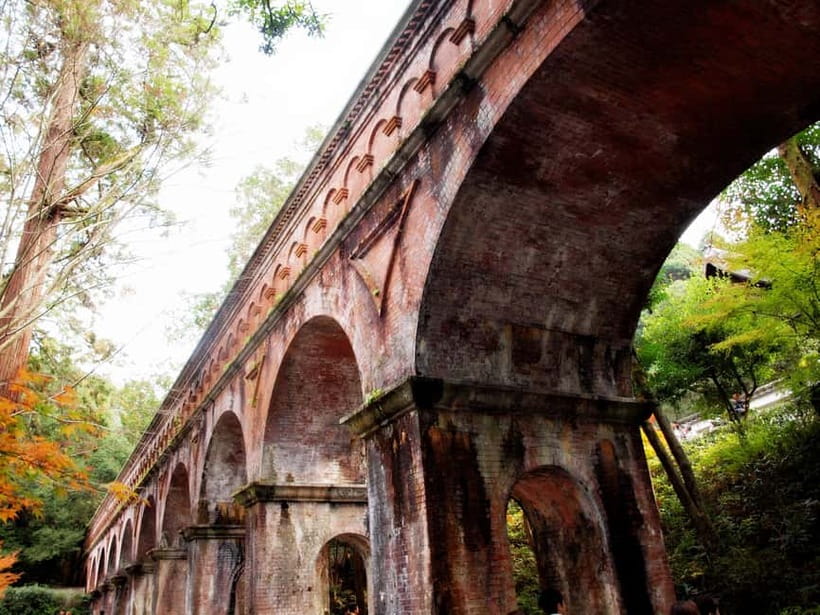
After Ginkakuji’s garden calm, the tour shifts to Nanzenji, described as a prominent Zen temple in Kyoto. This stop brings a different kind of impact. Instead of emphasizing raked-gravel serenity, you get impressive architecture and an imposing aqueduct.
That contrast is valuable. Kyoto can sometimes feel like one temple after another, all similar vibes. Here, the aqueduct and the temple structures give you a broader sense of how Zen spaces can function in the real world, not just as contemplative backdrops. It also helps you understand Kyoto’s scale and craftsmanship, because the aqueduct is the sort of structure that makes you look up more than you’d expect.
If you like architecture as much as gardens, this is the stop that often feels like the “wow, wait, look at that” moment. And if you prefer quieter sightseeing, you’ll still get plenty of chance to take your time, since the overall day is paced for walking comfort and thoughtful pauses.
Why the guide matters: stories, local perspective, and a pace matched to you
The guides are a huge part of what makes this experience feel worth it. They are long-term Kyoto residents, and they bring a storyteller’s approach, not just a facts-only tour. Names that came up clearly from past outings include Kevin and Craig, and both types of guiding show up in the feedback: people loved how the host explained history and culture in a way that made the sights click.
You’re also getting a bilingual guide. Tour languages are English and French, which matters if you want a smoother back-and-forth when you have questions. And because the group stays small, you’re not lost in the shuffle. There’s time to ask things and keep the day moving at a human speed.
Another thing I appreciate is the “real tour” setup. This is not a megaphone parade. The experience aims to stay low-key, typically with no flags, no mics, and no bus herding. That helps the temple atmosphere stay intact, and it also reduces that awkward feeling of being one of many.
Just as important, the pacing is described as relaxed, so you spend more time looking at what you came for instead of absorbing fatigue. If you’re traveling with someone who gets tired on longer sightseeing days, the chill pace is a practical advantage, not a luxury.
A change of pace from Kyoto:
- Kyoto Geisha Walking Tour: Gion District & Hidden Gems
★ 4.7 · 3,273 reviews - Kyoto: Tea Ceremony Ju-An at Jotokuji Temple
★ 4.9 · 3,207 reviews - Kyoto: Gion Magical Night Walking Tour with Geisha Trivia
★ 4.9 · 2,393 reviews - Kyoto: 45-Minute Tea Ceremony Lesson Experience
★ 4.3 · 2,378 reviews
Price and value: what $64 gets you when entrances are included
At $64 per person for a 4-hour small-group tour, this can be good value, mainly because the important part of Kyoto sightseeing is usually the add-ons. Here, all entrance fees are included, so you are not stuck doing last-minute math or hunting for cash right when your schedule is tight.
That also changes the feel of the day. When everything is already handled, you can stay present. You do not have to pause mid-walk to deal with payment, and you can keep moving between Philosopher’s Path sections and the temple sites.
You also get a digital city guide included. That’s useful because it helps you remember what you saw after the walk, and it can be handy for planning your next stops in the same area. Plus, there’s a nice practical angle: the company is locally run, established since 2014, with a track record of many happy customers.
Food and drinks are not included, so you’ll either bring your own snacks or plan to buy something along the route. The good news is that there are cafes and shops along the Philosopher’s Path, so you typically have an easy place to take a break.
Crowds, comfort, and why small groups feel different in Kyoto
One of the strongest themes behind the high ratings is how uncrowded the experience can feel. The tour keeps group size small, usually up to eight people, and moves without the usual large-group theater. In practice, that can mean fewer people stepping into your photos, less jostling near key views, and a calmer rhythm at temple entrances and garden paths.
I also like how the day is set up to avoid frustration. The tour aims for a smooth flow between stops, with less time wasted and fewer awkward pauses. Reviews mention no long bathroom breaks and no irritated energy from being delayed, which is exactly what you want on a half-day sightseeing plan.
If you want to see Kyoto without getting swallowed by the main tourist currents, this is the kind of approach that helps. You still see major sites like Ginkakuji and Nanzenji, but the focus stays on the Philosopher’s Path and on why these places matter, not on just ticking boxes while you stand behind strangers.
Walking expectations and what to pack for a 5 km temple day
Because the tour covers about 5 km (3 miles) on foot, you should treat this like a real walk day. That means comfortable footwear is not optional if you want to enjoy yourself. Think supportive shoes for uneven stone and garden paths.
Also plan around the fact that food and drinks are not included. If you get hungry, you’ll need to buy something, or you can take a quick break at a cafe along the route. The schedule is designed with a relaxed pace, so you typically should not feel rushed while you take a breather.
Other practical notes from the tour guidelines:
- Drones are not allowed
- This isn’t listed as a stroller-friendly day, and it’s not suitable for young kids
- Kids under ten are not recommended for the standard tour, but you can enquire about a private tour
Who should book Sacred Pathways, and who should skip it
This tour fits best if you:
- Want a Zen-focused walk that actually explains what you’re seeing
- Enjoy a calm pace with enough time for photos and quiet looks at gardens
- Prefer smaller groups and quieter sightseeing
- Like pairing scenic walking with a major temple garden visit, plus a strong architecture stop at Nanzenji
It may not be the best match if:
- You do not want to walk about 5 km
- You are traveling with children under ten, since the standard tour is not suitable
- You need mobility accommodations beyond what a moderate walking day implies
- You are very advanced in age, because it is not suitable for people over 95 years
If you are in a group that wants flexibility, the experience also offers private or small-group options, which can help tailor the pace.
Should you book Sacred Pathways: Discover the Philosopher’s Path of Kyoto?
I’d book this if your ideal Kyoto day is a steady, thoughtful walk along the Philosopher’s Path, followed by two stops that show Zen from different angles. Ginkakuji gives you the garden’s visual language, and Nanzenji shifts the tone with bold temple architecture and the aqueduct. With a bilingual local guide and small-group energy, you get context without feeling trapped in a script.
Skip it if you want zero walking, are traveling with kids under ten on the standard format, or if you are not comfortable with a 5 km day. If you’re on the fence, think of it this way: you are paying for time, pacing, and explanation, not just admission tickets. And since entrance fees are included, the $64 price feels easier to swallow.
FAQ
How long is Sacred Pathways: Discover the Philosopher’s Path of Kyoto?
The tour lasts 4 hours.
What does the tour cost?
The price is $64 per person.
Is food or drinks included in the tour price?
No. Food and drinks are not included.
Are entrance fees included, or do I need cash?
All entrance fees are included, so you do not need to bring cash for those fees.
What languages are the guides?
The live tour guide speaks English and French.
How much walking is involved?
The tour is about 5 km (3 miles) of walking and requires at least a moderate level of fitness.
Is the tour suitable for children?
Children under 10 years old are not suitable for the standard tour. If you want to book with kids under ten, you can enquire about a private tour.
Can I bring a drone?
No, drones are not allowed.
Latest write-ups near Kyoto
- Kyoto Private Tour Full Day with Local Guide&Nara Option(PerGroup★ 5.0 · 20 reviews
- Hammer Pattering Experience of Ring★ 5.0 · 20 reviews
- Kyoto UNESCO World Heritage Site Private Tour with a Premium Van★ 5.0 · 20 reviews
- KYOTO: Private Tea Ceremony in Hidden Townhouse (Kid-Friendly)★ 5.0 · 20 reviews
- Sushi or Traditional Japanese Cuisine in a Kyoto Home with Emika★ 5.0 · 20 reviews
- The Kyoto VIP Experience!★ 5.0 · 20 reviews
- Kyoto Customized Private Tour: See Top Attractions in 1 Day★ 4.7 · 20 reviews
- TREASURES of Kyoto: Fushimi Inari, Kiyomizu Temple, and more!★ 5.0 · 20 reviews
Kyoto Tours, compared.
Fushimi Inari, Kinkakuji, Bamboo Grove 1 Day Bus Tour
Read our review →
Tea Ceremony in a Traditional Tea House in Kiyomizu
Read our review →
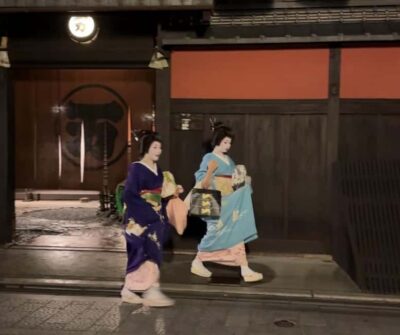
Kyoto Geisha Walking Tour: Gion District & Hidden Gems
Read our review →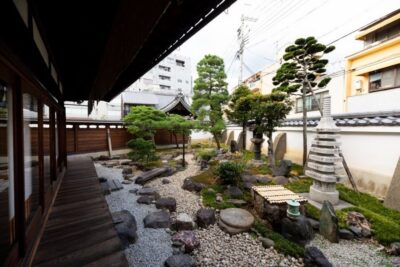
Gion Magical Night Walking Tour with Geisha Trivia
Read our review →