
Reviewed · HIKING & TREKKING
Magome & Tsumago Nakasendo Trail Day Hike with Government-Licensed Guide
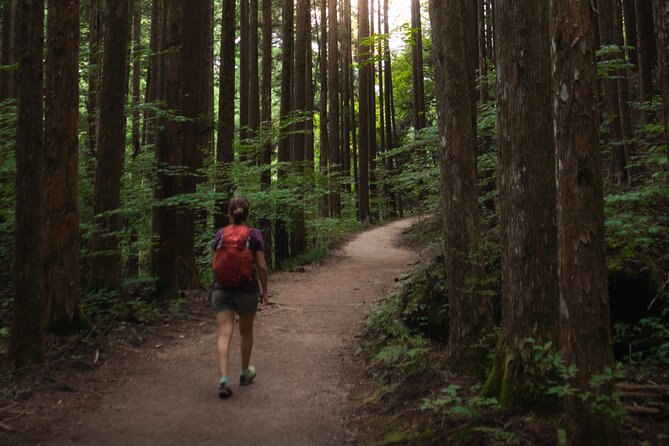
Walking the Nakasendo between Magome-juku and Tsumago-juku is interesting because it is an easy way to experience a preserved slice of old Japan, without committing to a huge day. I like that the walk clocks in at about 8 kilometers (5 miles), so you get exercise and plenty of stops without suffering. I also like the human side, you walk with a government licensed English speaking guide who helps the route make sense. One thing to plan for, public transport costs extra, so bring cash.
A private group hike also means you can ask questions and move at a comfortable rhythm. In past tours, guides such as Hiroshi-San and Enomoto Matt Masatake have been praised for clear English and for turning the trail into a story you can follow.
Just remember this is a walking tour with a meeting point on foot, and it is not offered in winter from December through the end of February because icy conditions can make the route unsafe.
Key things you will notice on this Magome to Tsumago hike
- Government licensed English guide: You get interpretation and context while you walk, including route history and village details.
- Easy effort for limited time: Around 8 kilometers (5 miles) total, built for an active but not punishing half day.
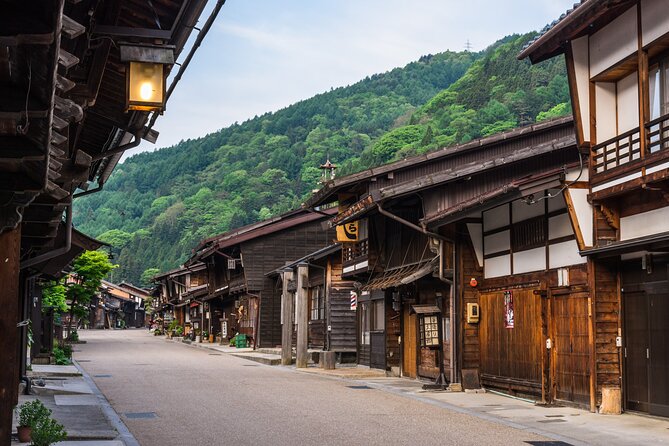
- Magome and Tsumago feel different: Magome is on a slope with valley views, Tsumago is flatter and famous for its preserved atmosphere.
- Photo-friendly preserved streets: You will naturally pause for photos of stone walkways, old inns, and traditional lanes.
- Food stops are part of the day: Soba lunch, bento, and tea house style breaks can be arranged during the walk.
- Bring cash for public transport: Transport fees are not included, and you might need them to connect before or after.
Why Magome to Tsumago works as a half-day day hike
If you only have a short window in central Japan, this route is one of the best bets. You walk along part of the old Nakasendo route, the highway that connected towns and travelers in earlier centuries. The distance is modest, but the villages you reach feel immersive because they are preserved in a very specific, old-school way.
What I like most is the pacing. You get about two hours in Magome, about two hours in Tsumago, and the trail time between them stays manageable. That structure matters because a lot of famous Japan routes can turn into a long march with constant transit. Here you can actually enjoy the places instead of just ticking them off.
The other practical win is the guide. A licensed English speaking guide does not just translate words, they help you notice details. On this trail, those details are the whole point, the stone lanes, the inn architecture, and the way each village preserves its past differently.
More Hiking & Trekking in Takayama:
- Sawanobori River Trekking Tour
★ 5.0 · 30 reviews - Frozen fall trekking
★ 5.0 · 21 reviews - Fushimi Inari Hidden Hiking Tour (Private Option Available)
★ 5.0 · 1,750 reviews
Government licensed English guide: what you gain beyond directions
For a route like this, having a guide changes the whole experience. The Nakasendo may look straightforward on a map, but the real experience is in interpretation: why these towns mattered, what visitors did there, and what changed over time.
In guides highlighted from real tours, Hiroshi-San was noted for setting context before the walk started, so the history of the Nakasendo route landed while you were still fresh. Enomoto Matt Masatake was praised for being professional and responsive ahead of time, and for adjusting the day based on what the group needed. Elvis and Yumi-San also came up as standout guides for friendly energy and patient explanations.
One more practical value: if you want a little help building in food or breaks, a good guide makes it easy. Some groups have been taken to a soba lunch stop or a bento served at an old public tea house. You are not stuck eating whatever is closest to the road.
The main drawback to keep in mind is pacing. One person shared that the guide could better match the slowest walker in the group. That is a polite reminder for you to speak up early if you need a steady pace or more frequent rests.
Magome-juku: stone lanes, craft shops, and valley views from a slope
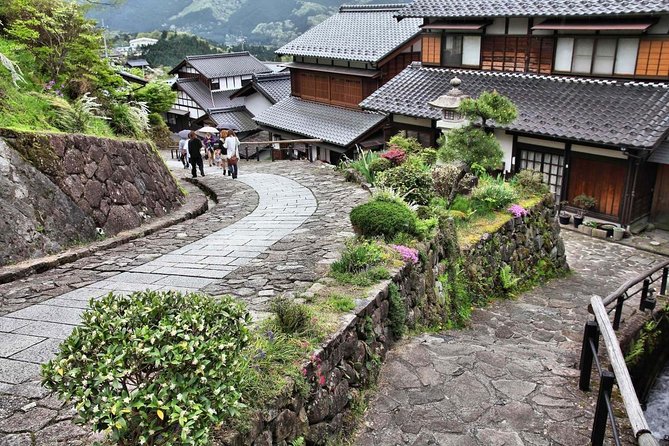
Magome-juku is where the Nakasendo story starts to feel physical. This village served travelers in the same general way as its neighbor, but Magome is preserved and restored with a distinct look. You will see broad stone walkways lined with trees, plus traditional houses and craft shops that make it feel like you are walking through a living village, not a theme set.
The big visual difference is the slope. Because Magome climbs, you get more natural viewpoints over the valley. This also means you can enjoy the scenery in short bursts, by pausing for photos or stepping into a spot with a view.
Magome also offers little museum stops that explain the town’s history and the artists who lived there, plus how residents used to live. Even if museums are not your priority, these spots give you a richer sense of what you are seeing, especially on a route where the details can be easy to miss.
A practical tip that matches what many people enjoy: plan a snack or drink. There are restaurants on the upper part of the village where you can eat with views, and there are also options lower down where you can mingle with local daily life.
The Nakasendo trail stretch: easy 8 kilometers with built-in pauses
The walking portion between Magome and Tsumago is described as an easy hike of about 8 kilometers. For most people, that is a great distance because it gives you that feeling of accomplishment without needing trail training.
Why it feels easier than the number suggests is the structure. You are not doing a nonstop grind. You are moving through preserved town edges, stopping for photos, and getting historical commentary while you walk. If you follow your guide’s rhythm, you should have time to breathe and look around.
This section is also where you can use your guide’s timing skills. A good English speaking guide helps you understand what you are passing and when to slow down. Some days, the pace can naturally vary based on weather and group comfort, so it helps to be clear about what you want most: faster progress, more explanation, or more stops for photos.
One caution based on a real service issue: if a day includes a planned viewing point that ends up blocked by trees, it can be disappointing. Your best move is to ask your guide what the current visibility is for any viewpoints, and to be flexible if nature, season, or foliage changes what you can see.
A change of pace from Takayama:
- Kanazawa: World Heritage Shirakawa-go Morning Guided Tour
★ 4.9 · 988 reviews - Kanazawa: World Heritage Shirakawa-go & Two Local Experience
★ 4.9 · 274 reviews - Kanazawa/Takayama: Shirakawago & Takayama Private Day Tour
★ 4.8 · 172 reviews - Departing from Takayama [Regular sightseeing bus] World Heritage Sites Shirakawago and Gokayama Ainokura
★ 4.5 · 137 reviews
Tsumago-juku: flat lanes, preserved inns, and lantern quiet at night
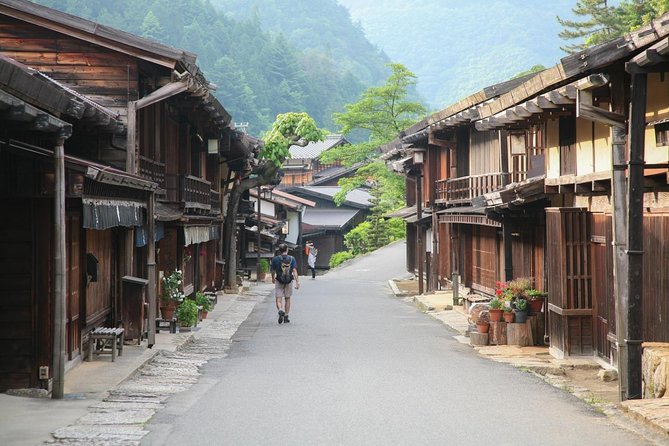
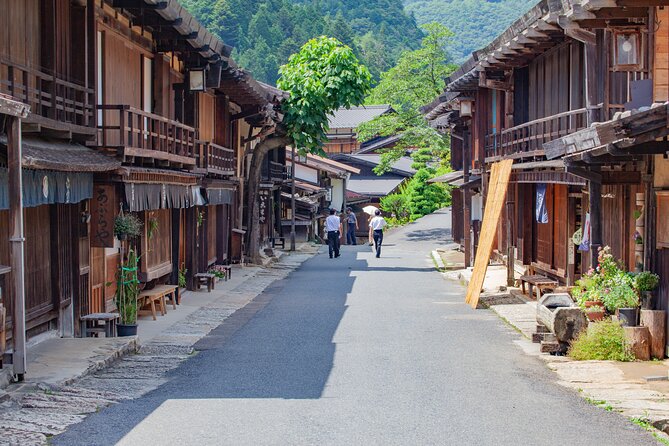
When you reach Tsumago-juku, the vibe changes. It is almost flat, which makes it feel calmer after Magome’s slope. Tsumago is also known for how early it became a historical preservation project, and that care shows in the details.
You will notice unpaved streets and careful efforts to keep the visual clutter down, including concealed cables. That attention is what makes the village feel like old Japan rather than a modern road pretending to be historic.
Tsumago has important preserved structures tied to how merchants and travelers moved along the Nakasendo. You can see traditional houses, including the original inn called the Honjin, and the secondary inn called the Wakihonjin. There is also a Buddhist temple that dates to the 16th century, plus an old notice board once used to post shogun decrees.
One of the most interesting notes is about time of day. Tsumago can be especially charming at night when lanterns are lit and the village quiets down. A drum beating has even been mentioned as part of that nighttime atmosphere, so if you are able to time your hike, evening is when the village mood can feel most magical.
Food breaks that actually fit the walk: soba, bento, and tea house time
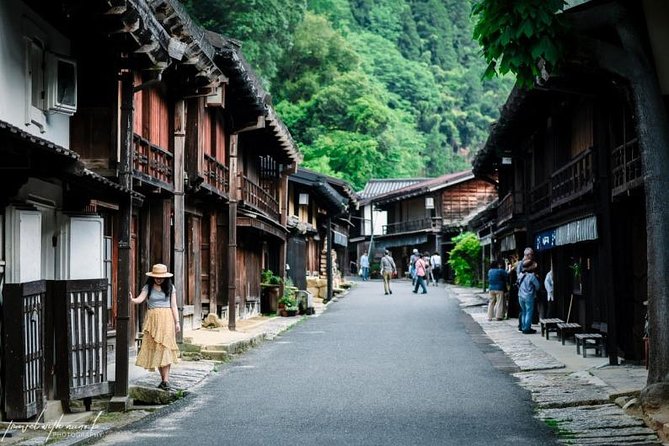
This is not just a sightseeing walk, it is a day you can shape around real breaks. Even though lunch is not included, guides can often help line up food that matches the setting.
In past tours, a soba lunch stop came up as a memorable add-on. Bento lunches also showed up, including options eaten at an old public tea house. These kinds of stops matter because they keep you grounded in place. You are not just eating somewhere convenient, you are eating in a setting that fits the trail.
If food matters to you, ask your guide early what timing works best. Weather can also affect how long you linger in each village, and a good guide will help you keep the day comfortable instead of rushing.
Price and logistics that affect your actual experience
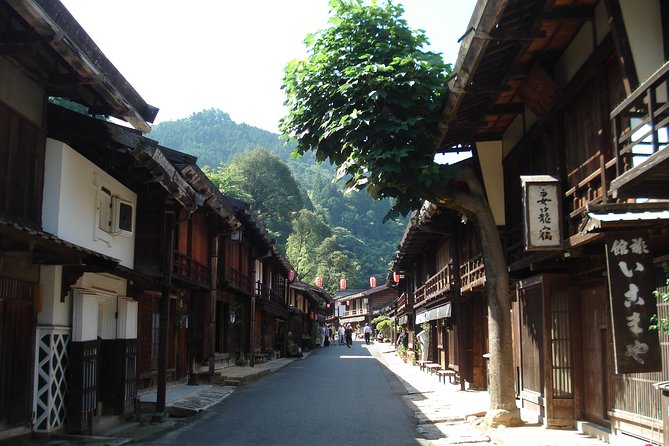
At $155.22 per person for about 6 hours, you are paying for three things: a government licensed English speaking guide, a private format, and a route that is designed for a manageable half-day with meaningful village time.
Is it expensive? It depends on your travel style. If you are the type who hates getting lost, gets frustrated with ticket confusion, or wants history explained while you are walking, the guide cost can feel fair fast. If you are comfortable navigating on your own and you just want photos and time in the villages, you might compare options. Still, for this route, the guide value is real because the experience is in what you learn while you walk.
A few logistics details matter:
- Transportation fees are not included. You will want cash ready since public transport costs extra.
- Admission tickets for the stops mentioned are free, so you are not locked into extra museum entry costs during the walk.
- The tour is private, so only your group participates, and you cannot combine multiple groups.
- You meet the guide at a designated meeting point on foot, meaning you should plan to arrive there a bit earlier than you think.
Also, the tour uses a mobile ticket. That is a small thing, but it usually saves you from hunting for paper confirmations.
Best season for Magome and Tsumago, and the winter reality
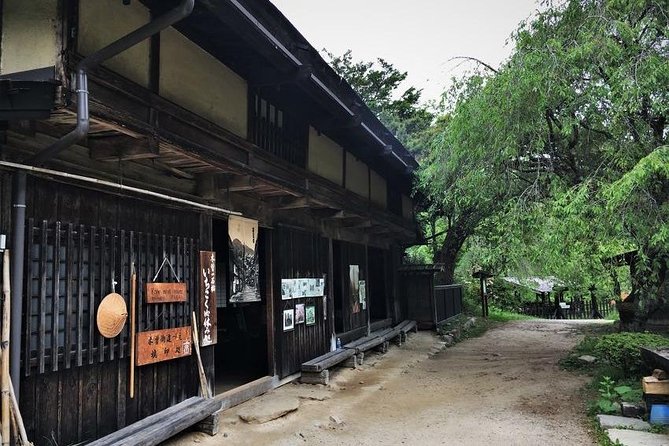
The tour is not available from December until the end of February due to icy conditions. That is important because it means the exact hiking experience is seasonal, and you may need a different plan in winter.
If you are traveling during those months, you can look at the related alternative: a full-day private trip that uses the bus to visit the areas, and you will not be able to hike. That is a big difference in effort and feel, so plan your calendar around what you actually want to do.
Outside winter, the route is commonly described as easy, so spring and fall can be ideal. One person also mentioned seeing cherry blossoms during a moderate day, which is exactly the kind of moment you want on a short hike.
Should you book the Magome and Tsumago Nakasendo trail hike with a guide?
You should book this if you want a short, active day that still feels cultural and specific. If your ideal Japan day includes walking a real old route, pausing in preserved villages, and having someone explain what you are seeing in clear English, this fits well.
It is also a strong choice if you prefer private time. A private guide hike keeps the day calm. You can ask questions, stop for photos, and get help choosing small breaks like soba or bento without turning your day into a logistics puzzle.
Skip it or adjust expectations if you mainly want to wander with zero structure. This hike has a set rhythm and built-in village time. And if you are sensitive about pacing, speak up early so your guide can match the slowest walker comfortably.
If you are deciding between DIY and a guided hike, my take is simple: for Magome and Tsumago, a guide helps you see the details you would otherwise walk past.
FAQ
How long is the Magome and Tsumago Nakasendo trail day hike?
It runs for about 6 hours (approx.).
How far do we walk on the trail?
The hike is around 5 miles (8 kilometers) total.
Is the hike difficult?
It is described as an easy hike.
Is the tour private?
Yes. It is a private tour/activity, and only your group participates.
What is included in the price?
A licensed local English speaking guide and meeting up with the guide on foot at a designated meeting point are included.
What is not included?
Transportation fees, entrance fees, lunch, and other personal expenses are not included. A private vehicle is not included either.
Do I need cash?
Yes. You are advised to bring cash to pay for public transport, which costs extra.
Are admission tickets included?
Admission tickets are listed as free for the stops described.
When is the tour not available?
It is not available from December until the end of February due to icy conditions.
Is there free cancellation?
Yes. You can cancel up to 24 hours in advance for a full refund.
Latest write-ups near Takayama
- Ninja Experience in Takayama – Trial Course★ 5.0 · 20 reviews
- Magome & Tsumago Nakasendo Full-Day Private Trip with Government-Licensed Guide★ 5.0 · 20 reviews
- Ninja experience in Takayama – Special Course★ 5.0 · 20 reviews
- Frozen fall trekking★ 5.0 · 21 reviews
- Takayama: Edo-Period Old Town Walking Tour★ 4.5 · 22 reviews
- 1-Day Tour from Takayama: Hida Folk Village, Caves & Ropeway★ 5.0 · 24 reviews
- Takayama: Private Walking Tour with a Local Guide★ 4.6 · 29 reviews
- Sawanobori River Trekking Tour★ 5.0 · 30 reviews
Hiking & Trekking, compared.
Fushimi Inari Hidden Hiking Tour (Private Option Available)
Read our review →
Hiroshima Local guided Hiking Tour&Open-air Tea Ceremony
Read our review →
Hiking the Historic Nakasendo Trail [1 Day Tour from Nagoya]
Read our review →
Kyoto Hiking Tour: The Nature and Legends of Kurama and Kibune
Read our review →
Full Day Hiking Tour at Mt.Takao including Hot Spring
Read our review →
Browse the lists this tour appears in