
Reviewed · HIKING & TREKKING
Kyoto Hiking Tour: The Nature and Legends of Kurama and Kibune
Kyoto’s Kurama and Kibune hike feels like a side of the city you do not see from the main streets. I love the door-to-door hotel transfers that drop you at the right spot, and I love having a private guide who explains what you are actually walking past. The main drawback is physical, this route includes plenty of steps and uneven ground, so you will want solid shoes and a steady pace.
You start in the morning, then spend the day moving through mountain shrines, forest paths, and temple grounds where legends feel close enough to touch. It is not just photo stops, the guide ties the spiritual stories to what you see in each place. If you want a flat, leisurely walk in the park, this may feel like more work than you expected.
Key things to know before you go
- Reiki origin stop on Mount Kurama with the Mikao Usui 21-day meditation story built into the visit
- Yuki Shrine’s 800-year-old cedar and the legend about relocating the shrine in 940 AD
- Kuramadera plus Okunoin Maoden means a forest walk, temple steps, and a more mysterious, demon-themed vibe
- Kifune Shrine’s water focus includes prayers tied to the God of water and rain
- Kifune inner shrine legend about a goddess boat journey from Osaka up the river
- Stairs-heavy but manageable with breaks since the pace is guided and the route can be adjusted when needed
Kurama and Kibune, Kyoto’s mountain day without the scramble
This is one of those Kyoto outings that resets your head. You trade crowds and city noise for forest air and the rhythm of walking between shrines and temples. You also get stories that fit the places, from Reiki origins to water legends linked to Kifune.
The structure helps. Hotel pickup and drop-off mean you do not have to figure out buses or trains with a backpack and a calendar in your hand. And because it is private, your guide can slow down, speed up, or change emphasis based on what you care about.
More Hiking & Trekking in Kyoto:
- Fushimi Inari Hidden Hiking Tour (Private Option Available)
★ 5.0 · 1,750 reviews - Kyoto: 3-Hour Fushimi Inari Shrine Hidden Hiking Tour
★ 4.9 · 270 reviews - Hiroshima Local guided Hiking Tour&Open-air Tea Ceremony
★ 5.0 · 213 reviews
Hotel pickup and the 9:00 am start that makes the day smoother
The day runs for about 8 hours with a 9:00 am start. You are picked up from the Kyoto urban area or the Kurama area, and returned afterward. That kind of door-to-door flow matters more than you think, especially in Kyoto where getting across town can eat up your energy.
You also get a mobile ticket, which keeps things simple once you are in Japan. The tour is set up as private, so only your group participates. Expect an English speaking guide and plenty of time to ask questions instead of following a fast line of strangers.
Photos of tour participants are included, which is a nice little upgrade. If you hate awkward self-timed photos, this helps you get memories without turning the whole day into a camera workout.
Yuki Shrine: a moved shrine, an 800-year cedar, and a protective legend
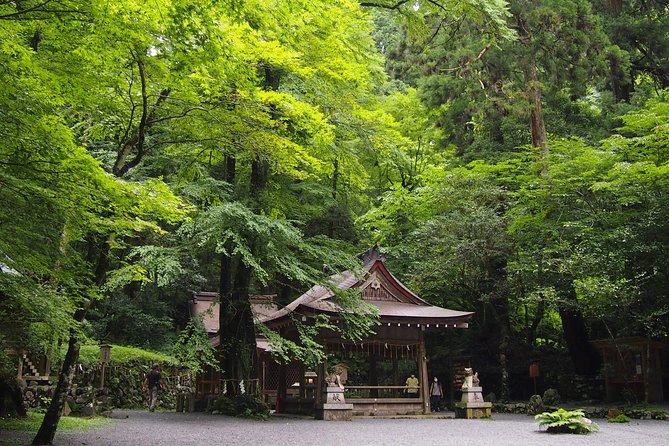
The first stop is Yuki Shrine, and the story behind it is part of why this hike works so well. The shrine was originally built in central Kyoto, then in 940 AD it was moved to Kurama to protect the area from mysterious evil. That kind of myth gives the morning a sense of purpose, like you are stepping into a living legend.
Plan on about 20 minutes here. A major highlight is an 800-year-old cedar tree, a living landmark that anchors the whole visit. The guide can point out what to notice, like how older trees and sacred sites reinforce the mountain spiritual atmosphere.
Admission is included, so you do not waste time hunting for payment spots before you even start walking.
Mount Kurama: Reiki origin stories on the mountain itself
Next comes Mount Kurama, the headline for anyone who knows Reiki beyond the modern wellness version. The tour frames it as the birthplace of Reiki, tied to Mikao Usui, who meditated for 21 days on this mountain in the early 1900s and is said to have received Reiki healing energy.
You get about 1 hour here. That time window is helpful because it gives you a chance to look around without feeling rushed. It also allows the guide to connect the legend to what you are seeing in the mountain setting.
Admission is free for this stop. In other words, this is a place where you can spend time without adding extra costs on the spot.
A change of pace from Kyoto:
- PERFECT KYOTO 1-Day Bus Tour
★ 5.0 · 13,518 reviews - Kyoto: Fushimi Inari, Kinkakuji, Bamboo Grove 1 Day Bus Tour
★ 4.8 · 4,316 reviews - Kyoto: Tea Ceremony in a Traditional Tea House in Kiyomizu
★ 4.9 · 3,519 reviews - Kyoto Geisha Walking Tour: Gion District & Hidden Gems
★ 4.7 · 3,273 reviews
Kuramadera and Okunoin Maoden: forest steps, temple calm, and a demon-themed feeling
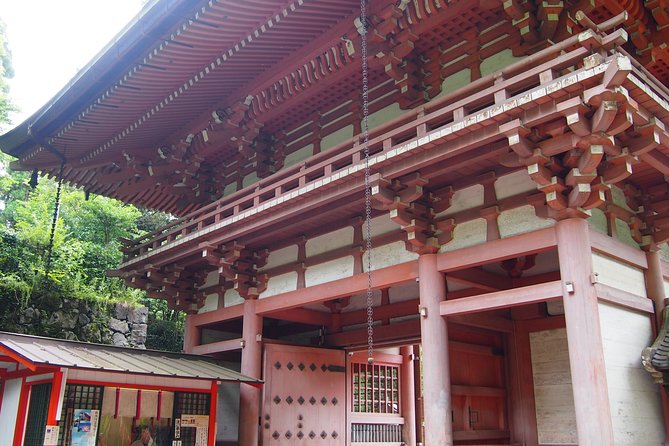
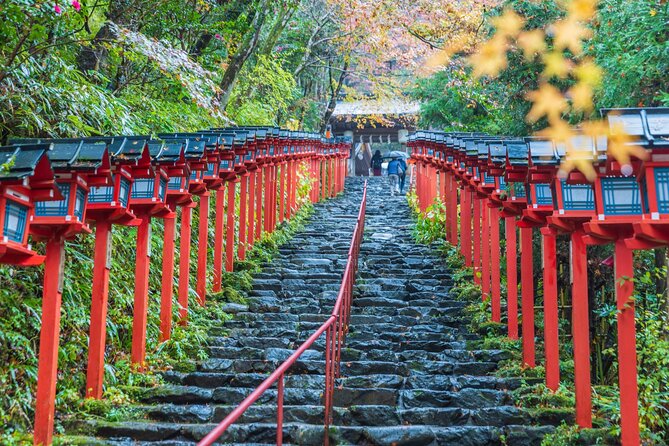
After Yuki Shrine, you move through the forest toward Kuramadera with a walk of about 25 minutes. Kuramadera is founded in the 8th century, and it is dedicated to a deity tied to the local tradition. What matters for your visit is the mood shift, you go from shrine grounds into deeper greenery where the walking feels more ceremonial.
This stop lasts about 45 minutes, and admission is included. The forest path is part of the experience. It slows you down in a good way, and it also creates that sense that you are traveling through history rather than just ticking off buildings.
Then you reach Okunoin Maoden, deep in the mountains. This is where the atmosphere goes a notch darker, it is said to be where demons reign. You only spend about 10 minutes, but that brief stop can be intense, the kind of quick visit where you feel the stillness around you.
Admission is included again, and the time is long enough for the guide to explain the legend without turning it into a lecture.
Kifune Shrine: the God of water and rain, plus a legendary boat from Osaka
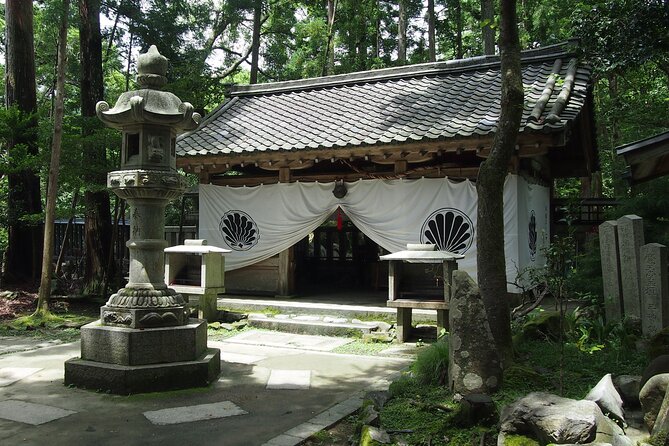
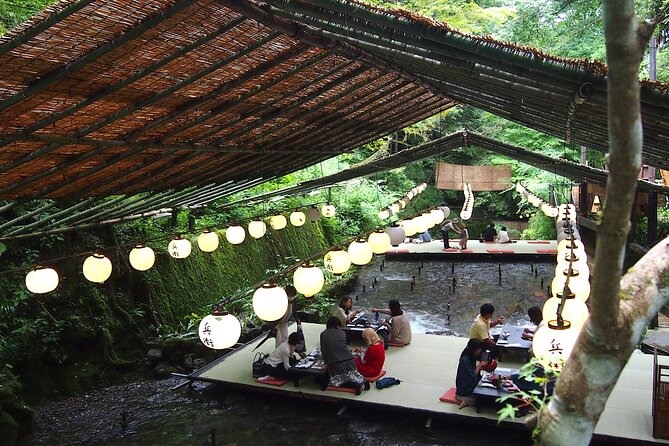
Now you pivot from mountain forests to water spirituality at Kifune Shrine. This place is dedicated to the God of water and rain, and the tour explains the connection to sailors who prayed here for luck on voyages. It is a reminder that the water theme is not abstract, it shaped daily life, transport, and safety.
You get about 30 minutes at the main Kifune Shrine area. There are spots where you can drink pure mountain water fresh from the source. Even if you think you will not care, you usually end up caring once you taste it, mountain water in Japan has a clean, crisp feel.
Then you continue to an inner area also connected to Kifune Shrine. The legend says a goddess traveled in a boat from Osaka up the river into these mountains. This inner shrine houses the boat she is said to have ridden, and you spend about 25 minutes here.
Admission is included at both Kifune stops. That is a big value point for the day since temples and shrines can add up fast when you are on your own.
How hard is this hike? Stairs, uneven ground, and pace control
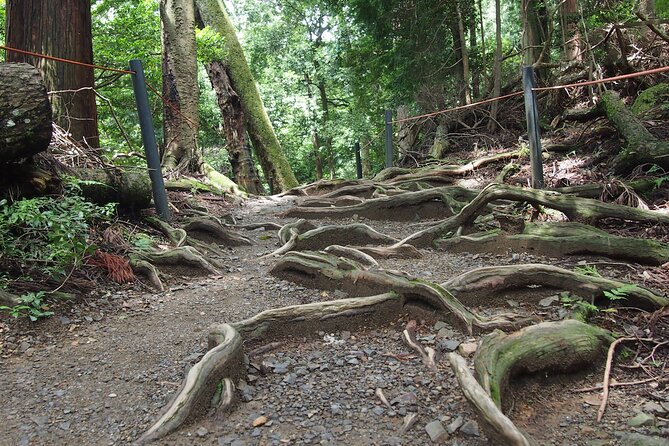
Even though the route is not described as a massive all-day trek, it is still a stair and steps kind of hike. Expect frequent climbing and descending, and some uneven surfaces. You should have at least moderate physical fitness for the walk time and footing.
The best way to think about it is this: the hiking portion is short enough to feel doable, but the stairs mean you need a steady rhythm. You should plan on taking it slow rather than trying to “power through.” The guide pace matters, and some guides have even adjusted the schedule when someone had an injury.
If you have knee issues, bring a plan for the descent. If you are a beginner, do not underestimate footwear. You want shoes that grip well on stone and damp sections.
Also, the tour depends on good weather. If rain hits, the route can change for safety, and your guide may swap in easier-access shrines or modify the plan to keep the day enjoyable.
Private English guides who turn temples into stories you can use
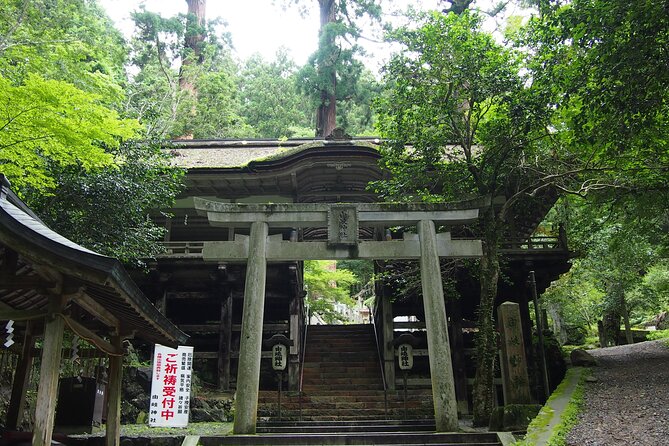
The guide is the difference between walking through places and understanding why those places exist. This tour is designed for conversation and context, and the English interpretation is a core part of the value.
Different guides show up in past trips, including Mariko, Ryoma, Yuki, Akira, Miyo, Miki, Akari, Mizuho, Etsuka Nakaba, Michiko Murayama, and Yoji. The common thread is that the guides explain the meaning behind the shrines and connect the myths to what you are standing in front of.
Some standouts from guide styles:
- Mariko tends to focus on friendly, approachable explanations paired with a clear plan through the sights.
- Ryoma is described as personable and strong on history tied to Mount Kurama.
- Yuki is praised for making navigation easy, so you spend less energy worrying about where to go.
- Akira is noted for balancing guidance with safety on the steps and uneven ground.
- Michiko Murayama, in one rainy situation, adjusted the itinerary for easier access and still found ways to make the walk feel alive.
If you care about religion, legend, and the “why” behind sacred geography, you will feel this tour was built for you.
Price and included value, why $191.60 can make sense
The price is $191.60 per person for a day that runs about 8 hours. That can sound steep until you tally what you do not have to pay for and what you do not have to arrange.
Included value you should count:
- Hotel pickup and drop-off from Kyoto urban areas and Kurama
- All fees and taxes
- Entrance fee for Kuramadera Temple
- Admission is also included for other key stops in the day
- English speaking guide
- Photos of tour participants
Not included is lunch, and private transportation by taxi or car is available only for an extra fee. So you will still need to plan your meal, either bringing something or grabbing lunch on your own near the end.
One practical note: the tour is often booked about 60 days in advance. If you are traveling in peak seasons, lock it in earlier so you get the day and timing you want.
What to pack for Kurama and Kibune, and how to enjoy it more
For a mountain shrine day, your packing list is mostly about comfort. Wear grip-friendly shoes. Bring a light layer, temperatures in the mountains can feel different from central Kyoto, and you will be on stone and paths, not pavement.
Weather matters. Since the experience requires good weather, plan for the possibility of rain and bring a rain layer or umbrella. One rainy-day story stands out because the guide still made the day work with practical adjustments, including extra help for wet conditions. That is not something you should rely on, but it tells you your guide will think about safety first.
Also, pace yourself for the stair-heavy parts. If you go too fast, you will spend the rest of the day tired. If you go a little slower, the day feels rewarding instead of exhausting.
Finally, remember you are visiting active sacred spaces. Move respectfully, keep your voice down, and ask your guide before you take close-up photos in sensitive areas.
Should you book this Kurama and Kibune hiking tour?
Book it if you want a Kyoto day that mixes nature, temples, and legend without map stress. It is ideal when you like the idea of Reiki roots, you enjoy shrine stories, and you do not want to negotiate transport or entrance fees yourself. The private guide helps you get more meaning out of every stop, especially the Reiki and water legends.
Consider skipping or choosing a gentler option if you want a flat walk. This route includes a lot of steps, uneven ground, and real climbing. If mobility is limited, be honest with yourself about stamina and footing.
If you are willing to walk and you want a guided day that turns Kyoto mountains into something you understand, this is a strong pick.
FAQ
What time does the tour start?
The tour starts at 9:00 am.
How long is the Kyoto Kurama and Kibune hiking tour?
The duration is about 8 hours.
Is hotel pickup and drop-off included?
Yes. Hotel pickup and drop-off are included from the Kyoto urban area and the Kurama area.
Are temple or shrine entrance fees included?
Admission is included for Kuramadera Temple, and the tour also includes admission tickets for the other listed shrine and temple stops.
Is lunch included?
No. Lunch is not included.
Is this tour private?
Yes. It is listed as a private tour/activity, and only your group will participate.
What fitness level do I need?
You should have moderate physical fitness. The route includes walking, stairs, and some uneven surfaces.
Is there an English-speaking guide?
Yes. The tour includes an English speaking guide.
What happens if the weather is poor?
This experience requires good weather. If it is canceled due to poor weather, you will be offered a different date or a full refund.
Latest write-ups near Kyoto
- Kyoto: Nishiki Market Tour with a Local Foodie & Tastings★ 4.5 · 67 reviews
- Kyoto Kimono Rental mimosa |Kimono/Yukata Rental Couple Plan★ 4.8 · 67 reviews
- Kyoto: Traditional Kimono Fabric Handicrafts Workshop★ 5.0 · 67 reviews
- Kyoto Tea Ceremony and Samurai Photo Session★ 5.0 · 70 reviews
- Kyoto: Replica food making experience★ 4.8 · 70 reviews
- Kyoto: Kinkakuji, Golden Pavilion Guided Tour★ 4.7 · 71 reviews
- Private departure transfer from Kyoto city to Kansai International airport★ 5.0 · 72 reviews
- Uji: Green Tea Tour with Byodoin and Koshoji Temple Visits★ 4.8 · 72 reviews
Hiking & Trekking, compared.
Fushimi Inari Hidden Hiking Tour (Private Option Available)
Read our review →
Hiroshima Local guided Hiking Tour&Open-air Tea Ceremony
Read our review →![Hiking the Historic Nakasendo Trail [1 Day Tour from Nagoya]](https://f1.japantourreviews.com/wp-content/uploads/hiking-the-historic-nakasendo-trail-1-day-tour-from-nagoya-400x267.jpg)
Hiking the Historic Nakasendo Trail [1 Day Tour from Nagoya]
Read our review →
Hike Japan Heritage Hakone Hachiri with certified mountain guide
Read our review →
1-Day Tour from Nagoya: Hiking the Historic Nakasendo Trail
Read our review →
Mt.Fuji Trekking 1 Day Tour up to the summit
Read our review →Browse the lists this tour appears in