
Reviewed · NAGOYA TOURS
Nagoya: Toyota Commemorative Museum Guided Tour
Toyota’s story in Nagoya is interesting because it starts long before cars. You see how textile machinery thinking helped Toyota build an engineering culture, then you watch that same mindset turn into automotive production.
I particularly love the chance to see the G-type automatic loom and the textile side first, it gives context that a typical auto museum just skips. I also love the way the guide connects the manufacturing processes to real results, like pressing, welding, and assembly running with explanations that make the technology feel usable, not just historical.
The main drawback to consider is that this is a museum with lots of standing and walking, so it is not ideal for mobility impairments or wheelchair users. Also, it is a guided, focused experience, so if you want total freedom to wander at your own pace for a full day, this format may feel a bit structured.
Key things you will notice
- G-type automatic loom shows the turning point in industrial innovation
- Textile-to-automotive timeline makes Toyota’s growth feel logical, not random
- Pressing, welding, and assembly get brought to life with operating machinery
- Toyoda Model AA and other milestone vehicles anchor the story
- English live guide with strong local context for Nagoya and Aichi
- Red-brick factory building adds atmosphere you cannot replicate online
From Looms to Cars at Toyota’s Nagoya Museum
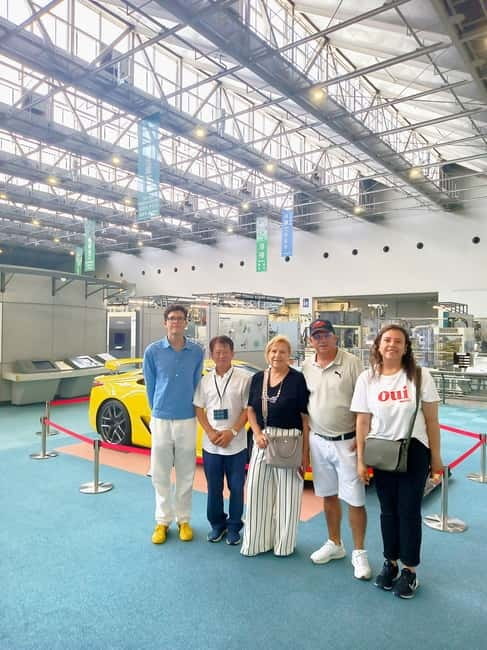
If you only associate Toyota with cars, this tour changes the framing fast. The Toyota Commemorative Museum of Industry and Technology is set up to show you how the company’s technical roots began in textile machinery. That matters because the museum is not just about products, it is about problem solving and production systems.
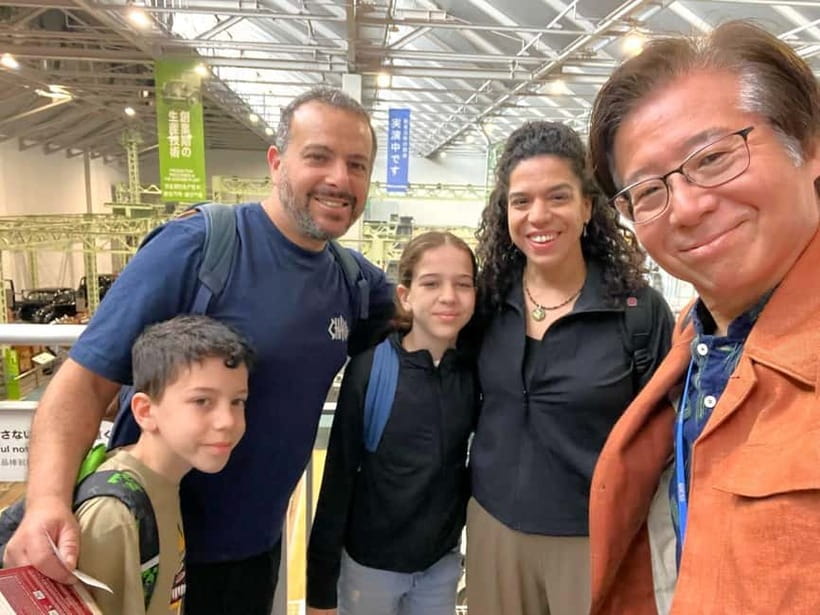
When you meet your guide inside the museum, you will find the group forming right by the ticket counter. The guide will be holding a yellow DeepExperience sign, which helps you get your bearings quickly. If you get lucky and your guide is Kono, as one guest did, you are in for a warm, clear explanation with plenty of local connection to how Toyota shaped Nagoya and Aichi Prefecture.
Expect the tour to follow two big halves. First you work through Textile Machinery, then you transition to Automotive. Even if you are not a “tech person,” I think you will still enjoy it because the exhibits are organized as cause and effect, machine to method, method to output.
More Museums in Nagoya:
- Seki: Samurai Knife Making Experience at the Knife Museum
★ 5.0 · 61 reviews - Tokyo: teamLab Planets TOKYO Digital Art Museum Entry Ticket
★ 4.6 · 9,779 reviews - Osaka Castle: Museum and Tower Entry Ticket
★ 4.5 · 2,380 reviews
Textile Machinery Pavilion: Why Toyota’s First Chapter Matters
The tour starts at the Textile Machinery Pavilion, and that is a smart choice. It lets you see how Toyota’s early world was about precision manufacturing and continuous improvement. You are basically walking through how industrial thinking evolved before the word Toyota became synonymous with automobiles.
A highlight here is the G-type automatic loom, invented by Sakichi Toyoda. This matters beyond trivia. Automatic weaving was a breakthrough because it reduced manual dependence and improved consistency, meaning factories could scale production more reliably. In a car museum, you might only see final results. In this pavilion, you see how production became repeatable.
You can also expect demonstrations of historic looms in action. Even when you already know Japan is big on engineering, watching machines operate changes the way you understand the exhibits. Instead of reading about mechanisms, you see how movement, timing, and mechanical logic work together. I also like how this segment quietly answers a question you might not have asked yet: how did a textile company build the confidence to tackle complex vehicles?
One practical consideration: this part of the tour rewards patience. If you rush, you can miss the “why” behind each machine. Wear comfortable shoes and let yourself stand, watch, and ask questions through your guide when the pace allows.
The Automotive Pavilion: Real Processes, Not Just Pretty Cars
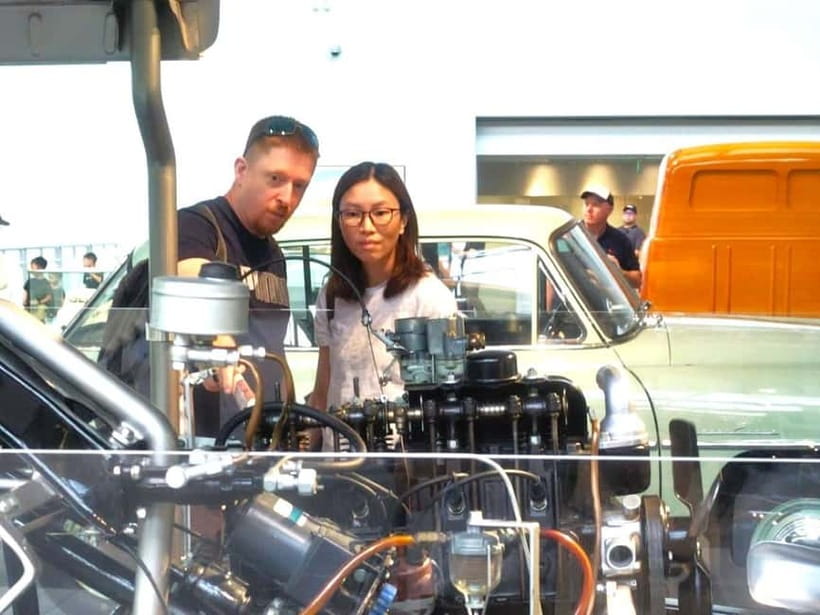
After textile machinery, you switch to the Automotive Pavilion. This is where the museum connects production methods to the vehicles and milestones most people recognize.
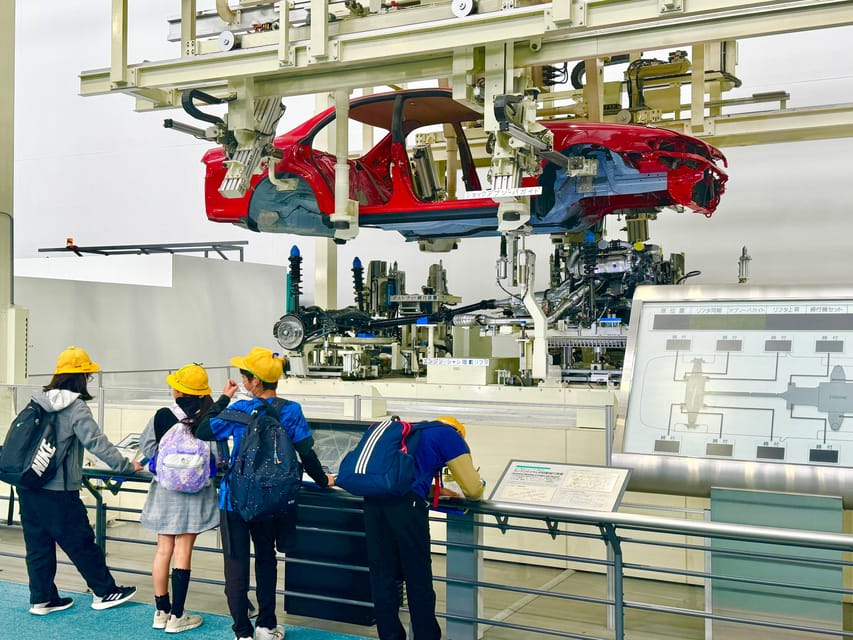
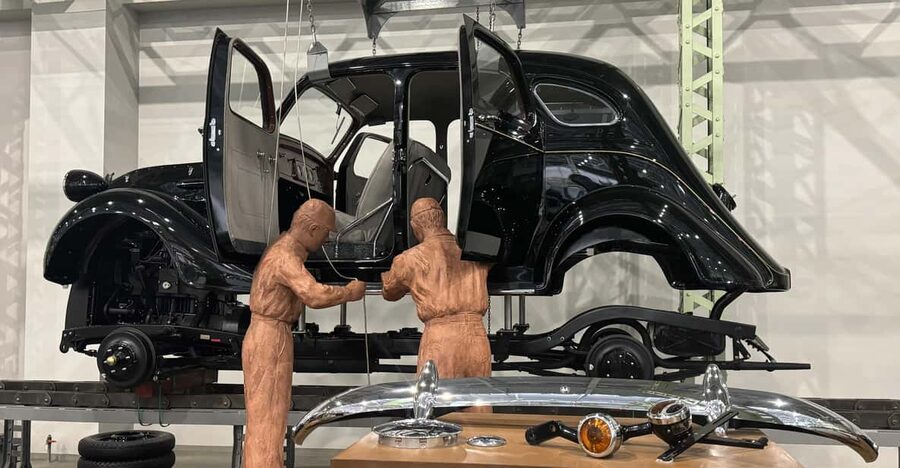
You will see detailed displays of manufacturing steps like pressing, welding, and assembly. The key is that these are not presented as abstract steps. Operational machinery is used to explain how key components were developed and manufactured. That turns a generic process chart into something you can visualize.
Then there are the vehicles. One standout is Toyota’s first passenger car, the Toyoda Model AA. Seeing early automobiles next to the production processes makes a difference. You start to notice how engineering choices affect the final product, and how factories had to master repeatability to build vehicles that could be sold widely.
A big plus of this pavilion is the human element. Your guide, plus skilled operators inside the museum spaces, brings the machinery to life while explaining what is happening. One verified review praised the guide’s charm and depth, and that shows in the way the story is told. Instead of only listing inventions, the explanations link them to manufacturing needs and growth goals.
If you are short on time, focus on the process areas first. Cars can be photographed quickly, but the meaning of the vehicles lands better when you understand what it took to build them.
The Red-Brick Factory Setting You Can Walk Through
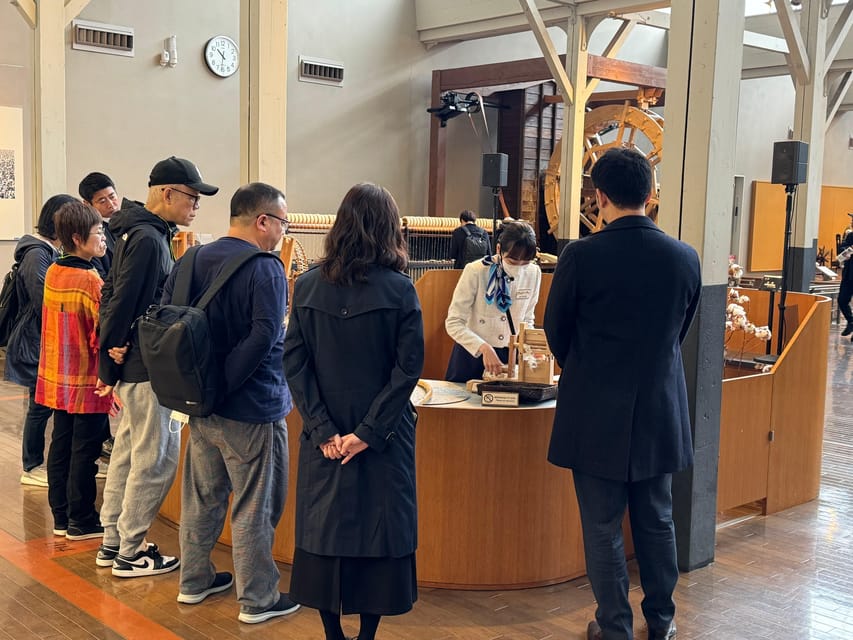
This museum is housed in a beautifully preserved red-brick factory building, and it changes the whole experience. A modern building can make exhibits feel like diagrams. A factory building helps you feel the industrial mood, like you are stepping into the environment where equipment once ran every day.
Because the setting is historic, you also get better “flow” between exhibits. You are not just hopping between themed rooms. You are moving through a real industrial shell, which supports the tour’s central message: Toyota’s rise was built by machines, processes, and the people who refined them.
Photography is allowed, but flash photography is prohibited in certain areas. I recommend using natural light and keeping your camera ready without turning it into a constant filming session. If you want clean shots, take a few steady photos at each stop, then give the rest of your attention to the machine demos.
A change of pace from Nagoya:
- From Nagoya: Gujo, Hida Takayama, and Shirakawa-go Day Tour
★ 4.4 · 398 reviews - Ghibli Park 1-Day Bus Tour from Nagoya
★ 4.5 · 277 reviews - From Nagoya: Hida Takayama & Shirakawa-go Tour w/Opt. Lunch
★ 4.5 · 256 reviews - Hiking the Historic Nakasendo Trail [1 Day Tour from Nagoya]
★ 5.0 · 104 reviews
How Long Is Enough, 90 Minutes vs 3 Hours?
The tour is offered in two main durations, 90 minutes (often 1.5 hours) and up to about 3 hours. Picking the right length is mostly about your interest in technical details and how comfortable you are with museum walking.
If you choose the shorter option, you will still get the core structure: Textile Machinery first, then Automotive. But you may need to be more selective about where you linger. I would use that time to focus on the big named highlight, especially the G-type automatic loom, and then spend more time in the process areas in the Automotive Pavilion.
If you choose the longer option, you will have breathing room to rewatch the machine demonstrations and let explanations land. This is the better fit if you enjoy understanding how manufacturing works, not just seeing famous objects. The extra time is also useful if your guide is especially good and you find yourself wanting to ask follow-up questions.
A helpful rule of thumb is to plan for at least the stated duration. One practical tip from the tour info is to allocate at least 90 minutes for the 90-minute course, and about 180 minutes for the in-depth course.
Value Check: Is $77 Worth It?
At about $77 per person, this is not a budget add-on, but it can be good value because you get three things bundled together.
First, your ticket admission covers entry into both Textile Machinery and Automotive pavilions. Second, you have a live English guide, which is a major upgrade in a museum like this, where context changes how you interpret machinery. Third, you get guided pacing that helps you connect Toyota’s evolution as a single story, rather than two separate museum visits.
If you plan to visit only casually and you mostly care about quick car photos, a self-guided visit might feel cheaper. But if you enjoy production processes and want to understand how Toyota grew from a small textile company into a global powerhouse, this tour format saves you the time of guessing what matters.
Also note that the tour includes learning about Toyota’s contributions related to environmental sustainability through hybrid and hydrogen fuel cell vehicles. Even if you are not a sustainability specialist, it helps tie the historic production story to modern directions.
Practical Tips That Actually Help
Here is what I would bring and why, based on the tour’s own guidance.
Wear comfortable shoes. The museum experience is guided, and you will spend meaningful time standing and moving between pavilions. Bring water so you stay comfortable, especially if Nagoya weather is warm when you go. Bring your camera, and remember flash may be restricted in certain spots.
Timing matters. The museum is closed on Mondays, or the following day if Monday is a national holiday. So if your Nagoya plan includes Monday, you will need to adjust.
Also, be sure you are at the right museum. This experience is for the Toyota Commemorative Museum of Industry and Technology in Nagoya city. It is not the Toyota Kaikan Museum in Toyota City, and it is not the Toyota Automobile Museum in Nagakute City. The tour experience here is specific, and the guides will focus on these textile and automotive pavilions.
Who This Tour Fits Best
This tour is ideal if you like industry stories, manufacturing, and how big companies evolve from specific technical problems. You will probably enjoy it most if you fall into one of these buckets:
- You are a Toyota fan who wants the origin story, not just the current lineup
- You like machine demos, engineering processes, and real-world production
- You want a guided explanation in English so the exhibits click faster
- You are visiting Nagoya and want a day activity with deeper meaning than a standard walk-in museum
Where it is less ideal is clear too. The tour is not suitable for people with mobility impairments or wheelchair users, based on the tour’s guidance. And if you hate structured tours or you need maximum mobility and frequent seating, you may feel uncomfortable.
Should You Book This Toyota Commemorative Museum Guided Tour?
I think you should book if you want the Toyota story in a way that feels grounded in how machines and production actually work. The tour’s strongest selling point is the pairing of Textile Machinery with Automotive. That order helps you understand why Toyota’s evolution made sense, instead of treating it like a random leap from looms to cars.
I would skip or reconsider if your top priority is only vehicle viewing, with minimal process talk, or if mobility limitations are part of your needs. Also, if you are visiting multiple museums in Nagoya and time is tight, choose the duration that matches your curiosity level.
Finally, if you like flexibility, the experience offers free cancellation up to 24 hours in advance for a full refund, and a reserve now, pay later option. That reduces the stress of planning.
If you come away with one takeaway, make it this: Toyota’s global success is presented here as a story of production thinking, not just branding. That is why the tour feels worth your time.
FAQ
Where do I meet the guide for the Nagoya Toyota Commemorative Museum tour?
You meet inside the Toyota Commemorative Museum of Industry and Technology, next to the ticket counter. The guide will be holding a yellow sign with the DeepExperience logo.
How long is the guided tour?
The experience runs in durations from about 90 minutes up to around 3 hours, depending on the selected time slot.
Is the tour guided in English?
Yes, it is a live tour with an English-speaking guide.
Does the price include entry to the museum?
Yes, the price includes admission and access to both the Textile Machinery Pavilion and the Automotive Pavilion.
Are food and drinks included?
No, food and drinks are not included.
Is this tour a visit to Toyota Kaikan Museum or the Toyota Automobile Museum?
No. This tour is specifically for the Toyota Commemorative Museum of Industry and Technology in Nagoya city, not Toyota Kaikan Museum in Toyota City and not the Toyota Automobile Museum in Nagakute City.
Is the museum open every day?
The museum is closed on Mondays, or the following day if Monday is a national holiday.
Can I take photos inside the museum?
Photography is allowed, but flash photography is prohibited in certain areas.
Is this experience suitable for people using wheelchairs?
No, it is not suitable for people with mobility impairments, including wheelchair users.
Latest write-ups near Nagoya
- Magome-juku, Tsumago-juku & Ena-kyo 1d Bus Tour from Nagoya★ 4.6 · 75 reviews
- Nagoya: Japanese Traditional Sweets making and Tea Ceremony★ 4.9 · 76 reviews
- Nagoya Highlight Tour guided by a friendly local★ 5.0 · 86 reviews
- From Nagoya: Hida Takayama & Shirakawa-go Tour w/Opt. Lunch★ 4.5 · 256 reviews
- Hiking the Historic Nakasendo Trail [1 Day Tour from Nagoya]★ 5.0 · 104 reviews
- Ghibli Park 1-Day Bus Tour from Nagoya★ 4.5 · 277 reviews
- Nagoya Full-day Private Custom Tour with National Licensed Guide★ 5.0 · 61 reviews
- Nagoya Samurai & Toyota Tour guided by a friendly local★ 5.0 · 24 reviews
Nagoya Tours, compared.

![Hiking the Historic Nakasendo Trail [1 Day Tour from Nagoya]](https://f1.japantourreviews.com/wp-content/uploads/hiking-the-historic-nakasendo-trail-1-day-tour-from-nagoya-400x267.jpg)
Hiking the Historic Nakasendo Trail [1 Day Tour from Nagoya]
Read our review →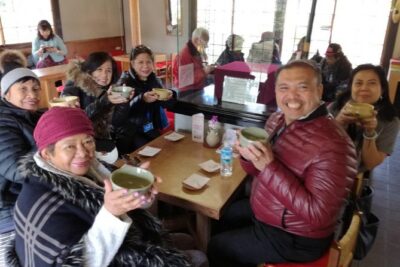
Nagoya Highlight Tour guided by a friendly local
Read our review →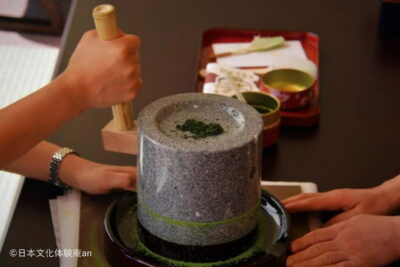
Japanese Traditional Sweets making and Tea Ceremony
Read our review →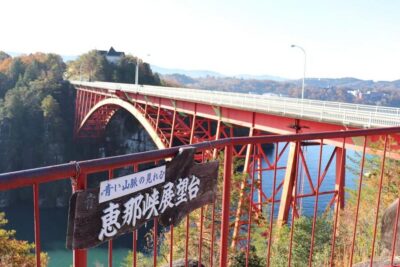
Magome-juku, Tsumago-juku & Ena-kyo 1d Bus Tour from Nagoya
Read our review →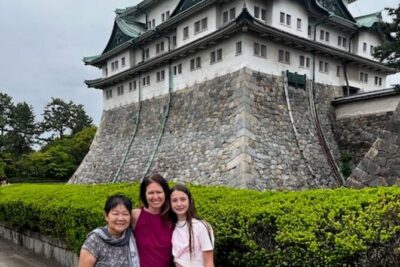
Nagoya Full-day Private Custom Tour with National Licensed Guide
Read our review →Browse the lists this tour appears in