
Reviewed · OSAKA TOURS
Osaka 4hr Private Tour with Government-Licensed Guide
This half-day private walk is interesting because it strings together Osaka’s street life and ancient sites into one 4-hour route, led by a government-licensed guide. I love the flexibility to pick 2-3 stops that match your mood, and I especially like how guides such as Yuri and Sachiko explain what you’re looking at in plain English. The main drawback is you’ll cover a lot on foot, so plan to move at a steady pace and wear shoes that can handle stairs and crowds.
What makes it practical is the meet-up style. Your guide meets you within a designated Osaka area, often near your hotel, so you are not spending time hunting someone down. You’ll also get the Osaka highlights without the usual coordination headache.
Just keep expectations realistic on extras: entrance fees, meals, and transportation costs are not included, and some of the biggest-name sights on the list are paid. Still, the guide time is the value driver here, and you can steer it toward exactly what you care about.
Key things to know before you go
- Government-licensed, English-speaking guiding that aims to make the city make sense fast
- Choose 2-3 sites from a strong menu, so the half day stays focused on you
- Free to walk areas like Dotonbori and major shopping streets help you maximize sightseeing
- Tight time blocks per stop mean good coverage, plus quick photo breaks if you ask
- Meeting you near where you are reduces the usual Osaka navigation stress
- Restaurant and photo tips from your guide can make the rest of your day easier
How a 4-hour private Osaka walk hits the city’s best contrasts fast
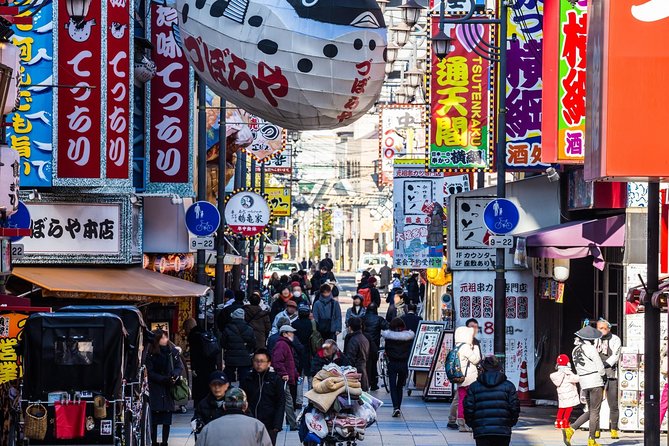
Osaka is a city of extremes. One minute you are surrounded by neon and street food at Dotonbori, the next you are standing in the calm gravity of an old shrine or temple. This tour works because it does not try to do everything. Instead, it builds a tight route around a few choices, then lets your guide slow down or speed up based on your interests.
The private part matters. With your own licensed guide, you can ask questions as you go, stop for photos without negotiating with a big group, and adjust when the route meets real life, like crowds or weather.
You do need to be ready for walking. Even the “short” stops add up when you include the approach time, stairs, and the hop between districts. If you want a chill day, this might not be your best match. If you want a smart, active introduction to Osaka, it is hard to beat for the time.
Also on the shortlist for Osaka:
- Osaka Go Karting Tour with Funny Costume
★ 5.0 · 2,658 reviews - Osaka Castle: Museum and Tower Entry Ticket
★ 4.5 · 2,380 reviews - Osaka: Shinsekai Food Tour with 13-15 Dishes at 5 Eateries
★ 4.8 · 2,204 reviews
Customizing 2-3 stops without wasting your time
The format is simple: you pick 2-3 sites from the options, and the guide builds the walking plan to fit. That is the biggest advantage of this tour. You can shape it around one theme, like food and shopping, or around history and temples, or around landmarks and views.
Here are a few pairings that tend to work well in half a day:
- Street food and shopping pairing: Dotonbori, then Shinsaibashi-suji, and maybe one food-focused stop like Kuromon Market
- Old and modern Osaka pairing: Sumiyoshi Taisha Shrine or Shitennoji, then Osaka Castle or Umeda Sky Building
- Classic nightlife style pairing: Shinsekai plus a quick garden stop like Keitaku-en, if you like a calmer finish
A practical tip: decide what you want to pay entrance fees for. In this plan, some sites are walk-in free, while others have admission. If your goal is budget-friendly sightseeing, lean toward the free-to-walk streets and markets.
Dotonbori, Sennichimae Doguyasuji, and Shinsaibashi-suji: street-level Osaka in motion
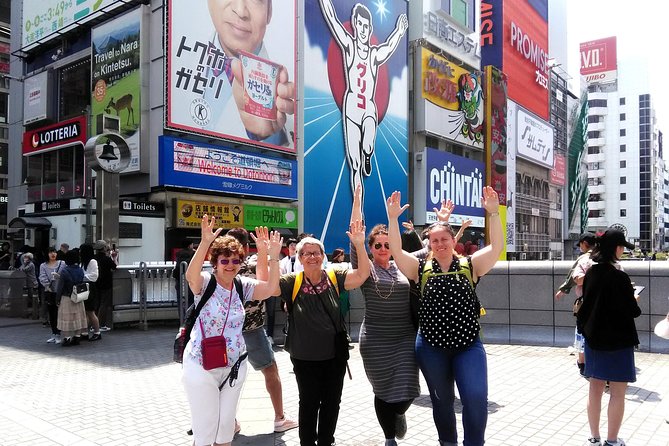
Start in the heart of Osaka’s street energy. Dotonbori is famous for its big billboards, restaurant signs, and nonstop food cues. You’ll get about a half hour here, which is just enough time to walk the street, find a good photo angle, and decide what to eat next. If you care about Osaka food basics, this is where you’ll feel the city’s personality immediately.
Next, Sennichimae Doguyasuji Shopping Street is a kitchen and cookware paradise. It is a short arcade where you can browse specialty shops for utensils, tableware, and kitchen gadgets. This stop is less about buying and more about understanding Osaka’s practical, everyday food culture.
Then Shinsaibashi-suji Shopping Street keeps the momentum going. It’s a long shopping arcade with everything from cosmetics and apparel to casual dining. Expect about 15 minutes if you include it, so treat it as a “walk and absorb” stop. If you want serious shopping time, tell your guide upfront so they can adjust the mix.
One drawback to consider: these areas are crowded in the classic Osaka way. If you get overwhelmed in dense foot traffic, speak up early. A good guide can route you along calmer sides and help you time photo stops.
Kuromon Market: what to eat, what to watch, and why season matters
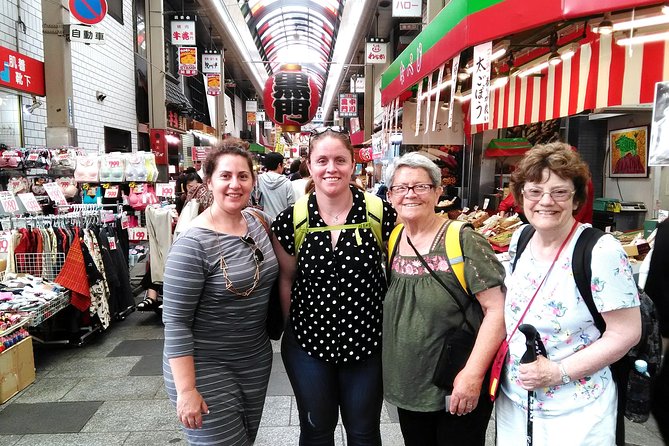
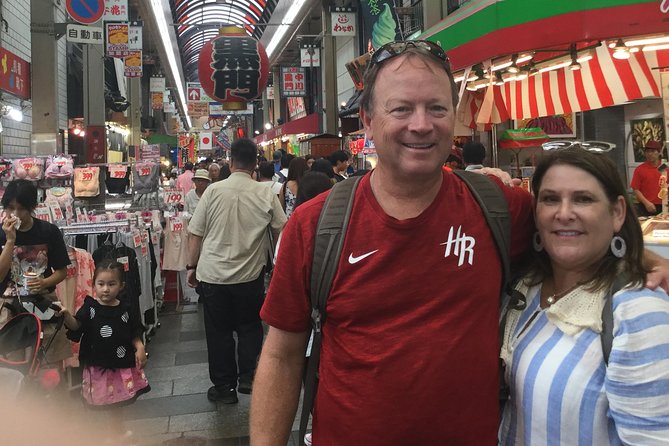
Kuromon Market is one of the most recognizable food markets in Osaka. The tour gives you about 30 minutes, which is perfect for window-shopping seafood, grabbing a snack, and learning what makes this market different.
Here’s the useful part: the market’s standout seafood shifts by season. In summer, conger pike is highlighted. In winter, you’ll hear a lot about fugu. You’ll also find many shops that specialize in fugu and hamo, especially when the season turns.
Even if you do not plan to eat a full meal, this stop teaches you how Osaka thinks about seafood. You’ll see the scale of the fish trade and the variety of stalls in a roofed, walkable space.
Entrance is free for the market walk, but food is, of course, extra. If you have a sensitive stomach, go light and sample something small first. If you have a seafood appetite, this stop can carry the whole half day.
A change of pace from Osaka:
- Osaka Food Tour: 13 Dishes at 5 Local Eateries
★ 5.0 · 2,149 reviews - Hungry Osaka Street Food Tour:15 Tastings & 3 Drinks with a Local
★ 5.0 · 1,727 reviews - Osaka: teamLab Botanical Garden Entry Ticket
★ 4.5 · 1,710 reviews - Osaka: Tea Ceremony Experience
★ 4.9 · 1,426 reviews
Sumiyoshi Taisha Shrine and Shitennoji: old Osaka for people who like details
If you want the city’s older side, this pair is a strong choice. Sumiyoshi Taisha Shrine is among the oldest shrines in Osaka, founded in the 3rd century before Buddhism came to Japan. The architecture and atmosphere here can feel grounded and quiet, especially after you’ve been in the noise of shopping streets.
Shitennoji is even older in spirit and story. It is one of Japan’s oldest temples and was founded in 593 by Prince Shotoku, who supported the introduction of Buddhism. You’ll get about 30 minutes at the temple area, which is enough time to walk key points and get the basic timeline without rushing.
Keep in mind that Shitennoji has admission not included. If you hate surprise costs, ask your guide at the start which parts require paid entry and how much time you’ll lose if you decide to go in.
One consideration: shrines and temples often involve walking on uneven paths and climbing stairs. If your feet are already tired, plan to choose one paid site like Shitennoji or pick the shrine-only route, not both.
Umeda Sky Building and Osaka Castle: iconic landmarks with paid admission

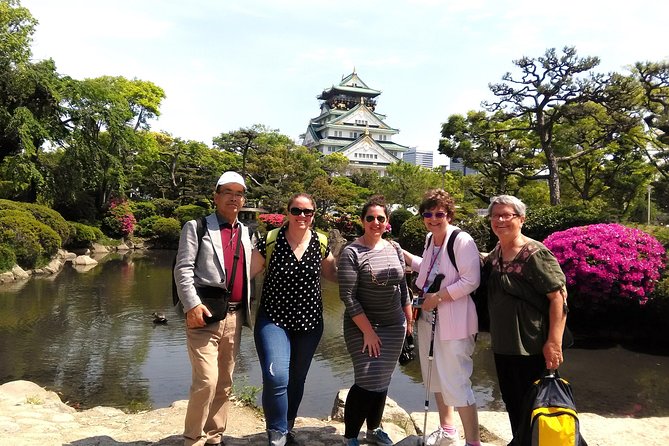
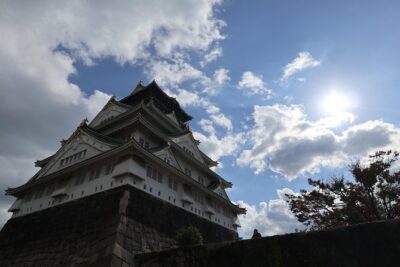
Osaka Castle is the headline landmark for a reason. It is a famous five-story castle with history reaching back nearly 450 years. On this tour, you typically get a short stop, about 15 minutes. That means you will not see every corner deeply, but you will get the key impressions and photos.
Umeda Sky Building is the skyline alternative, in the Kita district near Osaka and Umeda Stations. It’s known as the New Umeda City, and it is a classic choice when you want a view of the city grid and river nearby. Again, expect about 15 minutes, and admission is not included.
One smart way to use both stops is to treat them as “choose your view.” If your hotel already gives you a good sight line, you might decide the sky-building ticket is optional. Guides are good at spotting that kind of redundancy and adjusting quickly. (I saw an example where a guide swapped out Umeda Sky Building because the hotel view made it unnecessary.)
Value tip: only pay for the landmark where you’ll actually care about what you get. If you want atmosphere and photos, Castle can be worth it. If you want a bird’s-eye overview, Umeda is the better target.
National Museum of Art Osaka and Keitaku-en Garden: calm breaks from the street pace
Not every half-day needs more neon. The tour options include two quieter, calmer choices that can balance your route.
The National Museum of Art, Osaka is an underground museum on Nakanoshima. On paper it sounds like a curveball, but it is a nice change of pace when your legs want a break from crowds. Expect about 30 minutes for this stop, and admission is not included.
Keitaku-en Garden sits within Tennoji Park. It is a traditional landscape garden designed in the early 20th century, with a central pond and carefully arranged rocks. It can be a pleasant reset after shopping streets. This stop is only about 5 minutes in the sample timing, and admission is not included.
If you hate rushing, prioritize the garden over the museum, since a garden stop often feels more flexible. If you like indoor time and art, pick the museum, but note you might spend time transitioning outdoors and then back in depending on your route.
Shinsekai and Tsutenkaku: the Osaka Eiffel Tower style
Shinsekai, or the New World, is one of the easiest ways to feel Osaka’s distinctive older entertainment vibe. The highlight is Tsutenkaku, often described like Osaka’s Eiffel Tower. You’ll also see the Billiken, the god of wealth and money, plus the street culture tied to kushikatsu.
This stop is built for a quick taste. You might have only about 10 minutes, so treat it as atmosphere and photos, not a long hangout. If you want a longer food break, ask your guide to trade time from another shopping stop.
Spa World is also associated with the Shinsekai area. The tour list mentions it, but your time here is short, so it is more of a “you can spot it” item unless you specifically plan to add time.
Practical note: this area can feel like a throwback neighborhood. If you like people-watching and casual street energy, Shinsekai will land. If you prefer quiet history, you might swap it for a shrine stop instead.
Walking logistics, pace, and how to set your guide up for success
This is a walking tour, and it is best suited to active travelers. That does not mean you have to be a marathon hero. It does mean you should plan for walking time between districts and some stairs in and out of stations.
What I like is that the guide is built to handle the real navigation problems of Osaka. People often talk about how the subway feels confusing at first. Here, your guide can help you move through the system and keep the tour flowing.
The best guides also adjust pacing. I’ve seen guides like Kuni stay beyond the allotted time to make sure the final destination worked out. I’ve also seen reminders that not every guide will match your exact pace, so you should set expectations early. If you have a knee issue or need more frequent pauses, tell your guide right at the meet-up so they can plan the route accordingly.
What to pack:
- comfortable walking shoes
- water, especially in hot weather
- a small umbrella or rain layer if your schedule is in rainy months
- a charge for your phone so you do not get stranded on maps
Price and value: is $109.43 per person a good deal for your Osaka style?
At $109.43 per person for about 4 hours, this is not the cheapest way to see Osaka. But it is also not trying to be. The value comes from three things.
First, you get a private, government-licensed English-speaking guide for the time you actually spend walking. That cuts through guesswork and helps you understand what matters instead of just collecting photos.
Second, you pick 2-3 sites. That customization is the difference between paying for a tour that forces you to hit everything versus paying for time that matches your interests.
Third, the itinerary includes several free walk areas. Dotonbori and the shopping arcades can fill a lot of time without entrance fees, while you decide whether paid sights like Osaka Castle or Umeda Sky Building are worth it for you.
What can reduce value: if you choose multiple paid admission stops plus you buy heavy meals during the tour. Entrance fees and food are extra, so choose with your budget in mind.
My rule of thumb: book this when you want Osaka highlights with less stress, and you are willing to pay for time and guidance, not just a map.
Who this Osaka tour fits best, and who should skip it
This works best if you:
- want an organized introduction to Osaka in half a day
- like walking, stairs, and city crowds without needing rest every 10 minutes
- want to pick a small number of sights and go deep enough to remember them
- appreciate a guide who can explain history and culture in a way you can follow in real time
It might not fit as well if you:
- need a very slow pace or frequent breaks
- want mostly indoor time
- are hoping for a fully price-inclusive experience, since entrances and meals are extra
Also, it is a private tour only for your group. That means it can be excellent for couples and friends, and it can be manageable for families if everyone can handle the walking, but the tour is still designed around active movement.
Should you book this 4-hour private Osaka walking tour?
If you want a high-impact Osaka sampler without wasting your day on directions, I’d book it. Choose 2-3 stops that match your priorities, and skip the ones you can get easily on your own. If you are especially interested in street food and shopping, build around Dotonbori, then add Kuromon Market or Shinsaibashi-suji. If you are more history-and-quiet, lead with Sumiyoshi Taisha or Shitennoji, then add one paid landmark like Osaka Castle.
Just commit to the walking part. If you do, you’ll get a smart, guided route through Osaka’s mix of modern energy and older roots in a single half day.
FAQ
Is this tour mostly walking?
Yes. It’s a walking tour designed for active travelers. Pickup is on foot, and you will meet your guide within a designated Osaka area.
What is included in the price?
You get a licensed local English-speaking guide and a customizable tour of 2-3 sites chosen from the listed options. Entrance fees, food, and transportation costs are not included.
Are entrance fees and meals included?
No. Entrance fees, lunch, and other personal expenses are not included.
Do you offer pickup?
Pickup is offered, and the guide meets you on foot within a designated Osaka area. The tour is still built around walking.
Can I customize which sites we visit?
Yes. The tour is customizable, and you choose 2-3 sites from the What to expect list.
What is the cancellation window?
Free cancellation is available up to 24 hours before the experience’s start time for a full refund.
Is it only for my group?
Yes. It is a private tour/activity, and only your group participates. You cannot combine multiple tour groups.
Latest write-ups near Osaka
- PRIVATE 6hr, Food tour from Osaka Castle, Kuromon, Dotonbori.★ 5.0 · 68 reviews
- 90 min Shared Handmade Udon Experience★ 5.0 · 70 reviews
- Ramen and Gyoza Cooking Class in Osaka Dotonbori★ 5.0 · 73 reviews
- Osaka: Sushi Making in Spacious Studio (SAME-DAY OK!)★ 5.0 · 75 reviews
- Osaka E-Bike Tour With A Local Guide★ 4.7 · 75 reviews
- 1.5〜2 Hours Traditional Kintsugi Work Shop in Namba Osaka★ 5.0 · 75 reviews
- Retro Osaka Street Food Tour: Shinsekai★ 4.5 · 77 reviews
- Osaka: Osaka Castle Guided Tour with Local Guide★ 4.7 · 78 reviews
Osaka Tours, compared.


Shinsekai Food Tour with 13-15 Dishes at 5 Eateries
Read our review →
Osaka Food Tour: 13 Dishes at 5 Local Eateries
Read our review →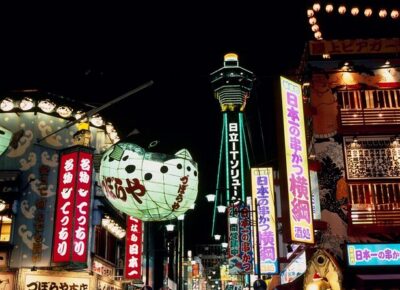
Hungry Osaka Street Food Tour:15 Tastings & 3 Drinks with a Local
Read our review →

Browse the lists this tour appears in