
Reviewed · SAKE TASTINGS
Osaka Cooking Class and Sake Tasting with Local Supermarket Visit
This is one of those Osaka food experiences that feels practical right away, because you start with real ingredient shopping and end by eating what you made with a sake tasting. The small-group setup makes it easy to ask questions and get live guidance as you cook.
I especially like the double focus on technique and shopping, because guides like Yuka and Mari clearly help you pick what matters for the specific dishes you’re making. Another thing I like is that the class is beginner-friendly, so you can still leave with real results, not just a good story.
A small consideration: it’s a 4-hour block, so if you’re the type who wants lots of free time wandering on your own, you might feel a bit on the clock.
Key highlights to look for
- Market-first shopping so you select ingredients for okonomiyaki, niku-sui, and gyoza, not just cook from a list
- Hands-on gyoza folding and okonomiyaki making, with step-by-step help
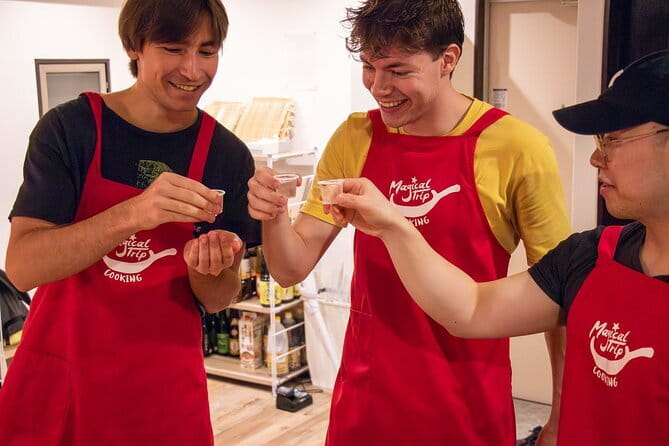
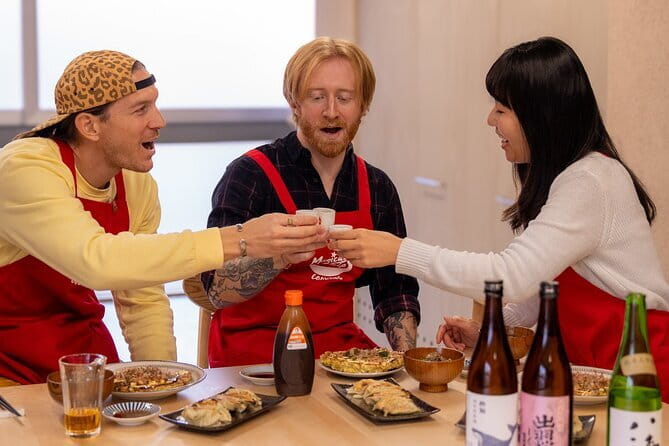
- Sake tasting included at the end, with local sake plus beer or soft drinks
- Small group max of 7, which usually means more attention at the stove
- No prior cooking experience needed, the recipes are designed to work for beginners
Osaka’s 4-hour combo: supermarket shopping plus cooking with sake at the end
Osaka is famous for food, and this class gives you a way to learn it that goes beyond eating your way through the city. You’ll start by shopping with a guide, then you’ll cook iconic Osaka dishes in a studio kitchen, and finish with the meal plus a drink tasting.
What makes it feel worth your time is that it’s not just “watch and snack.” You’re doing the work, and the guide is there to nudge you when something matters. If you’ve ever bought cooking tools and ingredients back home but never knew what to do with them, this is the kind of experience that helps you translate restaurant flavors into actual home cooking.
The group size cap of 7 also matters. In a larger class, your questions can get lost. Here, you’re more likely to get quick answers when you’re shaping gyoza or adjusting how you cook okonomiyaki.
More Cooking Classes in Osaka
- Osaka: Ramen and Gyoza Cooking Class in Dotonbori
★ 5.0 · 378 reviews - Osaka Cooking Class: Okonomiyaki &Japanese cuisines experience
★ 5.0 · 261 reviews - Ramen and Gyoza Cooking Class in Osaka
★ 5.0 · 202 reviews
Where you meet and what your day looks like
You start at FamilyMart Minamimorimachi station South side, at the address listed for the activity (Osaka, Kita Ward, Tenjinbashi, 2-chōme). It’s near public transportation, which is a big deal in Osaka because trains are the fastest way to get around.
Start time is 10:00 am, and the activity ends back at the meeting point. Plan to arrive a few minutes early so you’re not rushing into the market and losing the warm-up time with your guide.
In a nutshell, your timeline looks like this:
1) Shop at a local supermarket with your instructor’s help
2) Cook at a studio kitchen, using authentic Japanese techniques
3) Eat what you made, paired with local sake (plus beer or soft drinks)
Stop 1: The local supermarket visit, and why it’s more than a photo break
The supermarket stop is where this class earns its keep. You’re not just looking at aisles. You’re selecting ingredients connected to the recipes you’ll cook right afterward.
This matters for two reasons.
First, it trains your eye. You’ll hear what to look for while choosing items for dishes like okonomiyaki (savory pancake), niku-sui (beef soup), and gyoza (dumplings). That makes you better at grocery shopping back home, even if you’re buying different brands.
Second, it shortens the distance between “Japan food looks great” and “I can actually make this.” When you see and pick the ingredients first, cooking later feels less mysterious. It also helps you understand why certain ingredients are treated as key building blocks rather than just flavor extras.
If you like learning how everyday people shop, this is also a nice window into daily Osaka life. You’ll be moving through a normal place, with a guide translating what you see into something useful for cooking.
Practical tip: keep a small notepad or notes app ready. Even if you don’t remember every detail, write down a few ingredients or shopping cues your guide mentions. Those are the pieces that help you recreate the results later.
The studio cooking portion: hands-on, step-by-step, and actually doable
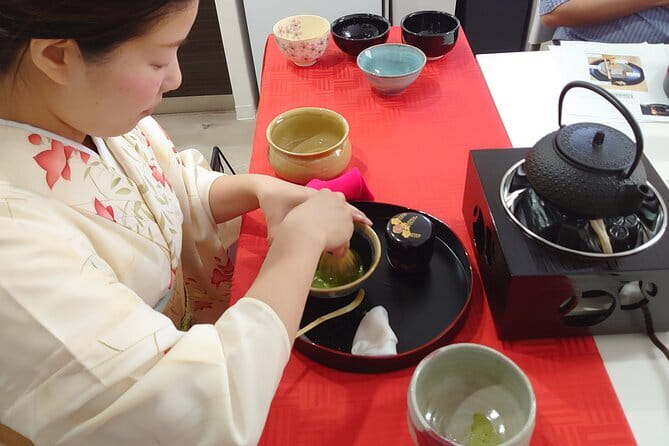
After the shopping stop, you head to MagicalTrip’s exclusive studio to cook. This is where the class shifts from learning to doing, and that’s the moment most people remember.
The cooking part is designed to work whether you’re a total beginner or someone who cooks regularly. That sounds like marketing, but the format makes it believable: live instruction, simple step-by-step guidance, and tasks you can physically practice, like folding dumplings and building an okonomiyaki.
More Food & Drink in Osaka
- Osaka: Shinsekai Food Tour with 13-15 Dishes at 5 Eateries
★ 4.8 · 2,204 reviews - Osaka Food Tour: 13 Dishes at 5 Local Eateries
★ 5.0 · 2,149 reviews - Hungry Osaka Street Food Tour:15 Tastings & 3 Drinks with a Local
★ 5.0 · 1,727 reviews - Hungry Osaka Street Food Tour: 15 Dishes & 3 Drinks
★ 4.9 · 694 reviews
Okonomiyaki: learn the rhythm of the savory pancake
Okonomiyaki is one of the most recognizable Osaka foods, and it’s also a great cooking lesson because it teaches you control: heat, timing, and how the batter and toppings come together.
In this class, you’ll make okonomiyaki yourself. You’ll get guidance on how to handle the batter and cook it into something that holds together, not just something that tastes okay by accident. The goal is not perfection. The goal is repeatability, so you can make your own version at home.
Gyoza: folding practice you can bring home
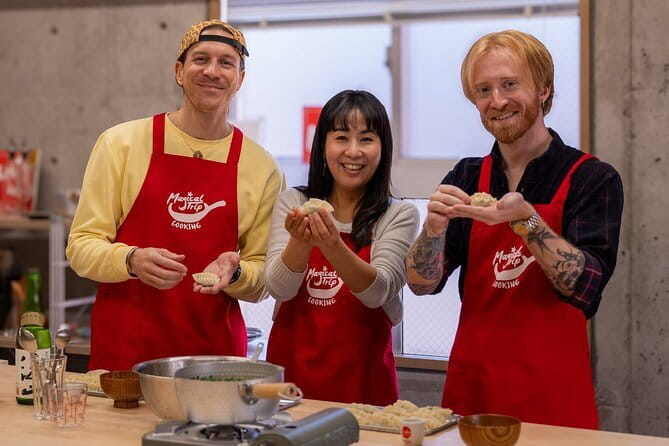
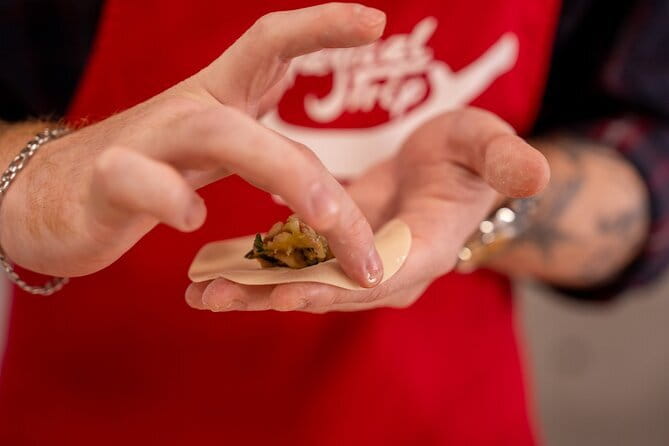
Gyoza is another hands-on win. Folding dumplings is the kind of skill that doesn’t fully land until your fingers try it. You’ll learn how to fold and shape them, then cook them as part of the meal.
This is where a small group helps. Dumpling folding is detail work, and it’s much easier to get quick corrections when there are only a handful of people in the room.
When you finish, you’ll understand the shape and sealing part, not just the ingredient list. That makes home cooking far more successful.
Niku-sui: beef soup that teaches a comfort-food technique
Niku-sui, beef soup, adds a comforting element to the class and balances the hands-on frying and pancake work. It’s the dish that helps you round out the meal, and it also teaches you the “how” behind Japanese cooking technique, not only the “what.”
You’ll make it as part of the class, and then you’ll sit down to enjoy the food you produced.
Live feedback from your guide
The real advantage here is that you aren’t doing the class on autopilot. Guides provide step-by-step instructions and feedback while you cook.
From the way instructors like Yuka and Mari are praised, the focus is on clarity and practical guidance, especially on what to shop for and how to handle the recipes once you’re at the stove. That approach is exactly what you want in a short, 4-hour experience.
The meal plus sake tasting: what you’re really getting at the end
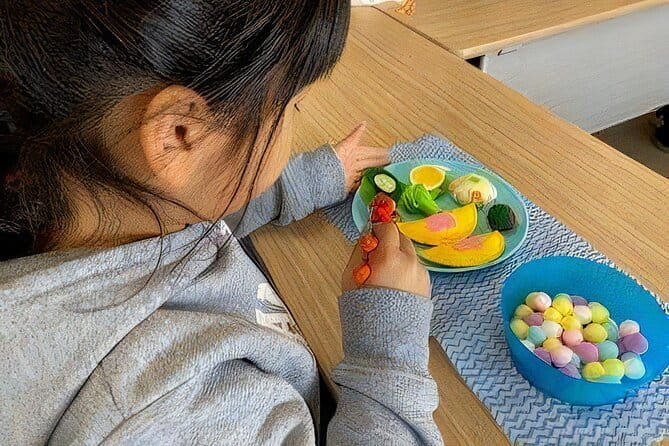
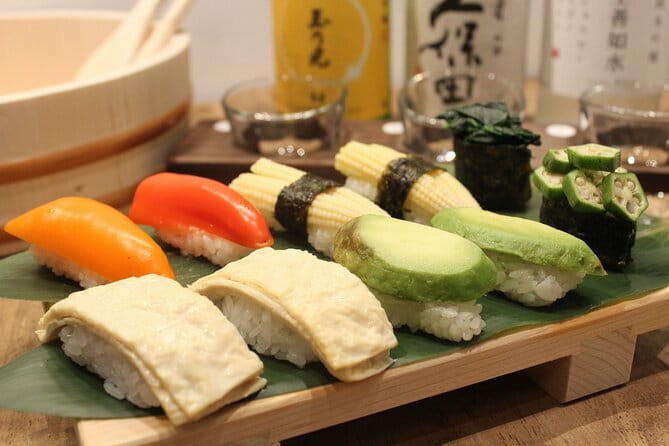
After cooking, you’ll enjoy the dishes with local sake, beer, or soft drinks. This is a key part of the experience, because it turns “I cooked” into “I ate a full Osaka-style meal.”
If you’re a sake fan, this gives you a chance to try it in a context where you understand what you’re eating alongside it. If you’re not, you’re not stuck. The class includes options like beer or soft drinks, so the meal still feels complete.
For me, this is one of the best ways to learn alcohol pairings in Japan without making it a separate activity. You’re already in cooking mode, so the tasting feels like a natural wrap-up rather than a detour.
Price and value: is $92.50 a fair deal for 4 hours?
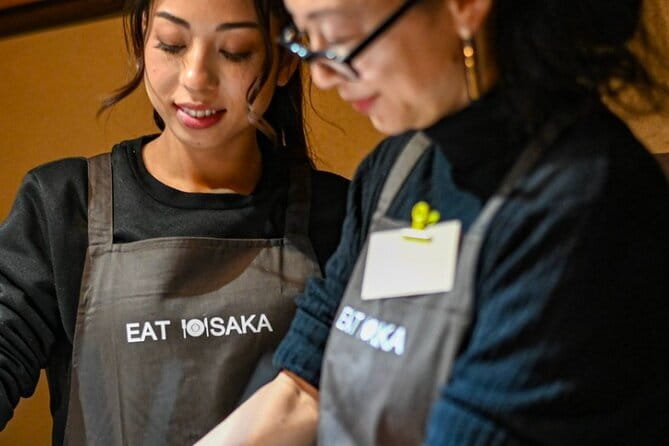
At $92.50 per person for about 4 hours, the value comes from the fact that you’re getting three things bundled together:
- ingredient shopping with guidance
- a hands-on cooking class with live feedback
- the meal plus sake tasting
You can absolutely find cheaper cooking classes, but many cut out one or more of these components. Here, the supermarket visit is part of the learning, not just a preamble. That tends to be where you gain the confidence to cook later, because you learn how ingredients connect to technique.
Also, the class cap at 7 travelers makes it feel less like a factory lesson. You’ll likely get more direct help, which matters most when you’re learning a tactile skill like folding gyoza.
So for the time and the included meal plus tasting, I’d call it a solid value if you want more than a casual food tour. If you only want to try food, and you’re not interested in cooking, you may prefer a pure tasting walk instead. But if you want skills you can use later, this price starts to make sense quickly.
Who this Osaka class is best for
This format works especially well if you fit one of these types:
- Beginner cooks who want clear steps and a supportive environment
- Food lovers who like understanding ingredients, not just tasting dishes
- Solo travelers or couples who want a social activity but still get enough attention
- Families who want an organized, structured experience that doesn’t require advanced culinary skills
If you already cook Japanese food regularly and only want advanced technique, you might finish thinking, “Good and friendly, but not challenging enough.” Still, the supermarket-to-stove flow is useful, even for experienced cooks, because it teaches shopping choices tied to specific Osaka dishes.
What to do before you go, so you enjoy it more
You don’t need cooking experience, but you do need the right mindset: you’re there to work with your hands, ask questions, and taste as you go.
A few practical pointers:
- Arrive a bit early to settle in and find the right meeting spot at the FamilyMart near Minamimorimachi station South side
- Wear something comfortable for a studio kitchen, because you’ll be actively cooking
- Come hungry. The class includes a meal at the end, plus drinks, but it’s still a cooking session that uses your energy
- If you’re interested in sake, decide up front that you’ll treat the tasting as part of the lesson, not a side quest
The only real drawback to plan for
This class is structured, and that’s also the trade-off. You’ll spend your time cooking and tasting rather than roaming. If you’re the type who wants long breaks or flexible wandering, you may feel a little boxed in by the 10:00 am start and the full 4-hour schedule.
Also, since it’s hands-on, you’ll want to focus. If you’re trying to squeeze in a tight itinerary right after, give yourself a buffer so you’re not rushing to the next stop with warm food still in your head.
Should you book this Osaka cooking class and sake tasting?
Yes, I’d book it if you want a hands-on Osaka food experience that teaches skills you can repeat at home. The biggest reason is the combination of market shopping, cooking multiple iconic dishes, and finishing with sake tasting plus the meal. That’s a full arc, not a quick taste.
Skip it if your main goal is only to eat and drink without cooking, or if you strongly prefer unstructured wandering time. Also, if you hate committing to a fixed schedule, the 10:00 am to roughly 4-hour block may feel restrictive.
If you’re somewhere in the middle, you’ll probably love it. It’s friendly, beginner-friendly, and built around practical learning, including instruction from guides like Yuka and Mari that clearly help people get great results.
FAQ
What is the price per person?
It costs $92.50 per person.
How long is the experience?
The cooking class and sake tasting lasts about 4 hours.
What is the maximum group size?
The maximum group size is 7 travelers.
What dishes will I cook?
You’ll cook dishes including niku-sui (beef soup), okonomiyaki, and gyoza (dumplings).
Is sake tasting included?
Yes. At the end, you’ll enjoy what you cooked with local sake. The experience also includes beer or soft drinks.
Do I need cooking experience?
No. The class is suitable for all skill levels, and beginner-friendly instructions are provided.
Where do I meet, and when does it start?
You meet at FamilyMart Minamimorimachi station South side, Osaka (Kita Ward, Tenjinbashi area) at 10:00 am. The activity ends back at the meeting point.
Can I cancel for a full refund?
Yes. You can cancel up to 24 hours in advance for a full refund. If you cancel less than 24 hours before the start time, the amount paid is not refunded.
More Sake Tastings in Osaka
- Osaka Sake Tasting with Takoyaki Cooking
★ 5.0 · 156 reviews - Osaka Sake Tasting & Takoyaki Cooking Experience
★ 5.0 · 149 reviews - Osaka: Cooking Class & Sake Tasting with Local Market Visit
★ 4.8 · 31 reviews - 3.5h Osaka Night guided Local Bar Hopping, Sake & Karaoke
★ 5.0 · 27 reviews
Latest write-ups near Osaka
- PRIVATE 6hr, Food tour from Osaka Castle, Kuromon, Dotonbori.★ 5.0 · 68 reviews
- 90 min Shared Handmade Udon Experience★ 5.0 · 70 reviews
- Ramen and Gyoza Cooking Class in Osaka Dotonbori★ 5.0 · 73 reviews
- Osaka: Sushi Making in Spacious Studio (SAME-DAY OK!)★ 5.0 · 75 reviews
- 1.5〜2 Hours Traditional Kintsugi Work Shop in Namba Osaka★ 5.0 · 75 reviews
- Osaka E-Bike Tour With A Local Guide★ 4.7 · 75 reviews
- Retro Osaka Street Food Tour: Shinsekai★ 4.5 · 77 reviews
- Osaka: Osaka Castle Guided Tour with Local Guide★ 4.7 · 78 reviews
Sake Tastings, compared.

Kyoto Night Foodie Tour in Gion (9+ dishes + 6 Sake tastings)
Read our review →
1-Day Snow Monkeys, Zenko-ji Temple & Sake in Nagano
Read our review →
3-Hour Kyoto Insider Sake Brewery Tour with Tastings & Pairings
Read our review →
Arashiyama Bamboo, Temple, Monkeys, or Secret Sake Brewery
Read our review →

Insider Sake Brewery Tour with Sake and Food Pairing
Read our review →
1.5-Hour Kyoto Insider Sake Experience with 7 Tastings & Pairings
Read our review →Browse the lists this tour appears in