Reviewed · SAKE TASTINGS
Osaka: Cooking Class & Sake Tasting with Local Market Visit
This experience is interesting because you do Osaka food the way locals actually do it: start with real ingredients, then cook iconic dishes together, then relax with drinks while the day still feels social. I like the market-first approach because it makes the recipes feel doable at home, not like museum food. I also like the small-group vibe, which keeps the guide focused and the pace comfortable. One consideration: there are no gluten-free options, so you’ll want to check your needs carefully.
You’ll be in a cooking studio kitchen, but the day doesn’t feel sealed off. It starts with a quick walk to Minami Morimachi, a supermarket run with an English-speaking guide, and then hands-on cooking for three dishes you’ll see all over Osaka. If you have mobility limits, keep in mind the route may include places that aren’t wheelchair or stroller friendly.
Key Points Worth Knowing Before You Go
- Market visit first, so ingredients and shopping habits make sense
- Three classic Osaka dishes cooked step-by-step: niku-sui, okonomiyaki, gyoza
- Sake and beer included, with tea served during the experience
- Small group up to 7, so you actually get help while you cook
- Recipes and photos later, which turns a fun meal into a skill
- No gluten-free options, but vegan and vegetarian participants are welcome
Where You Start Matters: Minami Morimachi and the Market Mindset
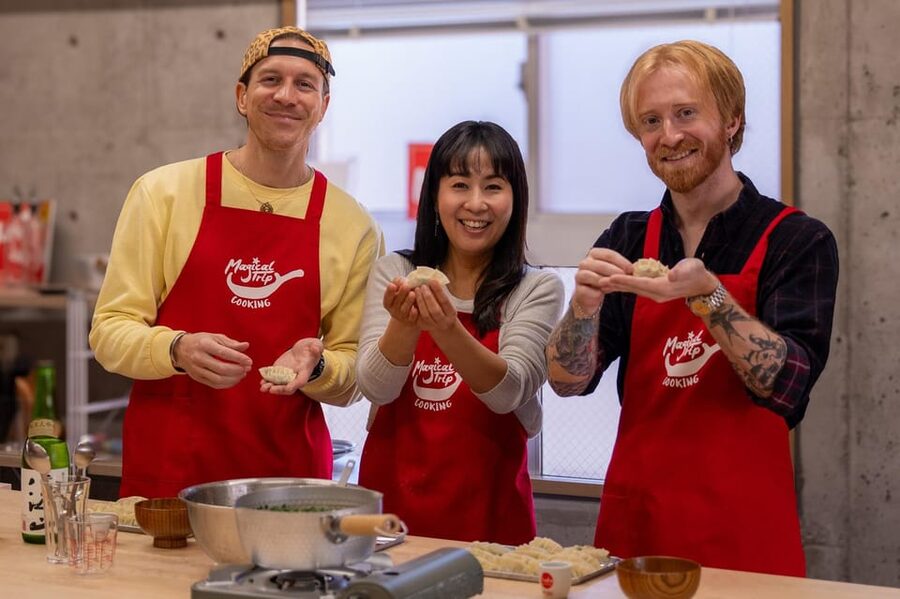
The meeting point is easy to find if you’re using transit: in front of FamilyMart, about a one-minute walk from the 4B Exit of Minami Morimachi Station. That matters because a smooth start sets the tone. When a class begins on time and you’re not rushing, you learn better and you enjoy the food more.
I like that the day isn’t just “cook, eat, leave.” You begin with a local supermarket visit. That small step changes how you’ll cook later. You’ll see what the ingredients look like, what brands are commonly used, and how the shopping routine works for people in Osaka on a normal day.
More Cooking Classes in Osaka
- Osaka: Ramen and Gyoza Cooking Class in Dotonbori
★ 5.0 · 378 reviews - Osaka Cooking Class: Okonomiyaki &Japanese cuisines experience
★ 5.0 · 261 reviews - Ramen and Gyoza Cooking Class in Osaka
★ 5.0 · 202 reviews
The Supermarket Stop: What You’re Actually Learning
When you head into the supermarket with your guide, you’re not touring for photos. You’re learning what to buy and why. The guide picks items that match what you’ll cook in the studio, and you get a real sense of portioning, ingredient choices, and how Japanese grocery packaging is organized.
This is also where you get your first culture cues. Japanese supermarkets can feel orderly in a way that’s calming when you’re tired from sightseeing. You’re practicing a kind of kitchen confidence: if you can shop like a local, you can cook like a local when you’re back home.
A practical note: the tour is scheduled for a 4-hour block. That means the supermarket time is efficient. Don’t expect endless wandering. Expect a purposeful run that gets you set up for the dishes you’ll make.
Studio Cooking Flow: Niku-sui, Okonomiyaki, Gyoza
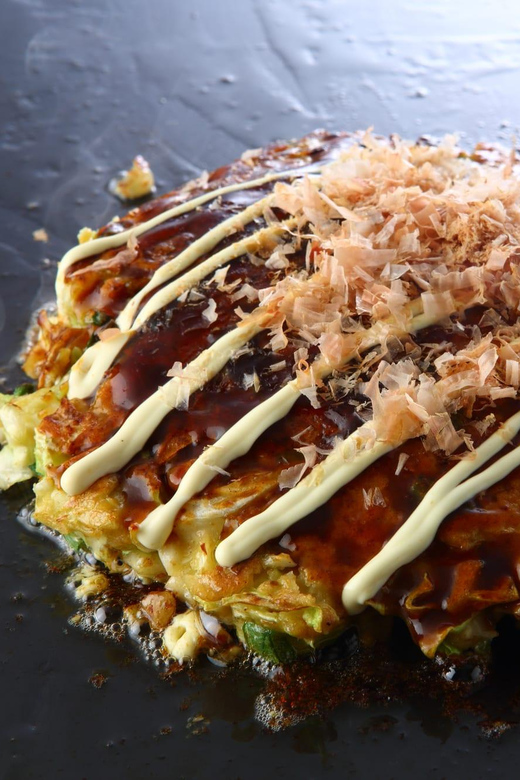
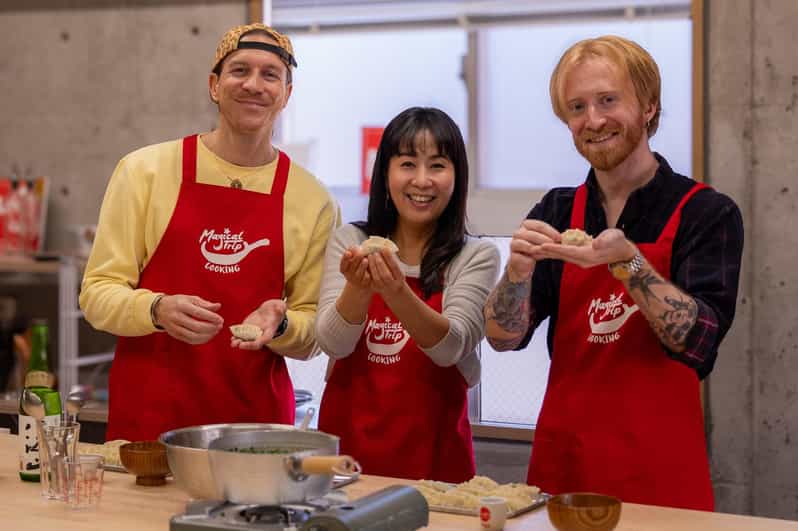
Back at the MagicalTrip Original Cooking Studio, you cook in a relaxed environment with step-by-step guidance from an English-speaking local. The class is designed so you do not need advanced knife skills. If you’re comfortable with basic cooking, you’ll be fine.
You’ll make three dishes, and each one teaches something slightly different. Together, they cover comforting soup, a signature Osaka street-style pancake, and the hands-on fun of dumpling folding.
Niku-sui: The Beef Soup That Feels Like a Warm Hug
Niku-sui is a flavorful beef soup that locals love. It’s the kind of dish that teaches you about balance: savory beef flavor plus a comforting broth and the right supporting ingredients. Even if you’ve never made soup seriously before, this part tends to click because it’s straightforward and forgiving.
I like starting with niku-sui because it sets a “home cooking” rhythm. You see how the dish comes together rather than jumping straight into a more technical item like dumplings.
More Food & Drink in Osaka
- Osaka: Shinsekai Food Tour with 13-15 Dishes at 5 Eateries
★ 4.8 · 2,204 reviews - Osaka Food Tour: 13 Dishes at 5 Local Eateries
★ 5.0 · 2,149 reviews - Hungry Osaka Street Food Tour:15 Tastings & 3 Drinks with a Local
★ 5.0 · 1,727 reviews - Hungry Osaka Street Food Tour: 15 Dishes & 3 Drinks
★ 4.9 · 694 reviews
Okonomiyaki: Osaka’s Savory Pancake With Endless Variations
Okonomiyaki is the Osaka dish people get proud about. Your class covers it as a recipe, but the bigger lesson is that this pancake is customizable. People make it differently based on preferences and regional habits.
In practice, you’re learning how to manage heat and texture. You’ll work on assembling and cooking the pancake properly so it turns out savory and satisfying, not soggy. Once you’ve seen the method in person, you’ll understand why small ingredient swaps can be fun instead of confusing.
Gyoza: Crispy Dumplings and the Folding Part That Gets Everyone Smiling
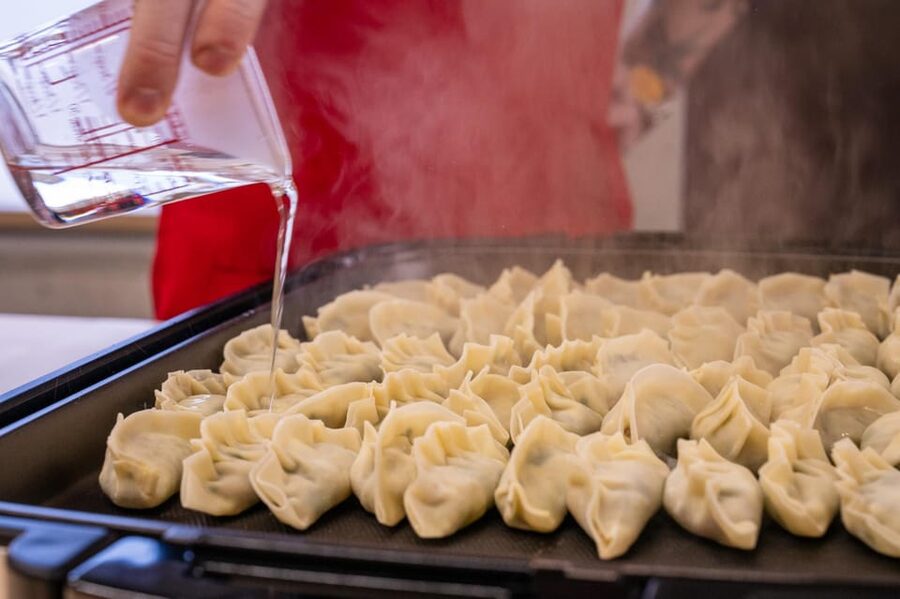
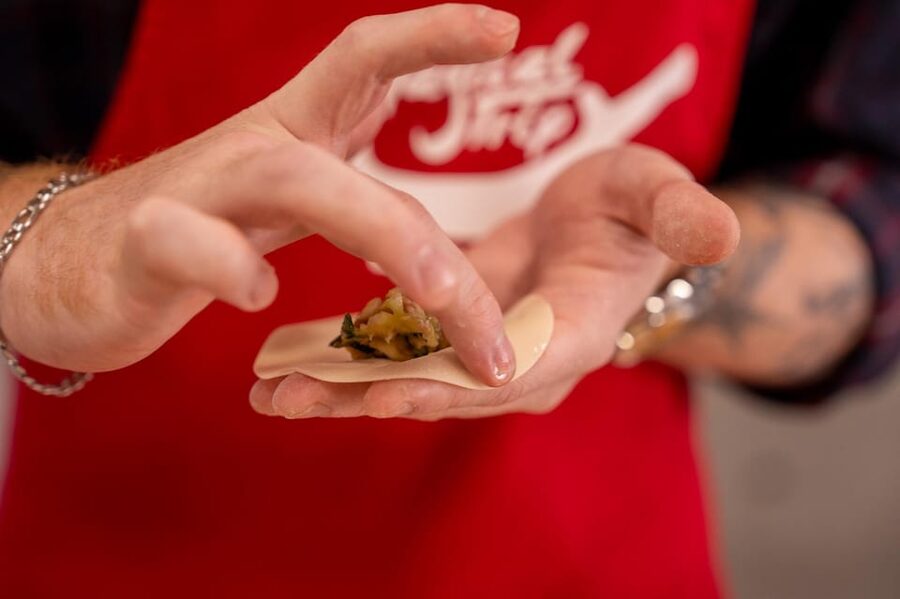
Gyoza is where the class becomes a shared activity. Folding dumplings is tactile and slightly silly in the best way, especially when you’re doing it with other people. The goal is crispy and juicy dumplings, and your guide helps you with the process.
This portion is also valuable if you want a dinner-party skill. The technique is the showpiece. You can make a tray of gyoza at home, then feel proud because you learned it hands-on.
Who Doesn’t Need Prior Experience
The instruction emphasizes that even without cooking experience, the steps are clear. The kitchens are set up so you can follow along without guessing. That’s a big deal for a vacation class, because you want fun, not stress.
Drinking and Chatting With Food Stories: Sake, Beer, Tea
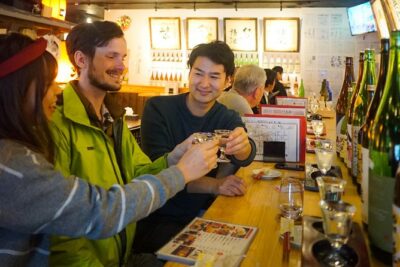
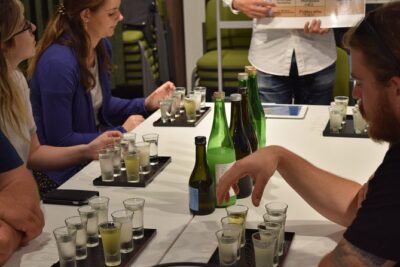
One reason this tour feels more social than a standard cooking class is that you don’t cook in silence. While you work, you can enjoy local sake, beer, or soft drinks. The tour includes three canned drinks (alcoholic or non-alcoholic), plus tea during the experience.
Food and drink pair naturally here. As you cook, you’re not just learning steps. You’re picking up small cultural cues about ingredients and how people enjoy meals together. Several guide notes point to history and product stories, so expect your conversation to include more than just the recipe.
Also, pay attention to the small details that make the room feel comfortable. In at least one session, the group could choose the background music, which makes it feel less like a classroom and more like a shared hangout.
And yes, some guides go the extra mile. One guide, Linda, was especially attentive and even helped the group buy sake to take home. That’s not something you can count on for every tour, but it shows the general tone: friendly, generous, and really tuned in to the group.
Lunch, Photos, and Recipe Downloads You’ll Actually Use
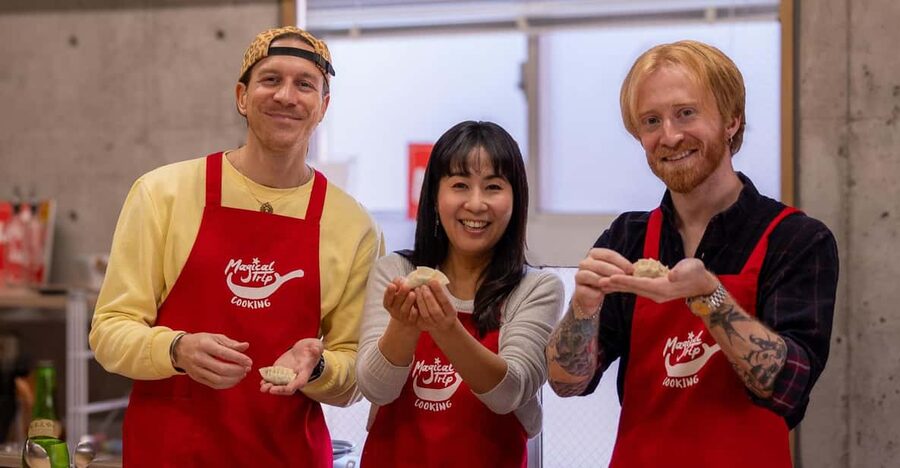
You get cooking experience and lunch, with all ingredients provided. The included lunch is part of the value. You’re not just learning how to cook, then walking away hungry. You eat what you made, which helps you understand what the final dish is supposed to taste like.
After the tour, you receive recipe downloads so you can recreate the dishes later. That’s the real payoff for me. A great cooking class gives you a memory. A great one also gives you a system you can repeat. These recipes are designed to be authentic but simple enough for home cooking, which matters if you don’t want to hunt down obscure ingredients.
You also get tour photos taken by your guide and sent afterwards by email. It’s a nice bonus because it reduces the pressure to document everything while you’re cooking. You can focus on the experience, then get images after.
One more thing you’ll appreciate if you like practical souvenirs: leaving with the recipe is better than leaving with a fridge magnet.
Price and Value: Is $90 a Fair Deal for 4 Hours?
At $90 per person for a 4-hour small-group experience, the value comes from what’s included, not just the sticker price.
Here’s what you typically get in a format like this:
- a guided supermarket ingredient selection
- a hands-on studio kitchen experience
- all ingredients
- lunch based on what you cook
- three canned drinks plus tea
- English-speaking guide time
- photos sent after the tour
- recipe downloads for later
When you look at it that way, you’re paying for local guidance and a structured cooking session, plus ingredients and a meal. If you were trying to recreate these dishes on your own without a guide, you’d spend time figuring out what to buy and how to cook it. This compresses that learning curve into one half-day.
If you’re traveling with friends, couples, or solo, this also offers a different kind of group dinner. It’s active, social, and more memorable than a standard meal.
Small Group Comfort: Why Up to 7 Changes Everything
The tour is limited to 7 participants. For cooking classes, that’s the sweet spot. It keeps the kitchen from feeling chaotic and it helps the guide notice when someone needs help before it becomes a mess.
In the best-case scenario, you get quick corrections, reassurance, and plenty of chances to ask questions. Several guide-led comments emphasize attentiveness and a friendly, calm teaching style. That combination is exactly what you want when you’re learning dumpling folding, timing for a pancake, or getting soup flavors right.
The small group also helps with conversation. You’re not stuck talking to one person all day. You chat, you compare notes, and you go back and forth while you cook.
Dietary Needs and Real-World Limits
This matters, so read it carefully.
- Vegan and vegetarian options are welcome.
- Gluten-free options are unavailable.
- If you have allergies or dietary needs, you need to inform the team at least one day in advance since the food is prepared in external kitchens.
- They cannot guarantee allergy-free meals, and substitutions might not always be possible.
So if you are gluten-sensitive for health reasons, plan accordingly. This one is not built for gluten-free cooking. If you have other allergies, do not assume you can figure it out on the spot. Send the details early and ask what can actually be adjusted.
Timing, Climate, and Getting There Without Stress
This is a 4-hour class that starts on time. Late arrivals can’t join, can’t be rescheduled, and can’t receive refunds. That’s pretty common, but it still matters. Osaka is busy, and trains can be crowded. Give yourself a little cushion.
Japan’s weather can swing hard. Summers can hit around 40°C (110°F) and winters can dip to about -5°C (20°F). Dress for the season, especially if you’re walking from the station to the meeting point and then moving around during the market stop.
Also, age matters. Anyone over 12 can join because the class includes cutting and heating.
Should You Book This Osaka Cooking and Sake Tour?
Book it if you want a hands-on Osaka food experience that teaches you how to cook, not just what to eat. You’ll like it if you enjoy market visits, want to make niku-sui, okonomiyaki, and gyoza, and you want a friendly English-speaking local guide to help you get the steps right.
Skip it or choose something else if gluten-free meals are essential. Also, if you have mobility issues, you may find some parts of the route challenging, so a private tour might suit you better.
If you’re on the fence, think about your main travel goal. If your goal is to come home with real cooking skills and a recipe set you’ll use, this is one of the more practical ways to spend a half-day in Osaka.
FAQ
What dishes will I cook on this tour?
You’ll cook three iconic Osaka dishes: niku-sui, okonomiyaki, and gyoza.
Is there alcohol on the tour?
Yes. The tour includes three canned drinks, which can be alcoholic or non-alcoholic, and you’ll also have tea during the experience.
Where is the meeting point?
You meet in front of FamilyMart, about a one-minute walk from the 4B Exit of Minami Morimachi Station.
How long is the experience?
The tour lasts 4 hours.
Is the group large?
It’s a small group, limited to 7 participants.
Can I join if I need gluten-free food?
Gluten-free options are unavailable on this tour. Vegan and vegetarian participants are welcome, but you should inform the team about dietary needs or allergies at least one day in advance.
Is the tour wheelchair or stroller friendly?
The tour may include locations that are not accessible by wheelchair or stroller, so it is not recommended for those with mobility issues.
More Shopping Tours in Osaka
- Cooking Ramen&Gyoza/KatsuCurry/Bento/Okonomiyaki+Store Tour@Osaka
★ 5.0 · 138 reviews - Nara, Todaiji Temple & Kuroshio Market Day BUS Tour from Osaka
★ 3.5 · 18 reviews
More Market Tours in Osaka
- Kuromon Market Food Walking Tour in Osaka (6 stops, 6 tastes)
★ 5.0 · 550 reviews - Osaka: Kuromon Market Food Walking Tour (6 stops, 6 tastes)
★ 4.6 · 272 reviews - Kuromon Market Tour: All inclusive 6~8 Dishes & 3~4 samplings
★ 5.0 · 103 reviews - PRIVATE 6hr, Food tour from Osaka Castle, Kuromon, Dotonbori.
★ 5.0 · 68 reviews
Latest write-ups near Osaka
- PRIVATE 6hr, Food tour from Osaka Castle, Kuromon, Dotonbori.★ 5.0 · 68 reviews
- 90 min Shared Handmade Udon Experience★ 5.0 · 70 reviews
- Ramen and Gyoza Cooking Class in Osaka Dotonbori★ 5.0 · 73 reviews
- Osaka: Sushi Making in Spacious Studio (SAME-DAY OK!)★ 5.0 · 75 reviews
- Osaka E-Bike Tour With A Local Guide★ 4.7 · 75 reviews
- 1.5〜2 Hours Traditional Kintsugi Work Shop in Namba Osaka★ 5.0 · 75 reviews
- Retro Osaka Street Food Tour: Shinsekai★ 4.5 · 77 reviews
- Osaka: Osaka Castle Guided Tour with Local Guide★ 4.7 · 78 reviews
Sake Tastings, compared.

Kyoto Night Foodie Tour in Gion (9+ dishes + 6 Sake tastings)
Read our review →
1-Day Snow Monkeys, Zenko-ji Temple & Sake in Nagano
Read our review →
3-Hour Kyoto Insider Sake Brewery Tour with Tastings & Pairings
Read our review →
Arashiyama Bamboo, Temple, Monkeys, or Secret Sake Brewery
Read our review →

Insider Sake Brewery Tour with Sake and Food Pairing
Read our review →