Reviewed · MARKET TOURS
Osaka: Kuromon Market Food Walking Tour (6 stops, 6 tastes)
What makes this tour interesting is how fast it gets you into Osaka through food, not tickets or speeches. You focus on Kuromon Market and the streets around Namba, guided end to end by locals connected to the scene. I especially love the way the experience is built around six tastings that feel like a plan, not random snacking.
Second, I like that you do more than eat. You get context as you walk, plus photo help so you can spend your energy on the moment instead of playing photographer. That same guide skill showed up in real experiences with guides like Nina, Niko, Aina, and Noz, with lots of people praising their English and pacing.
One drawback to plan for: this tour is not set up for every diet. Gluten-free requests can’t be accommodated, and some places on the route have stairs or uneven sidewalks, so it is not a good fit for wheelchairs.
Key highlights at a glance
- Six tastings designed to fill you up so you don’t go hunting for lunch right after
- Kuromon Ichiba Market as the core food stop, with help choosing stalls
- Sennichimae Doguyasuji Shotengai for kitchen tool and knife shopping energy
- Hozenji Yokocho for that late-night alley vibe near a shrine area
- Dotonbori to wrap your senses around Osaka’s famous street lights
- Photo support during the walk, especially on busy market days
Kuromon Market and Namba, the fastest way to eat your way into Osaka
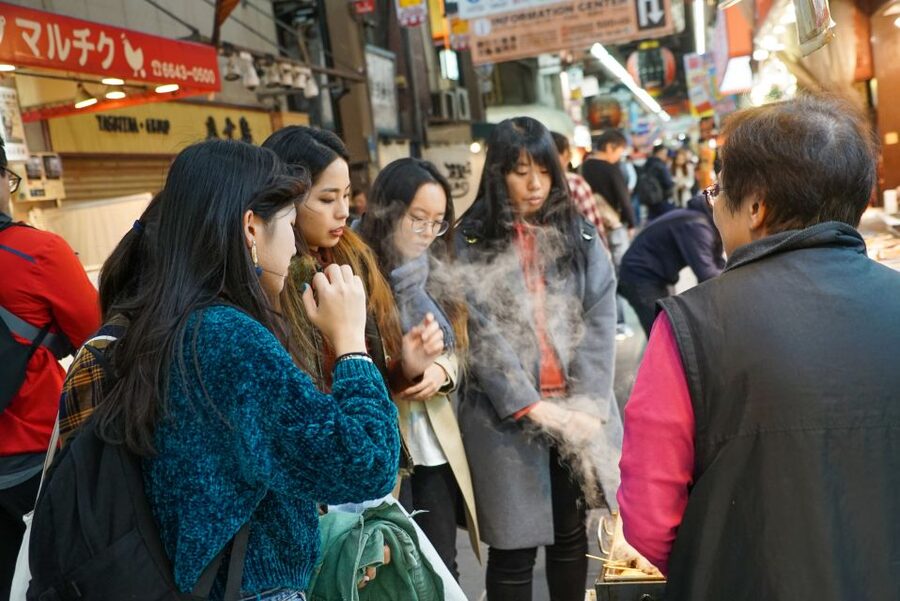
Osaka is a city where food is social, practical, and loud about it. This tour taps that instantly by putting you inside Kuromon Market, often called the kitchen hub of the city, then connecting you to the nearby shopping and alley streets.
The smart part is that it is timed. In about 2 hours, you get multiple food stops and short walks between them, so you see more than just one crowded market aisle. You also get the benefit of a guide who knows which stalls are worth the line and which ones are better skipped.
I also like that the tour is small or private. A smaller group means less bumping, easier decisions around street-food stands, and more time to ask questions without the guide rushing you.
More Food & Drink in Osaka
- Osaka: Shinsekai Food Tour with 13-15 Dishes at 5 Eateries
★ 4.8 · 2,204 reviews - Osaka Food Tour: 13 Dishes at 5 Local Eateries
★ 5.0 · 2,149 reviews - Hungry Osaka Street Food Tour:15 Tastings & 3 Drinks with a Local
★ 5.0 · 1,727 reviews
Where you meet and how the first minutes feel
Meeting is in a very specific spot, which matters in Osaka when streets can look similar. You’ll meet in front of the SMBC ATM at Nippon-bashi 1chome, near Kintetsu Nippon-bashi Station, using Exit 10. Your guide will be holding a board that says MagicalTrip.
Once you’re grouped up, you start with a short guided introduction. That early 15-minute orientation helps you understand how to navigate Kuromon without getting overwhelmed by the number of stalls and smells. It also sets the tone so you can eat confidently instead of hovering and second-guessing.
If it’s summer, start hydrating before you show up. The area around Namba can feel intense, and the tour itself is a walking-and-tasting format, not a sit-down meal.
Picasso Nihon Ichi Building and the quick setup you’ll actually use
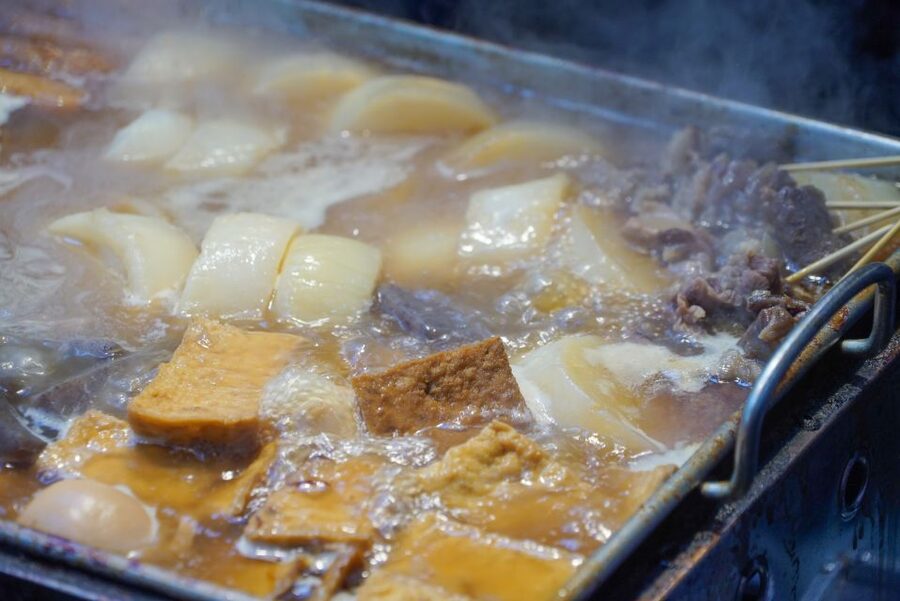
The tour starts at ピカソ日本一ビル, and then you move into that initial guided segment. Think of this as the “get your bearings fast” portion, so later you can focus on decisions, not logistics.
You’ll get a sense of how the day flows, including that you will be sampling enough food to feel properly fed. That is a big deal because street food in Japan can be easy to overbuy when you are hungry, then overpay when you are guessing.
This start also helps you spot how the guide handles the market. People described the pace as friendly, organized, and not rushed, with guides like Nina and Niko taking time to keep everyone moving smoothly through tight spaces.
Kuromon Ichiba: your tasting engine (and how to not get lost)
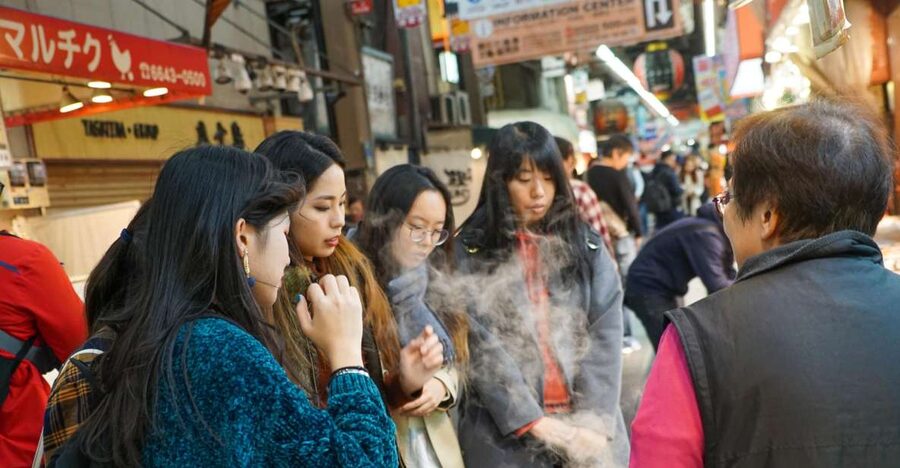
Kuromon Market, also known as the kitchen of the nation, is the heart of the tour. This is where you spend about 30 minutes exploring the stalls while your guide steers you toward good choices.
What I like most here is the selection help. Kuromon has plenty of tempting food, but it also has a lot of visual noise. With a local guide, you’re not just ordering blindly, you’re sampling items that match what the market is best at that day.
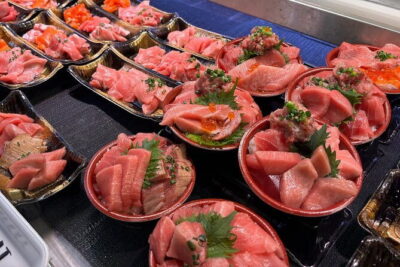
You can expect classic Osaka favorites. The tour highlights include options like takoyaki and grilled yakitori skewers, plus seafood-style bites such as grilled scallops. You may also see other samplings depending on what’s available, and past tours included things like tempura, sashimi-style bites, and sweet treats such as taiyaki.
More Market Tours in Osaka
- Kuromon Market Food Walking Tour in Osaka (6 stops, 6 tastes)
★ 5.0 · 550 reviews - Kuromon Market Tour: All inclusive 6~8 Dishes & 3~4 samplings
★ 5.0 · 103 reviews - PRIVATE 6hr, Food tour from Osaka Castle, Kuromon, Dotonbori.
★ 5.0 · 68 reviews - Osaka: Cooking Class & Sake Tasting with Local Market Visit
★ 4.8 · 31 reviews
What to watch for at the market
Kuromon is popular. You’ll likely deal with crowds, tight lines, and people moving in different directions. The guide solves most of the friction by positioning the group so you can taste without getting in other people’s way.
Still, it helps if you wear comfortable shoes. You’re walking and standing more than you think, especially when you pause for tastings and quick photos.
Sennichimae Doguyasuji Shotengai: kitchen tools, knife shops, and souvenir energy
After the main tasting, the tour shifts from food stalls to the shopping streets around Sennichimae Doguyasuji Shotengai. This is a great contrast stop because it is still connected to food culture, just from a different angle.
This area is known for kitchen-related shops, and people loved seeing the knife and cookware side of Osaka. If you like practical souvenirs, this stop makes sense. You can actually browse, hold items, and buy something you’ll use rather than a generic postcard.
Time here is about 20 minutes, so you’ll want to decide quickly if you see something you truly want. If you’re the type who compares prices across several shops, you can do that after the tour too, but you’ll get your first look during this guided window.
One practical point: bring a tote bag or lightweight shopping bag. You’re going to pick up something, even if it’s just a small set of tableware or a kitchen tool.
A local restaurant stop that keeps you from turning snacky into hungry
Between market browsing and the later alley streets, the tour includes a local restaurant stop. It’s short, around 10 minutes, but it helps the pacing.
This portion is valuable because it gives you a breather. You can reset your appetite, ask questions, and keep energy steady before the walking portions that follow. People described the tastings as more than enough, so the restaurant stop is part of that “finish full, not still hungry” design.
This stop also connects the market food to how people actually eat day to day. It’s one of the ways the tour teaches you the difference between street food as a treat and street food as a real meal.
Hozenji Yokocho: lantern alley vibes near the shrine area
Next you head to Hozenji Yokocho, where the vibe shifts. This is the alley stop, around 10 minutes, and it’s known for the kind of atmosphere that makes Osaka feel like a real city, not just a food-themed map pin.
People called out seeing a shrine along the way, and Hozenji is where that type of stop fits naturally in this route. You’ll feel the atmosphere change right away, with narrower streets and a more intimate feel than Kuromon’s wide corridors.
Why this part matters: it gives you context for why Osaka eats the way it does. Food culture here is tied to neighborhoods, local habits, and places people return to, not just one-off tourist grabs.
If you love photos, this is a good place to relax your shoulders. Guides often help with tour photos, and this alley setting is exactly the kind of spot where you’ll want a few shots without forcing it.
Dotonbori: the famous lights, handled with a guide’s route sense
To close out, you walk toward Dotonbori, which takes about 25 minutes on this experience. Dotonbori is the big-name Osaka street, famous for its lights, signs, and nonstop energy.
A guide matters here because Dotonbori is so busy that wandering randomly can waste time. With a plan, you still get the atmosphere, but you’re not stuck circling blocks trying to find the best angles or the easiest path through crowds.
This end section also works as a decision-making tool. After you see Dotonbori up close, you’ll know where you want to return on your own for dinner. People often said they got great ideas for follow-up meals right after the tour.
How the guide experience shapes your tastings
The tour runs with a certified local guide by MagicalTrip, and it’s conducted in English. That combination is what makes the tasting part feel safe and fun, even if you’re new to Osaka street food.
The guide’s job is not just picking food. It’s helping you read the market, navigate lines, and understand what you’re eating in plain language. Many people praised guides like Nina, Niko, Aina, Aya, Noz, and Aiko for being friendly, organized, and easy to talk to.
You’ll also notice the pacing is designed for groups. One recurring theme was that guides did not rush people, and they kept the flow moving so you could enjoy the tastings without feeling like a conveyor belt.
Photos that you actually want
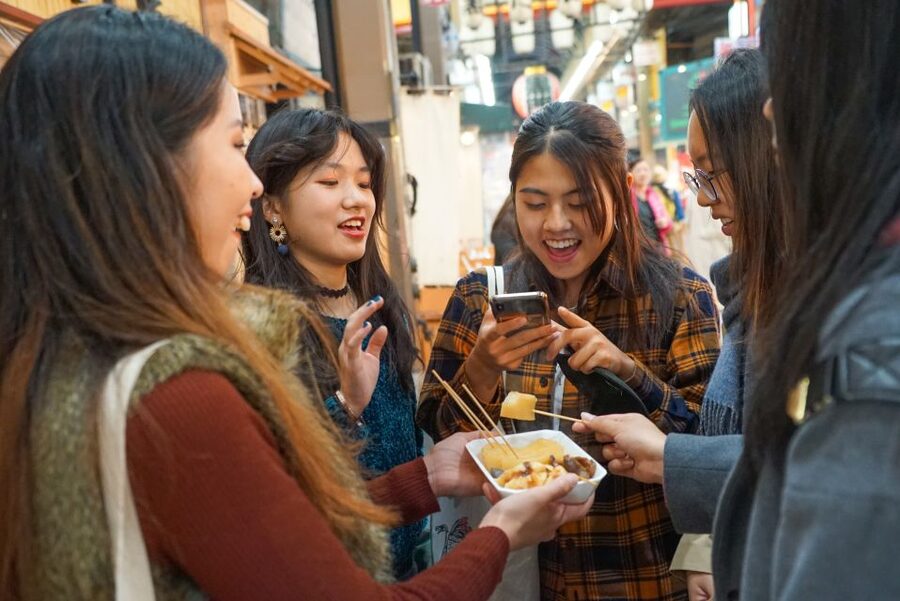
A very practical perk is that the tour includes tour photos. People mentioned guides taking lots of pictures, which is huge in Osaka because you will be moving and eating, not setting up a tripod.
There was also mention of helpful hot-weather touches like chilled neck rings. That is not something you should count on, but it does signal the kind of care some guides bring.
What 6 tastes feels like in real life
The tour includes 5 to 6 food samplings, and the marketing claim that it fills you up is not just empty talk. Street food portions are small by design, but multiple stops add up fast when you sample consistently.
I recommend you arrive hungry, but not painfully so. If you’re starving, you may feel rushed by your own appetite. If you arrive only mildly hungry, you’ll still be able to enjoy each stop and not force food down.
The tastings can cover both savory and sweet. Based on foods that have been part of past experiences, you might run into seafood bites, skewers, tempura-style items, mochi sweets, taiyaki, and other seasonal picks.
Also, this is not a drinks-included tour. Additional food and drinks are available for purchase, and you should bring cash for what you buy on top.
Price and value: $49 for a guided Osaka food plan
At $49 per person for a 2-hour guided walk with multiple tastings, the value comes down to one thing: you’re paying for decision support and access, not just food.
If you tried to build this route yourself, you’d likely:
- spend time figuring out which stalls to trust,
- waste energy getting stuck in the wrong lines,
- miss the flow between market, kitchen shops, alley atmosphere, and Dotonbori.
This tour packages all of that into a short time window with a local guide, plus tour photos. For first-time visitors, that’s often the difference between a fun food day and a frustrating one where you second-guess every choice.
If you already know Osaka well, you might prefer to pick your own favorites. But even then, the guided tasting helps you discover stalls and flavors you would not have picked blindly.
Who should book, and who might skip
This is a smart choice if you:
- want a first-day orientation around Namba and central Osaka,
- like street food but want help choosing,
- want a short, efficient way to combine market food, shopping streets, and alley atmosphere.
It may be less ideal if you need strict dietary handling. The tour can’t accommodate gluten-free requests, and vegetarian or vegan options are possible but may be limited, requiring at least one-day advance notice.
If you’re traveling with mobility needs, plan carefully. Some locations are not wheelchair or stroller accessible, and the tour is not recommended for those with mobility issues.
Quick planning notes before you go
Japan weather can swing hard, especially in summer. Bring water, wear breathable clothes, and consider a hat if you’re visiting during hot months.
Come on time. The tour starts on time, and late arrivals can’t join, reschedule, or get a refund.
Finally, bring cash for extra snacks and drinks. Food samplings are included, but anything beyond that is on you.
Should you book the Kuromon Market Food Walking Tour?
I’d book this if you want a structured, local way to taste central Osaka in a short window. The best reasons are the six-taste plan, the guide-led stall selection at Kuromon, and the route that blends market, kitchen shopping streets, and Hozenji Yokocho before landing in Dotonbori.
I would not book it if gluten-free is a hard requirement. I also would not pick it if you need a fully wheelchair-friendly route, since parts of the experience are not accessible.
If those constraints don’t apply, this is a practical, fun way to get oriented fast, eat well, and leave with a few souvenir ideas that actually connect to Osaka food culture.
More Walking Tours in Osaka
- Osaka: Hotspots & Hidden Gems Walking Tour Private or Group
★ 4.9 · 1,300 reviews - Osaka Local Foodie Walking Tour in Dotonbori and Shinsekai
★ 5.0 · 985 reviews - Osaka Bar Hopping Night Walking Tour in Namba (3 bars, 6 tastes)
★ 5.0 · 958 reviews - Osaka: Deep Backstreets Walking Tour with Dinner Option
★ 4.9 · 902 reviews
More Shopping Tours in Osaka
- Cooking Ramen&Gyoza/KatsuCurry/Bento/Okonomiyaki+Store Tour@Osaka
★ 5.0 · 138 reviews - Nara, Todaiji Temple & Kuroshio Market Day BUS Tour from Osaka
★ 3.5 · 18 reviews
Latest write-ups near Osaka
- PRIVATE 6hr, Food tour from Osaka Castle, Kuromon, Dotonbori.★ 5.0 · 68 reviews
- 90 min Shared Handmade Udon Experience★ 5.0 · 70 reviews
- Ramen and Gyoza Cooking Class in Osaka Dotonbori★ 5.0 · 73 reviews
- Osaka: Sushi Making in Spacious Studio (SAME-DAY OK!)★ 5.0 · 75 reviews
- Osaka E-Bike Tour With A Local Guide★ 4.7 · 75 reviews
- 1.5〜2 Hours Traditional Kintsugi Work Shop in Namba Osaka★ 5.0 · 75 reviews
- Retro Osaka Street Food Tour: Shinsekai★ 4.5 · 77 reviews
- Osaka: Osaka Castle Guided Tour with Local Guide★ 4.7 · 78 reviews
Market Tours, compared.
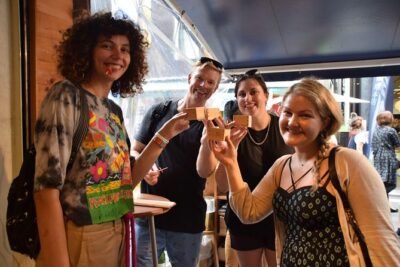
Tokyo Tsukiji Fish Market Food and Culture Walking Tour
Read our review →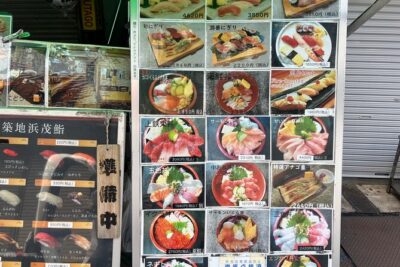

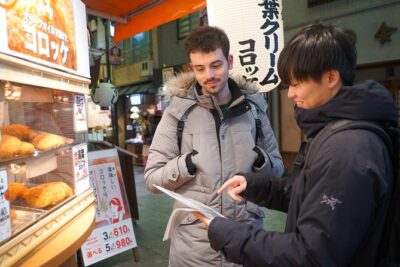
Nishiki Market Brunch Walking Tour (7 Tastings + Brunch)
Read our review →
Tokyo Sushi Making Class in Tsukiji with Professional Chef
Read our review →
Tsukiji Fish Market Guided Tour and Sushi Making with Pro Chef
Read our review →