
Reviewed · SUMO EXPERIENCES
Osaka Sumo Experience with Live Show and Audience Challenge
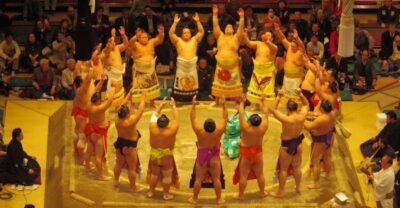
What makes this Osaka outing so interesting is that you get real sumo rhythm, not just a quick highlight reel. You’ll see the sacred side of the sport, then watch a dramatic tachiai moment with retired wrestlers, and finally try a live audience challenge if you’re chosen. I particularly like how the guide connects the rituals and rules to what you’re actually watching, and I like that the show includes audience participation, not just spectatorship. One thing to consider: the ring time is limited, so you may not get called up even if you want in.
You’ll spend about 1 hour 30 minutes in a group that can go up to 50 people. That size is big enough to feel lively, but small enough that the English explanations stay clear. The show is built for most people, and the staff are welcoming, which matters when you’re wearing sumo-style gear that may not fit perfectly.
If you’re bringing someone who thinks sumo is only loud stomping, this is a solid way to correct that fast. You’ll learn why the pre-fight moments matter, then you’ll see how tough the basics are when you try them. Just plan for no meals included, and show up a bit early so you’re not rushing at the start.
Key things to know before you go
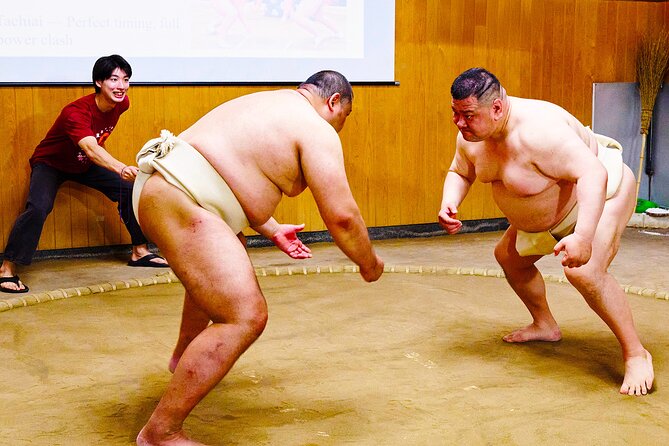
- Tachiai demo with retired wrestlers shows the explosive start that fans obsess over
- English-speaking guide helps you understand the rules while you’re watching
- Audience challenge in the ring gives you a real chance to test your strength and balance
- Mobile ticket makes it easy to enter without paper juggling
- Group capped at 50 keeps the experience social, not chaotic
Why this Osaka sumo show feels worth the ticket price
At $55.50 per person for roughly 90 minutes, you’re paying for three things that are hard to fake: live training energy, clear explanations, and an audience moment that can turn into a personal highlight. A sumo show can be entertaining, but this one tries to be useful too. The guide walks you through what you’re seeing so it doesn’t stay as random cheering and stomping.
You also get value because it’s not just one long demo with no interaction. The pacing shifts from explanation to action, then to participation. That matters if you’re traveling with someone who learns by doing, not just watching. And the feedback is consistent on the vibe, kind staff, and the mix of laughs plus genuine instruction.
More Sumo Experiences in Osaka:
- Osaka: Sumo Show & Experience w/ Optional Kimono & Hot Pot
★ 4.5 · 609 reviews - Osaka: Sumo Stage Show with Bento or Snack + Fight & Photo
★ 4.3 · 364 reviews - Tokyo: Sumo Show Experience with Chicken Hot Pot and a Photo
★ 4.8 · 6,678 reviews
Your 90 minutes in Osaka: what happens from start to finish
This is a single-session experience centered on the live show. You’ll meet at the listed location in Osaka, then you’ll settle in for a structured program that alternates between history, rules, and actual performance.
Here’s the typical flow you can expect once you’re inside:
The opening stage: rituals and rules before the impact
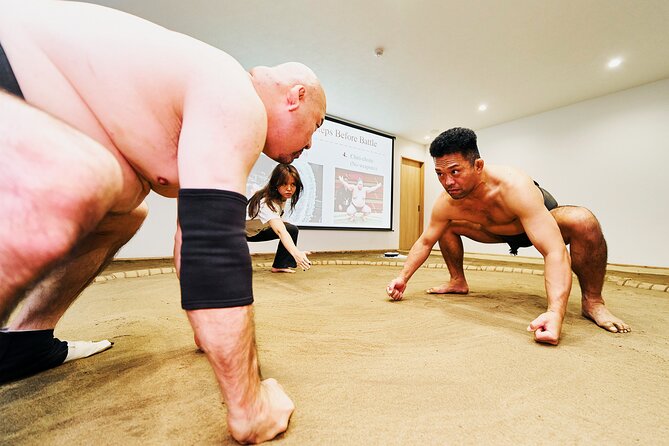
The best part is the order of operations. You don’t get thrown into the ring right away. First, you get explanations that make the sport feel less mysterious. You learn what to look for and why the early moments matter, including the pre-match tension that leads into the first clash.
I like this approach because sumo can look simple until you understand the thinking behind it. Even if you’re new, you’ll leave knowing what’s going on beyond the obvious. The guide’s English delivery is a major reason the learning actually sticks.
The tachiai moment: where the show turns from explanation to physics
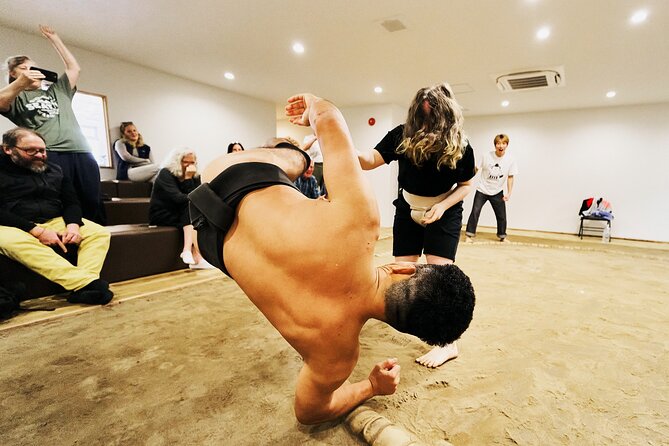
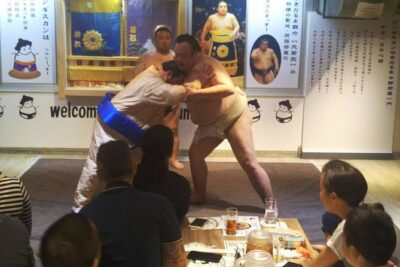
Then comes the dramatic tachiai match. This is the explosive “first contact” moment, and seeing it live, with retired sumo wrestlers, helps you understand why fans treat the start like the main event.
The clash is not just about strength. It’s about timing, posture, and commitment. When you see that first hit, you can feel how quickly balance gets decided. It’s also a great reset for your brain. You stop listening for facts and start watching for details you just learned.
A change of pace from Osaka:
- Osaka Go Karting Tour with Funny Costume
★ 5.0 · 2,658 reviews - Osaka Castle: Museum and Tower Entry Ticket
★ 4.5 · 2,380 reviews - Osaka: Shinsekai Food Tour with 13-15 Dishes at 5 Eateries
★ 4.8 · 2,204 reviews - Osaka Food Tour: 13 Dishes at 5 Local Eateries
★ 5.0 · 2,149 reviews
The interactive portion: audience participation that stays respectful
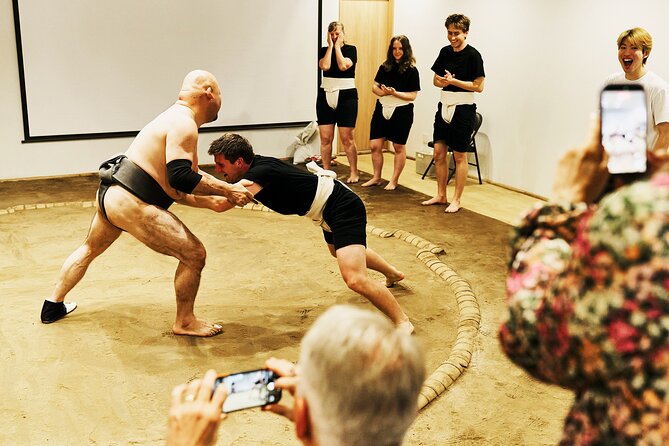
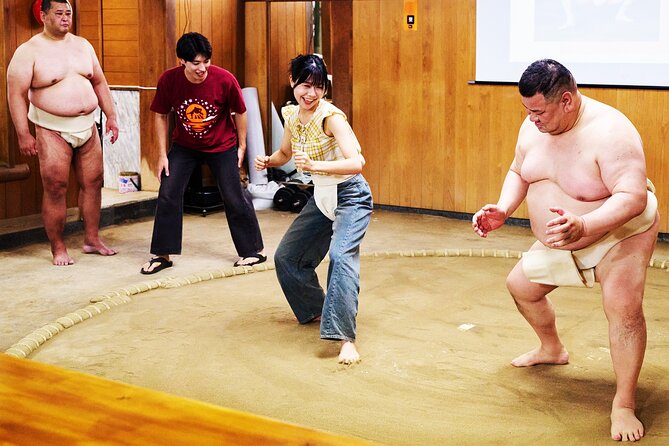
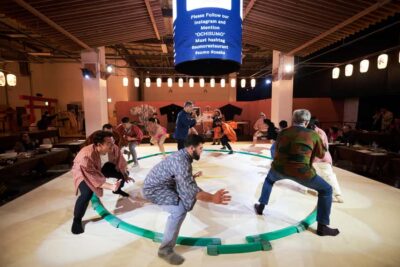
After the demo, the show shifts toward the audience challenge. Limited spots are available to step into the ring and face a sumo wrestler. If you get called up, it won’t be a casual photo op. It’s a structured try at sumo, with rules explained and a focus on doing it properly.
This is where the experience becomes personal fast. It’s also where you realize how hard it is to stay stable on sumo-style footwork while someone much bigger is driving you. Even if you only get to practice a move or two, you’ll gain a new respect for the technique.
The hands-on practice: how you learn by attempting
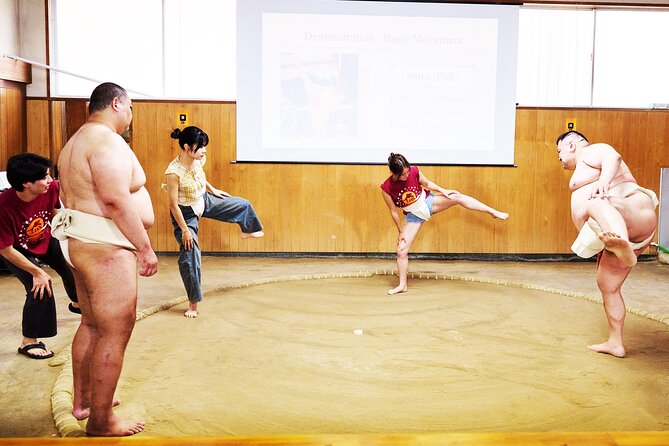
One of the most valuable parts is the practice and match attempt. You’re not just watching a spectacle. You’re trying a simplified version of the mechanics, guided by the staff and wrestlers.
I’d call this the “instant understanding” segment. Once you try, you get why the rules exist and why certain positions matter. And if you’re traveling with a sibling, partner, or friend, this is also where the laughs happen, because the effort is real and the outcome is unpredictable.
The ring challenge: should you aim for it, or just enjoy the show?
If you want to participate, do it with the right expectations. Limited spots are the key detail. That means you should sign up if offered, but you shouldn’t build your whole trip around definitely getting called.
For many people, the good news is that most travelers can participate. The bigger challenge is not age or ability, it’s the gear and the physical demands. You’ll be placed in sumo-style clothing and you may be given sandals. One practical note from feedback: the sizing can be inconsistent, so if you’re in between sizes or you know you run large, plan to ask staff about fit.
Also, mentally prepare for effort. Even a short attempt at sumo feels different from normal training. You’ll likely feel it in your legs and core the next day.
The English guide: what the explanations should give you
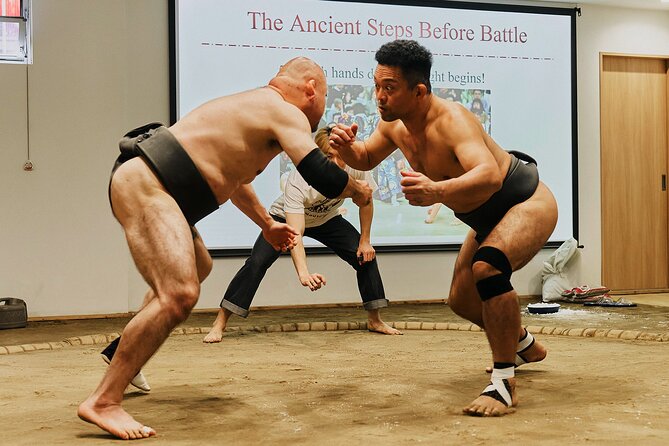
The guide is an English-speaking guide, and that’s a big deal for an activity like this. Sumo has lots of terms and traditions that can be hard to decode on your own. Here, the explanations are timed to the action, so you’re not left reading a guidebook while everyone else watches in silence.
From what you’ll learn, you should come away understanding:
- what you’re seeing during the pre-fight and contact moments
- basic rules at a level you can actually recognize in the ring
- why certain traditions exist and what they symbolize
This also improves your viewing for any future sumo content you catch while in Japan. You’ll recognize patterns instead of just hearing loud noise.
Location and timing: how to show up without stress
You meet in Nishinari Ward at Japan, 557-0032 Osaka, Nishinari Ward, Asahi, 1-chōme51 AIビル. It’s near public transportation, so you’re not locked into taxis or long walks.
Plan to arrive a little early. Even if the event runs smoothly, you want time to find the right entrance, get your mobile ticket ready, and settle in before the program starts.
Also remember: the experience ends back at the meeting point. That’s helpful for planning dinner afterward. You can also build your Osaka afternoon or evening schedule around a clean 1 hour 30 minutes.
What’s included, and what you need to handle yourself
Included:
- Sumo show
- English-speaking guide
Not included:
- Meals
- Private transportation
This means you should plan food either before you go or afterward. If you’re doing this as part of a longer Osaka day, I suggest grabbing something nearby beforehand so you’re not hunting for a meal right after.
If you’re coming from further away, plan your transit in advance. The experience doesn’t include private transport, and while the meeting point is near transit, you still need to get there.
Who this Osaka sumo experience suits best
This works especially well if you fall into one of these categories:
- You’re a first-time sumo fan and want the rules without studying first
- You like interactive experiences where you actually try something, not just watch
- You want a cultural activity that still delivers real sport energy
- You’re traveling with someone who enjoys hands-on challenges
It may be less ideal if you hate being in a group setting or if you want a strict, quiet museum style visit. This is a live show with laughs and participation. If that sounds fun, you’ll likely have a great time.
Practical tips for the day (so the gear does not ruin your fun)
A few small things can make the experience smoother.
Wear something comfortable. You may be moving around during the participation portion, and you don’t want to worry about tight clothing. You also want to be comfortable in whatever footwear they provide.
If you care about fit, speak up. There is feedback suggesting larger clothes and sandals would be helpful. That doesn’t mean you’ll have problems, but it does mean you shouldn’t assume gear will match you perfectly.
Bring a positive attitude. The ring challenge is meant to be friendly and structured, and the staff tend to be welcoming and kind. Go in expecting effort and a bit of chaos, and you’ll come out happier.
Finally, use your phone for the mobile ticket. Make sure it’s charged and that you can access your confirmation quickly.
Price and logistics: is $55.50 good value?
For $55.50 per person, you’re getting a 90-minute live event, an English guide, and the possibility of a ring challenge. That combo is usually what makes a tour like this worth it. You’re not paying just for admission. You’re paying for someone to translate the sport into something you can understand, plus a real chance to participate.
The group cap of up to 50 also helps value. It keeps things from turning into a rushed conveyor belt. With that, you get enough energy in the room without losing the clarity of instruction.
If you were only offered a short demo with no explanation and no interaction, the price would feel harder to justify. Here, the structure does more than entertain.
Should you book this Osaka sumo experience?
Yes, I’d book it if you want a live, structured sumo experience in Osaka that includes both explanations and the chance to try the sport yourself. It’s especially smart if you’re new to sumo and want a fast path to understanding what you’re watching.
I’d think twice only if you strongly prefer guaranteed participation in the ring. Since spots are limited, you might only watch. Also, if you have strong sensitivity to gear fit, plan on communicating with staff about sizing options.
Overall, this is one of those activities where you leave with something you can explain, not just a photo. The combination of tachiai action, English guidance, and the audience challenge is the reason it keeps landing so many top ratings.
Latest write-ups near Osaka
- PRIVATE 6hr, Food tour from Osaka Castle, Kuromon, Dotonbori.★ 5.0 · 68 reviews
- 90 min Shared Handmade Udon Experience★ 5.0 · 70 reviews
- Ramen and Gyoza Cooking Class in Osaka Dotonbori★ 5.0 · 73 reviews
- Osaka: Sushi Making in Spacious Studio (SAME-DAY OK!)★ 5.0 · 75 reviews
- Osaka E-Bike Tour With A Local Guide★ 4.7 · 75 reviews
- 1.5〜2 Hours Traditional Kintsugi Work Shop in Namba Osaka★ 5.0 · 75 reviews
- Retro Osaka Street Food Tour: Shinsekai★ 4.5 · 77 reviews
- Osaka: Osaka Castle Guided Tour with Local Guide★ 4.7 · 78 reviews
Sumo Experiences, compared.
Sumo Show Experience with Chicken Hot Pot and a Photo
Read our review →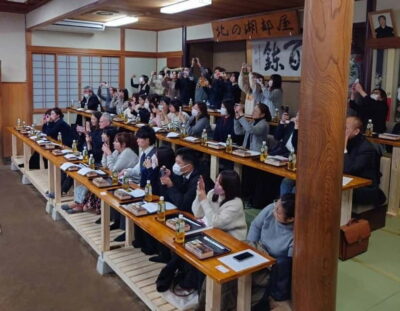
Tokyo Shinjuku Sumo Show & Experience with Photo
Read our review →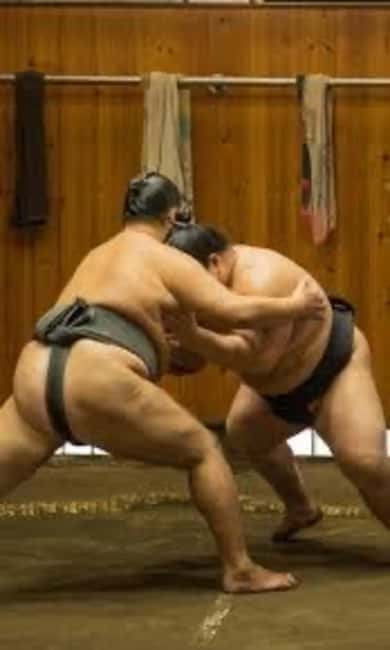
Sumo Show & Experience w/ Optional Kimono & Hot Pot
Read our review →
Authentic Sumo Experience in Tokyo: Enter the Sanctuary
Read our review →Browse the lists this tour appears in