
Reviewed · OSAKA TOURS
Osaka: Visit the must-see places.
Osaka hits different when you connect its landmarks to the daily habits behind them. This Spanish-guided route strings together history, temples, food stops, and street-energy in one long day. I especially like how the trip starts with Osaka Castle and finishes in the glow of Dotombori.
You will cover a lot of ground, mostly by subway, so expect serious walking and a steady pace. If you’re coming during hot hours, wear breathable clothes and plan to move comfortably.
The biggest advantage is the guide, usually Manuel Pérez, who explains the why behind each stop and keeps things organized. If you like a clear route with real context, this is a strong way to see the must-sees without getting lost.
Key things you should know
- Manuel Pérez in Spanish keeps the day clear, organized, and story-driven
- Osaka Castle + Sengoku-era context gives meaning to the scenery
- Shitennoji Temple shows how Buddhism arrived and took root in Japan
- Isshin-ji’s human-ash statues add a solemn, memorable layer to the temple stop
- Shinsekai and Tsutenkaku are a shortcut to Osaka’s retro street culture, plus kushikatsu
- Kuromon Market to Dotombori balances snack-hunting with neon entertainment
Osaka in one day, with a Spanish guide who ties it all together
If you’ve got limited time in Osaka, you need two things: a route that makes sense, and someone who can translate what you’re seeing into something you actually remember. This tour does both. It links five huge anchors of the city to the “in-between” culture that makes Osaka feel like Osaka.
The day is designed around a simple flow. You start with political power at Osaka Castle, shift into religion at the temple pair of Shitennoji and Isshin-ji, then slide into street life at Shinsekai. After that, you move into food at Kuromon Market, and you end in the high-visibility fun zone around Namba and Dotombori.
One thing to be ready for: you won’t just “look.” You’ll walk through places with layers, including one temple stop that touches on funeral traditions. It’s not scary, but it is unusual, and it deserves a calm mindset.
Also on the shortlist for Osaka:
- Osaka Go Karting Tour with Funny Costume
★ 5.0 · 2,658 reviews - Osaka Castle: Museum and Tower Entry Ticket
★ 4.5 · 2,380 reviews - Osaka: Shinsekai Food Tour with 13-15 Dishes at 5 Eateries
★ 4.8 · 2,204 reviews
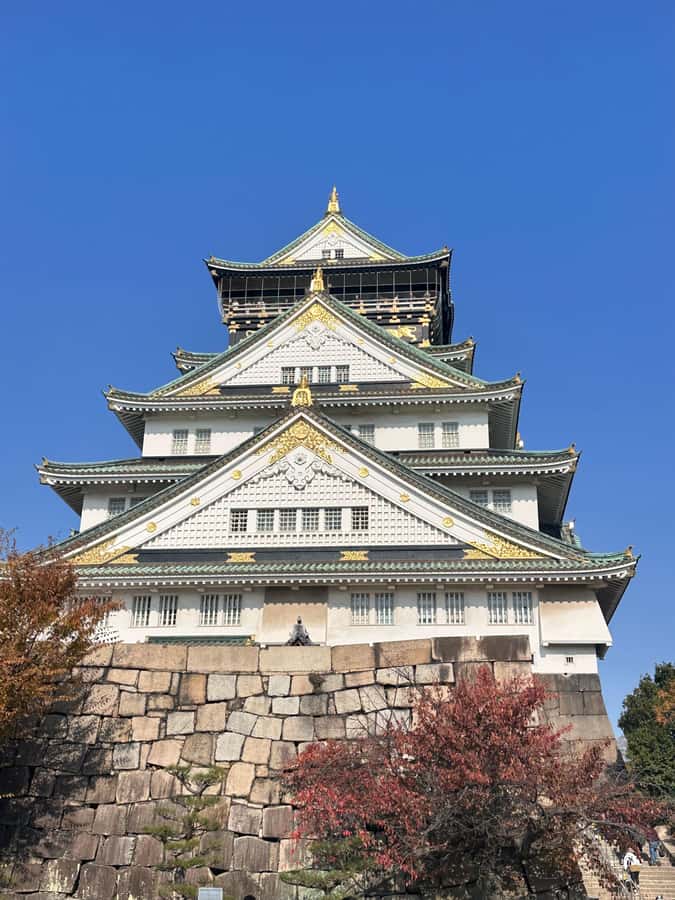
Osaka Castle and the Sengoku story you can actually visualize
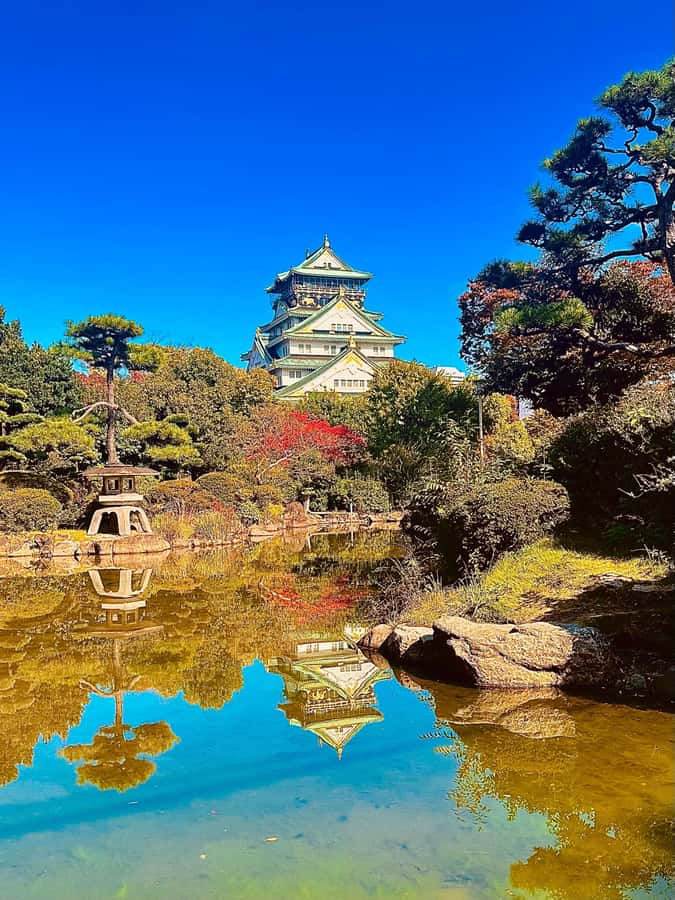
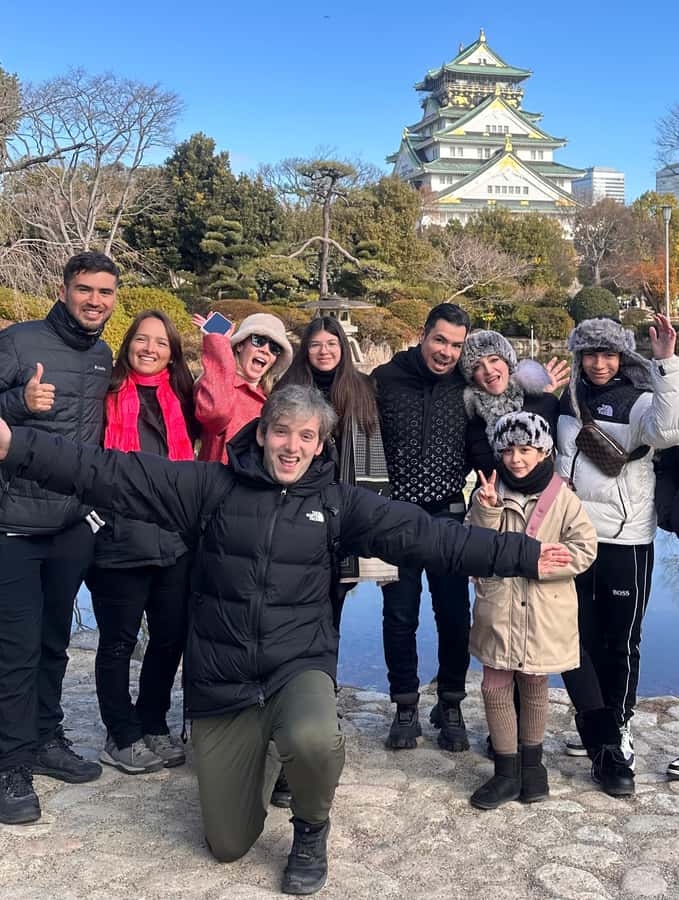
The tour begins at Osaka Castle, tied to Toyotomi Hideyoshi, one of the key figures of Japan’s Sengoku period. Standing in the castle area, it’s easy to think of it as just a famous site. What makes it work on this tour is the way the guide frames it as a turning point in the era when power, strategy, and alliances were constantly shifting.
As you explore the surroundings and the park area, you get a clear sense of why this castle mattered, not only as architecture but as a symbol. Even if you’re not a “castle person,” this stop helps you understand the city’s big historical backbone.
Practical tip: wear comfortable shoes. Castle grounds can mean lots of walking on paths and open areas, and you’ll be doing that across the entire day, not just at the first stop.
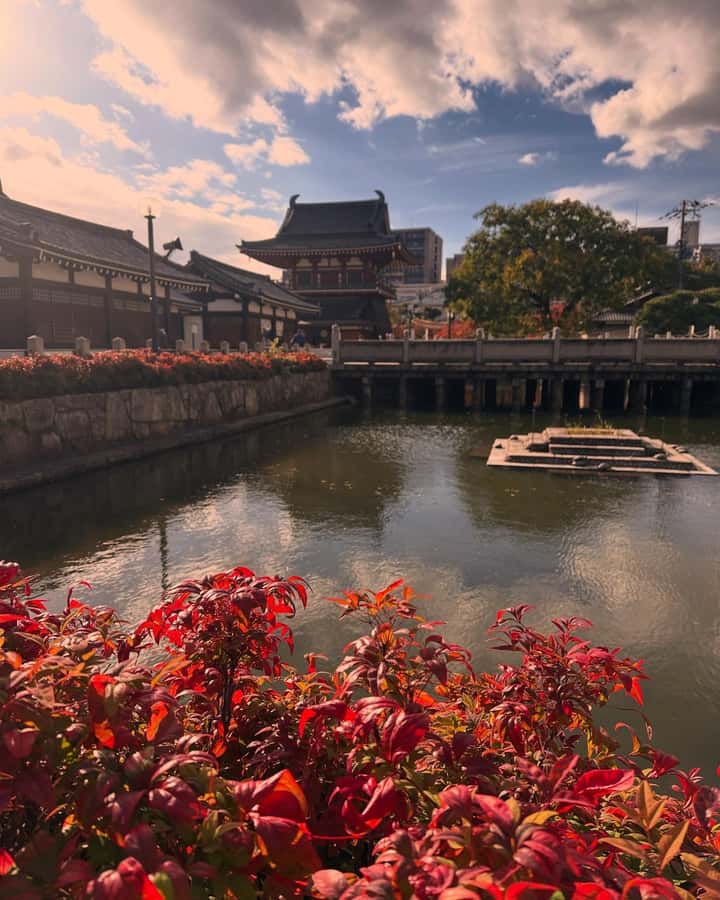
Shitennoji Temple, Japan’s oldest Buddhist temple, founded in 593
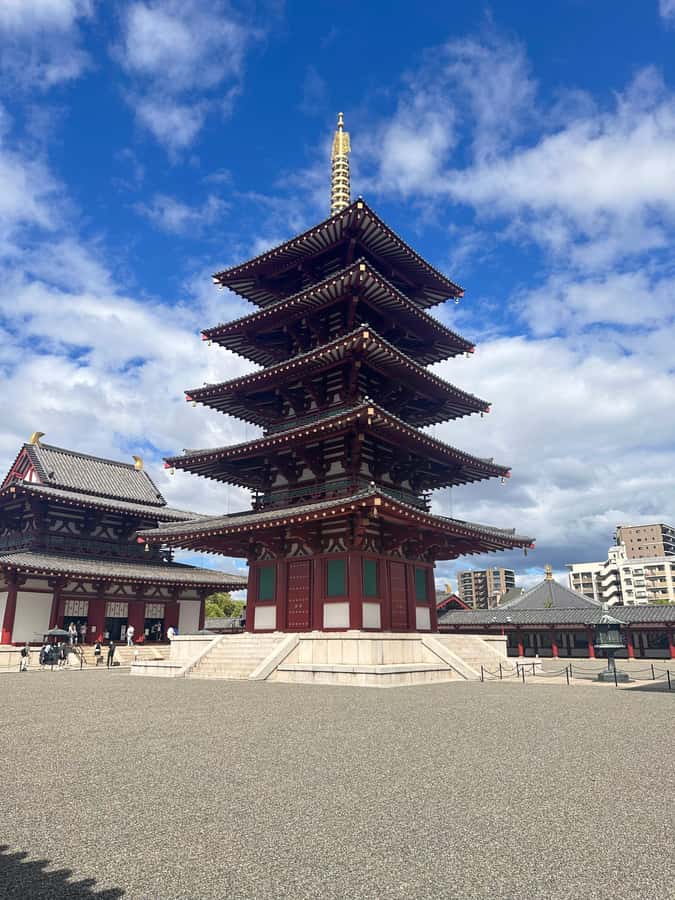
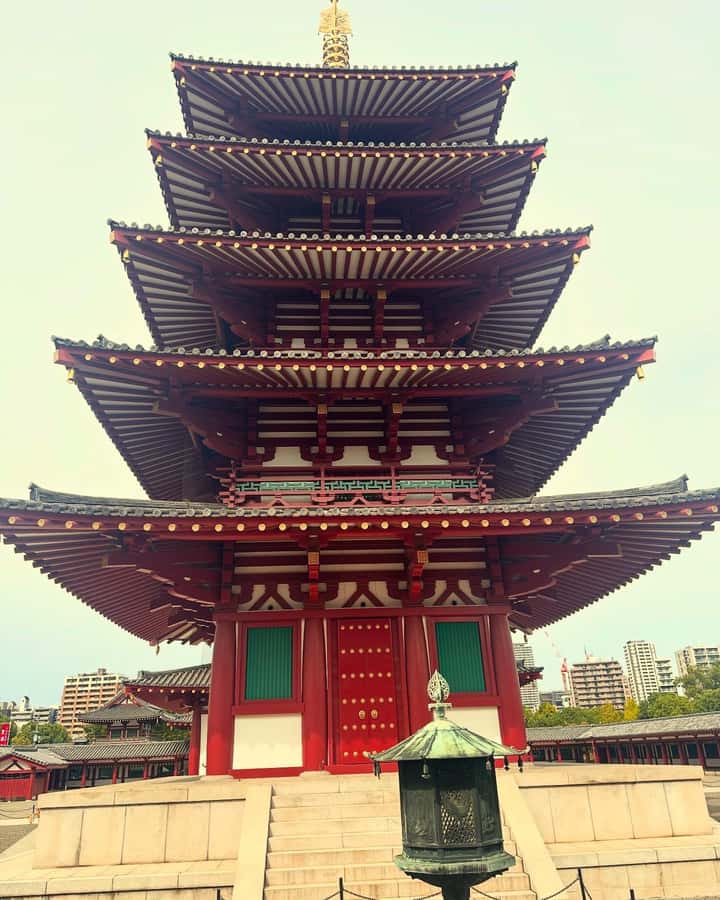
Next comes Shitennoji Temple, described as the oldest Buddhist temple in Japan, founded in 593. That’s an impressive date, but the helpful part is how the stop connects the temple to the arrival of Buddhism in Japan and its cultural impact.
You’ll walk through the serene garden and get your eyes on the imposing five-story pagoda. The garden matters because it slows you down. One of the easiest ways to enjoy temples is to let the space do the work, and the garden gives you that breathing room.
If you care about how religion shaped everyday life, this is the kind of stop that makes later sights feel more connected. You start to notice how Osaka’s religious landmarks are not isolated monuments, they’re part of a long thread.
Isshin-ji Temple and the human-ash statues tradition
Then the tour heads to Isshin-ji Temple, known for Buddhist statues made from human ashes, a tradition linked to honoring the deceased. This is the moment where the day shifts from “tourist sightseeing” into something more personal and reflective.
You’ll experience the site as a spiritual place, and you’ll learn how the practice reflects the connection between religion and funeral culture in Japan. It’s unique, and that uniqueness is exactly why it lands on a must-see itinerary.
A quick mindset tip: treat this stop with a little extra respect. Look at it like a cultural tradition, not like a curiosity. The guide’s explanation is what helps you understand why it exists and how people relate to it.
A change of pace from Osaka:
- Osaka Food Tour: 13 Dishes at 5 Local Eateries
★ 5.0 · 2,149 reviews - Hungry Osaka Street Food Tour:15 Tastings & 3 Drinks with a Local
★ 5.0 · 1,727 reviews - Osaka: teamLab Botanical Garden Entry Ticket
★ 4.5 · 1,710 reviews - Osaka: Tea Ceremony Experience
★ 4.9 · 1,426 reviews
Shinsekai and Tsutenkaku Tower, retro street energy on purpose
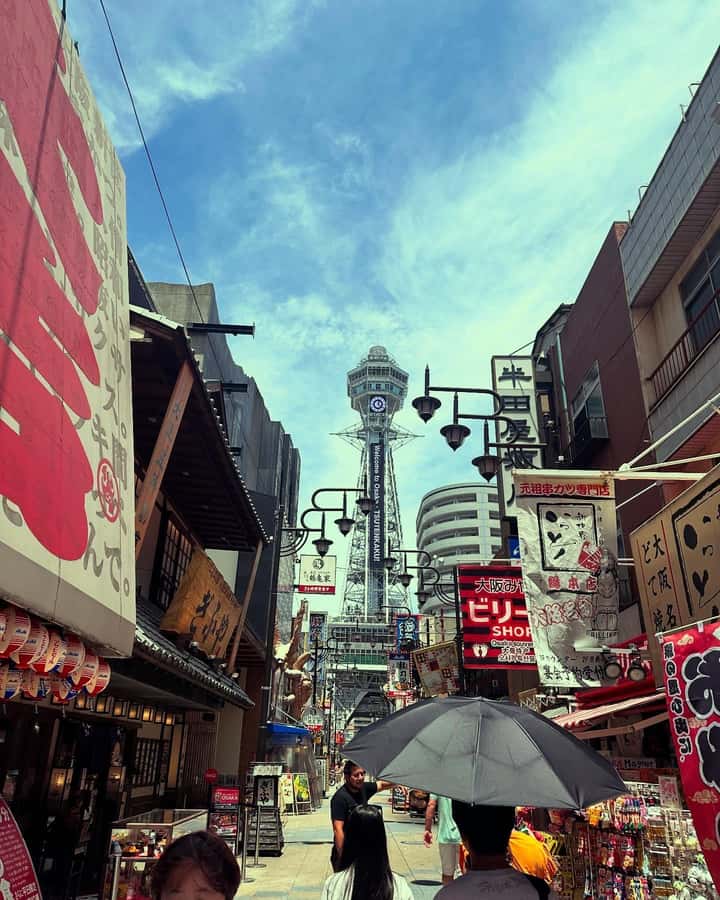
After the temples, you switch gears to Shinsekai, a neighborhood famous for neon lights, traditional restaurants, and a retro atmosphere. This is where Osaka becomes more playful and louder, and where the city’s identity feels like it’s on the street corner, not behind a ticket window.
The tour includes time around Tsutenkaku Tower, a symbol of the area. And you get food culture, not as a separate activity, but as part of the neighborhood experience.
If you want a classic Osaka bite, you’ll have the chance to try kushikatsu, fried skewers. Even if you’ve never eaten it before, it’s easy to recognize as comfort food, and it fits the Shinsekai vibe perfectly.
Practical tip: since it’s a long day, you might want to pace your eating. Taste a bit, don’t overcommit early, and save room for the market later.
Kuromon Market: snacks, seafood, and real local shopping time
From Shinsekai, you head to Kuromon Market, a major gastronomic destination. This is the kind of place where you can eat without turning it into a separate “meal plan.” The focus here is variety: fresh produce and local specialties like sushi, seafood, and wagyu beef.
What I like about putting Kuromon in the middle of the day is that it breaks up the sightseeing rhythm. You get to reset your energy with senses. Watch the stalls, smell the food, and choose what you want based on what looks good in that moment.
Also, markets are where you see how locals think about food. Even if you only buy small items, you’ll learn a lot just by watching how people pick, share, and move through the space.
Small planning note: bring the cash or transit card you’ll need. Since meals and drinks are not included, you’ll want to be ready to pay directly at stalls.
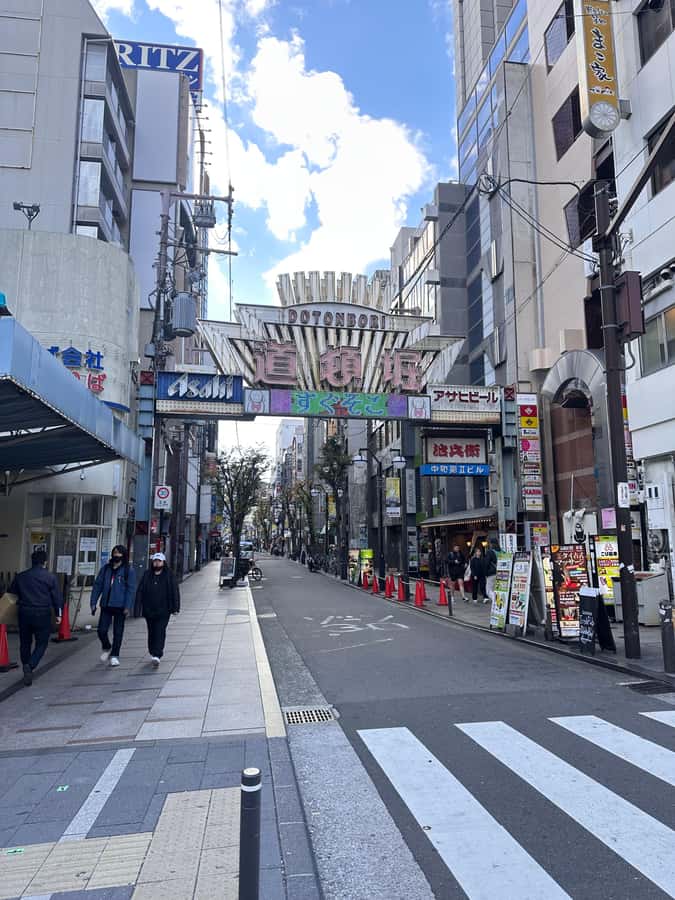
Namba and Dotombori: Glico Man, Kani Doraku, and the city’s photo magnets
The last act is Namba and Dotombori, the lively heart of Osaka’s street entertainment. This is where the city feels loud in a fun way, full of bright signs and constant motion.
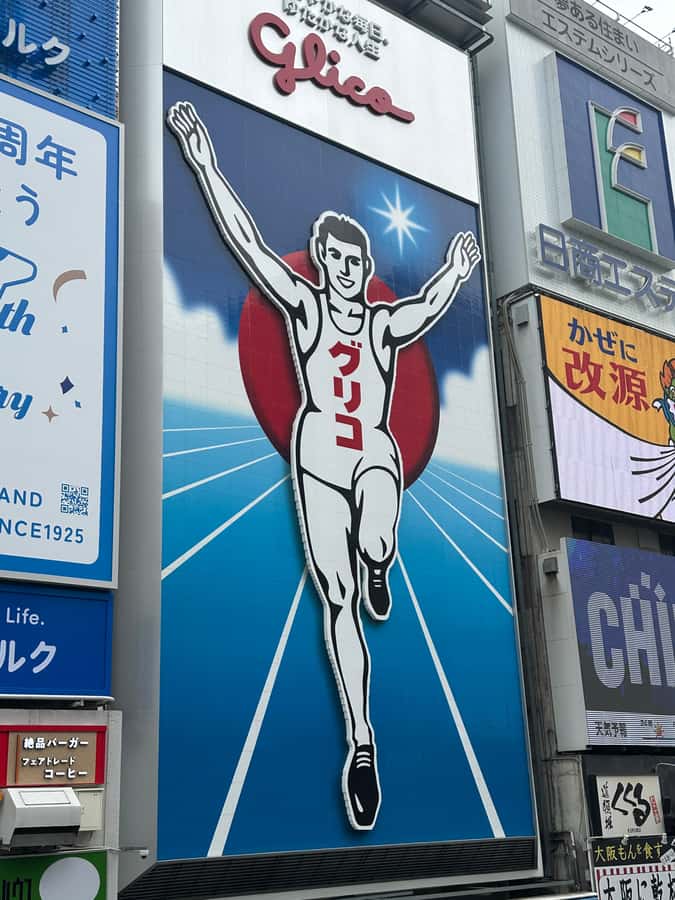
The tour includes stops in front of the iconic Glico Man sign and near Kani Doraku’s animated crab. These are the kinds of landmarks you see in photos, but seeing them in person is different. The area moves around them, and that matters. You’re not just photographing a logo, you’re standing in the middle of Osaka’s show.
Why this ending works: you finish with atmosphere. You close the historical and spiritual chapters with neon, noise, and the sensation that Osaka never fully shuts down.
If you want pictures, aim for a short, steady walk. It’s easy to get turned around here because people flow in all directions.
Price and logistics: is $73 a fair deal?
At $73 per person, you’re paying for a full guided circuit that covers major sights and includes transportation by the tour guide. Meals, drinks, and personal expenses are not included, so you’ll budget for food as you go.
Here’s how I’d judge the value. If you were trying to piece this together alone, you’d need a lot of time to research routes, figure out subway connections, and decide where to eat without wasting half your day. This tour hands you the structure, plus the context. The guide also helps you make quicker choices at stops where there’s a lot happening at once, especially around markets and busy entertainment areas.
The other big value is language. Since it runs in Spanish, the guide can explain the meaning behind each stop, not just point you toward it. That can turn a “checklist day” into something more memorable.
One consideration is timing and energy. This is an extensive route, so you should treat it as a full-day outing. Bring comfortable clothes, plan for walking, and expect the day to feel packed.
Who should book this tour, and who should skip it
This tour fits best if you want a guided highlights day that balances major landmarks with food and street culture. It’s also a good option if you like learning how history and daily life connect, because the stops are chosen for that reason.
You might especially enjoy it if:
- You want to see Osaka Castle, Shitennoji, and Isshin-ji without doing separate planning
- You want food moments that feel tied to the neighborhoods, like kushikatsu and market snacks
- You want the neon ending around Namba and Dotombori with the famous signs included
You should think twice if:
- You rely on a wheelchair, because it’s not suitable for wheelchair users
- You need a baby carriage, since baby carriages are not allowed
- You dislike long walking days, because subway time plus sightseeing time adds up quickly
Make it smoother: the practical stuff that matters most
The tour travels by subway, and you’ll need cash or a transit card such as ICOCA, SUICA, or PASMO. Bring one of those, because you don’t want to lose time figuring out payment in the middle of the route.
Bring:
- Comfortable shoes
- Comfortable clothes
- Cash
Also, keep a small flexible attitude about food. Since meals and drinks are on you, you’ll enjoy the day more if you treat food as “choose what looks best” instead of forcing one strict plan.
If you’re sensitive to unusual memorial practices, take Isshin-ji at your own pace. The guide will explain it, but you still decide how much time you want to spend in quiet observation.
Should you book this Osaka must-sees tour?
Yes, if you want one day that covers the essentials, and you value explanations in Spanish that connect the dots between places. With Manuel Pérez, the strongest parts are the clear storytelling, the way he keeps the group comfortable, and the helpful food recommendations that make Osaka feel less like a list and more like a place you understand.
Skip it if mobility limits are a factor, or if you prefer slow, single-district wandering. This is a “see a lot, learn a lot” outing, not a laid-back stroll.
If that matches your style, book it and use the energy wisely. Wear good shoes, carry your cash or IC card, and let the route do the work.
FAQ
Where is the meeting point?
You start at Exit 3B Morinomiya subway station.
Where does the tour end?
The activity ends back at the meeting point.
Is transportation included in the price?
Yes. The price includes transportation by the tour guide, but customer transportation is not included.
Do I need cash or a transit card?
Yes. Since the tour uses the subway, it is mandatory to bring cash or a transportation card such as ICOCA, SUICA, or PASMO.
Are meals and drinks included?
No. Meals, drinks, or personal expenses are not included, so you’ll want to budget for food at stops like Kuromon Market and Shinsekai.
Is this tour wheelchair-friendly?
No. It is not suitable for wheelchair users, and baby carriages are not allowed.
Latest write-ups near Osaka
- PRIVATE 6hr, Food tour from Osaka Castle, Kuromon, Dotonbori.★ 5.0 · 68 reviews
- 90 min Shared Handmade Udon Experience★ 5.0 · 70 reviews
- Ramen and Gyoza Cooking Class in Osaka Dotonbori★ 5.0 · 73 reviews
- Osaka: Sushi Making in Spacious Studio (SAME-DAY OK!)★ 5.0 · 75 reviews
- Osaka E-Bike Tour With A Local Guide★ 4.7 · 75 reviews
- 1.5〜2 Hours Traditional Kintsugi Work Shop in Namba Osaka★ 5.0 · 75 reviews
- Retro Osaka Street Food Tour: Shinsekai★ 4.5 · 77 reviews
- Osaka: Osaka Castle Guided Tour with Local Guide★ 4.7 · 78 reviews
Osaka Tours, compared.


Shinsekai Food Tour with 13-15 Dishes at 5 Eateries
Read our review →
Osaka Food Tour: 13 Dishes at 5 Local Eateries
Read our review →
Hungry Osaka Street Food Tour:15 Tastings & 3 Drinks with a Local
Read our review →

Browse the lists this tour appears in