
Reviewed · TEMPLE & SHRINE TOURS
Takayama: Onigiri and miso soup making at a buddhist temple
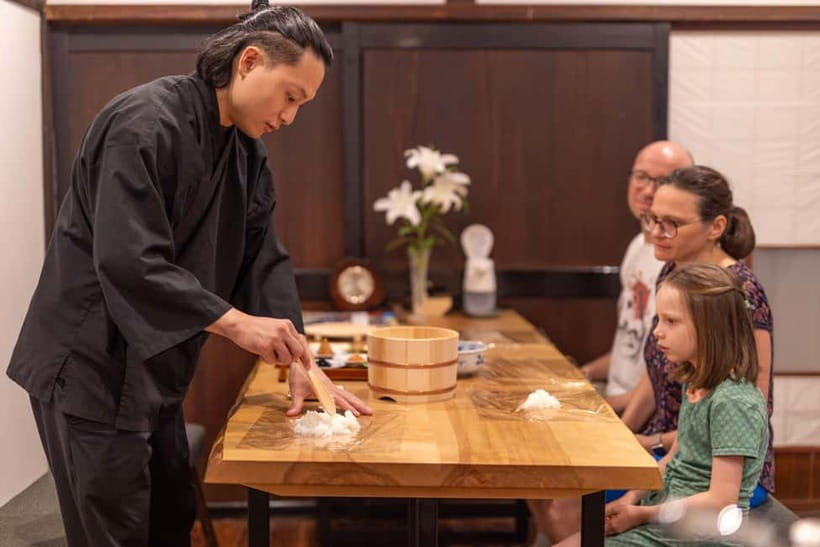
What makes this class interesting is the setting. You’re not cooking in a studio, you’re working in a temple kitchen and eating in a calm religious space where meals are treated as part of everyday respect. I love the hands-on onigiri making and I love that the English instruction is practical and clear, guided by temple staff like Kazuki and Tama. One drawback to consider is the session is short, just one hour, so you will learn a method, not a full deep-dive cooking course.
You’ll step into the peaceful rhythm of Takayama temple life and turn rice, seasonal ingredients, and simple seasonings into something you can recognize anywhere in Japan. Several guides are friendly, patient, and happy to explain not just steps, but why food matters in a Buddhist context, including mindfulness and gratitude.
If you prefer lots of sightseeing stops, this is not that kind of tour. It’s a focused food experience, and it’s best when you show up ready to cook, listen, and slow down a bit.
Key things you’ll remember from this temple cooking hour
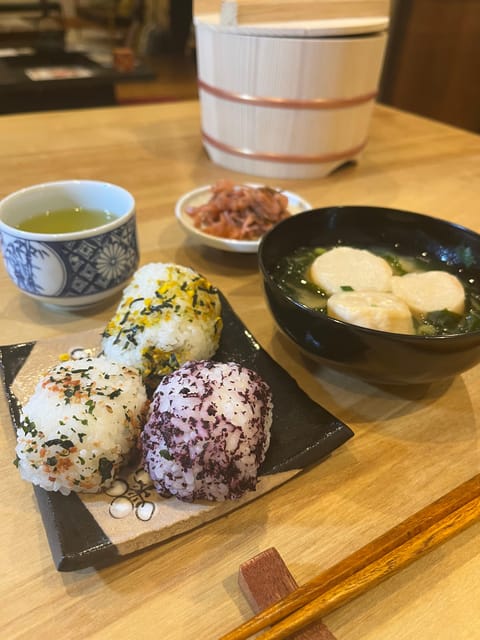
- Temple kitchen (kuri) cooking: You learn in the real working kitchen space, not a staged demo.
- Onigiri confidence fast: You make and eat your own rice ball the same day, with clear step-by-step coaching.
- Miso soup that actually tastes right: You learn the basics and leave with tips you can repeat at home.
- Spiritual context, not a lecture: Some sessions include a short prayer moment, and you learn how people relate to food through Buddhist practice.
- Small-group feel: Many people describe personal attention, making it easier to ask questions in English.
- Vegetarian-friendly choices: You can expect options that work without meat, while still keeping the dishes authentic.
Why this Takayama temple cooking class feels different than a regular food tour
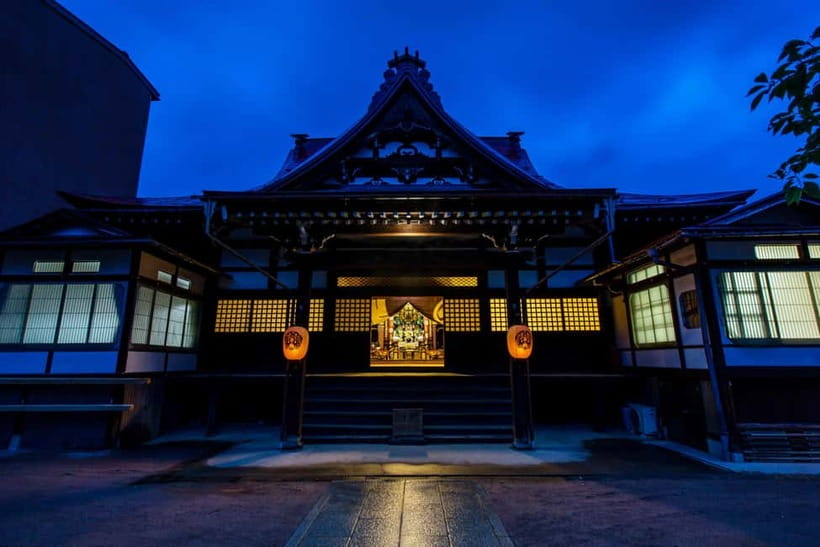
Takayama is already a great place to connect with old Japan. What makes this experience special is that the food lesson is wrapped inside everyday temple culture. You get a meal you recognize immediately, but you also get the why behind the way it’s prepared and shared.
It’s also a smart choice if your Japan plan includes lots of walking and temples. This is a break that still feels meaningful. You sit, you cook, you eat together, and the pace is calmer than a typical “see and sample” stop.
Finally, it’s a good value structure for what you get. For $25 for a one-hour session, you’re paying for instruction plus breakfast or lunch food, all in a setting that’s hard to recreate on your own.
More Temple & Shrine Tours in Takayama:
- Kyoto: Fushimi Inari, Kinkakuji, Bamboo Grove 1 Day Bus Tour
★ 4.8 · 4,316 reviews - Kyoto: Tea Ceremony Ju-An at Jotokuji Temple
★ 4.9 · 3,207 reviews - Tokyo: Meiji Shrine, Asakusa, Skytree Bus Tour and Cruise
★ 4.7 · 1,986 reviews
Onigiri and miso soup, the easiest way into Japanese food culture
Let’s talk about the dishes. Onigiri is Japan’s practical national dish. It’s portable, flexible, and built around comfort and simplicity. In class, you’ll learn how to shape it so it holds together, and how seasoning and fillings make the difference between plain rice and something you actually crave.
Then there’s miso soup. It’s not just soup, it’s the warm base of a Japanese meal. When you learn how to put it together, you start understanding why Japanese meals often feel balanced even when there are only a few components on the table.
A big theme you’ll likely hear, especially if your guide is Kazuki or Tama style, is that food is part of respect. Buddhist teachings often show up as mindfulness, gratitude, and careful attention to ingredients. That changes the vibe of the cooking, because you’re not rushing through a recipe, you’re working with intention.
Your one-hour rhythm: what happens from the first minute to the last bite
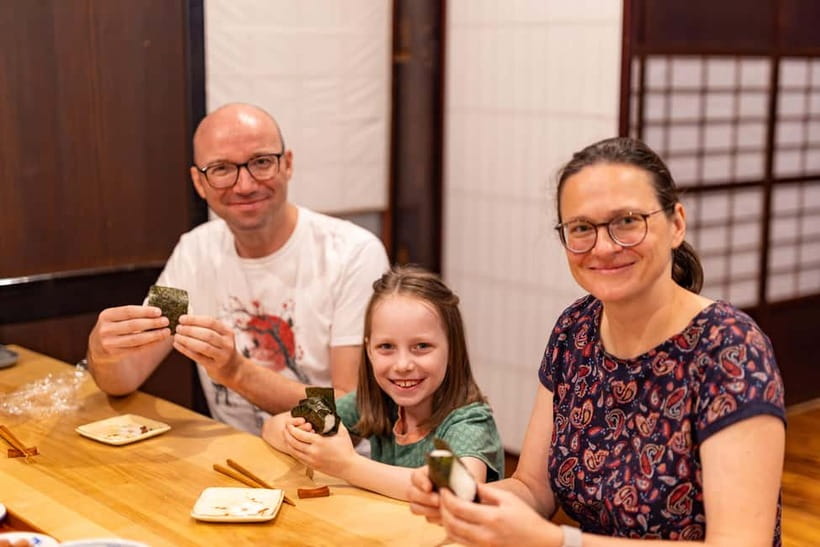
The schedule is compact on purpose. You’ll arrive, settle in, cook, and eat what you made without the waiting that can make short experiences feel expensive.
Here’s how the hour typically flows:
- You meet at the temple and get oriented in the kitchen space (kuri).
- You get guided instruction on how to handle the rice and start building your onigiri.
- At the same time or shortly after, you learn the steps for miso soup, including ingredient handling and how to season it.
- You eat together in the peaceful temple setting.
- You leave with take-home help, like a recipe for what you made.
Even with a tight timeline, the best part is that you’re not just watching. You’re actively shaping rice, learning how to use the right motion, and tasting as you go so it clicks quickly.
Inside the temple kitchen (kuri): tools, hygiene, and why the space matters
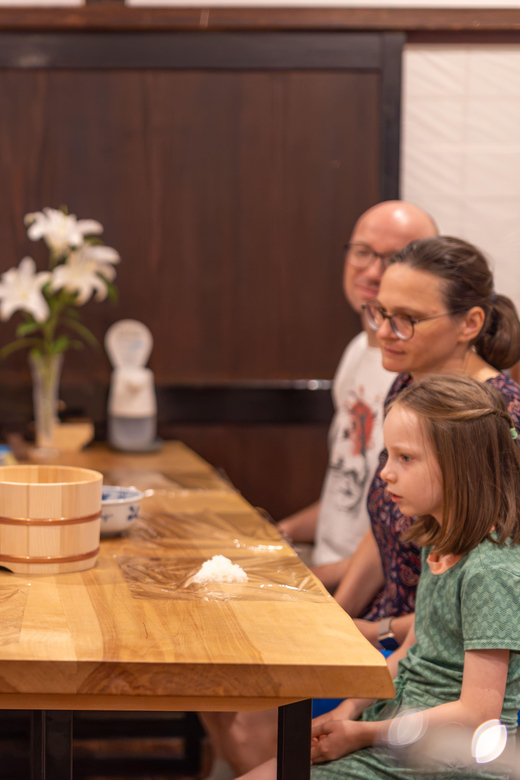
Cooking classes often feel generic, even when the food is good. This one is more grounded because it takes place in the temple’s working kitchen area, called the kuri.
That matters because it changes how the class feels. Temple staff tend to keep things simple and orderly, and you’ll notice it in the way tools are set out, the way ingredients are handled, and how the teaching is paced.
The atmosphere also helps with focus. In a calm setting, it’s easier to pay attention to small details, like how rice texture affects shaping or how miso flavor depends on timing. If you’ve ever tried to copy Japanese recipes at home, you know small differences decide whether it tastes right. This class is designed to teach those small differences in a practical way.
A change of pace from Takayama:
- Kanazawa: World Heritage Shirakawa-go Morning Guided Tour
★ 4.9 · 988 reviews - Kanazawa: World Heritage Shirakawa-go & Two Local Experience
★ 4.9 · 274 reviews - Kanazawa/Takayama: Shirakawago & Takayama Private Day Tour
★ 4.8 · 172 reviews - Departing from Takayama [Regular sightseeing bus] World Heritage Sites Shirakawago and Gokayama Ainokura
★ 4.5 · 137 reviews
English guidance that actually answers your questions
Language can make or break a food lesson. This one runs in English, and the instruction is described as clear and friendly.
In the best moments, your guide helps you connect ingredients to outcomes. People mention the way staff can explain what you’re using and why, plus where items come from. That turns the class from a “do this, then that” checklist into something you can carry into your own kitchen.
Two guide names show up often in people’s experiences: Kazuki and Tama. If your session is guided by someone like them, expect warm communication, patient coaching, and a willingness to talk about the food beyond technique.
Vegetarian-friendly options, without turning it into a compromise meal
If you eat vegetarian, this experience is set up to work. The class includes vegetarian-friendly options, and that’s a big deal for a temple meal because you still want flavors that feel Japanese, not like an afterthought.
What you should aim for is a mindset of flexibility. Miso soup and onigiri can be built around seasonings and fillings, so you still get variety even with dietary limits. Bring up your dietary needs before you go so the staff can guide you smoothly.
The spiritual angle: mindfulness, gratitude, and why prayer may be part of it
This is a Buddhist temple experience, so food is not treated like a random activity. The class includes touches of Buddhist teachings about mindfulness and gratitude in connection with eating.
Some people also describe a short prayer element at the beginning. Another person mentioned being invited to attend a morning prayer the next day. That doesn’t mean every session will include the same schedule for everyone, but it tells you the temple side can be present beyond the cooking itself.
The practical takeaway is simple: treat the meal with care. You’ll likely feel the difference in how you’re guided, and it makes the onigiri and miso soup taste better because you’re paying attention, not just consuming.
Price and value: is $25 worth it for one hour?
At $25 per person for one hour, you’re not paying for a long tour day. You’re paying for focused instruction and included food in a special setting.
Here’s why it can feel worth it:
- You get hands-on guidance rather than a passive tasting.
- You eat breakfast or lunch that’s included.
- You leave with a repeatable skill, at least for the basics of onigiri shaping and miso soup building.
- The temple context adds meaning without turning it into a performance.
Where value can be a mismatch is if you want a bigger meal, a wider menu, or a longer cooking session. This is one hour, so your learning is efficient, not exhaustive. If you want time for multiple dishes or deeper cutting and cooking technique, you might look for a longer class elsewhere.
Who should book this, and who might skip it
This experience fits best if you want:
- A short, high-satisfaction activity in Takayama
- A hands-on lesson that includes the meal
- Authentic Japanese food basics, onigiri and miso soup
- Cultural context that connects food to spirituality
It’s also a strong option if you’re traveling with a friend or solo and like calm group settings. Many people mention small-group attention, which is perfect when you want to ask questions.
It may not be a fit if:
- You need wheelchair access, because the experience is not suitable for wheelchair users.
- You’re traveling with children under 10, since it’s not suitable for kids under that age.
- You have altitude sickness concerns, since it’s listed as not suitable for people with altitude sickness.
Practical tips: meeting point, timing, and what to plan for
Plan for a simple but precise arrival. You should show up about 10 minutes early. You’re looking for two gates in front of the temple.
Meeting point directions:
- Enter the gate closer to the traffic lights.
- Walk straight to the entrance, following the directions you’re given.
Also, think about transportation. Transportation to the temple is not included, and personal expenses are not included. That means you should build a realistic time buffer into your Takayama day so you don’t feel rushed walking over.
One small practical heads-up from the experiences shared: parking can be a bit tricky. If you’re driving, it’s smart to double-check parking details before you count on it.
What you’ll get to take home, besides full bellies
The meal part is the obvious win. You make onigiri, learn miso soup, and then eat in the peaceful temple environment. But the best “souvenir” is the skill itself.
People mention being given a recipe to take away. That’s the practical piece that helps you recreate the basics later, instead of only remembering how good it tasted in that quiet room.
And because the teaching includes ingredient discussion, you can also shop with more confidence when you’re back home. You’ll know what you’re looking for and why it matters in flavor.
Should you book the onigiri and miso soup workshop at a Takayama Buddhist temple?
If you’re the type of traveler who likes food that you can actually repeat, and you want it in a calm, authentic setting, I think you should book this. The $25 price makes sense because the instruction is hands-on, you eat your work, and the temple context adds something real without requiring a whole extra day.
Book it especially if:
- You want a one-hour activity with a clear outcome
- You care about Japanese food basics, not just trying a bite
- You want English coaching and a friendly pace
- You appreciate food that comes with mindfulness and gratitude
Skip it if:
- You need wheelchair access
- You’re bringing kids under 10
- You want a longer, multi-dish cooking program
- You’re expecting transportation and everything solved for you
FAQ
Where is the meeting point for the temple cooking class?
You meet at the temple with two gates in front. Enter the gate closer to the traffic lights, then walk straight to the entrance and follow the directions.
How long does the experience last?
The experience lasts 1 hour.
Is the class taught in English?
Yes. The instructor teaches in English.
What food is included in the price?
You get rice ball (onigiri) and miso soup as breakfast or lunch, plus expert guidance while you prepare them.
Are vegetarian options available?
Yes, the experience offers vegetarian-friendly options.
What does the price include and what does it not include?
Included: the onigiri and miso soup, and expert guidance. Not included: transportation to the temple and personal expenses.
What should I do about timing when I arrive?
Arrive 10 minutes before the activity starts.
Who is the experience not suitable for?
It is not suitable for children under 10, wheelchair users, or people with altitude sickness.
How do I figure out starting times?
The experience is 1 hour, and you can check availability to see starting times.
Latest write-ups near Takayama
- From Takayama: Alpine Splendor – Shinhotaka Ropeway and Kamikochi★ 5.0 · 91 reviews
- Private-group Morning Cycling Tour in Hida-Furukawa★ 5.0 · 105 reviews
- Private Afternoon Cycling Tour in Hida-Furukawa★ 5.0 · 109 reviews
- From Takayama: Guided Day Trip to Takayama and Shirakawa-go★ 4.9 · 113 reviews
- Departing from Takayama [Regular sightseeing bus] World Heritage Sites Shirakawago and Gokayama Ainokura★ 4.5 · 137 reviews
- Takayama Half-Day Private Tour with Government Licensed Guide★ 5.0 · 69 reviews
- 1-Day Takayama Tour: Explore Scenic Takayama and Shirakawago★ 5.0 · 113 reviews
- From Nagoya: Shirakawa-go & Hida-Takayama Full Day Trip★ 4.3 · 24 reviews
Temple & Shrine Tours, compared.
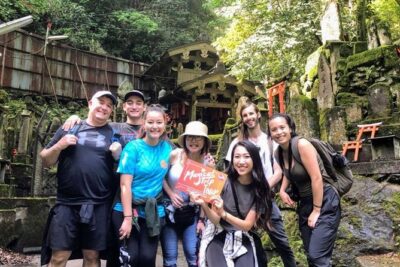
Fushimi Inari, Kinkakuji, Bamboo Grove 1 Day Bus Tour
Read our review →
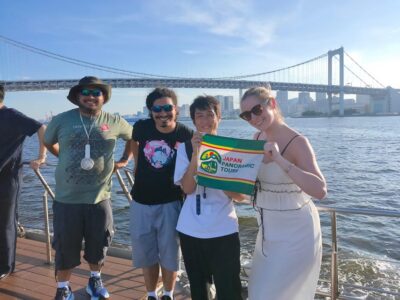
Meiji Shrine, Asakusa, Skytree Bus Tour and Cruise
Read our review →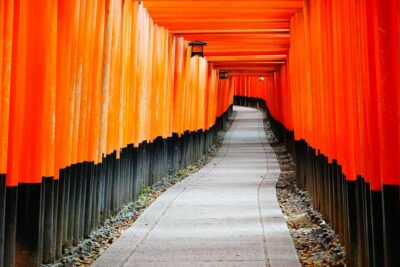
Osaka/Kyoto:Kinkakuji,Arashiyama,FushimiInariShrine,NaraPark
Read our review →
Asakusa Walking Tour with Sensoji Temple Visit
Read our review →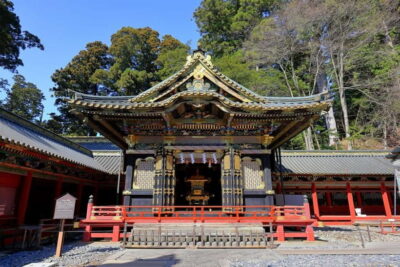
Nikko: Kegon Falls, Lake Chuzenji & Toshogu Temple
Read our review →
Kamakura & Enoshima Day Trip including Temple Tickets
Read our review →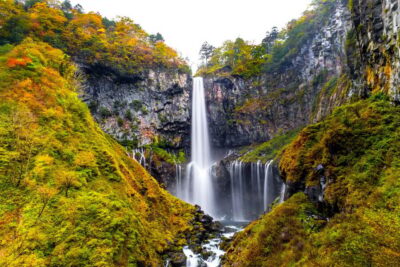
Nikko Toshogu Shrine and Kegon Waterfall Tour
Read our review →Browse the lists this tour appears in