
Reviewed · AQUARIUMS
Tokyo: Art Aquarium Museum GINZA Entry Ticket
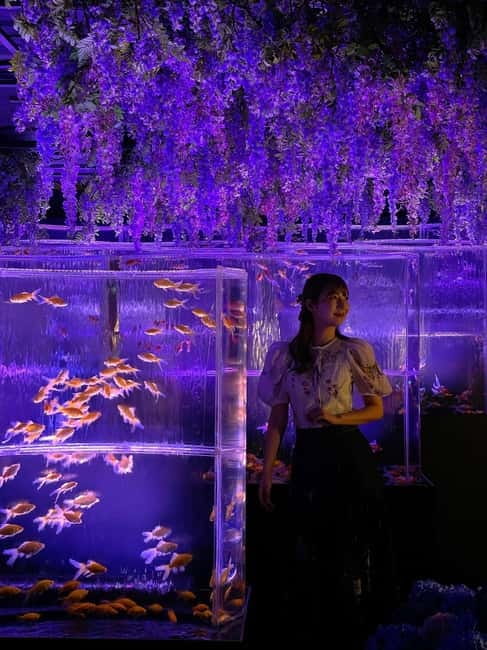
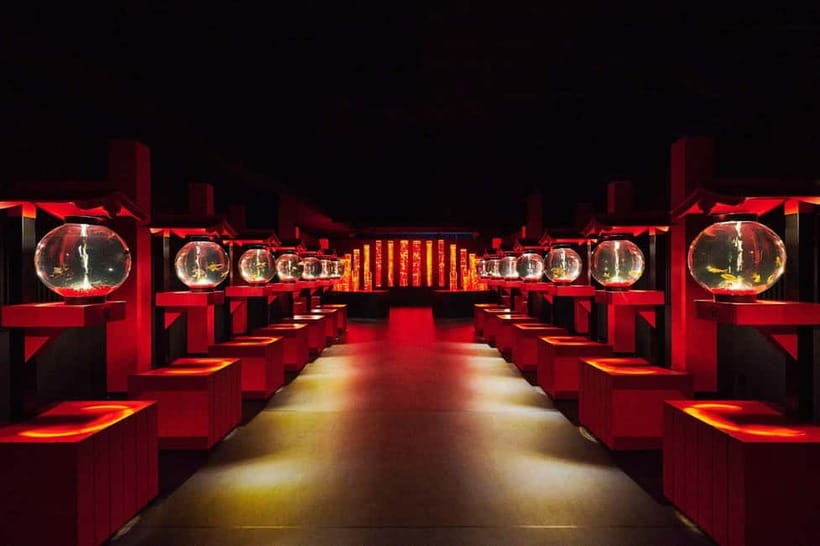
Tokyo’s Art Aquarium Museum GINZA is interesting because it treats goldfish like living art, with light, music, and scent doing half the work for you. The setting is also practical, you’re not hunting a standalone museum. You walk in at Ginza Mitsukoshi and get straight to the show.
Two things I really like: the photography-friendly layouts that let you take great pictures without feeling like you’re in a zoo-style crowd, and the modern interpretation of Edo-period goldfish appreciation, presented with multiple display scenes and thoughtful lighting. It’s compact too, so you can fit it into a normal Ginza day.
One drawback to consider: it is a short visit, around 1 hour, so if you want a full-day aquarium experience with lots of outdoor walking, this won’t be your main event. Also, it follows strict photo rules, including no tripods and no strobes.
Key things to know before you go
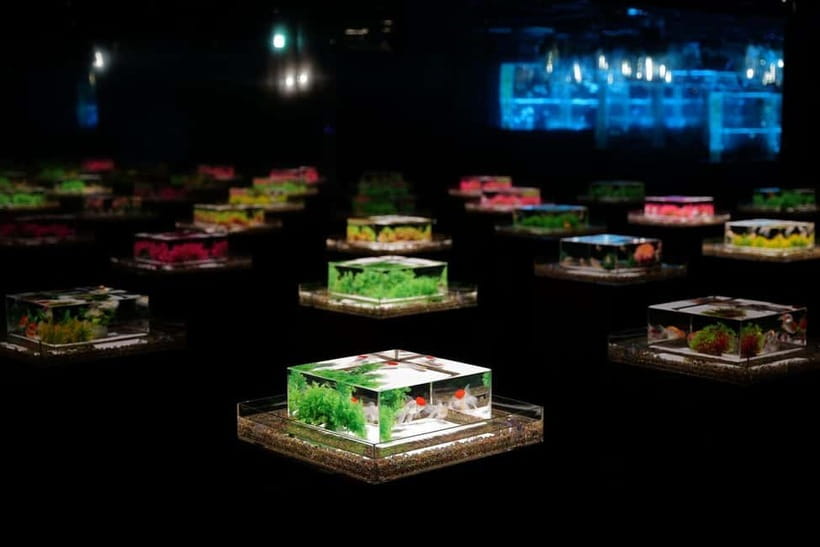
- Light, music, and scent are part of the exhibit, including aromatherapy style effects
- Ginza Mitsukoshi location makes it easy to combine with shopping or a meal nearby
- Photography is allowed, but no tripods/monopods and no strobes or extra lighting gear
- Seasonal changes happen year-round at a permanent venue, not a one-time pop-up
- Timed entry tickets are offered, and closing days and hours can vary
- Mostly an indoor, photo-focused walk-through, typically about 45 to 60 minutes
Inside Ginza Mitsukoshi, Finding Art Aquarium Museum GINZA Fast
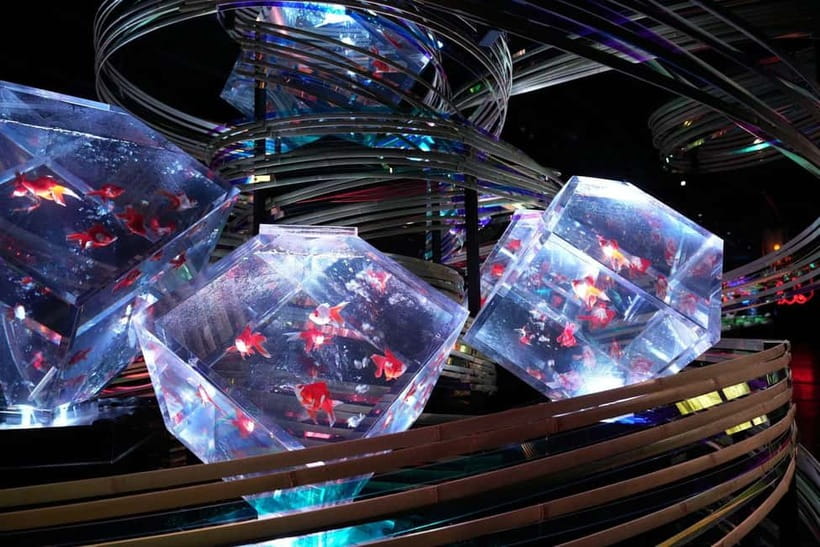
Art Aquarium Museum GINZA is in Ginza Mitsukoshi, one of the reasons this ticket is such an easy add-on. If you’ve already been navigating Ginza department stores, you’ll feel right at home. You’re not dealing with complicated transfers or a long walk through unfamiliar neighborhoods.
Your meeting point is straightforward: go to Ginza Mitsukoshi, and the admission reception and same-day tickets are on the 9th floor of the new building. That detail matters, because Ginza stations and exits can be a little confusing when you’re carrying bags or you’re moving fast. If you get turned around, check floor signs early, not after you’re already committed to the wrong route.
Getting there by train is also pretty clean. Use Exit A7 from Ginza Station for Tokyo Metro Ginza Line, Marunouchi Line, and Hibiya Line. From Ginza 1-chome Station, it’s about a 5-minute walk from Yurakucho Line Exit 9. If you’re coming via Toei Asakusa Line or Tokyo Metro Hibiya Line, you can reach it through an underground passage from Higashi Ginza Station, about 2 minutes to the Ginza side.
The museum is rated around 1 hour for viewing time. Think of it like a focused experience stop, not a half-day mission.
More Museums in Tokyo
- Tokyo: teamLab Planets TOKYO Digital Art Museum Entry Ticket
★ 4.6 · 9,779 reviews - Tokyo: Samurai Ninja Museum Guided tour and Experience
★ 4.6 · 1,010 reviews - Ninja Experience (Family Friendly) at Samurai Ninja Museum TOKYO
★ 5.0 · 441 reviews
A 60-Minute Goldfish Art Show, Powered by Light, Music, and Scent
The headline promise is sensory. Goldfish swim through aquarium scenes paired with light effects, background music, and scent. From the reviews, the music is described as tranquil, and the scent program includes aromatherapy-style touches. That combination is the point. You’re not just watching fish, you’re watching fish inside an art installation vibe.
What it feels like in practice: you move from one display scene to another, and the atmosphere changes as the lighting and audio do their thing. The result is calmer than a traditional aquarium layout. You spend less time reading big signs and more time noticing color, reflections, and how the goldfish move through light.
A big benefit for your schedule: because it’s compact, you’re unlikely to get stuck pacing for hours. People report spending about 30 minutes to an hour, depending on how much you slow down for photos. If you’re traveling with kids, this is also a plus. It’s not a long endurance test, and you can regroup without breaking your day.
Edo-Style Goldfish Appreciation, Reimagined for Today
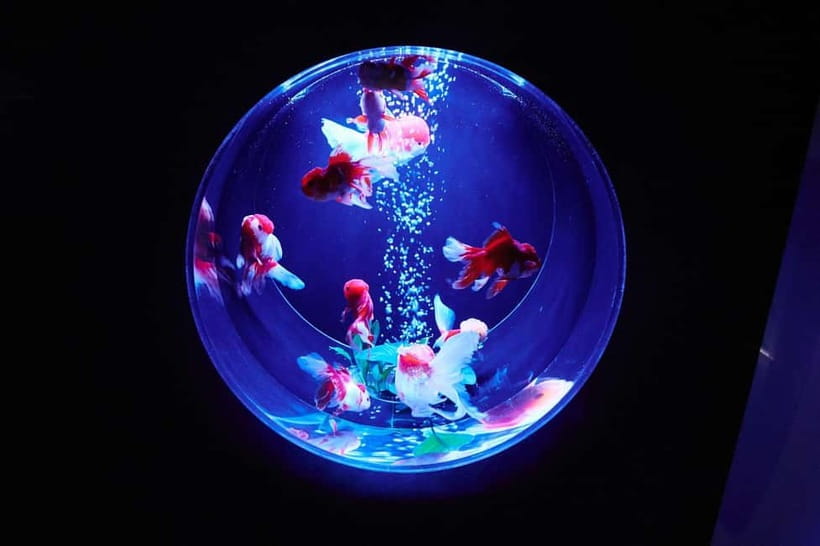
The museum’s concept takes inspiration from how goldfish were appreciated in the Edo period, then frames it as modern art. That matters because it changes the emotional tone. Instead of being purely educational, the presentation aims for aesthetic pleasure, color, and form.
You’ll see goldfish presented in displays designed to show off their shape and the way they swirl. The lighting makes a difference here. Reviews mention beautiful lighting and colors, which is exactly what you want in a goldfish-focused experience. Goldfish are often all about subtle movement, and here the installation tries to make that movement feel intentional.
If you like Japanese design ideas, this is the kind of place that works. It’s not trying to be big and grand. It’s trying to be artful and controlled. You’ll likely come away thinking about goldfish differently, less like a pet or livestock situation, more like living design objects.
Photography Rules and How to Get Clean Shots in Tight Spaces
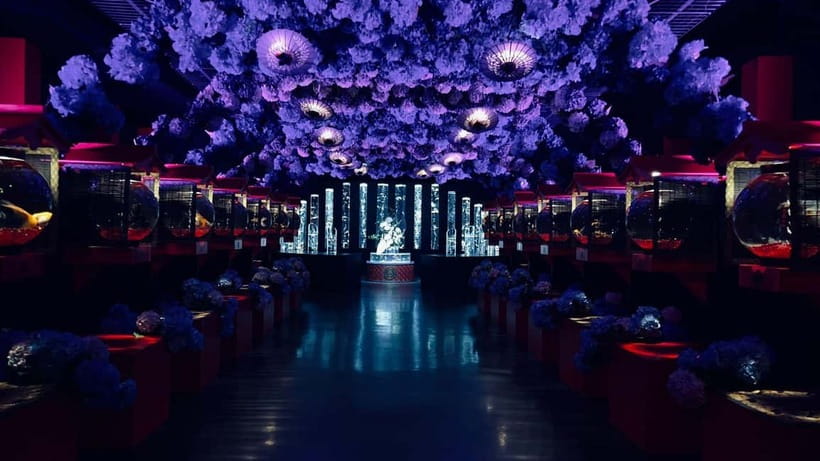
This is a popular spot for photography, and that’s not an accident. The lighting is part of the show, and goldfish color under lighting creates dramatic scenes. Reviews mention that the museum is a good place for pictures, and that people were able to photograph without it turning into chaos.
Still, the rules are clear:
- Photography is permitted
- No tripods or monopods
- No strobes and no external lighting equipment
So plan like a street photographer, not a studio crew. Bring a camera strap or use a small handheld setup. If you’re serious about photos, choose times that feel less packed so you can step aside between shots. One review describes going midweek at around 10:30am with only a few other people, which made it easier to take pictures without blocking others.
Practical tip: wear comfortable shoes and bring a small bag. Ginza shopping floors are easy to get distracted on, and you’ll want to move smoothly once you’re inside.
A change of pace from Tokyo:
- Mt Fuji and Hakone 1-Day Bus Tour Return by Bullet Train
★ 5.0 · 26,383 reviews - 1-Day Tokyo Bus Tour
★ 5.0 · 14,250 reviews - Tokyo: TOKYO SKYTREE® Admission ticket
★ 4.5 · 11,192 reviews - Mt Fuji & Hakone Cruise, Drum Show Bullet Train 1 Day from Tokyo
★ 4.0 · 7,413 reviews
Seasonal Changes at a Permanent Venue, and Why That’s a Big Deal
A lot of “cool photo experiences” are temporary. This one is permanent, and it’s designed to change across the year. The museum is described as open at Ginza Mitsukoshi since May 2022, with seasonal changes happening at the permanent location.
That matters for value. If you’re thinking of adding this as a last-day activity in Tokyo, you might worry you’ll see everything immediately. But reports include a return after two years where the art was more than half new. That tells you the experience isn’t static.
So if you’re only in Tokyo once, you can still feel confident it will feel fresh. And if you’re the type who hates repeating the same indoor exhibits, this is one of the few short stops in Ginza that has a chance to be worth a second visit.
English Information and the Small Details That Make It Feel Like Art
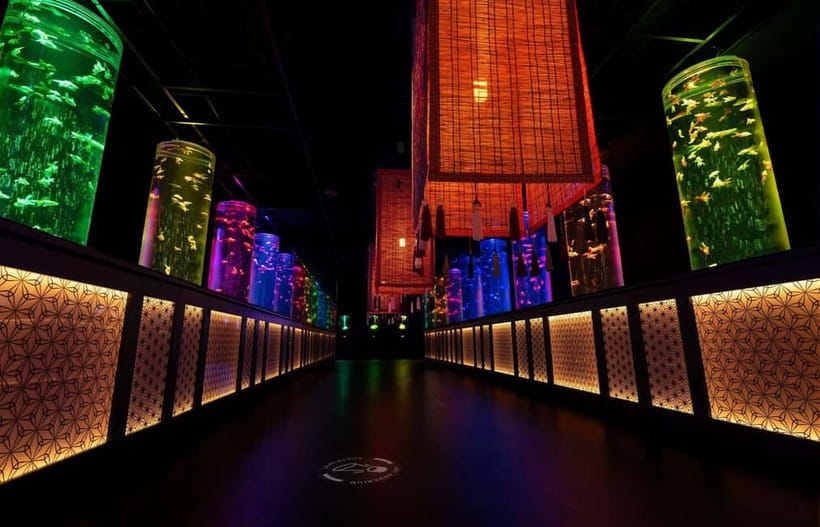
Goldfish here are accompanied by information in English. That’s useful because you can enjoy the visuals without losing the context. Even if you don’t read every panel, seeing fish labeled and explained helps you connect the art presentation with the real animals inside.
The exhibit also uses background music as atmosphere. Some people find that kind of audio distracting in museums. Here, reviews describe it as tranquil, meaning it supports the mood rather than pulling you out of it. The scent component also shows up as part of the emotional experience, including aromatherapy-style effects mentioned in reviews.
One thing to flag, for a balanced view: there is at least one review that felt some fish looked maltreated. That’s a serious sentiment. I can’t judge the animals from the outside, but it’s worth keeping your instincts. If you’re very sensitive to animal wellbeing visuals, take a close look during your visit and decide whether you feel comfortable.
Is It Worth $17? Real Value for a Ginza Stop
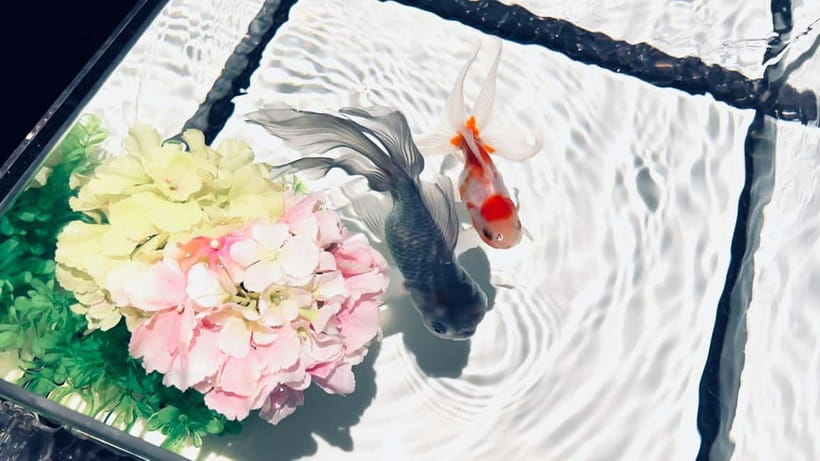
At $17 per person for about 1 hour, the value depends on what you want from Tokyo.
If your plan is Ginza shopping, coffee, and an easy indoor break from heat or rain, this ticket makes sense. It’s priced like a ticketed attraction, but it’s also located inside a major department store. That means you’re not spending extra time and transit cost to reach it.
The museum’s strength is that it gives you an experience, not just a room of tanks. The sensory theme, the modern art framing, and the photo-ready lighting are what you’re paying for. Reviews repeatedly call it worth the money, describe the displays as amazing and beautiful, and highlight how the experience feels complete in a short window.
What you might get out of it:
- Great photos without lugging gear
- A quick, air-conditioned cultural-style stop
- A different take on something Tokyo is good at, making ordinary subjects feel artistic
What you might not love:
- If you want a traditional, long-form aquarium with endless exhibits, this is more compact than that
- If you hate any kind of rules around photography, the tripod and lighting restrictions can be annoying
One additional practical bonus is the gift store. Reviews mention it has wonderful souvenirs. If you’re the type to buy a small Tokyo item after an experience, plan a few minutes for that at the end.
Who Should Book, and Who Might Skip This Ticket
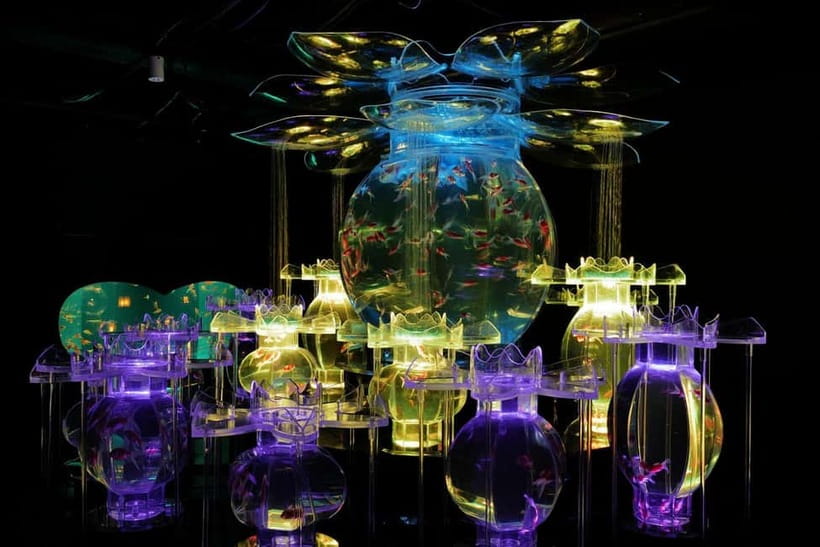
This ticket fits best if you:
- Like photography and want controlled lighting
- Enjoy sensory experiences using sound and scent
- Want a short Tokyo activity that slots neatly into a day in Ginza
- Appreciate modern takes on Japanese themes, like Edo-period goldfish appreciation
You might skip it if you:
- Want a full-day aquarium, with lots of walking and big animal viewing time
- Get stressed by photo crowding rules, especially no tripods
- Prefer experiences that are mostly educational and less installation-like
It also helps if you’re traveling with kids. The museum can be a manageable length, and the format is easy to follow. There’s a family-friendly policy too: up to two children under elementary school age can enter free with one adult.
Quick Practical Tips Before You Go
- Plan about 1 hour, and give yourself buffer time for photos
- Go to Ginza Mitsukoshi and head to the 9th floor for admission
- Expect closing days and business hours can vary, so check before you commit
- Bring a camera that works handheld since tripods and monopods are not allowed
- Avoid strobes or any extra lighting gear, they’re not permitted
- If you’re a planner, note that tickets are valid for 1 day, with starting times you’ll need to check
FAQ
How long does the Art Aquarium Museum GINZA take to visit?
The estimated viewing time is about 1 hour.
Where is the museum located?
It’s inside Ginza Mitsukoshi in Chuo-ku, Tokyo. The admission reception and same-day tickets are on the 9th floor of the new building.
How do I get there by train?
From Ginza Station (Tokyo Metro Ginza, Marunouchi, Hibiya Lines), use Exit A7. From Ginza 1-chome Station (Tokyo Metro Yurakucho Line), it’s about a 5-minute walk from Exit 9. From Higashi Ginza Station, it’s about a 2-minute walk via an underground passage toward Ginza Station.
What is the price?
The entry ticket price is $17 per person.
Can children enter for free?
Yes. Up to two children under elementary school age may enter free of charge with one adult.
Is photography allowed?
Yes, photography is permitted, but you cannot use tripods, monopods, or similar equipment.
Are strobes or extra lighting equipment allowed?
No. The use of strobes and lighting equipment is not permitted.
Is the museum open every day?
No. Closing days and business hours may vary.
Is there English information about the goldfish?
Information about the goldfish is available in English.
Is the ticket refundable?
No. The activity is non-refundable.
Should You Book the Tokyo Art Aquarium Museum GINZA Ticket?
If you’re in Ginza and want a photo-friendly, short, atmospheric stop, I think this ticket is a solid choice. The combination of goldfish art displays, light and music, and scent adds up to an experience that feels more like an installation than a basic aquarium.
Book it if you have about an hour to spare and you like looking at color, light, and movement. Consider skipping it if you want a traditional, long aquarium day or you can’t stand photo rules like no tripods and no extra lighting. If your goal is a memorable indoor experience that fits cleanly into a busy Tokyo schedule, this one earns its place.
Latest write-ups near Tokyo
- From Tokyo: Top 5 Scenic Spots of Mount Fuji Full-Day Tour★ 4.5 · 67 reviews
- Tokyo Customized Private Tour: See Top Attractions in 1 Day★ 4.8 · 67 reviews
- Traditional Japanese Music ZAKURO SHOW in Tokyo★ 5.0 · 67 reviews
- Tokyo: Shinjuku Izakaya and Golden Gai Bar Hopping Tour (2h)★ 4.9 · 67 reviews
- Tsukiji: Unlimited Sake Tasting Experience★ 4.9 · 67 reviews
- Tokyo: Not a show- a professional sumo practice with experts★ 4.9 · 67 reviews
- Samurai Ninja Museum Asakusa: Kid-Friendly Ninja Training★ 4.7 · 67 reviews
- Private Harajuku Omotesando Architecture Walking Tour★ 5.0 · 67 reviews
Aquariums, compared.
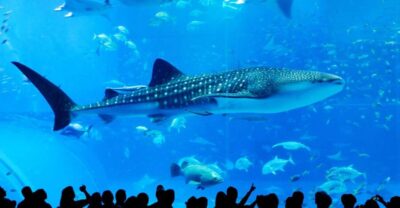
Naha: North Okinawa Sightseeing Tour & Churaumi Aquarium
Read our review →
Churaumi Aquarium, Ryukyu Village & Manza Bus Tour
Read our review →
Okinawa HIP-HOP BUS B – 1 Course Tour (Okinawa Churaumi Aquarium)
Read our review →
<1Dya Tour>Churaumi Aquarium, Cape Manzamo, American Village
Read our review →Browse the lists this tour appears in