
Reviewed · MT FUJI TOURS
Tokyo: Mount Fuji Private Tour with Scenic Lunch Experience
A Mount Fuji private day is interesting because you are not just chasing photos. You are stitching together lakes, shrines, and craft villages into one smooth route, with a guide who can react when the weather shifts.
I especially like the scenic lunch at a countryside spot that pairs local food with a real view of Mt. Fuji. I also like the private setup, where your English-speaking guide helps with photos and can adjust stops to your pace and interests.
The main drawback to plan for is simple: Fuji visibility is weather-dependent. If clouds roll in, the big viewpoints like Mt. Fuji 5th Station and the pagoda can turn into a “good day for the countryside” instead of a perfect panorama.
Key highlights to know before you go
- Fuji-view lunch in a quiet countryside restaurant or farmhouse setting
- Iyashi no Sato Healing Village with thatched-roof streets and artisan workshops
- Arakura Fuji Sengen Shrine and Pagoda for a viewpoint many group tours skip
- Saiko Lake and Bat Cave area surrounded by forest and calm walking time
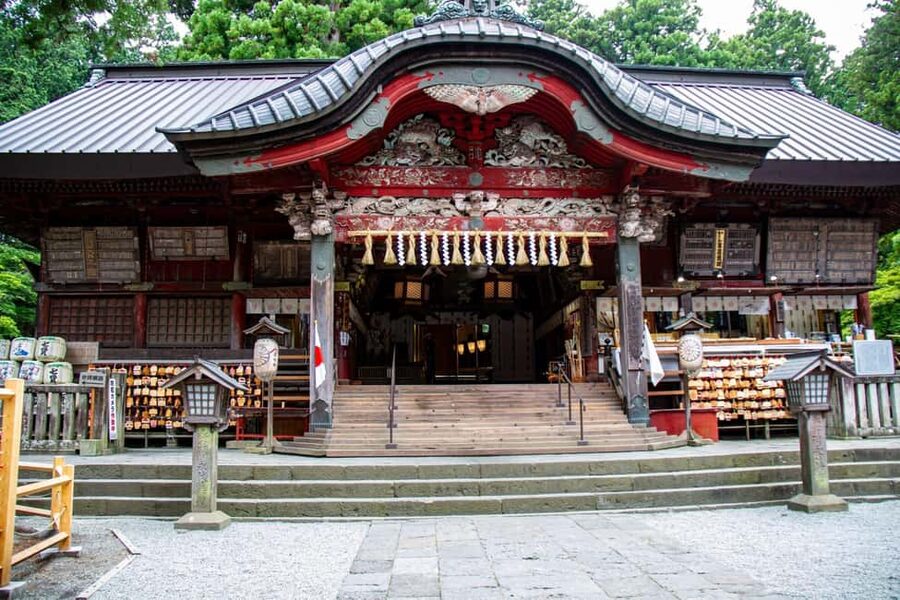
- 1,900-year-old Kitaguchi-hongu Fuji Sengen Shrine at the mountain’s base
- Photo help plus flexible timing in a private van with Wi-Fi and bottled water
A Private Fuji Day That Feels Like Your Own Road Trip
This is a 10-hour Mt. Fuji tour built for people who want more than the usual “stop, snap, leave” routine. You start with a hotel pickup in Tokyo (Tokyo 23 wards) and ride out by private vehicle, then spend the day mixing viewpoints with culture and nature.
The private van matters. It means you can pause for photos, take breaks when legs need it, and move at a rhythm that fits your group. That flexibility is one of the biggest reasons this kind of day works well.
Also, you are not just chasing the icon. The route connects classic Mt. Fuji viewpoints with quieter stops like craft villages and lakeside areas. You end up with a more rounded sense of the region, not just a single highlight.
Getting Out of Tokyo: The 2 Hours in the Van (Wi-Fi Included)
You head out from your hotel area in Tokyo and spend about 2 hours traveling toward Fuji’s countryside. It sounds like “just transit,” but I like thinking of it as the warm-up. You are getting oriented for what comes next, and you are not stuck on crowded trains with rolling bags and no control over timing.
The van includes Wi-Fi and bottled water, so you can keep your day organized. I also suggest using that time to review what you want most, like a long look at the lake views or more time at shrines.
Comfort tip: keep layers in your day bag. Even in months that feel mild in Tokyo, higher areas near Fuji can feel colder, especially around morning photo stops.
More Lunch Experiences in Tokyo
- Tokyo: Mt.Fuji & Lake Kawaguchiko 1-Day Bus Tour w/Optional Lunch
★ 4.5 · 839 reviews - Tokyo: Sumo Experience and Chanko Nabe Lunch
★ 4.8 · 257 reviews - Tokyo: Tsukiji Fish Market Tour with 6 Stops & Seafood Lunch
★ 4.5 · 165 reviews
Mt. Fuji 5th Station and Chureito Pagoda: Big Views, Real Stair Reality
Mt. Fuji 5th Station is a strong “first wow” stop. You get about an hour for photos and time to visit, which is enough to look around without feeling rushed. It is one of those places where the altitude changes how you frame the mountain, and the station area also offers the kind of small browsing that makes a stop feel like a place, not just a photo point.
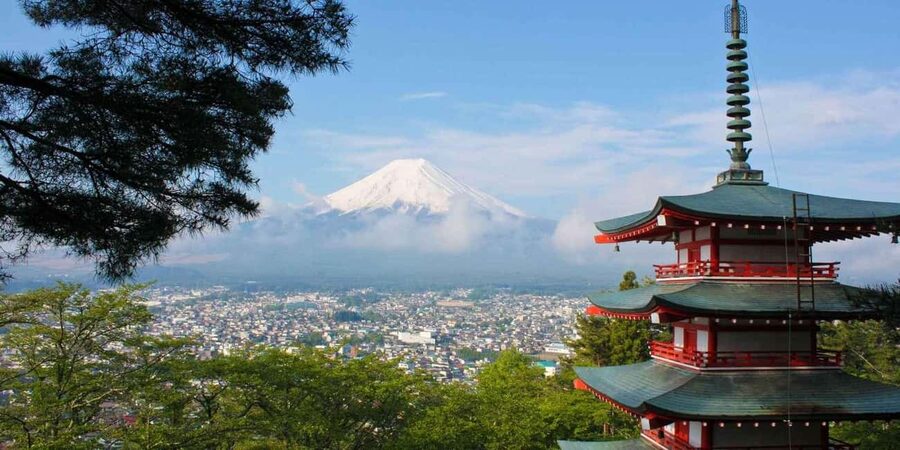
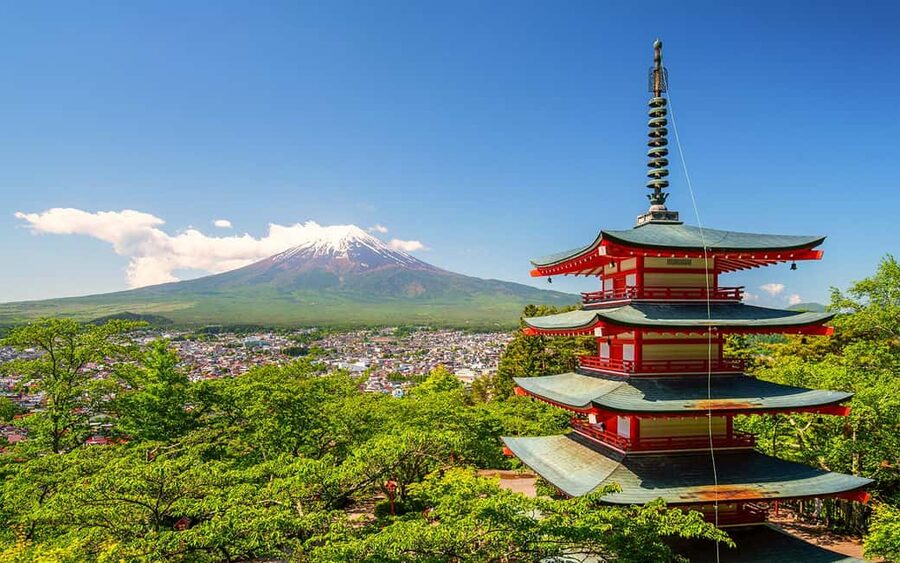
Then comes Chureito Pagoda, another iconic viewpoint with its own vibe. You get about an hour here, but plan for effort. One review called out the fact that there are around 400 stairs up to the best angle. If stairs are an issue for your group, talk with your guide early so you can decide how far to go.
If your goal is a clean photo with Mt. Fuji in the background, I’d take the stairs seriously. Wear shoes with solid grip, not sandals. And if you want to buy small items at the site, bring cash, because not everything in countryside sightseeing areas works with cards.
Iyashi no Sato Healing Village: Thatched Roofs and Artisan Workshops
This is the stop that adds heart to the day. Iyashi no Sato Healing Village is a restored thatched-roof hamlet, and it’s designed for slow wandering. You can expect artisan workshops, craft displays, and that calm, old-time countryside atmosphere that makes Mt. Fuji feel less like a backdrop and more like a presence.
What I like here is that it slows your whole day down. After driving and photo stops, you get a chance to actually look at how people make things and live around the mountain. It also tends to feel more peaceful than the busier photography hotspots.
Bring patience. If you like crafts, plan to spend time watching how artisans work. If you prefer photos, you can still get strong images here, just aim for the corners and angles that show the thatched roofs against distant Fuji views.
Arakura Fuji Sengen Shrine and Pagoda: A Viewpoint You Can Actually Enjoy
Arakura Fuji Sengen Shrine and Pagoda is one of the best “payoff” stops because it is focused on views, but it is not the exact same crowd pattern as the most famous spots. You get time to visit, photo, and soak in the moment from a viewpoint that many larger group tours tend to skip.
Shrines also change your day in a good way. They make the trip feel spiritual and local, not just scenic. At these spots, you are walking through a setting that locals treat as meaningful, with the mountain as the visual centerpiece.
Practical tip: expect steps and uneven paths. Even if you are walking just a little, good shoes help. And if you need to stop to rest, tell your guide. The private format makes it easier to keep the day comfortable.
More Mt Fuji days:
- Mt Fuji and Hakone 1-Day Bus Tour Return by Bullet Train
★ 5.0 · 26,383 reviews - Mt Fuji & Hakone Cruise, Drum Show Bullet Train 1 Day from Tokyo
★ 4.0 · 7,413 reviews - Tokyo Mt Fuji 5th St & Hakone Cruise Bus Tour w/Bullet Train
★ 4.4 · 5,024 reviews - From Tokyo: Mount Fuji Full-Day Sightseeing Trip
★ 4.5 · 4,970 reviews
Lakes, Saiko Bat Cave, and Oshino Hakkai: Water Scenery With Character
After the shrines, the tour shifts into lakes and water areas, which is where Mt. Fuji starts to look different. Water reflects the mountain, breaks up the view with shoreline shapes, and gives you more variation than a single viewpoint.
Lake Kawaguchi is an important photo and visit stop, with about an hour here. Then you move to Saiko Lake and the Bat Cave area for another hour. The setting around Saiko tends to feel forested and quiet, which is perfect if you want a calmer feel between crowds.
One thing I like about adding these lake stops is the pacing. You get not only “Fuji photos,” but also a change in scenery that keeps the day from turning into a checklist.
Oshino Hakkai is another water-focused stop where you can walk and spend time around the village area. It can get busy, but it is still a worthwhile segment if your group likes strolling and browsing. I recommend choosing a couple of photo angles, then spending the rest of your time wandering slowly rather than rushing from spot to spot.
Kitaguchi-hongu Fuji Sengen Shrine: Ancient Roots at the Foot of Fuji
Kitaguchi-hongu Fuji Sengen Shrine is one of those stops that grounds the whole trip. This is a 1,900-year-old shrine tucked at the base of Mt. Fuji, so it helps explain why the mountain matters culturally, not only visually.
You get a break time plus photo stop and visiting time here. I like this as a “reset moment.” You step away from traffic and constant lookout points, and you slow down long enough to notice details like the shrine grounds and the way the site frames the mountain in the background.
Also, shrines are where you should think ahead about etiquette. Some temple and shrine areas require removing shoes, so plan for that. If you have any foot comfort issues, wear easy slip-on or slip-off footwear.
The Scenic Lunch Stop With Mt. Fuji in View
Lunch is a highlight here, not an afterthought. The tour includes a countryside lunch at a hidden-feeling restaurant with Mt. Fuji views, or at a family-run farmhouse eatery serving seasonal Japanese dishes with garden views.
I like the concept because you stop at the time when your brain can finally relax. You are not just eating to refuel. You are eating while Fuji is part of the scenery, which makes the meal feel like an event.
A practical tip: since not all countryside shops and restaurants accept credit cards, bring yen. This also helps if you want a small treat after lunch, like a snack while you continue your walk around the next stop.
If your guide mentions a specific choice between a Lake Kawaguchi-facing lunch spot and the farmhouse-style garden lunch, pick based on your group. If you love direct mountain views, lean toward the lake setting. If you want a quieter, cozy feel, choose the farmhouse.
From Yamanakako to Hot Spring Time: A Break That Matters
Yamanakako comes next, with about an hour for photo stop and visiting time. This area gives you another angle on the Fuji region and a chance to slow down again before the hot spring.
Then you go to a hot spring experience, with a guided tour plus about 2 hours of free time. This is where the day turns from sightseeing mode to “actually feel rested” mode. After stairs, walks, and driving, warm water time is a smart counterweight.
What I’d do: treat the hot spring as your planned recovery window. Eat something light beforehand if you need it, and keep your day bag simple. If you like souvenir shopping, you can do that after, when you have less pressure on timing.
Hakone and Lake Ashi: Closing the Day With Another Water View
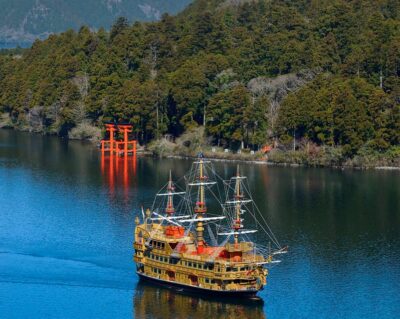
After the hot spring, the tour includes Hakone and Lake Ashi as the final scenic segment, with photo stop and visit time. You get about an hour at Hakone and another hour at Lake Ashi.
I like this ending because it broadens the day. Mt. Fuji is still the theme, but Lake Ashi gives you a different look and a sense of the wider region. It also makes the drive back to Tokyo feel less like a straight retreat and more like a graceful wind-down.
Bring your camera, but also bring your eyes. At the end of a long day, the best photos often happen when you stop thinking and just watch the scene change in the late light.
Price and Logistics: Is $330 per Group Good Value?
The price is $330 per group up to 6, for about 10 hours. For a private day in and around Mt. Fuji, that is a fair deal because you are paying for more than the guide. You get a private vehicle, hotel pickup and drop-off, and costs like parking, tolls, and fuel included.
Here’s the real value math. If you fill the group limit, your cost per person drops a lot compared with piecemeal train tickets plus entrance fees plus private transport you’d need to piece together yourself. Even if you are not at 6 people, you still get the benefit of avoiding coordination stress, plus you get a flexible day.
Logistics you should expect: it is a full-day drive with multiple walking segments, and weather can affect how much you enjoy the highest viewpoints. The guide can help adjust timing, but the mountain and sky have their own plans.
If your group wants a “tight itinerary” with zero flexibility, this private style may feel like more freedom than you need. If you want your day to feel tailored, private is the right call.
What Kind of Guide Experience You Should Expect
This tour lives or dies on the guide. The overall pattern from past experience is that the guides are friendly, patient, and willing to adjust timing. You can also expect photo help, including guidance on where to stand and assistance taking pictures at the best angles.
Guide names you might encounter include Ali, Sarfy, and Rana. The consistent theme is comfort and clarity, plus a willingness to adapt if your group has mobility needs or kid-friendly pacing requirements.
One more detail worth knowing: guides will often recommend choices based on weather and season. That advice can be the difference between a day that feels calm and a day that feels rushed.
Who This Tour Fits Best
This is a strong fit if you want a private day around Mt. Fuji without feeling boxed into a crowded bus schedule. If your group includes a mix of ages, private timing can help you balance longer viewpoints with rest breaks.
It also suits people who care about variety. You get a combination of viewpoints, shrine stops, craft village time, lakeside nature, lunch, and a hot spring break. If you only want the top two photo spots, you might find the full-day structure a lot.
If you love photography, the tour’s photo stops plus guide assistance are a big advantage. If you just want good scenery with minimal effort, tell your guide upfront how much walking you want to do.
Should You Book This Mt. Fuji Private Tour?
If you want Mt. Fuji plus real local texture, I’d book it. The mix of Iyashi no Sato crafts, shrine visits like Kitaguchi-hongu, and the meal with Fuji views gives you more than a single photo moment.
Book with extra confidence if your group values flexibility, since your guide can shift the schedule to fit your pace. It is also a good choice if you want to avoid the stress of route planning and transportation.
If you hate stairs, be honest before you arrive. Stops like Chureito Pagoda involve serious steps, and the tour includes other places with uneven paths. With that awareness, this can be a memorable, well-paced Fuji day instead of a test of endurance.
FAQ
What is the group size and duration?
This is a private group tour for up to 6 people, and the total duration is 10 hours.
How much does it cost?
The price is $330 per group (up to 6 people).
What stops are included during the day?
You visit Mt. Fuji 5th Station, Iyashi no Sato (Healing Village), Arakura Fuji Sengen Shrine and Pagoda, Saiko Lake and Bat Cave, Oshino Hakkai, Kitaguchi-hongu Fuji Sengen Shrine, Yamanakako, a hot spring visit, Hakone, and Lake Ashi.
Is hotel pickup and drop-off included?
Yes. Pickup and drop-off are included from hotels or accommodations in Tokyo 23 wards.
Is the itinerary flexible?
Yes. The itinerary is customizable, and the guide can tailor stops based on your interests and adjust timing for breaks or additional stops.
What is included in the scenic lunch?
Lunch is included at a countryside spot with Mount Fuji views, either at a hidden restaurant overlooking the lake area or at a family-run farmhouse eatery with seasonal Japanese dishes.
Do I need cash?
It’s a good idea to bring some cash (yen), since not all countryside shops and restaurants accept credit cards, and the tour notes cash may be helpful.
Latest write-ups near Tokyo
- From Tokyo: Top 5 Scenic Spots of Mount Fuji Full-Day Tour★ 4.5 · 67 reviews
- Tokyo Customized Private Tour: See Top Attractions in 1 Day★ 4.8 · 67 reviews
- Traditional Japanese Music ZAKURO SHOW in Tokyo★ 5.0 · 67 reviews
- Tokyo: Shinjuku Izakaya and Golden Gai Bar Hopping Tour (2h)★ 4.9 · 67 reviews
- Tsukiji: Unlimited Sake Tasting Experience★ 4.9 · 67 reviews
- Tokyo: Not a show- a professional sumo practice with experts★ 4.9 · 67 reviews
- Samurai Ninja Museum Asakusa: Kid-Friendly Ninja Training★ 4.7 · 67 reviews
- Private Harajuku Omotesando Architecture Walking Tour★ 5.0 · 67 reviews
Mt Fuji Tours, compared.
Mt Fuji and Hakone 1-Day Bus Tour Return by Bullet Train
Read our review →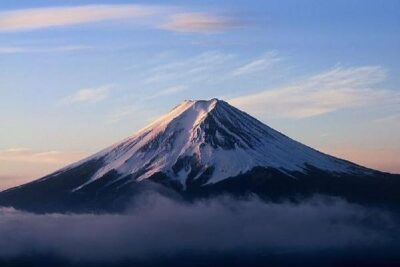
Mt Fuji & Hakone Cruise, Drum Show Bullet Train 1 Day from Tokyo
Read our review →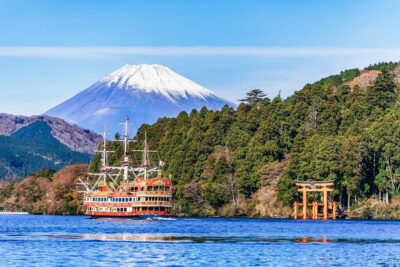
Tokyo Mt Fuji 5th St & Hakone Cruise Bus Tour w/Bullet Train
Read our review →
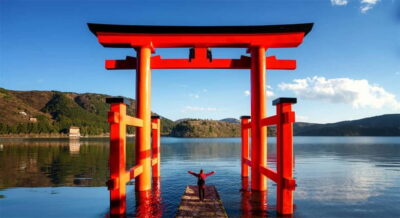
Mt. Fuji Tour, Hakone Ropeway, Owakudani, Lake Ashi
Read our review →
Mt.Fuji,Kawaguchiko Oishi Park,Arakurayama Sengen Park
Read our review →
Mt. Fuji 5th Station & Hakone Cruise 1-Day Bus Tour
Read our review →
Mt Fuji Top 5 Spots Day Tour: Arakurayama Park,Oshino Hakkai
Read our review →Browse the lists this tour appears in