
Reviewed · SUMO EXPERIENCES
Tokyo Sumo Culture Tour with Chanko-Nabe Lunch in Ryogoku
Sumo in Tokyo is more than big matches on TV. This walk-based Tokyo sumo culture tour focuses on Ryogoku, the area locals call Sumo Town, where stables and venues shape everyday life. You get a clear path through the neighborhood, plus real context for what you’re seeing.
I especially like two things. First, the tour keeps things intimate with a maximum of eight travelers, so your guide can actually answer questions as you go. Second, you’re not just stopping at one landmark. You’ll connect multiple sites that explain how sumo grew into a formal sport and a cultural institution.
One thing to consider is timing. The tour is designed for walking and sightseeing, not practice viewing, and some stable or facility access can be limited on certain days, such as Sundays. If you’re expecting to watch active training, plan for viewing mostly from outside.
Key things I’d prioritize before you go
- Max 8 travelers means you’ll move at a human pace and get plenty of guide interaction
- Ryogoku landmarks in sequence helps you understand how the neighborhood supports sumo
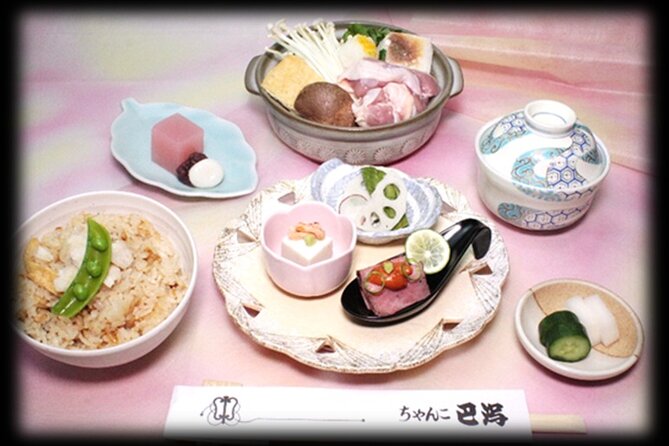
- Chanko-nabe lunch included at a well-regarded spot keeps the experience satisfying
- Outside viewing at key venues is intentional, since actual practice or matches are not included
- Free admission at multiple stops keeps your out-of-pocket costs low for the sightseeing portion
Why Ryogoku Is the Best Place to Understand Sumo
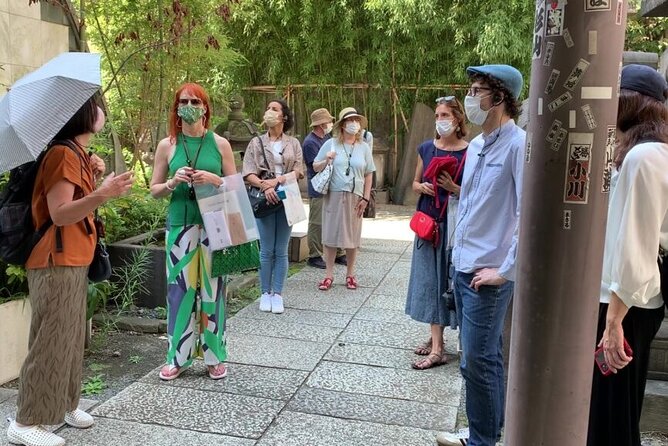
Ryogoku is the sumo district you want when you care about more than match-day drama. This area is where stables, shrines, temples, and the tournament arena all sit in the same orbit. You can feel the order of it, too. The tour’s flow takes you from places tied to sumo’s origins into the spaces that made it a public spectacle.
I also like the storytelling angle. A strong guide turns landmarks into meaning: why a shrine matters to sumo’s beginnings, what a tournament-era temple says about wrestler status, and how the arena links to the modern Grand Sumo tournaments held three times a year. When those connections click, you’ll start noticing details you’d otherwise skip, like how the neighborhood is laid out around its sumo identity.
Finally, this is a good option if you’re short on time in Tokyo. You’re not chasing tickets, transfers, or multiple independent bookings. You’re moving through a compact slice of Tokyo with a plan that makes sense even if you’re new to sumo.
More Lunch Experiences in Tokyo
- Tokyo: Mt.Fuji & Lake Kawaguchiko 1-Day Bus Tour w/Optional Lunch
★ 4.5 · 839 reviews - Tokyo: Sumo Experience and Chanko Nabe Lunch
★ 4.8 · 257 reviews - Tokyo: Tsukiji Fish Market Tour with 6 Stops & Seafood Lunch
★ 4.5 · 165 reviews
Small Group, Mobile Ticket, and Getting There for the 9:30 Start
The tour starts at 9:30 am at Ryogoku Station (1-chōme-4-29 Yokoami, Sumida City). Ending point is at Tomoegata Chanko in Ryōgoku, so you’re not trekking back to the original meet spot. Since the tour includes lunch, the schedule is built around that natural break.
The logistics are refreshingly straightforward. There’s no hotel pick-up, so your main job is simply to get to Ryogoku Station and find the meeting area. The good news is the meeting point is near public transportation, which matters in a city where walking times can surprise you.
You’ll also get a mobile ticket, which cuts down on printing and last-minute confusion. And with a maximum of eight travelers, you’ll likely find the group stays manageable, even at stops where people want to pause for photos.
One practical tip: wear comfortable walking shoes. This tour is about moving through Ryogoku and stopping often. If you treat it like a quick photo safari, you’ll miss the context your guide is giving in between sites.
Hakkaku-beya and Kasuganobeya: Stable Visits Without the Pressure to Plan
Two of the tour’s stops are sumo stables: Hakkaku-beya and Kasuganobeya. The key word here is outside. You’ll drop by for a short look and view the stable from the area where you can access it, not a behind-the-scenes training session.
That matters because it shapes expectations. This experience is built for cultural understanding, not for catching a dramatic moment during practice. You’ll still see the physical environment that makes a stable feel real, and your guide can explain what life and training look like in broad terms.
Kasuganobeya has an extra detail worth paying attention to. The tour includes a look at the “wrestler-size” bicycles used in daily life. That’s the kind of small, specific fact that sticks. It turns a stable from an abstract idea into something you can picture.
Also, stable access can vary by day. One caution you should take: if your tour day happens to fall on a day when training access is restricted, you may still get the sightseeing portion, but don’t count on seeing active training inside. If you’re choosing dates, consider that.
Nominosukune Shrine and Ekoin Temple: The Spiritual and Social Side of Sumo
Sumo has roots in Shinto, and this tour actually shows you that. At Nominosukune Shrine, you’ll learn about the founder of sumo being enshrined there and how the rules evolved into the form you recognize today. The shrine visit is short, but it’s packed with symbolism, and it helps you understand why sumo isn’t just sport. It’s also ritual.
Then comes Ekoin Temple, connected to tournament activity in the Edo period. This stop adds a social lens. You’re not only learning about matches. You’re learning about wrestler status and how tournaments worked in pre-modern Japan. That’s useful because many first-time visitors assume sumo is only entertainment. Instead, it was tied to hierarchy, community identity, and formal events.
What I like about these two stops is the balance. The shrine gives you the spiritual framing. The temple gives you the historical and social framing. Together, they make the rest of the tour easier to process, especially when you move toward venues like Ryogoku Kokugikan and the Edo-style ring display.
More Sumo Experiences in Tokyo:
- Tokyo: Sumo Show Experience with Chicken Hot Pot and a Photo
★ 4.8 · 6,678 reviews - Tokyo: Sumo Show and Dining Experience
★ 4.8 · 2,742 reviews - the SUMO show
★ 5.0 · 1,960 reviews - Tokyo Shinjuku Sumo Show & Experience with Photo
★ 5.0 · 1,750 reviews
Ryogoku Kokugikan and Ryogoku Edo Noren: Arena Energy From the Street
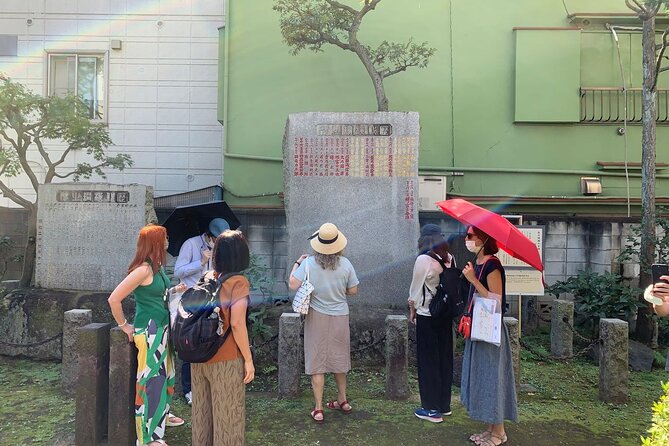
You’ll spend time near Ryogoku Kokugikan, the arena and a mecca for Grand Sumo tournaments held three times a year. Even though you’re viewing from outside, the building still tells you a lot. Your guide can share stories tied to this arena, and those stories help you understand why the venue matters beyond its architecture.
Next is Ryogoku Edo Noren, where you can see a full-scale sumo ring. This stop is especially helpful for first-timers because it gives you a physical reference for what you might not grasp from TV alone. You can picture scale, the ring shape, and what the space feels like during a match.
The Edo Noren also helps you understand observation. A lot of sumo is about ceremony and positioning, and this stop focuses on the atmosphere around the ring and how people watched it up close. Even if you never see a match, you’ll leave with a clearer mental model for what happens inside.
One more practical note: this tour does not include actual sumo viewing like practice or matches. So treat these arena stops as context and orientation, not as guaranteed match-day excitement.
Tomoegata Chanko Lunch: What You Should Know Before You Eat
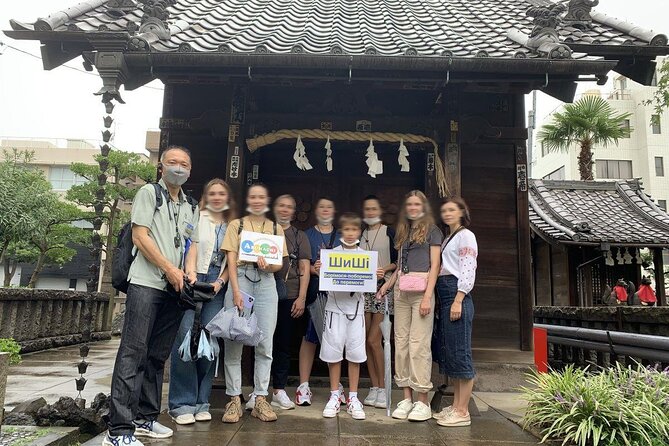
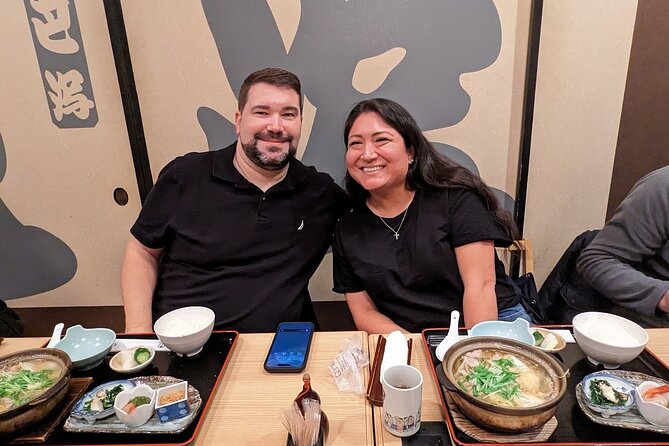
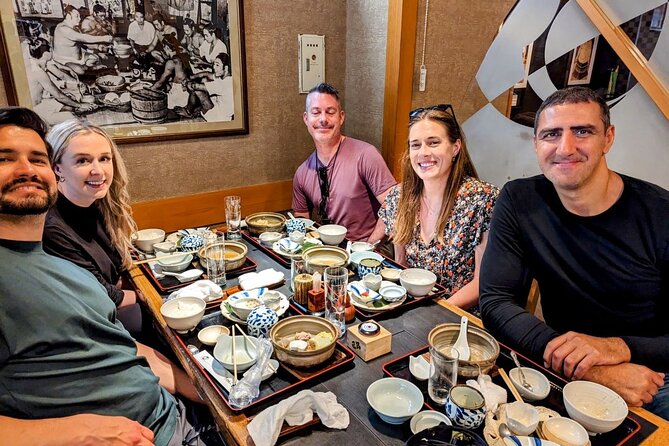
The tour ends (and you spend the largest chunk of time here) with lunch at Tomoegata Chanko. Chanko-nabe is the classic hot pot associated with sumo wrestlers, designed as a nourishing centerpiece of their diet to support weight and muscle building.
Since lunch is included, this is where the value becomes very tangible. You’re not paying extra for a meal after the tour, and the food is directly tied to the sumo story you’ve been walking through all morning.
What to expect is straightforward: it’s a hot, hearty pot meal. In practical terms, this is great after a walk because you get warmth, protein, and comfort in one go. It’s also an accessible introduction to sumo culture because it’s edible culture, not just museum culture.
One consideration: alcoholic beverages are not included. So if you want a beer with lunch, you’ll need to pay separately at the restaurant.
If you’re picky about spice or rich broths, you might want to check what’s in your specific chanko-nabe bowl. The tour information doesn’t specify the exact ingredients, so your guide may not be able to promise every detail. But the overall style is consistent: a filling hot pot built for hearty appetite.
Price and Value for a 3.5-Hour Sumo Walk
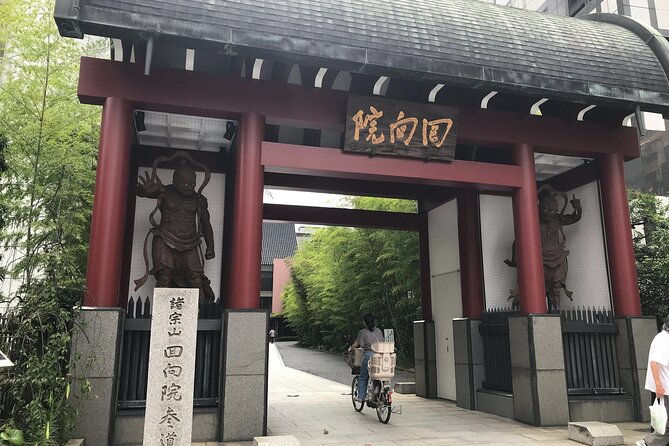
At $131.12 per person for about 3 hours 30 minutes, this tour sits in the mid-range for guided experiences in Tokyo. The big value driver is that lunch is included, and the sightseeing portion includes multiple stops with free admission tickets.
You’re also paying for structure. Ryogoku is not hard to find on a map, but understanding what you’re looking at is another story. A guide stitches together the stable visits, the shrine and temple context, and the arena atmosphere into one coherent route.
The other value driver is the group size. A small group is often where the difference shows up. When you can ask questions and get a direct response, your learning time feels efficient, not rushed.
Your main “cost” is what the tour does not include. You won’t get actual match-day viewing or guaranteed practice viewing. If your main goal is to watch wrestlers training, this tour may feel like a tease. If your goal is to understand sumo culture in Ryogoku and leave with clear context and a solid lunch, the pricing starts to make more sense.
Also, the timing around tournaments matters. It’s easy to assume everything is open all the time in a tournament neighborhood. In reality, access can vary. On days when stable tours are limited, you still get the core sightseeing experience, but the “active access” piece can be reduced.
Who This Tour Fits Best (and Who Should Skip)
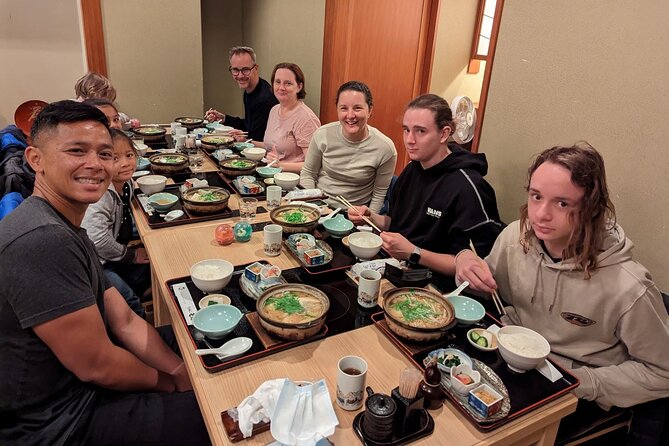
This tour fits best if you’re:
- A first-time sumo fan who wants a guided way to see Ryogoku’s key places
- Interested in how sumo ties into Shinto and Edo-period society, not only the sport itself
- The kind of traveler who likes walking tours when the guide explains what you’re seeing, step by step
- Traveling with family members who would enjoy a cultural outing plus a proper meal
It may not fit as well if you’re:
- Only interested in watching wrestlers practice or matches, since the tour explicitly does not include that kind of viewing
- Visiting on a day when stable access may be restricted and you expected to see inside training areas
- On a tight schedule where a 3.5-hour walk plus lunch feels like too much commitment
One reason I think it works so well for families is the pace and the structure. It’s not a sprint through landmarks. It’s a sequence that keeps stopping points meaningful, then feeds you at the end.
Should You Book This Sumo Culture Tour in Ryogoku?
If you want Ryogoku to make sense, book it. This tour is built for people who like context, practical guidance, and a day that feels like it has momentum from start to finish. With a small group cap, a route that connects multiple sumo-related sites, and chanko-nabe lunch included, it offers a fair balance of learning and comfort.
Before you commit, set your expectations correctly. You’ll see stables and venues mostly from the outside, and you’re not there for guaranteed practice or match viewing. If you’re okay with that, you’ll get a smart, satisfying introduction to sumo culture in Tokyo.
FAQ
What is the duration of the Tokyo Sumo Culture Tour with Chanko-Nabe lunch?
It runs for about 3 hours 30 minutes.
Where does the tour start and end?
The tour starts at Ryogoku Sta. 1-chōme-4-29 Yokoami, Sumida City, Tokyo, and it ends at Tomoegata Chanko 2-chōme-17-6 Ryōgoku, Sumida City, Tokyo, where lunch is served.
What is included in the price?
Chanko-nabe lunch is included.
Is actual sumo viewing, like practice or matches, included?
No. The tour does not include actual sumo viewing like practice or matches.
How big is the group?
The tour has a maximum of eight travelers.
What time does the tour start?
The start time is 9:30 am.
What is not included?
Alcoholic beverages are not included, and there is no hotel pick-up or drop-off.
Is it easy to find the meeting point?
Yes. The meeting point is near public transportation.
Latest write-ups near Tokyo
- Tokyo Nights: Shibuya Photo Adventure★ 5.0 · 20 reviews
- Wagyu & Sake 8 Course Tasting Dinner in Shinjuku★ 4.9 · 20 reviews
- Making Japanese desserts Nerikiri & drinking matcha in Tokyo★ 5.0 · 20 reviews
- Japanese Whisky Hunting《HIGH-QUALITY-ONLY》Rare Tasting Class★ 5.0 · 20 reviews
- Mt. Fuji 5th Station, Owakudani Ropeway, Pirate Ship plus Outlet shopping!★ 4.5 · 20 reviews
- Kintsugi Experience with Arita Ware in Tokyo (English Guide)★ 4.8 · 20 reviews
- This is Asakusa! A Tour Includes the All Must-Sees!★ 5.0 · 20 reviews
- Tokyo: Karate Experience with Former All-Japan Champion★ 5.0 · 20 reviews
Sumo Experiences, compared.
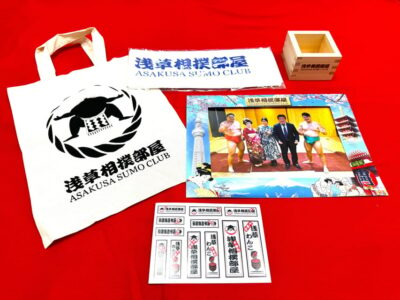
Sumo Show Experience with Chicken Hot Pot and a Photo
Read our review →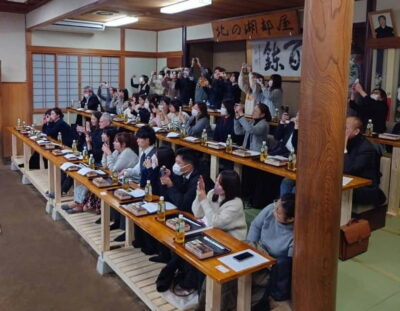
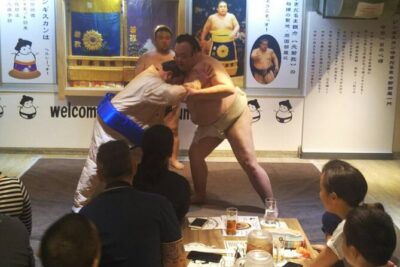
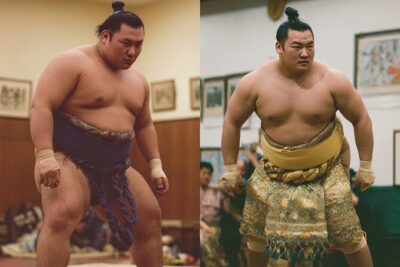
Tokyo Shinjuku Sumo Show & Experience with Photo
Read our review →
Sumo Show & Experience w/ Optional Kimono & Hot Pot
Read our review →
Authentic Sumo Experience in Tokyo: Enter the Sanctuary
Read our review →Browse the lists this tour appears in