
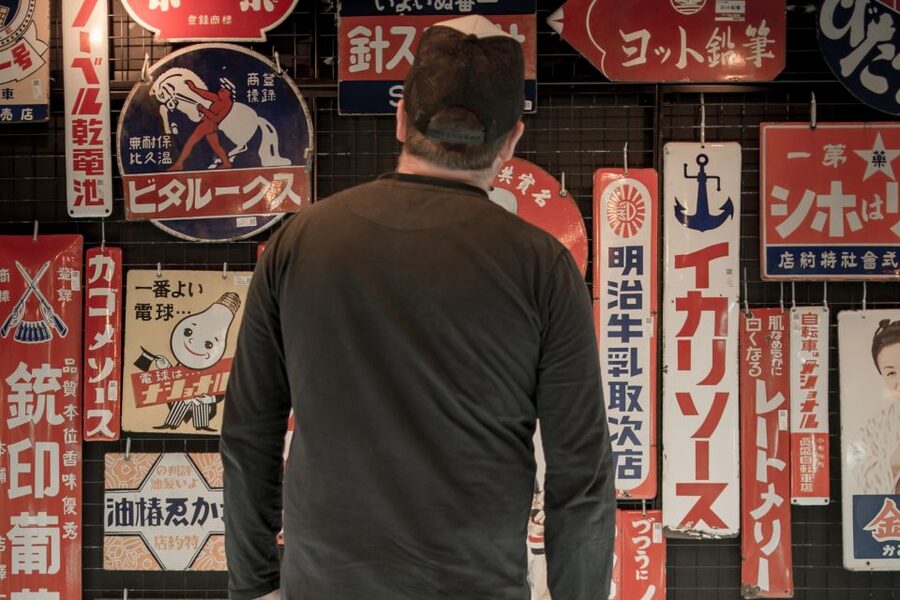
Reviewed · CYCLING TOURS
Tokyo: West-Side Cycling and Food Tour with Guide
Tokyo’s west side has a different tempo than the flashy center, and this tour is a smart way to feel it. You pedal through everyday neighborhoods on a classic rental style bike, then refuel with simple local meals and street food along the way.
Two things I really like: the mamachari cycling culture and the chance to see Nakano, Koenji, and Asagaya the way regular commuters do. If your guide is Andy, you also get his clear explanations of Japanese habits and daily life, not just a list of sights.
One possible drawback: it is not a casual stroller tour. You need to be comfortable riding a bicycle in narrower, sometimes crowded streets for about 12 to 15 km, and it does not cater to vegans or food allergies.
Key highlights worth planning around
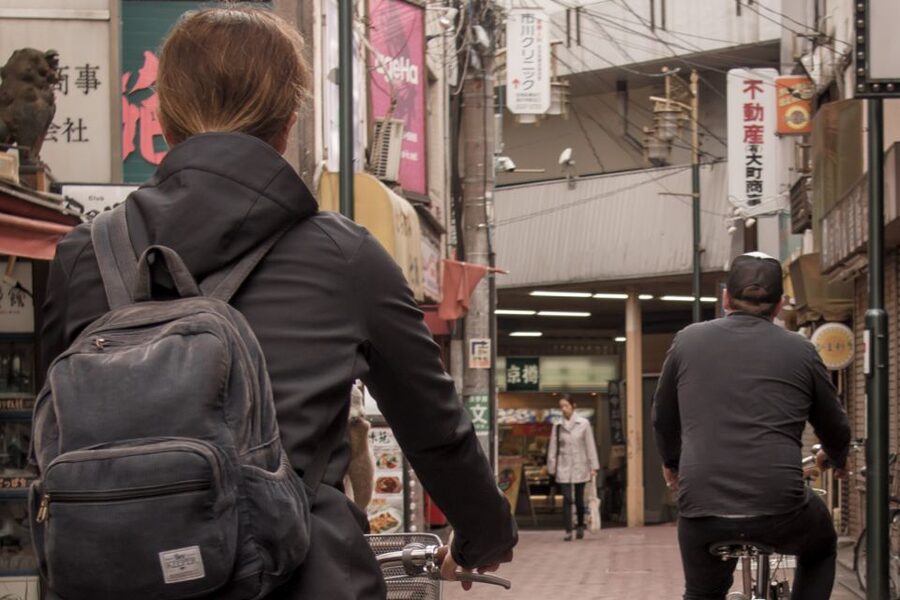
- Mamachari bikes with front baskets, the same style many Tokyo locals use
- West-side neighborhoods like Nakano, Koenji, and Asagaya, less touristic and more real
- Backstreets plus riverside bike paths, so you get variety without wasting time
- Real street food stops plus a simple Japanese lunch
- Cycling know-how in practice, including how bike parking works
- A guide who connects food to culture, with lots of room for questions
Why Tokyo’s west side feels better on two wheels
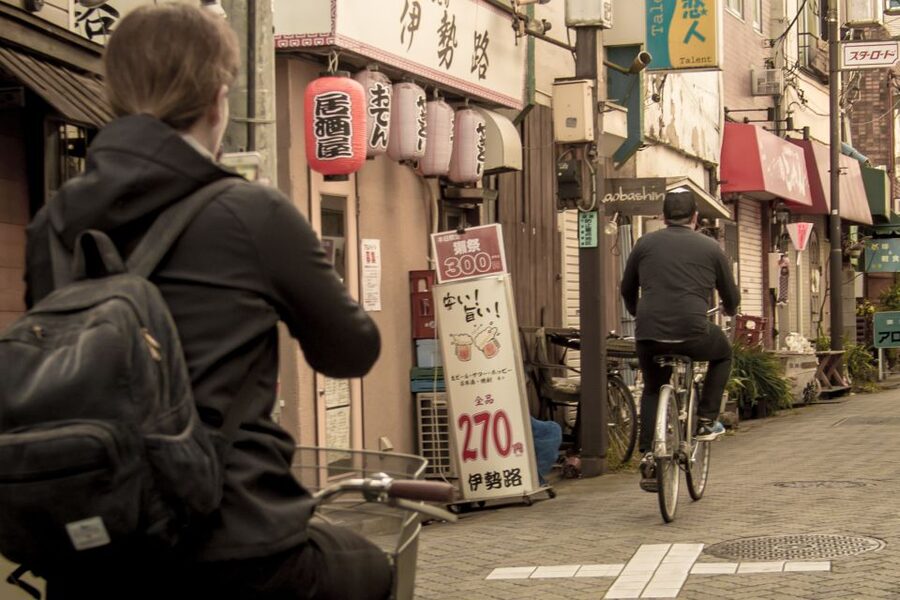
Tokyo can be overwhelming fast if you only visit the headline zones. This tour shifts you to the city’s everyday rhythm, where small shops, side streets, and local routines do most of the storytelling. You get movement without “hunting” for places on your own, and the pace is slow enough to notice what you would otherwise pass.
The cycling component matters because it changes how you experience the neighborhoods. On foot, you tend to stick to the main lanes. On a bike, you naturally slip into the quieter side streets and the bike-friendly routes that locals use, including riverside paths.
And there is a practical reason this route works so well: Nakano, Koenji, and Asagaya are compact enough that a 3.5-hour tour can cover a meaningful slice of the area without turning your day into constant transfers.
More Cycling Tours in Tokyo
- Tokyo Guided Small-Group Biking Tour
★ 5.0 · 1,250 reviews - Tokyo Great Cycling Tour
★ 5.0 · 811 reviews - Tokyo Top Highlights 3h Guided E-bike Tour
★ 5.0 · 714 reviews
The mamachari bike, and how to ride it without stress
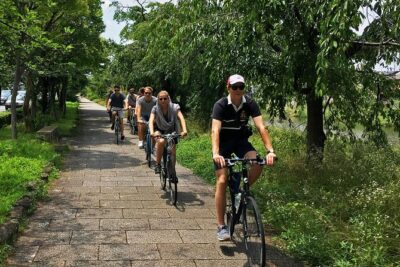
This experience uses a salvaged mamachari bicycle, the familiar commuter bike style you see locked up all over Tokyo. It is usually set up for casual riding, and in practice it can feel surprisingly easy, even in tight lanes, as long as you stay alert.
A big plus here is the bike setup: many versions come with a front basket, which helps keep your hands free and makes snack stops more comfortable. The bikes may sound a little creaky or squeaky, but they are kept in good working order, and the tour group uses them in a way that keeps the ride manageable.
Before you go, check the main riding requirement:
- You should be a competent bicycle rider.
- Expect narrower, sometimes crowded streets and some uneven surfaces.
- You will ride at a leisurely pace, about 12 to 15 km.
Also plan around height. The tour expects riders to be over 140 cm for a comfortable fit.
Koenji Station meeting point, and why arriving early matters
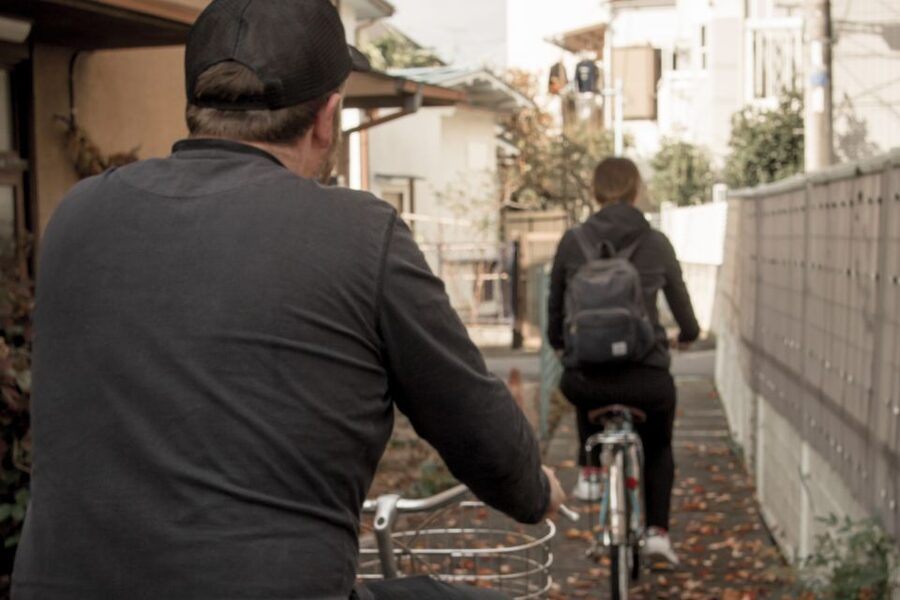
You meet at Koenji Station on the JR network, and the guide waits directly outside the ticket gates. Koenji is a calmer suburban stop than the big central stations, about 6 minutes from Shinjuku and around 18 minutes from Shibuya.
The biggest logistics tip is simple: arrive about 5 minutes early and go find the guide right away. This tour leaves on time, and since you are cycling through the neighborhoods, lateness can quickly throw off the group’s schedule and flow.
If you’re unsure, look for the baseball cap. That small detail saves time and reduces that awkward station search.
Pedaling routes through Nakano, Koenji, and Asagaya
The core of the day is a structured mix of cycling and short walking bits. You start by getting your legs moving, then the route threads through back streets and local activity zones that you likely would not pick out from a map.
What I find especially valuable is the balance between change of scenery and staying oriented. You get:
- Twisting back streets, where storefront life and daily errands come into view.
- Riverside bike paths, which help break up the urban feel and make the ride more enjoyable.
- Neighborhood hubs where you can see how people move, lock bikes, and grab food without turning every stop into a spectacle.
There is also a social side to riding in Tokyo. You will likely pass other cyclists and see how people negotiate space calmly. In narrow places, the group mentality turns into a skill, especially when you stop and regroup.
More Food & Drink in Tokyo
- Tokyo: Shinjuku Food Tour (13 Dishes at 4 Local Eateries)
★ 5.0 · 6,603 reviews - Tokyo Tsukiji Fish Market Food and Culture Walking Tour
★ 5.0 · 3,184 reviews - Tokyo: Shinjuku Food Tour (15 Dishes and 4 Eateries)
★ 4.9 · 2,033 reviews - Best of Shinjuku: Izakaya Food Tour (4 Stops, 14+ Tastings)
★ 5.0 · 1,863 reviews
Food stops that feel like local habits, not tourist sampling
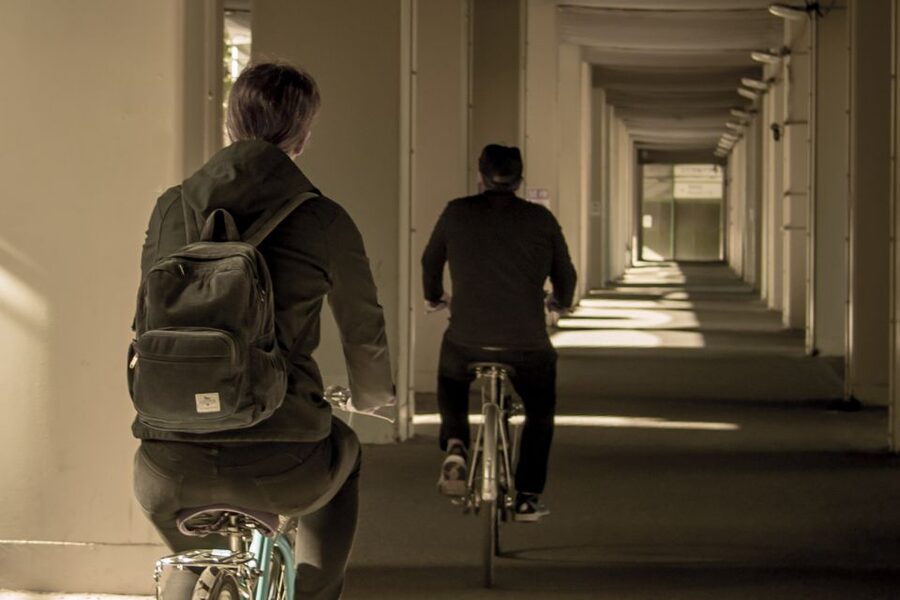
This tour is built around eating, but in a practical, non-fussy way. You get a simple Japanese lunch, plus two popular street food eats and one bottled drink of your choice.
Lunch is typically at a small local noodle bar style spot, which is perfect for this tour length. You get a solid meal without losing too much time sitting. The street food bites are chosen to keep the walking and biking rhythm going, so you are not forced into long waits or restaurant schedules.
One extra detail I think is genuinely useful: the guide helps you decode everyday Tokyo routines around food and drinks. For example, you may learn how vending machine drinks work in a way that removes the guesswork.
A quick reality check: this tour does not accommodate personal tastes, dietary requirements, or allergies. If you are vegan or you need allergy-safe food choices, you should skip this one and look for a different style of food tour that explicitly handles those needs.
The guide role: why conversation is part of the value
A good guide can turn a ride into a story you remember. This one is local and English-speaking, and the standout theme is the cultural context behind what you see.
If your guide is Andy, expect a mix of humor and clarity, plus a lot of direct answers. You will talk about habits and social norms, and those explanations help you interpret things like:
- why certain areas feel the way they do
- how people shop and snack during the day
- how bike parking and commuting culture shape street life
The best part is that the tour is not rigid. There is space to ask questions, and patience is part of the package. After the tour, some guests received follow-up recommendations by email, which can be a handy way to extend your day into the rest of your Tokyo stay.
What to bring, and what weather usually means
This is an outdoor activity, and weather affects it like any street tour. The good news is that rain usually does not automatically cancel the experience. The tour generally proceeds as planned, so you should assume you might get wet.
Bring:
- Passport or ID card
- Hand sanitizer or tissues
- A garbage bag
For clothes, dress for comfort and movement. You are riding and stopping often, so avoid heavy layers that make you miserable when you slow down. If rain is in the forecast, plan for damp conditions rather than hoping the weather will cooperate.
Price and value: what you’re really paying for
At $110 per person for about 210 minutes, the pricing is best understood as a bundle. You are not just paying for a guide, you are also paying for the equipment and the meal plan.
Included items that matter for value:
- A simple lunch
- Two street food eats
- One bottled drink
- Bicycle parking fees
- Cycling liability insurance
- A local English-speaking guide
When you break it down, the tour is doing three expensive things for you: coordinating meals, providing guided navigation through neighborhoods, and handling the bike logistics and insurance side. If you would otherwise spend money on multiple paid meals plus guided help to get off the beaten path, this can be a sensible way to structure half a day.
Is it a luxury? Not really. It is more like paying for time, access, and “how to see it” plus the food already built in.
Who should book this bike and food tour, and who should skip
This tour fits best if you:
- want a local-feeling slice of Tokyo’s west side
- can ride a bicycle confidently on uneven surfaces and in tight streets
- enjoy street food and casual meals
- like learning the meaning behind daily habits, not just landmarks
It is not suitable if you:
- are vegan or need allergy-safe food options
- are below 140 cm in height
- are traveling with children under 10 years
Also consider timing. Since the ride starts on time at Koenji Station, you want a schedule that lets you show up calm, not rushed.
Should you book this Tokyo west side cycling and food tour?
I think you should book it if your goal is to leave Tokyo feeling like you understood real neighborhoods, not just photographed attractions. The mix of mamachari riding, bike culture details like parking systems, and a meal plan with lunch plus street food makes it a strong use of a half-day.
Skip it if you want a purely comfortable, low-skill walk. This is a bicycle tour with real streets, so your comfort level matters more than your sightseeing preferences. And if diet restrictions or allergies are part of your needs, this one is not built for that.
If you meet the riding and height requirements and you eat normal Japanese food, this is the kind of experience that changes how you see the city when you go back out on your own.
FAQ
Where do I meet for the tour?
You meet at Koenji Station on the JR Train Network. The guide waits directly outside the ticket gates, and you should arrive about 5 minutes early to find them.
How long is the tour?
The tour lasts about 210 minutes, which is roughly 3.5 hours.
Is the tour suitable for beginners?
You are expected to be competent riding a bicycle. The route can include narrow and crowded streets and some uneven surfaces, for a distance of about 12 to 15 km at a leisurely pace.
What food and drinks are included?
You get a simple Japanese lunch, two street food eats, and one bottled drink. The tour does not state that it can accommodate dietary requirements or allergies.
What’s the minimum height requirement?
The tour expects riders to be over 140 cm (4 ft 7 in) to ride comfortably.
What if it rains?
This is an outdoor activity that may be affected by weather. In the event of rain, the tour generally proceeds as planned, so expect you might get wet.
Latest write-ups near Tokyo
- Tokyo Nights: Shibuya Photo Adventure★ 5.0 · 20 reviews
- Wagyu & Sake 8 Course Tasting Dinner in Shinjuku★ 4.9 · 20 reviews
- Making Japanese desserts Nerikiri & drinking matcha in Tokyo★ 5.0 · 20 reviews
- Japanese Whisky Hunting《HIGH-QUALITY-ONLY》Rare Tasting Class★ 5.0 · 20 reviews
- Mt. Fuji 5th Station, Owakudani Ropeway, Pirate Ship plus Outlet shopping!★ 4.5 · 20 reviews
- Kintsugi Experience with Arita Ware in Tokyo (English Guide)★ 4.8 · 20 reviews
- This is Asakusa! A Tour Includes the All Must-Sees!★ 5.0 · 20 reviews
- Tokyo: Karate Experience with Former All-Japan Champion★ 5.0 · 20 reviews
Cycling Tours, compared.
3h Tokyo E-Bike Tour: Hidden Gems, and Local Life with guide
Read our review →
Arashiyama Bamboo Forest & Hidden Gems Bike Tour (Early Bird)
Read our review →
Hiroshima in a Nutshell: Morning Bike Adventure
Read our review →Browse the lists this tour appears in