
Reviewed · SUMO EXPERIENCES
【SUMO FESTIVAL】Tokyo Ginza: Sumo Show & Photo Experience
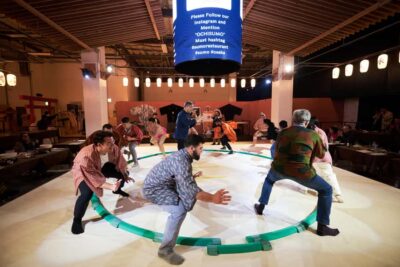
What makes the Tokyo Sumo Festival in Ginza worth your time is the format: you do not just watch sumo, you get pulled into it. It’s stage-like, close-up, and set in a proper Tokyo address at Ginza INZ 1 B1.
I especially like the English-friendly MC commentary, which keeps the rules and techniques easy to follow. I also love that you get real participation elements like shiko (sumo stomping), salt throwing practice, and stepping into the ring later.
One thing to consider up front: participation against the retired wrestler can be lottery-based if the session is crowded, and the show also has a lot of MC talk time, so if you only want fast, pure wrestling matches, set your expectations.
Key things to know before you go
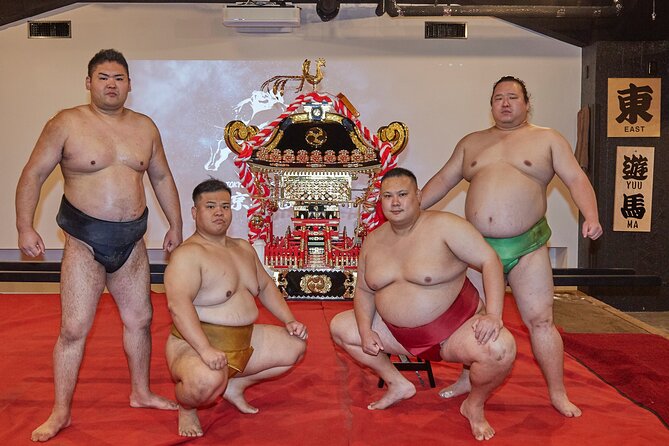
- Close-up ring views from every seat, so even the back feels like you are part of the action
- English and Japanese MC commentary, which makes the techniques and traditions easier to grasp
- You will try multiple sumo rituals, not just watch (shiko, salt throwing, body collisions)
- Ring challenge is limited, with a possible lottery if demand is high
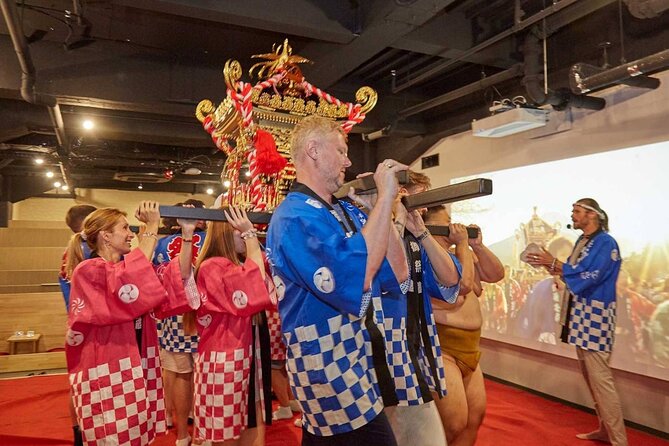
- Mikoshi experience is included after the sumo portion
Ginza Sumo, Up Close: What You Actually Do in 2 Hours
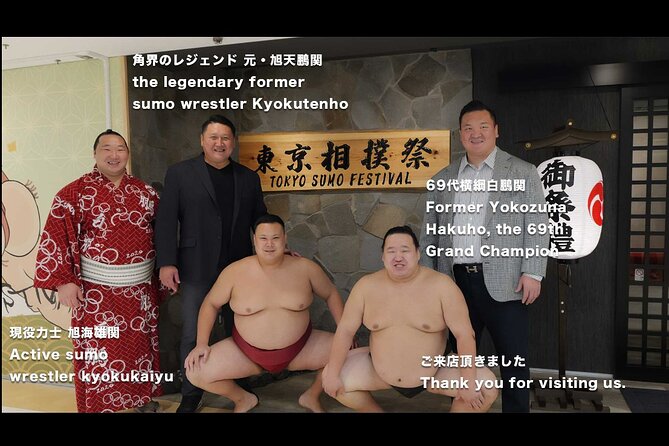
This is a 2-hour Tokyo Sumo show that mixes performance with hands-on training. You’ll start by watching morning-style training and demonstrations, then shift into learning the basic ideas behind winning, including how sumo wrestlers set up balance, grips, and force.
Then the program turns interactive. You are not limited to clapping from the stands. You’ll practice sumo stomping (shiko), experience the salt throwing ritual as part of the atmosphere, and get coached through basic body collision drills that show how wrestlers use momentum and posture.
It’s also not trying to be a full tournament match. You should think of it as an “understand and participate” sumo crash course in a theater-like setup, with a real ring and real sumo performers.
More Sumo Experiences in Tokyo:
- Tokyo: Sumo Show Experience with Chicken Hot Pot and a Photo
★ 4.8 · 6,678 reviews - Tokyo: Sumo Show and Dining Experience
★ 4.8 · 2,742 reviews - the SUMO show
★ 5.0 · 1,960 reviews
Getting There: Ginza INZ 1 B1 and Finding the Door
The location is in Ginza, which is great for easy access, and it’s near public transportation. The address is 〒104-0061 1-3-1 Ginza, Chuo City, Tokyo, Japan (Ginza INZ 1 B1), and the venue name you’ll see on Google Maps is TokyoSumoFestival.
That said, I strongly suggest you plan time to find it. One clear theme from people is that the venue can be a little tricky to locate if your map app points you somewhere slightly off. If you are arriving right at start time, give yourself a cushion, because basement venues in busy areas can be confusing fast.
A practical move: once you arrive in Ginza, use the venue name TokyoSumoFestival and then follow the signs inside the building. This kind of place is usually set up to look obvious in person, not on a screen.
From Morning Training to Techniques: How the Show Moves
The flow is structured like a mini sumo lesson. First, you watch the morning training segment. You’ll see drills and technique demonstrations meant to explain what sumo wrestlers do to create advantage.
Next comes the technique teaching. This is where the MC’s pacing matters. The program is in English and Japanese, so if you’re relying on English, you should be in good shape. Many people highlight that the MC is clear and easy to follow, and you’ll likely understand why certain moves matter.
A possible drawback is that the MC portion can feel long. If you came hoping for a nonstop stream of matches, be ready for explanation time. In other words, the show is educational, not just athletic.
Also note that the number of actual bout-style moments can feel limited. Expect a few rounds and then lots of audience participation and technique coaching, rather than a full slate of wrestling.
Hands-On Sumo Rituals: Shiko, Salt Throwing, Body Collisions
This is where the Tokyo Sumo Festival earns its keep. The included activities are not random. They match what makes sumo feel like more than sport.
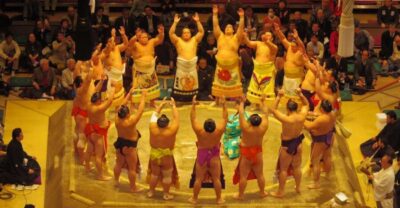
You’ll try shiko, the famous stomping ritual. Even if you’ve seen videos, doing it up close helps you feel how sumo wrestlers use rhythm and stance to set their base.
You’ll also get to practice the salt throwing element. This is one of the easiest cultural moments to appreciate because it’s symbolic and visual. You’ll learn how it fits the atmosphere of the ring.
Then there are the collision drills. The experience includes practice sumo body collision, which is basically learning the safe, basic mechanics of contact. It’s not about hurting anyone. It’s about understanding how sumo bodies move together, how balance and timing matter, and how technique beats raw strength.
This is also why the event works for mixed groups. If someone in your group is less into sports but into Japanese culture, rituals and participation still deliver.
A change of pace from Tokyo:
- Mt Fuji and Hakone 1-Day Bus Tour Return by Bullet Train
★ 5.0 · 26,383 reviews - 1-Day Tokyo Bus Tour
★ 5.0 · 14,250 reviews - Tokyo: TOKYO SKYTREE® Admission ticket
★ 4.5 · 11,192 reviews - Tokyo: teamLab Planets TOKYO Digital Art Museum Entry Ticket
★ 4.6 · 9,779 reviews
Stepping Into the Ring Against a Retired Wrestler
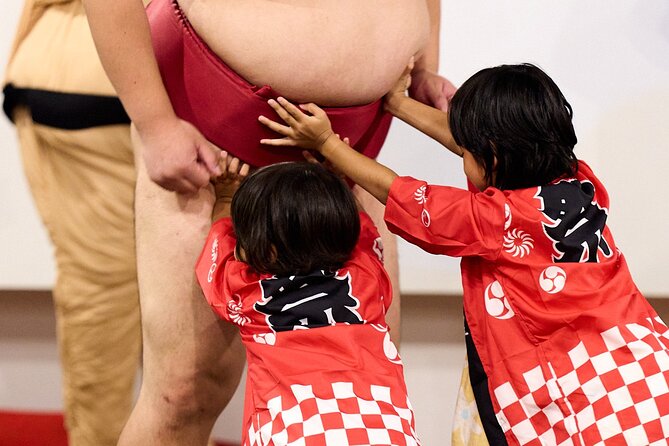
The highlight for many people is the chance to step into the sumo ring and challenge a retired sumo wrestler. This is not something you get in most Tokyo attractions.
Here’s the key detail: participation is limited, and it may be decided by lottery if there are many applicants. So do not treat this as a guarantee. If you want to fight in the ring, arrive with the mindset that you are applying for an opportunity, not purchasing a sure win.
If you do get selected, you’ll experience what it feels like to square up in that ring space, close to the salt, the referee energy, and the crowd. The retired wrestler is also part of the value here, since the aim is to show how a real sumo athlete moves and teaches.
Seat choice matters too. The program says all seats offer a close-up view of the ring, and there’s an option to upgrade to the front row for an even more intense experience. If you are choosing between “maybe participation” and “maximum viewing closeness,” front row tends to be the safer bet.
One more note from the show team you might hear: names like Yuma and Kaito have been called out by name during the on-stage action for some sessions, which suggests the cast runs with a lively, performer-led vibe.
Mikoshi Moment After the Wrestling
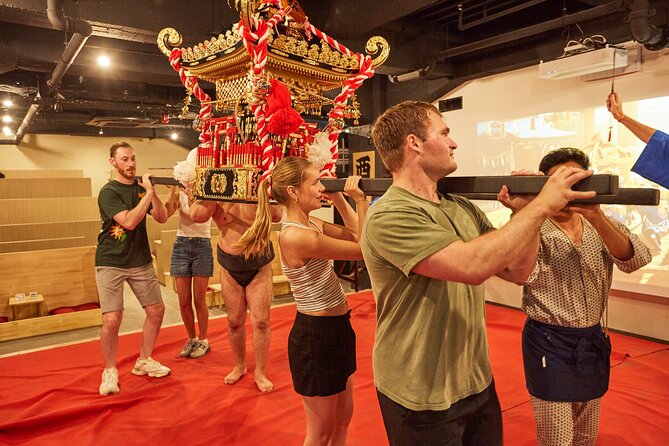
After the sumo show, the program includes an experience with a mikoshi, the portable shrine used in Japanese festivals. In practical terms, this adds a second cultural layer after the sport segment, so you leave with more than just sumo moves.
You’ll likely feel the event shift from sport-focused technique to festival rhythm. It’s also a great contrast moment for photos, because mikoshi visuals are instantly recognizable as traditional Japan.
One thing to keep in mind: if you are sensitive to longer segments that feel like show pacing rather than action, this shrine moment may feel like an extension. Still, it’s included in the program design for a reason, it turns the evening into something closer to a mini festival experience.
Price and Value: Is $63.41 Worth It?
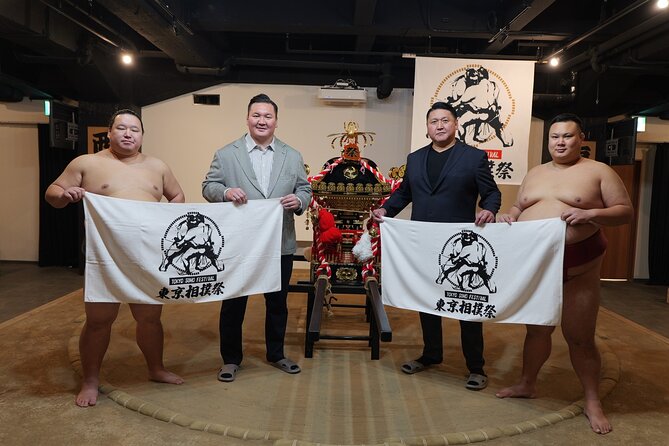
At $63.41 per person for about 2 hours, you’re paying for more than a standard performance. You’re paying for bilingual MC instruction, a close-up ring setup, multiple hands-on activities, and at least a chance to challenge a retired wrestler.
If you only cared about watching sumo matches, you might find other options in Tokyo more straightforward. But this is built for participation. The value is strongest if you want:
- explanation you can understand in English
- hands-on rituals you can actually do
- the chance to get into the ring, even if lottery-based
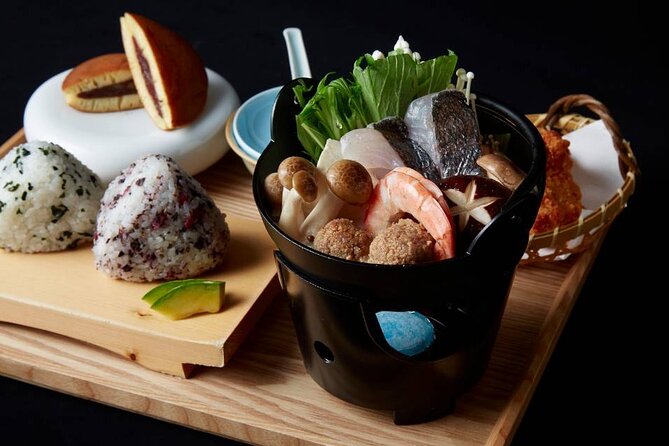
Meals are not included. That can matter for budgeting. The venue may sell food on site, and some people talk about snacks and sumo-themed food being enjoyable, while others feel it is just average. Plan to treat food as optional, not as the main reason to book.
Also include a small mental budget for snacks or drinks if you want them. The program does include a welcome drink, so you won’t arrive dry.
Who This Fits Best (and Who Might Prefer Something Else)
This experience is a good match if you want a short Tokyo activity that is:
- easy to understand thanks to English and Japanese commentary
- hands-on, not just observational
- set in central Tokyo where you can combine it with other Ginza plans
It also tends to work well for families. The interactive nature and crowd involvement make it engaging for kids, and adults still get real technique and ritual context.
If you are the kind of person who only wants heavyweight, round-by-round wrestling, you might feel let down by the educational pacing and audience participation time. You can still enjoy it, but you should go expecting a show with sumo basics, not a full tournament session.
Should You Book the Tokyo Sumo Festival?
Book it if you want an English-friendly, close-up sumo experience where you can try shiko, salt throwing, and collision drills, plus the mikoshi moment. It’s a strong choice when the regular sumo competition schedule does not line up with your trip, or when you want something more interactive than a museum or theater.
Skip or rethink if your top priority is nonstop match time. This is a teaching and participation program, with limited ring challenges. If you can accept that, you’ll probably leave with better memories than you would from watching one or two short bouts and moving on.
FAQ
How long is the Tokyo Sumo Festival in Ginza?
The experience lasts about 2 hours.
Where is the venue located?
It’s in Ginza at 1-3-1 Ginza, Chuo City, Tokyo, Japan, Ginza INZ 1 B1. You can search TokyoSumoFestival on Google Maps.
Is the tour mainly a show, or can I participate?
You can participate. The program includes hands-on activities like shiko (sumo stomping), salt throwing, and practicing body collision, and you may have a chance to challenge a retired sumo wrestler.
Do I get to fight the retired wrestler for sure?
Participation is limited, and if there are many applicants it may be decided by lottery.
What languages will be used during the experience?
The MC provides English and Japanese commentary.
Does the ticket work on your phone?
Yes, the tour uses a mobile ticket.
Is food included?
Meals are not included. The venue may have food available for an additional charge, and a welcome drink is included.
What is included with the price?
Included items are English and Japanese MC commentary, an entertainment sumo show, the challenge chance (by lottery if crowded), shiko practice, salt throwing, body collision practice, and a welcome drink.
What is the cancellation policy?
You can cancel for a full refund if you cancel up to 24 hours in advance of the experience start time. If you cancel less than 24 hours before, the amount paid is not refunded.
Latest write-ups near Tokyo
- Tokyo Nights: Shibuya Photo Adventure★ 5.0 · 20 reviews
- Wagyu & Sake 8 Course Tasting Dinner in Shinjuku★ 4.9 · 20 reviews
- Making Japanese desserts Nerikiri & drinking matcha in Tokyo★ 5.0 · 20 reviews
- Japanese Whisky Hunting《HIGH-QUALITY-ONLY》Rare Tasting Class★ 5.0 · 20 reviews
- Mt. Fuji 5th Station, Owakudani Ropeway, Pirate Ship plus Outlet shopping!★ 4.5 · 20 reviews
- Kintsugi Experience with Arita Ware in Tokyo (English Guide)★ 4.8 · 20 reviews
- This is Asakusa! A Tour Includes the All Must-Sees!★ 5.0 · 20 reviews
- Tokyo: Karate Experience with Former All-Japan Champion★ 5.0 · 20 reviews
Sumo Experiences, compared.
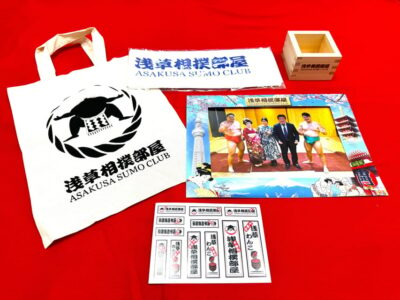
Sumo Show Experience with Chicken Hot Pot and a Photo
Read our review →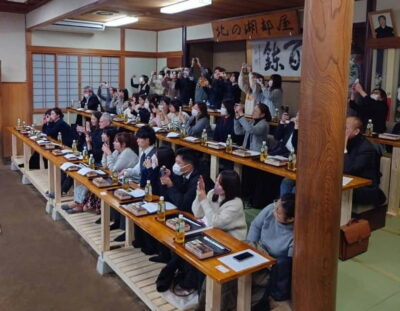
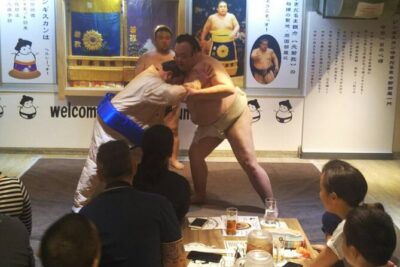
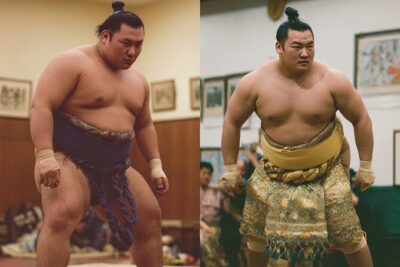
Tokyo Shinjuku Sumo Show & Experience with Photo
Read our review →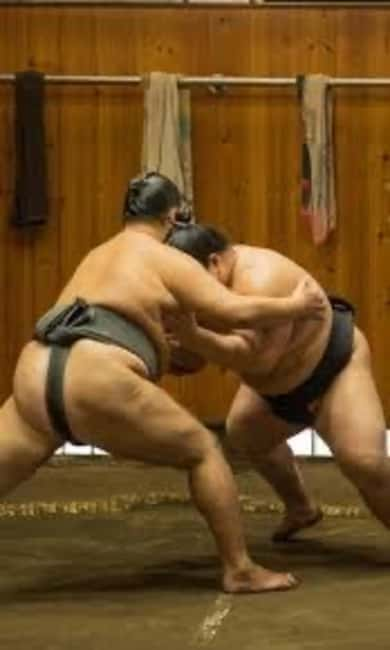
Sumo Show & Experience w/ Optional Kimono & Hot Pot
Read our review →
Authentic Sumo Experience in Tokyo: Enter the Sanctuary
Read our review →Browse the lists this tour appears in