
Reviewed · CALLIGRAPHY CLASSES
Kyoto: Japanese Calligraphy Class
Kyoto Japanese calligraphy feels special for one simple reason: you do it in the middle of your trip, not as a half-day art project. I like that the class is right in front of Kyoto Station, so you are not guessing how to get there after a busy day. I also love that you leave with real work, including a scroll with the characters you write, plus personalized pieces using your name and a favorite word. One drawback to consider is the time limit, it is only about 1 hour, so you will not become a master, even if your brush arm starts feeling brave.
What makes this class easier than you might think is the teaching pace. In reviews, instructors such as Rena, Lana, and Waka are described as patient and focused on getting your strokes right, often with close, supportive coaching. If you want calm, hands-on practice with instant feedback, this is a great fit. Just note it is not suitable for children under 5, so plan around that if you are traveling as a family.
Key Highlights You Should Care About
- Kyoto Station location keeps your day simple, especially if you are moving between sights by train.
- English instruction means you can follow what to do without playing catch-up.
- A Kanji scroll you take home gives you a keepsake that feels personal, not generic.
- Help choosing Kanji for your name so you are not stuck guessing at characters.
- You make extra souvenirs like fans and picture-frame style items, plus postcard or stationary options.
Why This Kyoto Calligraphy Class Feels Worth Your Time
A good calligraphy class in Kyoto does two things fast. First, it teaches the basic mechanics of brush, ink, and paper. Second, it turns those mechanics into something you can keep.
This one is built around a clear flow: you get instruction, you practice basic characters, then you produce finished pieces you can take home. That structure matters because Japanese calligraphy is not just writing, it is the feel of a stroke: direction, pressure, and spacing. When you only have an hour, you want an approach that gets you to an actual result without turning it into a lecture marathon.
The price, around $51 per person for 1 hour, can look like “just a workshop” until you see what you get included. You are not only using tools, you are walking out with multiple items from the session, including a scroll made with your own writing. That turns the cost into something closer to a creative souvenir package, not an expensive class photo.
More Calligraphy Classes in Kyoto
- Kyoto: Calligraphy class at Buddhist temple in city center
★ 5.0 · 167 reviews - Kyoto: Japanese Calligraphy Workshop
★ 4.7 · 84 reviews - Japanese Calligraphy – Shodo – Lesson (near Kyoto Station)
★ 5.0 · 36 reviews
Getting There: Kyoto Station Front Meeting Point
This class makes logistics easy because the location is in front of Kyoto Station. If you have spent any time in Kyoto, you know how often plans depend on train timing, station exits, and whether you are carrying a bag full of shopping. Starting near a major hub reduces that stress.
One detail to keep in mind is that the meeting point may vary depending on the option booked. Still, the activity is centered in the Kyoto Station area, so you can plan to arrive a bit early, look for staff, and get seated without rushing.
If you are pairing this with other Kyoto stops, think of it as a “reset activity.” You get out of the crowd rhythm. Your hands get busy in a focused way. Your brain gets a break from navigating crowds, maps, and menus.
The 1-Hour Flow, From Brush Basics to Your Own Scroll
The class runs for about 1 hour, and the timing can vary a little depending on how everyone finishes the activities. Here is the practical order of what you do.
1) A quick lesson on brush and ink
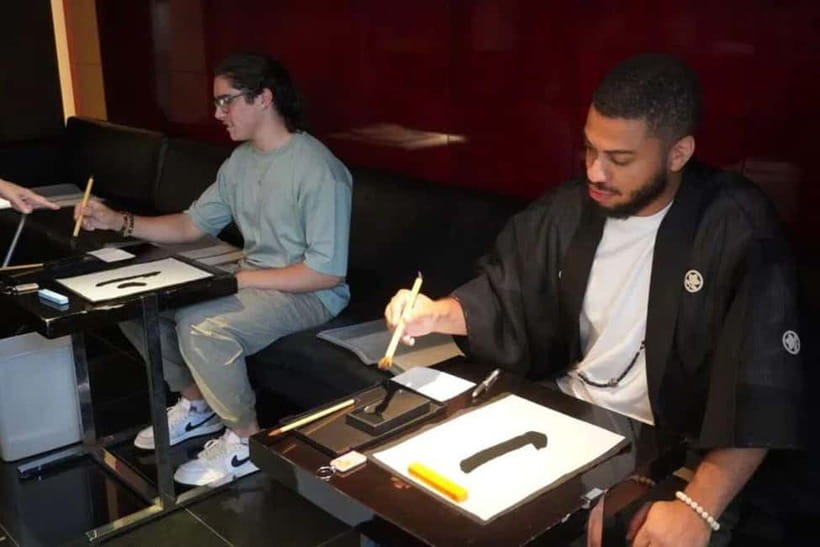
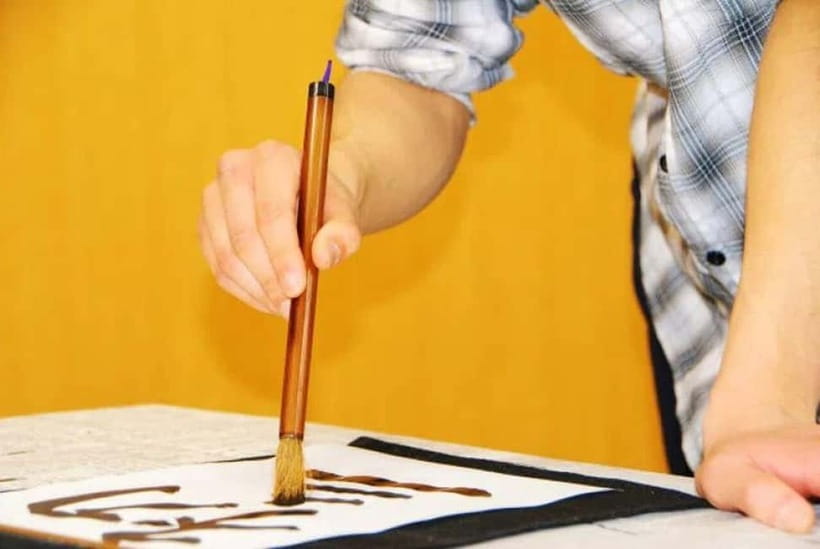
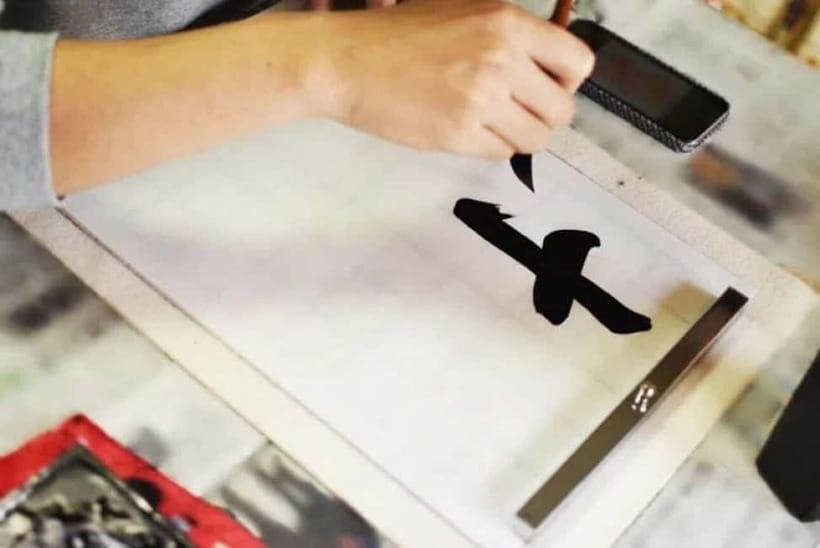
You start with a lecture that explains how to hold the brush and how to apply ink. This sounds simple, but it is the backbone of calligraphy. A brush stroke changes depending on angle and pressure. If you get those basics wrong, your characters can look uneven even when you know what the character is supposed to look like.
If you are worried you will be “bad at art,” relax. The instruction is meant for beginners, and the whole class is designed to move you from guidance to your own writing quickly.
A change of pace from Kyoto:
- PERFECT KYOTO 1-Day Bus Tour
★ 5.0 · 13,518 reviews - Kyoto: Fushimi Inari, Kinkakuji, Bamboo Grove 1 Day Bus Tour
★ 4.8 · 4,316 reviews - Kyoto: Tea Ceremony in a Traditional Tea House in Kiyomizu
★ 4.9 · 3,519 reviews - Kyoto Geisha Walking Tour: Gion District & Hidden Gems
★ 4.7 · 3,273 reviews
2) Practice basic characters
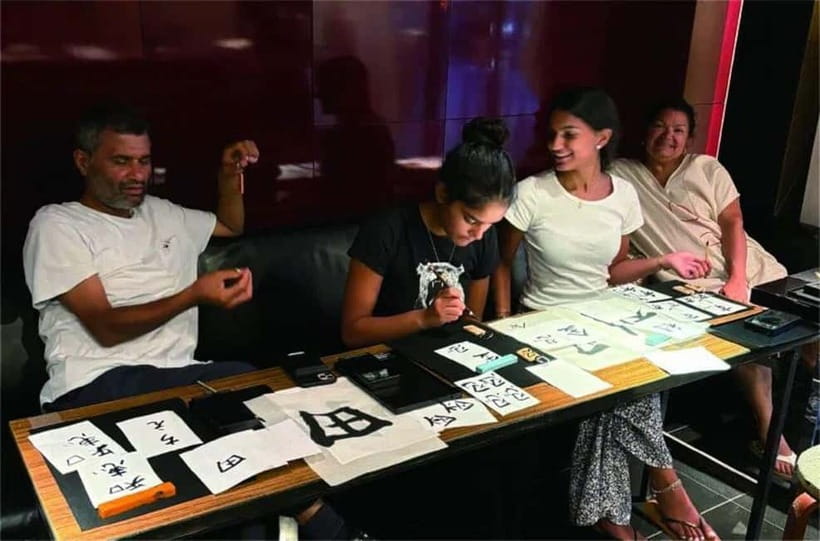
Next comes structured practice. You write basic characters first, step by step. This is not random copying. It gives you control over direction and rhythm before you tackle bigger writing.
In reviews, people highlight how helpful the step-by-step corrections are, including focused coaching to get the strokes right. That is a big deal for first-timers. You do not just learn the “what,” you learn the “how” of the brush path.
3) Create a Kanji scroll souvenir
After the practice, you produce a scroll using the Kanji characters you wrote. This is the moment the class stops being an activity and becomes a keepsake. The scroll format also pushes you to write with intention, because you are producing something meant to be finished and carried home.
You can think of this as the class’s main “output.” If you are someone who wants to leave Japan with something more meaningful than a postcard, this is where the value shows.
Personalize It: Your Name, a Favorite Word, and Stroke Help
The class then shifts from general calligraphy to personalized writing. This is where it feels most special.
Writing your name in Kanji and alphabets
You write your own name in a mix of scripts, including Kanji characters and alphabets (depending on what fits your name). Importantly, the staff assist you with possible Kanji choices and their meanings.
If you have been to Japan, you know that name translations can get complicated. The instructors help you land on options that make sense, including explanation of what each character implies.
To make this concrete, one example given for guidance is:
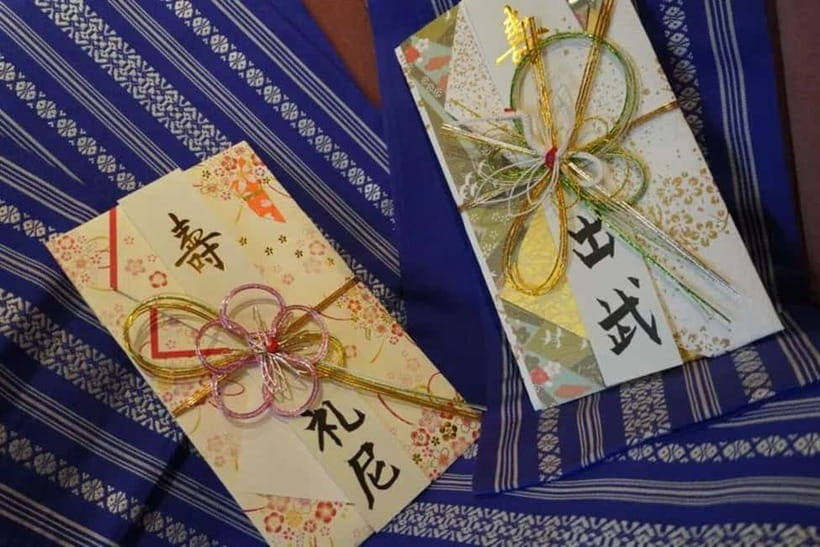
- Brian can be suggested as 武礼安 (with 武 relating to martial ideas, 礼 tied to politeness or gratitude, and 安 tied to peace).
Another example given is:
- Liz can be suggested as 梨図 (with 梨 meaning pear and 図 meaning painting or diagram style).
Even if you do not memorize the characters after the class, you will walk away with a clear sense of how Japanese writing can carry meaning, not just sound.
Writing your favorite word
You also write a favorite word in Kanji, plus alphabets. The staff can assist you with possible kanji characters and their meanings. This turns your souvenir into something like a small personal manifesto: a word that reflects your vibe, not someone else’s travel checklist.
In reviews, people describe the staff as patient and supportive during this stage, especially when they had questions about Japanese writing and the cultural meaning behind strokes.
Close coaching, not a free-for-all
One theme that shows up strongly in the feedback is how supportive the instructors are while you write. People describe individual-style guidance, including help correcting stroke direction and timing so your characters look more like they should.
That matters because beginners often struggle with one specific thing: writing feels too slow at first, and then too rushed at the end. Close help keeps you from developing bad habits and helps you finish with confidence.
Souvenirs You Actually Keep: Fan, Postcard, Frame-Style Items, and More
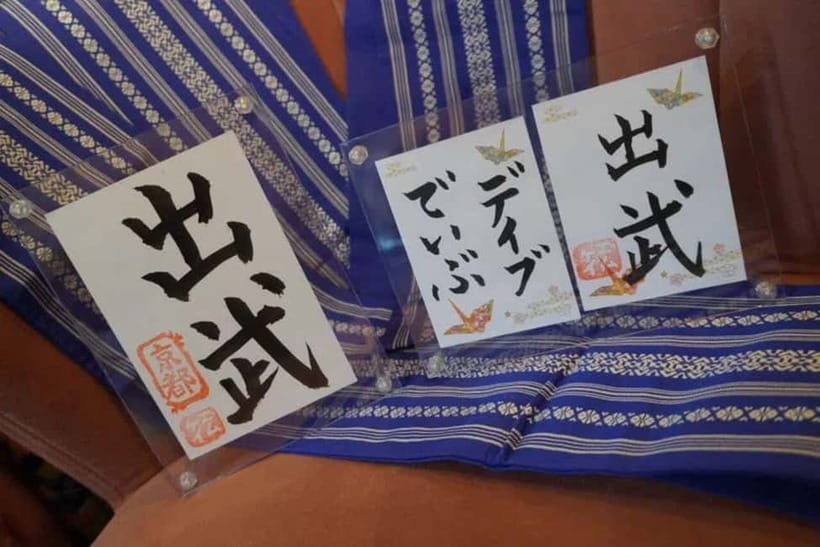
Calligraphy classes often end with one single finished piece. This one is better because you make multiple take-home items.
Here is what you might make, based on what is described:
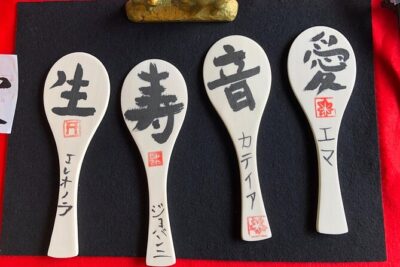
- A scroll with your characters
- A fan you can take home
- Picture frame style items
- Postcard and stationary options
- Additional small souvenirs that fit what the class includes
Even if the exact set of souvenirs varies slightly by session, the consistent point is that you are not leaving with only one sheet of paper. You get a small collection. That is great for gifts, too, because you can share without needing to print anything later.
One practical tip: bring a bag that can handle flat items and a small container for rolled paper if the scroll needs gentle transport. Kyoto crowds move fast. Your job is to protect what you made.
Price and Value: What About $51 Gets You in Kyoto
At $51 per person for about 1 hour, you are paying for three things.
First, you pay for the instruction. English support means you are not forced to guess what the brush instruction means. That saves time and frustration.
Second, you pay for the materials: brushes, ink, and washi-paper are included. Even if you later buy supplies yourself, you will not learn technique from store shelves. The class provides the setup and guidance.
Third, you pay for the output. The scroll and extra souvenirs are the biggest value lever. Your “product” is not just paper. It is something you wrote and can frame, display, or gift.
Compared to many short activities in Kyoto that are mostly about watching or eating, this one gives you a durable, personal result. That is why it makes sense even if you are not “an art person.”
Who This Class Suits Best, and Who Should Skip It
This is a strong choice if you want:
- A beginner-friendly activity
- Something with a clear start, middle, and finished pieces
- An experience with English instruction
- A break from Kyoto’s walking and crowd pressure
It is also a good fit if you are the kind of person who likes hands-on souvenirs. You will not just buy something. You create it.
You should skip it if:
- You are traveling with a child under 5, since it is not suitable for them.
- You hate sitting still for a short, focused block of time. The class is only an hour, but it is still structured, not wandering.
- You expect a long, deep tutorial. This is technique plus output, not hours of calligraphy theory.
For families, reviews include positive notes about kids enjoying the session, but you still need to match the age rule.
Small-Group Comfort and English Support in Practice
A big reason this class earns high marks is how it handles the human side of learning something new.
In reviews, people describe instructors who are:
- Patient and encouraging
- Supportive with questions
- Focused on getting strokes right
- Comfortable teaching people with little or no background
Some reviews also mention close attention, with teaching described as 1:1 style at times. That is exactly what you want in calligraphy. When your character shape is off, you need quick correction, not “good job” and a shrug.
English instruction being included is also a quality-of-life factor. You can understand the instructions, and you can ask about character meaning. That turns calligraphy from a craft into a small cultural lesson.
If you are nervous about sounding silly while you learn, you can relax. The class is set up so you learn by doing, and your questions are part of the process.
Should You Book This Kyoto Calligraphy Class?
Book it if you want an hour-long Kyoto activity that produces something you can keep and show. If you like hands-on crafts, if you want an English-friendly way to try Japanese calligraphy, and if you value having your own personalized writing, this is a great use of time near Kyoto Station.
Skip it if you are chasing only the most scenic experiences. This class is not about views. It is about skill and keepsakes.
If you decide to go, do one small thing that helps a lot: arrive with a name and a favorite word ready to share. The more prepared you are with your “personal content,” the smoother the personalized writing part feels.
FAQ
Where is the meeting point?
It is in front of Kyoto Station. The exact meeting point may vary depending on the option you book.
How long is the calligraphy class?
The class takes about 1 hour, and the timing may vary depending on how quickly the activities are completed.
Is instruction available in English?
Yes. The instructor teaches in English.
What materials are included?
You are provided with the use of brushes, ink, and washi-paper.
Can I take my work home?
Yes. You can take home what you create, including a Kanji scroll and other items made during the session as souvenirs.
Will the staff help with the Kanji for my name?
Yes. Staff assist with possible Kanji characters and their meanings for your name and help during the writing process.
Are private or small groups available?
Yes. Private or small groups are available.
Is this class suitable for young children?
No. It is not suitable for children under 5 years.
Is there free cancellation and a reserve-and-pay-later option?
Yes. You can cancel up to 24 hours in advance for a full refund, and there is a reserve now, pay later option to keep your plans flexible.
Latest write-ups near Kyoto
- Kyoto Tea Ceremony and Samurai Photo Session★ 5.0 · 70 reviews
- Kyoto: Replica food making experience★ 4.8 · 70 reviews
- Kyoto: Kinkakuji, Golden Pavilion Guided Tour★ 4.7 · 71 reviews
- Private departure transfer from Kyoto city to Kansai International airport★ 5.0 · 72 reviews
- Uji: Green Tea Tour with Byodoin and Koshoji Temple Visits★ 4.8 · 72 reviews
- Kyoto: Geisha Dinner & Gion Cultural Walk★ 5.0 · 73 reviews
- Kimono and Yukata Experience in Kyoto★ 4.5 · 73 reviews
- Kyoto: Toei Kyoto Studio Park Admission Ticket★ 4.1 · 73 reviews
Calligraphy Classes, compared.
Calligraphy class at Buddhist temple in city center
Read our review →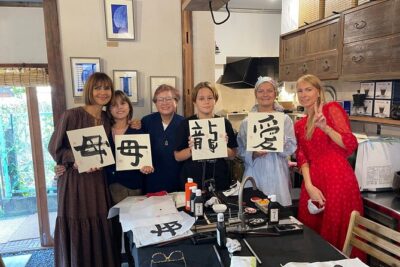
Let’s experience calligraphy in YANAKA, Taito-ku, TOKYO !!
Read our review →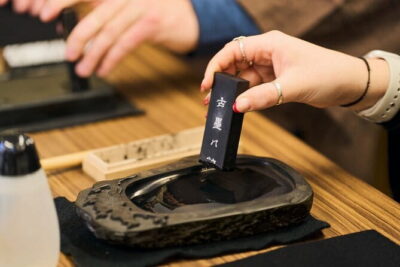
Calligraphy Workshop & Original T-Shirt Creation
Read our review →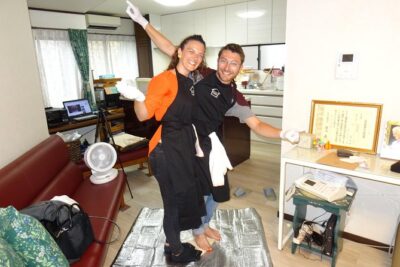
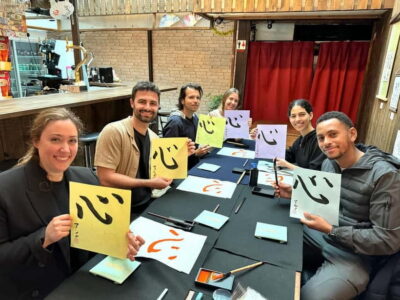
An Amazing set of Cultural experience: Kimono, Tea Ceremony and Calligraphy
Read our review →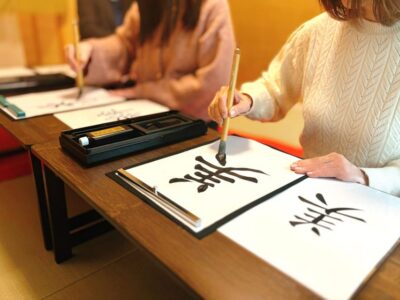
Browse the lists this tour appears in