
Reviewed · MIYAJIMA TOURS
Miyajima Highlights: Itsukushima Shrine & Island Nature
Miyajima gets written up as a must-see, but what makes this tour different is the way it’s explained by someone who grew up with Hiroshima in their bones. You walk the island with a guide who can tie the spiritual spots to everyday meaning, not just postcard facts, and you also get time for the quieter corners most people skip.
I love the private, flexible pacing, and I love that you get guided context at each stop, especially around the shrine symbolism. It feels less like ticking boxes and more like understanding why this place mattered, and still matters.
One heads-up: the famous floating torii gate depends on the tide, so you’ll do your best for the iconic view, but nature sets the final timing.
Key things I’d prioritize
- Hiroshima-connected local guides who can explain the meaning behind the sights with personal, lived context
- Itsukushima Shrine and Daishoin with focused time for temple details, not a rushed photo sprint
- Torii photo stops that respect tide timing, so you’re not left chasing a moving target
- Quieter Miyajima routes beyond the main sightseeing loop
- Senjokaku Pavilion and Omotesandō Street for a fuller sense of island spirit and daily life
- Pickup and photo support, including photography data after the tour
Why Miyajima hits harder with a Hiroshima local guide
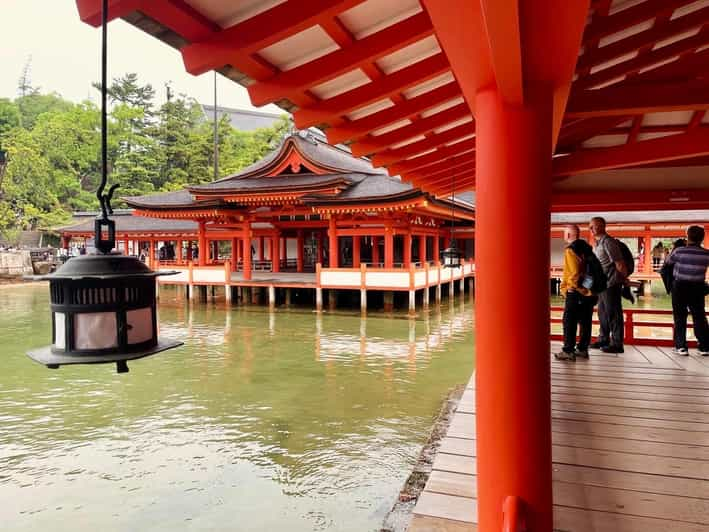
Miyajima is one of those places where everyone wants the same photos. The trouble is, if you go only by signs and guidebooks, you miss the human thread that ties together shrine rituals, seasonal rhythms, and the island’s long sense of sacredness.
On this private tour, your guide is from the Hiroshima area, and that matters. Names like Aya, Masa, Yuka, and Masayo show up in past experiences, and the common theme is how they connect what you see on Miyajima to what they carry from Hiroshima. That could be cultural memory, family stories, or simply the way locals talk about the shrine grounds as something living.
You also get a relaxed pace. This is not a cram-your-camera-full-of-ticks plan. It’s built for listening, walking, and taking a breath between the big sights.
More Miyajima crossings:
- Peaceful Hiroshima & Miyajima UNESCO 1 Day Bus Tour
★ 5.0 · 5,309 reviews - Hiroshima: Hiroshima and Miyajima UNESCO Sites 1-Day Tour
★ 4.9 · 2,330 reviews - Hiroshima / Miyajima Full-day Private Tour with Government Licensed Guide
★ 5.0 · 1,298 reviews
Getting there from Hiroshima, plus why the timing feels fair
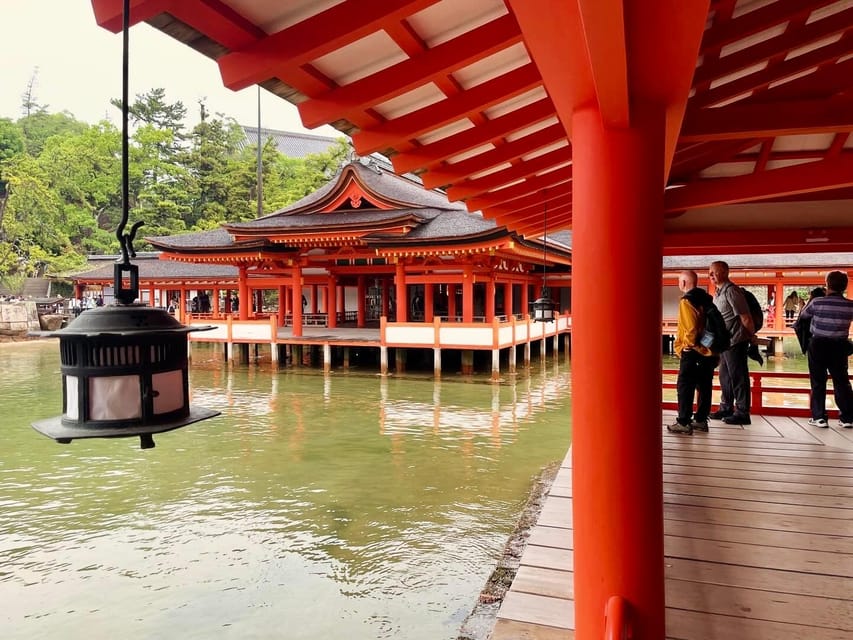
The day starts with pickup around central Hiroshima, with multiple pickup options in the city, and pickup on foot. If your exact address is not in the standard list, the provider says you can indicate it by email, and they will pick you up if you are in central Hiroshima City.
Once you’re moving, you’ll use public transportation. Expect about 45 minutes by train and 15 minutes by ferry to reach Miyajima. The tour also notes it takes about an hour to get to Miyajima overall, and the plan intentionally keeps the day focused on Miyajima rather than splitting time evenly with Hiroshima.
That focus is a real value for a half-day. If you’ve got limited time in the region, you’ll feel like Miyajima is getting the attention it deserves.
Floating torii gate photo stop, and the tide reality check
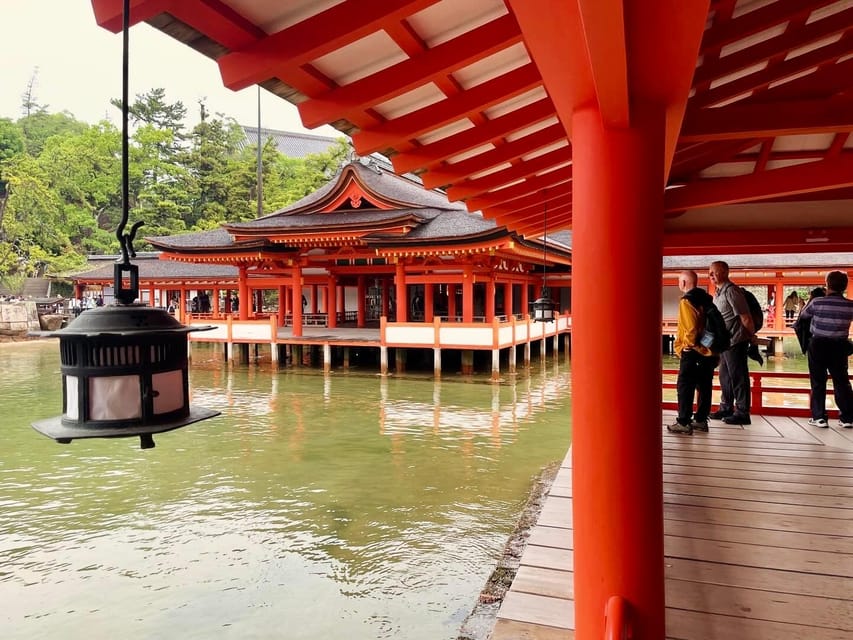
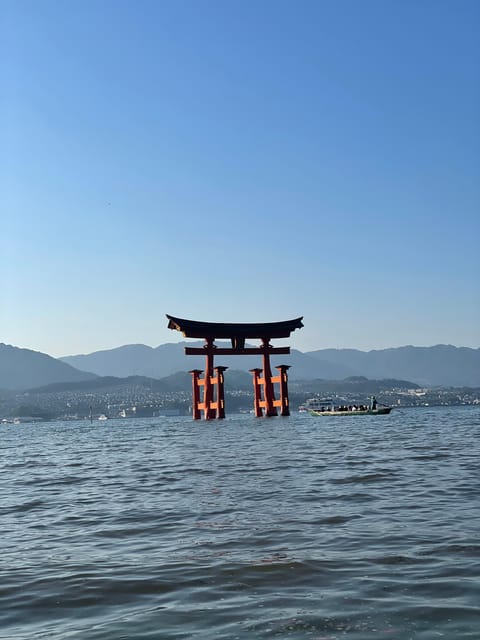
The first big iconic moment is the Itsukushima Floating Torii Gate. You’ll have a photo stop with a guided explanation, then continue to the shrine complex.
Here’s the practical part: the tour explicitly warns that the torii gate view may be affected by low tide. You’ll do your best to catch the classic look, but don’t build your day around one single moment of water height. The guide’s role is to help you interpret what you are seeing at that specific tide, rather than letting you feel like you missed something.
I like this approach because it keeps the pressure off. Even when the waterline changes, the shrine area still carries meaning, and the guide can help you read the space instead of just chasing a perfect reflection.
Itsukushima Shrine grounds: how the walk turns into meaning
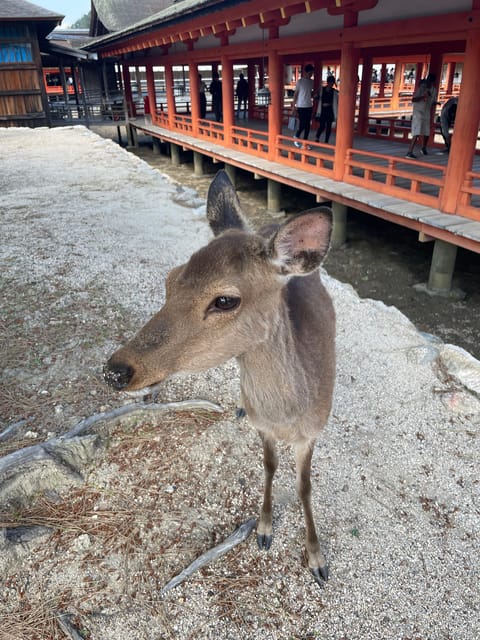
Next comes time at Itsukushima Shrine, with sightseeing and guided context. You get about 30 minutes here, which is long enough to slow down.
What I’d expect you to gain from the guide is not just facts about structures. You’ll learn how the shrine’s spiritual tradition connects to the island’s identity, and why Miyajima has been treated as sacred for centuries. Your guide will explain symbolism in a way that feels tied to local life, not only to academic descriptions.
This is also where a private format helps. If you want to ask questions, pause for photos, or step aside to get a better view, you can. The guide adjusts to your interests and pace, including photography focus or a more reflective visit.
More Temple & Shrine Tours in Hiroshima:
- Hiroshima and Miyajima Day Trip with Itsukushima Shrine & Ferry
★ 5.0 · 378 reviews - Miyajima: Cultural Experience in Zen Temple
★ 5.0 · 258 reviews - Day Trip to Hiroshima & Miyajima with Itsukushima Shrine
★ 4.6 · 124 reviews - Hiroshima & Miyajima 6.5h Guided Tour – Dome, Park & Shrine
★ 4.9 · 83 reviews
Daishoin temple time: the part that needs slow feet
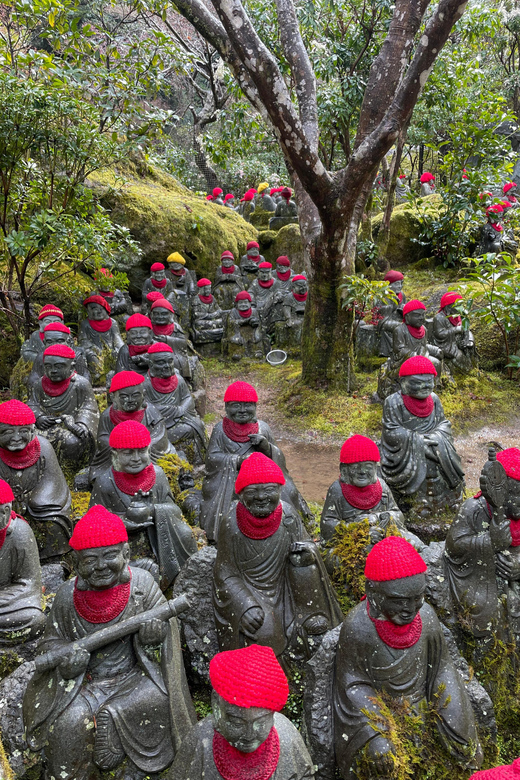
After the torii and shrine, you’ll head to Daishoin, the temple area that many people remember for its sense of scale and atmosphere. The plan includes a photo stop plus guided time, about 1 hour total.
This is the stop where I think most visitors benefit most from a guide. Temple grounds can feel like a blur if you’re only reading plaques. With guidance, you can understand how buildings, routes, and devotional spaces fit together, and you’ll get stories that make the place feel intentional rather than random.
If you like photos, this is also where you can time your shots. If you like atmosphere more than images, it’s still worth the time because you’ll be able to actually walk the grounds instead of sprinting from one highlight to the next.
Senjokaku Pavilion and Omotesandō Street: everyday island life in 40 minutes
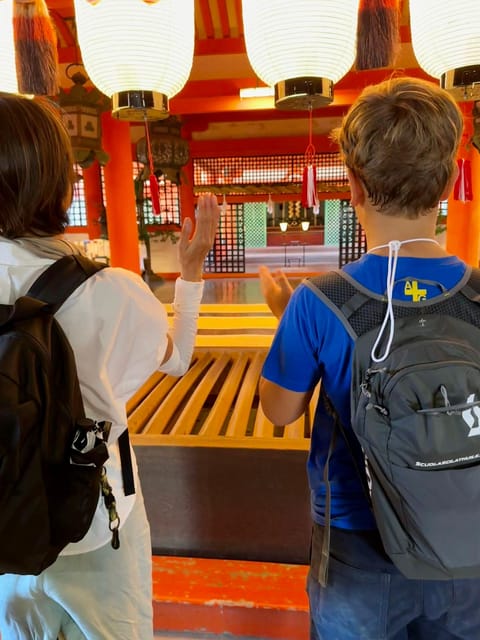
Then you’ll visit Senjokaku Pavilion. You’re scheduled for a photo stop plus guided context for about 10 minutes. It’s shorter, but that can work well if you already have momentum from the shrine and temple areas. The guide can help you see what is significant in the structure and why it matters in the overall shrine-world of Miyajima.
After that, you’ll step into Miyajima Omotesandō Shopping Street for about 40 minutes. This is your chance to see the island in a more normal, human way: people walking, shops operating, the rhythm of a day that feels lived-in. Food and drink are not included, so you’re free to choose what suits you, whether that’s a snack you’ve been craving or a calmer pace just browsing.
I like that mix because the tour doesn’t keep you trapped inside sacred spaces the whole time. It balances spirituality with street-level reality.
Going beyond the main route, without turning it into hard hiking
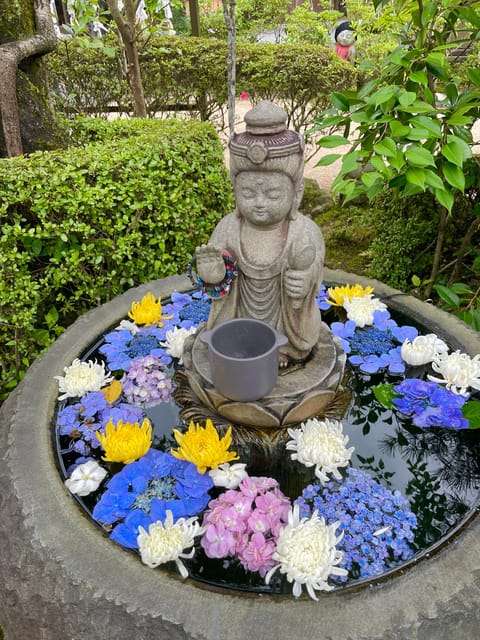
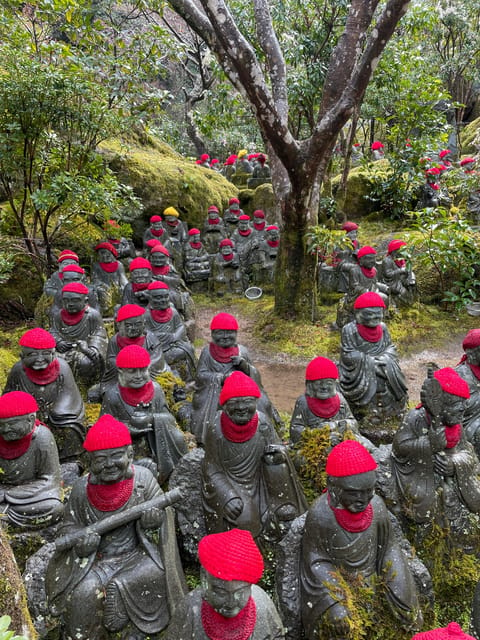
One of the highlights of this experience is the promise to explore beyond the most crowded sightseeing paths. The plan builds in time for “quieter corners” of the island, plus a relaxed walk time early on.
This matters because Miyajima’s main area can get busy. By adding side routes and slower stops, you’re more likely to feel Miyajima as an island community rather than as a checklist.
There is also an optional direction you can discuss in advance, like hiking Mt. Misen or doing an activity such as baking momiji manju by hand. If you want more nature time or a hands-on cultural add-on, you should tell the provider ahead so the guide can adjust.
Private guide service: why it feels worth paying for
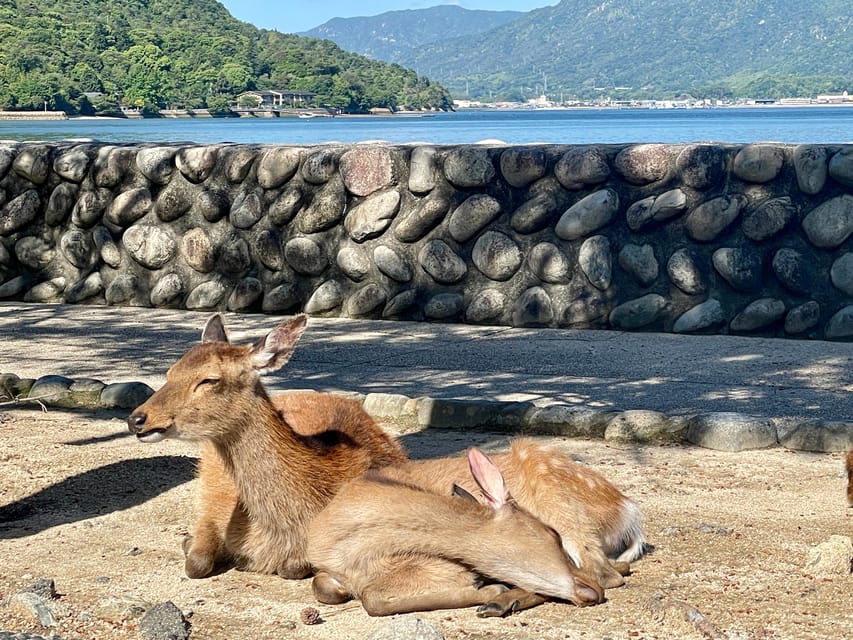
At $138 per person for about 5 hours, you should ask what you’re buying besides access to the big sights. The answer here is time and translation, plus decision-making.
You get a private group, so your guide can:
- Explain what you’re seeing in English or Japanese
- Adapt pacing if someone in your group moves slower
- Adjust the day if you’re heavy on photography or heavy on reflection
- Offer practical context so you know where to look and what to notice
The guide’s preparation is also part of the value. Past experiences note that guides show up ready for tough weather, including bringing items like parasols and cooling gear on hot days. That’s not glamorous, but it’s exactly what keeps a half-day enjoyable.
And you get photography support: the tour includes photography, and you receive the data after. That can be a lifesaver if you’re traveling as a family or you want consistent photos without passing a phone back and forth all day.
Price and value, plus what costs extra
Let’s talk money in a grounded way. The tour price is $138 per person for a private, guide-led half-day focused on Miyajima. Included services are a Hiroshima native guide, pickup service on foot, communication in advance if you need it, and photography with photo data provided.
What is not included is also clear:
- Transportation fee (separate from the tour coordination)
- Visitor’s tax to Miyajima
- Food and drink
This is pretty normal for Japan day tours, but it changes the real cost. If you want lunch and snacks included, you’ll need to budget separately. If you’re sensitive to tipping culture, you’ll also want to plan your own comfort spending for street food on Omotesandō.
Still, the value makes sense if you want more than a basic guided loop. You’re paying for a real guide relationship and a day that stays flexible instead of locking you into a fixed script.
Practical tips so your torii and shrine photos don’t turn stressful
A few things that will make your day smoother:
Plan for tide uncertainty. Even with the best effort, the water level can change. The guide can help you photograph in ways that still look strong when the classic reflection is missing.
Bring comfortable walking shoes. You’ll do multiple guided walking segments, plus temple grounds where you’ll naturally slow down.
Treat weather like part of the itinerary. The tour format includes a guide who tends to prepare for comfort, but you should still show up with your own basics. If it’s hot, you’ll thank yourself for water and shade.
If you care about a specific focus, say so early. The tour is designed to adjust to your interests, including photography or a more reflective visit. Tell your guide what you want to prioritize.
Should you book this Miyajima private walking tour?
Book it if you want Miyajima to feel like a place people live in, not just a place you pass through. The best reason is the guide perspective, especially with a Hiroshima connection that can explain the symbolism and cultural memory behind the sights. If you’re traveling as a family group, it also sounds like the guide handles different needs smoothly while keeping the day calm.
Skip it or reconsider if you only want the bare minimum highlights and you’re comfortable self-guiding with no tide pressure. A DIY plan can work well for the classics, but you’ll miss the storytelling that helps the shrine grounds click into place.
If your goal is to leave Miyajima understanding more than you started with, this private tour is a solid choice.
FAQ
How long is the Miyajima tour?
The tour duration is 5 hours.
How do I get picked up in Hiroshima?
Pickup is included and is done on foot. The provider offers many pickup location options, and if your hotel or Airbnb is not listed, you can indicate it via email. They will pick you up if you are in central Hiroshima City.
What transportation is used to reach Miyajima?
The tour uses public transportation, including about 45 minutes by train and about 15 minutes by ferry. If you prefer, taxi can be used.
What is included in the tour price?
Included are a Hiroshima native guide, communication with details in advance if needed, pickup service on foot, and photography with photo data provided.
Is food and drink included?
No. Food and drink are not included.
Is the tour wheelchair accessible?
Yes, the tour is listed as wheelchair accessible.
What languages are available for the guide?
The live tour guide is available in English and Japanese.
Will the floating torii gate always be visible?
The guide will do their best to see the floating torii gate, but it may be affected by low tide depending on the tide.
Latest write-ups near Hiroshima
- Hiroshima: Atomic Bomb Dome and Peace Memorial Museum 3 hours★ 5.0 · 20 reviews
- Hiroshima: City and Miyajima Bike and Boat Tour★ 5.0 · 20 reviews
- Miyajima Guided Tour and Fresh Oyster Farm Tour★ 5.0 · 20 reviews
- Hiroshima: Tour of Atomic Bomb Dome & Peace Memorial Museum★ 5.0 · 20 reviews
- Miyajima Highlights: Itsukushima Shrine & Island Nature★ 5.0 · 21 reviews
- Dinner Cruise on HANAIKADA (Raft-Type Boat) with Scenic View of Miyajima★ 5.0 · 21 reviews
- History of Hiroshima Group Walking Tour★ 5.0 · 23 reviews
- Hiroshima Private Tour with a Local – Highlights & Hidden Gems★ 4.5 · 24 reviews
Miyajima Tours, compared.
Peaceful Hiroshima & Miyajima UNESCO 1 Day Bus Tour
Read our review →
Hiroshima and Miyajima UNESCO Sites 1-Day Tour
Read our review →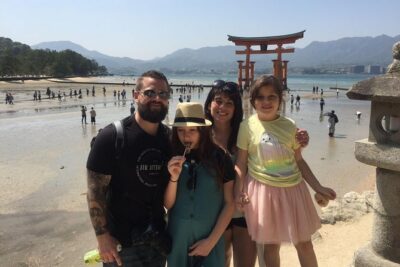
Hiroshima / Miyajima Full-day Private Tour with Government Licensed Guide
Read our review →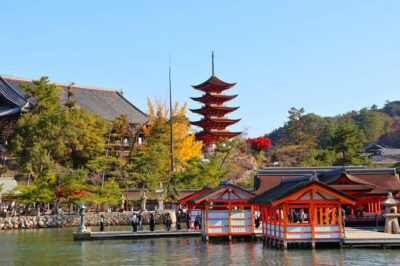
Osaka/Kyoto: Hiroshima Miyajima Bus Tour & Shinkansen Ticket
Read our review →
Hiroshima and Miyajima Day Trip with Itsukushima Shrine & Ferry
Read our review →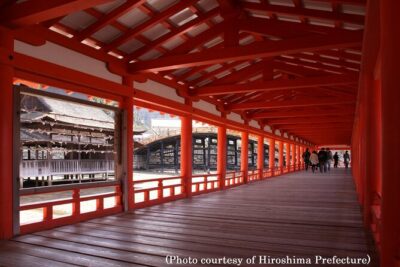
Full Day Hiroshima and Miyajima Bus Tour from Hiroshima
Read our review →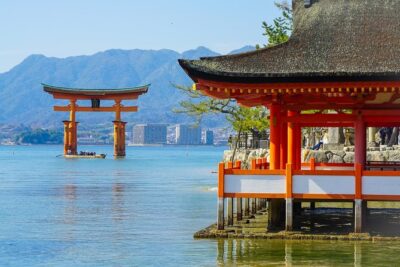
Miyajima Half-day Trip Historical Walking Tour
Read our review →Browse the lists this tour appears in