
Reviewed · SUMO EXPERIENCES
Tokyo: Sumo Tournament Tour with Chair Seat Tickets
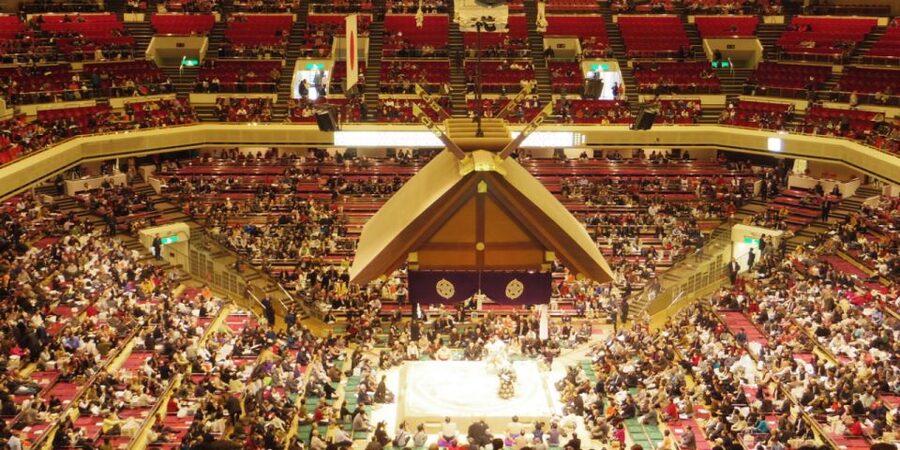
Sumo is one of those things that sounds like theater until you see it in real life, at full volume, with real rules and real stakes. This tour is interesting because it turns a complicated sport into something you can actually follow, right from the ring-entering ceremonies through the main bouts. I love how you get to sit close enough to feel the momentum from the crowd, and I love the way the guide keeps translating sumo into plain human terms, with standout guides like Taka and Mieko calling out what to watch.
The best part, for first-timers, is that you are not guessing. A possible drawback: depending on the option you pick, your seats are not chosen in advance. So while most people say the view is strong in a small arena, you might still wish you were a bit nearer if you are picky about distance.
Key things to love about this Tokyo sumo tour
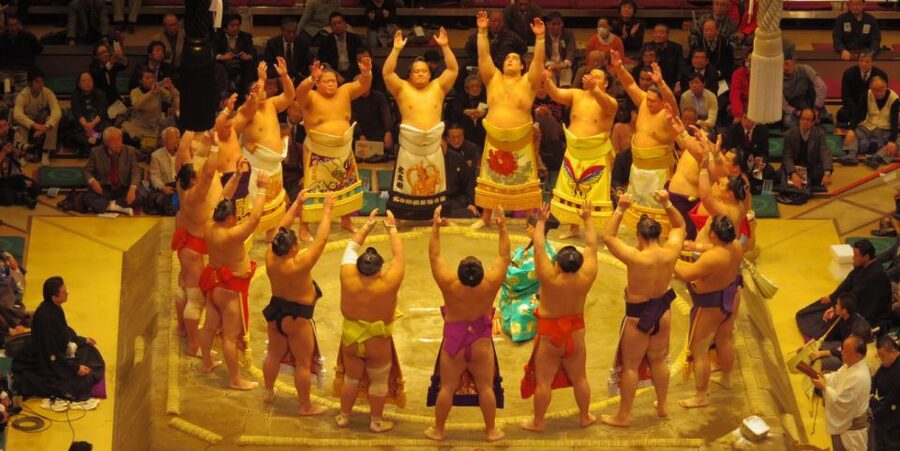
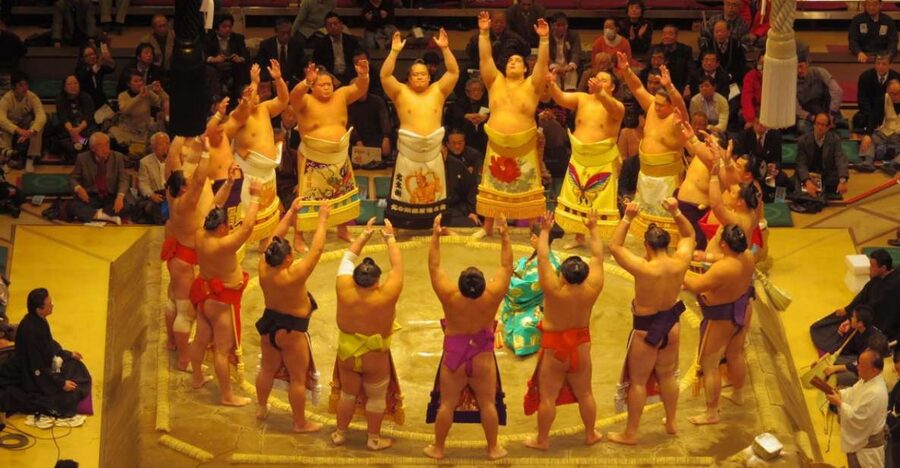
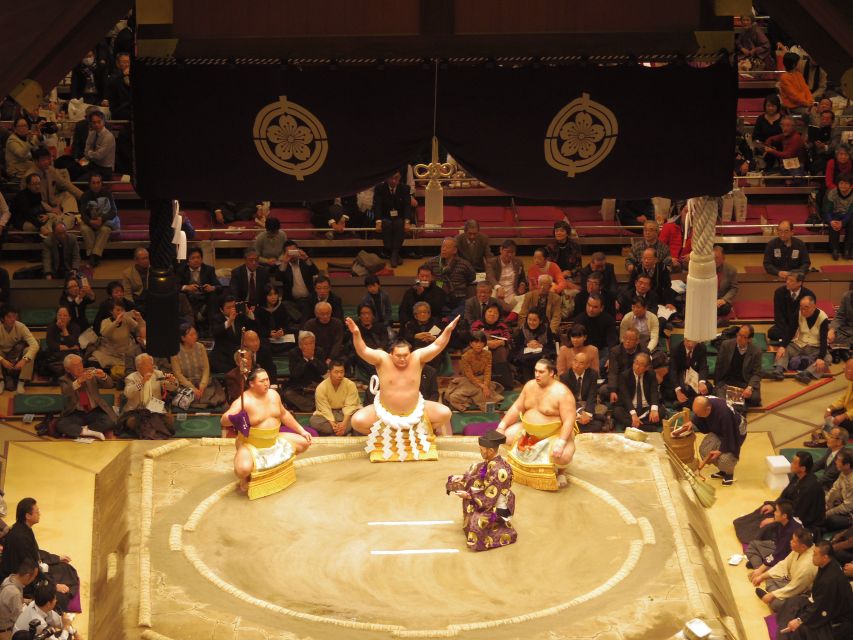
- Ryogoku Kokugikan tournament timing, including the Makuuchi ring-entering ceremony and the Yokozuna ceremony before the action starts
- 2F chair seats or 1F box seats, with staff helping you get settled without seat-picking stress
- English-speaking professional guide, with explanations that help you understand rankings, tactics, and crowd reactions
- A sumo supporter kit option, so you can cheer the way Japanese fans do
- A group tour pace that keeps you from getting lost in the entry process and tournament flow
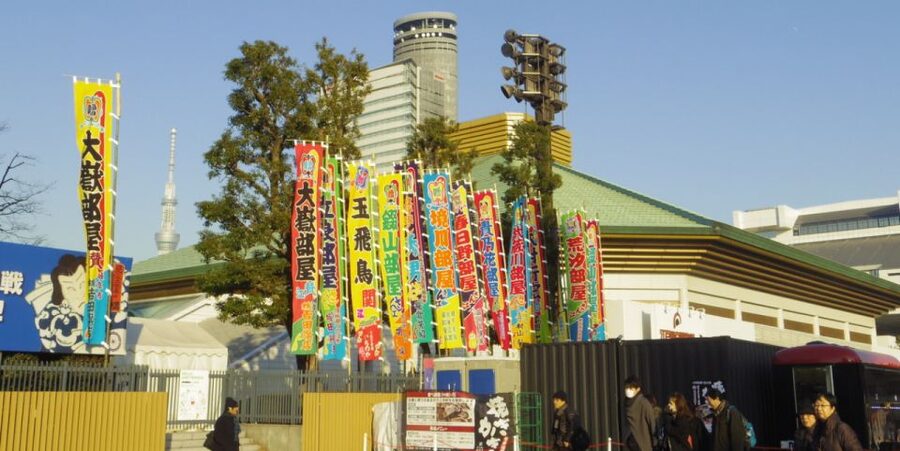
Ryogoku Stadium, where sumo feels big and close
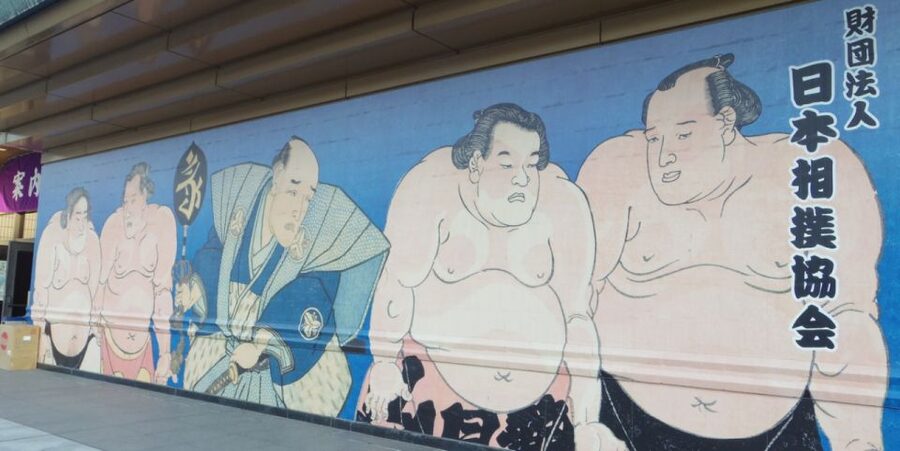
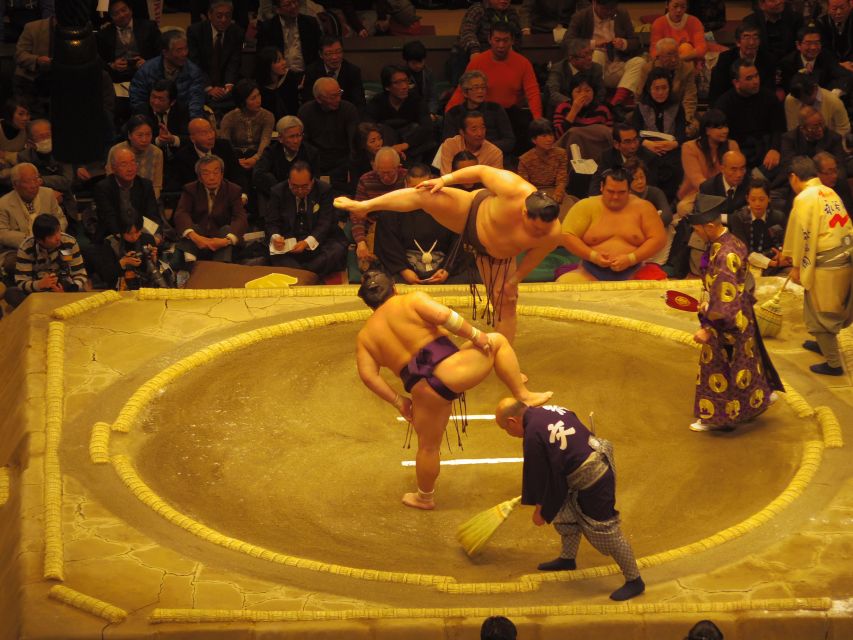
Tokyo’s sumo tournament scene is special because it is not built for tourists. It is built for the sport and the rhythm of a full day of competition. You show up, you follow the ceremonies, and then you watch these athletes hit, shove, pivot, and counter like the world’s most intense hand-to-hand chess match.
What makes this tour work is that it gives you a map for the chaos. At Ryogoku Sumo Stadium, the atmosphere ramps up fast. One moment you are learning what you are about to see, and the next moment the ring is surrounded by focus, clapping, and that sharp sumo intensity you can feel through the stands. If you have ever felt lost in a live show because you did not know the rules, this is the fix.
I also like the group format. You meet near JR Ryogoku Station, walk over together, and then the guide stays with you through the key phases. That matters because sumo entry can feel procedural, especially when multiple groups are arriving around the same time.
More Sumo Experiences in Tokyo:
- Tokyo: Sumo Show Experience with Chicken Hot Pot and a Photo
★ 4.8 · 6,678 reviews - Tokyo: Sumo Show and Dining Experience
★ 4.8 · 2,742 reviews - the SUMO show
★ 5.0 · 1,960 reviews
Your seat choice: 2F chair seats vs 1F box seats
This experience is priced to get you into a real tournament, and that means seating matters. You will choose between options, but you will not pick exact seats. Your ticket type decides the zone.
2F chair seats
Most people seem to land in 2F chair seating if they book that option. These are often described as far from the ring when you stare at a map, but then people are surprised by how well they can still follow the bouts. The arena is small, so even higher seating often works. The tradeoff is that seats can feel cramped, and a few people noted the distance or small seat size.
If you want a balance between price and a good overall view, 2F chair seats are usually the sweet spot. You are still up and able to see the ring and the crowd energy clearly.
1F box seats
If you pick 1F box seats, you get a dedicated space and people mention enjoying their own area without sharing. That tends to feel more comfortable, and it can reduce the “are we squeezed?” factor. If you are sensitive to seat spacing, 1F box seats are likely worth the adjustment.
One note that helps you plan: large luggage cannot be brought into the seating area. So whichever seat you take, travel light if you can.
A change of pace from Tokyo:
- Mt Fuji and Hakone 1-Day Bus Tour Return by Bullet Train
★ 5.0 · 26,383 reviews - 1-Day Tokyo Bus Tour
★ 5.0 · 14,250 reviews - Tokyo: TOKYO SKYTREE® Admission ticket
★ 4.5 · 11,192 reviews - Tokyo: teamLab Planets TOKYO Digital Art Museum Entry Ticket
★ 4.6 · 9,779 reviews
The day’s timeline: ceremonies, main bouts, and when to look up
The schedule runs like a real tournament day, not like a casual attraction. That is part of the value. You are there for the moments that make sumo feel formal.
You meet at the West Gate of JR Ryogoku Station at 2:15 PM. From there you head to Ryogoku Sumo Stadium.
Once you are settled, here are the key moments you can expect, in order:
- 3:40 PM: the ring-entering ceremony for the Makuuchi division
- 3:55 PM: the ring-entering ceremony for the Yokozuna division
- 4:10 PM: the start of Makuuchi division bouts
- 6:00 PM: the tour ends
Why this timing matters: those early ceremonies are not filler. When you understand what the athletes are doing and why they look so composed, you appreciate the later chaos even more. The guide helps you spot what matters instead of watching randomly.
Also, the tour is set up so you are not scrambling at the last second to find your seat or interpret signage. You are walking into the arena at the right time, which makes the whole day feel calmer.
What your English guide actually does for you
This is one of those tours where the ticket is only half the story. The other half is the person leading you through it.
Across the experience, the guides tend to bring the sport down to human scale. People consistently praised how their guide explained rules and what to watch, and it usually comes with specifics like:
- why certain wrestlers are positioned or treated differently
- what to look for during pushing and footwork
- how the crowd’s reactions connect to strategy, rank, or outcomes
Names that came up in a big way include Taka, Mieko, Sho, Mia, Hiro, Take, Kaz, and Yuko-san. The common theme: the guides do not just recite facts. They point your attention to the moving parts you would miss on your own.
A smart tip: go in with a basic plan. When the guide pauses to explain something, treat it like a cue to rewatch the next exchange with fresh eyes. Sumo is fast when the match starts, and it gets even easier to follow when you already understand what the wrestlers are trying to do.
The sumo supporter kit option: cheering that makes the match louder
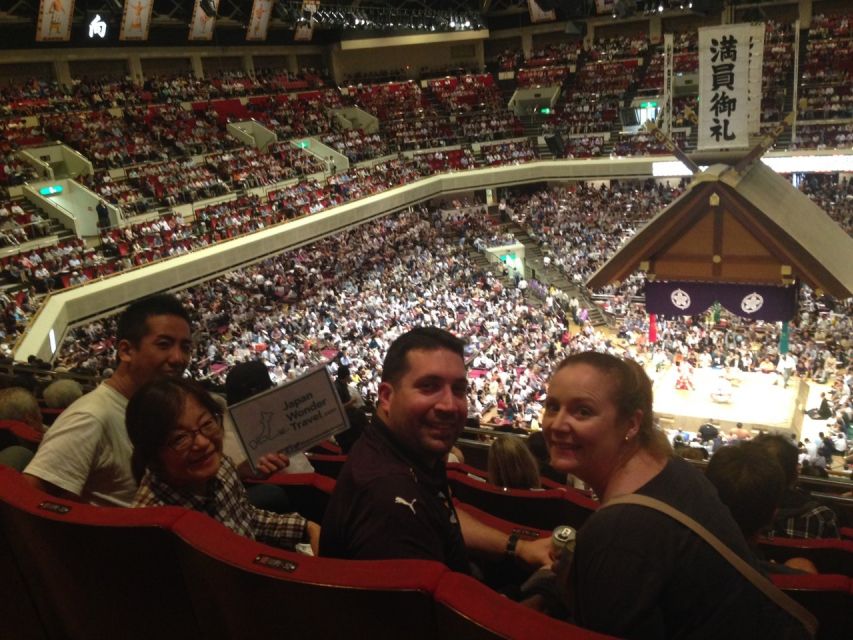
If your option includes the sumo supporter kit, you are not just sitting there. You get a kit meant for cheering like a Japanese fan.
That matters more than it sounds. Sumo is not only about the ring. It is about the crowd rhythm, the timing, and the collective reaction when something goes right or wrong. When you have the tools and instructions that match the vibe of the arena, it is easier to feel part of the event.
People described this kit as helping them cheer like they belonged, and that is exactly what you want on a first tournament trip. You get to participate, not just observe.
What you learn while the bouts keep coming
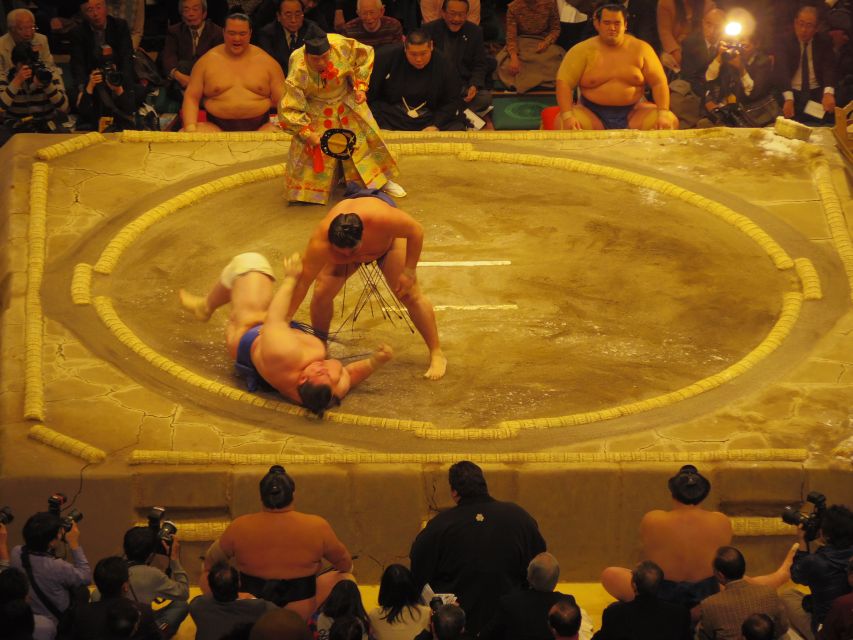
Sumo has layers, and the guide helps you climb them in the right order.
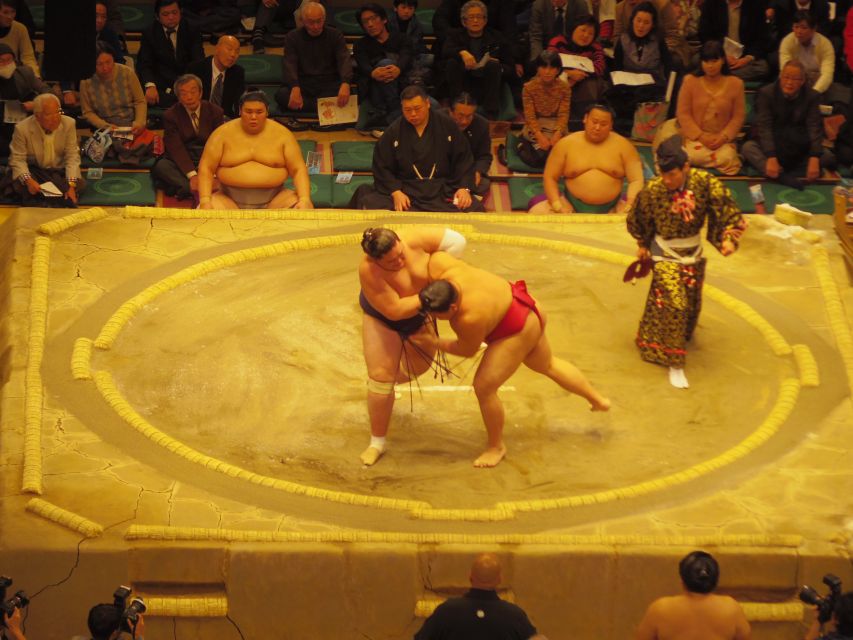
You will learn the structure of the sport and what you are watching as bouts progress. The day includes the entry ceremonies for major divisions, then you watch the Makuuchi bouts where the action ramps up and the tactics tighten.
Here’s why this tour’s explanation is valuable: without context, sumo can look like simple pushing. With context, you start noticing the technique. You catch small shifts, defensive grips, and why a wrestler tries to force position instead of just power their way through. You also understand rank and how it shapes expectations, including how the audience responds.
Even if you only know a few basics, the guide fills in the gaps. Some people liked that their guide even handed out written info, like a paper listing fights and wrestlers for the day, plus where everyone stood in the order. That kind of help can turn your seat into a front-row classroom.
Food and drink: what is included, what might confuse you
Food is a common question, because sumo day usually means you want something warm and simple.
From the core info, food and drinks are not included. But the tour also mentions a Lunch option, which suggests some booking choices add a meal. In practice, people were not always clear about what that lunch would look like, even when they felt it was fine.
So my practical advice is this: when you book, confirm whether you have a lunch add-on for your specific option. If you do not, plan to buy inside the stadium. Food inside the arena is generally described as reasonably priced.
If you have allergies or dietary restrictions and you choose a lunch option, you should tell the operator during or right after booking so they can handle it.
Logistics that actually matter on tournament day
This is a “real event” experience. That means you should plan for the kinds of small frictions that pop up at busy venues.
A few things to know upfront:
- No baby strollers in the tour rules
- Large luggage cannot go into the seating area
- The tour is not suitable for wheelchair users
- Children 3 and under enter for free but sit on your lap
- Children 4 and up need their own seat and ticket
Also, be ready for the meeting process. The meeting point can vary by option, but the standard one here is the West Gate of JR Ryogoku Station at 2:15 PM. Multiple tour groups can overlap in the same area, so double-check your email instructions and arrive on time.
Once you are in, the flow is smoother. People repeatedly said the guide made entry and seating stress-free, and that is the difference between enjoying the day and spending it in confusion.
Price and value: why $141 can feel fair
At $141 per person, this is not a cheap add-on. But it is also not just a ticket to a match.
You are paying for:
- entry to a Tokyo sumo tournament
- reserved seating in your chosen tier (2F chair or 1F box)
- a professional English-speaking guide who helps you understand what you are seeing
- the option for a supporter kit
The value shows up when you consider what it would cost you in time and effort to hunt down legit tickets on your own. Sumo tournament tickets are known to sell out, and even motivated people can end up stuck when they try to book independently. This tour removes the headache and trades it for a straightforward price.
Is it perfect value? That depends on your priorities. If you already have tickets and you do not care about learning the rules, you might feel the guide is extra. But if you want the experience to click, and you want to cheer and understand rank, tactics, and ceremony, the guide turns the day into something you will remember.
Who this tour suits best
This is a great fit if:
- you are a first-timer to sumo and want it explained in plain English
- you want a guided path through ceremonies and match flow
- you like cultural context as much as the spectacle
- you prefer not to gamble with ticket logistics
It is less ideal if:
- you are very price driven and already have tournament tickets secured
- you are extremely picky about seat closeness, since you cannot pick exact seats
- you need wheelchair access, since the tour is not suitable
Should you book this Tokyo sumo tour?
If you are in Tokyo during one of the annual tournaments and you can make the timing work, I think booking is a smart move. The core reason is simple: you get access to a real tournament day, plus an English guide who helps you understand what you are seeing, including the Makuuchi and Yokozuna ceremonies before the main bouts begin.
Choose the option based on comfort. If seat space matters, consider 1F box seats. If you want a good value entry with a solid view, 2F chair seats often deliver better than a map suggests.
Bottom line: book this if you want your first sumo experience to feel like you actually understand it, not like you are watching from behind a language wall.
Latest write-ups near Tokyo
- Tokyo Customized Private Tour: See Top Attractions in 1 Day★ 4.8 · 67 reviews
- From Tokyo: Top 5 Scenic Spots of Mount Fuji Full-Day Tour★ 4.5 · 67 reviews
- Tokyo: Shinjuku Izakaya and Golden Gai Bar Hopping Tour (2h)★ 4.9 · 67 reviews
- Traditional Japanese Music ZAKURO SHOW in Tokyo★ 5.0 · 67 reviews
- Tsukiji: Unlimited Sake Tasting Experience★ 4.9 · 67 reviews
- Tokyo: Not a show- a professional sumo practice with experts★ 4.9 · 67 reviews
- Samurai Ninja Museum Asakusa: Kid-Friendly Ninja Training★ 4.7 · 67 reviews
- Private Harajuku Omotesando Architecture Walking Tour★ 5.0 · 67 reviews
Sumo Experiences, compared.
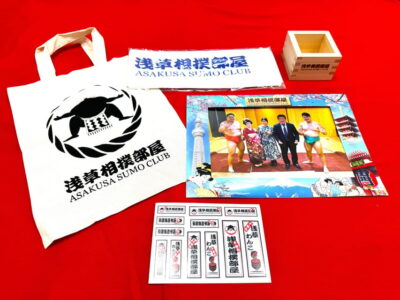
Sumo Show Experience with Chicken Hot Pot and a Photo
Read our review →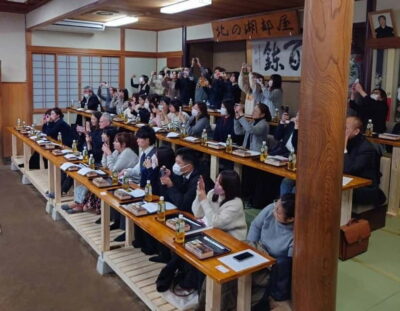
Tokyo Shinjuku Sumo Show & Experience with Photo
Read our review →
Sumo Show & Experience w/ Optional Kimono & Hot Pot
Read our review →
Authentic Sumo Experience in Tokyo: Enter the Sanctuary
Read our review →
Luxury Sumo Show Experience & Japanese cuisine & Drink
Read our review →Browse the lists this tour appears in