
Reviewed · DAY TRIPS IN TOKYO
Nikko Toshogu, Kegon waterfall, Lake Chuzenji One Day Pvt. Tour
Nikko is one of those places that feels like Japan turned the lights up. In one long day you can see UNESCO sites tied to Tokugawa Ieyasu and then ride out to Kegon Falls without dealing with buses, transfers, or time crunch.
I especially like the built-in flow of the day. You get a tight set of stops that are all close together in Nikko, plus a private vehicle that keeps you comfortable and moving, even when the sightseeing gets busy.
One thing to consider: it is a 12 hour day, and you will still need to budget for key entrance fees and lunch since they are not included.
Key Highlights Worth Noticing
- Private vehicle from Tokyo Station for a smoother start and less hassle than public transit
- Toshogu Shrine and Rinnō-ji Temple in the same UNESCO area, with multiple standout buildings
- Guide-host comfort is a common praise point, including water and snacks with at least one driver named Rana
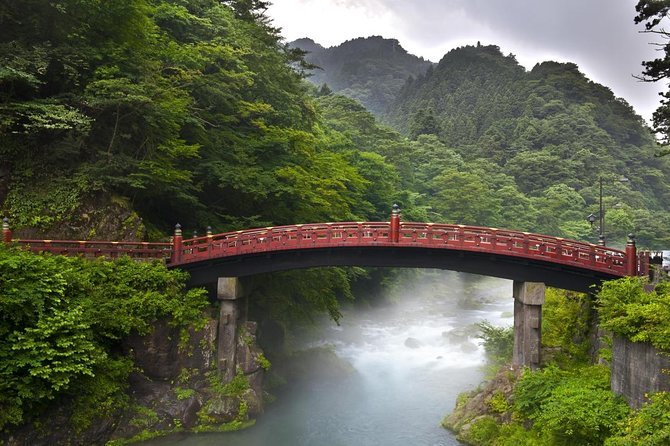
- Shinkyo Bridge is free to cross and has a strong historical story behind it
- Kegon Falls plus Lake Chuzenji for big scenery and a practical way to reach close-up views via an elevator
- All the parking and vehicle costs are handled, so your day stays simple
Getting From Tokyo Station to Nikko in Comfort
This tour starts at Tokyo Station, and it is designed as a full-day circuit that returns you back to the same meeting point. With a private group of up to 5 people, you are not stuck waiting around for everyone to find the right platform or cram into whatever bus is available.
The ride is in an air-conditioned vehicle, and you also get a hotspot on board. That matters more than it sounds. If you want maps, translations, or just a quick message home while you are headed north, you can do it without burning your data plan.
A detail I like for day trips like this: the tour includes parking fees and the fuel surcharge. Those are the kind of line items that quietly add up when you do it on your own. Here, you can focus on seeing Nikko instead of juggling logistics.
Real talk about timing: this is about 12 hours, so plan your day like it is your one big outing. Wear shoes you can walk in for shrines and temple grounds, and don’t overpack. Nikko is scenic, but you are still going to be on your feet for portions of the day.
More Day Trips in Tokyo
- Mt Fuji and Hakone 1-Day Bus Tour Return by Bullet Train
★ 5.0 · 26,383 reviews - 1-Day Tokyo Bus Tour
★ 5.0 · 14,250 reviews - Mt Fuji & Hakone Cruise, Drum Show Bullet Train 1 Day from Tokyo
★ 4.0 · 7,413 reviews
Toshogu Shrine Complex: Tokugawa Ieyasu’s World of Carvings and Color
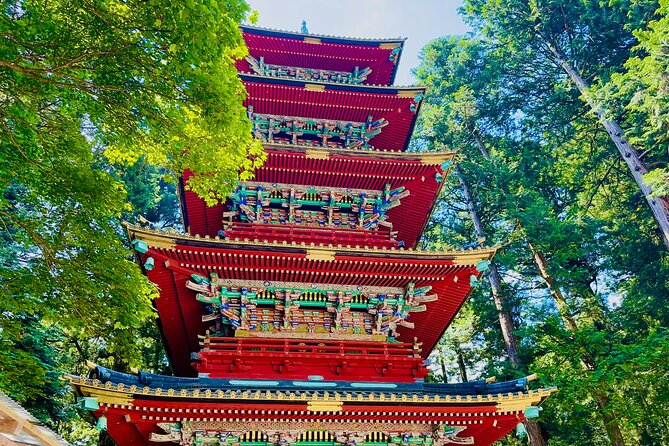
The day kicks off at Nikko Toshogu Shrine, which is really two connected shrine areas. You will see both a Shinto shrine and a Buddhist shrine grouped together in the same complex, plus the dramatic pagoda that reaches about 36 meters high.
What makes Toshogu special is how hard it leans into spectacle, while staying rooted in religious and historical meaning. Tokugawa Ieyasu is enshrined here, and that link to the start of the Edo period gives the whole place extra weight. When you are standing in front of the ornate structures, it helps to remember that this was built as a political and spiritual statement, not just a pretty stop.
Two practical tips for this first leg:
- Take a few minutes early to look at the big architectural features before rushing in. The details here reward patience.
- If you are sensitive to crowds, arriving as the tour schedule begins to peak can make a difference, so try not to be late to your meeting spot.
You have about 2 hours at Toshogu, which is enough time to walk the complex at a comfortable pace and still stop for photos without feeling like you are sprinting.
Rinnō-ji Temple: The Big Wooden Hall and the Three Gilded Statues
Next up is Rinnō-ji Temple, one of Nikko’s most historically important temples. It sits inside the broader Shrines and Temples of Nikkō UNESCO area, so the vibe shifts from Toshogu’s flamboyant shrine grounds to a more temple-centered experience.
This stop has a lot packed in, and you will do it in around 1 hour. That sounds short until you remember the main attractions are concentrated:
- The main hall is described as one of the largest wooden buildings in the area
- It houses three massive gilded wooden statues representing Buddhist manifestations tied to the mountain deities of Nikko
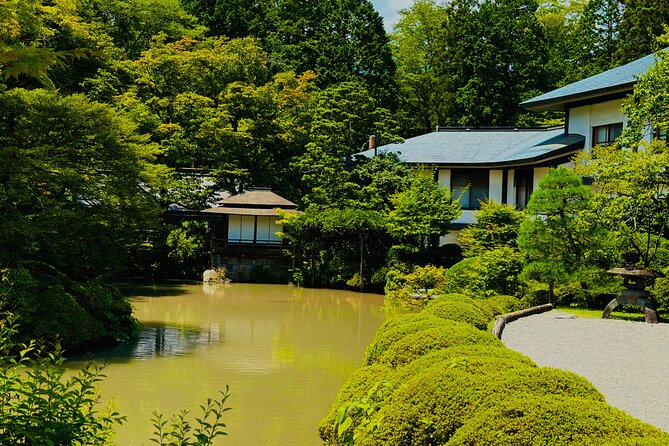
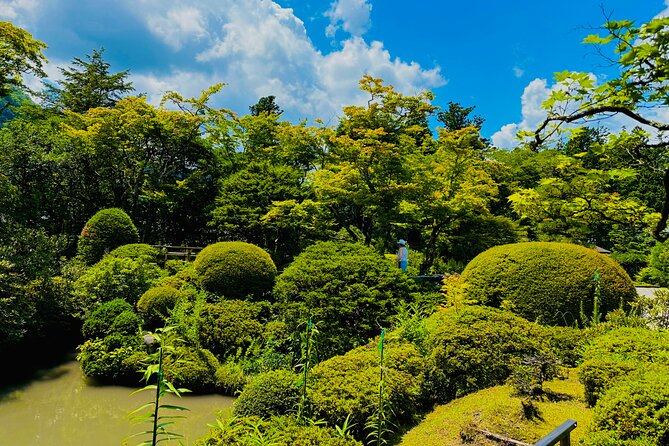
- There is also the Shōyō-en Garden behind Sanbutsudō, a quieter section that gives your legs a break
- You may also see the lavish Taiyūin Mausoleum (depending on how the time is used that day)
Here are the three central statues, because it helps you look with purpose while you are there:
- Amida Nyorai (Amitabha)
- Senju Kannon (Kannon with a thousand arms)
- Batō Kannon (Horse-headed Kannon)
I like Rinnō-ji because it feels like a living collection of ideas, not just a photo stop. If you enjoy religious art and buildings that look built to last, this is a strong value use of your time.
Toshogu Museum: Samurai Armor, Swords, and the Sleeping Cat Connection
After the shrine and temple complex, you head to the Nikko Toshogu Museum, also known as the Nikko Toshogu Treasure Museum. This is tucked into the Toshogu Shrine area, so it is an easy transition rather than a hop across town.
You get about 30 minutes here, and the payoff is focused. The museum shows treasures and artifacts linked to Tokugawa Ieyasu and the shrine’s history. You can expect items such as samurai armor, swords, and personal belongings related to Ieyasu.
Even if you are not a museum person, this stop helps you make sense of what you saw outside. Nikko Toshogu is famously ornate, but walking in is sometimes like staring at a complicated painting. A museum visit adds context fast.
You may also notice how the museum connects to the shrine’s famous features. The museum information specifically points out things like the Yomeimon Gate and the Nemuri-neko carving, the Sleeping Cat. If you catch those motifs in the complex earlier or later, you will understand why people talk about them.
A change of pace from Tokyo:
- Tokyo: TOKYO SKYTREE® Admission ticket
★ 4.5 · 11,192 reviews - Tokyo: teamLab Planets TOKYO Digital Art Museum Entry Ticket
★ 4.6 · 9,779 reviews - Tokyo: Sumo Show Experience with Chicken Hot Pot and a Photo
★ 4.8 · 6,678 reviews - Tokyo: Shinjuku Food Tour (13 Dishes at 4 Local Eateries)
★ 5.0 · 6,603 reviews
Shinkyo Bridge: A Free Walk With a Long Backstory
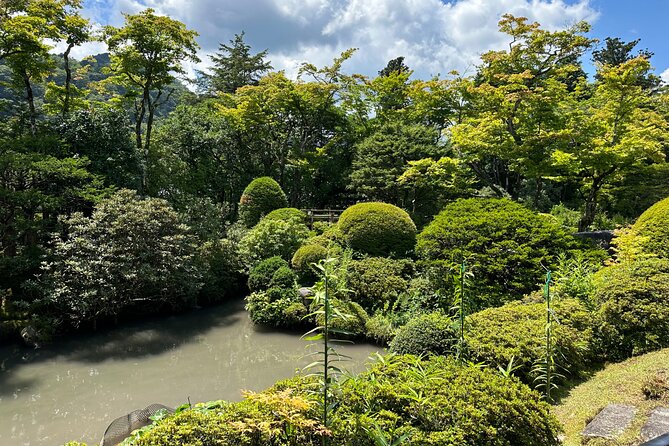
You then reach Shinkyo Bridge, the red-colored bridge people associate with Nikko’s shrine entrance. It is about 30 minutes on the schedule, and it is one of the easier stops because it is basically a walk and a viewpoint moment.
The bridge has a technical and historical link to Futarasan Shrine, and it is often described as the oldest bridge since the Tokugawa era. The current bridge dates to 1636, but the spot had some kind of crossing before then, even if the exact origin is unclear.
A detail I really like, because it shows how Nikko has changed over time: until 1973, Shinkyo was off limits to the general public. It later went through renovation works in the late 1990s and early 2000s, and now visitors can walk across for an entrance fee. In the data here, the bridge itself is listed as free, so at minimum you can enjoy the bridge area without being hit by a ticket just to see it.
If your feet are tired, this is a great breather. You get views and photos without committing to a long interior visit.
Kegon Falls and Lake Chuzenji: The Elevator Built for Close-Up Views
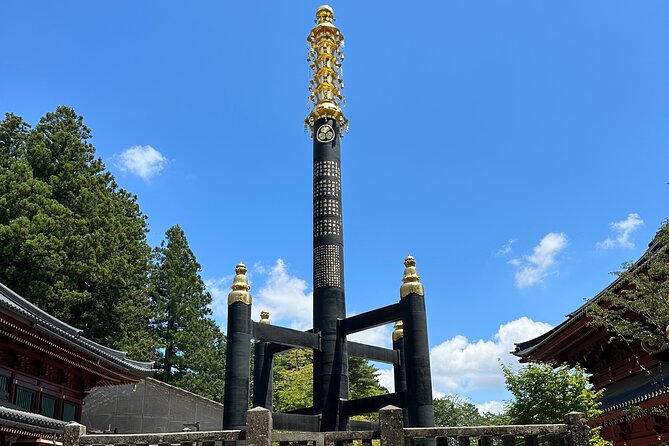
The big nature finale is Kegon Falls. Expect the scale. Kegon Falls are described as almost 100 meters deep, and that is the reason people make the trek. Even when you are not a nature super fan, height like that tends to reset your brain.
This stop is about 2 hours, and it is paired with the Lake Chuzenji and the nearby Chuzenji Shrine area. The description frames the whole setting as peaceful, the kind of scenery that feels like an escape.
There is also a practical upgrade that makes Kegon Falls easier than it sounds for a day trip: an elevator installed in 1930. The point is straightforward, you can reach a closer view of the falls instead of only seeing them from the far side. If you have mobility limits or you simply do not want to rely entirely on steps, that elevator detail is a big deal.
Kegon Falls and the surrounding area can be affected by weather and mist. If it is rainy, the falls can look dramatic, but visibility may be lower. Dress for cool air and occasional dampness, especially if you plan to hang around for viewpoints.
Price and Logistics: What $500 for a Group Really Means
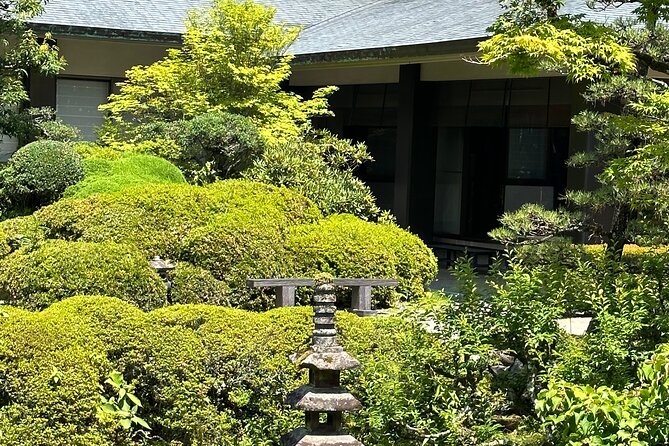
The price is $500 per group, good for up to 5 people. That is a lot less intimidating when you think of it as a per-person cost that drops as the group size grows.
At max capacity, you are effectively paying around $100 per person for private transport, the driver, parking, and a long day’s worth of driving plus stops. You are also getting a stress-free structure, with the route planned for you. That value is real if you have ever tried to recreate a complicated day around Tokyo using public transit schedules, transfer timing, and weather.
Now the part you should budget for upfront: entrance fees. The tour includes vehicle costs and parking, but several key admissions are not included:
- Rinnō-ji Temple, Old-Era Garden, and Toshogu Museum: listed as $7 per person
- Nikko Toshogu Shrine entrance: listed as $10 per person
- Lunch is not included, so you will choose a meal on your own during the day.
Kegon Falls and Shinkyo Bridge are listed as having no admission fee in the details provided here, which is a nice bonus.
I also like that you can keep your day simple: the vehicle handles the heavy lifting, and you only worry about tickets at the major sites. That is a big win when your day trip is already long.
Pace, Timing, and What to Pack for a Long Nikko Day
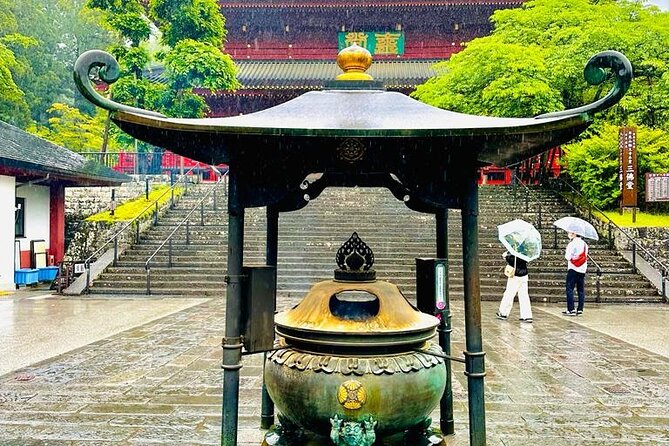
This is a full-day outing, so the best strategy is to pack light and plan for walking. You will be moving between multiple sites, including indoor or sheltered museum time and outdoor views at Shinkyo Bridge and Kegon Falls.
A small but useful mindset shift: treat this as “several highlights in one corridor,” not as one giant marathon of a single site. Toshogu and Rinnō-ji give you the core UNESCO experience, the museum adds understanding, and then the natural finale gives your eyes a break.
What I would bring:
- Comfortable walking shoes
- A light layer, since Nikko can feel cooler than Tokyo
- Water, since you may be on the go for hours (and it is a plus if your driver offers snacks, which at least one driver named Rana is praised for)
- Cash or card for entrance fees and lunch
If you are traveling with people who get tired easily, the private setup helps. You can adjust your walking pace at each stop because you are not trying to herd a crowd across timed transit connections.
Should You Book This Nikko One-Day Private Tour?
If you want a Nikko day trip that feels organized and comfortable, I think this is a solid choice. The main reasons are practical: private transportation, multiple UNESCO-focused stops in a planned order, and nature at Kegon Falls without the extra hassle of figuring everything out yourself.
Book it if:
- You are traveling with up to 5 people and want cost efficiency
- You hate rushing between train schedules
- You care about seeing Toshogu and Rinnō-ji as more than just quick photo stops, since the museum time adds context
Skip or reconsider if:
- You do not want a long 12 hour day
- You want lunch included, since you will need to plan food yourself
If your goal is a smooth Nikko sampler that hits the big names, plus the falls, this private day trip is one of the more sensible ways to do it.
FAQ
Where does this tour start and end?
It starts at Tokyo Station, 1 Chome-9 Marunouchi, Chiyoda City, Tokyo 100-0005, Japan and ends back at the same meeting point.
Is pickup included?
The tour offers pickup, and it is handled through the private vehicle service tied to the Tokyo Station meeting point.
How long is the tour?
The duration is about 12 hours.
How much does it cost and how many people can go?
It costs $500 per group, up to 5 people.
What’s included in the price?
Included items are air-conditioned vehicle, hotspot on board, fuel surcharge, private transportation, and parking fees.
Are entrance tickets included?
No. Entrance fees are not included for Rinnō-ji Temple (including Old-Era Garden) and the Toshogu Museum (listed as $7 per person) and for Nikko Toshogu Shrine (listed as $10 per person). Shinkyo Bridge and Kegon Falls are listed as free.
Is lunch included?
No. Lunch is not included.
Latest write-ups near Tokyo
- Tokyo Nights: Shibuya Photo Adventure★ 5.0 · 20 reviews
- Wagyu & Sake 8 Course Tasting Dinner in Shinjuku★ 4.9 · 20 reviews
- Making Japanese desserts Nerikiri & drinking matcha in Tokyo★ 5.0 · 20 reviews
- Japanese Whisky Hunting《HIGH-QUALITY-ONLY》Rare Tasting Class★ 5.0 · 20 reviews
- Mt. Fuji 5th Station, Owakudani Ropeway, Pirate Ship plus Outlet shopping!★ 4.5 · 20 reviews
- Kintsugi Experience with Arita Ware in Tokyo (English Guide)★ 4.8 · 20 reviews
- This is Asakusa! A Tour Includes the All Must-Sees!★ 5.0 · 20 reviews
- Ebisu Local Food Tour: Shibuya’s Most Popular Neighborhood★ 5.0 · 20 reviews
Day Trips in Tokyo, compared.
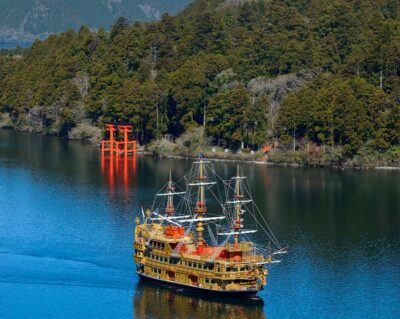
Mt Fuji and Hakone 1-Day Bus Tour Return by Bullet Train
Read our review →
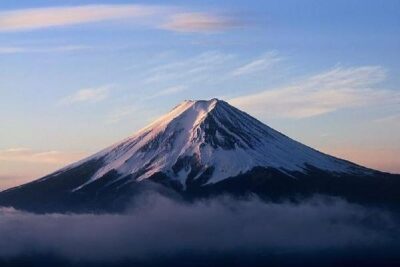
Mt Fuji & Hakone Cruise, Drum Show Bullet Train 1 Day from Tokyo
Read our review →
Tokyo Customized Private Tour (Must See Places in 1 Day)
Read our review →
Tokyo Customized Private Tour: See Top Attractions in 1 Day
Read our review →
Mt Fuji & Hakone Cruise, Drum Show Bus 1 Day from Tokyo
Read our review →Browse the lists this tour appears in