
Reviewed · SUMO EXPERIENCES
Tokyo: Sumo Morning Practice with journalists. Not fake show
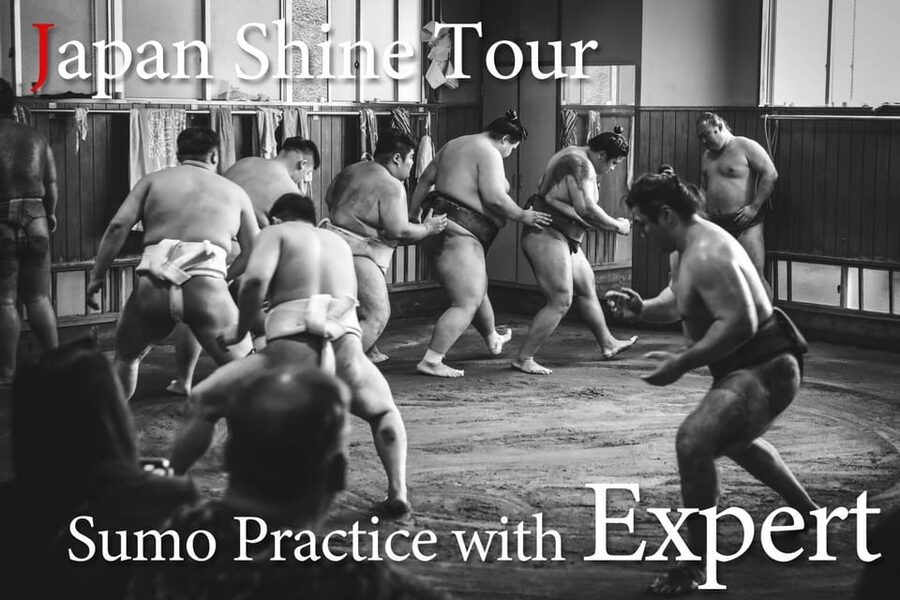
Sumo in Tokyo can be flashy on TV, but this experience strips it down to the real morning routine. You’re granted special permission to see training at a sumo stable, not a staged crowd show.
I especially love the journalist-style explanations and the way they connect sumo to daily discipline, not just rules. I also love the live practice viewing with photo time, so you leave with both photos and actual understanding. The main thing to consider is the practical setup, you’ll be sitting on the floor and the stable layout is not suitable for wheelchair users.
Key Highlights You Should Not Miss
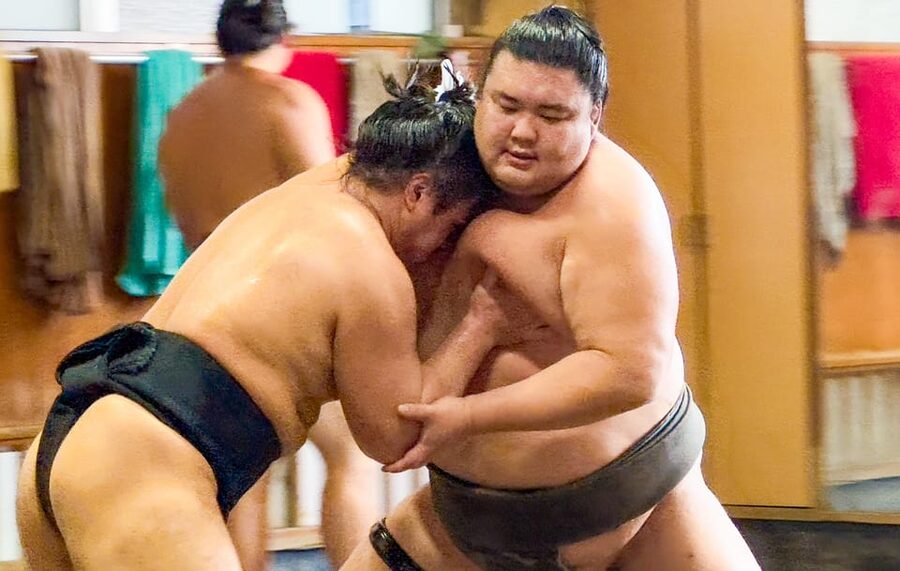
- Journalist guide + national newspaper perspective, including room for all your questions
- Live sumo morning practice at a real stable with special access permission
- No flash policy, which keeps the focus on the wrestlers and the moment
- Commemorative photos included, giving you a clear memory you can take home
- Ryōgoku neighborhood context with a guided stop at Ryōgoku Edo Noren
- Small, focused experience feel, built for insight rather than a mass-production show
Why This Sumo Tour Feels Legit, Not Like a Tourist Show
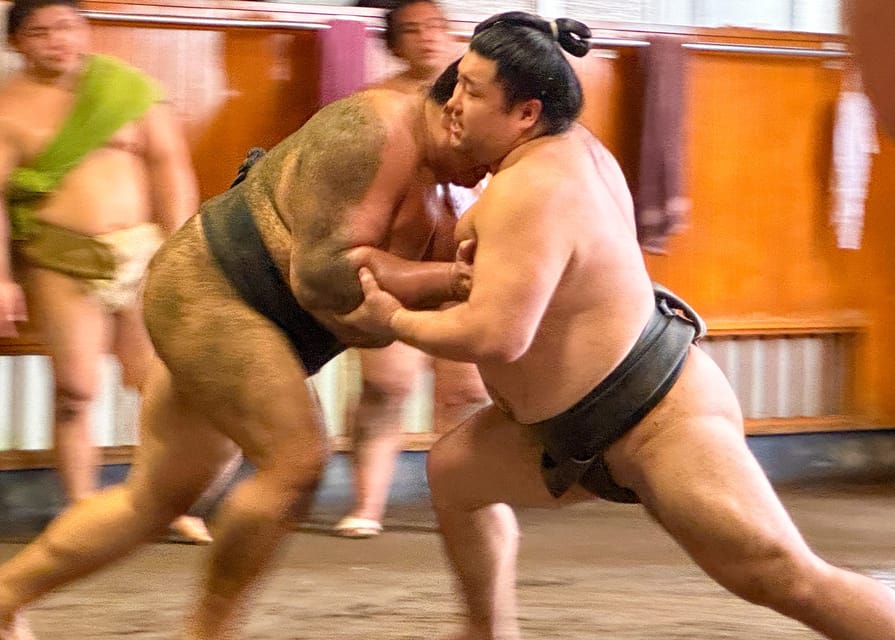
This is interesting because you’re watching the kind of practice that happens whether anyone buys a ticket or not. The stable visit is granted by special permission, so you get access to the training environment that most people in Japan never see.
Two things make it land well for me. First is the way the guide frames sumo as a working world with hierarchy, rituals, and routine. Second is that you’re not just watching from far away, you’re learning what you’re seeing while the wrestlers are actually training.
One practical note: the experience is built around stable culture, shoes off, floor seating, and quiet attention. If you’re expecting a theme-park style walkthrough, you might feel a bit restrained.
More Sumo Experiences in Tokyo:
- Tokyo: Sumo Show Experience with Chicken Hot Pot and a Photo
★ 4.8 · 6,678 reviews - Tokyo: Sumo Show and Dining Experience
★ 4.8 · 2,742 reviews - the SUMO show
★ 5.0 · 1,960 reviews
Meeting at Ryogoku Station and What the Morning Actually Requires
The meeting point is straightforward: Ryogoku Station on the Toei Oedo Line (E12), Exit A2, ground level. It’s about a five-minute walk from the JR east exit, and the operator will contact you with the details before your date.
Give yourself a little extra buffer. One of the recurring tips from people who went is to arrive early because the group leaves on time. Tokyo schedules can be strict, and this one is timed to match stable practice rhythms.
What you should plan for immediately:
- You’ll want a camera ready, since photos are included later.
- You should wear comfortable clothes, because you’ll be sitting on the floor during the practice.
- You’ll have to follow stable rules like staying quiet during training and keeping things orderly.
Takasago-beya: The Two Hours That Make the Whole Trip
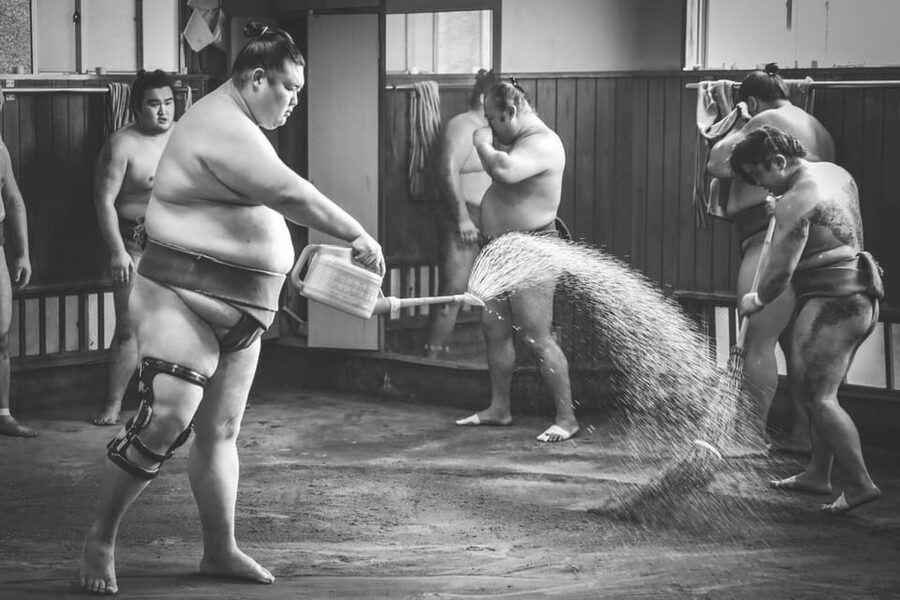
The core of the tour is the visit to Takasago-beya Sumo Stable, with a guided session of about two hours. This is where you get the rare part: you see real morning practice in a stable environment, while an English-speaking specialist explains the rituals and what’s going on.
Learning the Rituals Before You Watch
You start with context from a guide who is also a national newspaper journalist. In past departures, guides have included people like Shinya Setsu, Shin, Karen, and Ray, and the common thread is reporting experience and strong storytelling.
They walk you through sumo rituals and history in a way that makes the action make sense. Instead of only learning names and terms, you learn why certain parts happen the way they do, and how the wrestlers move within a strict culture.
A change of pace from Tokyo:
- Mt Fuji and Hakone 1-Day Bus Tour Return by Bullet Train
★ 5.0 · 26,383 reviews - 1-Day Tokyo Bus Tour
★ 5.0 · 14,250 reviews - Tokyo: TOKYO SKYTREE® Admission ticket
★ 4.5 · 11,192 reviews - Tokyo: teamLab Planets TOKYO Digital Art Museum Entry Ticket
★ 4.6 · 9,779 reviews
Watching Practice Live, Up Close Enough to Feel It
Then you watch the live morning routine. This is the part people really remember: seeing the dedication of the workout, watching rookies train, and noticing how the wrestlers follow rhythm and discipline rather than just trying to win an imagined match.
Several visitors also called out the value of seeing the day-to-day effort, especially if you cannot get tournament tickets. When big-sumo seats are tough to secure, this stable practice becomes a real substitute because it shows the craft, not just the results.
Photo Time With Real Wrestlers
Commemorative photos are included, and the timing gives you a clear chance to capture memories without turning the stable visit into a chaotic photo sprint.
One important rule: flash photography is not allowed during the practice. That’s not a small detail. No flash helps the wrestlers focus, and it also keeps the environment respectful.
Stable Etiquette Rules You Must Follow
This part is more than manners. It affects whether the stable allows visitors to attend smoothly.
Plan for:
- No food during the tour portion at the stable
- Shoes off indoors
- Alcohol and drugs not allowed
- No baby carriages
- No electric wheelchairs
And because the stable is traditional, you should assume a simple floor setup. You’ll be sitting on the floor, so comfortable clothing matters more than you might think.
Asking Questions to a Sumo Reporter, and Actually Getting Answers
A big reason this tour rates so high is the question time. You’re not stuck guessing. The guide is there to explain, answer, and correct misunderstandings.
If you like learning by asking, this is a great format. People have specifically praised how the journalist experience shows up in the conversation, with stories that make sumo feel human rather than myth-like.
Expect topics like:
- daily life inside a stable
- hierarchy and how people move through roles
- what certain rituals mean
- the rules behind training and technique
Some past groups also said the guide offered fun, funny stories after the practice, plus extra links afterward to videos and documents that help you keep learning once you’re back in your Tokyo routine.
If you’re a long-time sumo fan, you might still enjoy the angle they bring. If you’re newer, the structure helps you avoid information overload, because they explain what you’re seeing in real time.
Ryōgoku Edo Noren Stop: Where Sumo Lives Between Practices
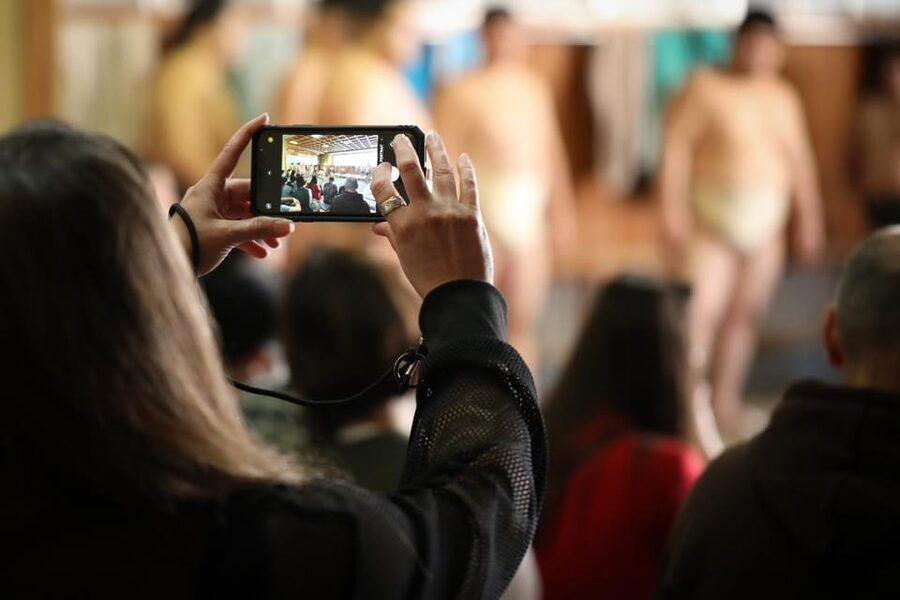
After the stable session, you transfer briefly and move to Ryōgoku Edo Noren, where you get a guided stop of about 30 minutes. This is shorter than the stable visit, but it matters because it gives you the neighborhood and cultural framing.
Ryōgoku is strongly tied to sumo in Tokyo. Even with a short stop, it helps to break the day into two parts:
1) see how the sport works inside the stable
2) understand the cultural footprint it has in the city
Think of this as the bridge between action and context. You’ll likely finish the tour with a better sense of why sumo is treated as something more than sport in Japan.
Price, Timing, and Whether It’s Worth $103
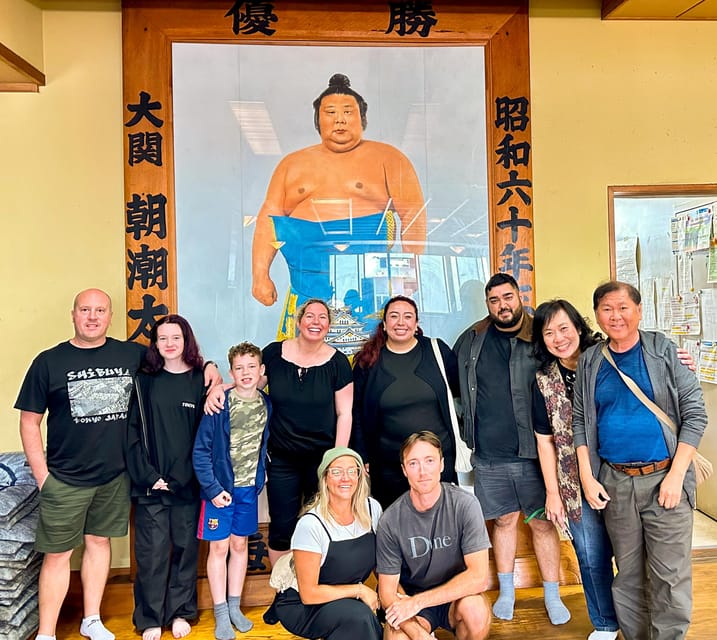
The price is $103 per person for about three hours. Is that cheap? No. Is it fair for what you’re getting? In my view, it is, because the value is not entertainment, it’s access plus instruction.
Here’s what you’re really paying for:
- special permission from the sumo stable
- a guided visit that combines live training viewing with explanations
- a journalist guide with a national newspaper background
- included commemorative photos
- time to ask questions, which beats reading random blurbs online
Also, the timing matters. You’re in the morning practice window, which is when you see the sport at its most disciplined and routine-focused.
If you’re comparing options, look for experiences that prioritize stable access and meaningful explanations. This one leans hard in that direction, which is why people say it feels authentic and worth the money even when tournament tickets are out of reach.
Best Fit: Who Should Book This Sumo Morning Practice
This tour is a strong fit if:
- you want the real training environment, not a performance
- you enjoy culture-focused explanations you can ask questions about
- you’re taking photos and want a respectful, guided way to do it
- you’d like a Tokyo activity that teaches you how the sport works day to day
It can be less ideal if:
- you need wheelchair-friendly access. The tour includes wheelchair accessibility in the general activity details, but the important information says it is not suitable for wheelchair users due to the traditional setup.
- you want a relaxed walking tour. This includes floor seating and stable rules.
- you expect food included. Meals and drinks are not included.
One more practical match point: if you love sports stories, you’re likely to enjoy the journalist-style storytelling. Some guides have shared perspectives from years covering sumo, and that angle often turns the tour from observation into understanding.
Should You Book the Sumo Morning Practice With Journalists?
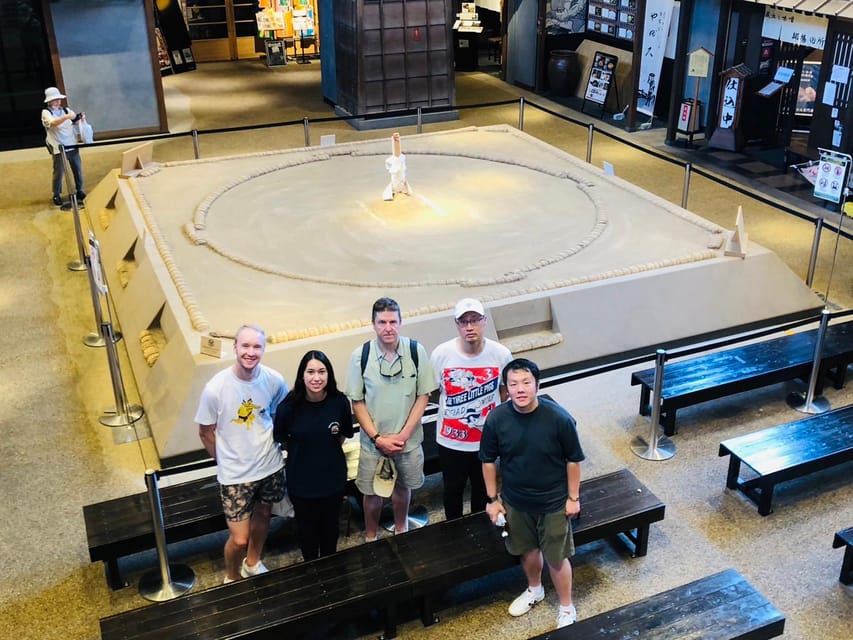
If you can handle floor seating and quiet stable etiquette, I think you should seriously consider booking this. The biggest selling point is simple: you’re not watching a repeatable tourist act, you’re seeing the training reality of sumo, guided by a national newspaper journalist who can explain what you’re seeing and answer questions.
I’d especially recommend it if tournament tickets are hard for your dates. When that happens, a stable morning practice is the kind of substitute that still feels culturally real.
Just be honest about the practical side. Wear comfortable clothes, bring your camera, and be ready for a traditional setup where speed and rules matter.
FAQ
How long is the Sumo Morning Practice tour?
The tour duration is 3 hours.
Where is the meeting point in Tokyo?
You meet at Ryogoku Station on the Toei Oedo Line (E12), Exit A2 (ground level). It is about a 5-minute walk from the east exit of JR Ryogoku Station.
What happens during the main stable visit?
You visit Takasago-beya Sumo Stable for a guided session of about 2 hours, which includes live sumo morning practice viewing and guidance from a sumo specialist and national newspaper journalist.
Are commemorative photos included?
Yes, commemorative photos are included.
Can I use flash photography?
No, flash photography is not allowed during the practice.
Are meals and drinks included?
No, meals and drinks are not included.
Is the tour suitable for wheelchair users?
The important information says it is not suitable for wheelchair users due to the traditional setup of the sumo stable.
Is this tour appropriate for babies?
Babies under 1 year old are not suitable for the tour.
Latest write-ups near Tokyo
- Tokyo Customized Private Tour: See Top Attractions in 1 Day★ 4.8 · 67 reviews
- From Tokyo: Top 5 Scenic Spots of Mount Fuji Full-Day Tour★ 4.5 · 67 reviews
- Tokyo: Shinjuku Izakaya and Golden Gai Bar Hopping Tour (2h)★ 4.9 · 67 reviews
- Traditional Japanese Music ZAKURO SHOW in Tokyo★ 5.0 · 67 reviews
- Tsukiji: Unlimited Sake Tasting Experience★ 4.9 · 67 reviews
- Tokyo: Not a show- a professional sumo practice with experts★ 4.9 · 67 reviews
- Samurai Ninja Museum Asakusa: Kid-Friendly Ninja Training★ 4.7 · 67 reviews
- Private Harajuku Omotesando Architecture Walking Tour★ 5.0 · 67 reviews
Sumo Experiences, compared.
Sumo Show Experience with Chicken Hot Pot and a Photo
Read our review →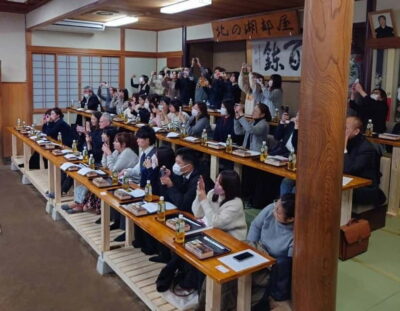
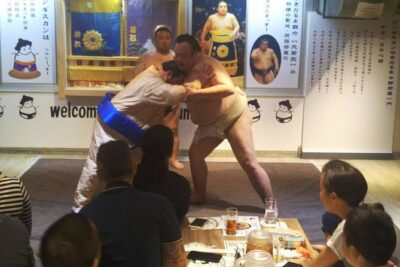
Tokyo Shinjuku Sumo Show & Experience with Photo
Read our review →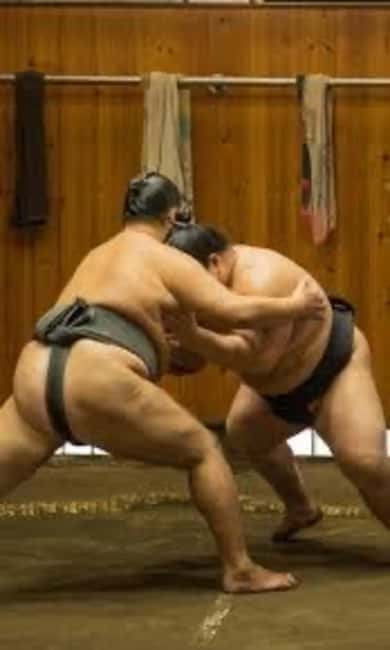
Sumo Show & Experience w/ Optional Kimono & Hot Pot
Read our review →
Authentic Sumo Experience in Tokyo: Enter the Sanctuary
Read our review →Browse the lists this tour appears in