
Reviewed · CYCLING TOURS
Bike Tour Exploring North Kyoto plus Lunch
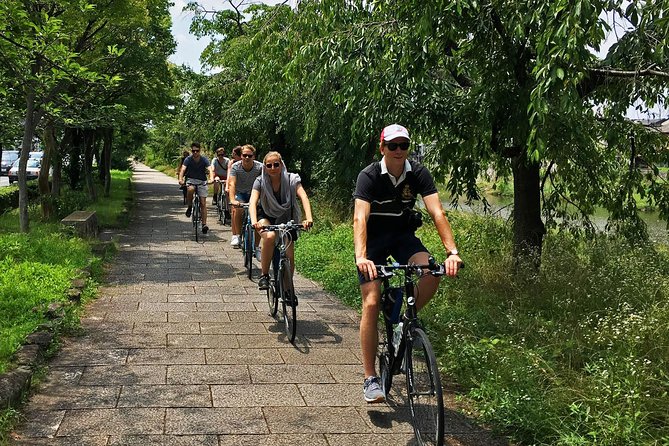
This bike tour is interesting because it lets you move through Kyoto like a local, not like a person stuck in traffic. I like the small group size and the way the route mixes big-name sights with lesser-visited temples that help you understand the city faster. You may even ride with a guide in the mix of Mayco, Julian, Indra, Jamie, Karl, Jay, or Quinn, and that matters because the stories tend to connect the sites to daily Japanese life.
I also love that the price covers the bike, temple entrance fees, and a Japanese lunch, so you can focus on the day instead of tracking extras. One possible drawback is simple: you need to be comfortable biking for several hours, and the tour depends on good weather, so rainy days may shift your plans.
Key highlights worth planning for
- A true “get your bearings” route through North and Northwest Kyoto, with guidance so you are not guessing your way through alleys
- Bikes and support included, with a high quality Cannondale bike, bottled water, and a small maximum group size of 8
- Entrance fees handled, including stops like Nishi Honganji and Kinkakuji
- Lunch is built in, and it is consistently described as a satisfying Japanese meal, with vegetarian options mentioned
- Guides add context, with many guests highlighting Shinto and Buddhism explanations plus practical tips for what to do next
Why this North Kyoto bike tour beats hopping on another bus
Kyoto has a way of swallowing your time. One temple turns into two, two becomes a long line, and suddenly you are sprinting between sights. This tour is designed to prevent that chaos by doing two smart things at once: it gets you moving on a bike, and it schedules stops that explain Kyoto as you ride.
The vibe is active but not frantic. You are not just taking photos from a viewpoint. You are rolling through real streets, slowing down when it matters, and learning what you are looking at. If your goal is a first or second day in Kyoto that makes everything else make sense, biking is a great fit.
The route also has a nice balance. You do not only see the headline attractions. You also spend time at quieter religious sites that most visitors do not have time for. That mix is why people rate the experience so highly.
More Cycling Tours in Kyoto
- Hidden Kyoto E-Biking tour
★ 5.0 · 1,843 reviews - Arashiyama Bamboo Forest & Hidden Gems Bike Tour (Early Bird)
★ 5.0 · 613 reviews - 5 Top Highlights of Kyoto Full Day Bike Tour (E-bike option)
★ 5.0 · 511 reviews
Price and what you actually get for the money
At $106.12 per person for about 5 to 6 hours, you might wonder if this is “worth it.” Here is the honest take: the value is in what gets bundled.
You are not paying separately for:
- Your bike (a high quality Cannondale) and basic cycling needs
- Guidance for the full route
- Bottled water
- Temple entrance fees for listed sites
- Lunch, which is a real time saver in Kyoto
That matters because Kyoto is not cheap once you start adding entrance tickets plus the cost of a planned meal, plus the time you lose figuring out transit and routes. You end up buying back your time and reducing decision fatigue. Even if you are comfortable navigating on your own, the “here is where to go and why” part is hard to replicate when you are tired.
Group size helps too. The tour caps at 8 travelers, so the guide can actually manage the ride, keep an eye on comfort, and tailor pacing when needed. Reviews also mention the guides taking extra care in hot weather, including hydration support.
Ride day essentials: time, distance, and the practical fitness test
The tour starts at 10:00 am at Cycle Kyoto, and it ends back at the same meeting point. Most days feel like a classic half-day plan: plenty of stops, plus a meaningful chunk of riding.
Here is what you can expect physically, based on what guests describe:
- The total day is 5 to 6 hours
- The ride portion is often around 2.5 hours
- The distance is frequently described as about 13 miles (around 24 km) spread across the sightseeing stops
Is it hard? For most people, it is best described as moderate, with breaks. You might feel a bit of incline around the big-name temple moments, but the pacing is planned around comfort. One pattern that comes up is that there is at least one noticeable climb, then more flowing riding afterward.
Also note the minimum: riders must be at least 13 years old and comfortable on a bike. If you have not ridden in a while, you can still be fine, but you should be honest about your comfort levels. This is not a slow walking tour.
At Cycle Kyoto: getting your bike fitted and your bearings set
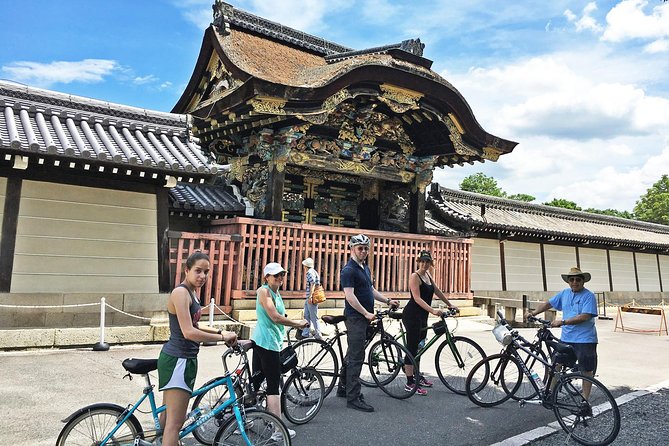
Your day begins at the shop, where you meet your guide and the group. The bike fitting is not a tiny detail. It can make the difference between enjoying the ride and spending the day adjusting your posture.
During this stage, you typically:
- Get fitted to your bike
- Meet the group and the guide
- Receive bottled water
- Get the basics for how the ride will work
This is also where the guide’s tone sets expectations. Guests repeatedly mention that the guides are friendly, attentive, and quick to make the group feel safe. If you are new to biking in a city, that first stretch matters.
More Lunch Experiences in Kyoto
- Osaka/Kyoto: Arashiyama, Nara & Fushimi Inari Shrine w/Lunch
★ 4.4 · 754 reviews - Kyoto Zen Meditation & Garden Tour at a Zen Temple with Lunch
★ 5.0 · 441 reviews - 4.5-Hour Kyoto Bike Tour with Lunch and UNESCO Zen Temples
★ 5.0 · 122 reviews - From Kyoto: Nara History Guided Half Day Bus Tour with Lunch
★ 4.8 · 114 reviews
Nishi Honganji: a big wooden building and a quieter Kyoto mood
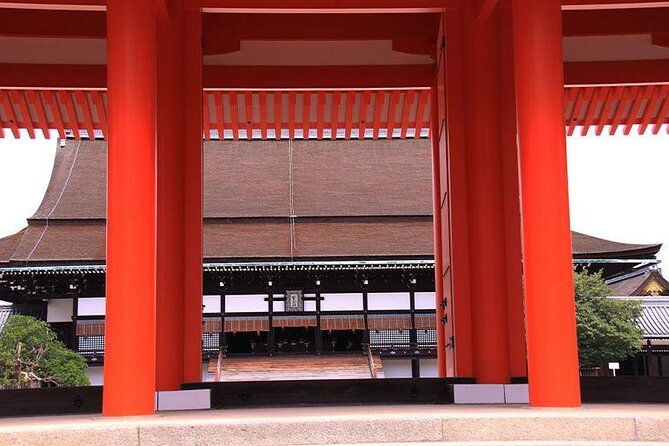
One early stop is Nishi Honganji, described as one of the least visited religious sites in Kyoto and also one of the largest wooden buildings in the world. Even if you know Kyoto’s major temples already, this kind of stop changes your understanding.
What you get here:
- A chance to see large-scale temple architecture without the same level of tourist pressure
- A slower moment where you can notice details like restoration and craftsmanship
- A contrast to the later “must-see” crowd moments
You also get a guided sense of what you are seeing. Many guests mention that guides explain Shinto and Buddhism connections, and sites like this work well for that kind of context because they invite questions. If you like learning while you walk and listen, this early stop pays off.
Kitano Tenmangu: local shrine energy without the pressure
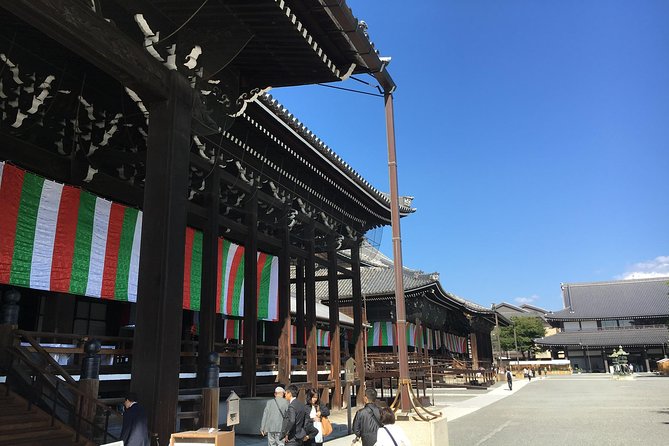
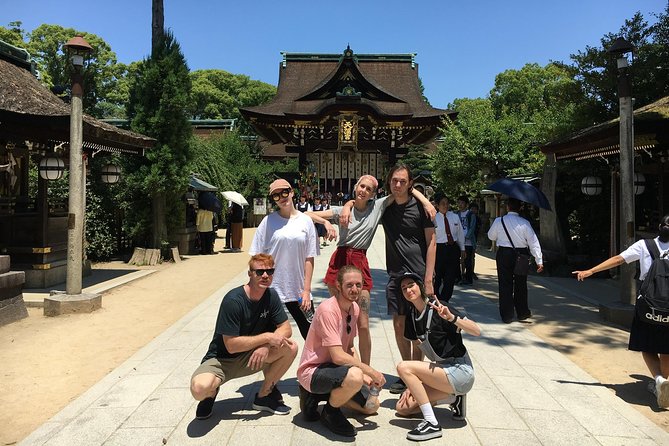
Next comes Kitano Tenmangu Shrine, where you can join local shrine goers. This is a very “Kyoto by participation” type of stop. You are not just viewing, you are sharing the mood.
Why it works on a bike day:
- It breaks up the riding with a tranquil pace
- It helps you feel how shrines function as living community spaces
- It gives you a different flavor than the famous postcard temples
You usually spend around 20 minutes here. That is long enough to look around, catch a few photos, and listen to the guide’s commentary, without turning the day into an all-day walking marathon.
Kinkakuji (Golden Pavilion): the famous stop, done with commentary and breaks
Then the tour hits Kinkakuji, the world-famous Golden Pavilion. This is the big name stop, so expect it to be popular. The win is that you are not arriving by yourself, guessing where to go, and losing time.
During this stop, you get:
- A guided commentary that explains what makes the site significant
- Built-in time to enjoy the pavilion moment
- A small rhythm break, including an ice cream stop mentioned by guests
One practical detail that shows up in reviews: there can be a bit of strain getting to this area, but the ride is planned so you are not redlining. Some routes include a climb to the area and then easier riding after. That helps keep the day enjoyable instead of stressful.
If Kinkakuji is already on your list, this stop is a good way to “tick the box” while still learning and moving.
A former imperial seat area: when Kyoto turns more historical
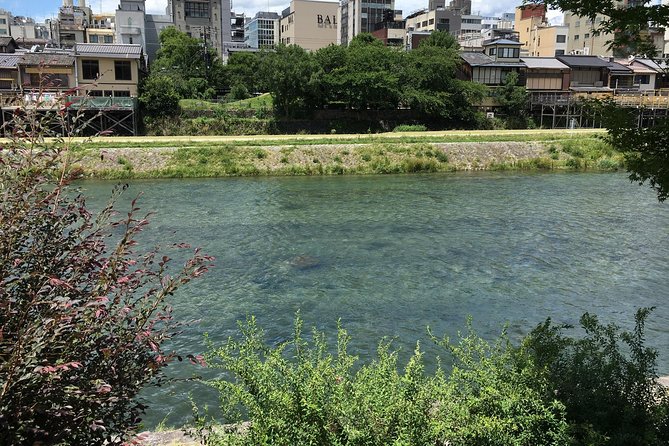
Between the major attractions, the route also includes a ride through the grounds of a former seat of Japan’s imperial family. Even though the name of the exact spot is not listed in the quick itinerary summary, the meaning is clear: you are stepping into a piece of Kyoto tied to power, residence, and changing eras.
This kind of stop is valuable because it slows your day down just enough to connect:
- Religion and culture, from shrines and temples
- Architecture and place, from the way Kyoto was used over time
- The way today’s Kyoto layers onto older Kyoto
If you like history that feels connected to real places, this is one of those “glad it was included” moments.
Gion at the end: geisha district vibes without the chaos
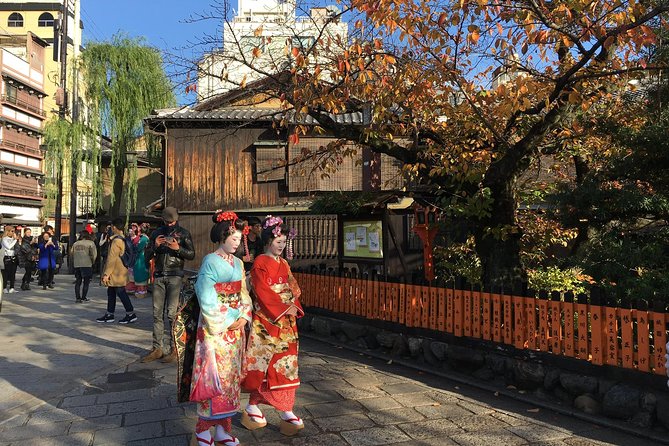
The day wraps with a stop in Gion, Kyoto’s famous geisha district. You get about 10 minutes, so treat it as a taste, not a long browse.
What makes this work on a bike tour:
- You arrive through the city instead of only approaching from a major tourist walkway
- You get a guided explanation of what Gion represents
- You can look for small details and maybe spot performers, though sightings are not guaranteed
Because the time is short, I recommend using the moment well. Look around, photograph thoughtfully, and stay present. If you want more, you can come back later knowing what you are looking at.
Lunch: the included meal that often becomes the highlight
Lunch is included, and guests consistently talk about it as a real reward after temples and biking. This is where the tour feels practical. You stop when you are hungry, you eat something you can handle easily after riding, and you avoid turning lunch into a research project.
What guests describe varies, but the overall theme is Japanese comfort food:
- Some meals are described as noodle-focused, including references to an older restaurant
- Others mention sushi or sushi train style lunches
Vegetarian options are also mentioned, and the tour asks you to share dietary requirements ahead of time. If you have restrictions, do not wing it. Send the info when the booking asks.
Also, a thoughtful point: the guides are described as making sure hydration is handled, especially on hot days. Since the tour includes bottled water, it is part of the rhythm, not an afterthought.
Guides make the day: the difference between seeing and understanding
The highest praised aspect across the experience is how guides turn stops into stories you can remember. Names that come up again and again include Mayco, Julian, Indra, Jamie, Karl, Jay, and Quinn.
You will notice two kinds of guidance strengths:
- History and religion explanations, including Shinto versus Buddhism and how geisha culture developed
- Practical ride management, including safe pacing, comfort checks, and hydration support in heat
One theme that stands out: the good guides do not just list facts. They give you a sense of why the place matters and how it fits into the bigger Kyoto picture. That makes the sights feel less like separate landmarks and more like parts of the same city puzzle.
Getting the most from the ride: how to prepare and how to behave
Because the tour is active and guided, a little prep goes a long way.
First, be ready for the idea that you will spend most of your attention in two modes:
1) listen and look during stops
2) stay comfortable and relaxed during riding
If you are tempted to rush for photos during the cycling parts, slow down. The route is planned with safety and pacing in mind, and you will get better shots when you pause calmly.
Second, if you have dietary needs, declare them ahead of time. The tour specifically requests that so they can handle lunch options.
Third, plan your day around comfort. This is not a drop-in experience where you can treat it lightly. If you take it easy, you will enjoy Kyoto more after the tour too, because you will know where you already feel drawn.
Weather and route reality: what to do when Kyoto is being Kyoto
The tour requires good weather. That is important because the plan depends on riding between stops.
If weather is bad, the experience may be canceled and you will be offered a different date or a full refund. In other words, you are not stuck with a half-finished day.
Also keep in mind that biking in Kyoto can feel different than biking in flatter places. Even if the hills are not constant, there may be short inclines, and summer heat can hit hard. This is why the guide pacing and hydration support get so many positive notes.
Who this tour is best for
This is a great fit if you:
- Want an efficient introduction to Kyoto
- Like biking and want a guided route through multiple neighborhoods
- Prefer learning while you travel, not after you return to your hotel
- Want Kinkakuji and Gion, but also want the quieter temple side of Kyoto
It is also good for families where older kids are comfortable biking, since reviews mention teenagers enjoying the experience and guides tailoring attention. Still, remember the minimum age is 13 and the requirement is comfort on a bike.
If you have a serious mobility limitation or you cannot ride for the expected time, then another sightseeing style may suit you better.
Should you book this North Kyoto bike tour plus lunch?
Yes, if your ideal Kyoto day includes movement, guidance, and a real meal that saves time. The strongest reason to book is the combination of covered logistics (bike, entrance fees, lunch) and human guidance (stories plus ride management). At this price point, the value is not just the attractions, it is the fact you are not managing details all day.
I would hold off only if:
- You are not comfortable biking for hours, even with breaks
- Weather on your dates looks questionable and you do not want to risk rescheduling
- You want a long, self-directed walk at each site rather than a balanced ride and stop rhythm
If you are planning a first week in Kyoto, consider doing this early. It helps you understand the city structure fast, so your later free days feel easier and more rewarding.
FAQ
How long is the bike tour?
The tour lasts about 5 to 6 hours.
What time does the tour start?
The start time is 10:00 am.
Where is the meeting point?
The meeting point is Cycle Kyoto, 7 Higashikujō Nishisannōchō, Minami Ward, Kyoto 601-8003, Japan.
How many people are in the group?
The tour has a maximum of 8 travelers.
What is included in the price?
The tour includes a high quality Cannondale bike, guidance, bottled water, lunch, and temple entrance fees for the listed stops.
What should I bring or consider for cycling?
You should be comfortable riding a bike, and you should have a moderate level of physical fitness. Dietary requirements need to be known ahead of time.
Is there a minimum age?
Riders must be at least 13 years old.
What about food and dietary restrictions?
Lunch is included, and the operator asks you to share dietary requirements ahead of time.
What happens if the weather is bad?
The experience requires good weather. If canceled due to poor weather, you will be offered a different date or a full refund.
What is the cancellation policy?
You can cancel for free up to 24 hours in advance for a full refund. If you cancel less than 24 hours before the start time, the amount paid is not refunded.
Latest write-ups near Kyoto
- Kyoto: Nishiki Market Tour with a Local Foodie & Tastings★ 4.5 · 67 reviews
- Kyoto Kimono Rental mimosa |Kimono/Yukata Rental Couple Plan★ 4.8 · 67 reviews
- Kyoto: Traditional Kimono Fabric Handicrafts Workshop★ 5.0 · 67 reviews
- Kyoto Tea Ceremony and Samurai Photo Session★ 5.0 · 70 reviews
- Kyoto: Replica food making experience★ 4.8 · 70 reviews
- Kyoto: Kinkakuji, Golden Pavilion Guided Tour★ 4.7 · 71 reviews
- Private departure transfer from Kyoto city to Kansai International airport★ 5.0 · 72 reviews
- Uji: Green Tea Tour with Byodoin and Koshoji Temple Visits★ 4.8 · 72 reviews
Cycling Tours, compared.
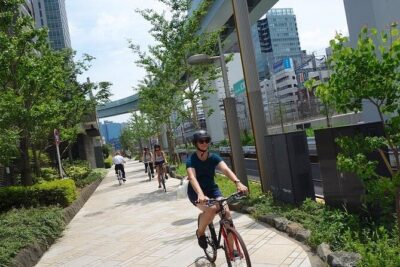
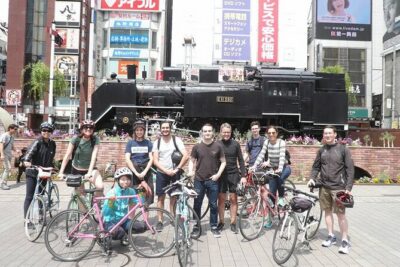
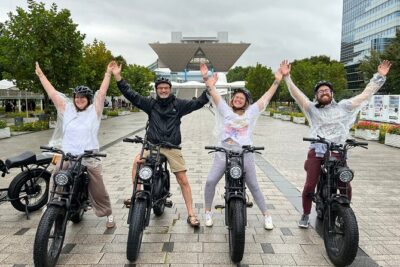

3h Tokyo E-Bike Tour: Hidden Gems, and Local Life with guide
Read our review →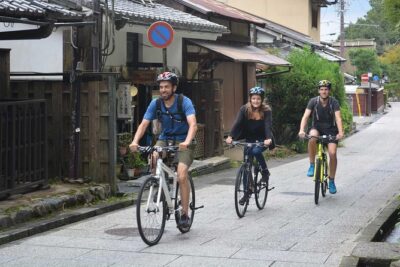
Arashiyama Bamboo Forest & Hidden Gems Bike Tour (Early Bird)
Read our review →
Hiroshima in a Nutshell: Morning Bike Adventure
Read our review →
5 Top Highlights of Kyoto Full Day Bike Tour (E-bike option)
Read our review →Browse the lists this tour appears in