
Reviewed · MIYAJIMA TOURS
Hiroshima: Miyajima Island Half-Day Tour with Guide
Miyajima is the kind of place that changes with the water. One reason this tour works so well is the focus on the famous vermilion torii and getting you to see it at the best tide moment.
I really like that you get local flavor without turning it into a scavenger hunt. The included momiji manju tasting and a Hiroshima oyster snack mean you are eating the island’s real rhythm, not just buying souvenirs.
One thing to consider is that the day is tight. With only 4 hours and lots of walking on island paths, you’ll want comfortable shoes, and you should expect crowds around Itsukushima Shrine.
Key Highlights You Should Actually Care About
- Tide-smart torii photos, with your guide aiming for the walkable vs floating timing
- Itsukushima Shrine and Daisho-in Temple with a guide to explain what you’re seeing
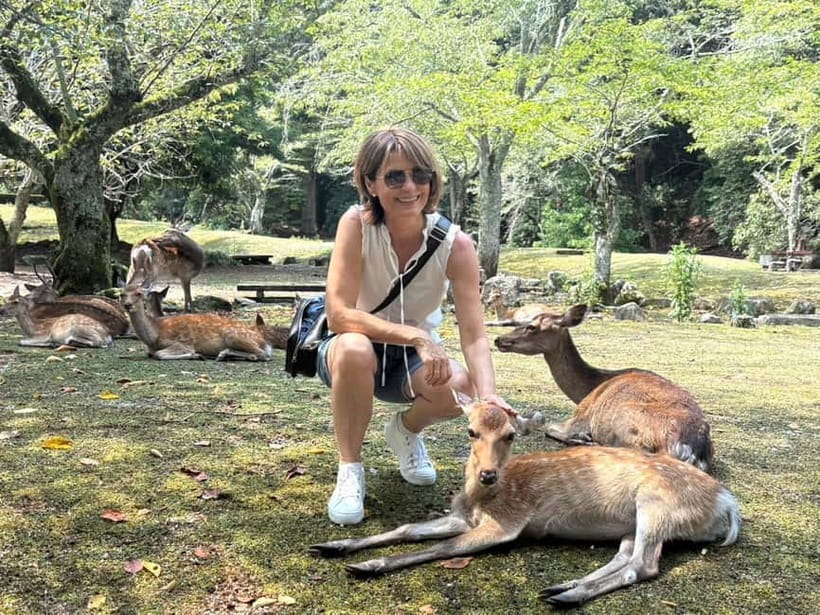
- Miyajima deer etiquette, plus a clear heads-up on not feeding them from the ground
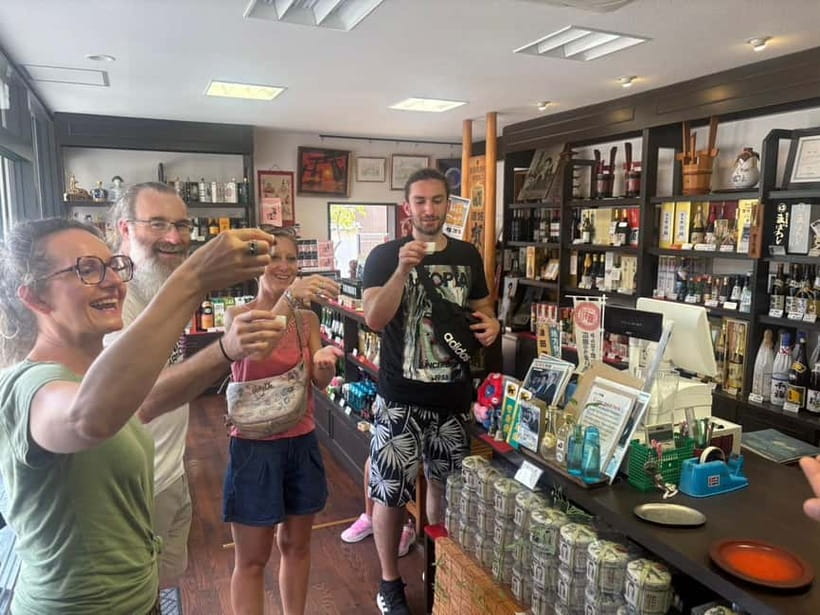
- Omotesando street food hour with oyster season timing and momiji manju cake included
- Guided photo service, so you spend less time wrestling your camera
- Local trip tips, including where to eat next in Hiroshima
Why Miyajima in 4 Hours Can Feel Like Two Different Days
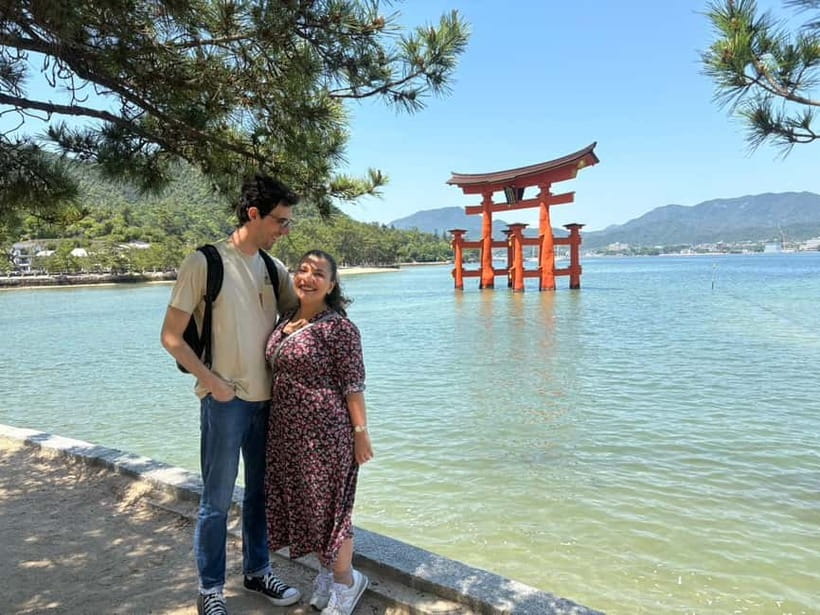
Miyajima is famous for the big postcard stuff. The twist is that the island changes as the tide shifts, especially around Itsukushima Shrine and the torii gate. At high tide, the torii looks like it’s floating. At low tide, it’s reachable on foot, and the photos look totally different.
This tour is designed for that reality. Instead of letting you wander and hope for the right timing, you’re guided through the key areas in a way that lets the tide do the work. You also get the kind of planning help most people miss, like your guide checking timing so you’re in the right spot when the island is at its photogenic best.
You’ll also feel the rhythm of Miyajima fast. The half-day format means you see shrine views, temple calm, and the shopping and snack streets without turning it into a full-day production.
More Miyajima crossings:
- Peaceful Hiroshima & Miyajima UNESCO 1 Day Bus Tour
★ 5.0 · 5,309 reviews - Hiroshima: Hiroshima and Miyajima UNESCO Sites 1-Day Tour
★ 4.9 · 2,330 reviews - Hiroshima / Miyajima Full-day Private Tour with Government Licensed Guide
★ 5.0 · 1,298 reviews
Who this tour fits best
If you are tight on time in Hiroshima, this is a strong fit. It also suits you if you want the cultural context, but you do not want to spend hours sorting ferries, tickets, and logistics on your own.
If you’re the type who loves to linger for hours in one area, you might find the pace brisk. The upside is that it still leaves you back in Hiroshima with energy and ideas for what to do next.
Meet Your Guide at Miyajimaguchi, Then Let Them Handle the Moving Parts
You meet in front of the coin lockers at 宮島口駅改札外コインロッカー, by Miyajimaguchi station. From there, your guide takes charge of the important logistics, including ferry handling and shrine tickets.
That matters more than it sounds. Miyajimaguchi is busy, ferries run on schedules, and Itsukushima Shrine is all about timing. Having a local English-speaking guide means you’re not doing mental math while you’re trying to enjoy the moment.
Your guide also does photos. They take pictures during the tour and then share them after, which is a real time saver. It’s also a small stress reducer, because you can stop focusing on getting every angle and start focusing on the island.
The guides vary by group, but the most consistently praised style from recent participants is the warm, organized approach. Names like Sony, Kaku, Hendri, and Ambar show up repeatedly, and the common thread is that they guide you through the highlights while also finding less crowded routes and smart photo spots when possible.
Ferry Time and the First Taste of Miyajima
The ferry crossing is short, about 15 minutes. That’s a good thing. You get the island shift quickly without burning half your day on transit.
Once you arrive, the first big experience is the shopping street. That’s not just for shopping. It’s where Miyajima’s everyday visitor life happens, including snack stops and the feel of the island’s texture, not just its monuments.
If you’re traveling with a camera, this is also a good time to settle into “island mode.” You’ll walk more than you think, and the terrain is the kind where you’ll appreciate moving smoothly rather than rushing.
A change of pace from Hiroshima:
- Hiroshima Historical Walking Tour – Why A-Bomb was Dropped
★ 4.8 · 893 reviews - Hiroshima Peace (Heiwa) Walking Tour at World Heritage Sites
★ 5.0 · 872 reviews - Hiroshima in a Nutshell: Morning Bike Adventure
★ 5.0 · 524 reviews - Hiroshima City 4hr Private Walking Tour with Licensed Guide
★ 5.0 · 437 reviews
Omotesando Shopping Street: Food, Snacks, and How to Use the Hour Well
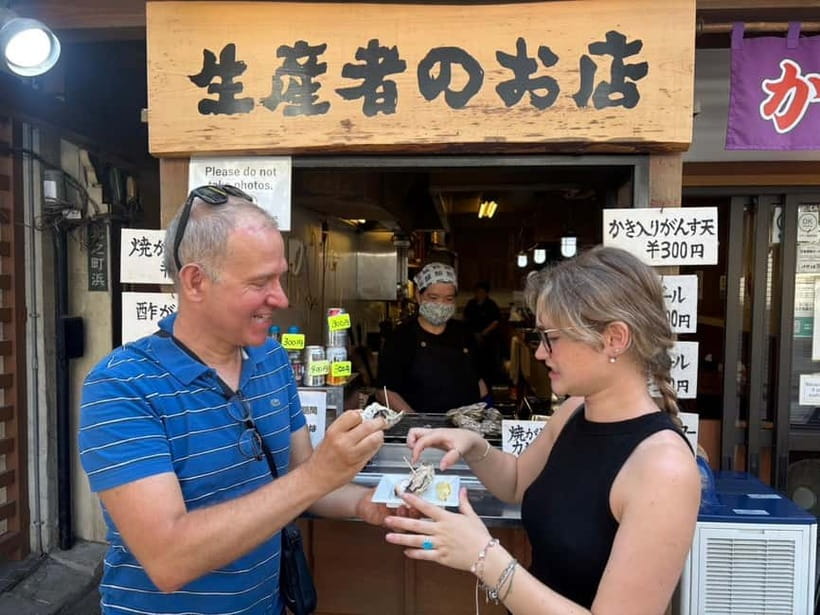
You spend about 1 hour on Miyajima Omotesando Shopping Street. This is where the tour earns its keep for food lovers.
Two included tastings anchor your snack time:
- Hiroshima oyster, grilled when in season
- Momiji manju, the maple-leaf shaped cake that locals love
This is a rare combo because it covers both savory and sweet. The oyster gives you that local seafood hit. The momiji manju gives you the classic island souvenir that actually tastes like something, not just like a branded trinket.
Street food strategy
Here’s how I’d handle this hour if I wanted maximum payoff:
- Eat one warm bite early, then slow down.
- Keep your second snack for later, because the island day keeps moving and you’ll still want appetite for shrine-area views and temple walks.
- If deer are around where you’re eating, keep food secured. One practical caution comes up again and again in recent experiences: deer are adorable, but they can be very persistent, especially around food on the ground.
Omotesando is also a place to grab small gifts and stamps if you collect them. Some guides even help you find places for stamps, which is a nice touch when you want to take a small souvenir home without buying more clutter.
The main drawback of this stop
It can be crowded and noisy, especially around peak hours. If you prefer calm sightseeing, you’ll want to rely on your guide to steer you toward quieter pockets and better photo angles rather than trying to self-navigate.
Itsukushima Shrine: The Torii Gate Tide Trick and What to Look For
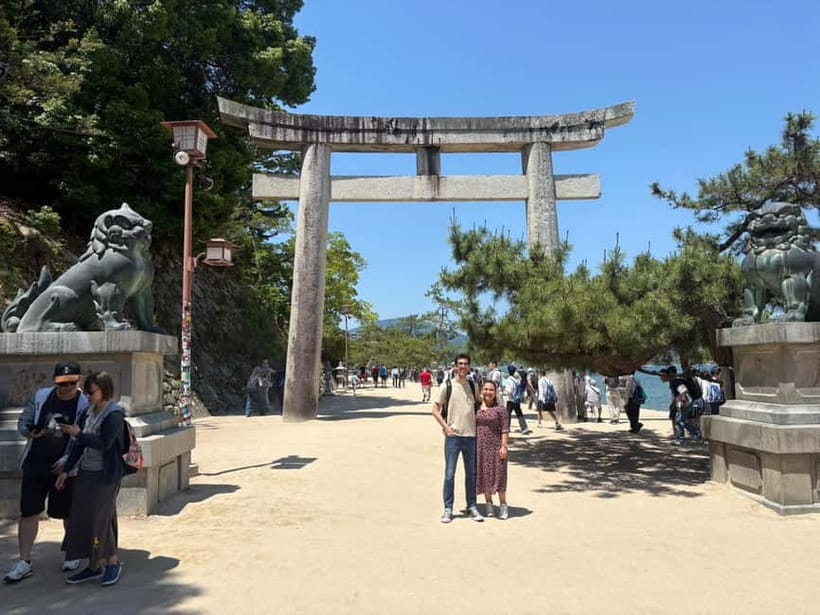
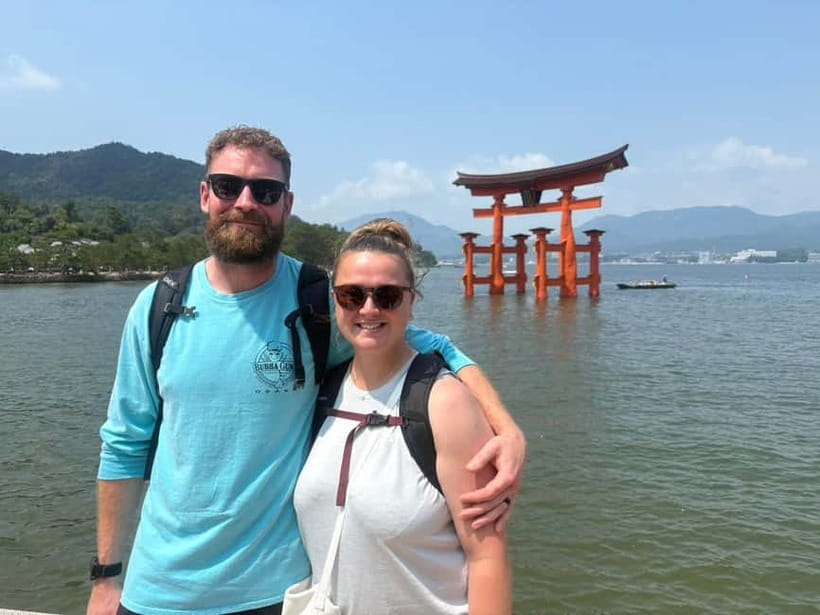
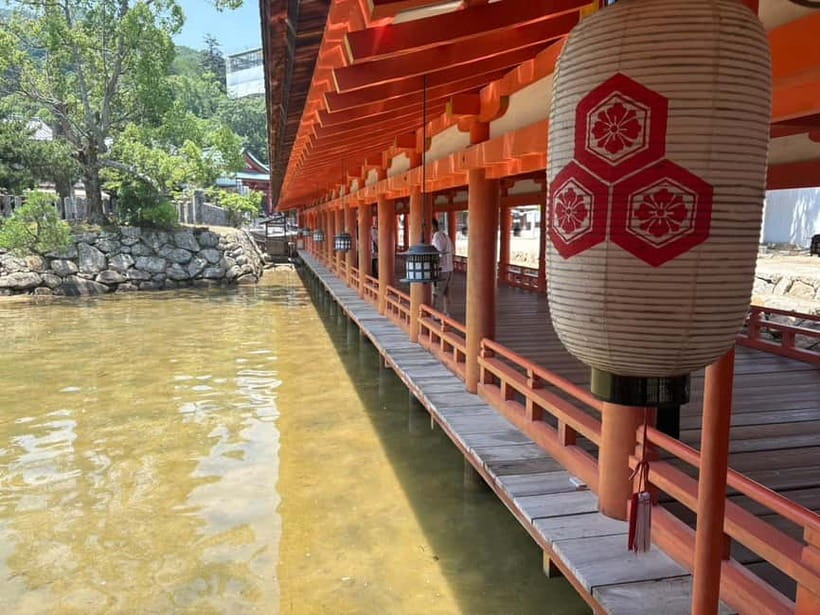
You get about 1 hour at Itsukushima Shrine, a UNESCO-listed site and the headline attraction for most people. The star is the torii gate and its relationship with the water.
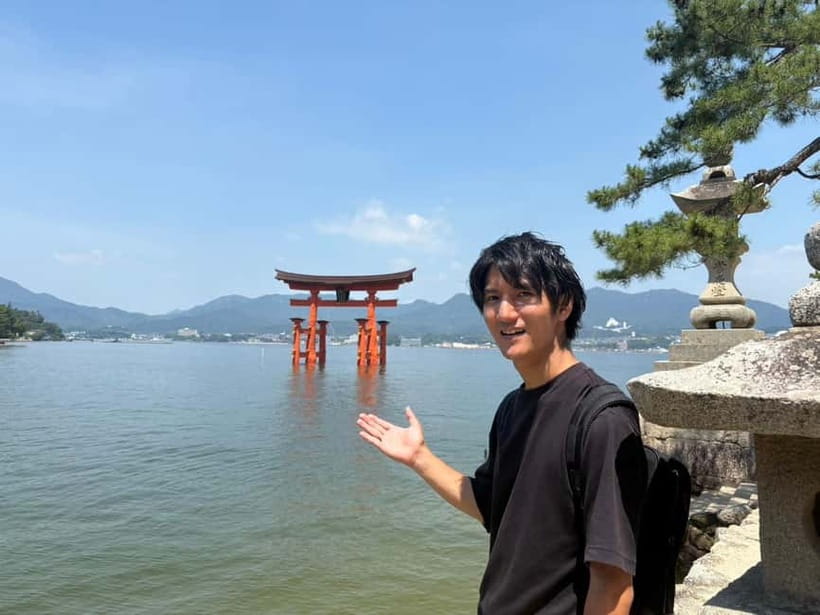
Your guide teaches you the key lesson: tides change how the shrine looks. At high tide, the torii appears to float, suspended above the water. At low tide, it becomes walkable, and the approach feels more grounded and accessible.
The important part for your photos is that your guide checks the tide forecast and tries to put you in position during the best window. That’s the difference between getting a decent picture and getting that wow factor that makes people ask where you went.
What you should pay attention to
When you arrive, don’t just look for the gate. Look for the overall shrine composition, the way the structures sit in relation to the waterline, and the details your guide points out. With a guide, you get to understand what makes the shrine special beyond the famous image.
Also, let yourself slow down for a few minutes. This is one of those places where the photo moment is quick, but the real value is in noticing the geometry and the calm atmosphere around it.
A practical consideration
Since this is a top site, you’ll likely see crowds. The fix is mental and physical. Keep moving with your group, take the photo quickly when you get your moment, then step back and enjoy the setting rather than trying to win the space battle.
Daisho-in Temple and Miyajima’s Calmer Side
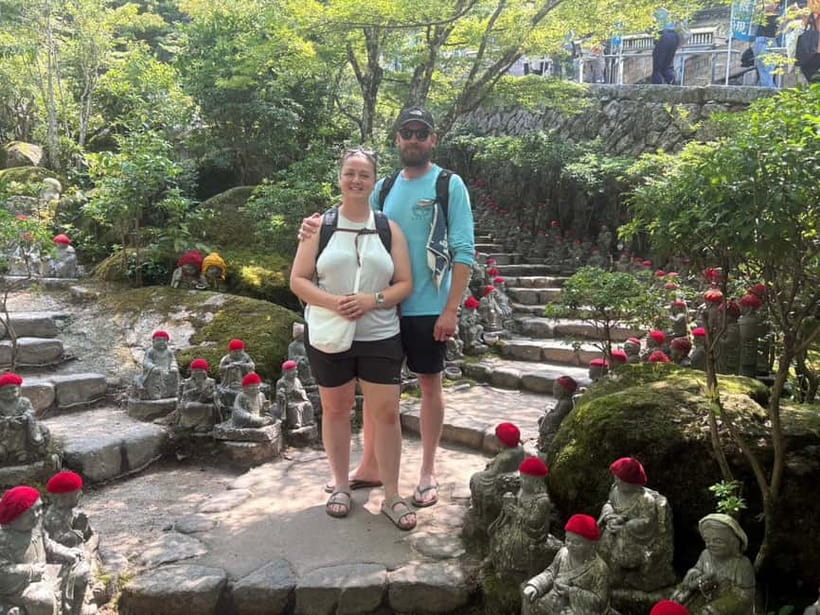
After the shrine, the tour keeps rolling on the island experience, including the Daishoin Temple. This is where the day softens. The focus shifts from postcard water views to temple pathways and a more reflective mood.
You also get the chance to meet the free-roaming deer. This is one of the most “Miyajima only” moments. The deer are used to people, but that does not mean they understand boundaries.
The best tip is straightforward:
- Don’t eat near deer.
- Do not drop food.
- Keep food closed or controlled, especially if you’re holding snacks.
Recent experiences include direct advice like this, and it’s sound. Deer will approach, and you do not want a day of stress trying to protect a pastry.
The Daisho-in bonus experiences you might encounter
Daishoin is also where visitors often look for specific rituals and special areas in the temple complex. Some recent guides helped guests find and experience a Japanese purification ritual connected to the temple area, including walking through darker sections. That may not be the same for every group and timing, but it is within the kind of Daishoin experience your guide can help you look for.
If you want your tour to feel like more than a checklist, this is where it can happen. Your guide can point you to the right spot so you’re not just following the most obvious route.
The Secret Photo Stop: Why the Small Extra Matters
About 30 minutes are set aside for a “secret” photo stop. The point here is simple. If you only hit the famous areas, you end up with the same pictures as everyone else.
This short add-on is meant to improve your photo set and your sense of discovery. Many guides also use this kind of time to move you away from the heaviest crowds when possible, so you can breathe and get shots that feel more personal.
What you’ll feel during this time
You’ll likely notice less pressure. A short focused stop gives you a chance to slow down, review your camera shots, and take a few photos without sprinting between major attractions.
Your guide snapping photos earlier is also helpful here. Even if you want a couple of “selfie angles,” you’ll already have guide photos to fall back on later.
Returning to Hiroshima With Insider Tips That Pay Off Later
The tour ends with a return to Hiroshima. The included value doesn’t just stop at “you saw the sites.” You also get insider tips for the rest of your trip from your guide.
That can mean practical restaurant ideas, what to do next, or how to plan the next day efficiently. Some guides go a step further by helping guests find dinner spots and making arrangements when they can, so you do not spend your evening hunting for a good meal.
If you care about value, this part matters. Time is money in Japan, and a good recommendation can save you from settling for something mediocre just because you are tired.
Price and Value: Is $77 Fair for a Half-Day?
At $77 per person for a 4-hour guided experience, you’re paying for four things that add up quickly:
- A local English-speaking guide running the timing and walking plan
- Shrine tickets included
- Photo service included
- Food tasting included, including momiji manju and an oyster bite (season rules apply)
Not included are transportation fees and lunch. That means you should still budget for ferry and any other transit costs you must pay separately, plus whatever you choose for your lunch meal.
Does it feel expensive? It doesn’t, because the tour removes the biggest friction points: finding the right timing for the torii and managing tickets and movement. If you tried to do this on your own without tide timing, you could easily spend extra time and end up with less impressive results.
So for most people, the value is strongest if you:
- want a guided experience instead of DIY logistics
- care about tide timing and photo windows
- want the local food bites included rather than hunting them down
Small Tips That Make This Tour Smoother
These are the practical habits that help you get the most out of a tight half-day.
Wear comfortable shoes. You’ll be walking through shopping streets and temple areas.
Plan for deer behavior. Keep food secured and avoid eating right around them.
Bring a light layer. The day can shift in temperature, especially when you’re near the water.
Use the guide for photos and details. The photo service is there for a reason, and the explanation is what turns images into meaning.
Ask about your next meal. When you get the chance, ask for restaurant ideas after the tour. Guides often have current recommendations that help you avoid the tourist traps.
Should You Book This Hiroshima to Miyajima Half-Day Tour?
If you want a fast, focused Miyajima visit with tide timing, shrine context, local food tastings, and less stress, I’d book it. The combination of Itsukushima Shrine timing, Daishoin Temple experience, and guided photo help is exactly the kind of value that makes a half-day tour worth your time.
Book it especially if you:
- have limited time in Hiroshima
- care about getting the right torii look at the right tide
- prefer not to manage ferries and tickets on your own
- like learning culture and not just collecting photos
Skip it if you want a slow day with long stops and lots of free roaming. This is a structured tour. The payoff is efficiency and timing, not drifting for hours at one spot.
If you’re on the fence, this is the one question to ask yourself: do you want the tide and logistics handled for you? If yes, you’ll likely feel very happy with this plan.
Latest write-ups near Hiroshima
- An Amazing set of Cultural experience: Kimono, Tea Ceremony and Calligraphy★ 5.0 · 69 reviews
- Hiroshima: Private Walking Tour with a Local★ 4.6 · 70 reviews
- Kimono and Tea Ceremony in Miyajima★ 5.0 · 73 reviews
- Hiroshima and Miyajima Private Guided Tour★ 4.5 · 75 reviews
- HIROSHIMA ORIZURU TOWER Admission Ticket★ 4.6 · 75 reviews
- Hiroshima & Miyajima: UNESCO A-Bomb Dome & Itsukushima★ 5.0 · 76 reviews
- Hiroshima to Miyajima: Private Custom Tour with Ferry Ride★ 4.9 · 77 reviews
- Hiroshima Miyajima and Bomb Dome Private Tour★ 5.0 · 78 reviews
Miyajima Tours, compared.
Peaceful Hiroshima & Miyajima UNESCO 1 Day Bus Tour
Read our review →
Hiroshima and Miyajima UNESCO Sites 1-Day Tour
Read our review →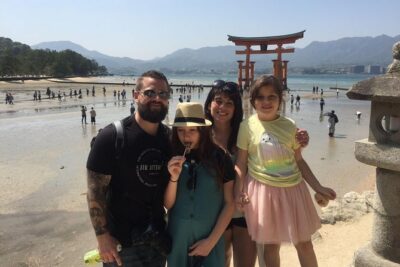
Hiroshima / Miyajima Full-day Private Tour with Government Licensed Guide
Read our review →
Osaka/Kyoto: Hiroshima Miyajima Bus Tour & Shinkansen Ticket
Read our review →
Hiroshima and Miyajima Day Trip with Itsukushima Shrine & Ferry
Read our review →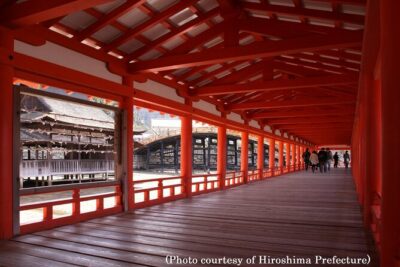
Full Day Hiroshima and Miyajima Bus Tour from Hiroshima
Read our review →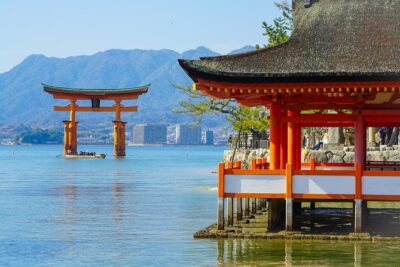
Miyajima Half-day Trip Historical Walking Tour
Read our review →Browse the lists this tour appears in