
Reviewed · MT FUJI TOURS
Mt Fuji Private Day Tour from Tokyo with English Speaking Driver
A private day trip that targets Mount Fuji views and works in famous spots like Lake Kawaguchi is a great way to get out of Tokyo fast, without wrestling transit. This is also a small-group style experience for a day that can change quickly, especially with weather.
What I like most is the hotel pickup and drop-off, which saves real time when you’re planning a long route. I also like that you get an English-speaking driver and practical viewing guidance. Guides such as Zubi and Hayat are noted for being professional and flexible when Fuji is hard to see, and that matters on a one-day schedule.
One drawback to consider: access to the Subaru Line and visibility of Fuji depend on weather and season. If car access is limited, you may have extra shuttle costs, and if clouds roll in you’ll shift to other options.
Key things that make this tour work well
- Hotel-to-hotel pickup means you spend the day looking at views, not figuring out train transfers
- English-speaking guidance plus on-the-fly viewing tips for where Fuji is most likely to show up
- A packed but realistic 10-hour route covering multiple Fuji Five Lakes area icons
- Hakone can become the backup plan when Fuji is obscured (you’ll still get a full day)
- You control the pace a bit through a private charter format, not a coach bus lineup
Private Fuji day trips with hotel pickup: the real value
If you’ve done the Tokyo must-dos and you want a serious day outside the city, this style of tour hits a sweet spot. You’re not spending half your effort on commuting. You get pickup from your Tokyo hotel, then a private vehicle that takes you to the Fuji area, with drop-off back at your lodging at the end.
The private format changes how the day feels. On a bus, you follow a route and hope the timing works. Here, your driver is building the day around what you can actually see that day, and around where it makes sense to stop. The big win is simplicity: you plan less, and you get to spend more time at the places with the best payoff.
I also appreciate the human side. In one account, Zubi and Hayat were praised for being on time, professional, and flexible, even when weather didn’t cooperate for Mount Fuji. That kind of adaptability is not a luxury on a Fuji day. It’s the whole game.
That said, private doesn’t automatically mean deep cultural storytelling. One account mentioned Muhammad being friendly, but not strong on local culture context. If you care a lot about shrine history or detailed local nuance, consider asking your driver what they can explain in depth, and be ready for more of a practical focus.
More Mt Fuji days:
- Mt Fuji and Hakone 1-Day Bus Tour Return by Bullet Train
★ 5.0 · 26,383 reviews - Mt Fuji & Hakone Cruise, Drum Show Bullet Train 1 Day from Tokyo
★ 4.0 · 7,413 reviews - Tokyo Mt Fuji 5th St & Hakone Cruise Bus Tour w/Bullet Train
★ 4.4 · 5,024 reviews
Price and logistics: $499 per group, plus what you should budget
The headline price is $499 per group (up to 5 people). For a lot of people, the math works best when you’re sharing the cost with a small crew. With 4 or 5 people, it starts to feel like you’re paying for a private vehicle and planning help all in one, not just transportation.
Here’s what the price covers, based on what’s included:
- Air-conditioned vehicle
- Private transportation
- Pick-up and drop-off to your hotel
- English-speaking guide
- Petrol, gas, and highway tolls
So you are not separately paying for tolls and fuel, which can add up on highway-heavy routes.
Now for the part you should plan for: extra fees listed as not included.
- Mt. Fuji Subaru Line costs are listed as 2100 yen per group (not included)
- If you cannot reach the 5th Station by car due to season, you may need a shuttle bus at 2100 yen per person
- Saiko Iyashi no Sato Nenba is 500 yen per person (not included)
- Ropeway cruise is 500 yen per person (not included), if you choose that kind of activity on the day
This is why I call it a value tour with a small catch. The base price is a good deal when you split it, but Fuji days can come with extra, time-sensitive fees depending on what your driver can access.
How the 10-hour schedule actually feels: timing and stop rhythm
The tour runs about 10 hours. The itinerary is structured around short, high-impact stops, with each location listed at about 1 hour.
That rhythm is useful. You’re not stuck at a single viewpoint for ages. You get multiple angles of the Fuji region: lakeside views, garden-like promenades, a famous pagoda angle, then pond and village atmosphere. If you’re photogenic, you’ll like this format. If you prefer long leisurely wandering, you may wish you had more time in fewer places. But for a first Fuji day, this is a solid way to hit the icons without dragging the trip into an all-day endurance test.
Also remember: the day depends on weather conditions. Fuji is famous for playing hide-and-seek. The itinerary is designed so you can still have a meaningful day even when the mountain is shy.
Mount Fuji viewing locations plus Hakone: why this mix matters
The first major stop is described as Mount Fuji viewing locations, and the day also includes Hakone at the same time. This is one of the smartest design choices in the route. Instead of putting all your eggs into one famous viewpoint, you’re giving yourself multiple chances within one day to see Fuji and still enjoy another strong region if the mountain is obscured.
The stop duration listed for this segment is about 1 hour, and admission is marked as free for that part.
Practically, what you’re paying for here is not just the view itself. It’s the driver guidance on where to look and when to look. On a clear day, you’ll get the classic Fuji angles. On a cloudy day, you’ll shift focus so the ride doesn’t feel like a disappointment tax.
That backup planning shows up clearly in a positive review: when Fuji viewing wasn’t possible, Zubi and Hayat were credited for recommending great alternative locations in Hakone. That’s exactly what you want on a one-day timeline.
A change of pace from Tokyo:
- 1-Day Tokyo Bus Tour
★ 5.0 · 14,250 reviews - Tokyo: TOKYO SKYTREE® Admission ticket
★ 4.5 · 11,192 reviews - Tokyo: teamLab Planets TOKYO Digital Art Museum Entry Ticket
★ 4.6 · 9,779 reviews - Tokyo: Sumo Show Experience with Chicken Hot Pot and a Photo
★ 4.8 · 6,678 reviews
Subaru Line 5th Station: the best attempt, with clear seasonal limits
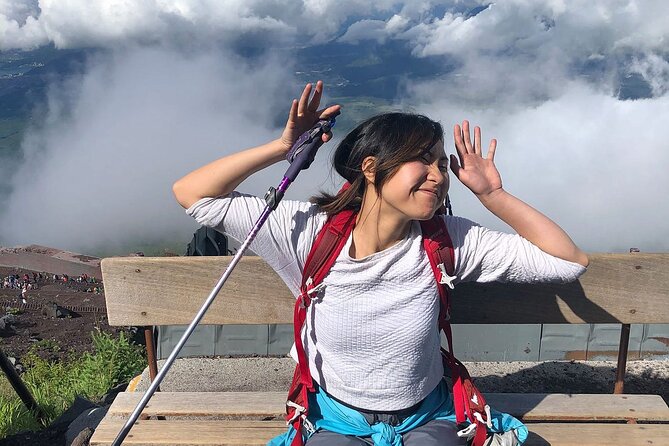
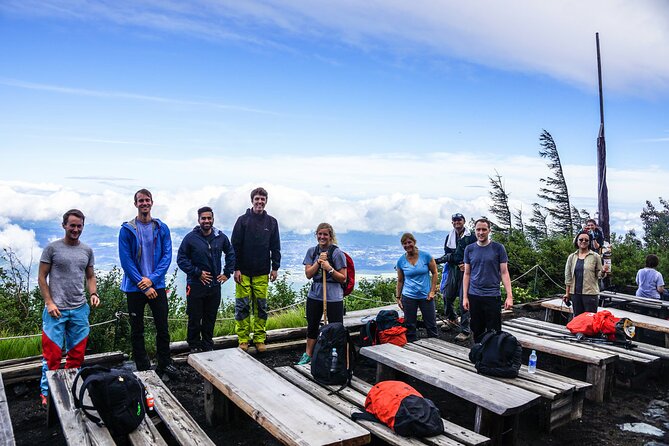
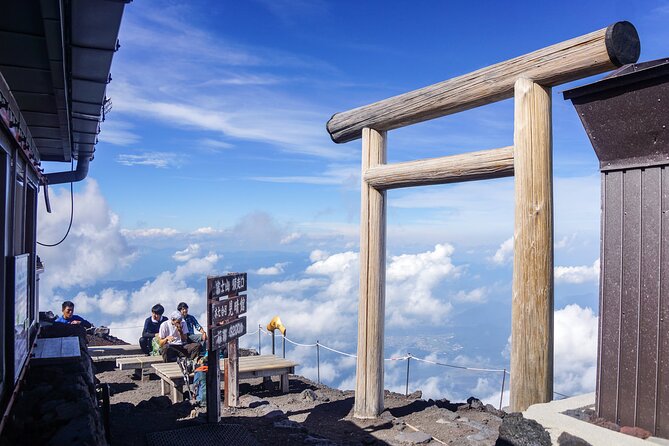
Next up is the Mt. Fuji Subaru Line 5th Station area. This is described as the last point you can reach by car, with a big note: weather matters, and during hiking season, they cannot go to the 5th Station by car.
In that case, you’re expected to take a shuttle bus and the cost is listed as 2100 yen per person.
Two separate fees are mentioned in the tour details:
- Subaro line 2100 yen per group (not included)
- Shuttle bus at 2100 yen per person during periods when car access is limited
So before you go, I recommend mentally budgeting for a scenario where the 5th Station access requires that extra shuttle. It’s not a guaranteed expense for every day, but it’s clearly part of the plan depending on season and conditions.
The important part: your driver isn’t being coy about it. The tour explicitly flags the limitations. That transparency helps you set expectations.
Lake Kawaguchi Ohashi Bridge: the easy Fuji win
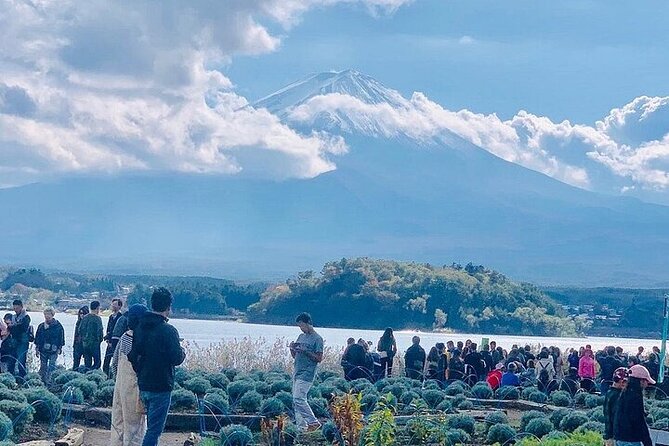
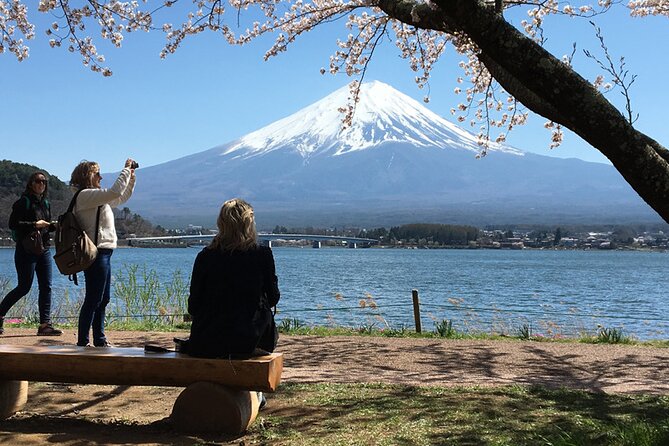
The tour then moves into the Lake Kawaguchi area, starting with Ohashi Bridge. Lake Kawaguchi is one of the five lakes surrounding Mount Fuji, and it’s popular for good reason: it gives you a classic lakeside framing for the mountain.
This stop is listed at 1 hour, with admission marked free.
Why this matters on a private day: the bridge is an efficient photo stop. You don’t need to navigate a maze of routes to get a recognizable angle. If Fuji cooperates, the reflection and the mountain silhouette can make your camera roll feel very successful fast.
If Fuji is not cooperative, you’ll still enjoy the lakeside atmosphere, and it won’t feel like you’re wasting the day waiting on a single point of view.
Oishi Park: flowers in season and a lake-plus-mountain view
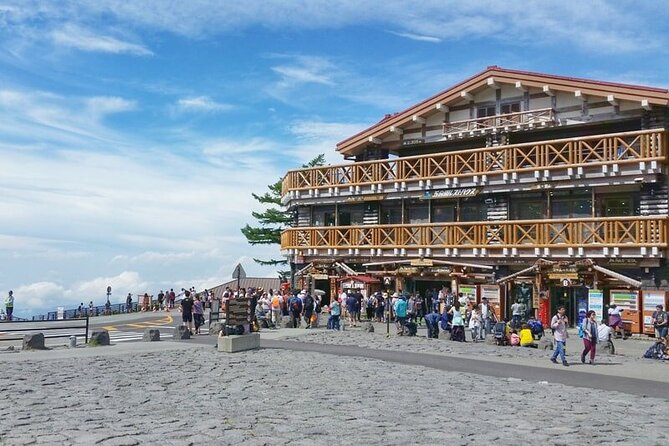
After the bridge, you head to Oishi Park, north of Kawaguchiko. This is described as having a “superb view” of the lake and Mount Fuji at once.
Like many Fuji region stops, it’s built for short visits. The route lists it as 1 hour and free admission.
There’s a seasonal note worth keeping in mind: the promenade along the lakeside is described as blooming with different flowers depending on the season. So your experience here changes with the calendar. If you time it with a flowering window, it can look extra special. If not, it still works as a scenic viewpoint area.
Practical tip: plan your timing with your own energy level. Walking the promenade is a nice break, but don’t treat it like you’re arriving at a full-day hiking trail.
Arakurayama Sengen Park and the Chureito Pagoda angle
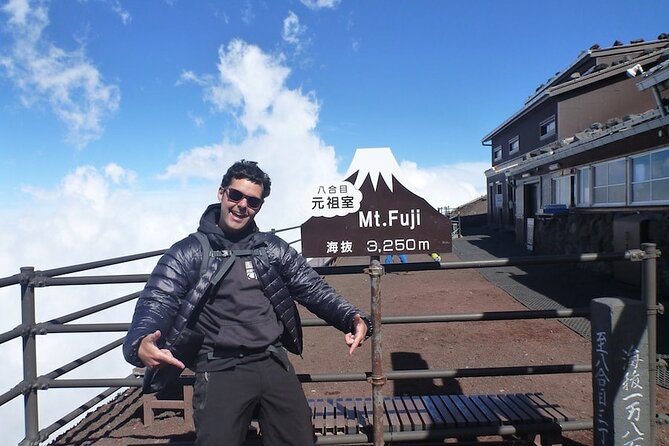
Next is Arakurayama Sengen Park, famous for the Chureito Pagoda, a five-storied pagoda overlooking Fujiyoshida. The park is listed at 1 hour with free admission.
This is one of those stops where the “icon” matters. You’re not just seeing a pagoda, you’re seeing it from the famous angle people travel for. That means you’ll want to take your time lining up a shot and watching how clouds and light affect the background.
If Fuji is visible, the pagoda-and-mountain composition can be a highlight. If Fuji is hidden, you’ll still get the pagoda viewpoint. Just know the wow-factor is partly weather-dependent.
Oshino Hakkai ponds: eight clear ponds and a slower pace
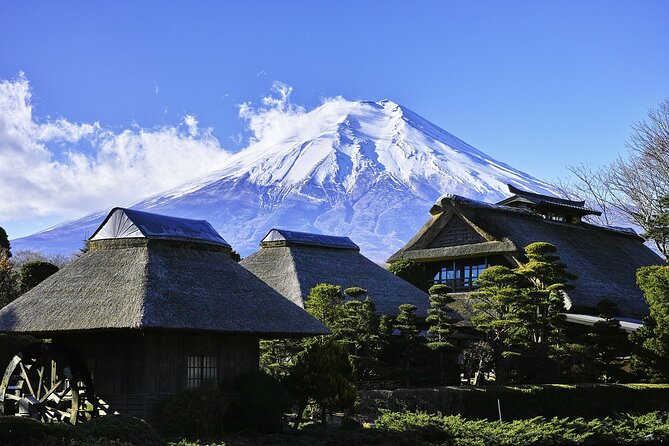
Then comes Oshino Hakkai. This stop is described as having eight clear ponds and traditional thatched-roof buildings. It’s also described as a place for tranquil walks and stunning views of Mount Fuji.
Duration is listed as 1 hour, free admission.
This is where your day slows down a bit in a good way. Instead of chasing the mountain angle, you’re walking in a village-like setting with water and scenery. If you’re feeling camera-fatigued, this stop gives you variety without requiring long travel time.
Shoes matter here. Even if it is not described as a strenuous walk, you will likely be on uneven paths or compact ground.
Kitaguchi Hongu Fuji Sengen Jinja Shrine: a main Sengen shrine stop
After Oshino Hakkai, the route includes Kitaguchi Hongu Fuji Sengen Jinja Shrine, also known as the Fujiyoshida Sengen Shrine. It’s described as the main Sengen Shrine on the north side of Mount Fuji, and it’s said to have been established in CE 100.
This is listed as 1 hour and free admission.
I like shrine stops on a day like this because it brings context. You’re not only photographing a mountain, you’re seeing how people relate to it spiritually and culturally. Even if your guide’s focus is mostly practical, this is still a meaningful pause in the day.
If you’re the kind of person who likes asking questions, this is a perfect moment. The tour format gives you the chance to ask what the shrine means and what you should notice.
Saiko Iyashi no Sato Nenba: when time allows, and what it costs
The final optional stop is Saiko Iyashi no Sato Nenba, a traditional Japanese village on the western shores of Lake Saiko. This is described as a traditional village and is listed as 1 hour, but admission is not included at 500 yen per person.
The itinerary note says you go here if you have time during the 10-hour trip and if you take the Fuji surrounding area plan.
So here’s my advice: treat it as a bonus, not a guaranteed chapter. If you want that old-village feel, it’s a great candidate. If you would rather keep the day moving to maximize Fuji viewpoints, you might choose to skip if timing becomes tight.
Pickup and drop-off details: what can affect the experience
A private tour lives or dies on logistics. One positive point from reviews is that guides like Zubi and Hayat were praised for picking people up on time and being professional.
On the flip side, another account described a pickup mismatch: the driver refused to come to the hotel’s main entrance and instead handled pickup in a different spot. At the end, the driver dropped people off in the middle of the street rather than at the hotel entrance.
You can’t control where a driver is able to stop at every Tokyo property, but you can control your preparation. When you’re confirming your pickup, make sure you and the driver know the easiest, most accurate pickup point, and be ready to stand where the car can actually pull over.
This is small, but it’s the difference between a smooth day and a stressful start.
Driver quality and the English-speaking promise
The tour includes an English speaking guide. That’s a strong baseline for comfort in Tokyo, especially if you’re not traveling in Japan all the time.
But private tours also vary by guide style. One account said the guide was friendly, but didn’t have much expertise with local culture, and it also mentioned the guide’s Japanese wasn’t strong. That’s not necessarily a pattern, but it is a reminder: an English-speaking guide doesn’t automatically mean the deepest possible cultural storytelling.
What I recommend is simple:
- ask direct questions early
- tell your guide what you care about most, Fuji photos, gardens, shrines, or Hakone scenery
- be clear if you want more explanation, not only driving and timing
Who should book this Mt Fuji private day tour
This tour makes a lot of sense if:
- you want to get out of Tokyo for Fuji and surrounding icons without handling public transport
- you have a small group, and you want the flexibility of a private vehicle
- you want multiple chances at the best views, not just one single viewpoint gamble
It may be less ideal if:
- you want long time at only one location
- you crave heavy cultural narration and you plan to rely on the guide for that
- you hate any extra fees that might come up for Subaru Line access or shuttle situations
Should you book it?
I’d book this if your priority is convenience plus a well-structured day around Fuji region highlights. The pricing can feel very reasonable when split across up to five people, and the route gives you a good mix of mountain viewpoints, lake views, pagoda vibes, pond walks, and a shrine stop.
Before you go, keep two things in your mind. One, weather and season can change access and visibility, especially around the 5th Station. Two, budget a little for extra listed fees like the Subaru Line cost, possible shuttle, and optional village admission.
If you want a smooth Fuji day that starts with a hotel pickup and ends with you back in Tokyo, this is a strong pick.
FAQ
How long is the Mt Fuji private day tour from Tokyo?
The duration is listed as about 10 hours.
What is the meeting and transport setup?
The tour includes pick-up and drop-off from your Tokyo hotel, using a private, air-conditioned vehicle.
What does the $499 price include, and how many people can join?
The price is $499 per group (up to 5). It includes private transportation, the English-speaking guide, and costs for petrol, gas, and highway tolls.
What tickets or fees are not included?
Admission and activity tickets are not included. The tour lists extra costs such as the Subaru Line fee (2100 yen per group), possible shuttle bus for the 5th Station (2100 yen per person in certain conditions), ropeway cruise (500 yen per person), and Saiko Iyashi no Sato Nenba (500 yen per person).
Can the tour reach the Mt Fuji 5th Station by car?
The tour says the 5th Station is the last point reachable by car, but it also notes that weather conditions apply. During hiking season, it says you cannot go to the 5th Station by car and you must take a shuttle bus.
What happens if Mount Fuji is not visible due to weather?
The tour includes driver guidance on where to view Mount Fuji, and the itinerary is described as flexible. One account specifically notes that when Fuji viewing was not possible, the guide recommended alternative locations in Hakone.
Is this tour private or shared?
This is a private tour, and only your group participates.
Do I get a mobile ticket?
Yes, the tour includes a mobile ticket.
Is free cancellation available?
Yes. You can cancel up to 24 hours in advance for a full refund.
Latest write-ups near Tokyo
- Tokyo Nights: Shibuya Photo Adventure★ 5.0 · 20 reviews
- Wagyu & Sake 8 Course Tasting Dinner in Shinjuku★ 4.9 · 20 reviews
- Making Japanese desserts Nerikiri & drinking matcha in Tokyo★ 5.0 · 20 reviews
- Japanese Whisky Hunting《HIGH-QUALITY-ONLY》Rare Tasting Class★ 5.0 · 20 reviews
- Mt. Fuji 5th Station, Owakudani Ropeway, Pirate Ship plus Outlet shopping!★ 4.5 · 20 reviews
- Kintsugi Experience with Arita Ware in Tokyo (English Guide)★ 4.8 · 20 reviews
- This is Asakusa! A Tour Includes the All Must-Sees!★ 5.0 · 20 reviews
- Tokyo: Karate Experience with Former All-Japan Champion★ 5.0 · 20 reviews
Mt Fuji Tours, compared.
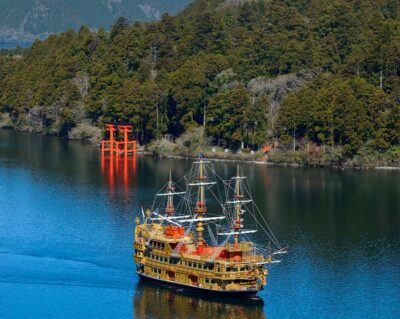
Mt Fuji and Hakone 1-Day Bus Tour Return by Bullet Train
Read our review →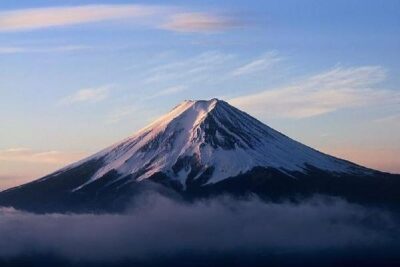
Mt Fuji & Hakone Cruise, Drum Show Bullet Train 1 Day from Tokyo
Read our review →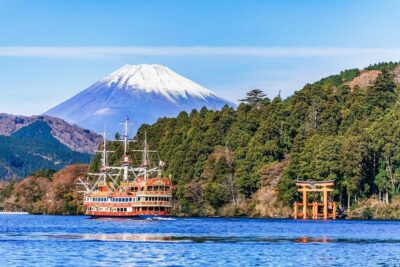
Tokyo Mt Fuji 5th St & Hakone Cruise Bus Tour w/Bullet Train
Read our review →
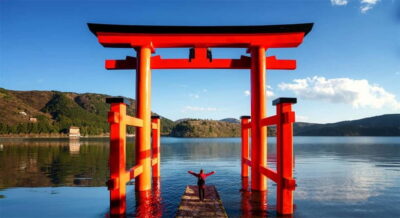
Mt. Fuji Tour, Hakone Ropeway, Owakudani, Lake Ashi
Read our review →
Mt.Fuji,Kawaguchiko Oishi Park,Arakurayama Sengen Park
Read our review →
Mt. Fuji 5th Station & Hakone Cruise 1-Day Bus Tour
Read our review →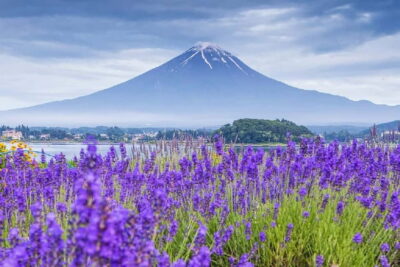
Mt Fuji Top 5 Spots Day Tour: Arakurayama Park,Oshino Hakkai
Read our review →Browse the lists this tour appears in