Reviewed · TOKYO TOURS
Tokyo:Stroll in Old traditional culture towns~Yanaka & Nezu
Tokyo has a way of changing moods fast. In many parts it is neon and rush, but in Yanaka and Nezu you can slow down and feel old Tokyo’s daily life still standing. What I love most is the mix of worship sites, quiet corners, and neighborhood streets, not just big-photo stops. I also like that guide Sui keeps the stroll human, with time to ask questions and notice what locals actually do.
The one drawback to plan for is the walking itself. This is a 3.5-hour route with staircases, and it can be tiring if you are not used to long urban walks or you hit hot, humid weather.
Key reasons this Yanaka and Nezu stroll works
- Small-group pacing that feels like a neighborhood walk, not a race between photo points
- Nezu Shrine and its torii-lined pathway, plus practical guidance for being respectful at religious sites
- Tennoji Temple and its garden calm, where you can actually slow your thoughts
- Yanaka Cemetery’s tree-lined rows, a moving contrast to Tokyo’s noise
- Meiji to Showa era streets, plus old storefronts like the traditional sake stop
- Neighborhood contact, from shop conversations to everyday family life you only notice when you go slow
Old Tokyo without the rush: Yanaka and Nezu in one calm afternoon
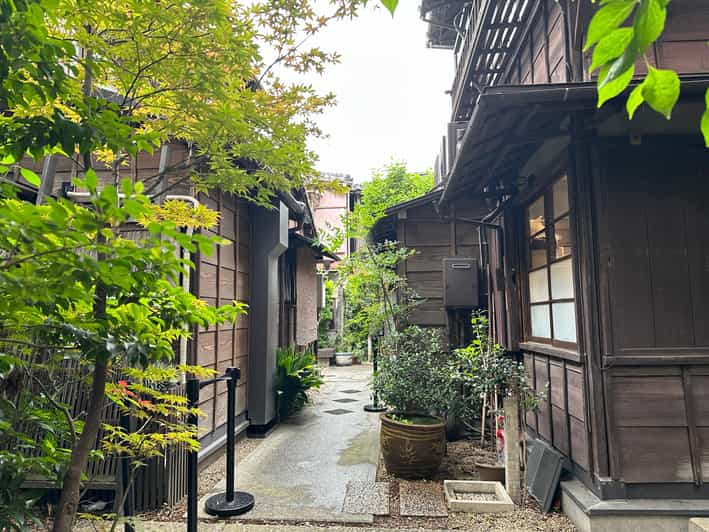
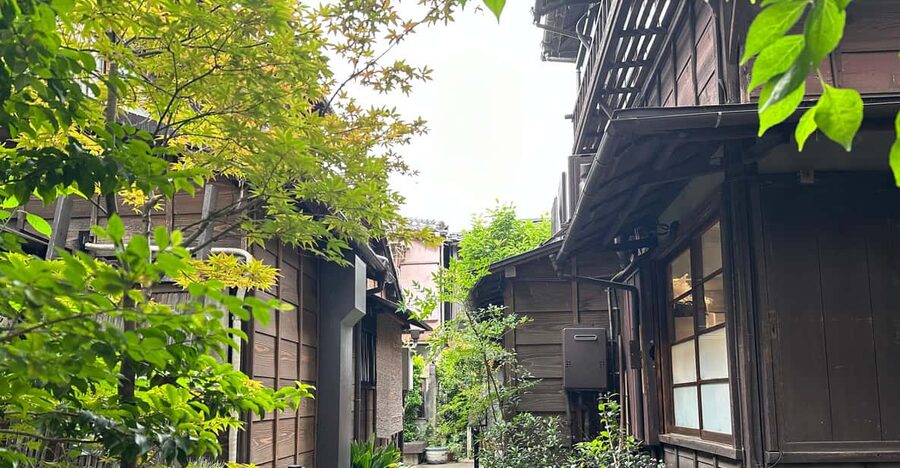
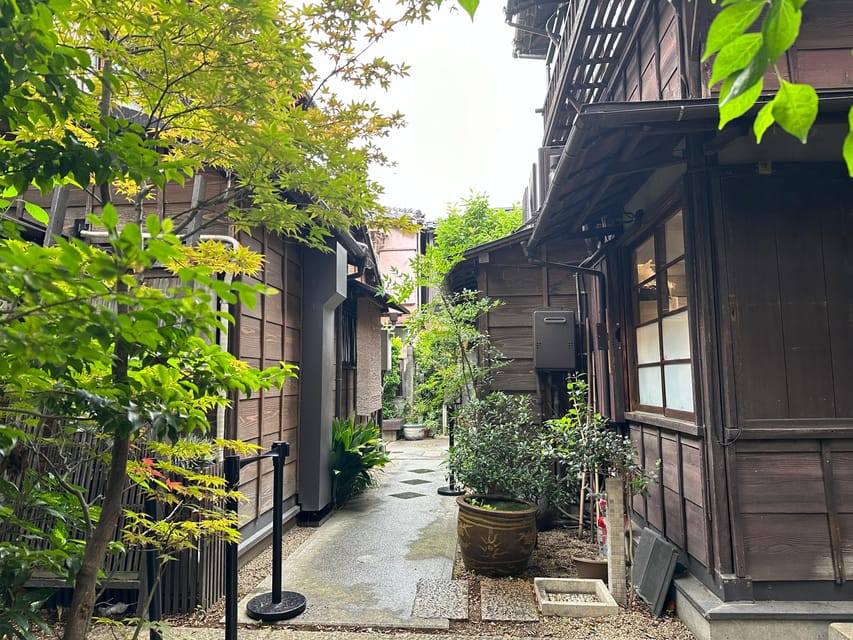
Yanaka and Nezu are a different Tokyo experience. You come for the historic vibe, but what keeps it real is the scale of the place. Streets are narrow. Buildings sit close to the road. Side lanes feel lived-in, not staged. It is the kind of area where you see laundry, local snack runs, and people moving at their own speed, not a timetable.
This tour is built for that feeling. It is a 210-minute stroll that tries hard not to turn into a checklist. Instead, you get time to look up at old structures from the Meiji period through the Showa era, and then you get to slow down again at worship sites where people come to pray and reflect. That rhythm is the whole point. You are not just collecting sights, you are learning how Tokyo’s spiritual life and neighborhood life sit side by side.
You also get a practical payoff: after the walk, you will know how to move through the area on your own. You learn what to notice, how to recognize the difference between a shrine space and a temple space, and what local customs look like in real time. That turns Yanaka and Nezu from a label on a map into a place you can navigate with confidence.
Also on the shortlist for Tokyo:
- Mt Fuji and Hakone 1-Day Bus Tour Return by Bullet Train
★ 5.0 · 26,383 reviews - 1-Day Tokyo Bus Tour
★ 5.0 · 14,250 reviews - Tokyo: TOKYO SKYTREE® Admission ticket
★ 4.5 · 11,192 reviews
Starting at Nippori Station West Exit, then settling into local rhythm
The meeting point is Nippori Station, West Exit, and the guide meets you at the waiting area right after you come out. This matters because it is easy to waste time in Tokyo unless you start clean. Once you are matched up, the group stays small, and the tour stays conversational. You are not just listening, you are participating by asking questions and pointing things out you notice on your own.
The route is designed around a relaxed pace. You will cover real ground, but the walking is broken up with stops that give your eyes a job. That is why a stop at a shrine or a garden moment feels restorative, not like a random detour. You also get breaks built into the rhythm of the itinerary, which is a big deal because the tour duration is long enough that you should plan for comfort.
Two practical notes I would not ignore:
1) Bring comfortable shoes. Even if the route feels “easy,” you are on foot for a while.
2) Have cash handy. Small old shops and snack stops work best when you can pay quickly.
Also, expect some stairs. The tour is not set up for wheelchair users. If stairs are a no-go for you, skip this one and look for a more accessible walking plan.
Nezu Shrine and its torii path: the kind of calm you can feel
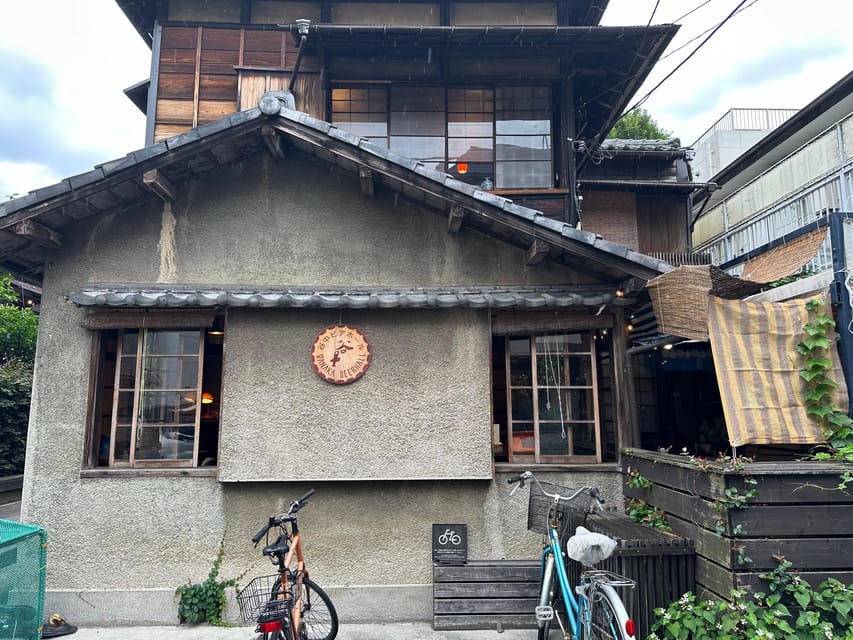
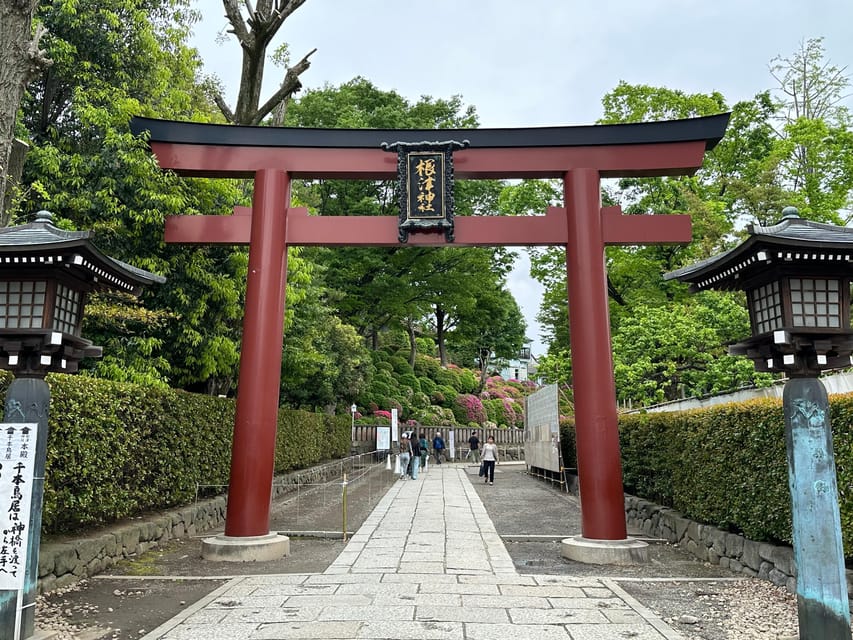
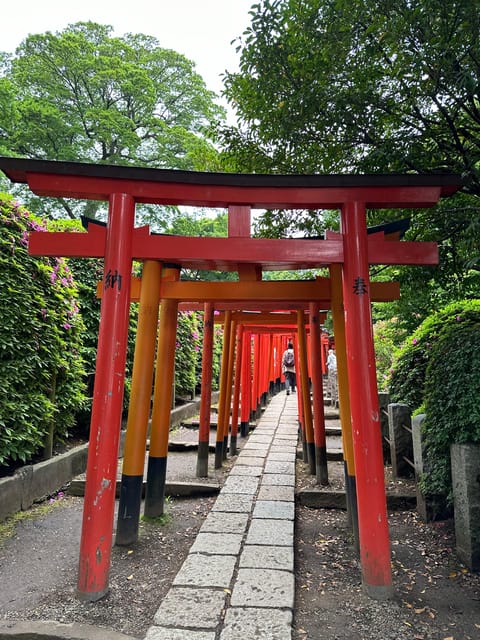
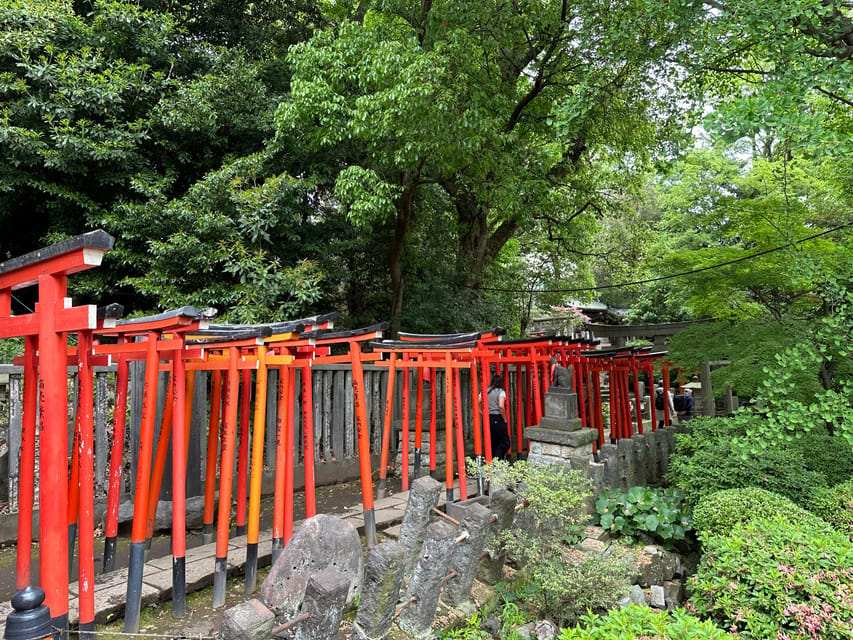
Nezu Shrine is one of Tokyo’s older worship sites, and it shows in the atmosphere. The highlight here is the torii-lined pathway, the gradual feeling of stepping into a more focused space. It is a visual transition, but it also changes your pace. Your body slows down before your mind does.
What I like about this stop is how it is framed as part of everyday religious life, not a performance. You are guided through what you will see and what it means, and you are given helpful direction on how to behave respectfully. That sort of instruction makes a big difference. When you know where to stand, when to pause, and what people are doing around you, you feel less like a visitor and more like a guest.
The shrine visit also works well in the tour flow. It is early enough that you set the tone for the rest of the walk, and it gives you something beautiful and quiet before the day’s walking builds momentum. If you are the type who likes to understand religion through how people actually practice it, this is the kind of stop that clicks.
One more bonus: this shrine stop is also a great photo moment, but the best photos are the ones you do while you are not rushing. Let the guide’s timing do the work.
Tennoji Temple’s bronze Buddha and garden pause
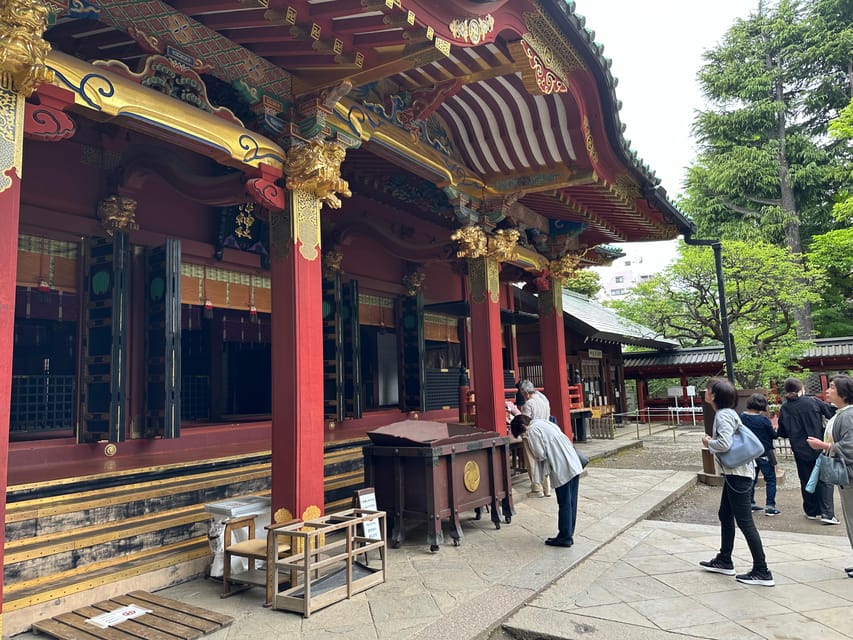
After Nezu’s torii path, Tennoji Temple gives you a different kind of calm. The centerpiece is a large bronze seated image of Buddha, and around it the space feels intentional, almost like a pocket you can breathe inside. You also get to enjoy the Japanese garden, which is a welcome break from street noise and a nice change of pace for your legs.
This stop is valuable because it helps you connect the dots. In a single afternoon you see how Tokyo’s religious spaces function as places for worship, reflection, and community routine. You are not just learning facts. You are seeing how the environment shapes the visitor experience: where people slow down, how they look, and how they move through the grounds.
The garden part is also one of those “I’m glad this is on the route” moments. Even if you are not the type to stop at every garden you see, this one helps reset your attention. When you continue the walk afterward, everything feels clearer. Less information overload, more calm observation.
A change of pace from Tokyo:
- Tokyo: teamLab Planets TOKYO Digital Art Museum Entry Ticket
★ 4.6 · 9,779 reviews - Mt Fuji & Hakone Cruise, Drum Show Bullet Train 1 Day from Tokyo
★ 4.0 · 7,413 reviews - Tokyo: Sumo Show Experience with Chicken Hot Pot and a Photo
★ 4.8 · 6,678 reviews - Tokyo: Shinjuku Food Tour (13 Dishes at 4 Local Eateries)
★ 5.0 · 6,603 reviews
Yanaka Cemetery: trees, shade, and a lesson in respectful quiet
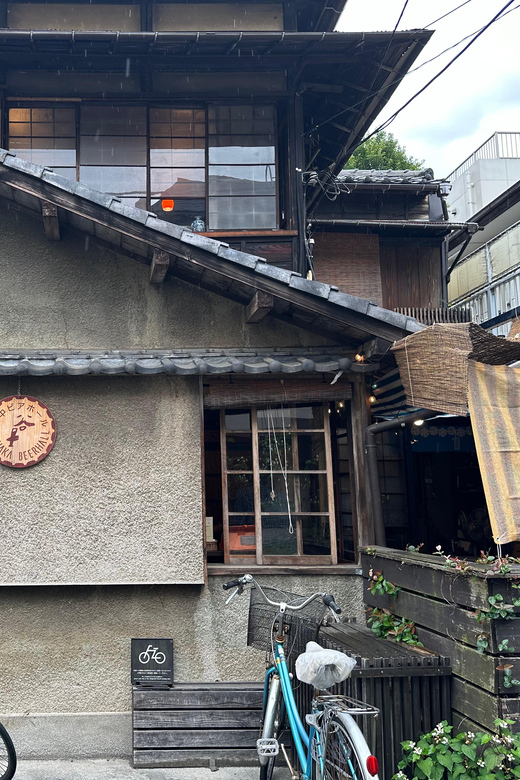
Yanaka Cemetery is big, scenic, and very different from the usual Tokyo sightseeing pattern. The highlight is the row of trees and the slow, shaded walking feel. It can be surprisingly emotional, even if you have no personal connection. Death and remembrance are handled with a level of solemnity here that makes the space feel real, not theatrical.
This is also a stop that many tourists skip because it is not a neon headline attraction. But that is exactly why it is so worthwhile. When you take a breath in a place like this, you understand Tokyo beyond its marketing. It shows how the city holds tradition in plain view.
A few practical thoughts:
- Wear shoes you trust on uneven ground and paths.
- Keep your voice low and your movements unhurried.
- Let the guide talk, then let the silence do some work too.
If you go in expecting a “sight,” you might miss what the cemetery is actually offering. It is a quiet lesson in scale, memory, and how calm can exist in a major city.
Meiji to Showa streets, Yoshida sake, Yanaka Ginza, and the sunset staircase
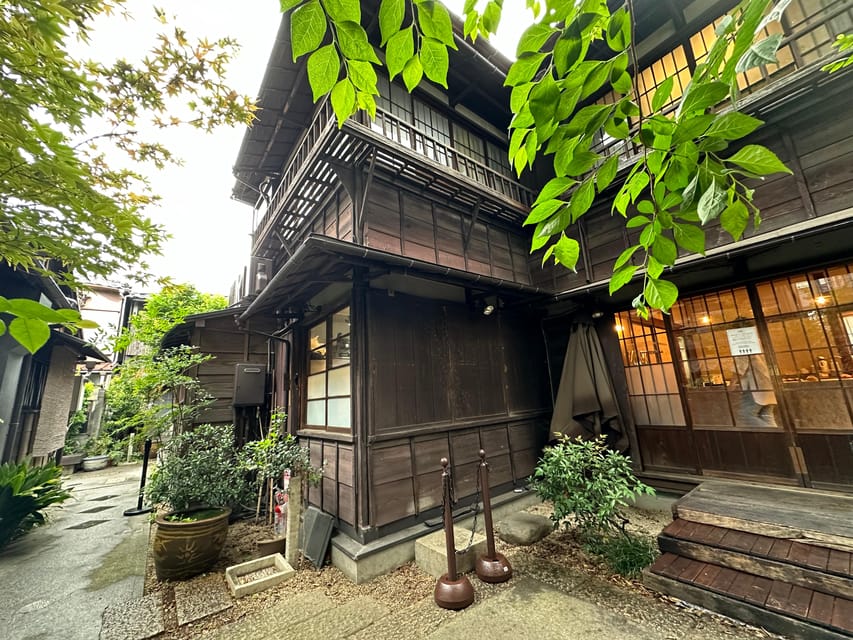
Between the religious sites, the tour leans into street-level Tokyo. That is where Yanaka becomes more than history. You pass through areas with traditional buildings from the Meiji period through the Showa era, and you see how old streets still connect to daily life.
One of the most fun, practical stops is the Yoshida Liquor Store, a traditional sake place. Even if you do not drink alcohol, the point is cultural context: you see how craft and commerce mix in local neighborhoods. The guide helps you understand what you are looking at, and you often get an easy path to shop smart, meaning you can buy small, authentic items without feeling overwhelmed.
Then you reach Yanaka Ginza, the traditional shopping street. This is where you get introduced to local street foods and where the guide helps you decide what is worth your time, not just what is popular in photos. You also get a strong sense of where people browse for daily treats and souvenirs. The street is lively in a local way, and it feels like the kind of place you would come back to on another day.
A favorite photo moment on the route is the sunset staircase, known as a popular local spot. Even if you do not time your photos perfectly, the staircase area is a good cue for golden-hour vibes and for how locals treat the neighborhood as part of their everyday scenery.
One important seasonal note: for the summer version of the tour, Yanaka Ginza is not included. That is because the route is modified to handle heat and humidity.
Meeting locals the right way, with time for real questions
A good walking tour does not just point. It introduces you to how people live. This one is built around that. You spend time strolling through quiet residential areas where you can see older and newer homes and small shops side by side. You may spot little kids on their way around and older folks doing everyday routines, and those small details turn the neighborhood into a story you can read with your own eyes.
What makes this valuable is the guided interaction. You have chances to talk to people you meet in the neighborhood shops. You also get time to ask Sui questions without feeling cut off. That matters because Japanese daily life includes small rules and invisible context, like how people talk about religion, how storefronts work, and what older neighborhoods preserve versus what they change.
This is also a family-friendly touch point. Families have done this walk with kids, and the guide has ways to keep children engaged while still respecting the sacred and calm nature of the stops. If you are traveling with younger members, that flexibility can make or break the day.
If your goal is to understand Japan beyond tourist signage, this neighborhood contact is the reason the tour feels authentic. You leave with better questions, not just better photos.
Seasonal treats: sakura mochi in spring and a shaded cafe plan in summer
This tour has clear seasonal bonuses, and they are not gimmicks. In spring, during the sakura period window, you get free sakura mochi for everyone. The exact bloom timing depends on the weather, so it is not locked to a calendar fantasy. If sakura mochi is not available, the tour replaces it with other traditional sweets or food items, so you still get a thoughtful seasonal flavor.
In summer, the tour makes a smart move. You stop in a cafe transformed from an old traditional building, and you get one drink of your choice included. Yanaka in summer can be very warm, and adding a real break into the afternoon protects your energy. The summer route also ends at Nezu Station, which helps reduce backtracking when heat is at its peak.
If you are deciding when to go, consider this: spring offers the classic cherry blossom vibe, while summer offers shade and an old building cafe break. Either way, the tour adapts, which tells you it is designed for comfort, not just motion.
Price, pacing, and what you get for $29
At $29 per person for about 3.5 hours, the value is in the guide and the neighborhood access. You are not paying only for a list of famous stops. You are paying for someone to interpret the area for you in plain language, keep the pacing calm, and point out details you would miss walking on your own.
The guide-led format matters because Yanaka and Nezu reward attention. Old streets can look similar at first glance. A good guide helps you notice why one lane feels older, why one building matters, and how worship spaces are used day to day. That turns the walk into something you remember beyond the photos.
Group size also helps the value. Small groups mean more time to ask questions and more chance to adjust to what you care about. The pace also stays unhurried, which is rare. Long walking tours often feel stretched. Here, the timing is managed so you can actually enjoy the stops rather than just endure them.
If you want an efficient Tokyo experience, there are plenty of tours that pack in big landmarks. This is different. It is a “you will learn how Tokyo works at street level” kind of day. For the price, that kind of context is a strong deal.
Should you book the Yanaka and Nezu stroll with Sui?
If you want Tokyo that feels quieter, older, and more human, I would book it. This tour fits you best if you like:
- neighborhood streets and old architecture more than big-ticket landmarks
- religion seen through everyday practice
- a small-group walk with time to ask questions
- a calmer pace that still feels full
Skip it if you cannot manage stairs or long walking stretches. Also, if you only have a tiny window and must see only the most famous sights, you might want a different style of tour.
If you are flexible and you want the city’s gentle side, this one is a strong choice. You will come away with a Tokyo you can recognize even after you leave Yanaka and Nezu behind.
FAQ
Where does the tour start?
The meeting point is Nippori Station, West Exit (for Yanaka). The guide waits at the waiting area after you come out.
How long is the tour?
The duration is 210 minutes (about 3.5 hours). The tour may end a little earlier or later.
What language is the live guide?
The tour is guided in English.
Is the tour offered in small groups or private?
Yes. It is private or small groups available.
What is included in spring, and what if sakura mochi is not available?
In spring, there is free sakura mochi. If it is not available, it is replaced with other traditional Japanese sweets or food items.
What is included in summer?
In summer, there is a stop at a cafe in an old traditional building with one drink of your choice included.
What should I bring?
Bring comfortable shoes and cash.
Is it wheelchair accessible?
No. It is not suitable for wheelchair users, and the route includes staircases.
Latest write-ups near Tokyo
- Tokyo Customized Private Tour: See Top Attractions in 1 Day★ 4.8 · 67 reviews
- From Tokyo: Top 5 Scenic Spots of Mount Fuji Full-Day Tour★ 4.5 · 67 reviews
- Traditional Japanese Music ZAKURO SHOW in Tokyo★ 5.0 · 67 reviews
- Tokyo: Shinjuku Izakaya and Golden Gai Bar Hopping Tour (2h)★ 4.9 · 67 reviews
- Tsukiji: Unlimited Sake Tasting Experience★ 4.9 · 67 reviews
- Tokyo: Not a show- a professional sumo practice with experts★ 4.9 · 67 reviews
- Samurai Ninja Museum Asakusa: Kid-Friendly Ninja Training★ 4.7 · 67 reviews
- Private Harajuku Omotesando Architecture Walking Tour★ 5.0 · 67 reviews
Tokyo Tours, compared.
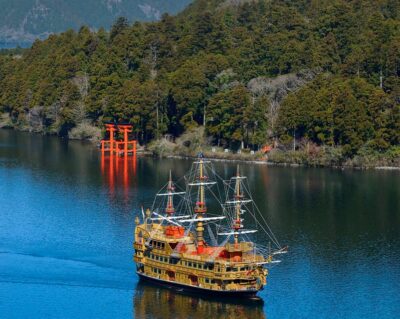
Mt Fuji and Hakone 1-Day Bus Tour Return by Bullet Train
Read our review →

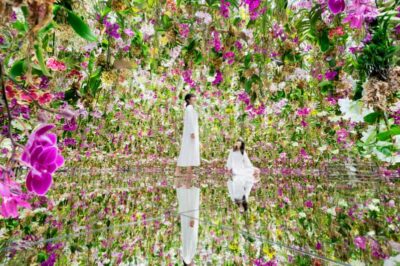
teamLab Planets TOKYO Digital Art Museum Entry Ticket
Read our review →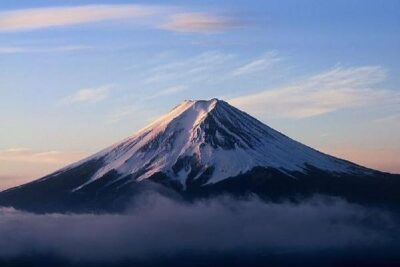
Mt Fuji & Hakone Cruise, Drum Show Bullet Train 1 Day from Tokyo
Read our review →
Sumo Show Experience with Chicken Hot Pot and a Photo
Read our review →
Shinjuku Food Tour (13 Dishes at 4 Local Eateries)
Read our review →