Reviewed · BAR HOPPING & IZAKAYA TOURS
Tokyo: Shinjuku Bar Hopping & Night Walking Tour
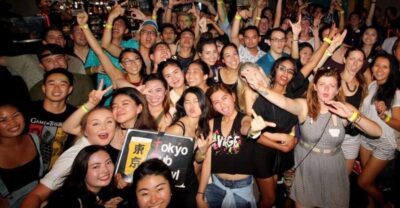
Shinjuku at night is one of those Tokyo experiences that feels more like a movie set than a city. You get the lights, the alleys, the tiny doors, and the way locals actually spend an evening, not just what looks good in photos. I love how the tour strings together three distinct izakaya styles in a logical route, and I love that guides like Miko and Ayaka make the food and drink feel personal, with real explanations like a sake tasting that turns a random pour into something you can actually taste.
Here is the tradeoff: food and drinks are not included, so the $30 price is mainly for the guide, the walking, and getting you into spots you might not manage alone. Also, seating can be tight in the small places, so be ready for some standing, and bring cash since that matters in Japan’s smaller bars.
Key highlights you will feel right away
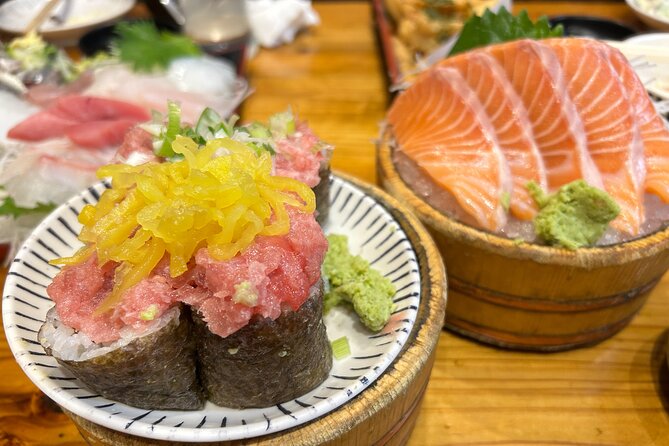
- Three izakaya styles in one night, moving from tiny lantern-lit lanes to neon entertainment streets, then into Golden Gai’s small-bar world
- Your guide handles the hard part like reservation logistics for places that are tough to get into
- Sake tasting with clear, practical comparisons, not just a quick sample
- Lively arcades and hidden alleys, places most foreigners skip because you would not stumble on them by accident
- Karaoke can happen, and some nights include playful novelty drinks like snake sake
- Cash and age rules are real, and the tour is designed around how Japanese drinking spots work
Shinjuku after dark: why this neighborhood works for a short tour
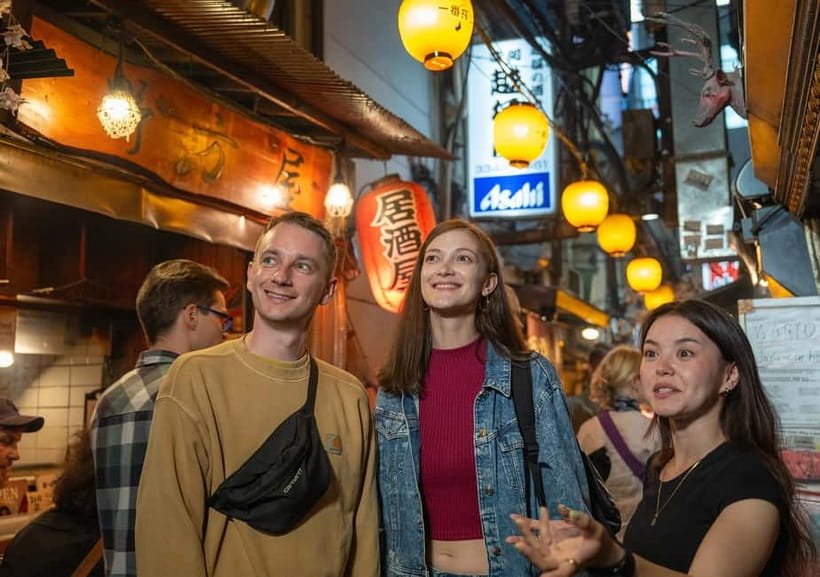
Shinjuku is loud even when you are standing still. At night, the district turns into a mix of neon streets, back-alley smoke haze, and doorways that look too small for what is happening inside. That is exactly why a guided bar-hop works so well here. You get a focused path through the nightlife without needing to decode everything on your own.
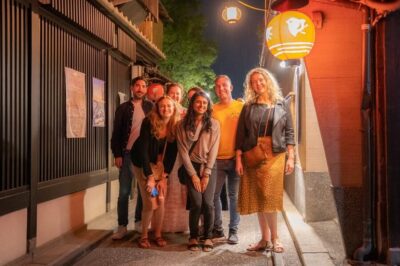
This tour is built for a 3-hour evening plan. You walk between the main zones, with short transfers on foot, so you stay in the atmosphere instead of wasting time on transit. You also get photos during the tour, which is handy in Shinjuku, where the lighting is perfect but the alleys are easy to get lost in.
And the best part is the human piece. Several guides I have seen highlighted, like Han, Hajime, and Chihiro, are big on personality and pacing. You are not just following a route, you are learning how to order, what to expect when you sit down, and how the culture around drinking and sharing works.
More Bar Hopping in Tokyo
- Tokyo Bar Hopping Tour in Shinjuku (All-You-Can-Drink + Dinner)
★ 5.0 · 3,587 reviews - Best of Shinjuku: Izakaya Food Tour (4 Stops, 14+ Tastings)
★ 5.0 · 1,863 reviews - Tokyo: Shinjuku Local Bar and Izakaya Guided Walking Tour
★ 4.9 · 1,794 reviews
Meeting point at Shinjuku Station East Exit Police Box
You meet at the Shinjuku Police Station Shinjuku East Exit Police Box, at the East Exit of Shinjuku Station. The guide will be holding a sign that reads Local Guide Stars, so you should be able to spot them quickly even if Shinjuku is chaos at first.
This matters more than it sounds. In Shinjuku, the crowds near the station can scatter groups fast. When a tour starts on time and leaves on time, the meeting point is the difference between a smooth night and a stressful scramble. If you are even a little late, you can miss the group, and the tour notes you cannot get a refund or rescheduling if you do.
If you want a low-stress start, I suggest you arrive early, take a minute to locate the police box entrance area, and then relax. You are going to be moving and ordering soon, and Japan runs on timing.
Stop 1: Omoide Yokocho, lanterns and office-worker dinners
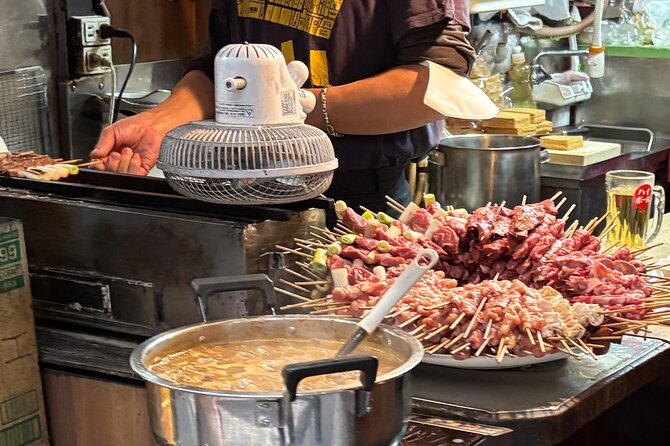
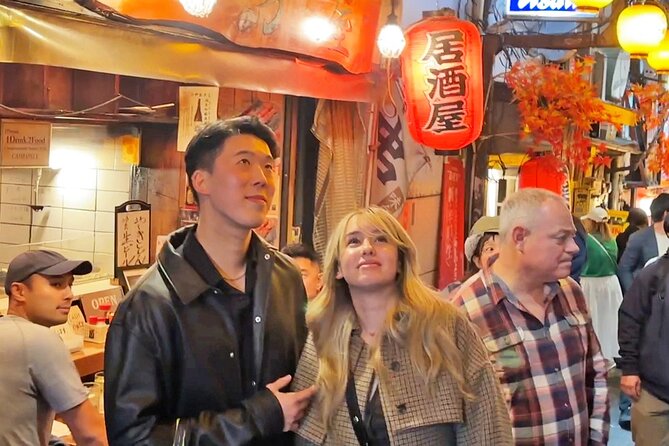
Omoide Yokocho is one of those places you understand instantly. Red lanterns, tight lanes, and after-work crowds packed into little spots where everyone seems to know the routine. This is where the tour starts to feel real, because you are stepping into an izakaya world that looks like it has been doing the same thing for decades.
What I like about starting here is the energy. Omoide Yokocho is where you see the social rhythm of Japan at night: people leaning in close, sharing plates, and switching from beer to sake as the conversation warms up. The setting also helps you loosen up. Even if you feel awkward at first, the environment is designed for casual group dining.
One practical point: tables are limited. The tour includes reservation help, which is a big deal in Omoide Yokocho, where getting in can be difficult. Still, seating may not be comfortable for everyone, and you might find yourself standing depending on the restaurant’s setup.
Food-wise, this is usually where you get the first wave of Japanese classics. Expect bites that work for pairing with alcohol, and the pace is set so you are not overwhelmed. Based on what guests describe from past nights, sushi often appears early, and that first restaurant can set the tone for the rest of your night.
Stop 2: Kabukicho, neon street theater and dinner with characters
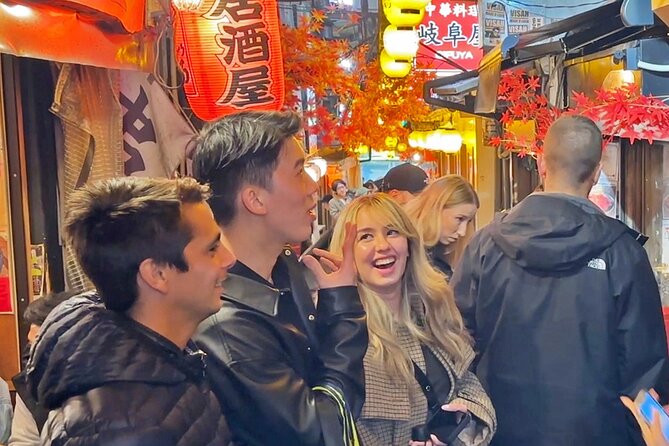
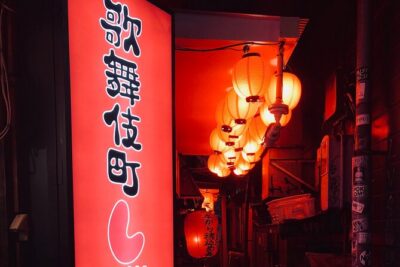
After Omoide Yokocho, the tour shifts into Kabukicho. This is Japan’s entertainment neighborhood, known for the neon lights and the bigger-city nightlife feel. If Omoide Yokocho is about intimacy, Kabukicho is about spectacle.
Kabukicho is also a good place to understand Tokyo’s nightlife layers. You will see the characters, the shopfronts, and the energy of an area that is built to entertain. It can feel intense if you arrive expecting quiet streets, but with a guide it becomes manageable. You are not being thrown into the deep end, you are being shown where to go, what to ignore, and how to order like you belong.
The dinner stop here is usually more of a meal rhythm than just snacks. This is where crispy, hot items like kushikatsu often show up in guides’ selections, plus comfort food styles like gyoza. And yes, sake and other drinks tend to keep flowing once the group is settled.
A quick drawback to keep in mind: Kabukicho can be visually overwhelming. If you hate crowded streets or you prefer calm environments, this part of the night might feel like sensory overload. The saving grace is that you have a planned destination rather than wandering aimlessly through the noise.
More Evening Experiences in Tokyo
- Tokyo Night Foodie Tour in Shinjuku – Seasonal Sushi, Wagyu Beef
★ 5.0 · 1,161 reviews - Tokyo: Daikoku JDM Car Meet & Night Car Culture Tour
★ 4.8 · 626 reviews - Tokyo After 5: Authentic Japanese Food & Drink Night Tour
★ 4.5 · 560 reviews - Tokyo: Samurai Entertainment Night Show in Kanda Shrine
★ 4.6 · 417 reviews
Stop 3: Golden Gai, tiny bars, insider access, and long stories
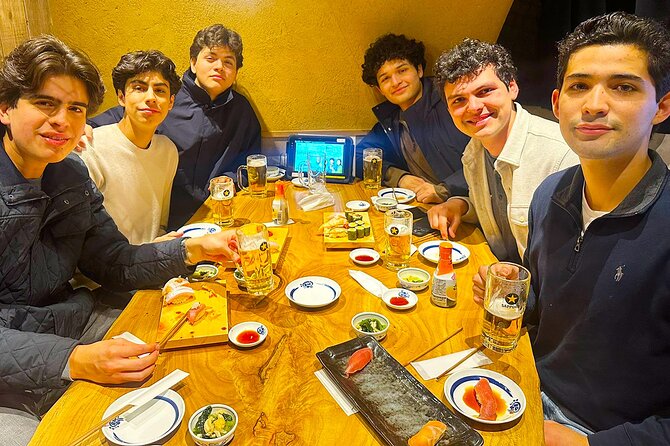
Golden Gai is the final stop, and it is a totally different vibe than the rest of Shinjuku. Instead of one big bar scene, Golden Gai is made of small, door-sized spaces, each with its own personality. The idea is simple: you walk up to a narrow entry, step inside, and the atmosphere hits you right away.
What makes Golden Gai special on a tour is the access. The tour description notes insider connections that can grant entry to exclusive bars that typically do not welcome new customers. That matters because Golden Gai is the type of place where self-guided plans can fail. You can find signs and walkways, but you might not be let in.
This is also where guides often go from ordering to storytelling. Past experiences highlight guides like Hajime who explain cultural context, and Miko who is praised for making sake feel understandable through tasting comparisons. You are not just drinking, you are learning what you are drinking and why it is served the way it is.
Expect to try local beers, spirits, and Japanese sake. Some groups also add karaoke later in the night, depending on the mood and flow. One past example includes karaoke plus a novelty drink like snake sake, which is the kind of Shinjuku memory that sticks because it is so unusual.
Golden Gai has another reality check: space is tight. Even if you get in, you may be standing or squeezing into a small room. That is not a problem for most people, but it is good to know before you arrive with expectations of a sit-down restaurant.
Food and drink reality: what you pay for and how to budget
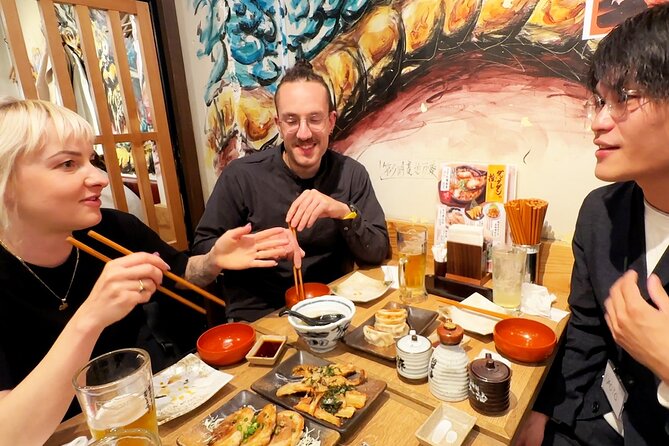
Let’s talk money honestly. The listed price is $30 per person for the walking tour with a local guide, photos, and the structure that gets you to those specific nightlife areas. Food and drinks are not included. That means your total night cost depends entirely on what you order.
So how do you make this tour good value? You treat the $30 as a paid advantage:
- You save time figuring out where to go in a district that is confusing at night.
- You get guided ordering, including how sake is explained and how foods are chosen to match the drinks.
- You get reservation help and insider access, which are hard to replicate solo.
If you want this to stay a bargain, pick a strategy. For example, try one or two signature bites and one drink per stop before adding extras. You can always keep drinking if you are having a great time, but knowing your baseline keeps the night from turning into an unplanned spending spree.
Also, bring cash. The tour explicitly says cash is needed. That is a very common Japan nightlife detail, especially in small venues that do not operate like big, card-friendly restaurants.
Finally, age rules matter. By Japanese law, only guests aged 20 and over are allowed to drink alcohol. If you are under 20, you can still enjoy the food and walking parts, but you will not be ordering alcohol.
The practical stuff that makes or breaks your night
This tour is designed to be fun, but a few practical details are worth taking seriously.
First, limited seating is normal. The tour warns that some bars may require standing. If you have mobility challenges or you hate standing for any length of time, this could feel uncomfortable. For everyone else, it is just part of the vibe. Wear shoes that can handle pavement and slow crowd stops.
Second, service can be slow. The tour notes that food and drink service may be delayed at some restaurants, and the evening could run beyond the scheduled time. That is not a failure. In small izakayas, ordering and pacing can take a while, especially when the place is packed. Build in buffer time after the tour if you have a late train or a strict last night plan.
Third, vegetarian options are limited. The tour notes most Japanese restaurants are not fully set up for vegetarian menus. While vegetarian options may be available, they are limited. If vegetarian is important for you, you should plan to communicate dietary needs early and be ready for a simpler meal compared to what you might get elsewhere.
Fourth, language and cultural barriers are part of the experience. This is not a silent walking tour. You have a guide who can explain what is happening and help you place orders, but you should still expect some moments where you rely on the guide, body language, and smiles.
Who will enjoy this most, and who might not
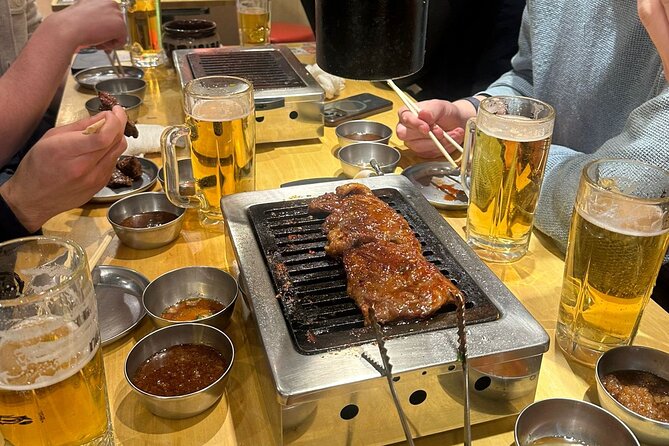
This is a great fit if you want a structured night in Shinjuku and you like the idea of learning through eating and drinking. It is especially good for first-time Shinjuku visitors because the route hits key areas like Omoide Yokocho, Kabukicho, and Golden Gai without you having to guess how the lanes connect.
Solo visitors often do well on this style of tour, because you are not alone in the streets. Plus, the group setup can make it easier to ask questions and keep the conversation going. Several experiences tied to the guides emphasize comfort and friendliness, including solo female participants who felt at ease.
You might want to reconsider if you are not interested in drinking at all. The tour is built around alcohol culture and multiple stops where ordering plays a big role. And if you are not into karaoke, that can be a downside in some evenings. One described experience says karaoke was not the best fit and that drinks there felt expensive. That does not mean karaoke is guaranteed, but it is part of the style of Shinjuku nightlife that some groups do.
Also, if you want a very calm evening, Shinjuku may be too intense, especially once you reach Kabukicho.
My take: what you learn and why it sticks
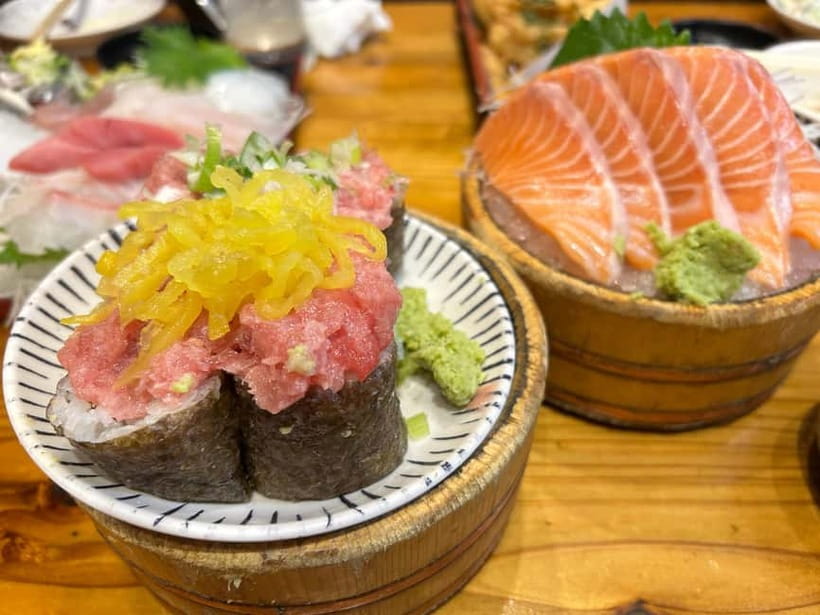
The real value of this tour is that it trains your instincts for Japanese nightlife. After you do it, you are better at spotting what kind of izakaya you are walking into, how to order, and how sake fits into the meal rhythm. Instead of random sips, you start tasting with purpose.
I also like that the guide role is front and center. Reviews highlight guides like Han for humor and drink recommendations, Ayaka for cultural context and English, and Chihiro for taking people to shops you would not find online. That is exactly what you want from a bar-hop. The guide makes the difference between seeing Shinjuku and understanding Shinjuku.
And yes, the photos matter. Shinjuku’s neon and tiny lantern lanes can look amazing, but they are chaotic for self-shot photos. Having someone take pictures lets you remember the route without constantly juggling your camera.
Should you book this Shinjuku bar hopping and night walking tour?
Book it if you want a 3-hour, guided Shinjuku night that covers the best-known districts and the smaller alley feel in between. It is a smart plan for your first or second night in Tokyo, especially if you want insider access to Golden Gai and you like the idea of a sake tasting guided by someone who actually explains differences.
Skip it if you dislike crowded streets, do not drink and do not want a tour built around drinking culture, or you need guaranteed vegetarian meals and fully sit-down seating. Also think twice if you have no tolerance for standing in small bars.
If you fall in the middle, here is the simplest rule: bring cash, be ready to stand sometimes, and treat it as a guided night out where the real product is local context plus access, not a pre-paid meal.
FAQ
How long is the Tokyo Shinjuku bar hopping tour?
It runs for 3 hours.
Where is the meeting point?
Meet at Shinjuku Station East Exit at the Shinjuku Police Station Shinjuku East Exit Police Box. The guide will hold a sign that says Local Guide Stars.
Is food and drink included in the price?
No. The tour price covers the walking tour, local guide, and photos, but food and drinks are not included.
Do I need cash?
Yes. You should bring cash for this tour.
Is the tour okay if I am vegetarian?
Vegetarian options may be available, but they are limited, and most restaurants are not fully equipped for vegetarian menus.
Can anyone drink alcohol during the tour?
No. By Japanese law, only guests aged 20 and over are allowed to drink alcohol.
What happens if it rains?
The tour proceeds rain or shine, as scheduled.
More Walking Tours in Tokyo
- Tokyo Tsukiji Fish Market Food and Culture Walking Tour
★ 5.0 · 3,184 reviews - Tokyo: Imperial Palace and Shogun Historical Walking Tour
★ 5.0 · 2,251 reviews - Tokyo: Tsukiji Fish Market Food and Walking tour
★ 5.0 · 1,724 reviews - Tokyo: Asakusa Walking Tour with Sensoji Temple Visit
★ 4.8 · 1,583 reviews
Latest write-ups near Tokyo
- Tokyo Customized Private Tour: See Top Attractions in 1 Day★ 4.8 · 67 reviews
- From Tokyo: Top 5 Scenic Spots of Mount Fuji Full-Day Tour★ 4.5 · 67 reviews
- Traditional Japanese Music ZAKURO SHOW in Tokyo★ 5.0 · 67 reviews
- Tokyo: Shinjuku Izakaya and Golden Gai Bar Hopping Tour (2h)★ 4.9 · 67 reviews
- Tsukiji: Unlimited Sake Tasting Experience★ 4.9 · 67 reviews
- Private Harajuku Omotesando Architecture Walking Tour★ 5.0 · 67 reviews
- Tokyo: Not a show- a professional sumo practice with experts★ 4.9 · 67 reviews
- Samurai Ninja Museum Asakusa: Kid-Friendly Ninja Training★ 4.7 · 67 reviews
Bar Hopping & Izakaya Tours, compared.
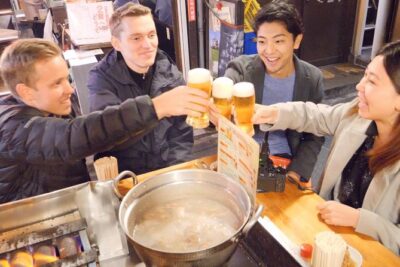
Tokyo Bar Hopping Tour in Shinjuku (All-You-Can-Drink + Dinner)
Read our review →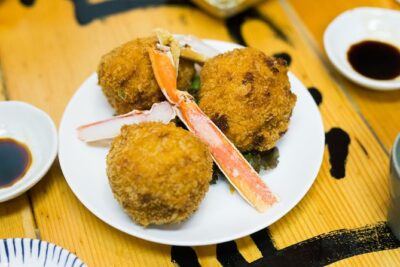
Best of Shinjuku: Izakaya Food Tour (4 Stops, 14+ Tastings)
Read our review →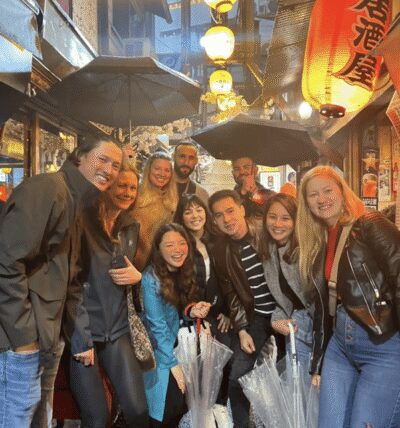
Shinjuku Local Bar and Izakaya Guided Walking Tour
Read our review →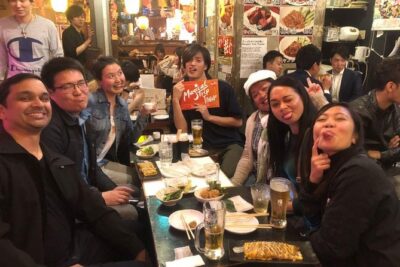
Shibuya Meltdown Nightlife Tour: All-You-Can-Drink Bar Hopping
Read our review →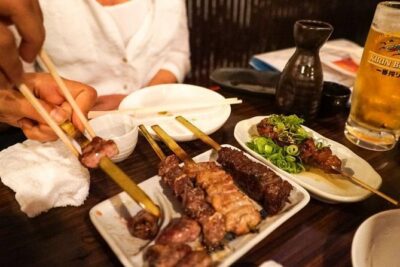
Osaka Bar Hopping Night Walking Tour in Namba (3 bars, 6 tastes)
Read our review →