Reviewed · MARKET TOURS
Tokyo: Tsukiji Fish Market Food and Walking tour
Tokyo’s Tsukiji area is the kind of place where your eyes go fast and your brain has to keep up. This small-group walking tour breaks it into manageable chunks, starting with Tsukiji Hongwanji Temple and ending with Tsukiji Jogai Market street-food tastings.
I like the way the tour uses a no set menu approach, so you pick what sounds best and pay only for those dishes. I also like the flexible pace, where the guide adjusts based on what the group wants to try. One thing to consider, though, is that food and drinks are not included, so you will want a plan for spending in yen.
Key Highlights at a Glance
- No set menu, you choose and pay for each dish you want to eat
- Small group, up to 10 people, which makes the walking part easier
- Temple stop first, a quick calm moment at Tsukiji Hongwanji Temple
- Two market zones, Tsukiji Fish Market plus the street-food focused Tsukiji Jogai Market
- Local English speaking guide, including history and ingredient pointers as you eat
Tsukiji, Without the Confusion: What This 2-Hour Tour Really Does
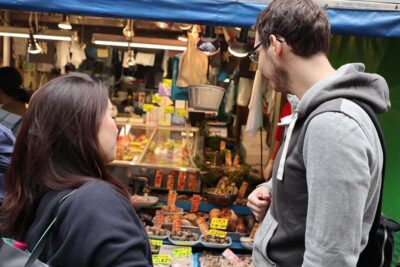
Tsukiji can feel like sensory overload. There are people everywhere, seafood smells strong and unmistakable, and the alleys can twist just enough that you lose your place. This tour keeps you from playing Where am I? by giving you a clear route and a guide who knows what is worth your time and money.
The big win here is that the tour is built around food, not sightseeing checklists. You do walk between stops, but the real point is eating your way through Tsukiji’s best-known areas, with the guide pointing out what you are looking at along the way. Plus, with a tour length of about 2 hours, it fits easily into a Tokyo day without swallowing your whole morning.
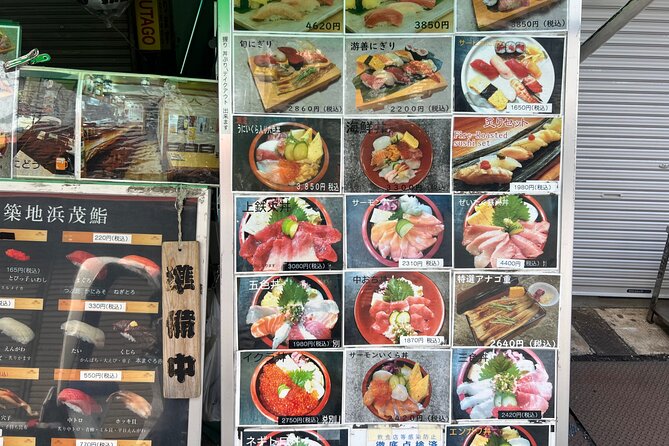
The second big win is the no set menu format. Instead of being handed a fixed sequence, you get to choose what to eat at the stalls. That means you can aim for lighter bites, splurge on one memorable item, or stick to things that feel familiar, like tamago-style Japanese omelets or fried fish cakes.
Just remember the trade-off: the $30 tour price covers the guiding and market/temple admissions, not the food. So you will still spend extra on tastings. If you love markets, this is usually a plus, because you control the flavor budget.
More Food & Drink in Tokyo
- Tokyo: Shinjuku Food Tour (13 Dishes at 4 Local Eateries)
★ 5.0 · 6,603 reviews - Tokyo Tsukiji Fish Market Food and Culture Walking Tour
★ 5.0 · 3,184 reviews - Tokyo: Shinjuku Food Tour (15 Dishes and 4 Eateries)
★ 4.9 · 2,033 reviews
Start at Tsukiji Hongwanji Temple, Then Shift Into Market Mode
The tour begins with Tsukiji Hongwanji Temple (築地本願寺), a stop that is only about 30 minutes but does a smart job setting the tone. Before you hit the market crowds, you get a quieter reset, which makes the seafood area feel less chaotic when you arrive.
This temple visit also adds context. You are not just eating random things in a maze. You are learning that Tsukiji is more than a food zone, it is part of a neighborhood with long-running traditions and landmarks that locals recognize.
A possible drawback is also clear from this structure. One portion of the tour is not a food stop. If your only goal is maximum eating, you may wish that the tour started directly at the market. Still, the temple time is short, and for most people it makes the whole morning feel more balanced.
Enter the Tsukiji Fish Market Zone With a Clear Route
Next comes the Tsukiji Fish Market portion, about 1 hour. This is the part most people picture, the world-famous seafood hub, with the kind of history that made Tsukiji a headline for tuna auctions and market activity. Even if you do not care about auctions specifically, this is where you understand the scale and purpose of the place.
With a guide, you are not just walking through noise. You are being pointed toward what you can safely and practically try, plus how to read what you are seeing. The tour also focuses on history and culture, including why certain ingredients matter in Japanese seafood dishes.
Food tastings here tend to be simple and quick, the way they are in real market life. You might find yourself trying items like fresh seafood samples, fruit, and classic market-friendly bites such as Japanese omelet styles and fried fish cakes. The goal is variety without turning the walk into a long sit-down meal.
One practical consideration: Tsukiji is busy. You will be standing and moving for much of the time. A guide helps with pacing so you are not zigzagging for your next stop, but you still want comfortable shoes and a willingness to spend time on your feet.
Tsukiji Jogai Market: The Street-Food Circuit That Makes This Tour Worth It
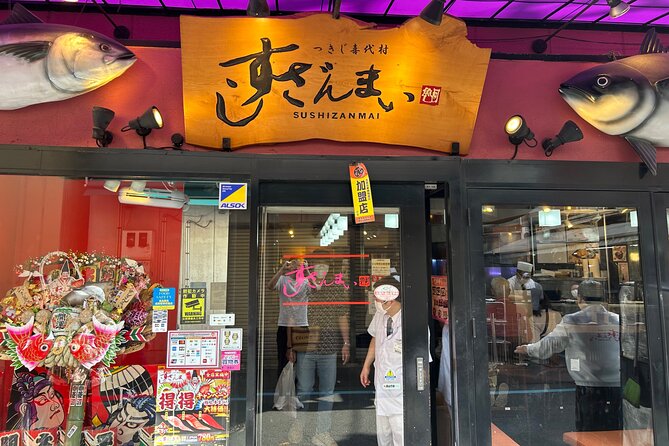
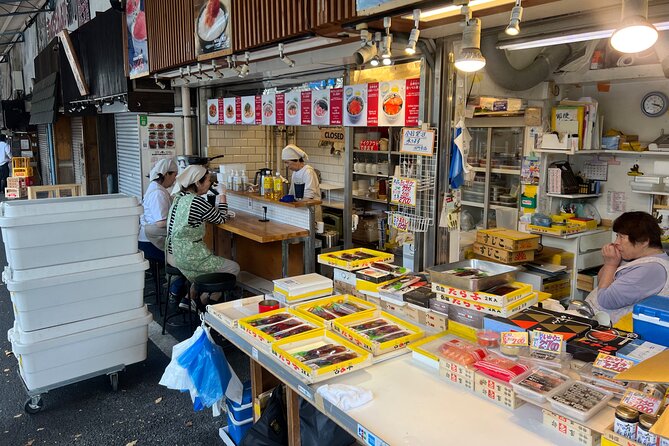
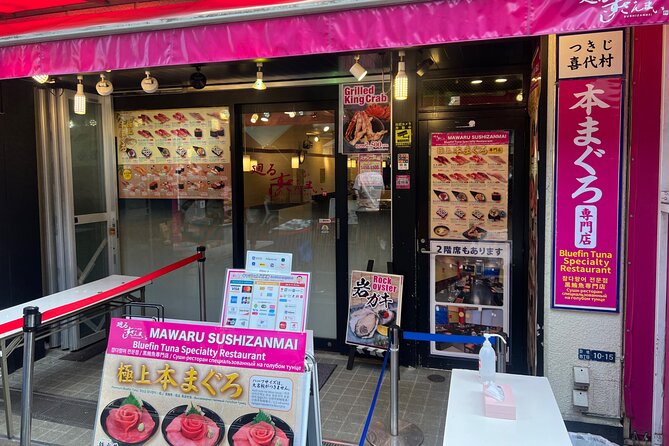
The tour finishes with Tsukiji Jogai Market for about 30 minutes. If the earlier market stop is about the seafood engine room, this segment is where you get the street-food feel, packed with stalls and counters selling ready-to-eat items.
This is often where the tasting choices start to feel more personal. Since there is no set menu, you can steer your selections based on what smells best, what looks freshest, and what your comfort level allows. It is also a place where you can sample a few smaller items instead of committing to one big meal.
From what I see works best here, you treat it like a sampler run. Aim for one or two standout items you have been curious about, plus one safer, familiar choice so you have something satisfying regardless of what you pick. And because food and drinks are not included in the $30 price, you will want to think of this tour as a guided way to access the market, then spend at the stalls the way you choose.
More Market Tours in Tokyo
- Tokyo: Tsukiji Fish Market Guided Walking Tour
★ 4.9 · 1,397 reviews - Tokyo Sushi Making Class in Tsukiji with Professional Chef
★ 5.0 · 1,177 reviews - Tsukiji Fish Market Guided Tour and Sushi Making with Pro Chef
★ 5.0 · 775 reviews - Tokyo: Tsukiji Fish Market Food and Culture Walking Tour
★ 4.7 · 757 reviews
How the No-Set-Menu Tasting Works (and How to Spend Smart)
The tour’s biggest practical feature is also the one that affects your wallet most: no set menu. You choose and pay for dishes you want to eat. That can sound vague until you realize what it does for you.
It gives you control. Want a few small bites? You can do that. Want to try something adventurous like sea urchin or eel, if the stalls have it that day? You can ask and go for it. If you are cautious about raw seafood, you can lean toward cooked options like omelet-style dishes or fried fish cakes.
It also helps you avoid the classic food tour problem where you pay for items you would never choose. Here, you pay for what you actually want, then you use the guide to steer you toward spots that make sense.
One consistent tip from the market experience itself is simple: bring yen and be ready to pay cash at stalls. Some vendors and counters are set up for quick transactions, and market samples are often purchased on the spot. A common budgeting approach is to bring enough for multiple tastings, since the tour is designed around sampling, not one meal.
If you want the best value, pick one item to treat as your main experience and the rest as supporting bites. That way, you get the thrill of trying something special without ending the tour with a wallet that feels suspicious.
The Guide Factor: Why Small-Group Matters More in Tsukiji
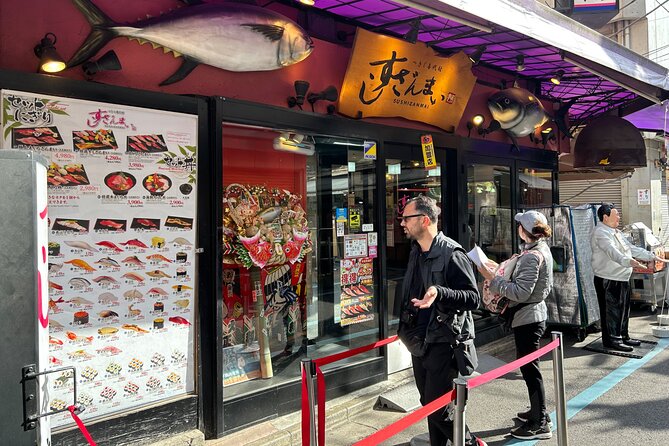
This tour caps at 10 travelers. That is a big deal in Tsukiji because the market is not built for long lines of people trying to decide where to stand. Smaller groups move more smoothly, and you get the guide’s attention when you need help choosing.
Many guides in this format are also strong at vendor relationships and practical shopping advice, pointing out what is fairly priced versus what is just there to catch tourists. Names that show up often with excellent experiences include Benjamin, Jim, Rie, Haydn, Nicolas, Minori, Sayaka, and Shino. The details vary by guide, but the theme stays the same: they help you avoid getting lost and they help you make smarter choices about what is actually worth buying.
I also like that the tour does not pretend Tsukiji is calm. Instead it treats the market like what it is, a working food environment. The guide’s job is to keep you moving and to translate what you are seeing into something you can enjoy.
Meeting Point at Starbucks Tsukiji Station and How the Morning Flows
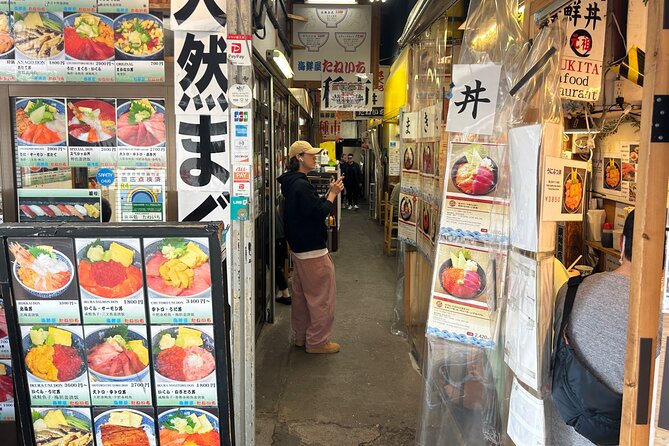
You meet at Starbucks Coffee near Tsukiji Station, at Tsukiji 2-chōme 12-8 (Daiko Building) 1F. The tour ends back at the same meeting point, so you do not need to figure out trains or directions as you leave hungry.
The flow is straightforward: temple first, market second, Jogai market third. That order helps for two reasons. First, it prevents you from being overwhelmed at the start. Second, it sets you up to eat the best range of items, starting with seafood-focused stops and then moving toward street-food counters.
Timing-wise, you are looking at about 2 hours total, with 30 minutes at the temple, 1 hour in the fish market area, and 30 minutes in Jogai. That pacing keeps the tasting varied and keeps the walking from dragging.
Price and Value: Why $30 Is Only Part of the Story
At $30 per person, this is an affordable entry point to one of Tokyo’s most famous food neighborhoods. But the real way to evaluate the value is to separate what you pay for from what you pay extra for.
Included in the price are:
- A local English speaking guide
- Admissions to Tsukiji Hongwanji Temple and both market areas listed
- Time spent learning history and culture as you walk
- The structure that gets you to good stalls without guessing
Not included are foods and drinks. So your total spend will depend on how many tastings you choose. The good news is that the tour is designed around choice. You are not locked into a fixed meal package. If you stay selective, you can keep extra costs reasonable.
Also, consider what the guide saves you. In Tsukiji, time is money. Getting lost, wandering into stalls that are not worth it, or missing out on what you actually want to taste can waste your morning. For many people, paying $30 to make the market work for them is a bargain.
Who Should Book This Tsukiji Food Tour?
This tour is a strong fit if you:
- Want a guided way to handle Tsukiji’s crowded layout
- Like eating multiple small things instead of one big meal
- Appreciate learning about ingredients and how Japanese seafood dishes are built
- Prefer a small group, up to 10 people, for easier movement
It is also good for families, groups of friends, and couples who want to share a food experience without needing to plan a detailed itinerary. If you are short on time, the 2-hour format gives you a meaningful Tsukiji hit without turning the day into a marathon.
If you are the type who already knows the area well and simply wants to wander on your own, you might not need a guide. But for most people, Tsukiji is one of those places where a little guidance pays off fast.
Should You Book the Tsukiji Fish Market Food and Walking Tour?
I think this is worth booking if you want a guided Tsukiji morning that turns chaos into clear tastings. The combination of a calm temple start, a structured walk through the fish market area, and a finishing street-food tasting run makes it easier to eat well without guessing.
Book it if you want flexible food choices and you are comfortable budgeting extra for tastings in yen. Skip it if your priority is a nonstop eating-only experience, because part of the tour is intentionally not food.
If you do book, I recommend showing up with comfortable shoes, a bit of curiosity, and yen ready. Then let the guide help you pick the bites that match your taste.
FAQ
What is included in the $30 tour price?
The price includes a local Japanese English speaking guide, entry or admission to Tsukiji Hongwanji Temple, entry or admission to Tsukiji Fish Market, entry or admission to Tsukiji Jogai Market, and learning about the history and culture of Tsukiji. Foods and drinks are not included.
Is there a set menu for this tour?
No set menu. You choose and pay for the dishes you want to eat.
How long is the tour, and how many people are in a group?
The tour is about 2 hours. The group size is capped at a maximum of 10 people.
Where do I meet for the tour?
Meet at Starbucks Coffee – Tsukiji Station, Tsukiji, Chuo City, Tokyo, at Tsukiji 2-chōme 12-8 Daiko Building 1F.
What stops are included on the walking route?
The tour includes Tsukiji Hongwanji Temple (about 30 minutes), Tsukiji Fish Market (about 1 hour), and Tsukiji Jogai Market (about 30 minutes). The tour ends back at the meeting point.
Do I need to bring money for food?
Yes. Foods and drinks are not included in the tour price, and you will be choosing and paying for what you eat at the stalls. Bringing yen is a smart move.
Can I cancel for a full refund?
Yes. There is free cancellation up to 24 hours in advance of the experience start time for a full refund. If you cancel less than 24 hours before, the amount paid is not refunded.
More Walking Tours in Tokyo
- Tokyo: Imperial Palace and Shogun Historical Walking Tour
★ 5.0 · 2,251 reviews - Tokyo: Shinjuku Local Bar and Izakaya Guided Walking Tour
★ 4.9 · 1,794 reviews - Tokyo: Asakusa Walking Tour with Sensoji Temple Visit
★ 4.8 · 1,583 reviews - Tokyo Castle & Imperial PalaceーShogun Walking Tour
★ 4.7 · 1,068 reviews
More Shopping Tours in Tokyo
- Tsukiji Fish Market: Street Food & Culture Walking Tour
★ 5.0 · 669 reviews - Tsukiji Fish Market Small-Group Food Walking Tour
★ 5.0 · 621 reviews - Tokyo: Tsukiji Fish Market Sushi Making Class with Pro Chef
★ 4.9 · 506 reviews - Tokyo Food Tour Taste Fresh Delights at Tsukiji Market
★ 5.0 · 429 reviews
Latest write-ups near Tokyo
- From Tokyo: Top 5 Scenic Spots of Mount Fuji Full-Day Tour★ 4.5 · 67 reviews
- Tokyo Customized Private Tour: See Top Attractions in 1 Day★ 4.8 · 67 reviews
- Traditional Japanese Music ZAKURO SHOW in Tokyo★ 5.0 · 67 reviews
- Tokyo: Shinjuku Izakaya and Golden Gai Bar Hopping Tour (2h)★ 4.9 · 67 reviews
- Tsukiji: Unlimited Sake Tasting Experience★ 4.9 · 67 reviews
- Tokyo: Not a show- a professional sumo practice with experts★ 4.9 · 67 reviews
- Samurai Ninja Museum Asakusa: Kid-Friendly Ninja Training★ 4.7 · 67 reviews
- Private Harajuku Omotesando Architecture Walking Tour★ 5.0 · 67 reviews
Market Tours, compared.
Tokyo Tsukiji Fish Market Food and Culture Walking Tour
Read our review →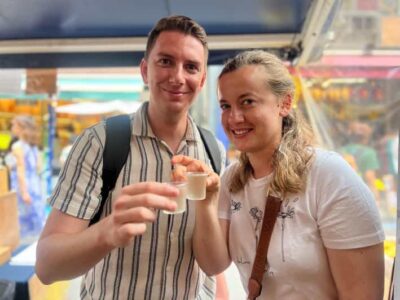
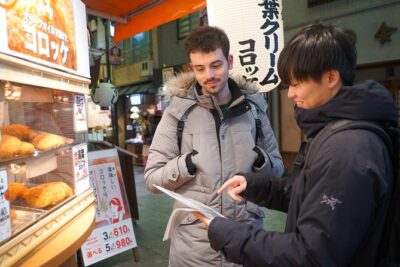
Nishiki Market Brunch Walking Tour (7 Tastings + Brunch)
Read our review →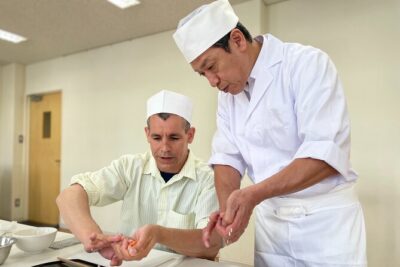
Tokyo Sushi Making Class in Tsukiji with Professional Chef
Read our review →
Tsukiji Fish Market Guided Tour and Sushi Making with Pro Chef
Read our review →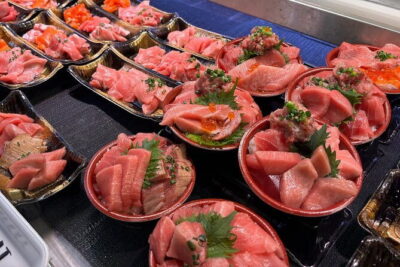
Tsukiji Fish Market: Street Food & Culture Walking Tour
Read our review →