
Reviewed · NARA TOURS
Discover Ancient Nara: Private Car Tour from Kyoto or Osaka
A Nara day trip is interesting because it feels like you’re switching gears. One minute you’re in big-city rhythm, the next you’re watching deer do their best acting in Nara Park, then stepping into some of Japan’s most important temples and shrines.
I love the private car setup with door-to-door convenience, and I love that you’re not stuck with vague sightseeing. You get an in-person English guide who can steer the day, like Ami, Sho, or Towa, and help you pace things so it stays fun. One possible drawback: a small number of reviews mention the vehicle experience not matching the comfort level you might expect, so if you’re sensitive to ride quality, it’s worth keeping that in mind.
Key highlights before you go
- Private, door-to-door car travel between Kyoto or Osaka and Nara, so you lose less time to trains and connections
- English-guided stops at the big icons, with explanations that make Todai-ji and Kasuga Taisha easier to understand
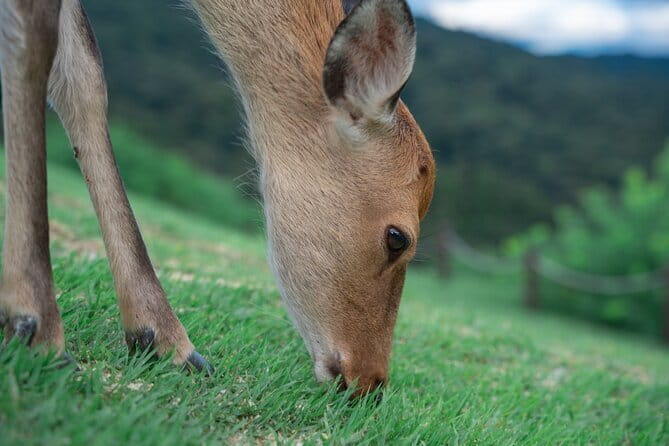
- Nara Park deer time built into the plan, with help from your guide on what to do and how to photograph it
- Naramachi townhouse district for traditional streets, small shops, and the kind of local street flavor that doesn’t feel rushed
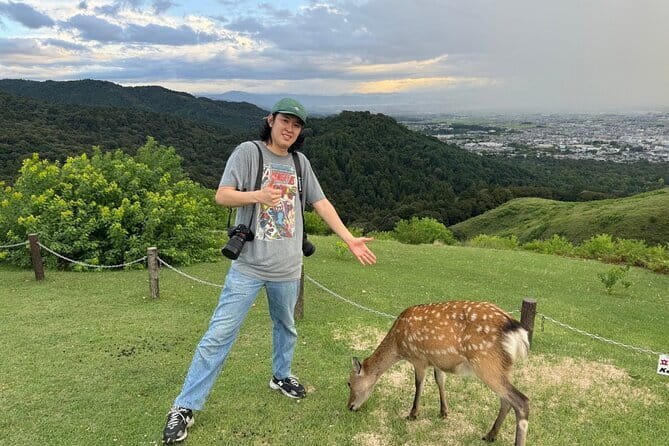
- Mt. Wakakusa summit views for photo-friendly panoramas and that classic deer-meets-sunset vibe
- Optional add-ons if timing allows, like tea at the Nara Hotel, matcha experiences, sake tasting, or seasonal strawberry picking
Why Nara feels different on a day trip
Nara has a strange superpower. It can feel old and ceremonial, but also playful and slightly chaotic, because the deer are basically part of the show. Even if you’ve seen temples elsewhere in Japan, Nara has a more intimate rhythm. You walk shorter distances, sit in quieter sacred spaces, and then you’re back outside, following your guide’s cues for where to go next.
This tour works well if you want a change of scenery without sacrificing structure. Instead of hunting for buses, you start from your hotel and end back there. That matters in Japan, where every transfer eats time and energy, especially if you’re tired from Kyoto or Osaka sightseeing the day before.
Also on the shortlist for Nara:
- World Heritage Kyoto & Nara Uji Authentic Matcha Experience
★ 5.0 · 1,573 reviews - Nara Half Day Trip Walking Tour (Private Option Available)
★ 5.0 · 937 reviews - Nara Early Morning Tour (Kyoto or Osaka Departure Available)
★ 5.0 · 676 reviews
Private car and English guide: what you gain
You’re paying for something very practical here: no sharing a vehicle, no waiting around, and no trying to translate temple etiquette on the fly. The included air-conditioned vehicle and bottled water help keep the day comfortable, especially in hot weather.
The big difference is the guide. In the reviews, guides like Ami, Sho, and Towa are praised for being attentive and for helping you avoid unnecessary stress. That often shows up in the small stuff: adjusting pacing to your group, suggesting options when weather shifts, and helping you navigate the practical moments like ordering lunch or handling deer encounters without getting flustered.
Also, because it’s private, you can actually lean into what you care about. One family focused on history and sacred sites, another leaned into food, and another wanted anime style connections for their teen. Your guide’s job is to adapt, not run a robot script.
Nara Park: deer feeding and photo moments without the chaos
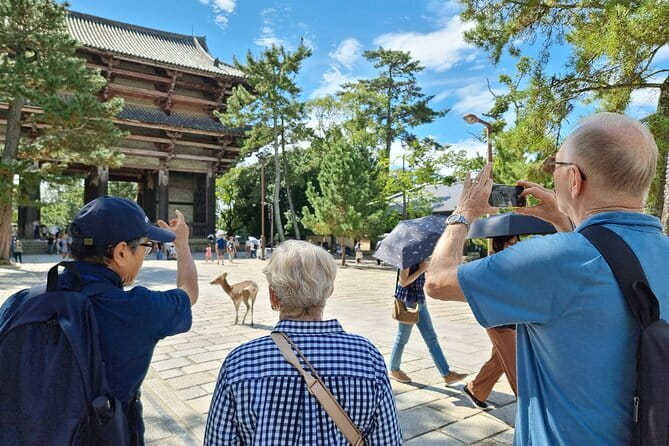
Nara Park is the obvious headline stop, but the experience is more than just seeing deer. It’s the way your guide sets you up to interact safely and confidently. You’ll spend about an hour here, with time for the classic commemorative photos and feeding.
Here’s the practical mindset I recommend. Treat it like a guided street scene, not a zoo. The deer are bold, and that can make visitors nervous, especially if you’re trying to keep kids close. Having a guide helps because you learn what to do right away: where to stand, how to keep things moving, and how to keep the photos from turning into a scramble.
If you’re traveling as a family, this part is often the emotional high point. Kids get the funny payoff fast. Adults get great pictures and a real sense of local atmosphere.
Todai-ji and the Great Buddha: making the size feel real
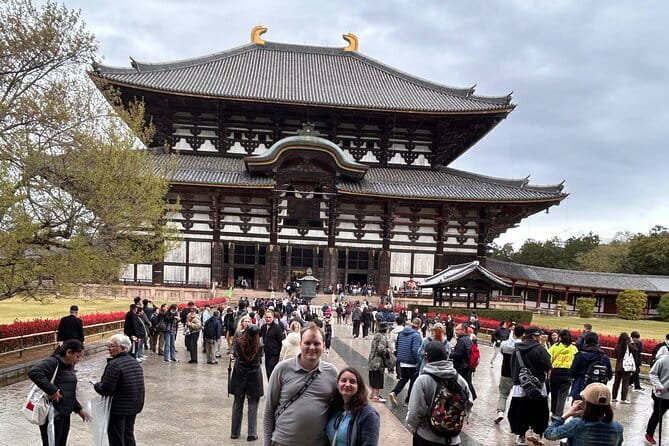
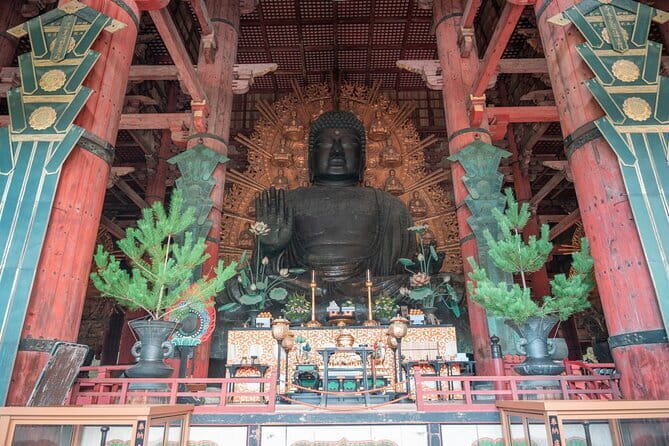
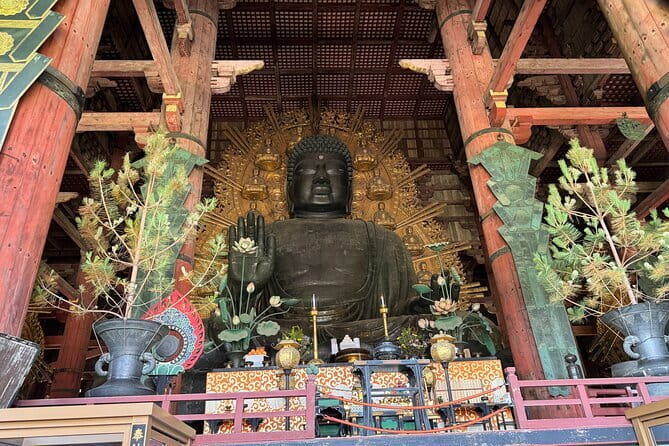
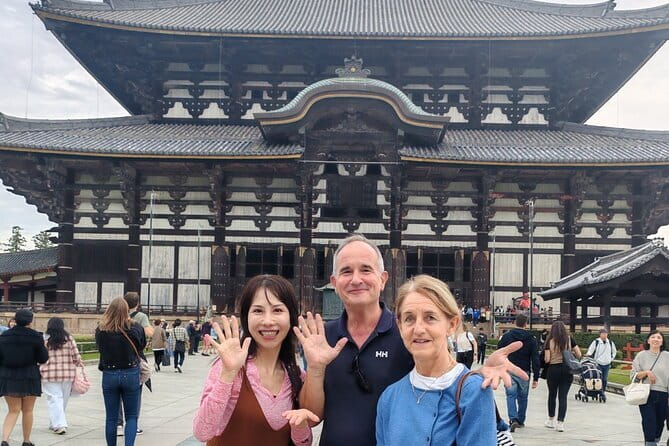
Todai-ji is the stop that makes Nara feel like Nara. The plan includes about an hour here and a guide explanation of the temple’s history, plus you’ll be able to see the Great Buddha.
Admission for Todai-ji is not included, and the fee listed is ¥800. That’s normal for Japan’s major sites, but it’s good to know up front so you don’t end up calculating cash on the spot.
What I like about this setup is how it balances time and meaning. You don’t just wander. You get a guided context that helps you understand why Todai-ji matters. Even if you’re not a temple superfan, you’ll come away with at least a few facts you can actually remember later.
A change of pace from Nara:
- Osaka: Nara and Uji Day Trip with Deer Park and Hot Spring
★ 4.4 · 302 reviews - Kyoto/Osaka: Kinkakuji, Bamboo Forest, and Nara Deer Park
★ 4.4 · 265 reviews - Nara 6hr Private Tour with Government-Licensed Guide
★ 5.0 · 219 reviews - E-Bike Nara Highlights – Todaiji, Knives, Deer, Shrine
★ 4.8 · 186 reviews
Naramachi: traditional townhouses, shops, and a slower kind of sightseeing
After Todai-ji, the itinerary shifts into a more neighborhood feel. Naramachi Nigiwai-no-le is a historic district where traditional townhouses line the street, and you can browse shops while keeping things easy on your legs.
You’ll have about 1.5 hours here, and admission is free. This is the kind of stop where your guide’s pacing really helps. If you rush, Naramachi becomes just another shopping street. If you slow down, you notice details, like the traditional interior atmosphere and small local food moments.
One fun detail that can make this section memorable is mochi-pounding at Nakatanidou. Even if you only watch briefly, it adds a living-culture layer, not just scenery. And because it’s private, you’re not stuck behind a slow-moving crowd the entire time.
Kasuga Taisha: a sacred forest shrine with real atmosphere
Kasuga Taisha is the shrine stop, and it’s worth the time. The plan gives you about an hour here with your guide. It’s famous, but the more important detail is the setting: it’s described as a sacred forest preserved for over 1,000 years.
This is one of those places where being with a guide helps you pay attention. Sacred spaces can feel abstract if you don’t have a few anchors. With an explanation, you’ll understand what you’re seeing and why the forest setting matters.
You should also treat this as your calmer moment in the day. After deer and big temple spaces, Kasuga Taisha is more like quiet breathing room. If your group likes photos, it’s also very photogenic, because the shrine and the trees create that naturally framed, ceremonial feel.
Mt. Wakakusa: the summit view, deer included
Wakakusa Mountain gives you panoramic views and a photo stop built around those classic deer interactions. The itinerary includes about 40 minutes here, with admission marked free.
This is a short stop, so don’t plan to do a long hike. Think of it as a viewpoint visit. The payoff is what you can see from above, plus the chance to get photos with deer at a different angle than Nara Park.
If you’re chasing that magical moment, go with a simple plan: aim to get there, take the photos you care about first, and then linger if the timing is good. In reviews, the timing is mentioned as a highlight, especially when the summit is less crowded.
Lunch in Nara and the power of dietary flexibility
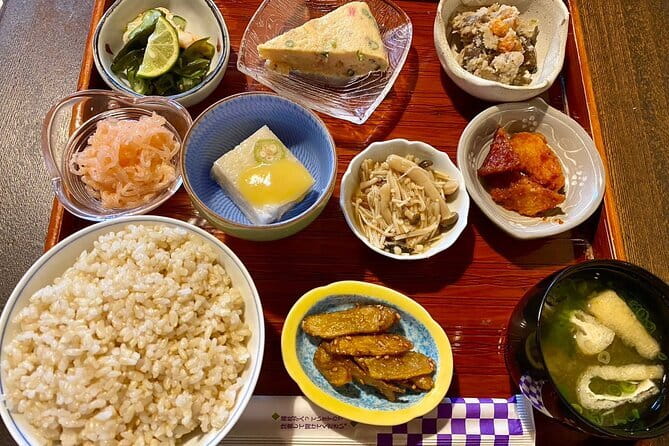
Lunch is included as time carved out for a lovely local Japanese restaurant. The itinerary also notes that other dining options can be arranged on request.
In the real world, this matters more than it sounds. When you’re in a smaller city for the day, language barriers and menu complexity can slow you down. Reviews include examples like gluten-free lunch help and even restaurant choices that recognize special occasions. That tells me the guide isn’t just translating phrases, they’re helping you make good decisions quickly.
One practical tip: before the day starts, tell your guide any must-haves or no-go foods. The tour is private, so you’re not stuck with whatever the majority wants.
If you’re a food person, lunch is often where the day turns from sightseeing into a memory. You get to sit down, refuel, and enjoy Nara’s local flavor without hunting.
Optional add-ons if you have time
This tour can flex depending on the day. If you have extra time, optional experiences may include:
- afternoon tea at the historic Nara Hotel
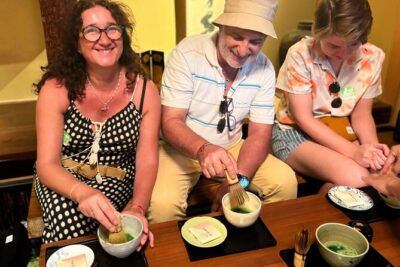
- a casual matcha experience
- local Nara sake tasting
- seasonal activities like strawberry picking
These are best if you want more of a cultural slow moment after the main sights. Afternoon tea can feel like a nice contrast to the deer and temples. Matcha and sake fit well if your group likes tasting.
The key is timing. Since the core stops already fill a full day, these add-ons are truly optional. Ask your guide what’s realistic for your exact schedule.
Price and value: is it worth $573.33 per group?
The price is listed as $573.33 per group, up to 2 people. That’s a lot of money on paper, but value is about trade-offs.
Here’s how I think about it:
- You’re buying time savings. Door-to-door pickup and drop-off reduces transfer stress.
- You’re buying guided efficiency. Your guide helps you hit the right sites in the right order and can adjust for your pace.
- You’re buying comfort. Air-conditioned vehicle plus bottled water is not a tiny detail on a long day.
- You’re buying small-group attention. With only your group, you’re less likely to get stuck waiting or being pulled along.
This tour can make the most sense for couples who want a smooth day, for families who don’t want to manage multiple kids plus transit, and for anyone who’s worn out from Kyoto walking and wants to rest a bit while still getting the important Nara hits.
If you’re traveling solo or on an ultra tight budget, you might compare against cheaper transit options. But if your goal is a low-stress day with meaningful stops, the private format is the value engine here.
Who this private Nara car tour fits best
This is a great fit when you want structure without feeling boxed in.
It tends to be especially good for:
- families with kids who need flexible pacing
- couples and honeymooners who want smooth hotel pickup and clear guidance
- travelers who like photography and want help getting the shot at deer and summit viewpoints
- people who care about explanations and context at Todai-ji and Kasuga Taisha
One thing I’d keep in mind: it’s a full day. Even with a private setup, you’ll still be walking around parks, temple areas, and town districts. If your group has very limited mobility, you might want to ask the provider what your walking limits should be, since the plan includes multiple on-foot stops.
Should you book this private Nara car tour?
Book it if you want a complete Nara day with a guide to keep the day from turning into logistics. The combination of Nara Park deer time, Todai-ji’s Great Buddha, Kasuga Taisha’s forest atmosphere, Naramachi’s townhouse streets, and a viewpoint at Mt. Wakakusa gives you both the famous highlights and the more relaxed local side.
I’d hesitate if:
- you’re extremely picky about vehicle comfort and hate any chance of a subpar ride experience
- you only want one or two stops and would rather travel slowly on your own
If you do book, set yourself up for a great day by sharing your interests early, like family photo priorities, dietary needs, or whether you want less time shopping and more time at shrines. Guides like Ami, Sho, and Towa are repeatedly praised for making the plan feel personal, not canned.
FAQ
How long is the Nara tour from Kyoto or Osaka?
The tour runs about 8 to 9 hours.
Is pickup from my hotel included?
Pickup is offered, and the experience includes door-to-door hotel pickup and drop-off.
Is this a private tour?
Yes. It’s private, and only your group participates.
What’s included in the tour price?
Included are an air-conditioned vehicle, bottled water, and an in-person English guide. A mobile ticket is provided.
What admission fees should I expect?
Todaiji has an admission fee listed as ¥800, and temple admissions are not included. Other admission fees are not specified in the provided details.
Is the deer feeding part of the itinerary?
Yes. Nara Park includes about an hour for feeding deer and taking commemorative photos.
Are there optional add-ons?
If time allows, options may include afternoon tea at the Nara Hotel, matcha experience, Nara sake tasting, or seasonal activities like strawberry picking.
What is the cancellation policy?
You can cancel for a full refund up to 24 hours in advance. If you cancel less than 24 hours before the experience starts, the amount paid is not refunded.
Latest write-ups near Nara
- Nara: Essential Private Tour with Deer Park and Temples★ 5.0 · 24 reviews
- Nara:5 Type of Tea Tasting & Mindful Tea Ceremony★ 5.0 · 28 reviews
- Nara: City Highlights Shared Group or Private Bike Tour★ 4.9 · 34 reviews
- Sushi Making Experience Luxury Course in Nara★ 5.0 · 36 reviews
- Nara: Private Walking Tour with a Local★ 4.3 · 36 reviews
- Private Nara Tour and Sake Tasting (Departing from Kyoto/Nara)★ 5.0 · 40 reviews
- Nara: Bike Tour in Ancient Capital UNESCO World Heritage★ 5.0 · 43 reviews
- Nara: Great Buddha, Kasuga Shrine & Deer Park Tour★ 4.8 · 62 reviews
Nara Tours, compared.
World Heritage Kyoto & Nara Uji Authentic Matcha Experience
Read our review →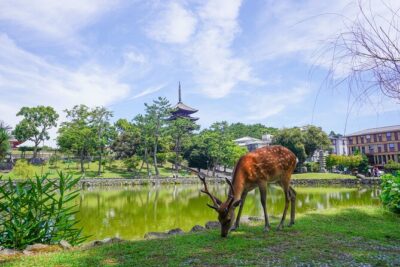
Nara Half Day Trip Walking Tour (Private Option Available)
Read our review →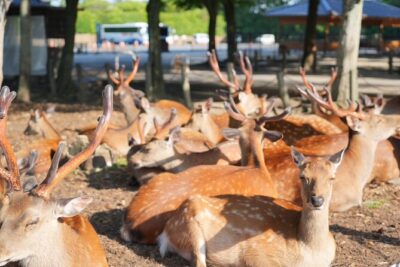
Nara Early Morning Tour (Kyoto or Osaka Departure Available)
Read our review →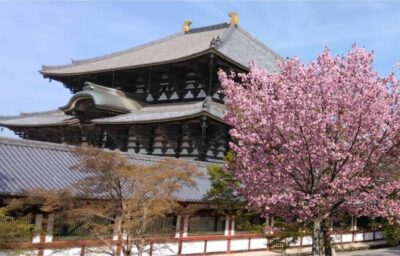
Nara and Uji Day Trip with Deer Park and Hot Spring
Read our review →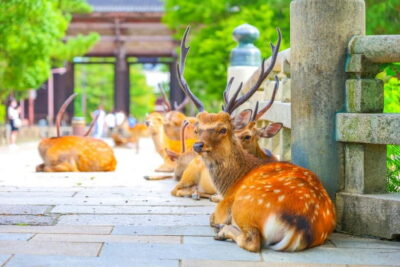
Kyoto/Osaka: Kinkakuji, Bamboo Forest, and Nara Deer Park
Read our review →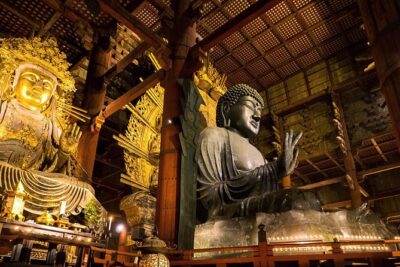
Nara 6hr Private Tour with Government-Licensed Guide
Read our review →
E-Bike Nara Highlights – Todaiji, Knives, Deer, Shrine
Read our review →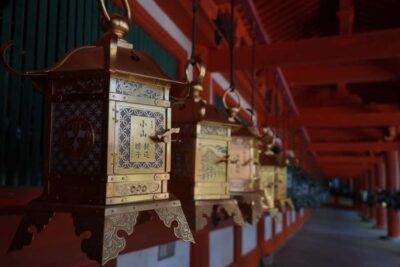
Nara Early Bird Tour (Kyoto Departure Option Available)
Read our review →Browse the lists this tour appears in